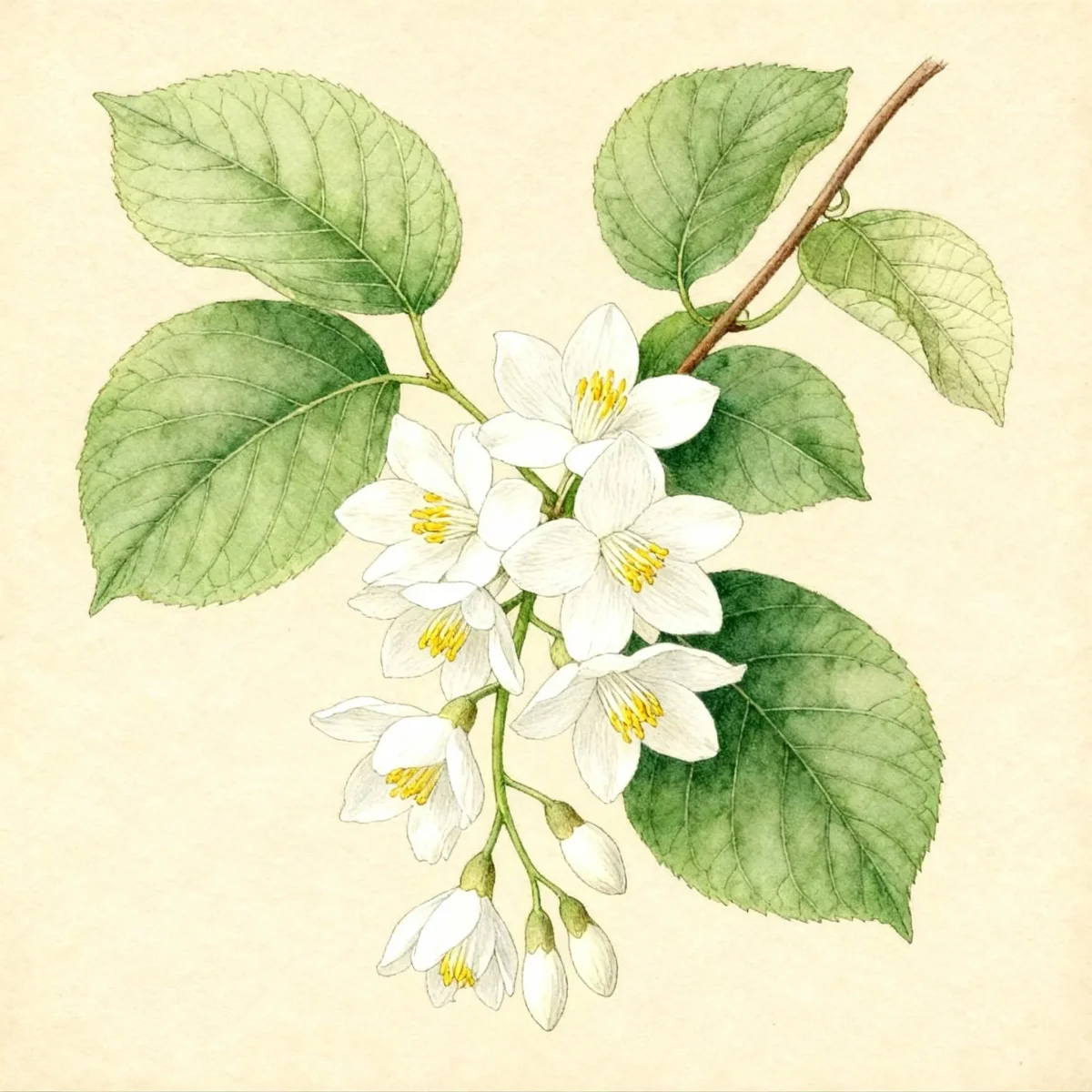
Carolina silverbell (Halesia carolina)
Halesia carolina, the Carolina silverbell, is a showy, low-maintenance tree thriving in Zones 4-8 with beautiful white blooms.
Scroll down to discover growing tips, care requirements, companion plants, and more
Complete Plant Information
Overview
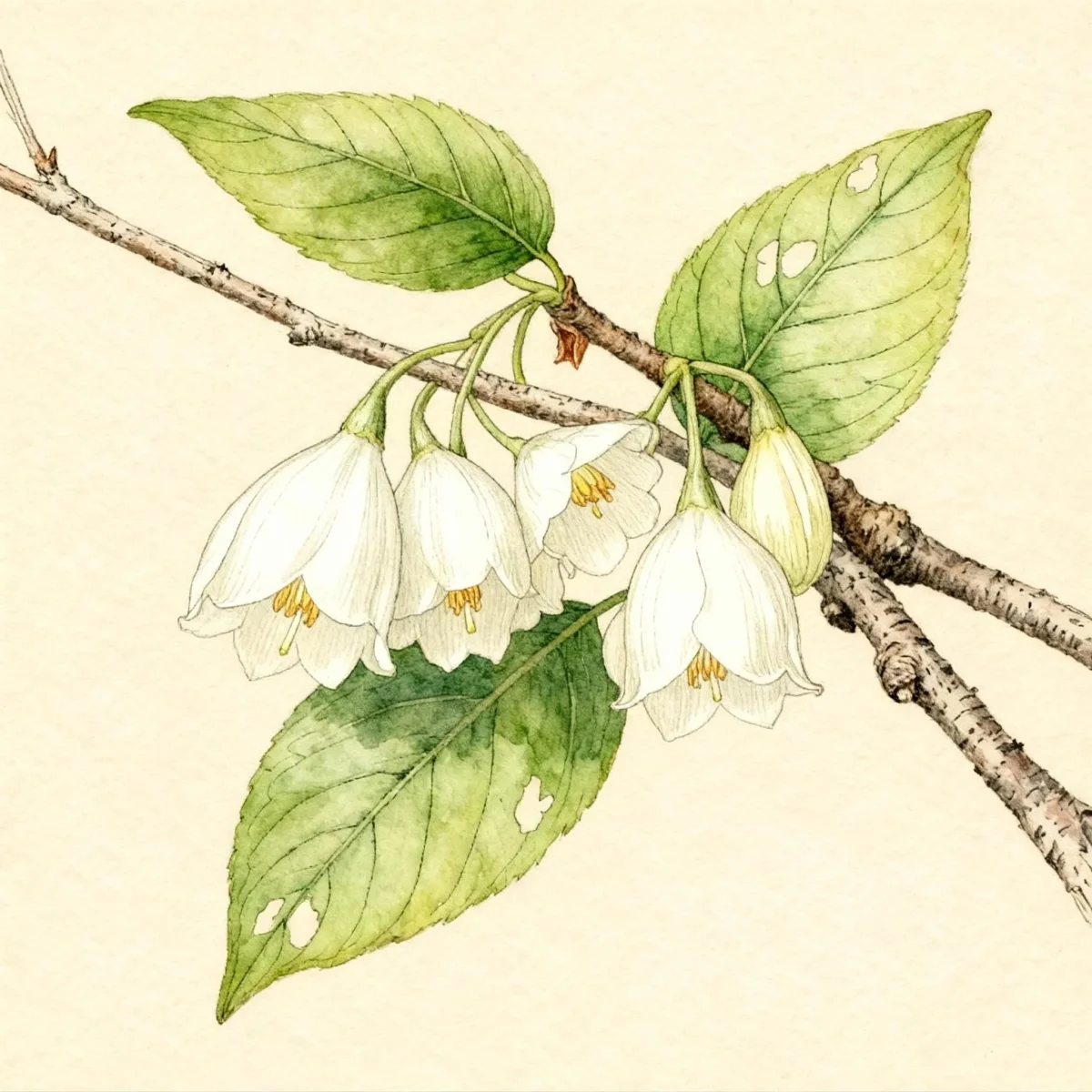
The Carolina silverbell (Halesia carolina) is a cherished native specimen prized for its elegant, nodding white flowers that appear in early spring. This small deciduous tree provides an excellent focal point, often blooming just as other spring color fades, ensuring a double display. As an understory tree in its native habitat, Halesia carolina adapts well to varied light conditions, making it a versatile choice for many gardens.
Cultivating Halesia carolina is straightforward for the average gardener due to its low maintenance requirements once established. It brings significant aesthetic value, transitioning from delicate spring blooms to interesting four-winged fruits that persist into winter. This tree is a valuable addition to woodland settings or as a striking specimen planting.
This species, also known as the silverbell tree, is native to the rich, mesic soils of the Southeastern U.S. Recognizing its preference for well-drained, acidic conditions is key to successfully growing this beautiful native species outside of its native range.
Fast Facts
- Plant Family: Styracaceae
- Plant Type: Tree
- Native Range: Southeastern United States
- Hardiness Zones: USDA Zones 4-8
- Size at Maturity:
- Height: 30-40 ft
- Spread: 20-35 ft
- Bloom Time: April
- Bloom Description: White
- Sun Exposure: Full sun to part shade
- Water Needs: Medium
- Maintenance Level: Low
How to Grow
Plant Halesia carolina ideally during the dormant season—late fall or early spring—to minimize transplant shock. Select a location that allows its mature size to be accommodated, ensuring good drainage is paramount. While it tolerates average soils, this tree thrives best where the soil is moist, organically rich, and slightly acidic, mirroring its native Appalachian habitat.
Watering requirements are medium; aim for consistently moist soil, especially during establishment or periods of drought. Fertilization is rarely necessary if the soil is rich, but avoid planting in high-pH alkaline soils, which commonly cause chlorosis (yellowing leaves). Gardeners can maintain the Carolina silverbell as a single-trunk tree with light pruning focused on shaping, or allow it to develop naturally as a multi-stemmed large shrub.
In colder zones (4 and 5), ensure the planting site is protected from harsh winter winds. The soil should be amended generously with compost to boost organic matter, which helps retain necessary moisture and provides slow-release nutrition. Pruning is best done immediately after flowering is complete.
Landscape Uses
The graceful form and spectacular spring flowers make the Carolina silverbell an excellent specimen for the lawn or as a signature piece in a mixed border. It functions perfectly as an attractive, small flowering tree where space might be limited for larger shade trees. It is particularly well-suited for woodland gardens due to its partial shade tolerance and native status.
This tree blends beautifully with other acid-loving, moisture-tolerant shrubs and trees. For companion planting, consider pairing Halesia carolina with rhododendrons and azaleas, which share similar soil and moisture preferences. Planting it near water features or along stream banks highlights its preference for moist settings.
The drooping, bell-shaped blooms provide an airy texture that softens the edges of the landscape. Use the Carolina silverbell as a superb transition piece between woodland plantings and open lawn areas.
Standout Features
Flower Qualities
- Showy
Noteworthy Characteristics
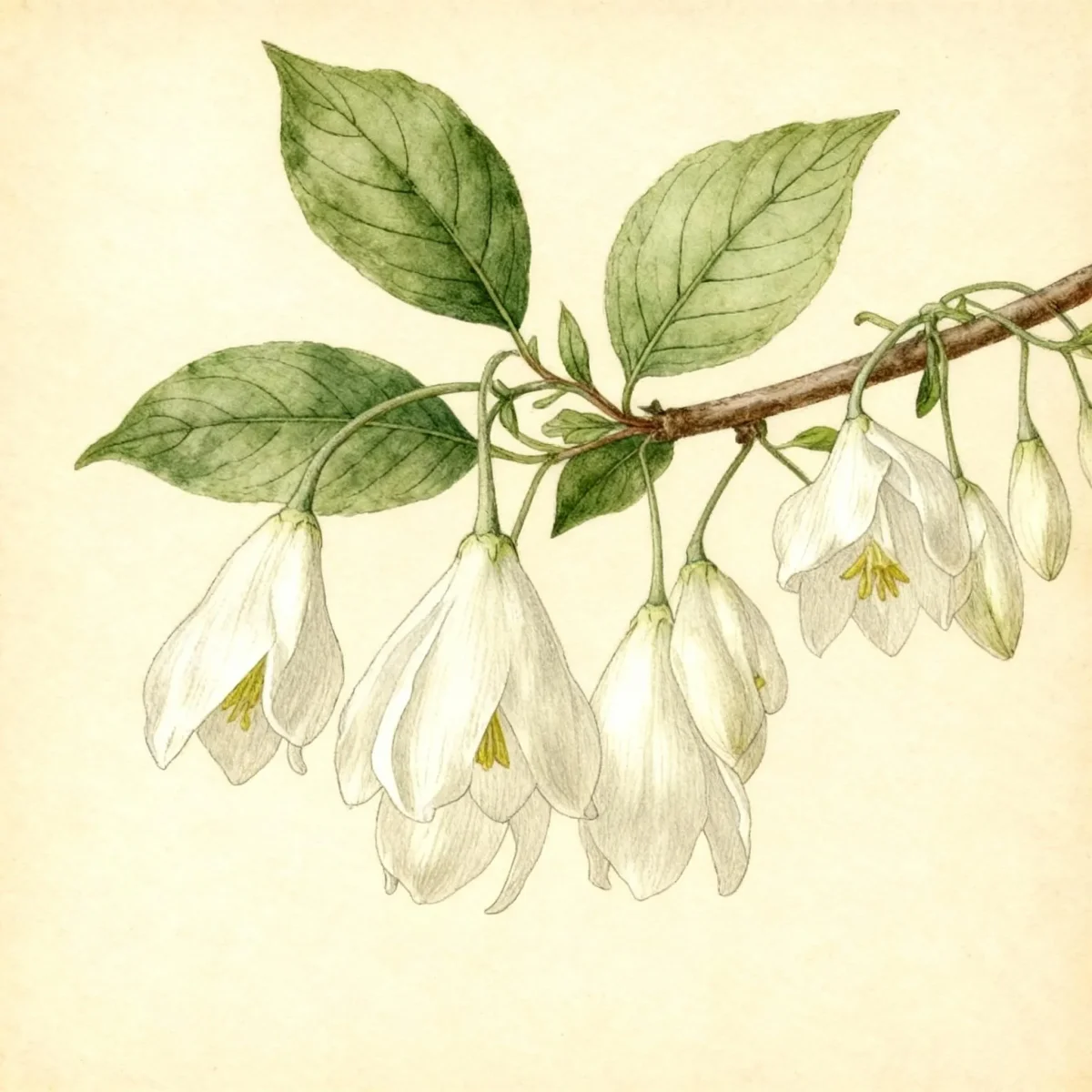
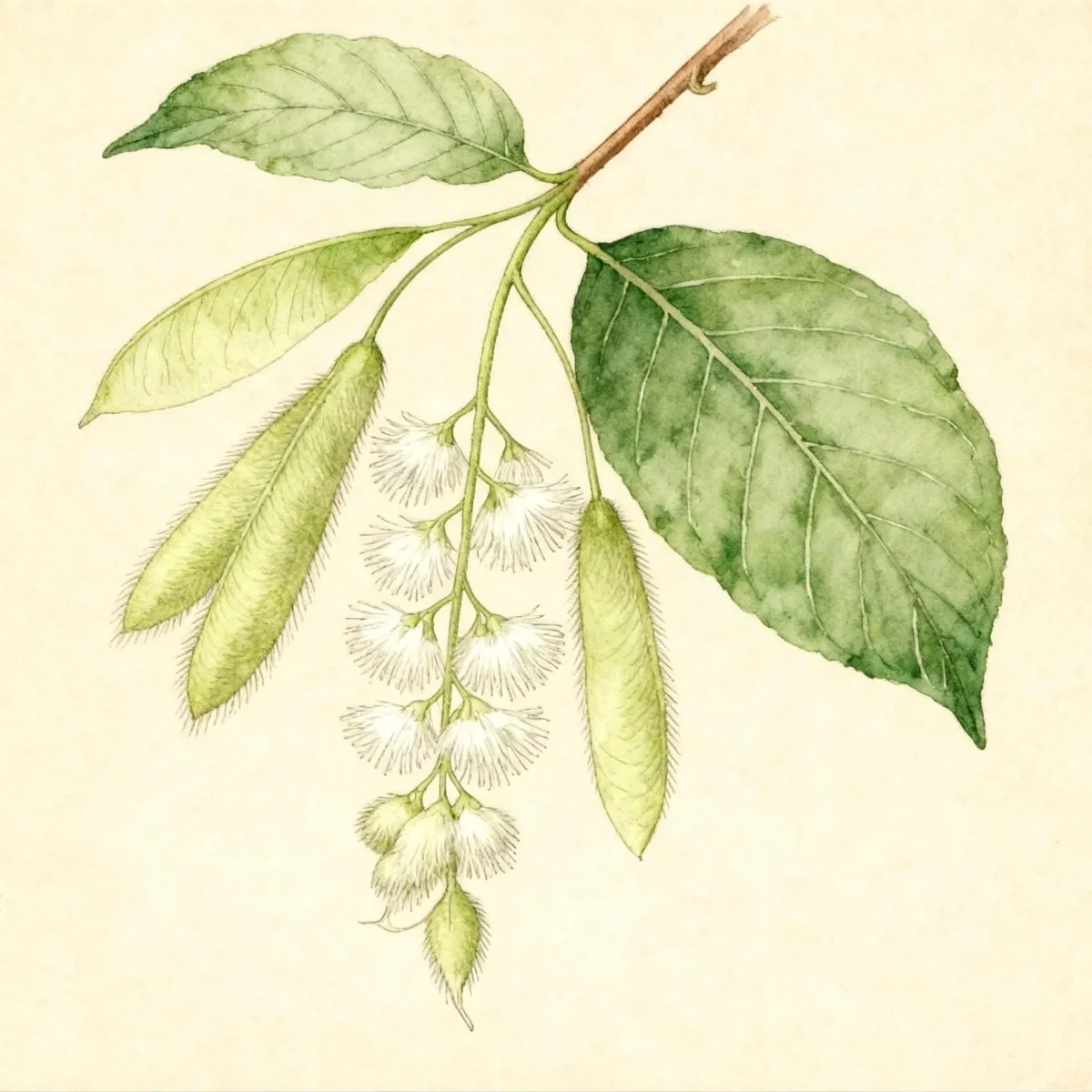
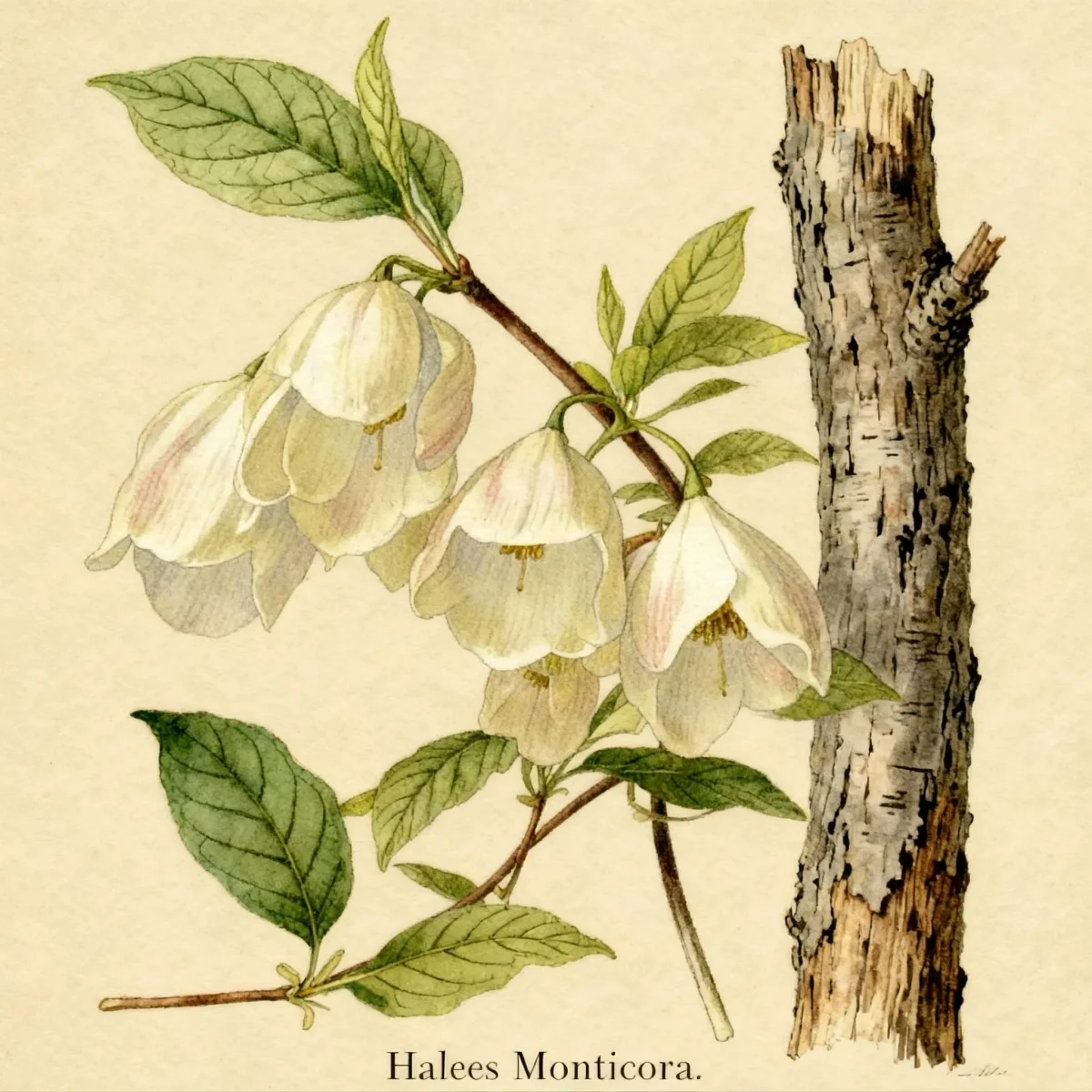
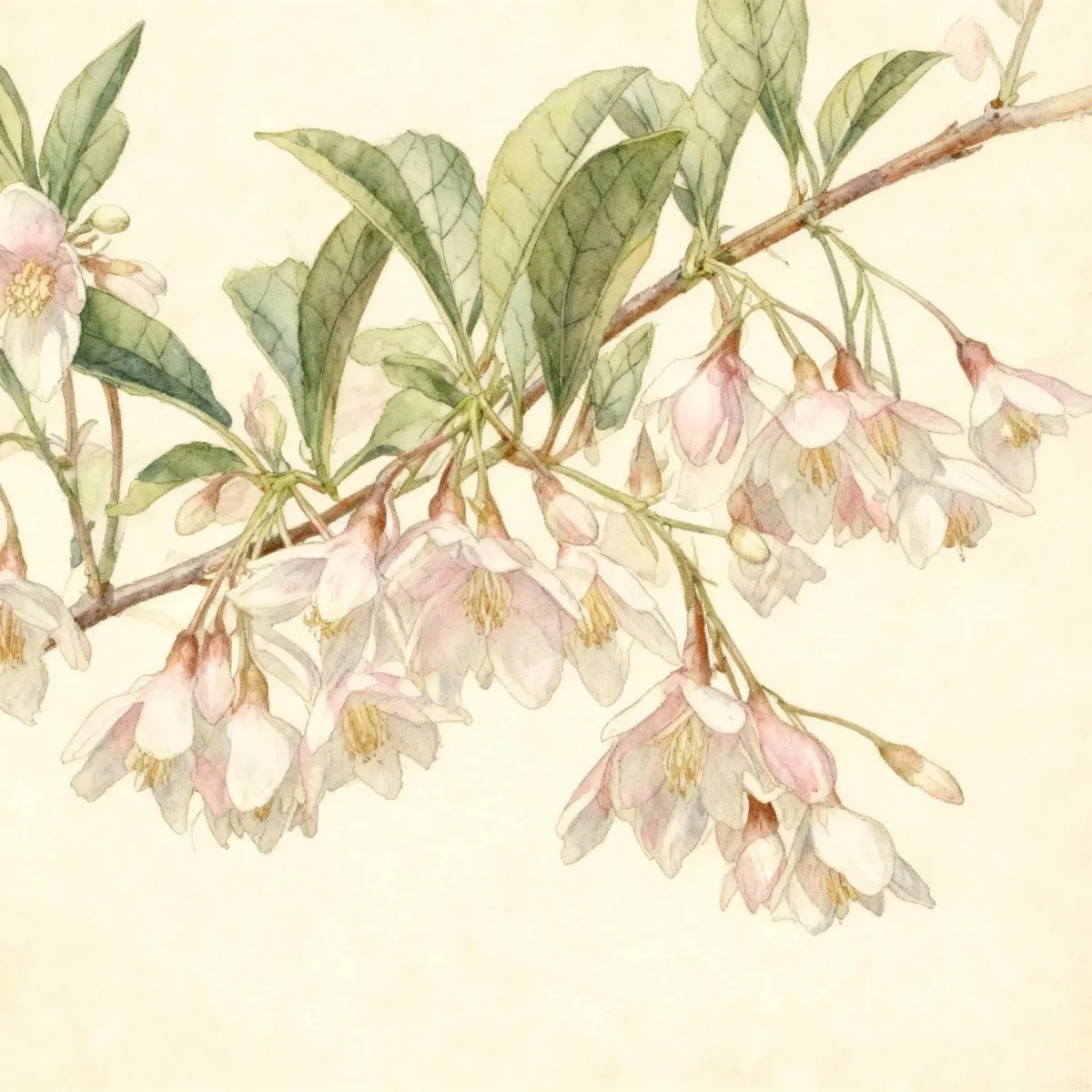
Halesia carolina, commonly called Carolina silverbell or silverbell tree, is a small, deciduous, understory tree native to the Piedmont and southern Appalachian Mountains of the southeastern United States. It features drooping clusters of bell-shaped, white flowers that appear shortly before or simultaneous to leaf emergence in April. Its four-winged, nut-like fruits mature in the fall and often provide winter interest.
Tolerances
- Black Walnut
Potential Problems
The beauty of the Carolina silverbell is that it rarely suffers from serious pest or disease issues, contributing to its low-maintenance status. The most significant cultural challenge gardeners face is susceptibility to chlorosis—a yellowing of the leaves—which occurs when the plant is situated in soils with high pH (alkaline conditions).
To mitigate chlorosis, always ensure your planting site has acidic soil. If chlorosis begins to appear, you can apply sulfur or iron treatments formulated for acid-loving plants according to label instructions. Avoid disturbing the shallow root system unnecessarily once the tree is established.
Frequently Asked Questions
What hardiness zones is Carolina silverbell suitable for?
The Carolina silverbell (Halesia carolina) is best suited for USDA Hardiness Zones 4 through 8.
How large does Carolina silverbell grow?
This tree typically reaches a height between 30 and 40 feet, with a spread ranging from 20 to 35 feet at maturity.
What sun exposure does Halesia carolina need?
Halesia carolina performs well in conditions ranging from full sun to partial shade, though it appreciates afternoon shade in the hottest climates.
When does Halesia carolina bloom?
The characteristic white, bell-shaped flowers appear in April, shortly before or at the same time the foliage emerges.
Conclusion
The Carolina silverbell offers exceptional spring floral display with minimal required effort, proving itself a highly valuable, low-maintenance native flowering tree. Integrating Halesia carolina into your landscape brings reliable beauty and supports the native ecosystem. Before planting, confirm your site offers moist, well-drained, slightly acidic soil to ensure your new Carolina silverbell prospers for years to come.
Companion Planting
The cultural needs of the Carolina silverbell are closely matched by many popular acid-loving woodland plants, making companion selection easy. Plants such as native Ferns provide excellent ground cover, thriving in the dappled light beneath the canopy of the silverbell tree. Consider underplanting with native woodland phlox or wild ginger for early season color that won’t compete heavily with the tree’s shallow roots.
When designing a mixed border, focus on plants that require consistent moisture and rich organic matter. Hydrangeas, hostas, and various woodland shrubs that tolerate part shade will create a lush, multi-layered tapestry around the specimen tree, enhancing the effect of its spring display.
Seasonal Care Calendar
Spring is the active time for Halesia carolina; ensure consistent watering as leaves emerge and flowers bloom. Monitor for signs of chlorosis, applying chelated iron if necessary to combat high soil pH issues immediately after the bloom period.
Summer maintenance centers on deep, infrequent watering during dry spells to maintain soil moisture without saturation. Minimize soil compaction around the base of the tree, as this species has sensitive surface roots. Limit pruning to shaping only, ideally avoiding major cuts during peak summer growth.
Fall is when attractive four-winged fruits appear, providing seasonal interest long after the leaves turn an attractive yellow and drop. Prepare for winter by ensuring the soil moisture is adequate before the ground freezes, allowing the tree to harden off properly in cooler zones.