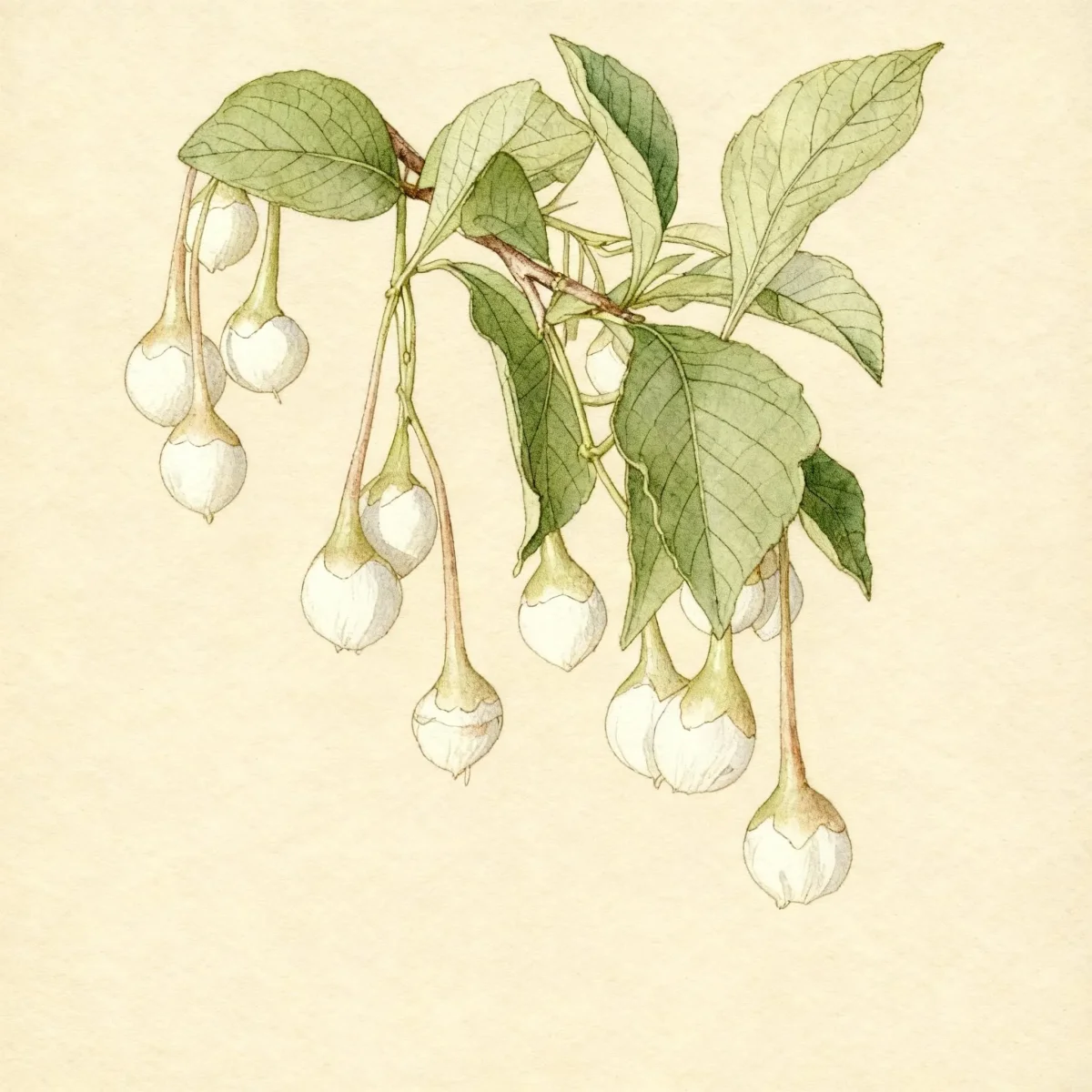
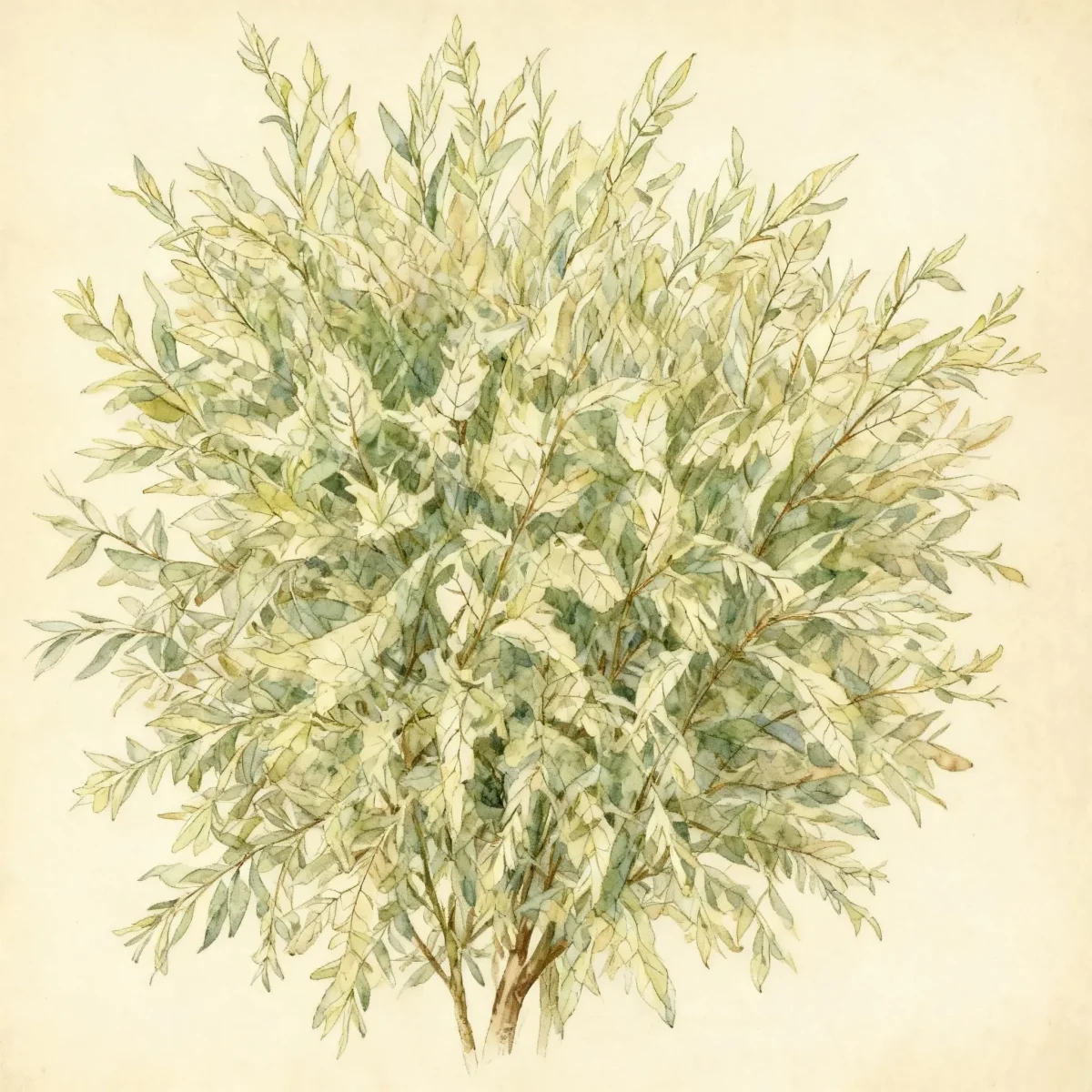
American snowbell (Styrax americanus)
Styrax americanus, American snowbell, offers showy, fragrant white flowers thriving in wet, acidic soils of USDA Zones 6-8.
Scroll down to discover growing tips, care requirements, companion plants, and more
Complete Plant Information
Overview
The American snowbell, or Styrax americanus, is a highly valued native shrub known for its graceful form and delightful springtime display. Gardeners seek out this species for its cascading habit and the subtle sweetness carried on the air when its pure white flowers open. It bridges the gap for landscapes needing significant interest in consistently moist or even seasonally wet environments.
As a wetland native primarily found across the Southeastern United States, Styrax americanus brings ecological value alongside its aesthetic charm. It provides essential structure in woodland gardens and functions reliably where many other landscape shrubs struggle due to saturated conditions. This deciduous variety matures into a rounded specimen perfect for adding layered interest.
Its bloom period in mid-to-late spring ensures a reliable splash of color, followed by small, unassuming fruits. Providing excellent tolerance for wet soil conditions, the American snowbell is a resilient choice for gardeners dedicated to incorporating native flora into their designs.
Fast Facts
- Plant Family: Styracaceae
- Plant Type: Deciduous shrub
- Native Range: Southeastern United States
- Hardiness Zones: USDA Zones 6-8
- Size at Maturity:
- Height: 6-10 ft
- Spread: 6-10 ft
- Bloom Time: April to May
- Bloom Description: White
- Sun Exposure: Full sun to part shade
- Water Needs: Medium to wet
- Maintenance Level: Medium
How to Grow
Plant Styrax americanus in the spring or fall, ideally when soil temperatures are moderate, allowing the roots time to establish before extreme heat or cold arrives. The most crucial requirement for successful cultivation is humidity and moisture; these shrubs thrive in acidic, organically rich soils that maintain consistent moisture. While they perform well in moist sandy loams, ensure the soil offers some drainage; they prefer consistently wet conditions but generally do not like stagnant standing water long-term, although they are tolerant of wetter sites.
Watering should focus on deep, regular soaks, especially during dry spells, to mimic their native floodplain habitats. Fertilization is rarely required if the soil is rich in organic matter. Minimal pruning is usually necessary; if shaping is desired, perform light pruning in the winter when the plant is dormant to encourage the best spring bloom structure.
To propagate the American snowbell, both seed and cuttings can be successful depending on the desired outcome and effort level. Remember that Styrax americanus is adapted to variable conditions; once established, it should require medium maintenance, primarily focused on ensuring its water needs are met during establishment.
Landscape Uses
The American snowbell is an outstanding choice for specialized landscape niches, particularly where water management is a consideration. Its native affinity for moist to wet areas makes it invaluable for stabilizing stream banks, naturalizing in rain gardens, or bordering ponds where many traditional shrubs fail. Use it as a beautiful rounded flowering shrub, providing structure against evergreen backdrops.
In woodland garden settings, Styrax americanus integrates seamlessly, offering textural contrast to ferns and azaleas. Because it is native to the Southeastern US, it is perfect for habitat restoration projects and native plant areas, supporting local ecosystems. Plant clusters of three or more to maximize the visual impact of their simultaneous spring flowering.
Standout Features
Flower Qualities
- Showy
- Fragrant
Noteworthy Characteristics
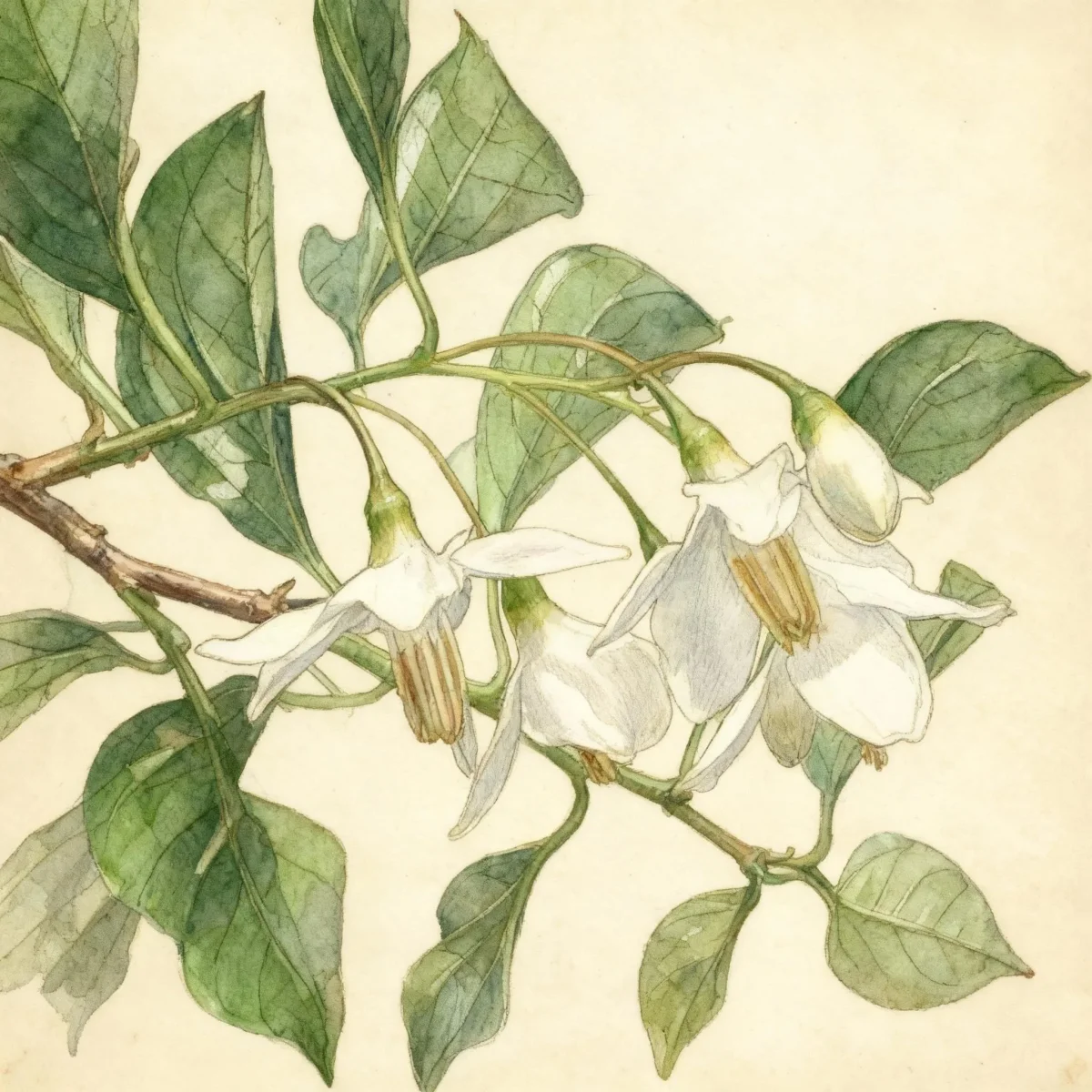
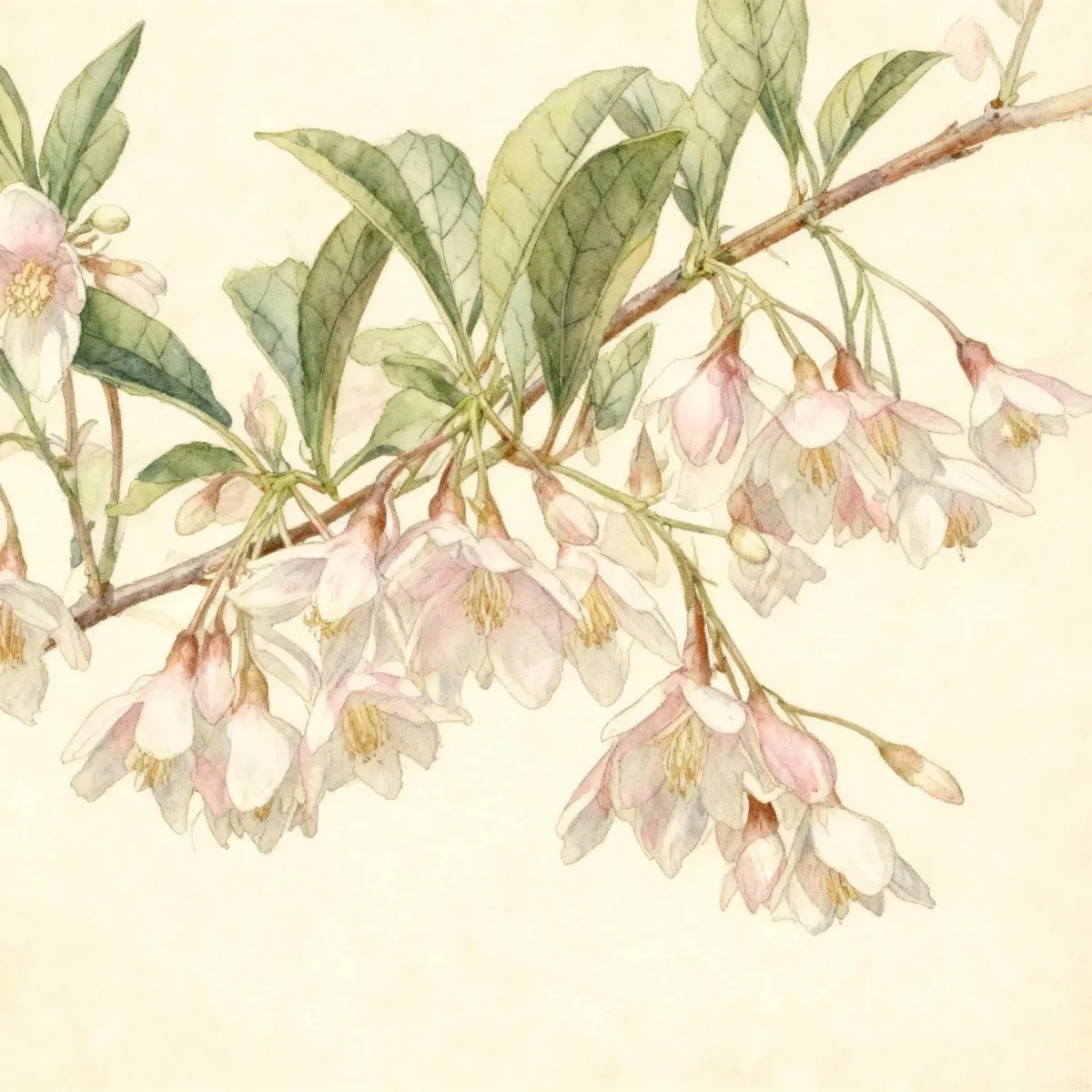
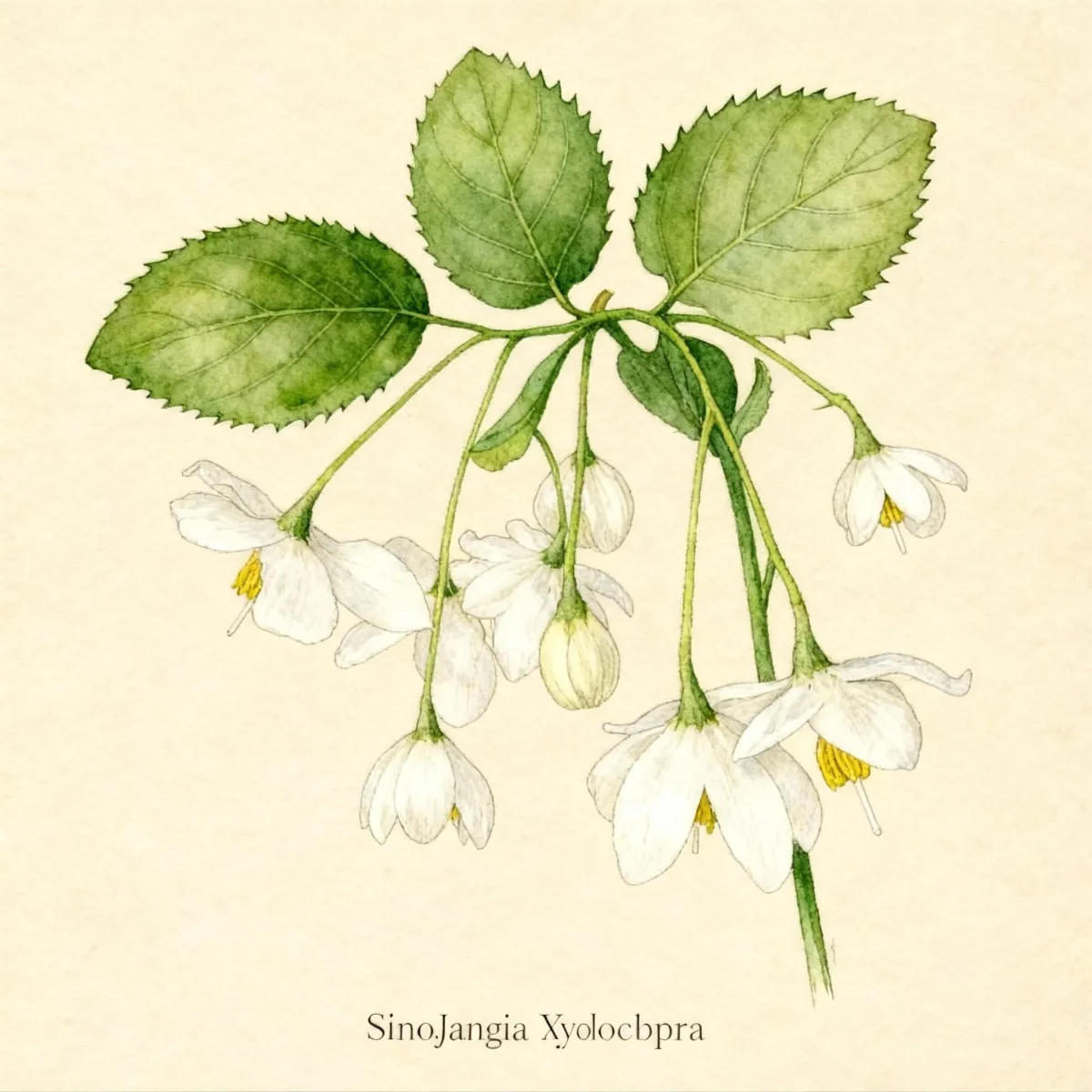
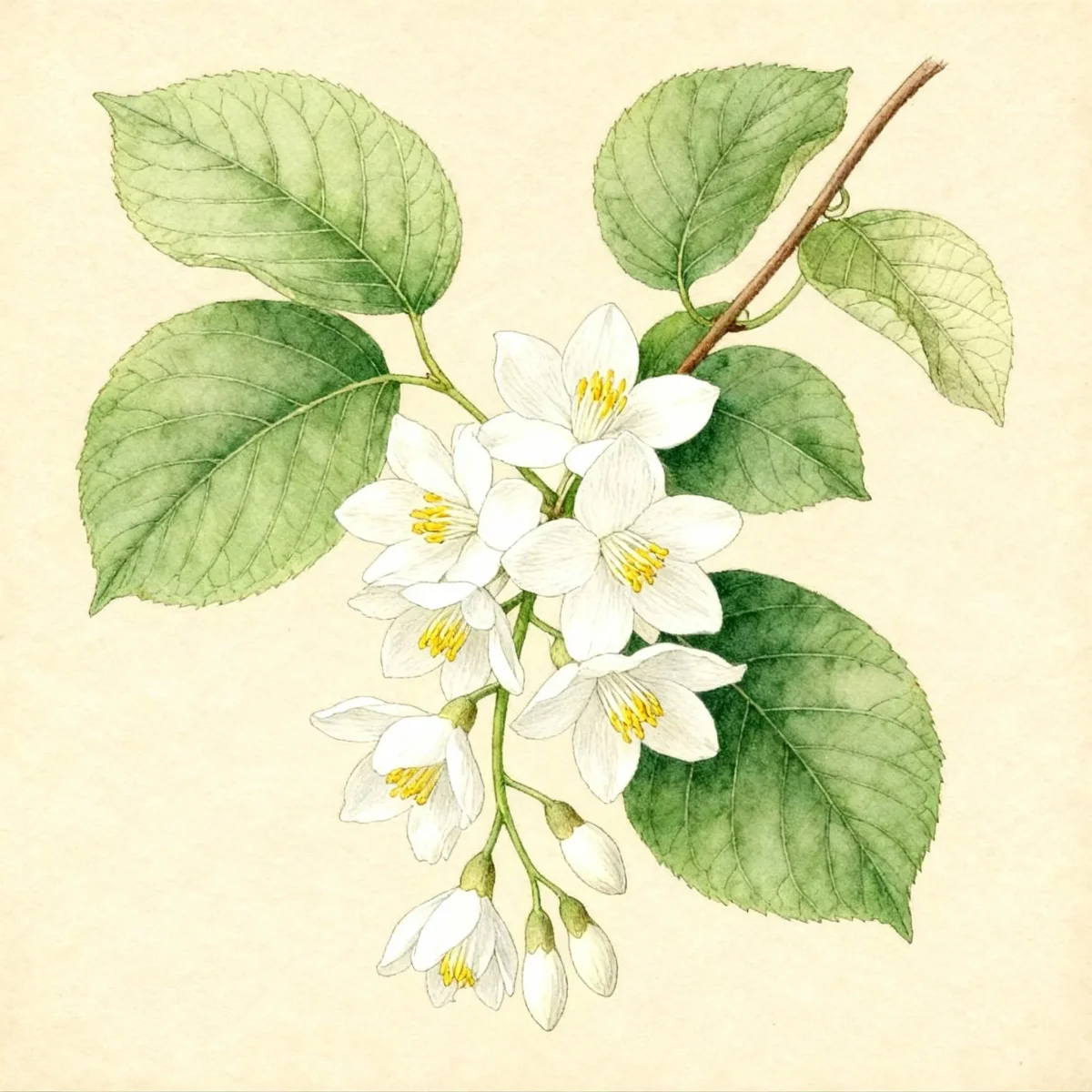
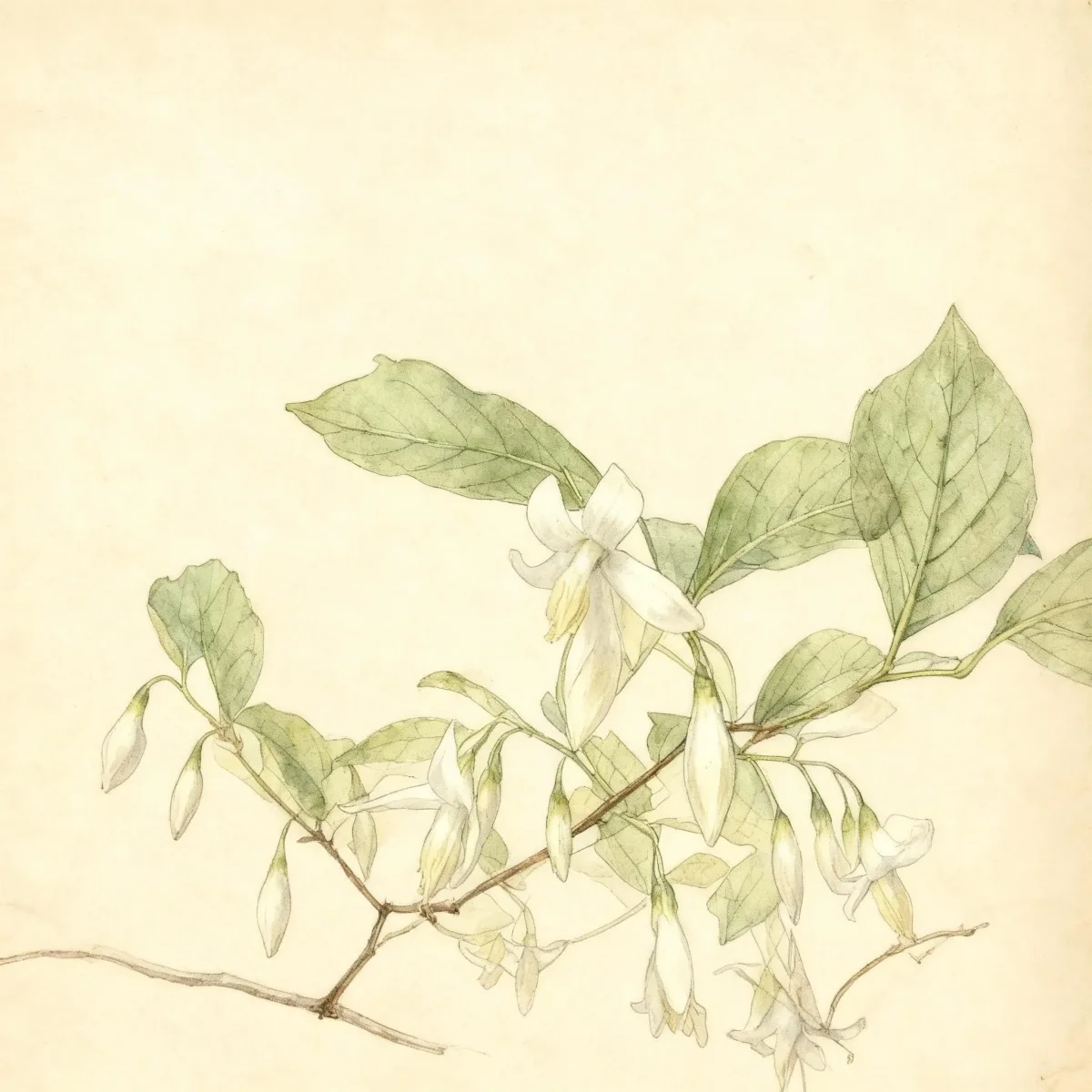
Styrax americanus, commonly called American snowbell, is a deciduous shrub or small tree that typically grows to 6-10’ (less frequently to 15’) tall. It is a wetland species that is native to wet woods, swamps, marsh peripheries, floodplains and stream banks, sometimes growing in standing water, primarily in the southeastern U. S. American snowbell is particularly noted for its showy, bell-shaped, pendulous, mildly fragrant, white flowers (to 1/2” long) which bloom April to early June, sometimes in clusters of 1-4, from the leaf axils or stem ends. The elliptic to ovate dark green leaves are mostly hairless, giving the plant a clean profile through the summer.
Tolerances
- Wet Soil
Potential Problems
Fortunately, Styrax americanus generally presents no serious insect or disease problems in cultivation, making it a reliable choice for low-input gardening. Its native adaptation to its habitat means pests rarely colonize it aggressively. Site selection is the primary preventative measure; ensuring the soil is acidic and wet enough will help the plant maintain vigor, thus naturally resisting opportunistic secondary invaders.
If the location is too dry or the soil is alkaline, the plant will show stress, potentially leading to leaf scorch or weakness. Always select a site mirroring its native environment in the Southeastern United States to enjoy the best, most trouble-free performance from your American snowbell.
Frequently Asked Questions
What hardiness zones is American snowbell suitable for?
Styrax americanus is hardy and thrives within USDA Zones 6 through 8.
How large does American snowbell grow?
This deciduous shrub typically reaches a height between 6 and 10 feet, with an equivalent spread of 6 to 10 feet at maturity.
What sun exposure does Styrax americanus need?
The American snowbell performs best when sited in locations receiving full sun to partial shade, providing flexibility in landscape planning.
When does the American snowbell bloom?
You can expect the showy, white flowers of the American snowbell to appear seasonally from April into May.
Conclusion
Incorporating American snowbell into your landscape provides a stunning early spring floral display combined with robust tolerance for wetter soils. The fragrance and unique bell-shaped structure of Styrax americanus make it a standout specimen plant. Before purchasing, confirm your growing area falls within USDA Zones 6-8 and that you can provide the necessary consistently moist, acidic soil conditions for this beautiful native shrub.
Companion Planting
When selecting neighbors for Styrax americanus, prioritize other plants that enjoy acidic, moist environments. Good companions include Rhododendrons and Azaleas, which offer evergreen structure complementing the deciduous nature of the snowbell. Also consider native wetland ferns like the Ostrich Fern, which thrive in the dappled light often found under this shrub, or moisture-loving groundcovers such as various sedges (Carex species).
These companions will share cultural requirements, reducing the intensive customization of soil amendments needed across the entire planting bed. Ensuring adequate airflow between plants, even in moist areas, remains important for overall plant health when massing moisture-loving flora.
Wildlife Benefits
The presence of Styrax americanus significantly benefits local insect populations by serving as a reliable early-season nectar source. Its flowers are attractive to various early emerging bees and pollinators looking for sustenance after winter dormancy. Furthermore, it holds specific ecological value as a host plant. Notably, the American snowbell is listed as a host plant for the promethea moth (Callosamia promethea), supporting the larval stage of this striking native insect.
Propagation Tips
Cultivating new Styrax americanus plants can be achieved through two primary horticultural methods: seed stratification or stem cuttings. If propagating by seed, collecting the hairy, subglobose fruits in the fall and keeping them moist over winter (cold stratification) will be necessary to break dormancy before spring planting. This process mimics the natural cycle and encourages germination.
For quicker results, especially when aiming to preserve specific genetic traits, use cuttings. Take semi-hardwood cuttings in mid-summer. Ensure cuttings are treated with rooting hormone and kept in a humid, slightly warm environment, such as a mist bench or propagation box, to encourage root development before moving them to their final location, ideally in wet soil beds.