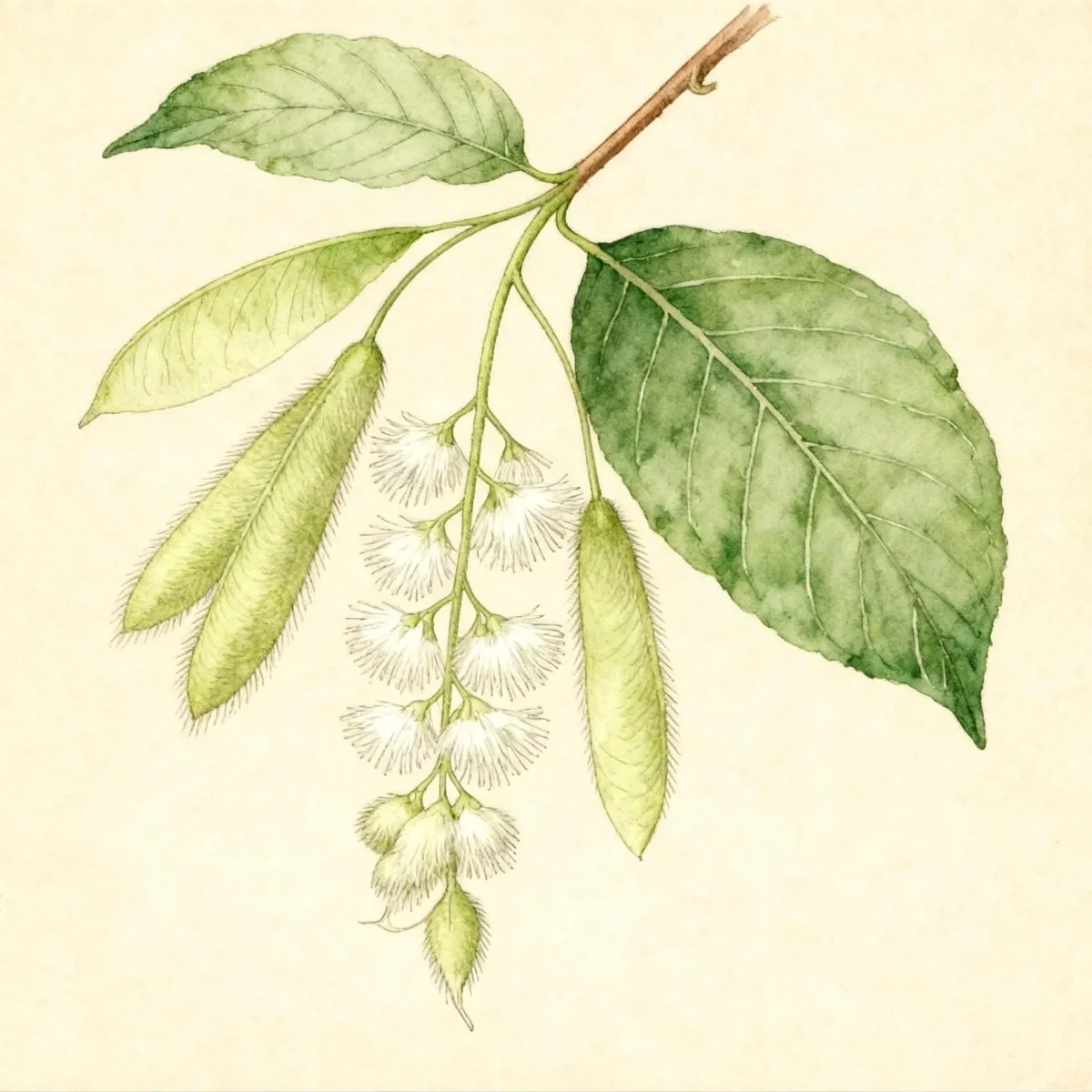
Fragrant snowbell (Styrax obassia)
The Fragrant snowbell (Styrax obassia) is a stunning specimen tree celebrated for its highly fragrant, showy white flowers blooming late spring.
Scroll down to discover growing tips, care requirements, companion plants, and more
Complete Plant Information
Overview
The Fragrant snowbell, Styrax obassia, is a distinguished, small ornamental tree highly valued in the landscape for its late-season floral display. This specimen tree produces stunning, bell-shaped white flowers, possessing an intense, appealing fragrance that clearly defines its common name. Reaching moderate heights, the Styrax obassia develops an appealing rounded crown supported by ascending branches, making it an excellent focal point in smaller gardens or open lawns.
Originating in Japan, this species thrives best when provided with consistent moisture and protection from harsh conditions, particularly when young. Beyond its beautiful May to June bloom, the fragrant snowbell offers excellent textural contrast through its large, velvety leaves and attractive exfoliating bark on mature specimens, revealing an orange inner layer for winter interest.
For gardeners seeking an elegant, medium-sized flowering tree that offers fragrance and four-season appeal, the Fragrant snowbell is a fantastic choice, provided the site is protected from late frosts typical in the cooler reaches of its hardiness range.
Fast Facts
- Plant Family: Styracaceae
- Plant Type: Tree
- Native Range: Japan
- Hardiness Zones: USDA Zones 5-8
- Size at Maturity:
- Height: 20-30 ft
- Spread: 15-25 ft
- Bloom Time: May to June
- Bloom Description: White
- Sun Exposure: Full sun to part shade
- Water Needs: Medium
- Maintenance Level: Medium
How to Grow
The ideal location for planting Styrax obassia is a site offering medium moisture and soil that is acidic, organically rich, and very well-drained. While it appreciates full sun for the best flowering, it benefits significantly from partial afternoon shade, especially in hotter climates, as this helps protect the foliage. Due to the susceptibility of flower buds and early foliage to late spring frosts, plant in a protected microclimate, as recommended for USDA Zone 5 cultivation.
Watering should be consistent, maintaining medium soil moisture, particularly during dry spells following planting or during summer heat waves. Fertilizing is rarely necessary if the soil is already organically rich; otherwise, a spring application of balanced fertilizer can support healthy growth. Pruning should be kept minimal, best executed in winter when the plant is dormant, focusing only on removing crossing or dead branches to control shape and maintain its natural, graceful form.
Gardeners should be vigilant in early spring, monitoring for unexpected late frosts that can damage emerging buds. If a hard frost is forecast after bud swell, protective measures, such as covering the tree, may be necessary to ensure a beautiful bloom sequence from the Fragrant snowbell that year.
Landscape Uses
The Fragrant snowbell excels as a specimen tree, where its moderate size and distinctive habit can be fully appreciated, particularly when placed where its scent can drift toward patios or walkways. It works wonderfully as an understory tree within lightly shaded woodland garden settings, provided it receives sufficient dappled light. Furthermore, its neat structure makes the Styrax obassia suitable for softening broader shrub borders or as a singular feature in a formal or informal lawn setting.
Its clean white flowers provide excellent contrast against darker evergreen backdrops. Consider pairing the Fragrant snowbell with acid-loving companions like rhododendrons or azaleas, which share similar cultural needs in medium moisture, rich soil. The structure of this tree also helps break up the formality of foundation plantings, offering a gentle transition to darker evergreens.
Standout Features
Flower Qualities
- Showy
- Fragrant
Noteworthy Characteristics
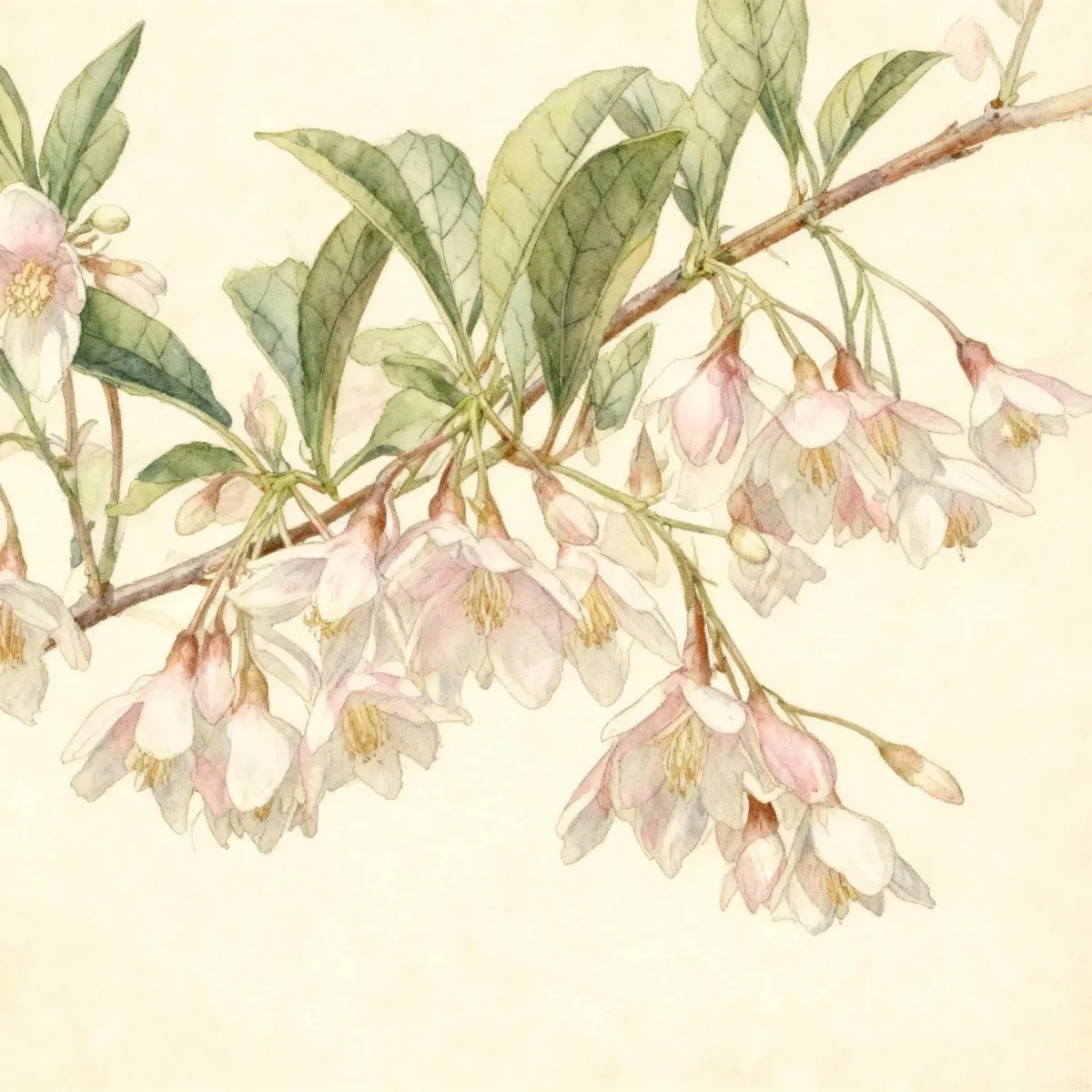
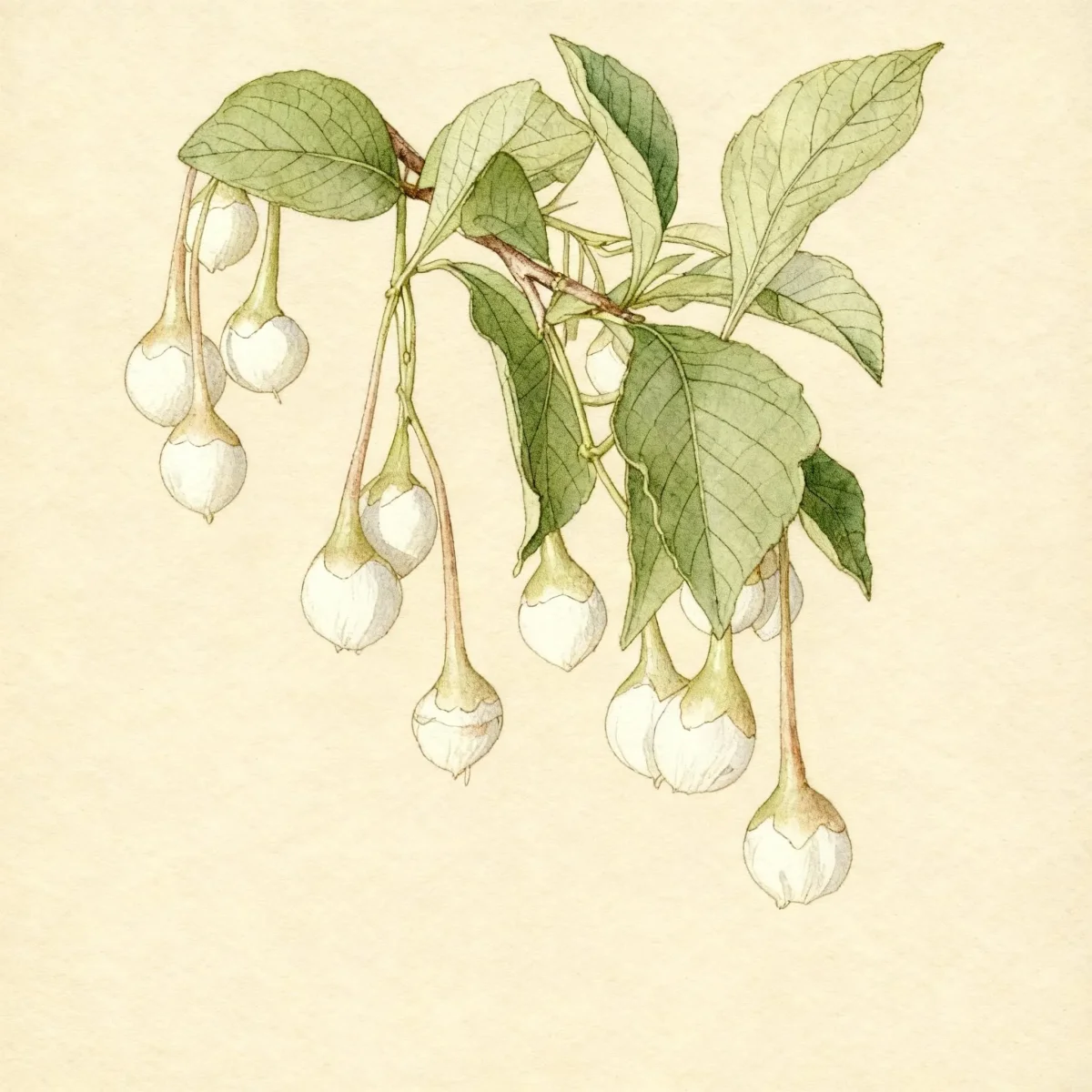
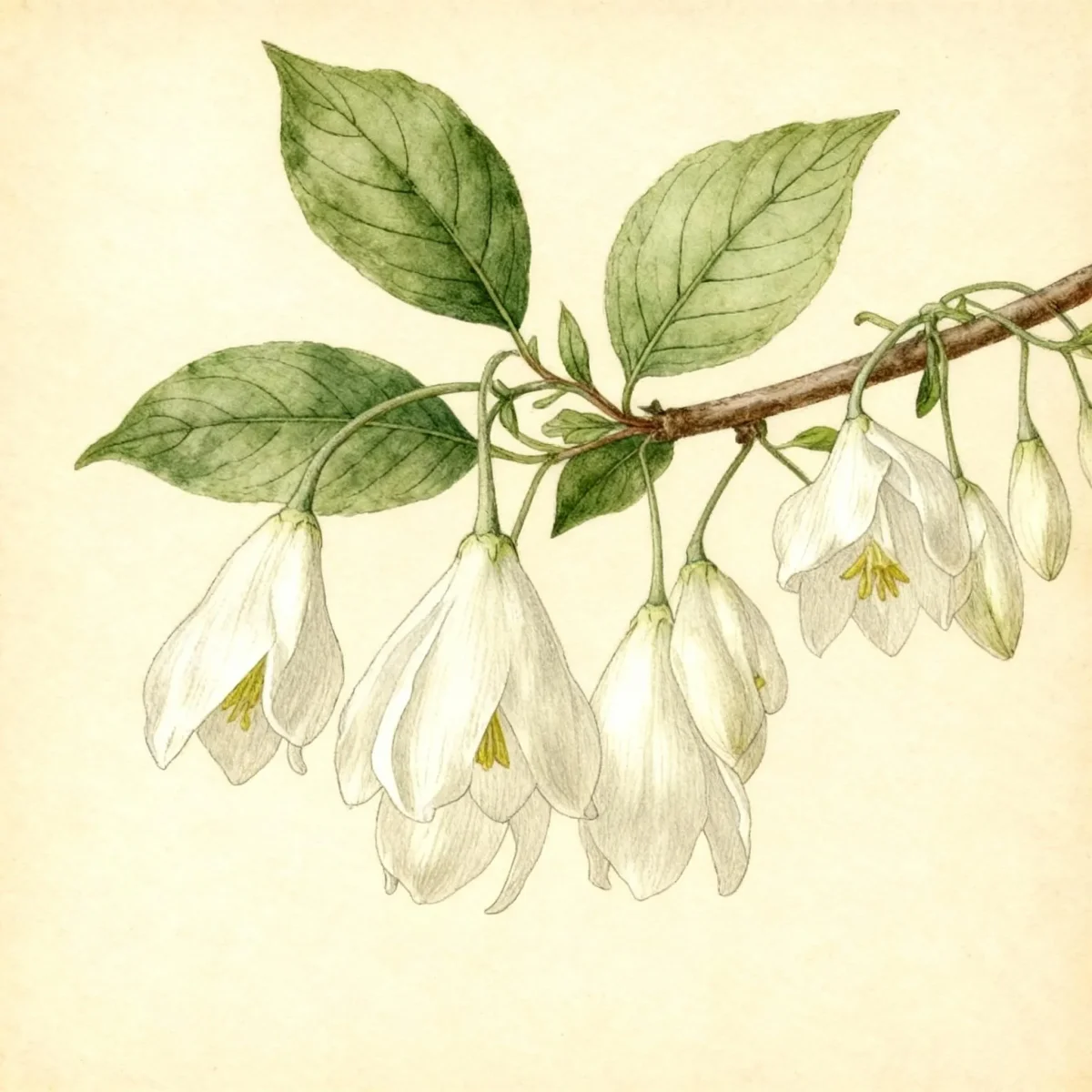
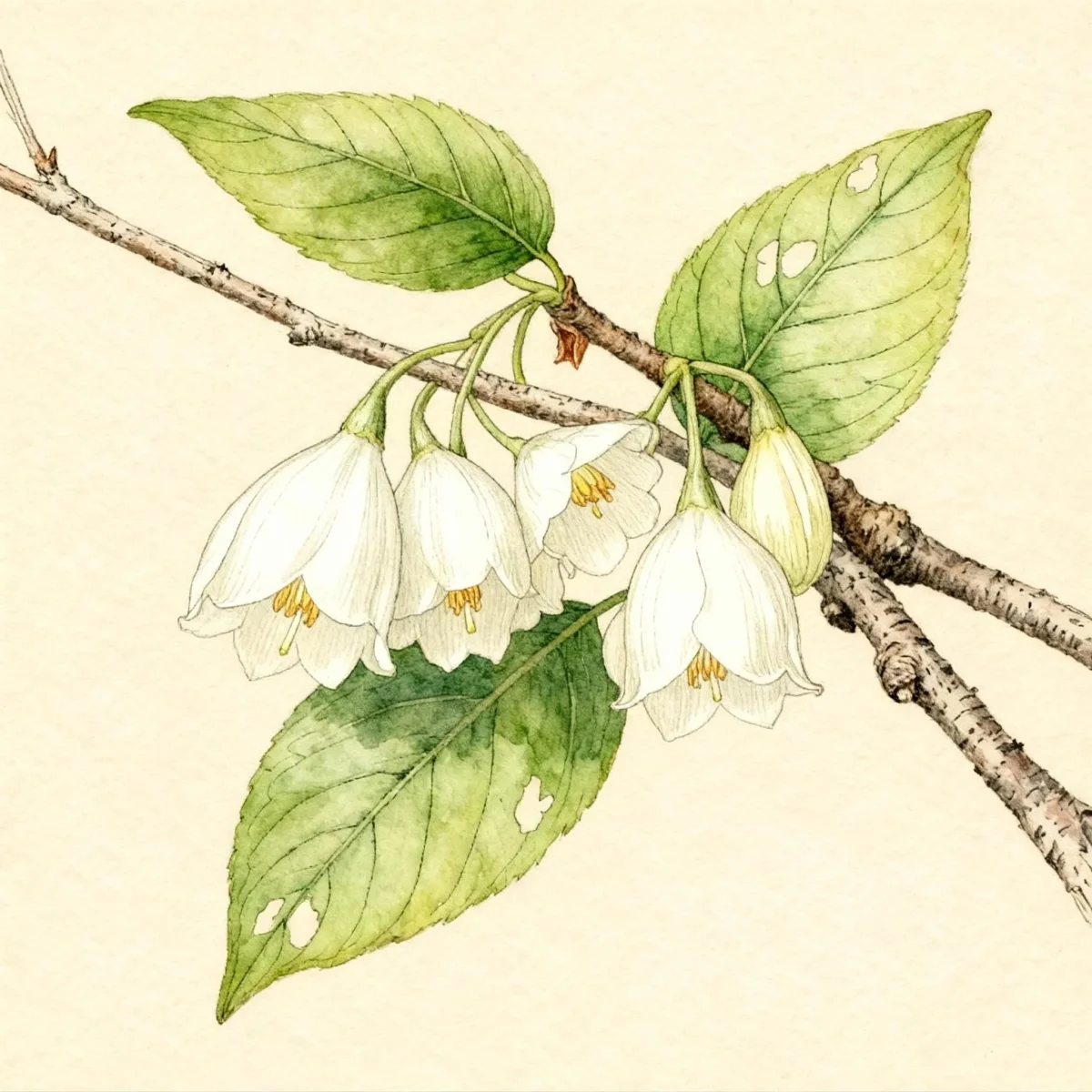
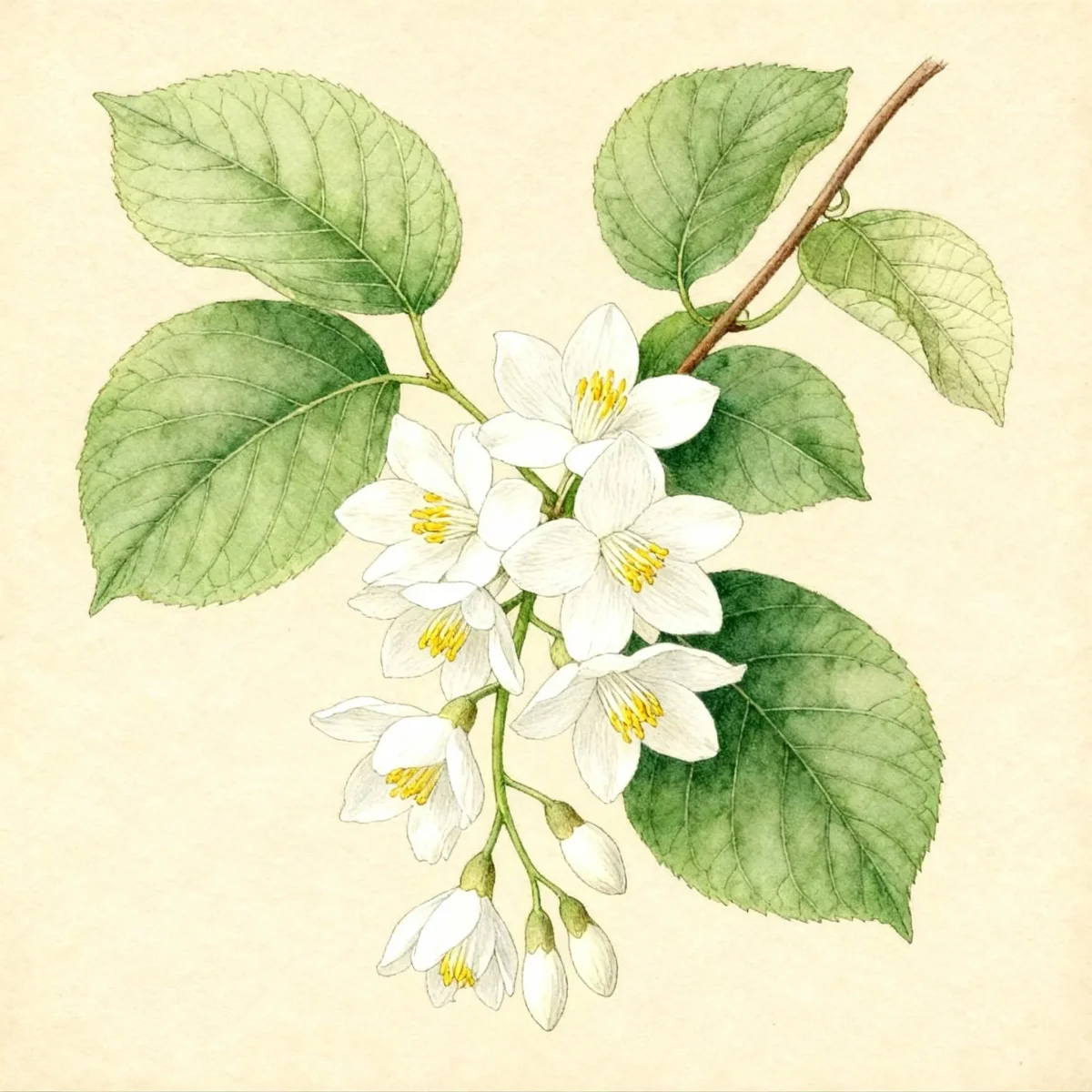
Styrax obassia, commonly called fragrant snowbell, is a small, slender, upright tree with ascending branches and a rounded crown or a large shrub. Bell-shaped, fragrant, white flowers with showy yellow stamens appear in pendulous, terminal racemes up to 8 inches long in May-June. Flowers are often partially obscured by the large, velvety, oval-rounded, medium green leaves, and the smooth gray bark exfoliates on older trunks revealing an attractive orange inner layer, providing winter interest.
Potential Problems
The primary concern for owners of Styrax obassia relates to early season weather events. Flower buds and tender foliage are notably susceptible to damage from late winter or early spring frosts. Management involves careful site selection, ensuring the tree is planted in a location that moderates temperature swings or offers protection from direct exposure to damaging cold pockets.
Frequently Asked Questions
What hardiness zones is Fragrant snowbell suitable for?
The Fragrant snowbell (Styrax obassia) is reliably hardy in USDA Zones 5 through 8.
How large does Styrax obassia grow?
This species typically matures to a medium size, reaching heights between 20 to 30 feet tall, with an equivalent spread of 15 to 25 feet.
What sun exposure does Fragrant snowbell need?
For optimal flowering and health, the Fragrant snowbell performs best with full sun exposure but can tolerate light afternoon shade (part shade).
When does Styrax obassia bloom?
The tree produces its characteristic white, fragrant flowers typically during the late spring season, specifically from May to June.
Conclusion
The Fragrant snowbell (Styrax obassia) offers exceptional value to the residential garden through its sweetly perfumed, showy white blooms and interesting textural elements throughout the year. When sited correctly in well-drained, acidic soil and protected from late frosts, this tree rewards the gardener with reliable performance and elegance. Before purchasing, confirm your location falls within USDA Zones 5-8 and plan your planting for cooler months to give your new Styrax obassia the best start.
Companion Planting
Selecting companions that appreciate the same rich, acidic, and consistently moist soil conditions will ensure long-term garden success alongside the Fragrant snowbell. Consider planting acid-loving shrubs like Hydrangeas, particularly mophead varieties that thrive in dappled light, near the base of the tree. Groundcovers that suppress weeds without competing heavily for nutrients are also excellent choices, such as Acid-loving Vinca minor or Pachysandra, providing a lush carpet beneath the canopy.
Because the flowers of Styrax obassia are so notable, avoid using overly dense or brightly colored underplantings directly beneath it. Instead, select plants with contrasting foliage textures, like ferns (e.g., Japanese Painted Fern), which complement the large leaves of the snowbell while benefiting from the slight afternoon protection it offers from intense sun.
Seasonal Care Calendar
Spring preparation is crucial for the Fragrant snowbell. After the threat of hard frost has passed, apply a light layer of aged compost or organic mulch around the base, keeping it away from the trunk, to retain soil moisture and stabilize root temperature. Monitor water needs closely as the large leaves emerge, ensuring the medium moisture level is maintained through late spring flowering.
Summer management focuses primarily on checking moisture levels, especially if you are growing the tree in a newer planting or a particularly hot, exposed area. If rainfall is scarce, provide deep, slow watering, aiming for thorough saturation of the root zone rather than frequent, shallow sprinkling. Minimal summer pruning is recommended to avoid stimulating tender new growth that could be harmed by early autumn chill.
Autumn care involves allowing the tree to naturally drop its leaves; do not rake vigorously right next to the trunk, as this can disturb surface roots. Once dormancy approaches, ensure the base is well-covered with mulch to winterize the roots, protecting the base from freeze-thaw cycles, which is especially important for protection in Zone 5.