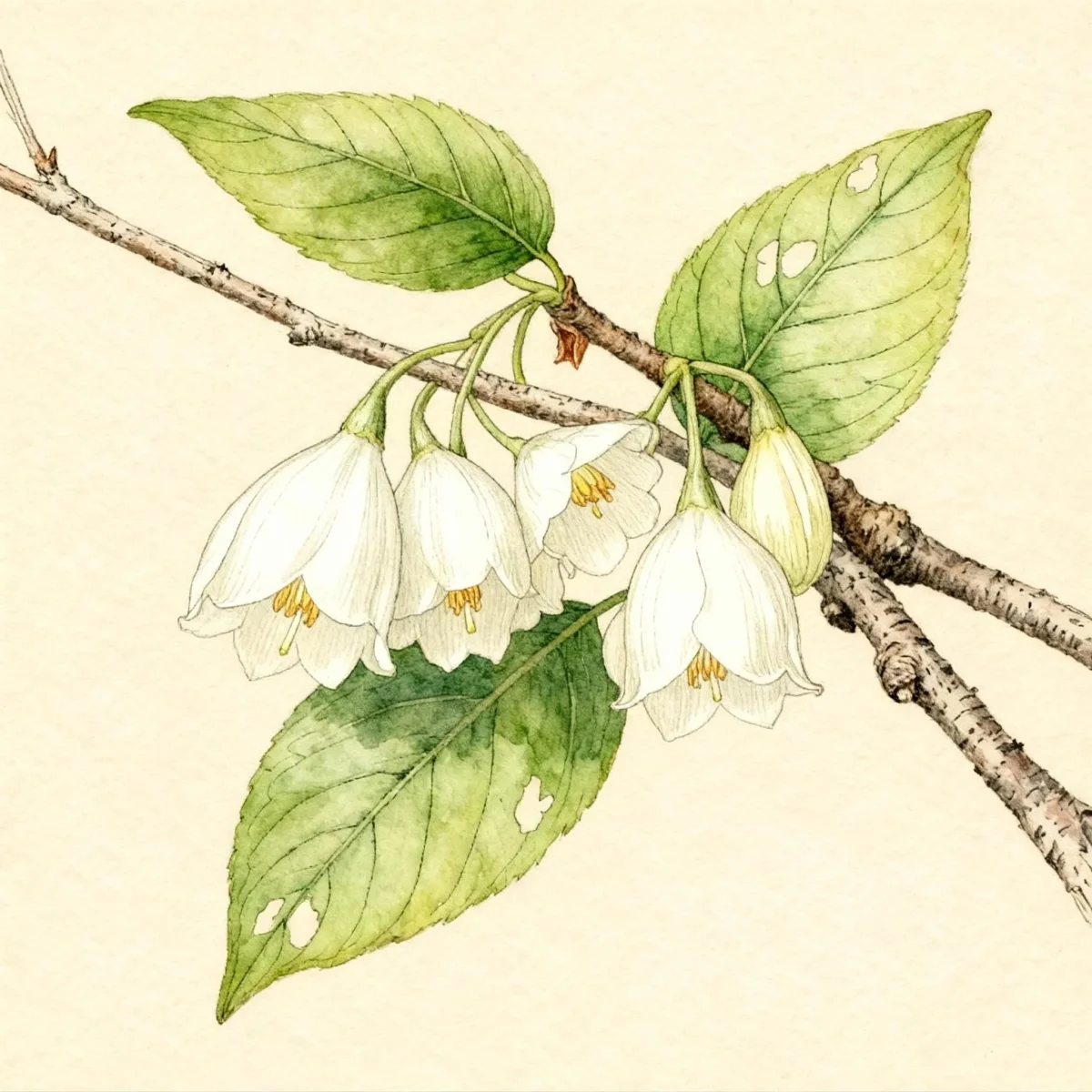
Japanese snowbell (Styrax japonicus)
Styrax japonicus, the Japanese snowbell, is a compact tree famed for its showy, fragrant white, bell-shaped flowers in late spring.
Scroll down to discover growing tips, care requirements, companion plants, and more
Complete Plant Information
Overview
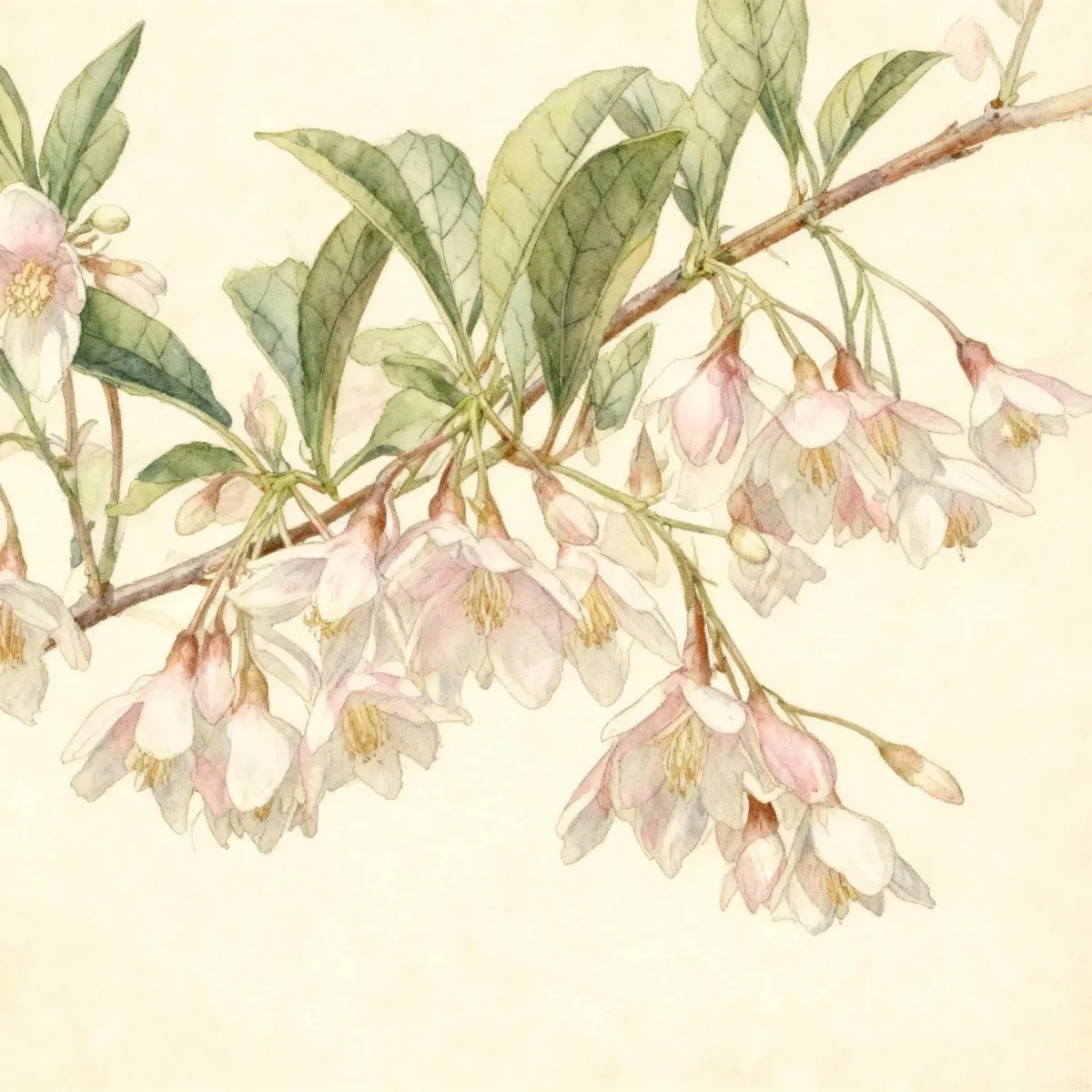
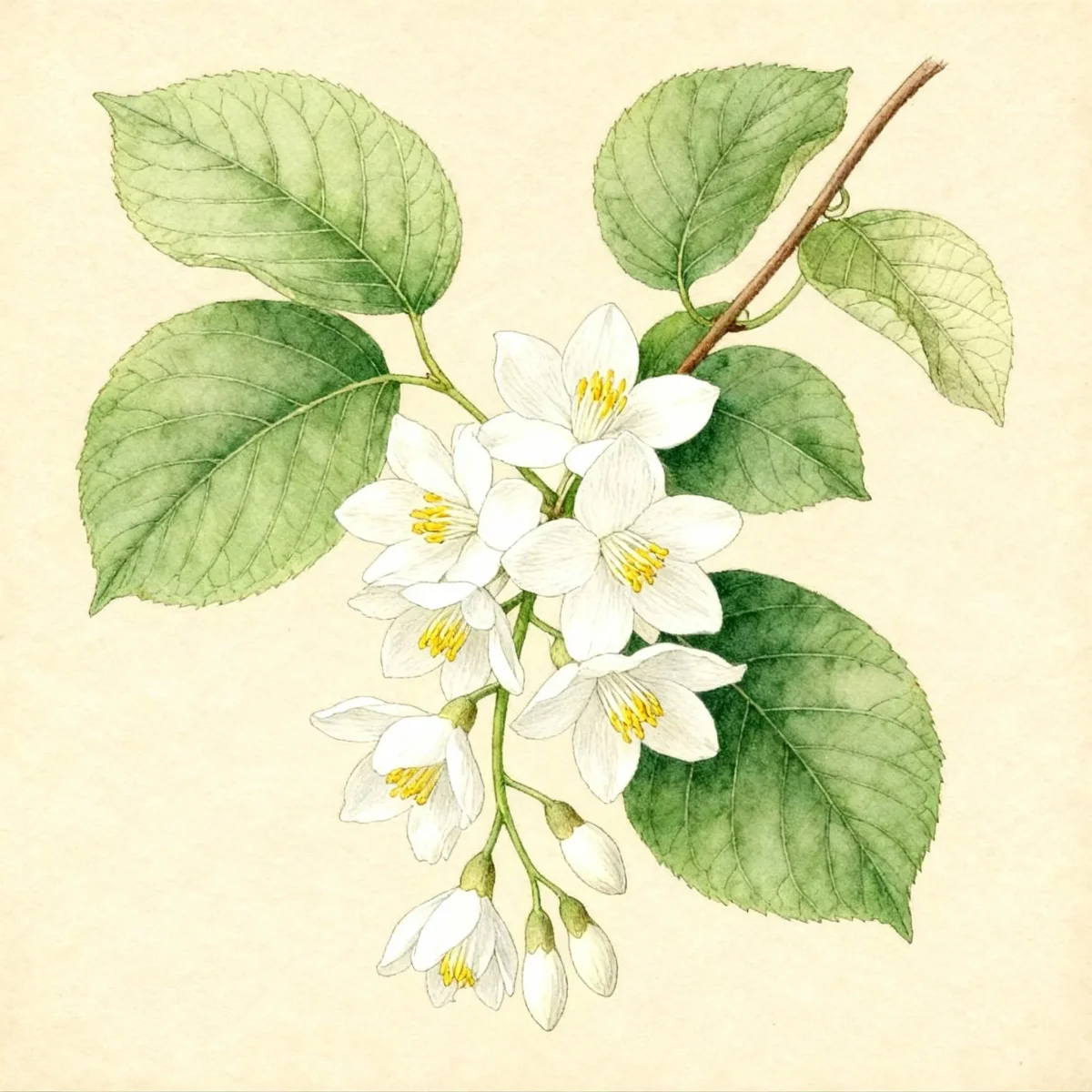
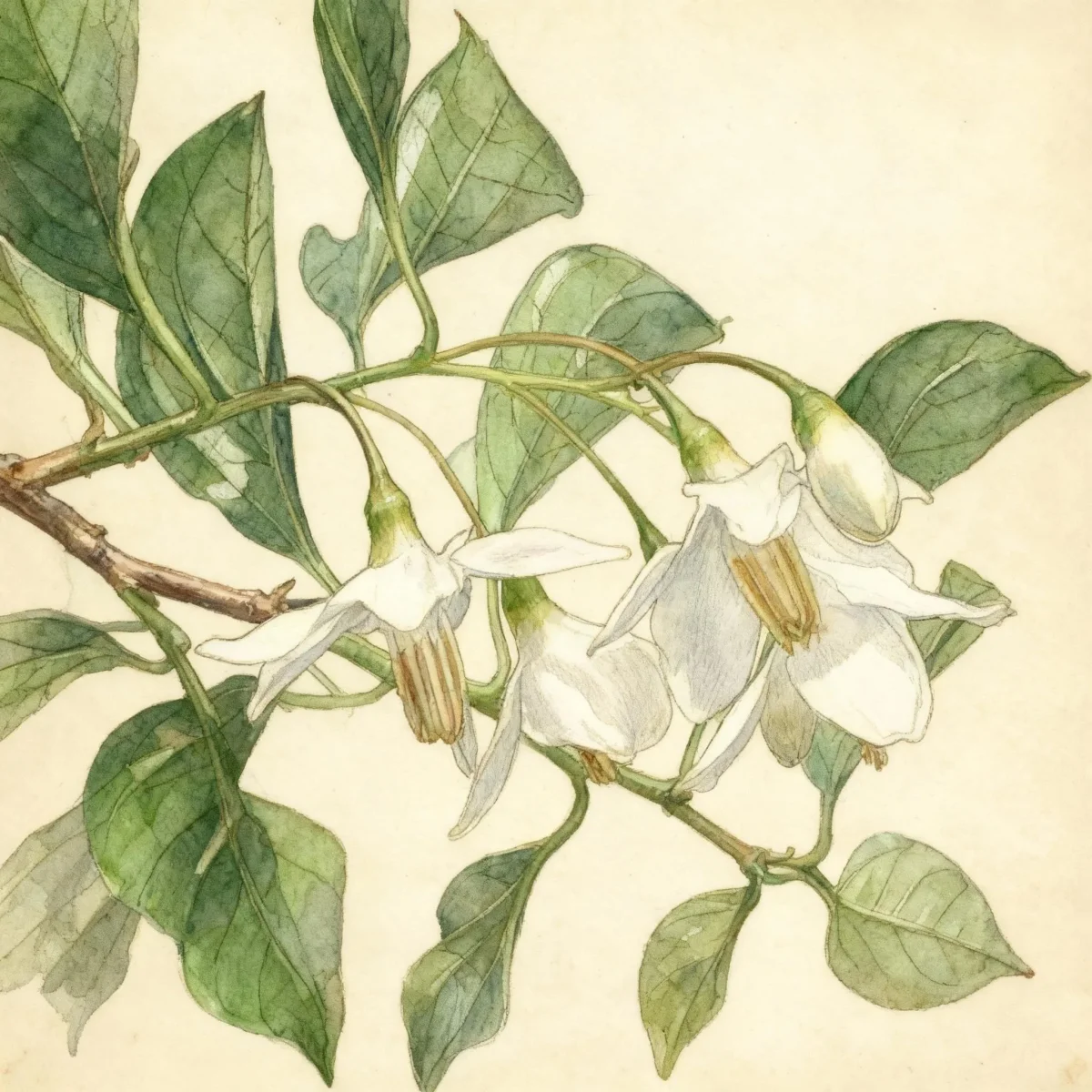
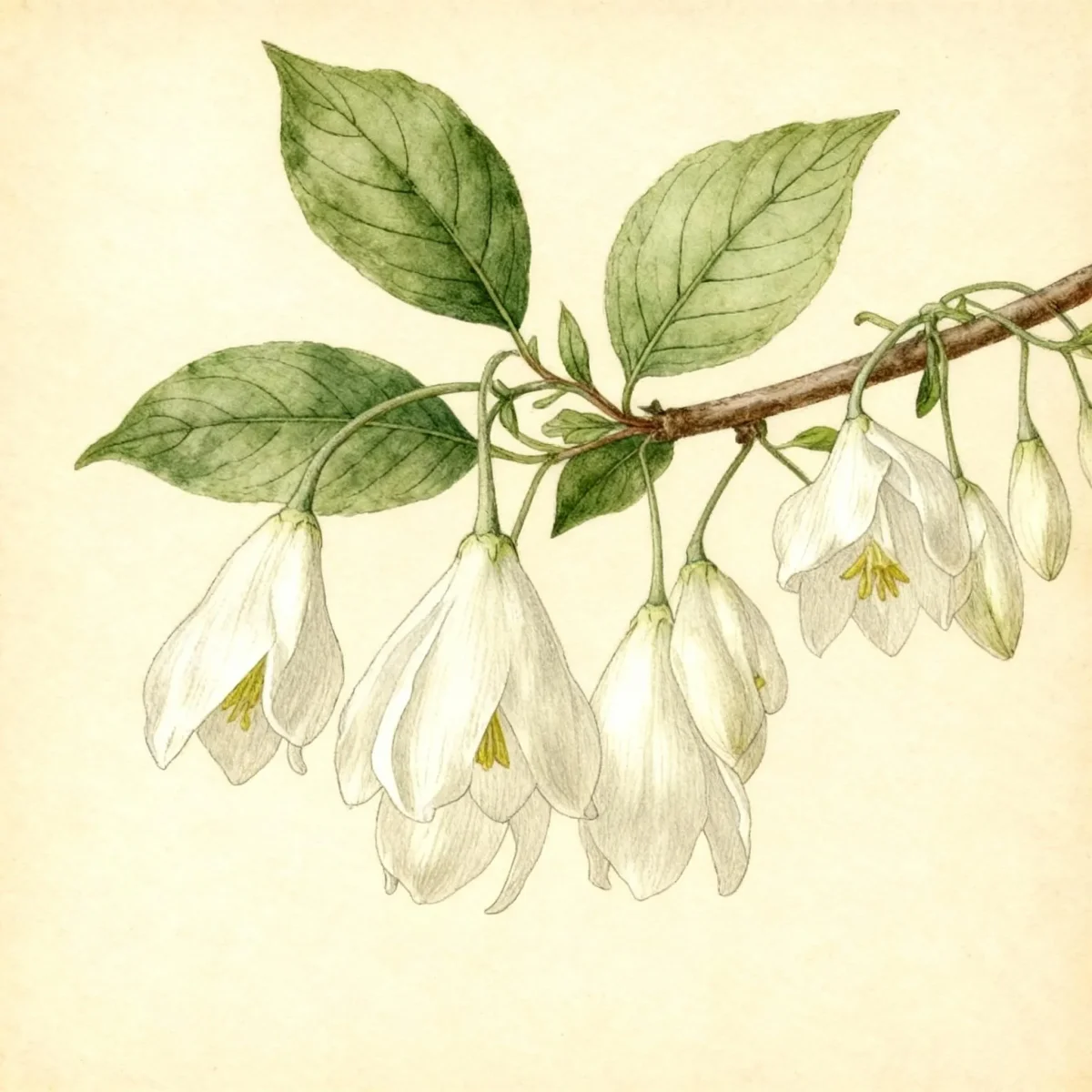
The beautiful Styrax japonicus, widely known as the Japanese snowbell, is a treasured deciduous tree celebrated for its delicate and abundant spring display. Its primary appeal lies in the cascading, bell-shaped white blossoms that emerge in late spring, providing structure and fragrance when few other specimens are flowering prominently. This compact tree features gracefully horizontal branching, creating an appealing architectural silhouette even in winter.
As a medium-sized specimen tree, Styrax japonicus transforms a landscape with its refined form and seasonal interest. It requires consistent moisture and rich soil, rewarding careful attention with deep green foliage that contrasts beautifully against the drooping flowers. Gardeners value this species both as a focal point specimen and for its subtle winter bark interest.
Originating from China, Japan, and Korea, the Japanese snowbell is relatively easy to place due to its manageable eventual size, fitting well into suburban gardens where larger specimens might overwhelm the space. Its elegance makes it a sophisticated choice for showcasing elegance and natural beauty.
Fast Facts
- Plant Family: Styracaceae
- Plant Type: Tree
- Native Range: China, Japan, Korea
- Hardiness Zones: USDA Zones 5-9
- Size at Maturity:
- Height: 20-30 ft
- Spread: 20-30 ft
- Bloom Time: May to June
- Bloom Description: White
- Sun Exposure: Full sun to part shade
- Water Needs: Medium
- Maintenance Level: Medium
How to Grow
Planting the Styrax japonicus should occur during the dormant season, either early spring before bud break or fall after leaf drop, ensuring the roots establish before summer heat or winter freeze. Locate this tree where it receives protection from intense afternoon sun, especially in warmer zones, favoring organically rich, acidic, well-drained soil. Good drainage is critical to prevent root issues typical for this genus.
Watering needs for the Japanese snowbell are medium; maintain consistent soil moisture, especially while young, ensuring the soil never dries out completely between waterings. Fertilization is rarely required if the initial soil preparation included ample organic matter. The culture note recommends pruning as needed in winter to achieve your desired shape; avoid heavy pruning, as the tree looks best with its natural, somewhat layered branching structure.
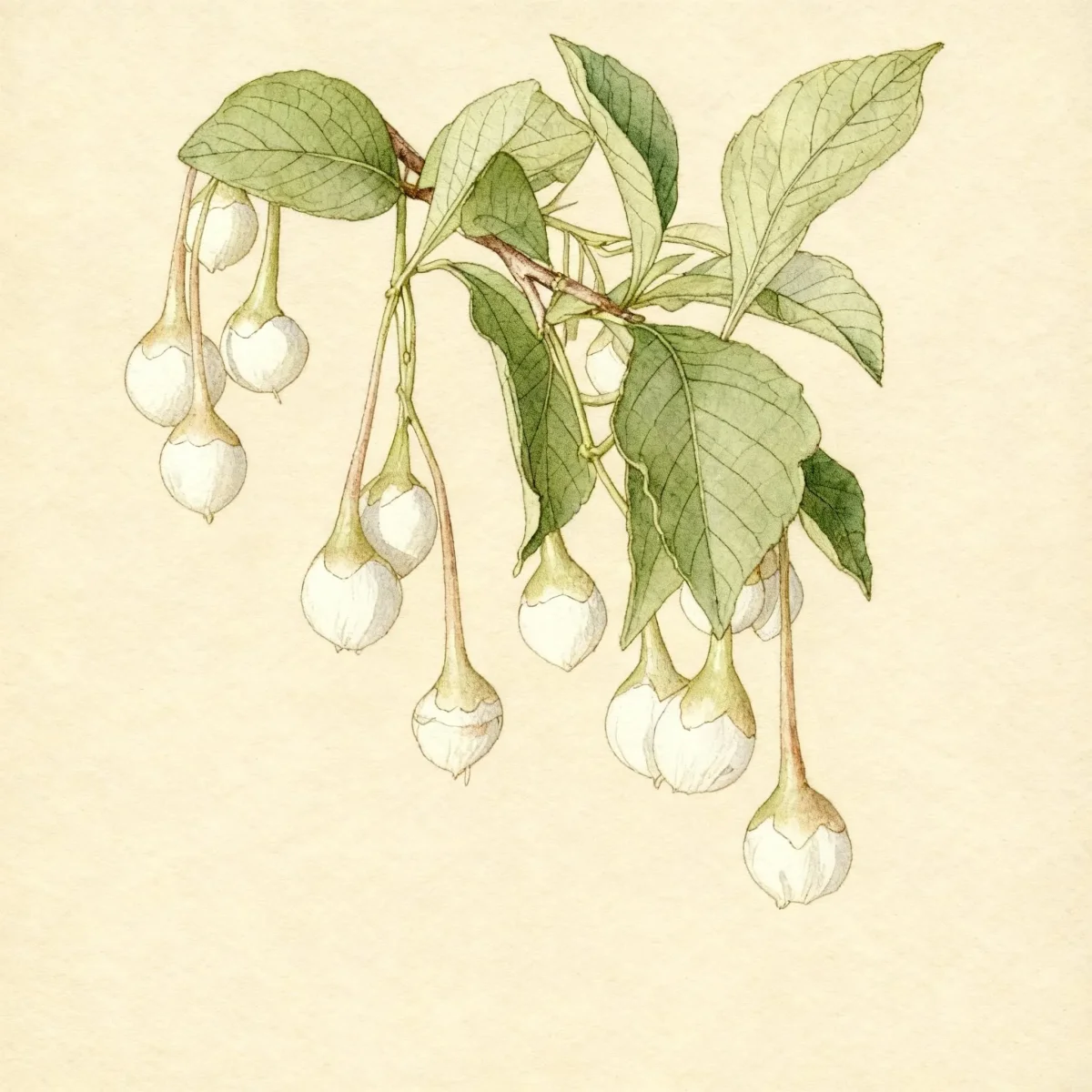
Seasonal care involves monitoring for stress during dry summers and applying a thick layer of mulch to help retain soil moisture and maintain cooler root temperatures. Since fall color is usually insignificant, there is minimal post-bloom cleanup except for admiring the drupes that persist into late autumn.
Landscape Uses
The Japanese snowbell excels as a specimen tree, perfect for placement where its graceful, horizontal branching can be viewed from multiple angles, such as a lawn island or near a patio. It also serves beautifully in shrub borders, providing height and overhead canopy interest, especially when paired with shade-tolerant, lower-growing companion plants.
Consider planting Styrax japonicus within open woodland gardens, mimicking its native environment under slightly dappled light conditions. The drooping flower clusters provide a unique aesthetic that works well near pathways or viewing areas. Its moderate size also makes it an excellent choice for smaller yards that still desire the stature of a flowering tree.
Standout Features
Flower Qualities
- Showy
- Fragrant
Noteworthy Characteristics
Styrax japonicus, called Japanese snowbell, is a compact, deciduous flowering tree with horizontal branching and a rounded crown. It typically grows to 20-30’ tall and as wide, but infrequently can reach up to 50’ tall. It is noted for its pendulous clusters of bell-shaped, mildly fragrant, 5-petaled, waxy white flowers (each to 3/4” diameter) that bloom in May-June. Gray bark fissures on older branches to reveal an orange inner bark which can be attractive in winter.
Tolerances
No tolerances were specifically listed in the provided data.
Potential Problems
This tree generally exhibits no serious insect or disease problems, making it a reliable choice for low-stress gardening. Gardeners should focus preventative efforts on ensuring proper cultural conditions—specifically excellent drainage and consistent moisture—as stressed plants are always more susceptible to opportunistic pests or pathogens. Avoid planting in locations prone to sudden, drastic soil drying.
Frequently Asked Questions
What hardiness zones is Japanese snowbell suitable for?
The Styrax japonicus is suitably hardy across USDA Zones 5 through 9.
How large does Japanese snowbell grow?
This mature specimen typically reaches 20 to 30 feet in both height and spread, though exceptional individuals may occasionally exceed 50 feet tall.
What sun exposure does Styrax japonicus need?
It thrives best when situated in full sun to part shade conditions, appreciating some relief from the harshest afternoon rays.
When does Japanese snowbell bloom?
The flowering period for the Japanese snowbell occurs from late May into June, presenting masses of white, bell-shaped flowers.
Conclusion
The Styrax japonicus offers exceptional ornamental value through its architectural form and its spectacular display of mildly fragrant white blossoms in late spring. If you seek a refined, mid-sized flowering tree that remains largely free of severe pest or disease issues, the Japanese snowbell is an excellent addition to your garden design. Always check your local USDA zone compatibility before planning your planting time this fall or spring.
Companion Planting
Selecting companions for Styrax japonicus should focus on plants that share its preference for acidic, consistently moist, well-drained soils. Shade-tolerant perennials with fine textures or contrasting foliage colors work well beneath its canopy. Consider planting hostas, ferns, or astilbes to create an elegant woodland understory that benefits from the dappled light cast by the snowbell.
Avoid using shallow-rooted lawn grasses immediately around the base of the tree, as turf competition can impair water absorption critical for the Styrax japonicus. Instead, opt for a generous ring of organic mulch, which helps regulate soil temperature and mimics the rich forest floor habitat the tree naturally prefers.
Seasonal Care Calendar
Spring is the active growing season where monitoring water intake is paramount, especially as the tree leafs out and begins flowering in May and June. Ensure even moisture delivery during this period. Once summer heat peaks, focus on deep, infrequent watering if rainfall is scarce, avoiding overhead watering late in the day.
In autumn, the tree requires little intervention, though you may observe slight yellow or red tinges in the foliage before leaf drop. Winter preparation is simple: protect the base with a fresh layer of mulch if winter temperatures fluctuate wildly in your area, but remember to prune only lightly during the dormant season to maintain good skeletal structure.