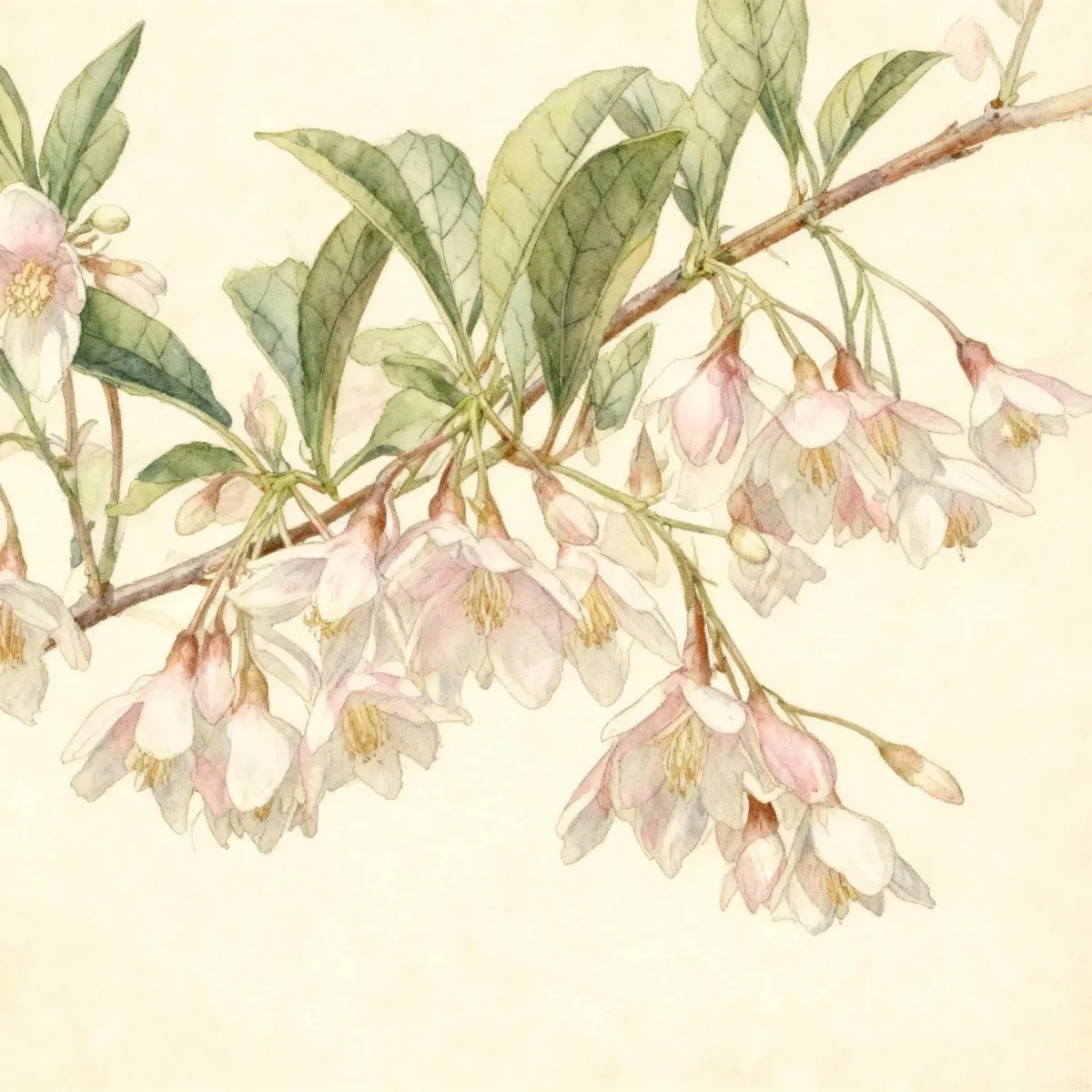
Silverbell tree (Halesia monticola)
The Halesia monticola, or Silverbell tree, offers beautiful white spring blooms and low maintenance, thriving in USDA Zones 5-8.
Scroll down to discover growing tips, care requirements, companion plants, and more
Complete Plant Information
Overview
The Silverbell tree (Halesia monticola) is a highly valued ornamental specimen, celebrated for its delicate yet abundant spring floral display. Native to the Appalachian region, this deciduous tree provides elegant structure and seasonal visual interest. Gardeners appreciate the Halesia monticola for its manageable size in cultivation compared to its wild counterparts and its relatively easy-going cultural needs.
This Silverbell tree typically matures into an upright-spreading specimen, perfect for anchoring smaller landscapes or providing high canopy interest where larger shade trees are unsuitable. Its aesthetic appeal extends beyond the flowers, featuring attractive summer foliage and exfoliating bark that adds texture during the winter months.
For zones 5 through 8, the Halesia monticola offers reliable performance as a Flowering Tree. Its low maintenance requirements make it an excellent choice for both seasoned gardeners and those looking to incorporate native beauty without extensive demanding care.
Fast Facts
- Plant Family: Styracaceae
- Plant Type: Tree
- Native Range: North Carolina, Arkansas
- Hardiness Zones: USDA Zones 5-8
- Size at Maturity:
- Height: 20-40 ft
- Spread: 15-35 ft
- Bloom Time: April to May
- Bloom Description: White
- Sun Exposure: Full sun to part shade
- Water Needs: Medium
- Maintenance Level: Low
How to Grow
Planting the Silverbell tree is best done in the cooler seasons—spring or fall—allowing the roots ample time to establish before summer heat or winter frost. Select a location that offers protection from intense afternoon sun, favoring part shade if possible, especially in hotter climates. The ideal soil structure is moist, well-drained, and organically rich, leaning slightly acidic.
Ongoing care for Halesia monticola centers on maintaining consistent moisture. While it is adaptable, consistent medium watering is crucial, particularly during dry spells, as this tree prefers moist conditions. Little to no formal fertilization is usually required if the native soil is rich; however, mulching the root zone is highly recommended to conserve moisture and moderate soil temperatures.
Pruning should be minimal, focusing primarily on removing any crossing or damaged branches immediately after flowering. This tree can be managed as a large, multi-stemmed shrub if desired, or trained early on to develop a single, strong central trunk suited for a formal tree shape. Avoid heavy pruning, which can detract from its natural outline.
Landscape Uses
The Silverbell tree excels as a specimen planting, especially near patios or lawns where its springtime cascade of white flowers can be easily viewed and appreciated. Its native status makes it a fantastic addition to woodland gardens, where it naturally integrates with similar temperate understory plantings.
As a Flowering Tree, its medium height profile allows it to soften the scale between groundcover and towering canopy layers. Group plantings of three or five Halesia monticola can create a striking, informal grove effect.
Consider pairing the Silverbell tree with acid-loving shade companions like rhododendrons, azaleas, or ferns. The bright, airy white blooms provide a lovely contrast against the deep greens typical of these woodland partners, offering texture and color variation throughout the growing season.
Standout Features
Flower Qualities
- Showy
Fruit Qualities
- Showy
Noteworthy Characteristics
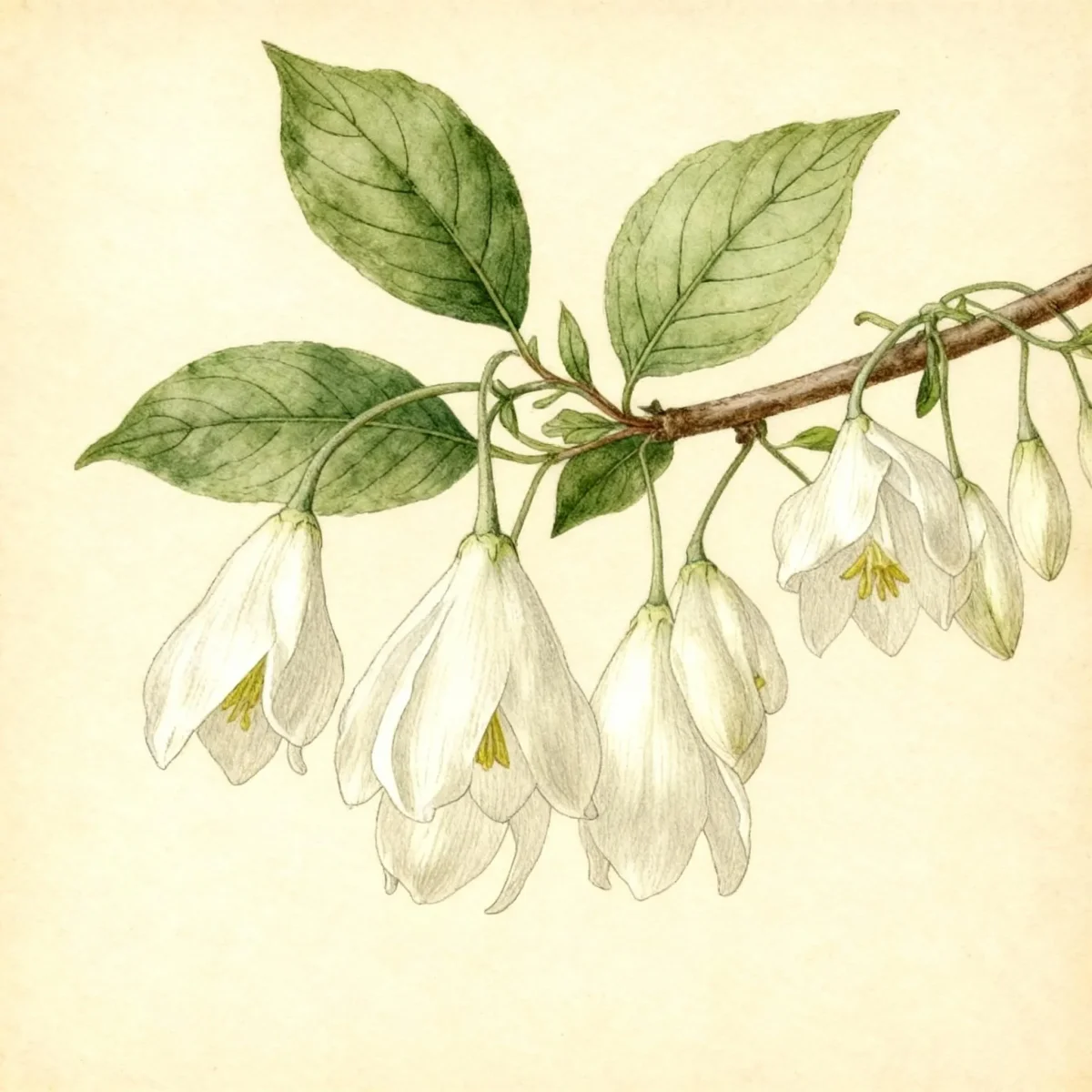
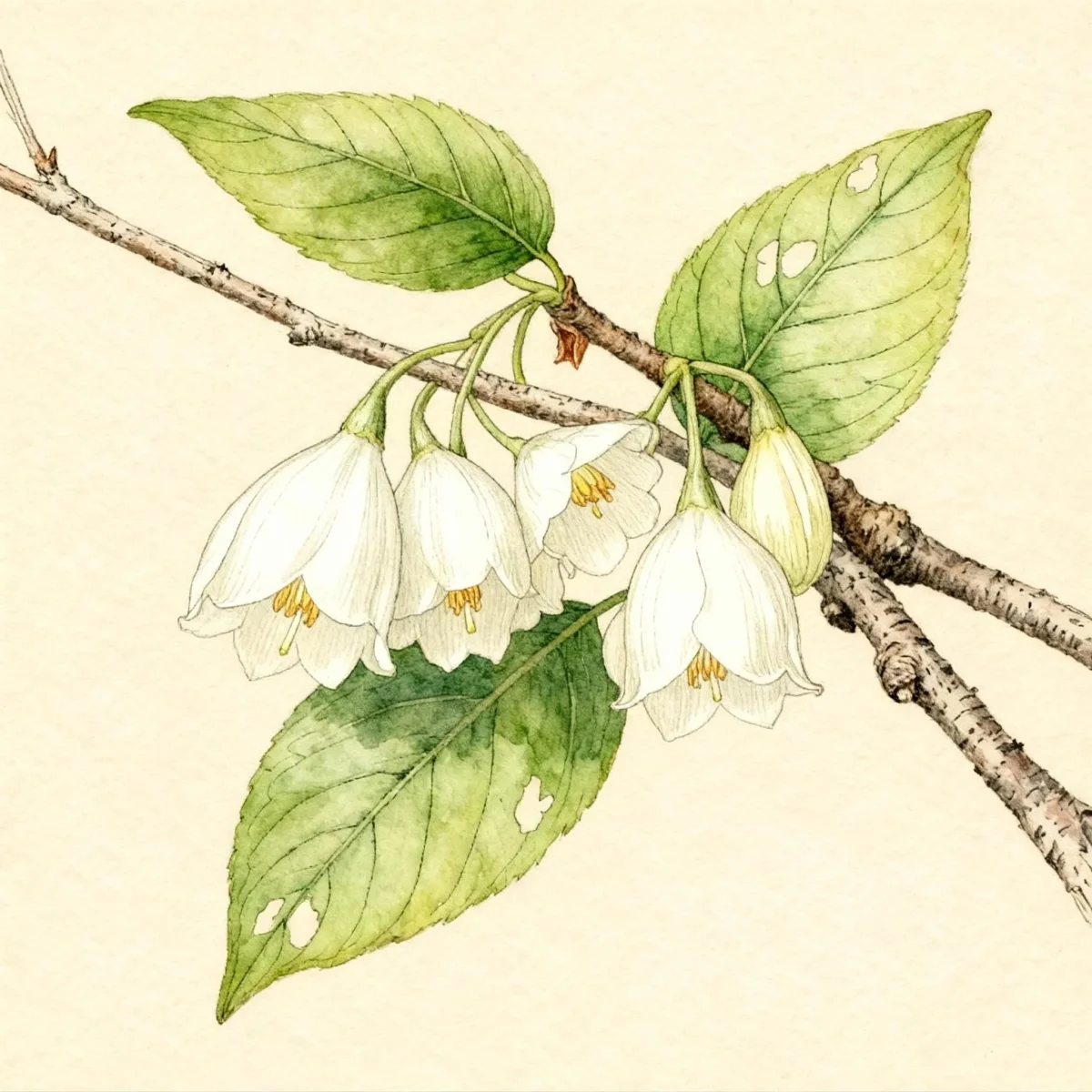
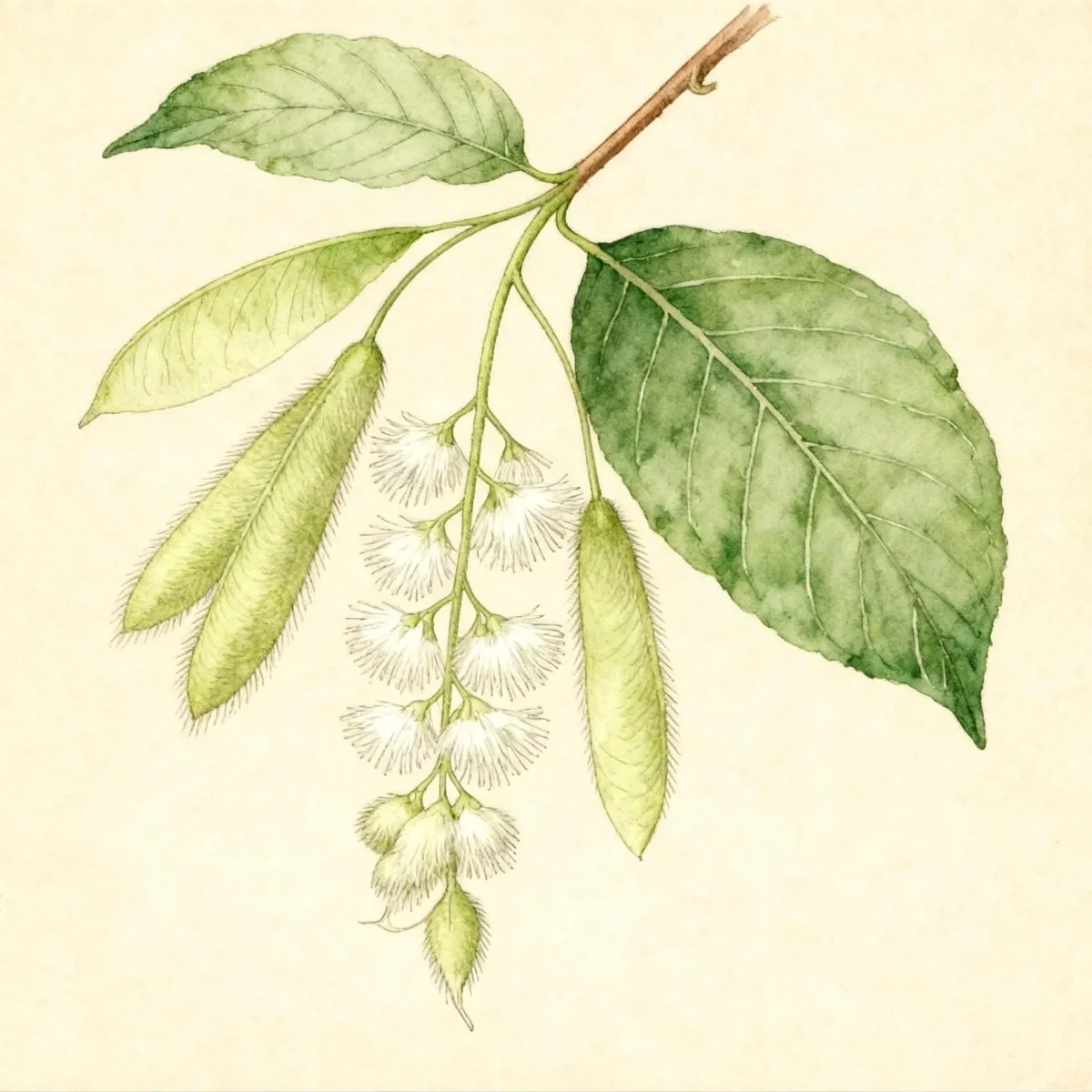
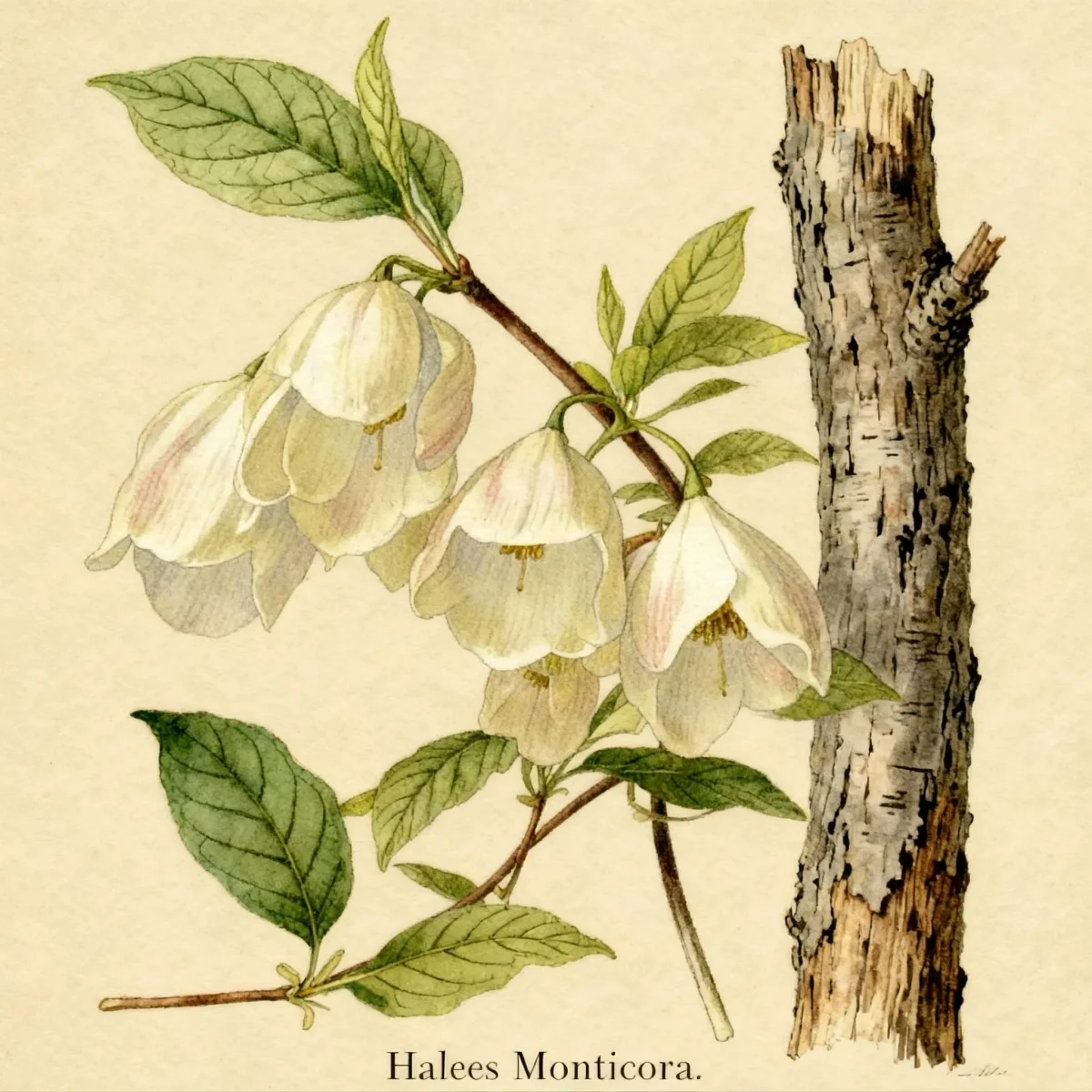
Halesia monticola, commonly called mountain silverbell, is native to the Appalachian Mountains of Tennessee, North Carolina and Georgia. Bell-shaped, shallow-lobed, white flowers appear in clusters (3-5 flowers per cluster) in spring (April-May), standing out against its deciduous foliage. Flowers give way to four-winged fruits that mature in the fall, providing lingering interest after the bloom. The exfoliating bark contributes valuable structure and visual appeal once the leaves drop for winter.
Tolerances
Potential Problems
The Silverbell tree is generally robust and resists serious insect or disease pressures under appropriate conditions. Gardeners should monitor for common site-related issues, such as browning leaves if the soil becomes too dry or alkaline, which can stress the plant.
If placed in consistently soggy soil—despite its preference for medium moisture—root rot can become a concern. Ensuring excellent drainage during planting is the best preventative measure against these cultural stresses for your Halesia monticola.
Frequently Asked Questions
What hardiness zones is Silverbell tree suitable for?
The Silverbell tree is best suited for planting within USDA Hardiness Zones 5 through 8.
How large does Halesia monticola grow?
In landscapes, Halesia monticola typically reaches a height between 20 to 40 feet, with a spread ranging from 15 to 35 feet wide.
When does Silverbell tree bloom?
This tree puts on its lovely display of white, bell-shaped flowers during the transition from spring to early summer, specifically from April to May.
What sun exposure does Halesia monticola need?
The ideal placement for the Halesia monticola is somewhere receiving full sun to light part shade, ensuring protection from the harshest afternoon light if possible.
Conclusion
The Silverbell tree offers superior aesthetic value for moderate-sized landscapes, providing distinctive white spring blossoms and easy care. Its native roots and manageable structure make Halesia monticola a worthy addition to woodland borders or open lawn settings. Before planting, confirm your site meets the well-drained, consistent moisture requirements to ensure the best performance from your new tree.
Companion Planting
Choosing companions that share the moderate water and acidic soil preferences of Halesia monticola will enhance the woodland garden aesthetic. Consider planting large clumps of native ferns, such as Christmas Fern (Polystichum acrostichoides), beneath the canopy. These ferns appreciate the dappled light provided by the Silverbell tree and help keep the root zone cool and moist.
For color, spring-blooming bulbs like native trilliums or bloodroot thrive where they can catch the early spring light before the tree fully leafs out. As the season progresses, groundcovers that tolerate light shade, such as wild ginger, will knit the area together without competing fiercely with the tree’s developing root system. Avoid imposing plants that prefer dry, lean soils.
Pruning and Shaping Management
While the Halesia monticola generally maintains an attractive, natural form, strategic pruning is essential for long-term health and aesthetics. Because deadheading is not necessary, pruning is typically done immediately after flowering concludes in late spring. This timing ensures that you are not removing future flower buds, which develop over the summer for the following spring display.
Focus on structural pruning when the tree is young to establish a strong scaffold of scaffold branches if you intend to grow it as a single-trunk specimen. For a more informal, shrub-like appearance, allow lower branches to develop naturally, focusing only on removing suckers or branches that cross or rub against one another. This low-maintenance nature is a key selling point for the Silverbell tree.