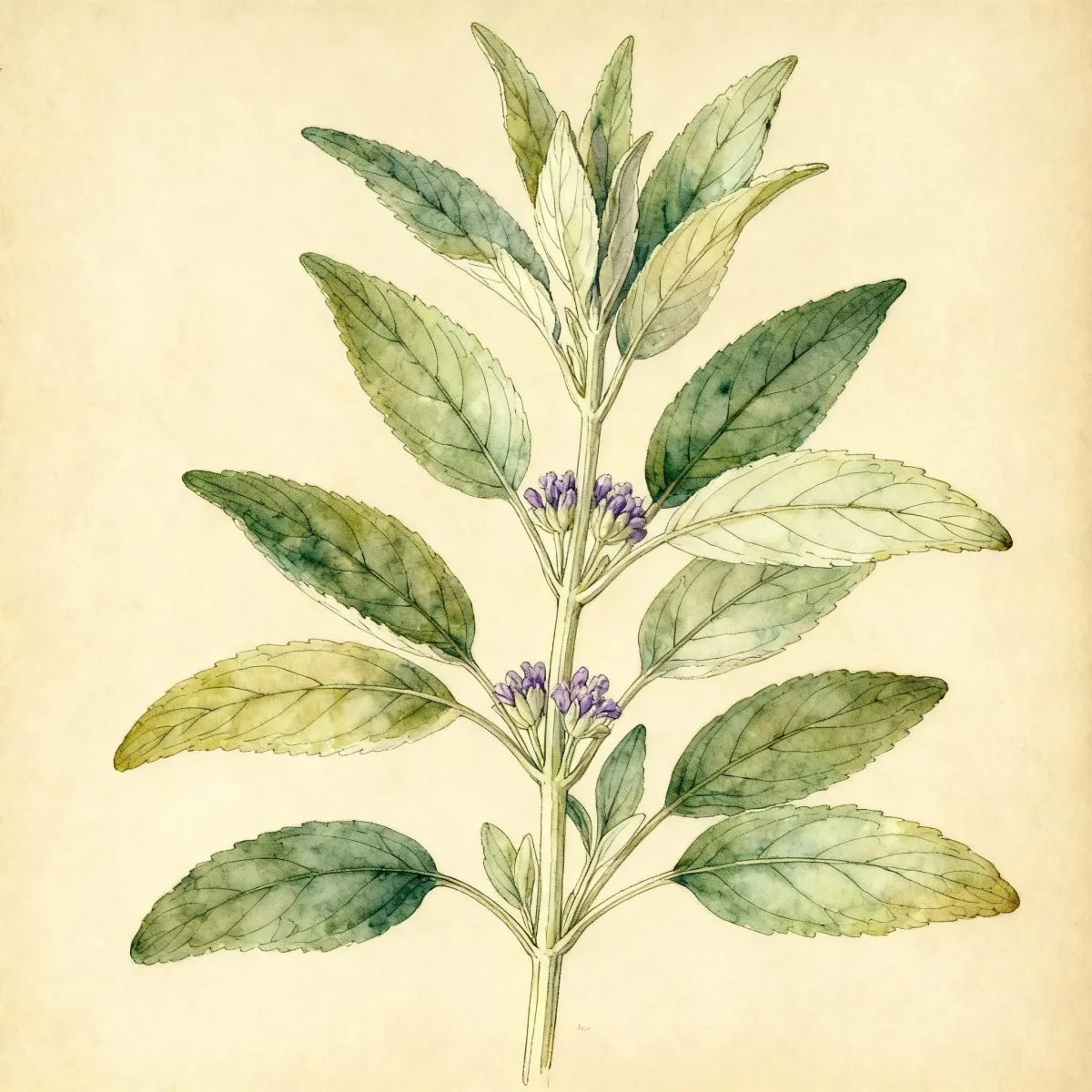
Batflower (Tacca leontopetaloides)
Discover Tacca leontopetaloides, the dramatic Batflower. This stunning perennial offers unique blooms and low maintenance for tropical-style gardens in Zones 8-11.
Scroll down to discover growing tips, care requirements, companion plants, and more
Complete Plant Information
Overview
The Batflower (Tacca leontopetaloides) is a must-have for tropical enthusiasts seeking architectural drama in their gardens. Known for its incredibly unique, often bizarre inflorescence featuring long, drooping filaments, this plant truly stands out among common landscape specimens. As a tuberous perennial, Tacca leontopetaloides provides reliable seasonal interest.
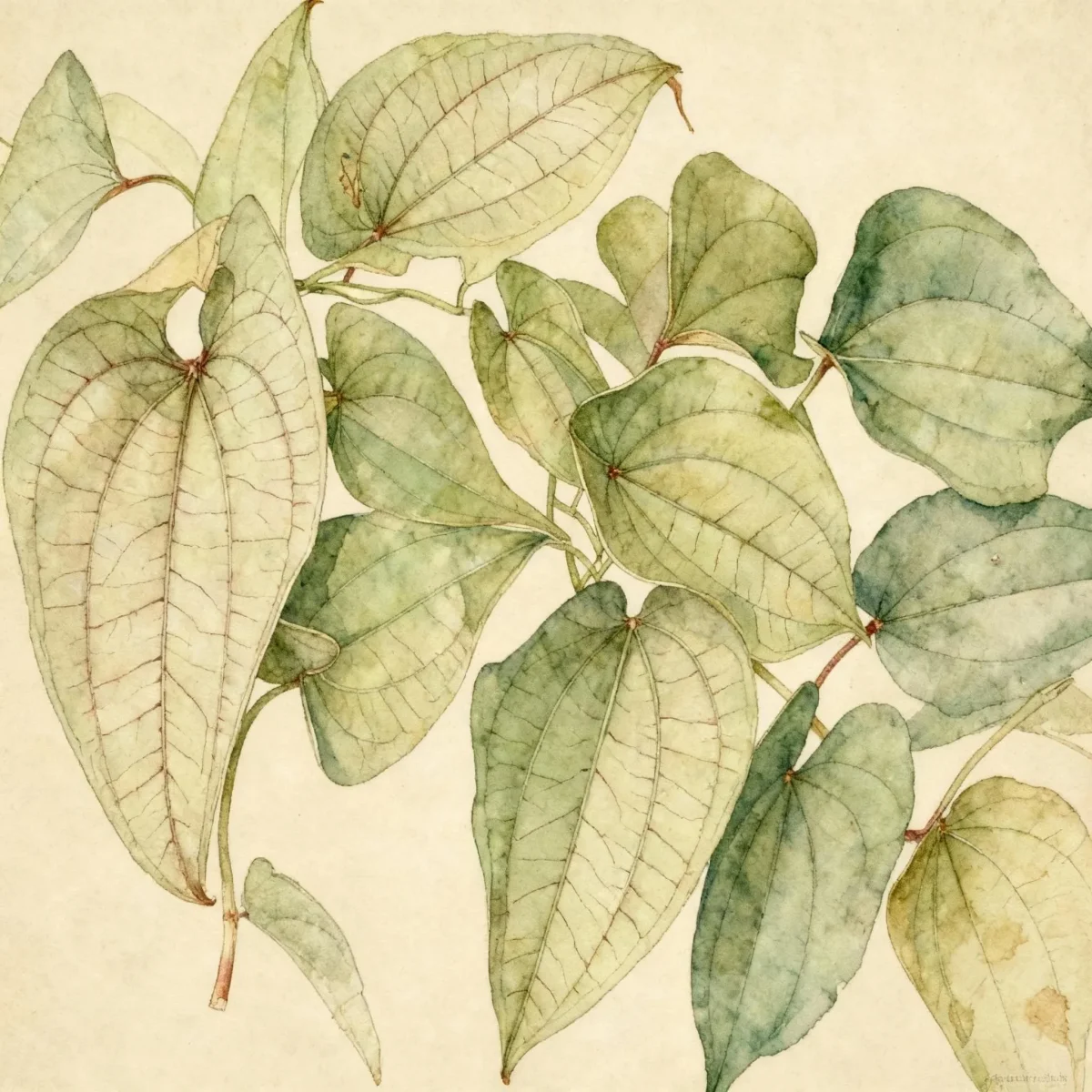
This striking plant originates from tropical regions spanning Western Africa to Southeast Asia and Northern Australia. Gardeners appreciate its relatively low maintenance requirements once established, thriving in moist, well-draining conditions. The large, lobed leaves provide excellent textural contrast, setting the stage for the unique flowers.
While perhaps best known for its aesthetic appeal, the Batflower also offers functional value; its starchy tubers have historical culinary applications as Polynesian arrowroot. Integrating Tacca leontopetaloides into your landscape ensures you have a conversation starter with genuinely exotic appeal.
Fast Facts
- Plant Family: Dioscoreaceae
- Plant Type: Herbaceous perennial
- Native Range: Western Africa, southeast Asia, northern Australia
- Hardiness Zones: USDA Zones 8-11
- Size at Maturity:
- Height: 1.5-2 ft
- Spread: 2-4 ft
- Bloom Time: Seasonal bloomer
- Bloom Description: Yellow-green to purple
- Sun Exposure: Full sun to part shade
- Water Needs: Medium
- Maintenance Level: Low
How to Grow
For successful cultivation of Tacca leontopetaloides, timing and soil preparation are key. Plant tubers in the spring after the danger of frost has passed, ensuring placement in a location receiving full sun to light part shade. The soil must be well-draining, favoring humus-rich or sandy mixes that never remain soggy.
Watering needs are medium; keep the soil consistently moist, especially during active growth periods. Avoid letting the plant dry out completely between waterings, but standing water will quickly lead to tuber rot. This plant requires minimal feeding, though a balanced, slow-release fertilizer applied in early spring can support robust leaf and flower production.
Maintenance for the Batflower is generally low. Pruning mainly involves removing any spent or yellowing foliage as it naturally dies back. Hardiness is guaranteed between Zones 8 and 11; gardeners in cooler zones must treat Tacca leontopetaloides as an annual or overwinter the tubers indoors in dry media. Propagation is possible via seed or simple division of the tubers.
Landscape Uses
The extraordinary appearance of the Batflower makes it an exceptional specimen plant, justifying prime placement where its unique structure can be observed up close. Because it remains relatively low growing, reaching only 1.5 to 2 feet tall, it works perfectly near pathways, patio seating areas, or flanking doorways. It excels as a focal point in mixed borders that aim for an exotic, jungle-like tapestry.
If grown as an annual in colder climates, consider integrating Tacca leontopetaloides into large container arrangements alongside taller, broad-leafed tropicals to enhance the ambiance. When selecting companions, look for plants that share similar requirements for moist, humusy soil and partial shade, such as Caladiums or certain Hostas, allowing them to complement the dramatic silhouette of the Batflower.
Traditional uses aside, the primary landscape recommendation for this plant is aesthetic impact. Use it where its unusual, often dark-toned flowers and large paddle-like leaves will draw the eye immediately, ensuring it benefits from its showy qualities.
Standout Features
Flower Qualities
- Showy
- Fragrant
Fruit Qualities
- Edible
Noteworthy Characteristics
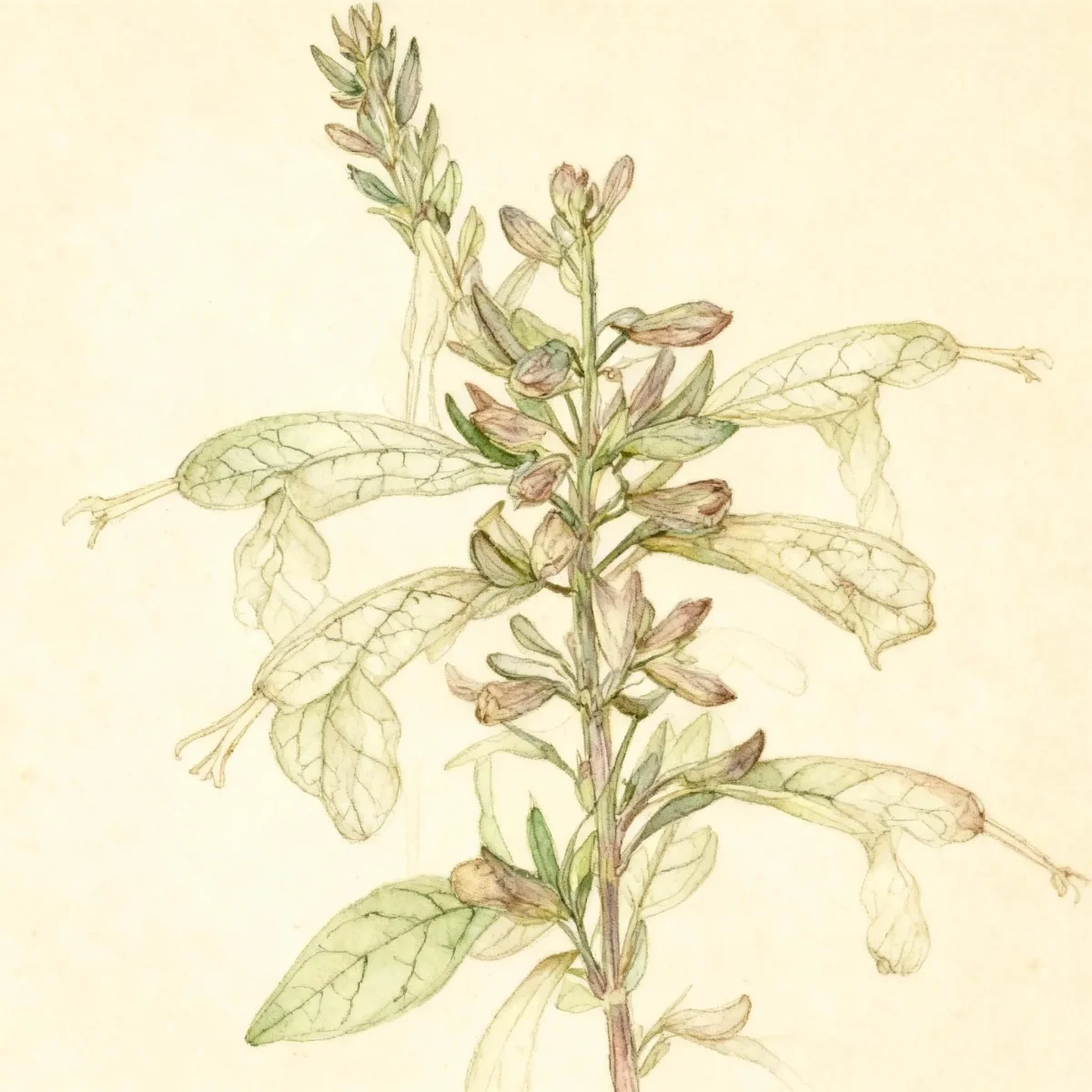
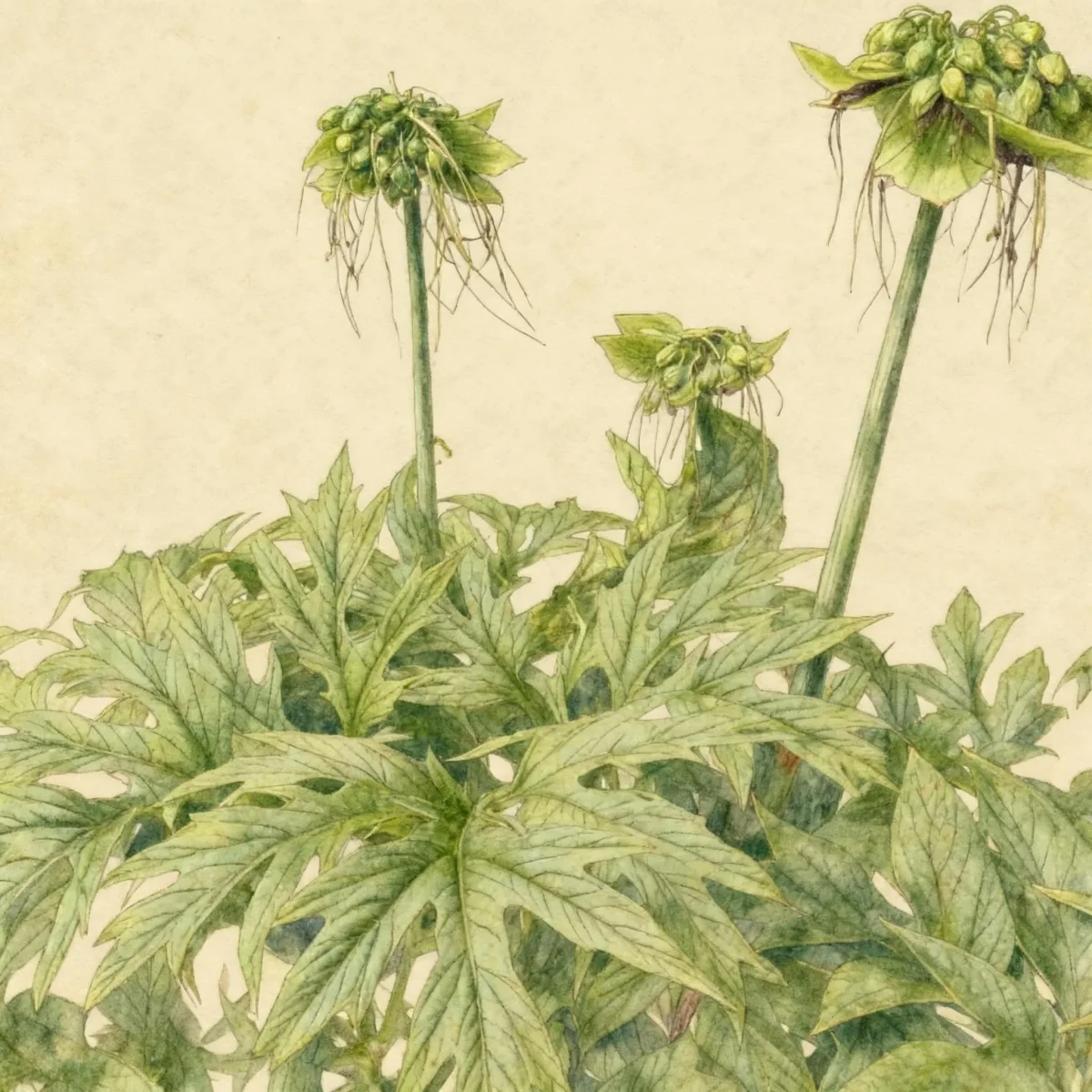
Tacca leontopetaloides, commonly called bat flower or Polynesian arrowroot, is a tuberous perennial native to tropical forest openings and grassy thickets of Africa, southern Asia, and Oceania. The starchy tubers can reach up to 4” in diameter and have white interiors with grey-brown outer skin. Its inflorescence is made up of a cluster of small, yellow-green to purple flowers with long, drooping string-like bracts, held aloft on a tall stalk, contributing to its memorable appearance.
Tolerances
No specific tolerances were listed for this species.
Potential Problems
The Tacca leontopetaloides generally enjoys a reputation for being pest and disease-free, which is a significant advantage for a bold specimen plant. Gardeners should focus primary preventative efforts on ensuring proper drainage, as wet, heavy soils are the leading cause of failure, resulting in tuber rot.
If you notice soft spots on the tubers when inspecting them prior to planting or during winter storage, discard affected parts immediately to prevent mold or fungus from spreading. Proper cultural care—consistent medium moisture without saturation—is the best defense against virtually all common horticultural issues for the Batflower.
Frequently Asked Questions
What hardiness zones is Tacca leontopetaloides suitable for?
Tacca leontopetaloides is hardy in USDA Zones 8 through 11, though it appreciates protection from harsh, prolonged cold.
How large does Batflower grow?
It typically reaches a mature height between 1.5 and 2 feet tall, with a spread of 2 to 4 feet.
What sun exposure does Batflower need?
This plant performs best when situated where it receives full sun to perhaps light part shade, mimicking its native tropical forest edge environment.
When does Batflower bloom?
The Batflower is classified as a seasonal bloomer, offering its distinctive yellow-green to purple flowers during its active growing period.
Conclusion
The Tacca leontopetaloides, or Batflower, brings an unparalleled level of exotic texture and bizarre beauty to any subtropical or warm-temperate garden setting. Its low maintenance level combined with its showy, fragrant flowers makes it an easy conversation piece. Before planting, confirm that your climate falls within Zones 8-11 and prepare a humus-rich, well-draining soil to ensure your new perennial thrives.
Companion Planting
When integrating Batflower into a tapestry garden, choose partners that appreciate similar moisture levels and soil textures. Plants that thrive in well-drained but consistently moist environments, such as various ornamental gingers (Hedychium species) or Cannas, will create a lush, tropical backdrop that complements the large leaves of Tacca leontopetaloides.
Avoid placing it directly next to plants that require very sharp drainage or dry conditions, as the differing watering routines will be difficult to manage. The goal is to create a microclimate that mimics a humid, shaded forest floor, ensuring all planting companions are happy with medium water inputs.
Design Ideas: The Exotic Focal Point
Due to its dramatic silhouette, the Tacca leontopetaloides should generally be used as a specimen rather than placed in mass plantings, unless one is creating a highly stylized, exotic display. Its low stature (1.5 to 2 feet) prevents it from obscuring smaller, equally interesting groundcovers planted immediately in front of it.
Consider framing a short pathway leading to a garden feature. The way the light catches the long, dangling bracts of the Batflower creates an ethereal effect, especially in the softer light of early morning or late afternoon. This plant rewards close inspection, making it perfect for areas frequently passed by.