Tamarisk (Tamarix ramosissima)
Tamarisk (Tamarix ramosissima) is a graceful, fast-growing deciduous shrub/small tree, noted for pink summer flowers and extreme salt tolerance.
Scroll down to discover growing tips, care requirements, companion plants, and more
Complete Plant Information
Overview
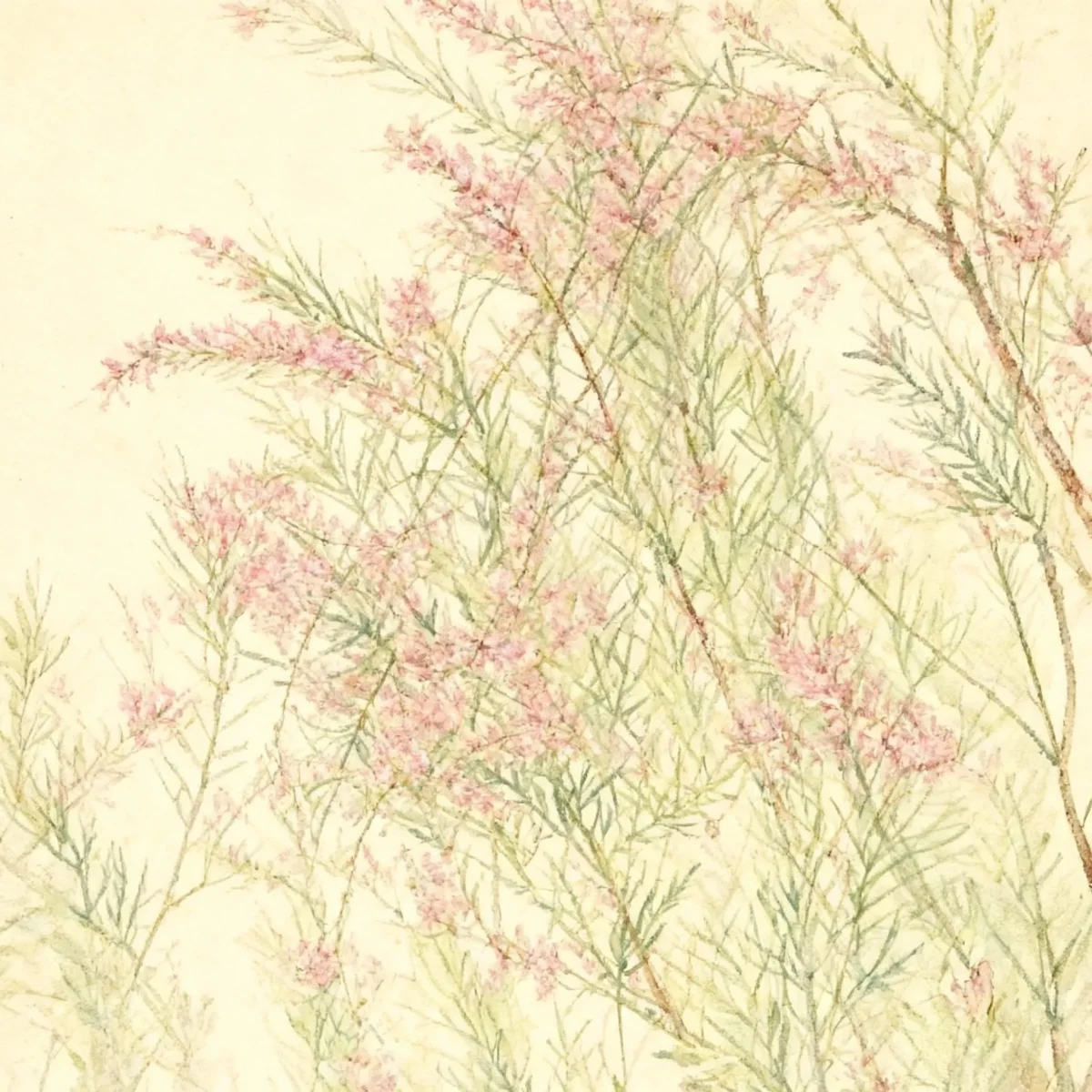
The Tamarix ramosissima, commonly known as the Tamarisk or Saltcedar, provides a unique, fine-textured vertical element in the landscape. This deciduous shrub or small tree is highly valued for its drought tolerance and ability to thrive where other plants fail, especially near coastal or saline areas. Its airy structure is accentuated by arching, reddish branchlets and masses of fluffy pink flowers that appear throughout the summer months.
While beautiful in appearance, offering dense plumes of pink bloom from May to August, gardeners must be aware that Tamarix ramosissima is a vigorous grower. This rapid development, coupled with its resilience, means specific maintenance is required to shape it effectively. Understanding its native range in Eastern Europe and temperate Asia helps contextualize its tolerance for harsh environments.
This species’ primary ornamental appeal lies in its ability to withstand challenging sites, including poorly fertile or highly saline soils, making the Tamarisk a unique functional specimen. When sited correctly for its growth habit, Tamarix ramosissima offers significant coverage, acting as an informal screen or windbreak while providing extended color.
Fast Facts
- Plant Family: Tamaricaceae
- Plant Type: Deciduous shrub
- Native Range: Eastern Europe, temperate Asia
- Hardiness Zones: USDA Zones 3-8
- Size at Maturity:
- Height: 10-15 ft
- Spread: 8-13 ft
- Bloom Time: May to August
- Bloom Description: Pink
- Sun Exposure: Full sun
- Water Needs: Dry to medium
- Maintenance Level: Medium
How to Grow
The best time to establish Tamarix ramosissima is when dormant, either in early spring or late fall, to allow the roots to settle before summer heat. Plant in full sun, which is essential for dense, healthy growth and prolific blooming. This plant is adaptable, thriving in average soil that drains well, but it performs exceptionally in sandy loams and tolerates poor fertility better than most landscape shrubs.
Watering should be consistent until the plant is established. Once mature, the Tamarisk requires only dry to medium moisture levels due to its exceptional drought tolerance. Fertilizing is generally unnecessary; focusing effort on soil drainage is more beneficial. The key cultural practice for Tamarix ramosissima involves appropriate pruning to manage its rapid growth.
Pruning occurs best in late winter or early spring before new growth begins. Since this shrub blooms on new wood, hard pruning encourages better form and compact size. You can cut it back severely, similar to Buddleja, encouraging it to remain a manageable shrub rather than a sprawling small tree. Its tolerance for salt makes it a valued component near sea shores or areas subject to road salt runoff retention.
Landscape Uses
The strong salt and drought resilience of the Tamarisk makes it highly valuable for difficult sites. Suggested uses include planting in naturalized areas where its spreading habit can fill space quickly, or near rain gardens due to its dry-to-medium water needs once established. For large properties or screening needs, Tamarix ramosissima functions effectively as an informal hedge or windbreak.
When used in borders, ensure adequate space is provided for its mature spread of 8 to 13 feet. Because of its loose, somewhat scraggly winter appearance, many gardeners prefer placing it toward the rear of a mixed border or in remote areas where its structure is less prominent during dormancy. It pairs well with other tough, sun-loving perennials and shrubs that tolerate alkaline or poor soil conditions.
Site this species where its ability to stabilize dry slopes for erosion control can be utilized effectively. While many authorities caution against its invasive nature in warmer zones, in colder areas (like Zones 3-7), its robust growth can be managed via annual hard pruning to keep the plant ornamental and contained.
Standout Features
Flower Qualities
- Showy
Noteworthy Characteristics
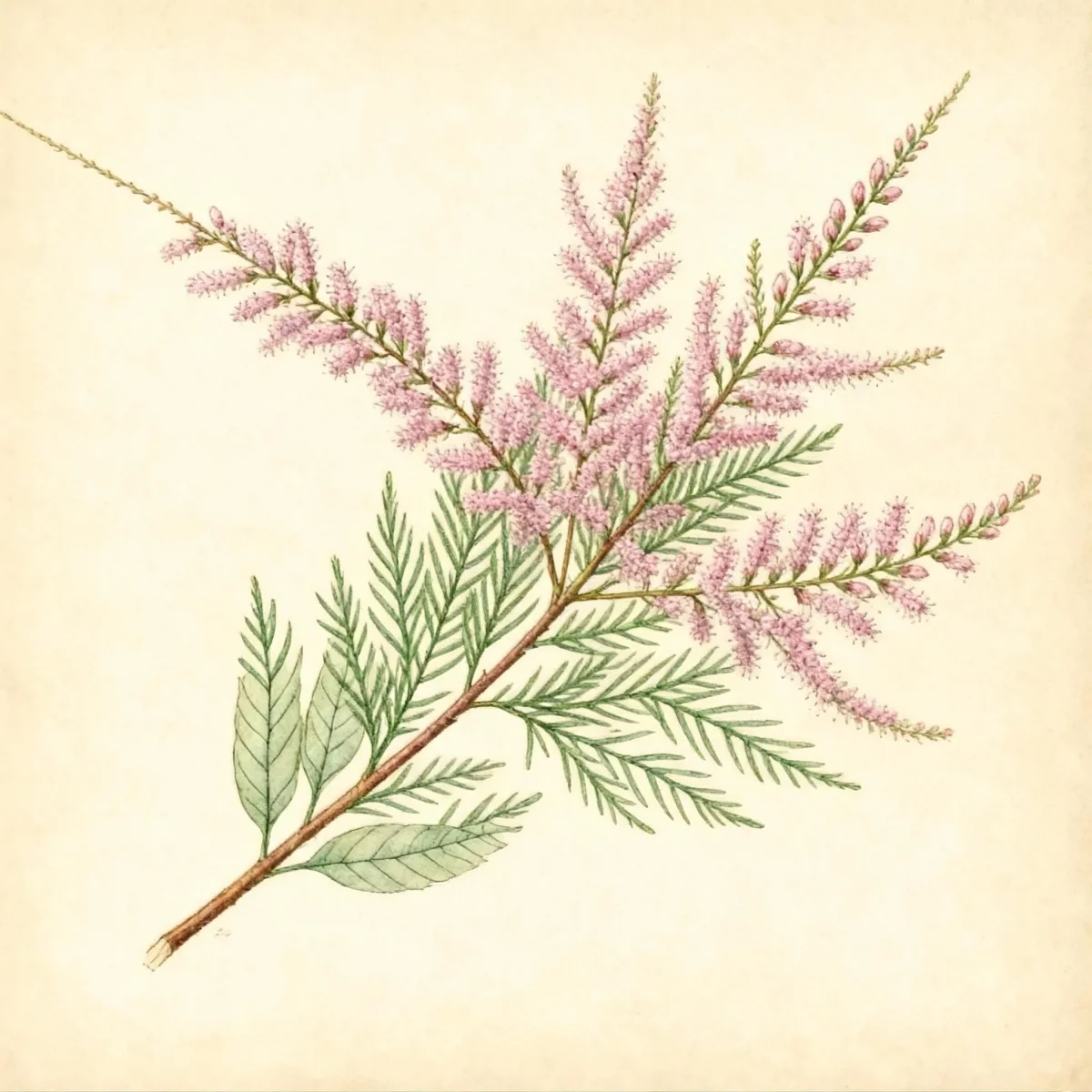
Tamarix ramosissima, known as tamarisk, tamarix or saltcedar, is a graceful open deciduous thicket-forming shrub or small tree typically growing 6-15’ tall. This is an unusual plant because it features fine-textured, juniper-like foliage, but is neither evergreen nor coniferous, producing true flowers. Its primary ornamental features are: (a) reddish, slender, arching branchlets, (b) pale gray-green scale-like leaves and (c) plumes (dense feathery racemes) of pink 5-petaled flowers over a long early to mid-summer bloom. The common name of saltcedar is in reference to the fact that the plants not only tolerate saline conditions but also produce salt.
Tolerances
- Deer
- Drought
Potential Problems
A significant consideration for gardeners planting Tamarix ramosissima is its status as an invasive species in warmer climates, particularly USDA Zones 8-10. In these regions, it can form dense, impenetrable thickets that aggressively crowd out native flora along waterways and disturbed areas.
If you live in these warmer risk zones, consult local agricultural extension offices before planting. Management mitigation involves diligent pruning and removal efforts to prevent seeding, especially near riparian habitats, to avoid becoming part of regional eradication programs targeting the tamarisk.
Frequently Asked Questions
What hardiness zones is Tamarisk suitable for?
The Tamarisk (Tamarix ramosissima) is hardy across USDA Zones 3 through 8.
How large does Tamarisk grow?
This plant typically reaches heights between 10 and 15 feet, with a spread ranging from 8 to 13 feet.
What sun exposure does Tamarix ramosissima need?
Tamarix ramosissima requires full sun exposure to develop optimally.
When does Tamarisk bloom?
This species presents attractive plumes of pink flowers throughout the early to mid-summer, specifically blooming from May to August.
Conclusion
The Tamarix ramosissima offers immense value in the garden due to its exceptional tolerance for drought and saline soils, providing reliable summer color atop fine, airy foliage. Though maintenance is required to manage its aggressive growth through late winter pruning, the resulting tough, graceful structure of the Tamarisk secures its place in challenging environments. Always check local regulations regarding this species and plan for its substantial summer bloom display when planting Tamarix ramosissima.
Companion Planting
Given the full sun and dry to medium moisture requirements of this shrub, companion plants should share similar xeriscaping needs. Consider pairing the Tamarisk with other tough, sun-loving natives or Mediterranean species that don’t mind lean soil. Good companions include Russian Sage (Perovskia atriplicifolia), which offers a contrasting silvery-blue flower color, or various ornamental grasses that thrive in dry, open conditions.
Avoid planting moisture-loving or shade-tolerant species close to the base of the Tamarisk, as these will struggle to compete for the limited water resources this plant demands or tolerates. Focus on planting companions that benefit from excellent drainage, mirroring the cultural needs of Tamarix ramosissima.
Design Ideas for Challenging Sites
The unique tolerance of salt makes the Tamarisk indispensable for coastal landscapes or areas near salted roadways. In these tough locations, use the Tamarisk as a background screen or informal hedge where its rapid height gain (10-15 ft) can quickly establish privacy or wind blockage. Due to its open structure, it functions best as a visual softening element rather than a dense, formal barrier.
For rain garden applications, focus on using Tamarix ramosissima on the slightly higher, drier edges of the depression. This placement ensures it receives the necessary dry-to-medium conditions while still integrating into a water-wise landscape design. Its fine, scale-like leaves contrast beautifully with plants exhibiting broader textures, providing movement when the coastal or prairie winds move through.