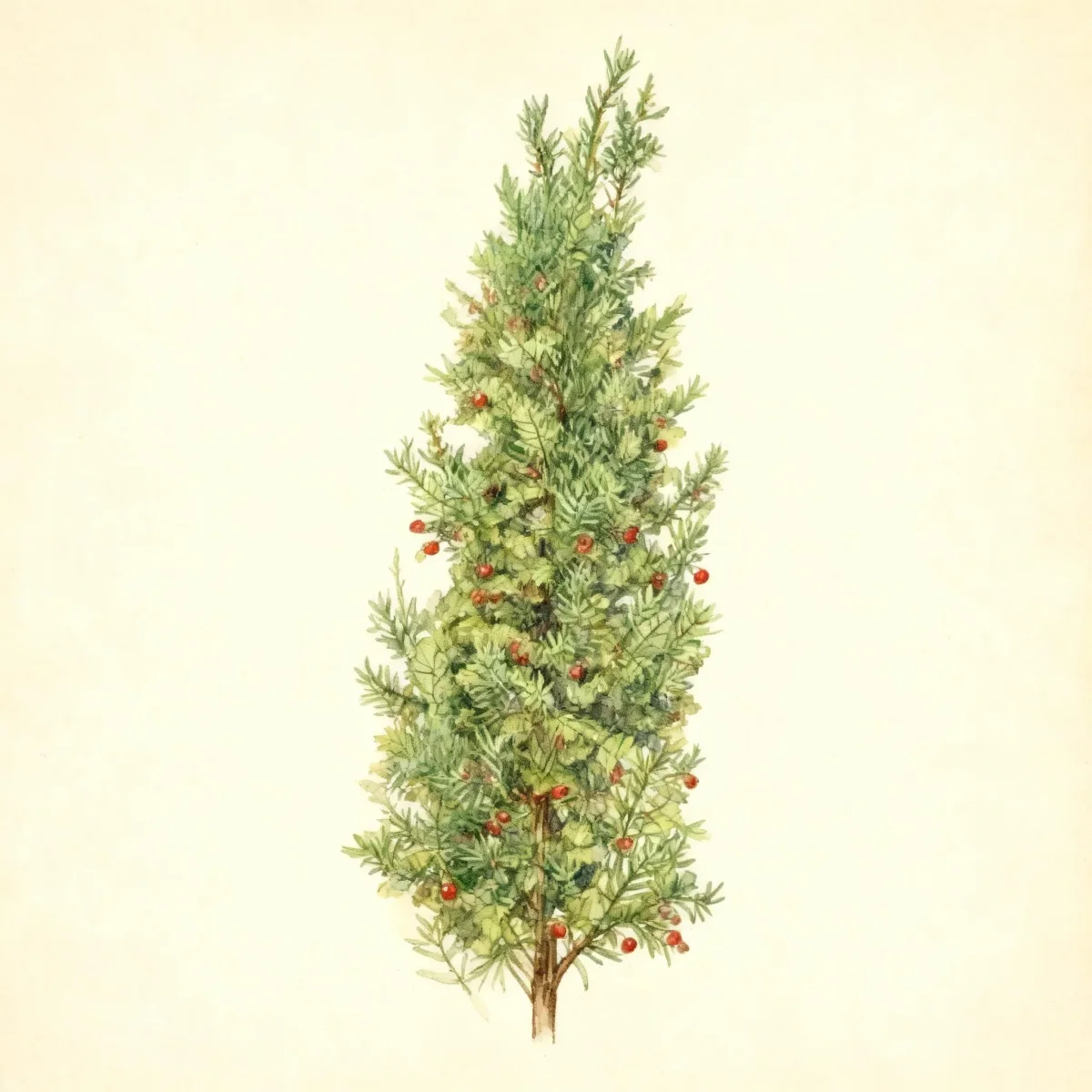
Florida yew (Taxus floridana)
Discover Taxus floridana, the rare Florida yew. An evergreen admired for its fine texture, thriving in Zones 8-10.
Scroll down to discover growing tips, care requirements, companion plants, and more

Complete Plant Information
Overview
The Florida yew (Taxus floridana) is a highly specialized and critically endangered native evergreen, valued for its unique structure and texture within the landscape. As a coniferous shrub or small tree, it offers year-round deep green color, contrasting nicely with other textures typically found in subtropical gardens. Proper siting is essential, as this species requires consistently fertile, well-drained soil to thrive.
This rare species, found naturally only in a small, specific region of the Florida panhandle, appeals to collectors and conservation-minded gardeners seeking to preserve botanical diversity. Although it is listed as endangered, when grown in suitable climates (USDA Zones 8-10), the Taxus floridana provides an elegant, somewhat informal presence suitable for specimen planting. Gardeners should note its preference for even moisture while remaining intolerant of overly saturated ground.
Fast Facts
- Plant Family: Taxaceae
- Plant Type: Needled evergreen
- Native Range: Florida
- Hardiness Zones: USDA Zones 8-10
- Size at Maturity:
- Height: 12-18 ft
- Spread: 12-18 ft
- Bloom Time: Non-flowering
- Bloom Description: Non-flowering
- Sun Exposure: Full sun to part shade
- Water Needs: Dry to medium
- Maintenance Level: Medium
How to Grow
Planting the Florida yew should occur during the cooler seasons, ideally fall or early spring, allowing the roots to establish before seasonal heat stresses begin. Choose a location offering fertile, slightly acidic soil that drains exceptionally well. While Taxus floridana tolerates full sun, it performs best in areas receiving afternoon partial shade, which protects its delicate foliage from scorching.
Ongoing care focuses on moisture management. While established plants are somewhat drought-tolerant once rooted, they truly appreciate consistent, even soil moisture, especially during dry spells. Avoid heavy, boggy soils at all costs, as this rapidly leads to root rot issues common in yews. Fertilization is generally not critical if the soil is rich, but a balanced, slow-release feed in spring can support healthy growth.
Pruning should be minimal, reserved only for removing dead or damaged wood, as excessive trimming can negatively impact the plant’s natural form. Monitor closely for signs of environmental stress, particularly winter burn if planted near exposed edges in colder parts of its range, which typically manifest as browning needles in early spring.
Landscape Uses
The primary suggested use for the Florida yew is as a treasured specimen plant. Because its native range is so limited and its conservation status is critical, planting Taxus floridana in a prominent location showcases its unique beauty and supports its survival outside its restricted native habitat. It commands attention due to its fine needle texture and deep green color.
This evergreen shrub fits well into woodland garden settings or as a unique focal point in a mixed border where its form can be appreciated. Companion planting partners should share similar needs for slightly acidic soil and medium moisture levels, such as native azaleas, Southern Magnolias, or certain ferns suited to Florida’s shaded bluffs. Avoid mass hedges, as this plant is best admired individually rather than obscured in a grouping.
Standout Features
Noteworthy Characteristics
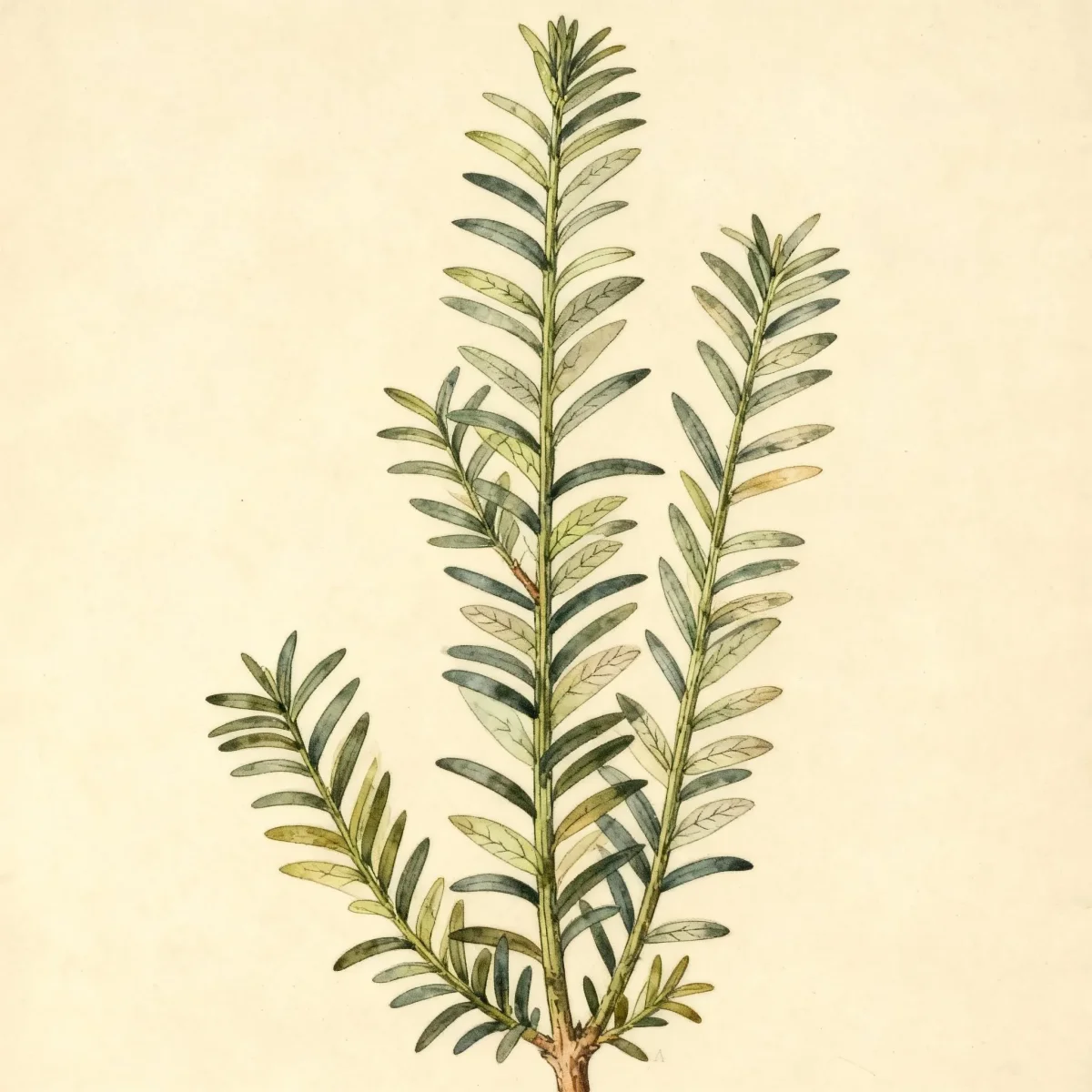
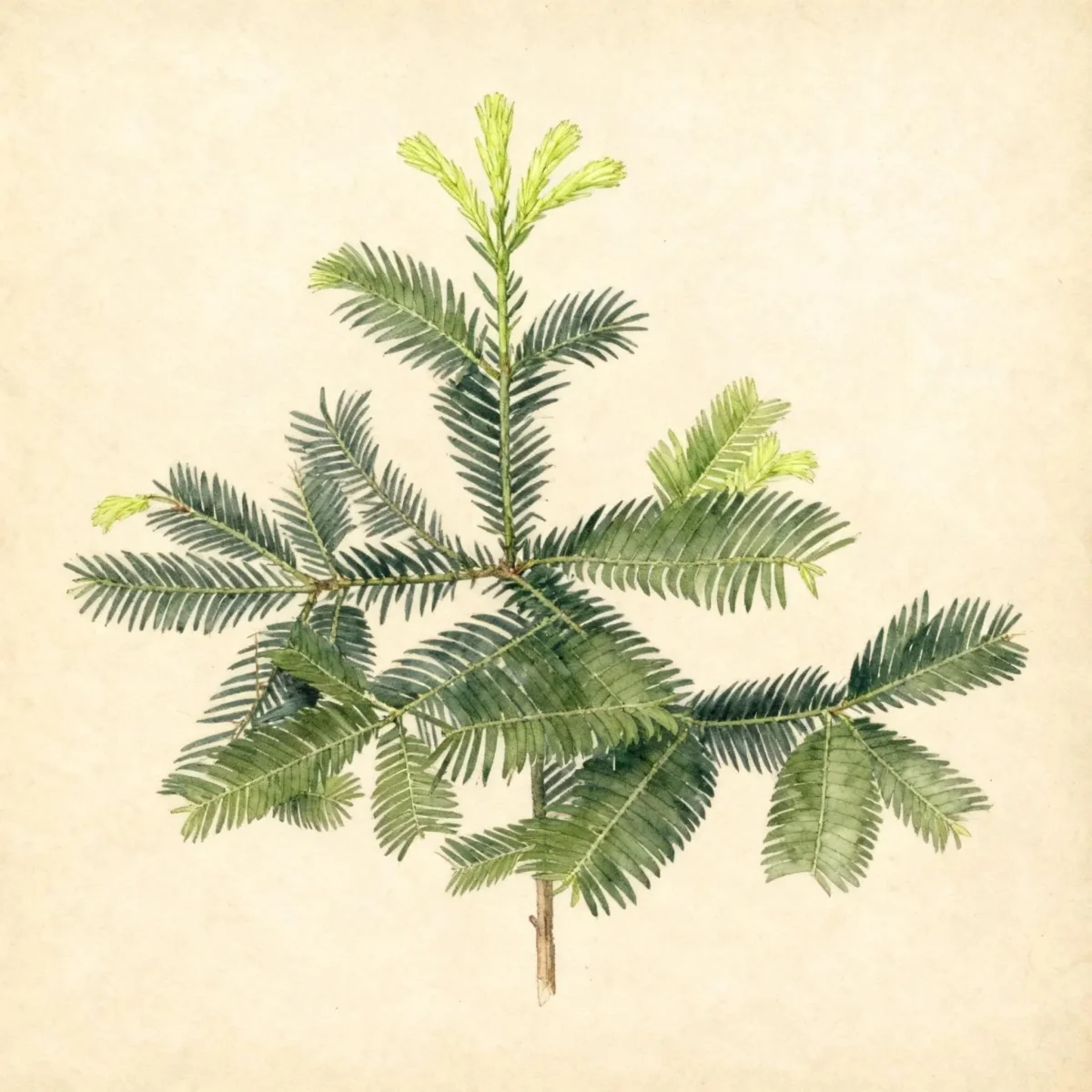
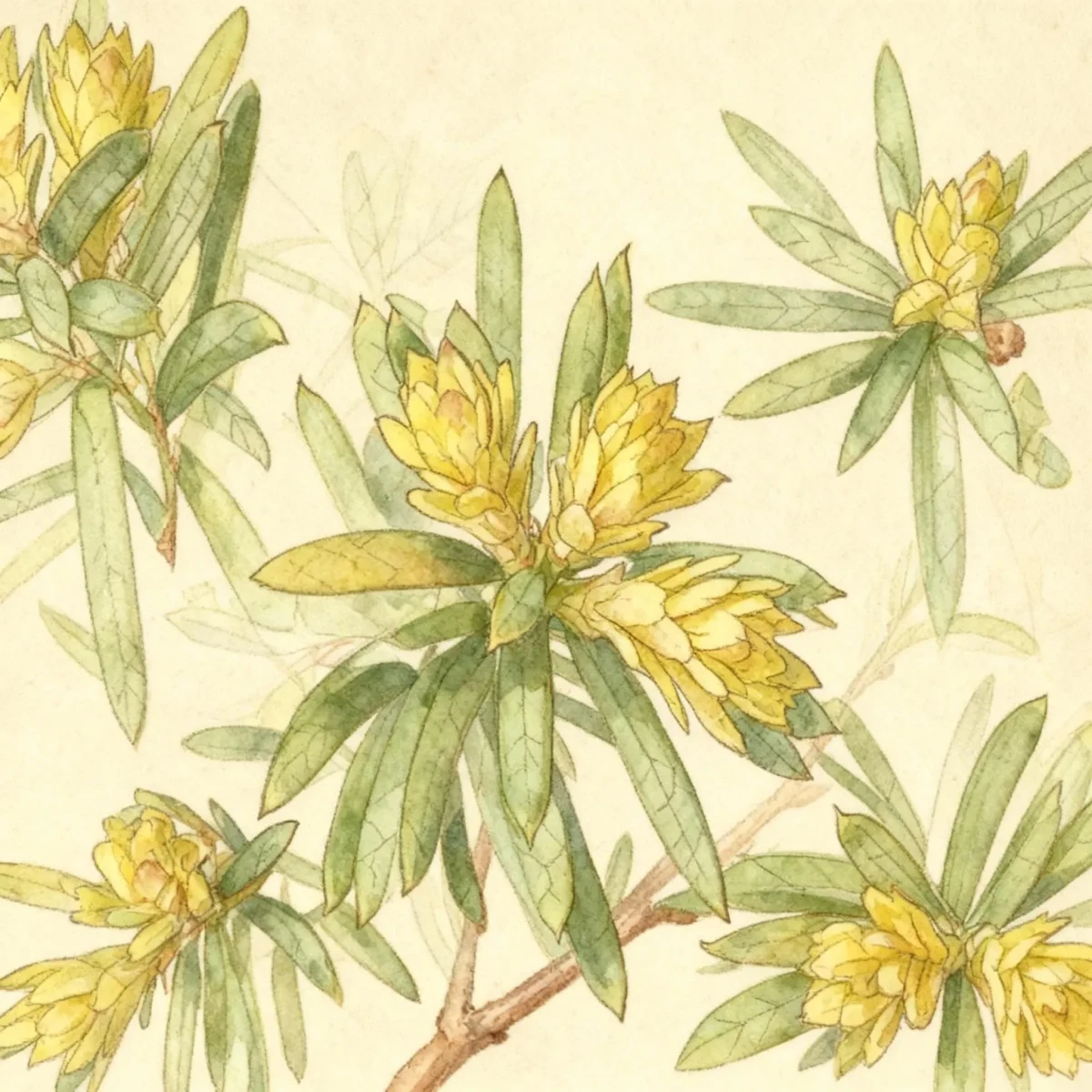
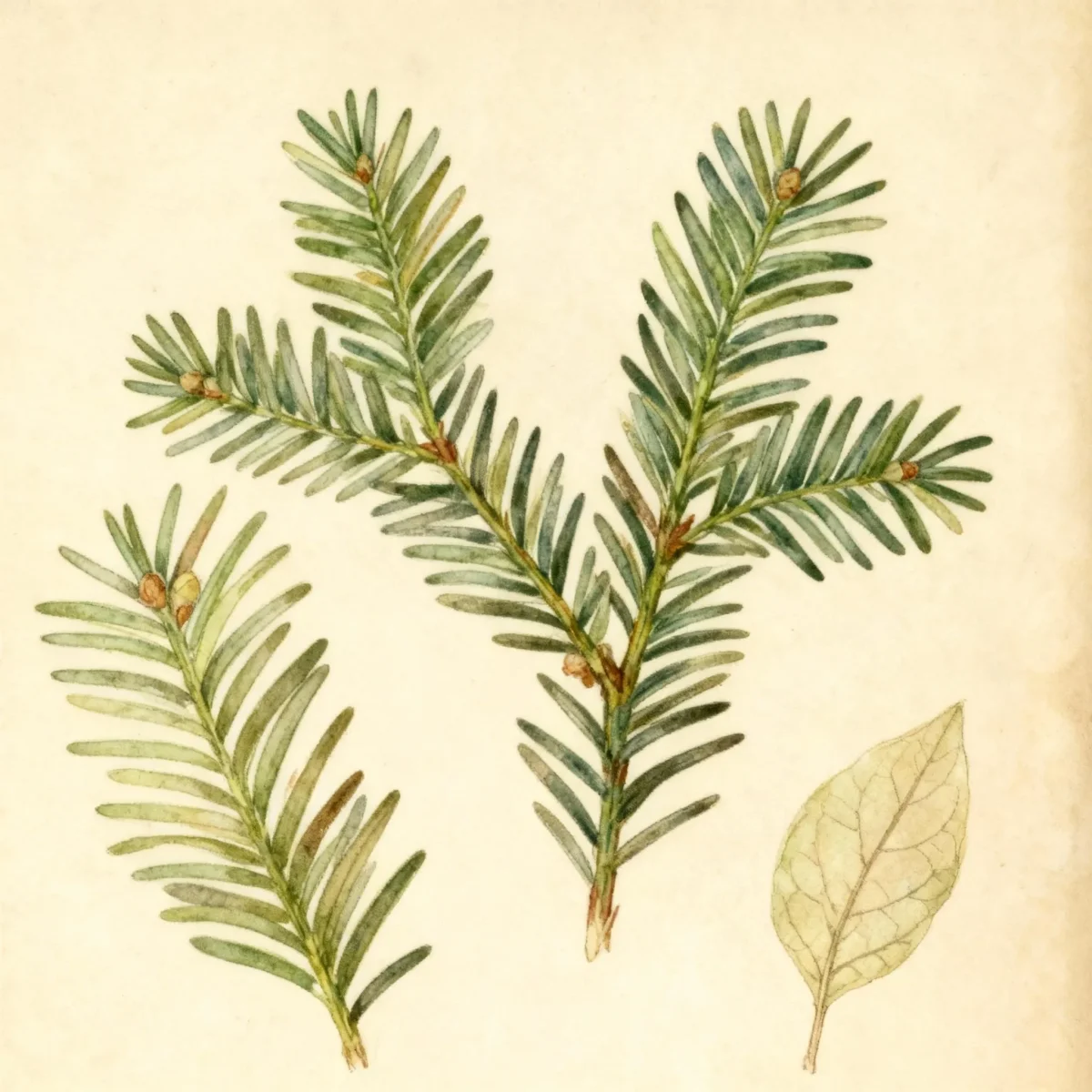
Taxus floridana, commonly called Florida yew, is a coniferous, evergreen shrub or small tree in the yew family. It typically matures to 12-18’ (infrequently to 25’) tall. It is currently listed as an endangered species by both the U. S. And the State of Florida. Its native range is extremely restricted, limited to forested bluffs and ravines along the Apalachicola River in the Florida panhandle. The Florida yew features flat, linear, flexible, fine-textured, needle-like, dark green, evergreen leaves arranged in two horizontal ranks, which are mildly aromatic when crushed. Female plants produce unique, berry-like cones featuring a red, fleshy structure called an aril surrounding the seed.
Tolerances
- Susceptible to winter burn, particularly in exposed sites.
- Potential disease problems include twig blight and needle blight.
- Root rot may occur in poorly-drained soils.
Potential Problems
Taxus floridana requires careful monitoring for both pests and diseases, often linked to inadequate cultural conditions. Susceptibility to winter burn is noted, especially if the Florida yew is placed in an exposed, windy site where winter sun or drying winds damage the foliage. In poorly drained soils, avoid watering saturation, as this substrate invites root rot, a potentially fatal fungal issue.
For pest control, keep an eye out for common horticultural nuisances such as weevils, mealybugs, and scale, which can weaken the plant over time. If disease is suspected, address twig blight and needle blight early according to recommended horticultural practices for yews. It is vitally important to remember that the seeds and foliage of this tree are poisonous to humans and pets if ingested, necessitating careful placement around high-traffic areas.
Frequently Asked Questions
What hardiness zones is Florida yew suitable for?
The Florida yew is generally suited for cultivation in USDA Hardiness Zones 8 through 10, making it a viable evergreen choice for the southeastern United States.
How large does Taxus floridana grow?
This species typically matures to a height and spread between 12 and 18 feet, though occasionally specimens can reach up to 25 feet tall.
What sun exposure does Taxus floridana need?
Taxus floridana is highly adaptable regarding light, thriving in conditions ranging from full sun to partial shade; however, it appreciates protection from intense afternoon sun.
When does Florida yew bloom?
The Florida yew is non-flowering, meaning it does not produce traditional noticeable blossoms; instead, it develops small, berry-like cones on female plants.
Conclusion
The inclusion of Taxus floridana in any landscape serves as a living piece of botanical history, offering exceptional texture and form uncommon among standard nursery stock. Due to its endangered status, growing this rare Florida yew is an act of conservation. Before planting, carefully assess your site to ensure fertile, well-drained soil and compatible hardiness zone ratings.
Companion Planting
When planning a garden around your Florida yew, select plants that share its preference for slightly acidic, rich soil and appreciate consistent moisture without becoming waterlogged. Native woodland plants that thrive in similar dappled light conditions make excellent companions. Consider flowering shrubs known for acid-loving habits, such as various Camellia cultivars or native Rhododendron species, provided they do not outcompete the yew for light overhead.
Another smart grouping strategy involves pairing Taxus floridana with other textural evergreens native to the wetter ravine systems of the Florida panhandle, such as certain ferns or shade-loving groundcovers. This creates a cohesive, multi-layered woodland aesthetic that mimics its natural environment while providing insulation for the root zone of the yew.
Seasonal Care Calendar
Spring is the ideal time to assess your Florida yew for any winter damage, removing any noticeably scorched or dead branches before fresh growth begins. Apply a shallow layer of compost or mulch, ensuring it does not touch the trunk, to help regulate soil temperature and moisture through the coming warm months.
Summer demands vigilance regarding water. Although Taxus floridana prefers dry to medium moisture once established, intense Southern heat requires supplemental watering if rainfall is scarce. Deep, infrequent watering is preferred over shallow, daily sprinkling to encourage deep root development, which aids in drought tolerance.
In the fall, avoid heavy fertilization, as this encourages tender new growth that is vulnerable to early cold snaps in Zone 8. Focus instead on ensuring the area around the yew remains mulched and protected as the plant prepares for dormancy through winter.