English yew (Taxus baccata)
The long-lived English yew (Taxus baccata) is a vital, low-maintenance evergreen, prized for its dense, dark green foliage.
Scroll down to discover growing tips, care requirements, companion plants, and more
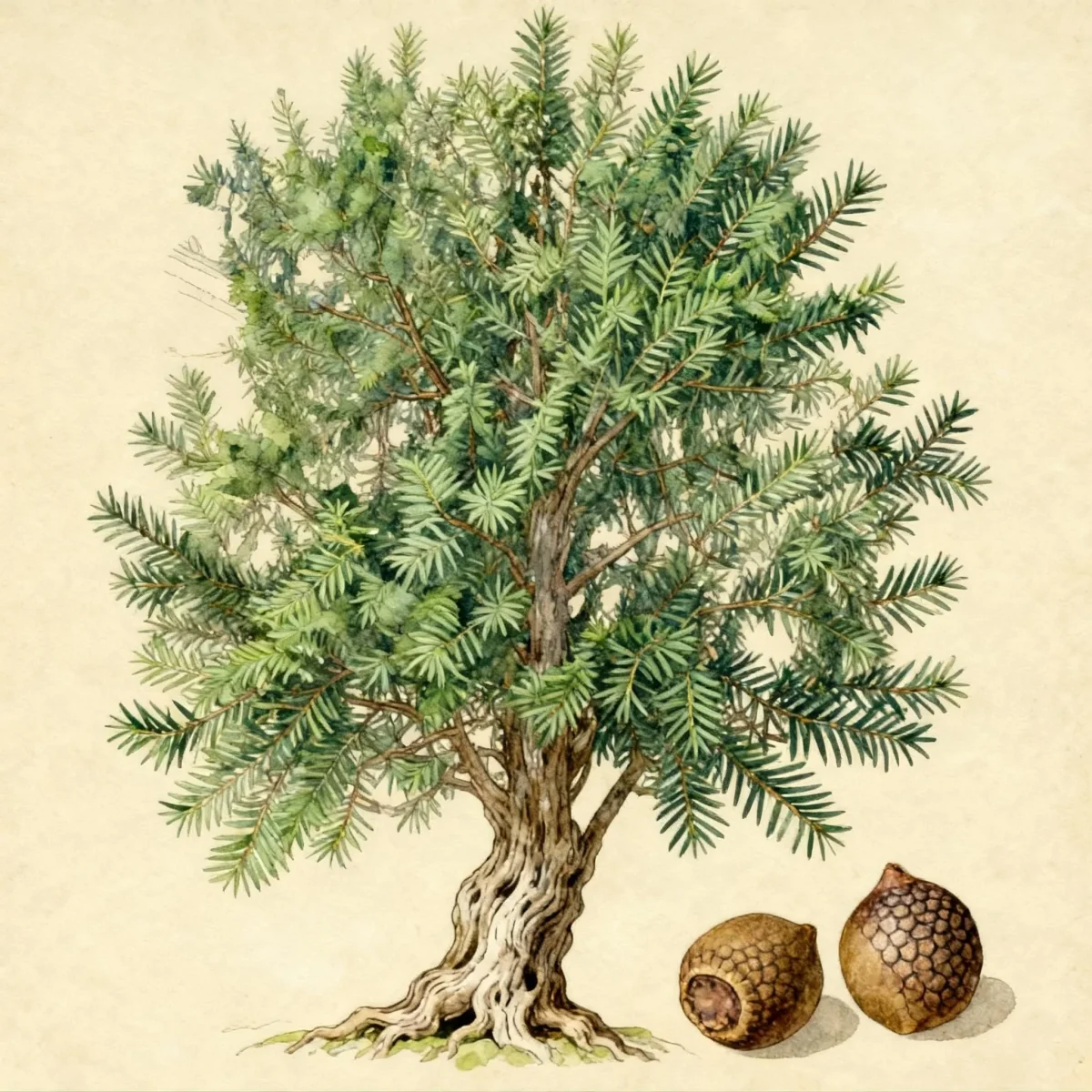
Complete Plant Information
Overview
The English yew, scientifically known as Taxus baccata, is a distinguished, long-lived, evergreen conifer highly valued for its dense, conical structure that provides year-round visual interest. Native across much of Europe, this species is perhaps one of the most classic evergreen hedging plants available to gardeners. Its attractive, lustrous, dark green needles remain vibrant even through harsh winters, making Taxus baccata a cornerstone for formal or structural landscape design.
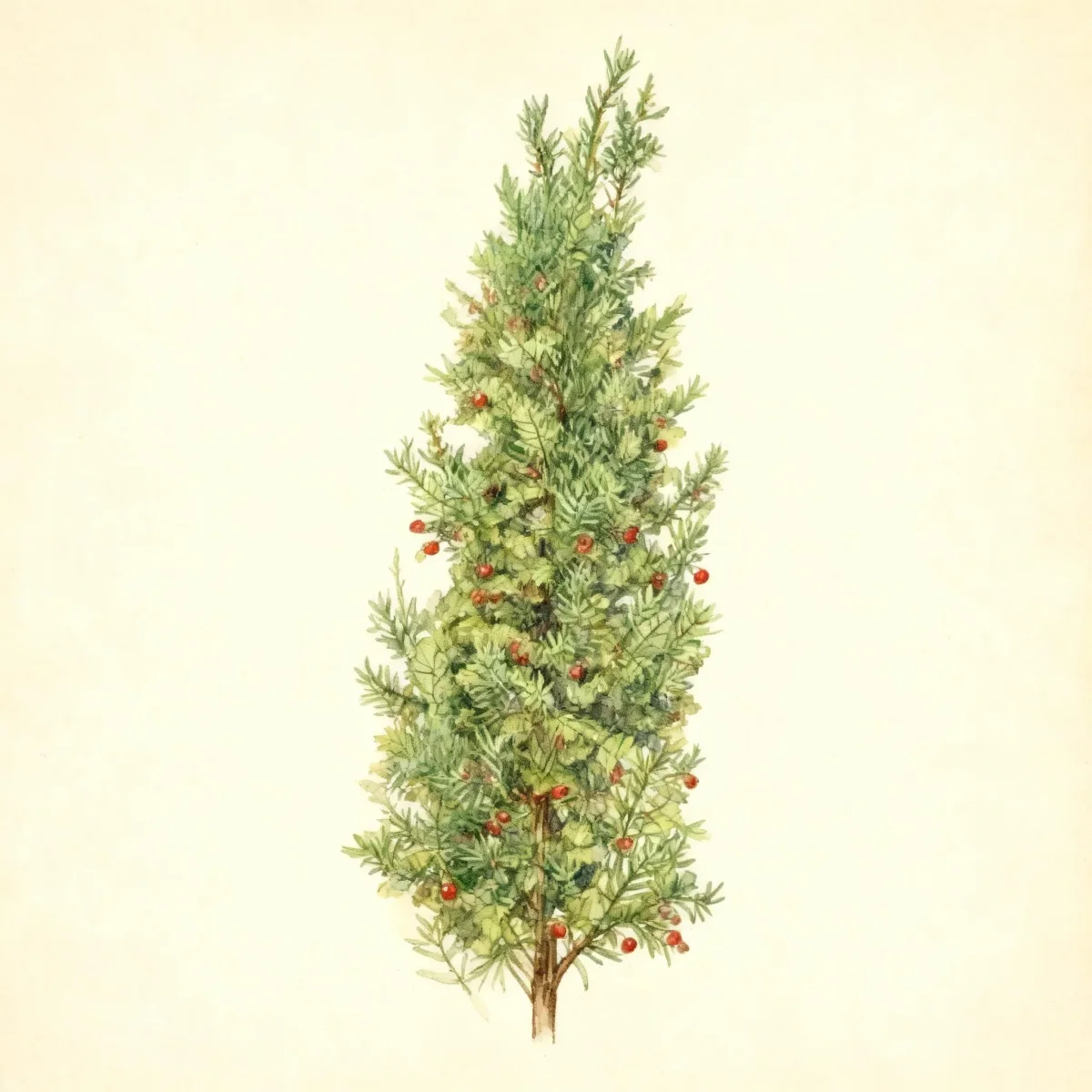
This specimen typically matures into a substantial tree, often reaching heights between 30 and 60 feet, although it responds exceptionally well to pruning, allowing it to function effectively as a screen, hedge, or foundational planting. While it is dioecious, meaning male and female plants are separate, the female Taxus baccata produces striking, showy red, berry-like structures (arils) that contrast beautifully against the dark foliage.
Gardeners appreciate the low maintenance requirements of the English yew, coupled with its adaptability to various light and soil conditions. It stands out as one of the premier evergreen choices for deep shade, yet performs adequately in full sun, provided moisture levels are managed correctly, securing its place as a reliable architectural element.
Fast Facts
- Plant Family: Taxaceae
- Plant Type: Needled evergreen
- Native Range: Europe, Atlas Mountains, Asia Minor, Caucauses
- Hardiness Zones: USDA Zones 6-7
- Size at Maturity:
- Height: 30-60 ft
- Spread: 15-25 ft
- Bloom Time: Non-flowering
- Bloom Description: Non-flowering
- Sun Exposure: Full sun to part shade
- Water Needs: Medium
- Maintenance Level: Low
How to Grow
The ideal environment for Taxus baccata involves planting during moderate weather, either spring or fall, in a location offering excellent drainage. The English yew thrives in evenly moist, fertile, sandy loams. While it tolerates a wide range of soils, poorly drained conditions must be strictly avoided to prevent root issues. Provide full sun initially, transitioning to part shade as the plant matures, though it is notably tolerant of heavy shade once established.
Watering requirements are medium. Newly planted yews need consistent moisture to establish a strong root system. Established specimens are moderately drought-tolerant but perform best when the soil does not dry out completely, especially during hot summers. Fertilization is rarely necessary if the soil is fertile, but a balanced, slow-release fertilizer in spring can support vigorous growth if the site is poor.
Pruning is a key aspect of managing Taxus baccata in the garden. These plants are exceptionally easy to prune and respond vigorously to hard shearing or shaping, making them excellent for topiary or formal hedges. Avoid pruning heavily into old wood if possible, though they often tolerate it. In regions susceptible to temperature extremes, such as Zone 6 winters, ensure the English yew is sited in a sheltered location, protected from harsh winter winds that can cause significant winter burn.
Landscape Uses
The English yew is an indispensable plant for adding structure and deep color to the landscape. Due to its tolerance for deep shade, Taxus baccata is one of the best evergreen conifers available for brightening up dark corners beneath mature deciduous trees or north-facing exposures. Its ability to be tightly sheared makes it a superb candidate for formal hedges, dense screens that provide privacy, or intricate topiary specimens that act as strong focal points.
Beyond its use as a screen or hedge, consider planting the English yew as a stately specimen or accent tree where its massive, permanent form can be admired. Its dark foliage provides a dramatic, rich background against which bright-flowering shrubs or colorful perennials can pop. Though species plants are infrequently sold, the widely available cultivars of Taxus baccata offer varied sizes and habits suitable for foundation plantings near larger structures.
Standout Features
Fruit Qualities
- Showy
Noteworthy Characteristics
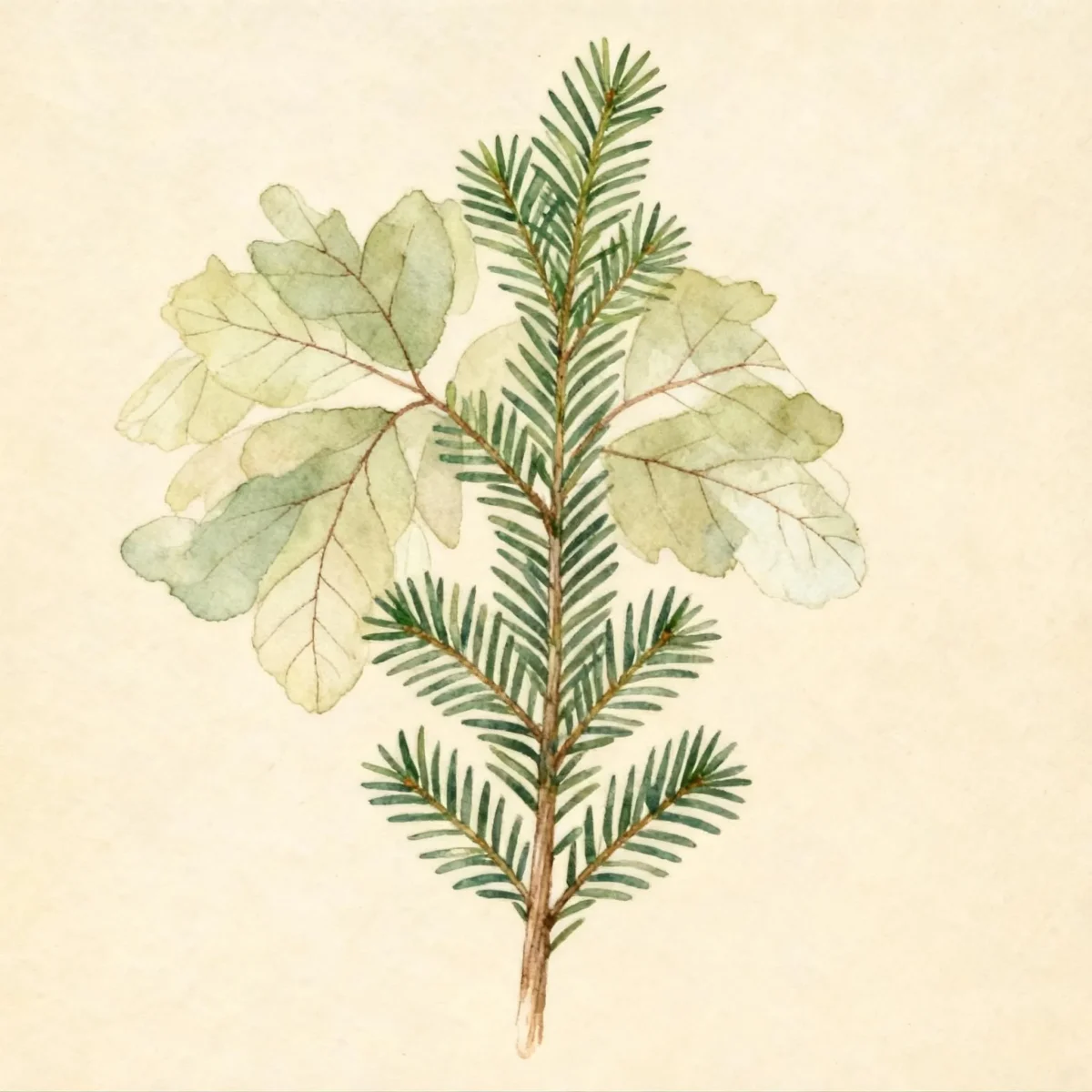
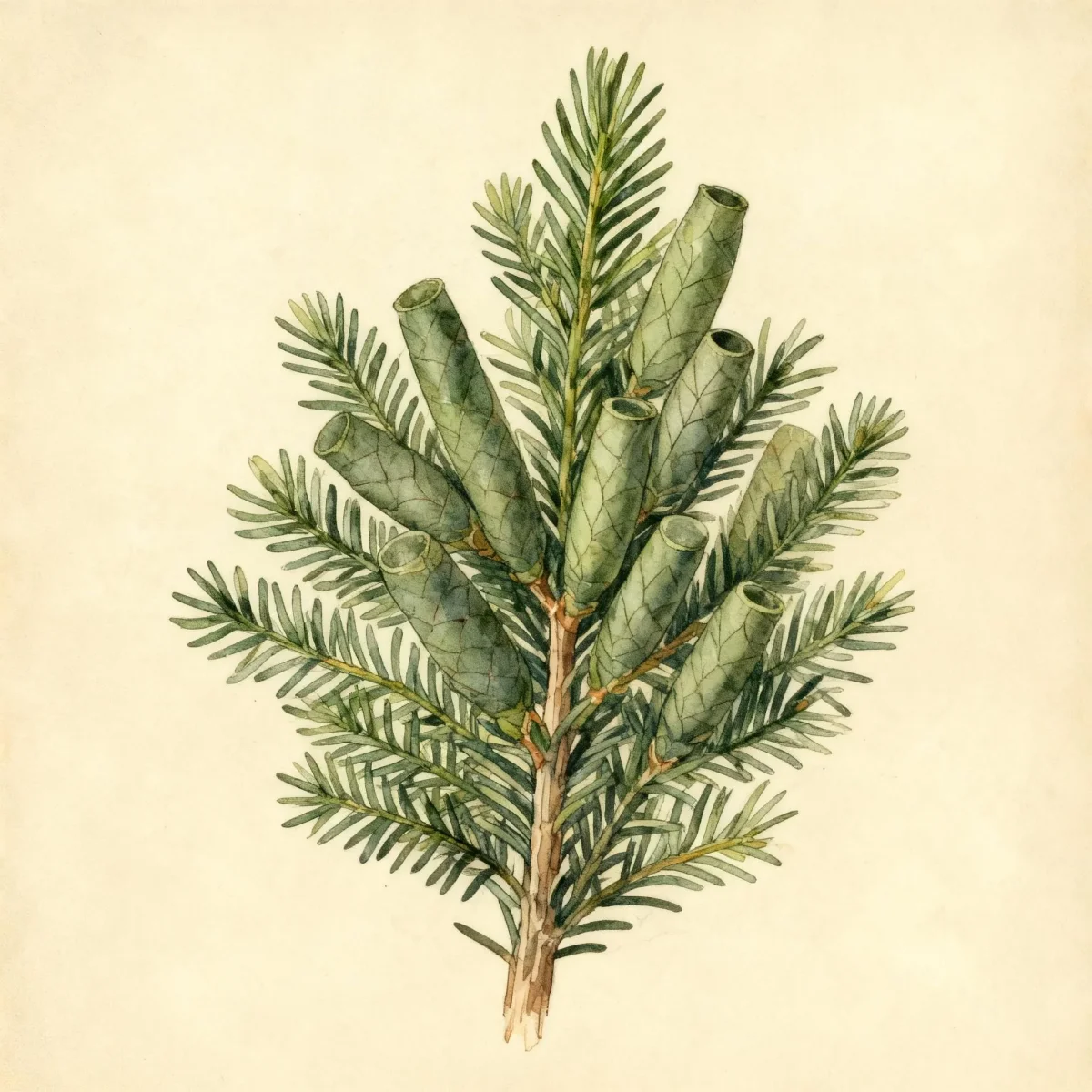
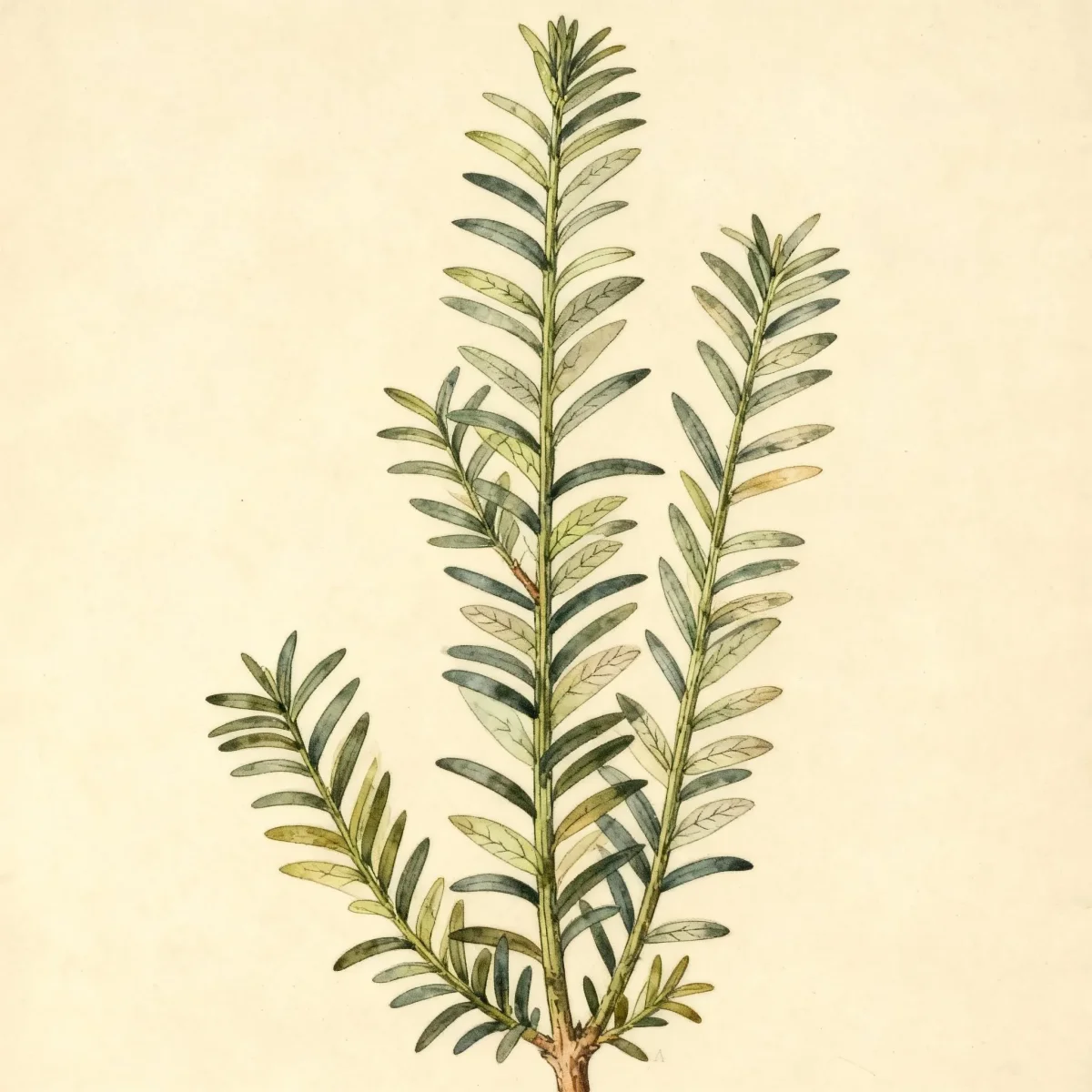
Taxus baccata, commonly called English yew or common yew, is a long-lived, evergreen, conical tree that is native to Europe, southwestern Asia and northern Africa. It typically grows to 30-60’ tall, eventually developing thick trunks with scaly reddish-brown bark. The attractive, lustrous, flat-needled, dark green foliage remains excellent year-round, with young shoots emerging a refreshing light green. Female plants display berry-like cones that feature a single seed encased in a distinctive red, fleshy structure called an aril.
Tolerances
- Heavy Shade
Potential Problems
The primary threat to Taxus baccata is winter injury. It is susceptible to winter burn resulting from exposure to extreme cold combined with dry winter winds, especially when placed on highly exposed sites. To mitigate this, choose sheltered planting locations. Several fungal issues, including twig blights and needle blights, can occasionally appear and should be managed through proper pruning to improve air circulation.
Root rot poses a significant risk if the soil is not well-draining. Always amend heavy clay soils before planting or select a higher ground location. Common insect pests that may require monitoring include scale insects, mealybugs, and vine weevils, though severe infestations are often rare in healthy plantings.
Frequently Asked Questions
What hardiness zones is English yew suitable for?
The English yew (Taxus baccata) is reliably hardy in USDA Zones 6 through 7.
How large does Taxus baccata grow?
When left unpruned, Taxus baccata can achieve mature heights between 30 and 60 feet, with a spread ranging from 15 to 25 feet.
When does English yew bloom?
Taxus baccata is non-flowering, as it is a conifer. The female plants produce berry-like structures called arils instead of traditional flowers.
What sun exposure does English yew need?
This species performs well in a range from full sun to part shade, though it is exceptionally valued for its tolerance of heavy shade.
Conclusion
The English yew (Taxus baccata) provides unmatched architectural substance and rich, evergreen color throughout the year, making it a cornerstone for formal and shaded landscapes. Its low maintenance needs and superb adaptability to pruning ensure it remains a practical choice for creating lasting garden structure. Before planting, confirm your site falls within USDA Zones 6-7 and ensure the location offers the required excellent drainage for long-term success.
Companion Planting
When designing around the stately Taxus baccata, select companions that either contrast in texture or complement its need for filtered light. Hostas, with their broad, often variegated leaves, offer a wonderful contrast to the fine needles of the yew, especially in shady borders. Ferns, such as the Japanese Painted Fern or large native wood ferns, reinforce the woodland aesthetic that the English yew naturally evokes.
For slightly brighter areas, consider planting low-growing evergreens like dwarf Japanese hollies (Ilex crenata cultivars) nearby to maintain the hedge-like perimeter while providing textural variation. Because Taxus baccata dislikes root competition from shallow-rooted deciduous trees, ensure the area immediately surrounding the base is kept clear or reserved for low-profile groundcovers that thrive in similar shade and moisture regimes.
Design Ideas for Formal Gardens
The inherent stiffness and easy sculptability of Taxus baccata make it the quintessential plant for formal European-style gardens. Use it to define clear sightlines or create architectural repetition along pathways by planting uniformly sheared globes or pyramids. Its dense habit allows for the creation of impenetrable, deep green screens that provide quiet solitude and backdrop definition.
For a classic look, flank entryways or significant landscape features with matching, heavily pruned globe topiary specimens of English yew. In mixed foundation plantings, allow one specimen to grow into its natural conical shape as a strong vertical anchor, contrasting it with lower, softer plantings like Heathers or low-growing Rhododendrons if light levels permit. The contrast between the mature, textured bark of an old Taxus baccata and new, bright plantings is stunning.