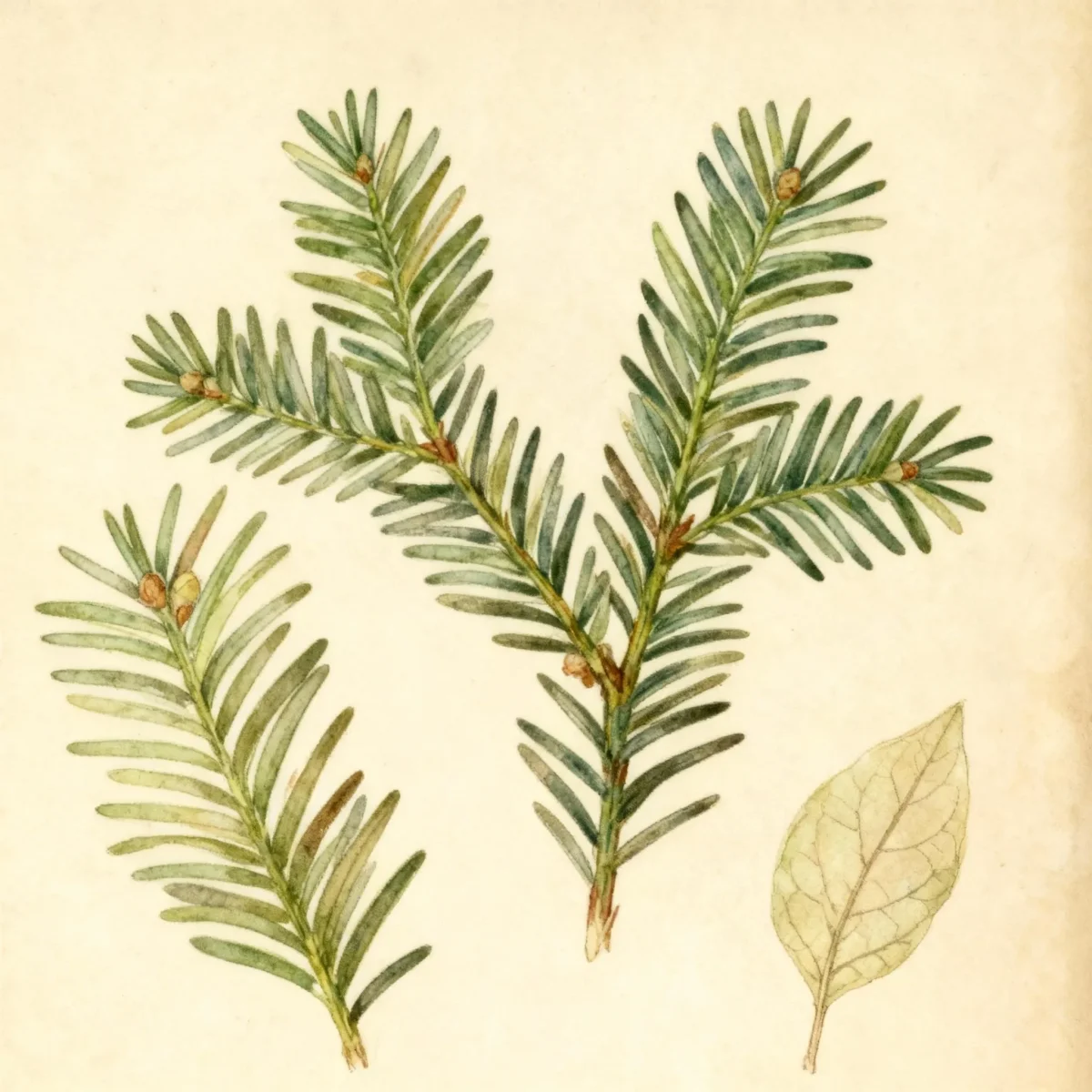
Japanese yew (Taxus cuspidata)
Discover the durable Japanese yew (Taxus cuspidata), a slow-growing needled evergreen ideal for shade and low maintenance gardening.
Scroll down to discover growing tips, care requirements, companion plants, and more
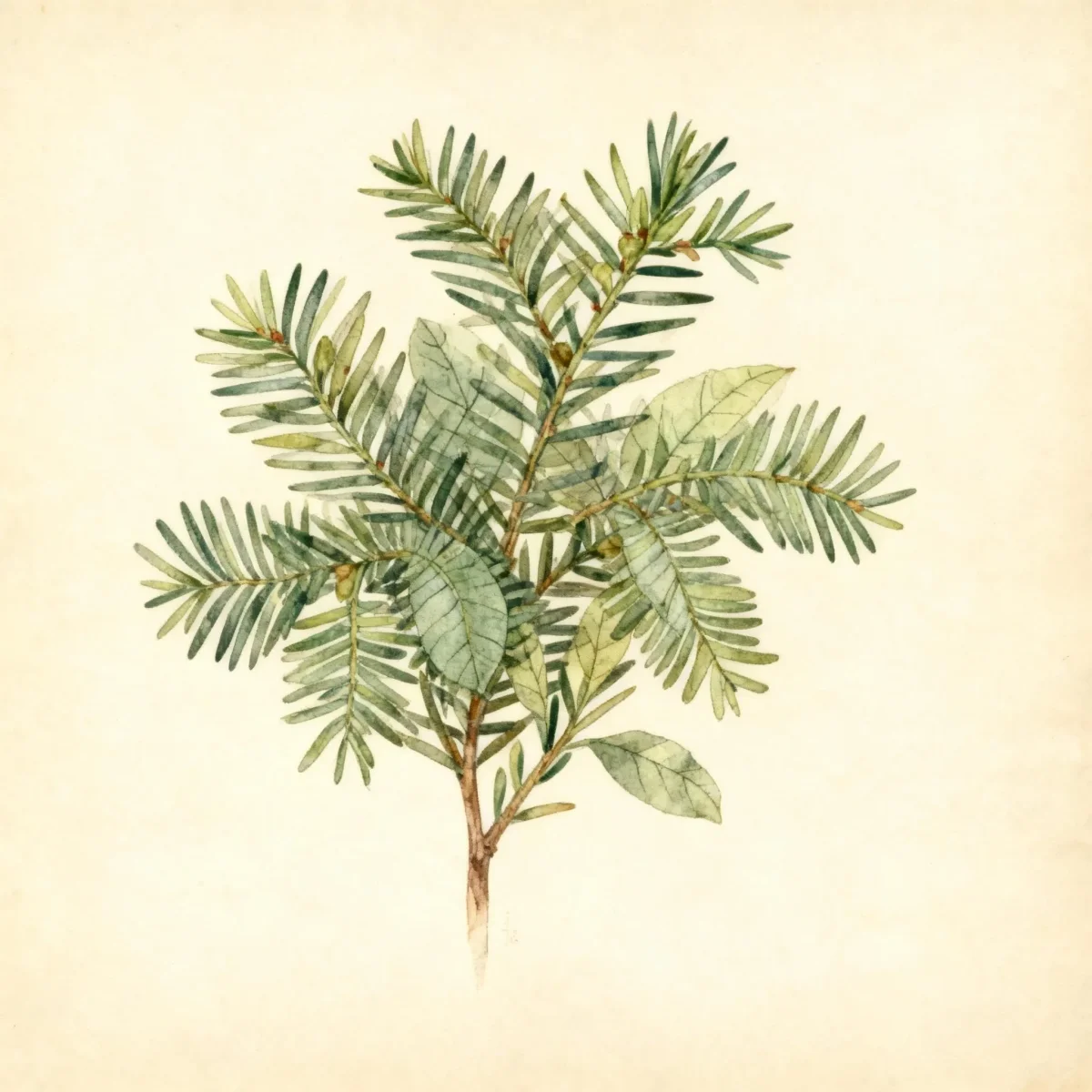
Complete Plant Information
Overview
The Japanese yew (Taxus cuspidata) is a highly regarded, broad-columnar needled evergreen prized for its adaptability and impressive stature in maturity. Native to East Asia, this species offers dense, dark green foliage that maintains color appeal throughout the year, making it a foundational planting choice. While species plants are large, reaching up to 50 feet, regular pruning keeps cultivated forms manageable.
Taxus cuspidata thrives in varied light conditions, tolerating full sun but performing exceptionally well in medium to heavy shade, setting it apart from many other conifers. It is a slow-growing, long-lived plant that rewards patient gardeners with superb texture and form, requiring relatively low ongoing maintenance once established in suitable well-drained conditions.
Functionally, the Japanese yew serves brilliantly as a specimen, screen, or backdrop. Its tolerance for urban settings and adverse conditions ensures its longevity in many landscapes, providing year-round structure where deciduous alternatives would leave bare space.
Fast Facts
- Plant Family: Taxaceae
- Plant Type: Needled evergreen
- Native Range: Japan, Korea, Manchuria
- Hardiness Zones: USDA Zones 4-7
- Size at Maturity:
- Height: 30-50 ft
- Spread: 20-25 ft
- Bloom Time: Non-flowering
- Bloom Description: Non-flowering
- Sun Exposure: Full sun to part shade
- Water Needs: Medium
- Maintenance Level: Low
How to Grow
Planting Japanese yew should occur in spring or fall when temperatures are moderate, ensuring the roots have time to establish before extreme weather hits. Always select a location where soil drainage is excellent. Taxus cuspidata prefers average, medium-moisture, well-drained soils, ideally sandy loams, and absolutely cannot tolerate wet sites or standing water, which leads to root rot.
Water needs for established plants are medium; ensure consistent moisture the first few years after planting, particularly during dry spells. Fertilizing is rarely necessary if the soil is reasonably fertile, but incorporating organic matter at planting time greatly benefits growth. This species tolerates pruning extremely well.
Pruning is ideal in early spring before new growth begins, but light shaping can be done almost anytime. Be aware that foliage may show yellowing or a reddish-brown tint during harsh winters; site the Asian yew away from cold, desiccating winter winds to minimize potential winter burn. Good drainage is the single most critical cultural requirement for long-term success.
Landscape Uses
The impressive scale of the mature Taxus cuspidata makes it a perfect choice for formal hedges, windbreaks, or as a strong vertical accent in large garden designs. While the species plant is massive, many compact shrubby cultivars are extremely popular for foundation plantings where a dense, evergreen mass is needed. Due to its shade tolerance, the Japanese yew pairs beautifully with hostas, ferns, and rhododendrons that share similar moisture and light requirements.
When used as a foreground element or specimen, its deep green color contrasts nicely with lighter-colored perennials or flowering shrubs planted nearby. For large properties, mass plantings of Taxus cuspidata create an immediate, impressive backdrop that matures slowly, providing visual weight and year-round screening capacity.
Standout Features
Noteworthy Characteristics
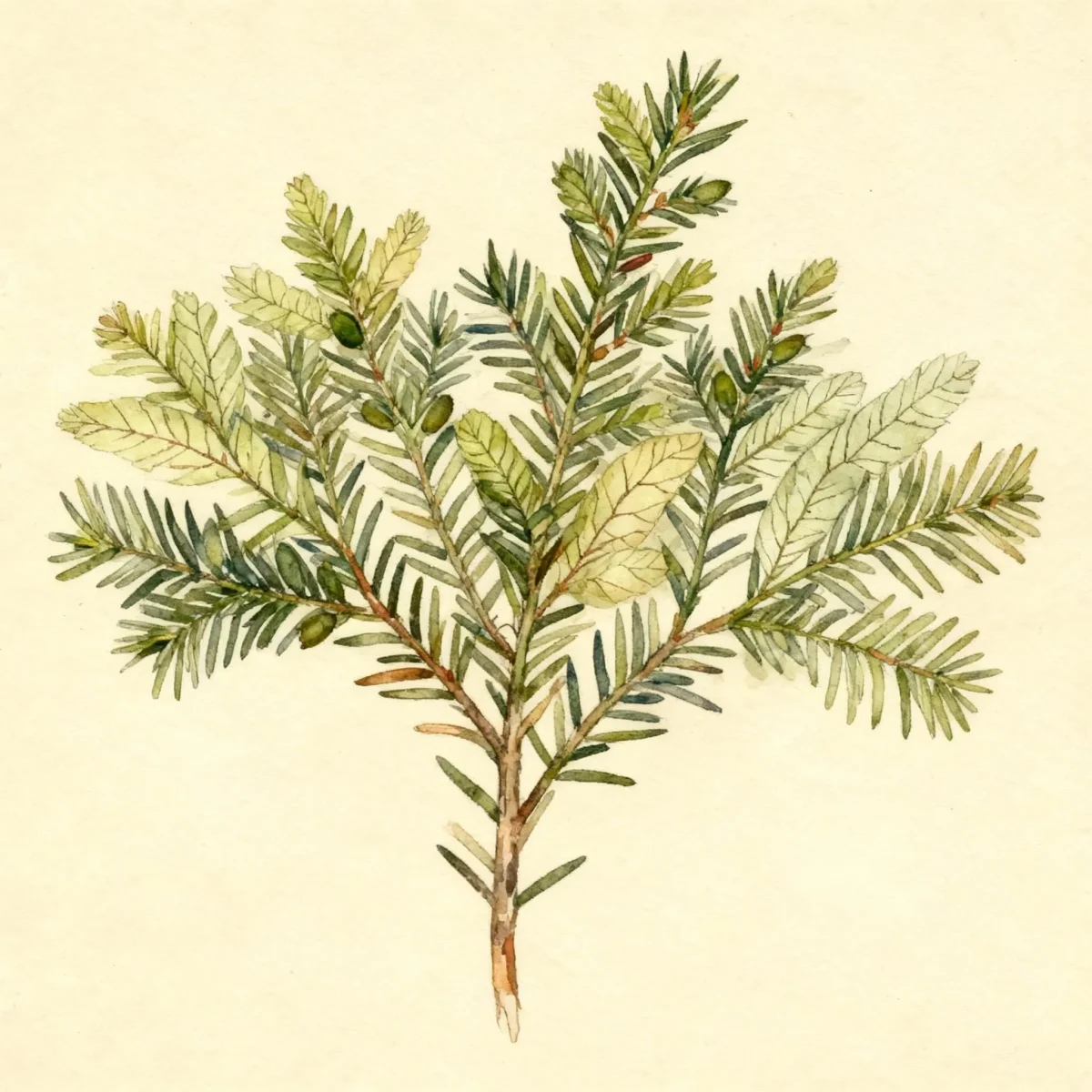
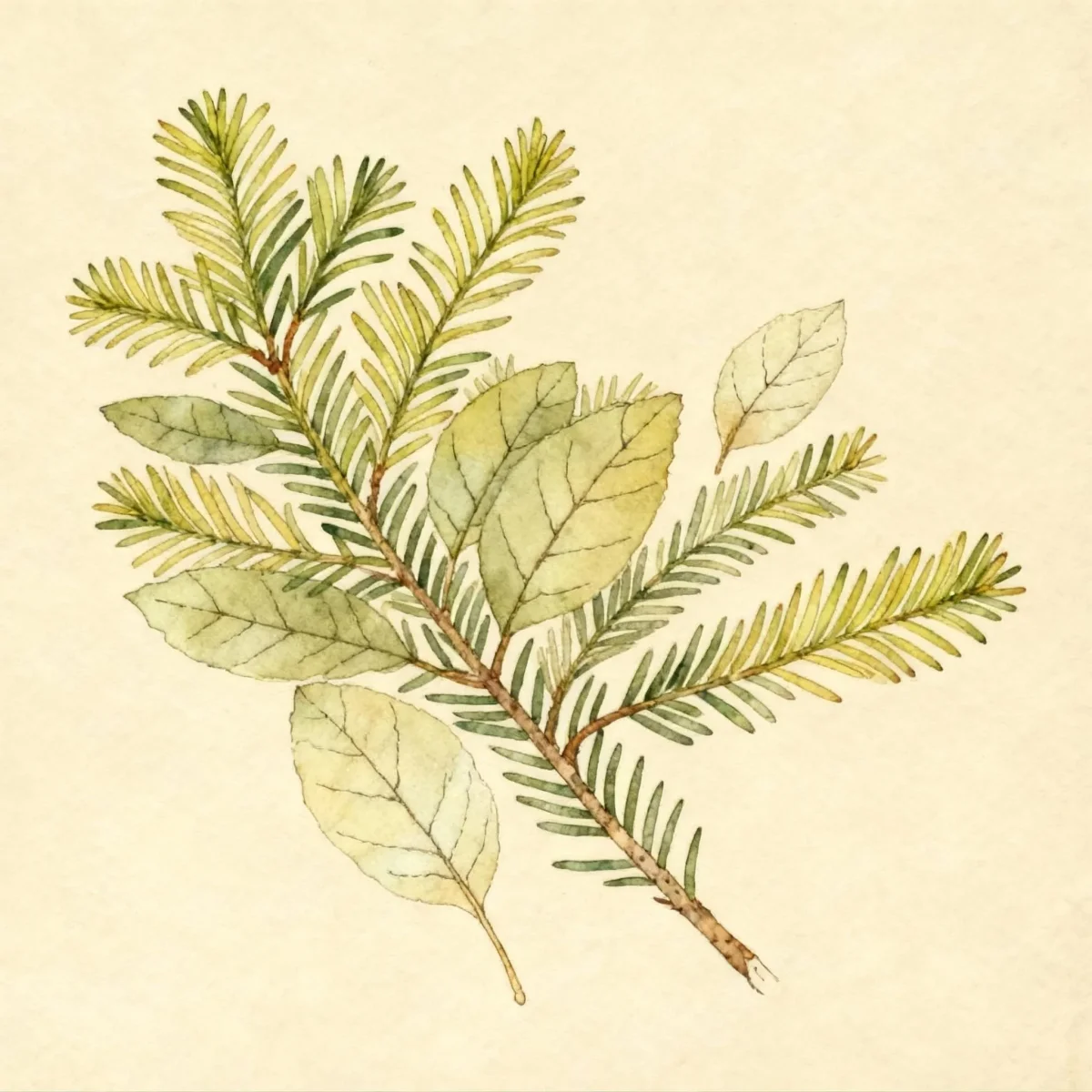
Taxus cuspidata, commonly known as Japanese yew, is a broad-columnar needled evergreen tree or multistemmed shrub that is native to Korea, China, Russia and Japan. It features linear, spiny-tipped, dark green needles up to 1 inch long, which may occasionally turn reddish-brown or yellow in winter. Female plants produce single seeds encased in a distinctive red, fleshy structure called an aril. The genus name is derived from the old Latin term for yews, highlighting its timeless landscape relevance.
Tolerances
- Rabbit
- Drought
- Heavy Shade
Potential Problems
Susceptible to winter burn, particularly in exposed sites. Twig blight and needle blight are occasional problems. Root rot may occur in poorly-drained soils. Weevils, mealybugs and scale are problems in some areas.
To manage disease issues like blight, ensure excellent air circulation by avoiding overly dense planting, and immediately remove and destroy infected twigs. Scale and weevils can often be controlled with horticultural oils or targeted insecticides applied when pests are active. The key preventative measure for Taxus cuspidata health remains vigilance regarding soil drainage to prevent root rot.
Frequently Asked Questions
What hardiness zones is Japanese yew suitable for?
The Japanese yew (Taxus cuspidata) is suitable for USDA Hardiness Zones 4 through 7.
How large does Taxus cuspidata grow?
When allowed to grow unchecked, Taxus cuspidata can achieve heights between 30 and 50 feet with a spread of 20 to 25 feet, though cultivation often keeps it smaller.
What sun exposure does Japanese yew need?
This adaptable evergreen prefers a range from full sun conditions down to heavy shade, making it highly versatile in site selection.
When does Japanese yew bloom?
Taxus cuspidata is non-flowering; it produces seed cones rather than traditional flowers.
Conclusion
The Japanese yew offers unparalleled resilience and fine texture, establishing itself as a cornerstone evergreen for both formal and naturalized settings due to its low maintenance needs and shade tolerance. Integrating Taxus cuspidata into your landscape ensures long-term architectural interest throughout the seasons. Before purchasing, verify your site’s drainage is impeccably good and check local zone compatibility.
Companion Planting
When selecting plants to grow near Taxus cuspidata, focus on species that appreciate similar low-light conditions and consistent, medium moisture. Shade-loving deciduous shrubs like Magicberry (Symphoricarpos orbiculatus) or various Hydrangea varieties can offer seasonal color contrast against the deep green needles of the yew.
For groundcovers, consider spreading species that dislike abrasive winter sun, such as creeping juniper (though sun preference differs slightly) or pachysandra, which thrives in the filtered light cast by a mature Yew. Avoid highly invasive plants or those requiring exceptionally dry or boggy soil, as these will generally clash with the needs of the Japanese yew.
Propagation Tips
Propagating Taxus cuspidata is most successfully achieved through semi-hardwood cuttings taken during the summer months. Select healthy, mature stems that are beginning to firm up but still retain some flexibility. Cuttings should be cut to about 4 to 6 inches long, stripped clean of needles at the base, and dipped in a rooting hormone applied to the basal cut.
Place the treated cuttings into sterile, well-draining propagation media, such as a mix of peat and perlite. Maintain high humidity and bottom heat (around 70°F) in a sheltered location, away from intense sunlight, until roots form—a process that can take several months. While seeds (arils) are present on female plants, germination is notoriously slow and difficult, making vegetative propagation the preferred method for nurseries.