Taiwania (Taiwania cryptomerioides)
The majestic Taiwania cryptomerioides is a rare, giant evergreen conifer native to Taiwan, prized for its conical form and dimorphic foliage.
Scroll down to discover growing tips, care requirements, companion plants, and more
Complete Plant Information
Overview
The Taiwania (Taiwania cryptomerioides) is a spectacular, though rarely seen, specimen for large landscapes where its eventual stature can be accommodated. This evergreen conifer, related to the massive redwoods, commands attention with its strong, columnar outline and deeply furrowed, exfoliating bark. Gardeners who live within its range will appreciate the low maintenance once established.
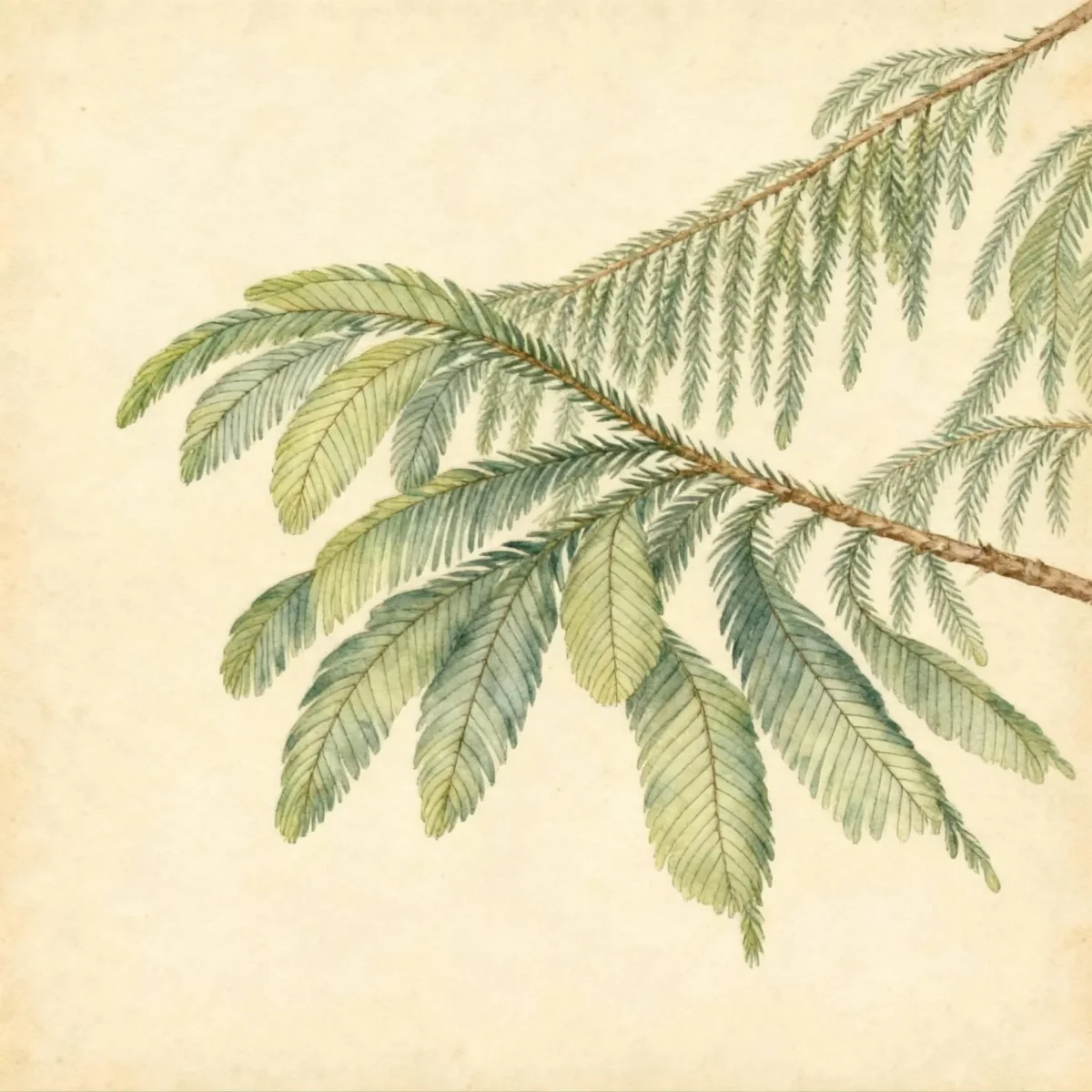
Displaying striking dimorphic foliage, the juvenile needles of Taiwania are sharp and pointed, gradually transitioning to scale-like leaves on mature branches. The genus name itself celebrates its origin in Taiwan, making this tree a truly unique botanical specimen for the dedicated collector.
While it can achieve truly immense sizes in its native habitats across Southeast Asia, cultivated specimens remain substantially shorter, yet still provide impressive height and structure. Successful cultivation of Taiwania cryptomerioides offers dramatic vertical interest unmatched by smaller, more common evergreens.
Fast Facts
- Plant Family: Cupressaceae
- Plant Type: Needled evergreen
- Native Range: South-central China, Myanmar, Taiwan, Vietnam
- Hardiness Zones: USDA Zones 8-10
- Size at Maturity:
- Height: 100-180 ft
- Spread: 30-50 ft
- Bloom Time: Non-flowering
- Bloom Description: Non-flowering
- Sun Exposure: Full sun
- Water Needs: Medium
- Maintenance Level: Low
How to Grow
The key to establishing this magnificent conifer is providing excellent soil structure and consistent moisture, replicating its humid, mountainous origins. Plant this Taiwania during the spring or fall when temperatures are moderate, ensuring the site receives full, direct sunlight, though it tolerates very light shade. The soil must be rich, acidic, and exceptionally well-drained; avoid heavy clay or pockets where water collects.
Watering needs are best met by maintaining consistently moist soil, particularly during the establishment phase and dry summer periods, as the plant does not tolerate drying out. While maintenance is generally low once mature, siting is critical: place the Taiwania cryptomerioides far from structures where its substantial mature width and height can cause interference.
Protection from harsh winter winds is essential, especially for younger trees in the cooler end of its hardiness range (Zone 8). Pruning is rarely necessary; allow the natural conical shape of the tree to define its form. Fertilization should be minimal unless soil tests indicate severe nutrient deficiencies, usually only required in poor, sandy soils.
Landscape Uses
Due to its rarity and massive potential size, the Taiwania is best reserved for expansive estate grounds or botanical collections where it can serve as a singular, towering focal point. It is not suitable for small suburban lots or container cultures. Look for appropriate companion plantings that mimic its cultural needs.
Pair Taiwania cryptomerioides with other large, acid-loving evergreens, such as mature Rhododendrons or certain varieties of Magnolia grandiflora, ensuring there is adequate space maintained between them for air circulation. Its dark, structural presence allows it to anchor larger mixed borders or screen unsightly elements effectively.
When sourcing, remember that this tree is difficult to find in commerce. Gardeners successfully cultivating this species report that it functions beautifully as a majestic specimen tree, valued primarily for its vertical scale and unique texture, creating a profound, ancient presence in the landscape.
Standout Features
Noteworthy Characteristics
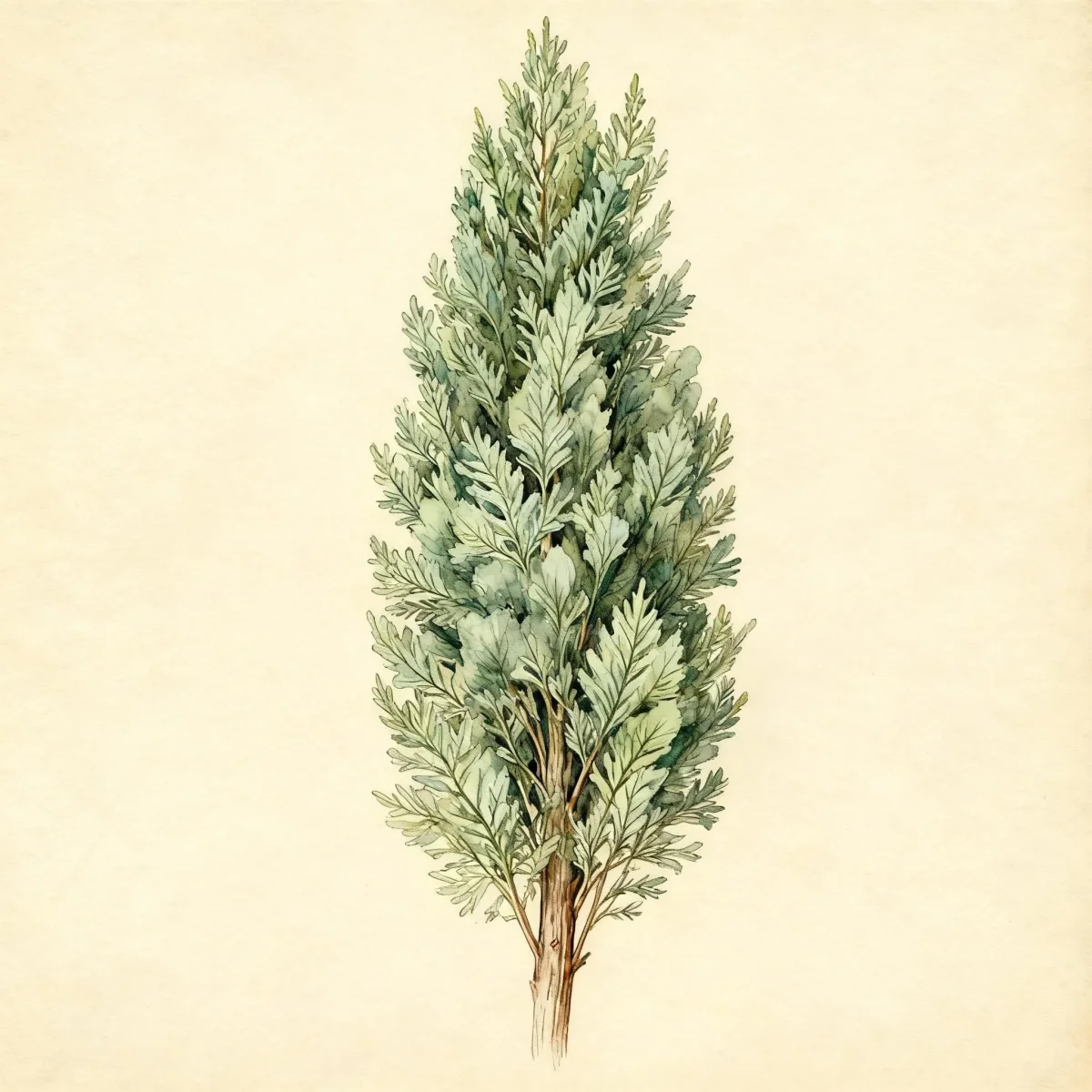
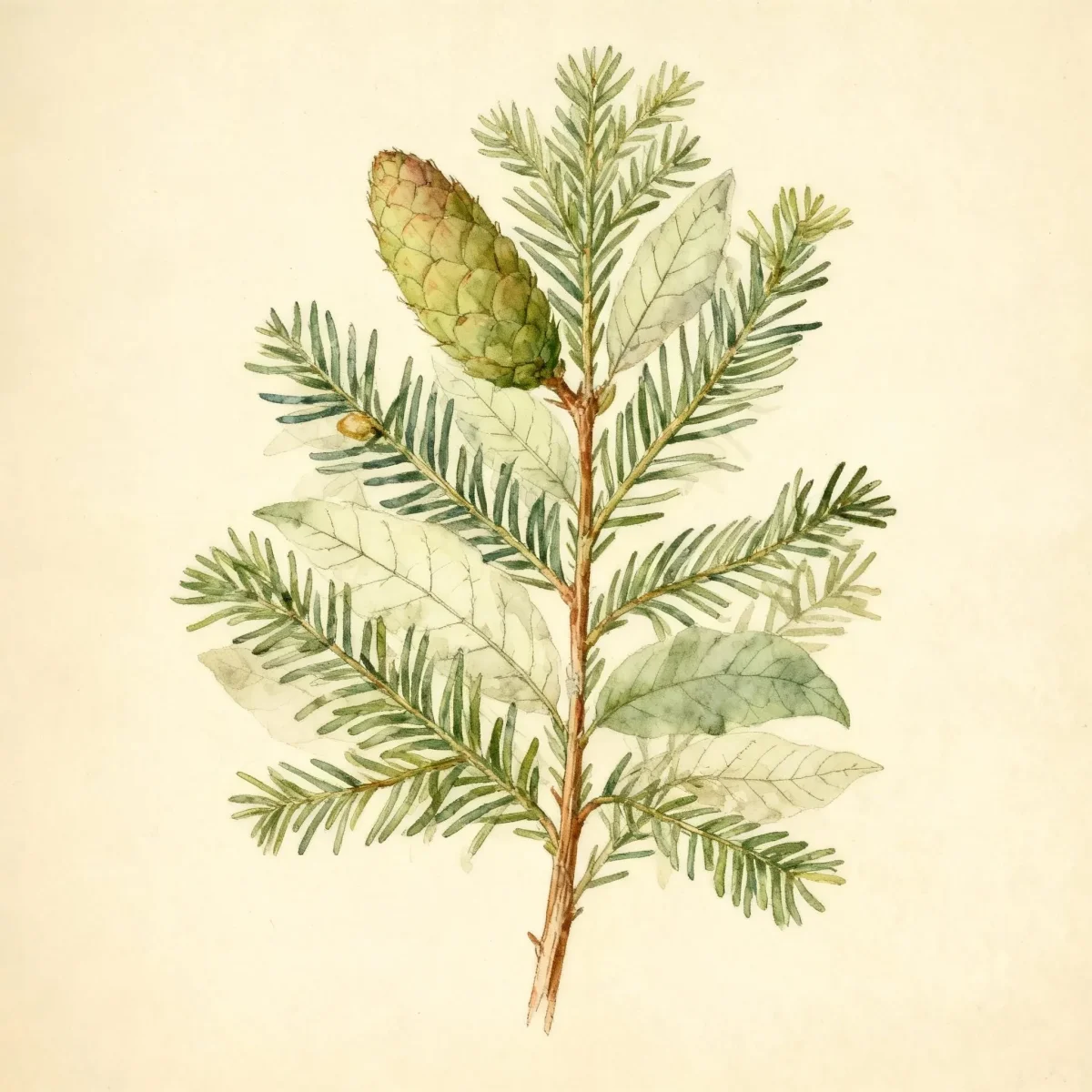
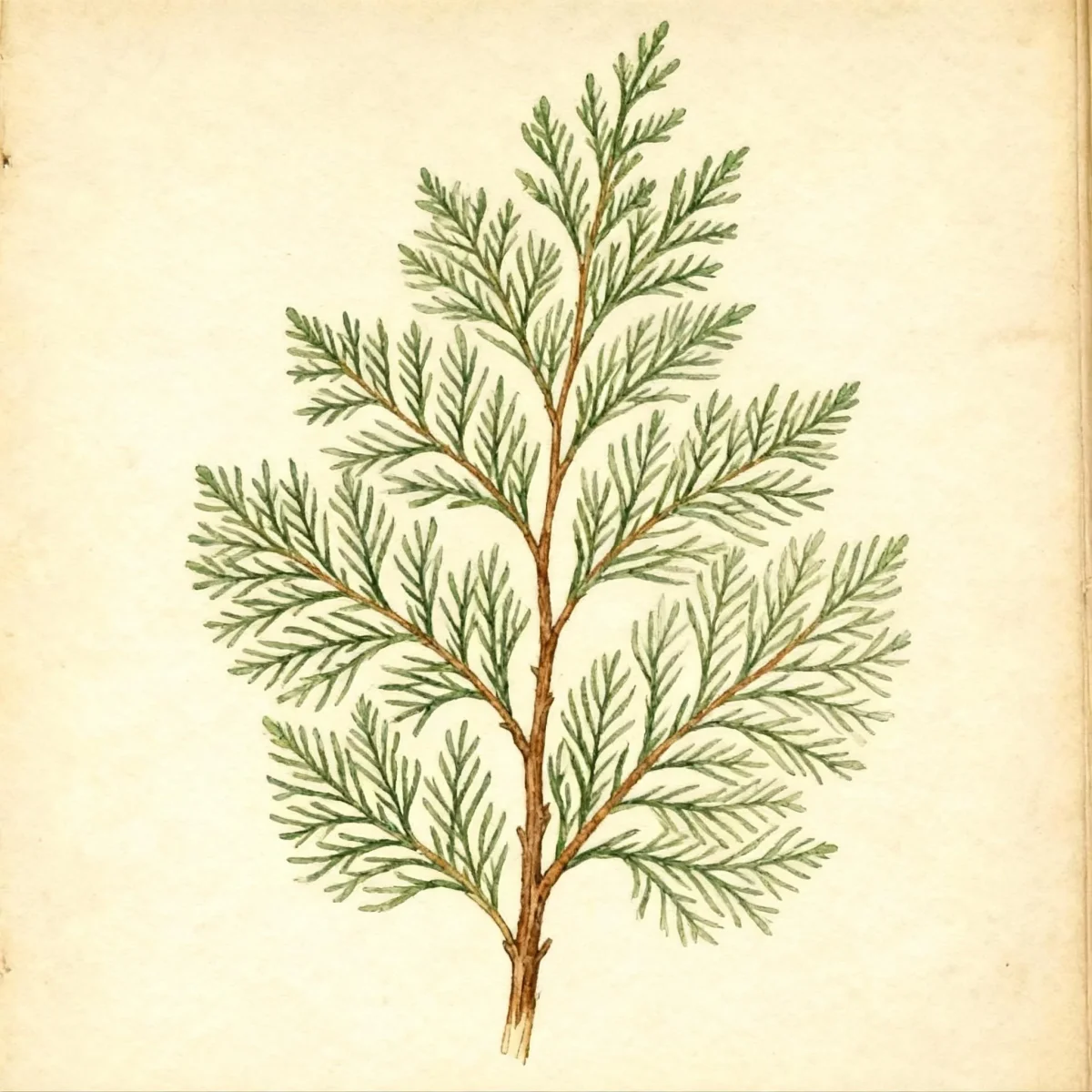
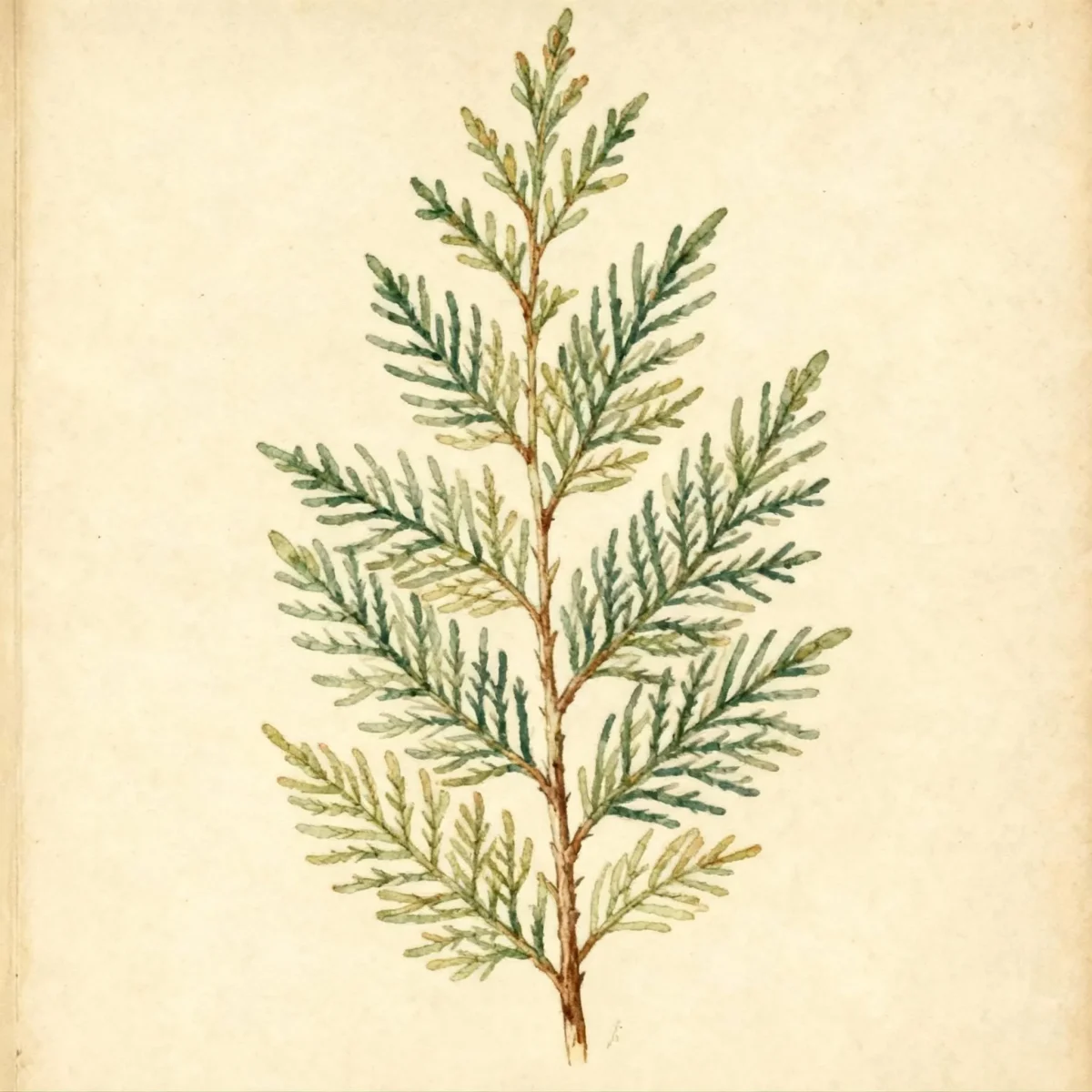
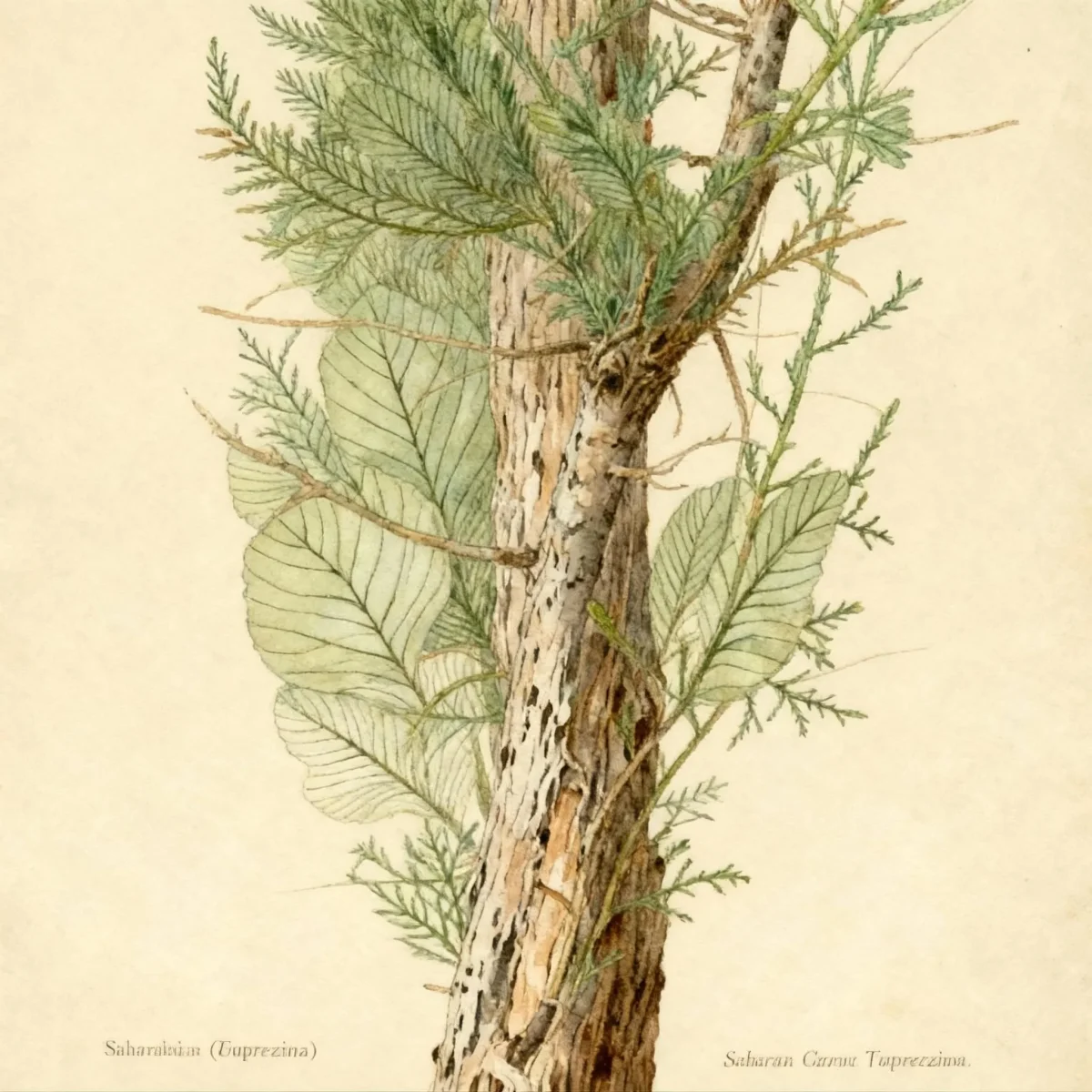
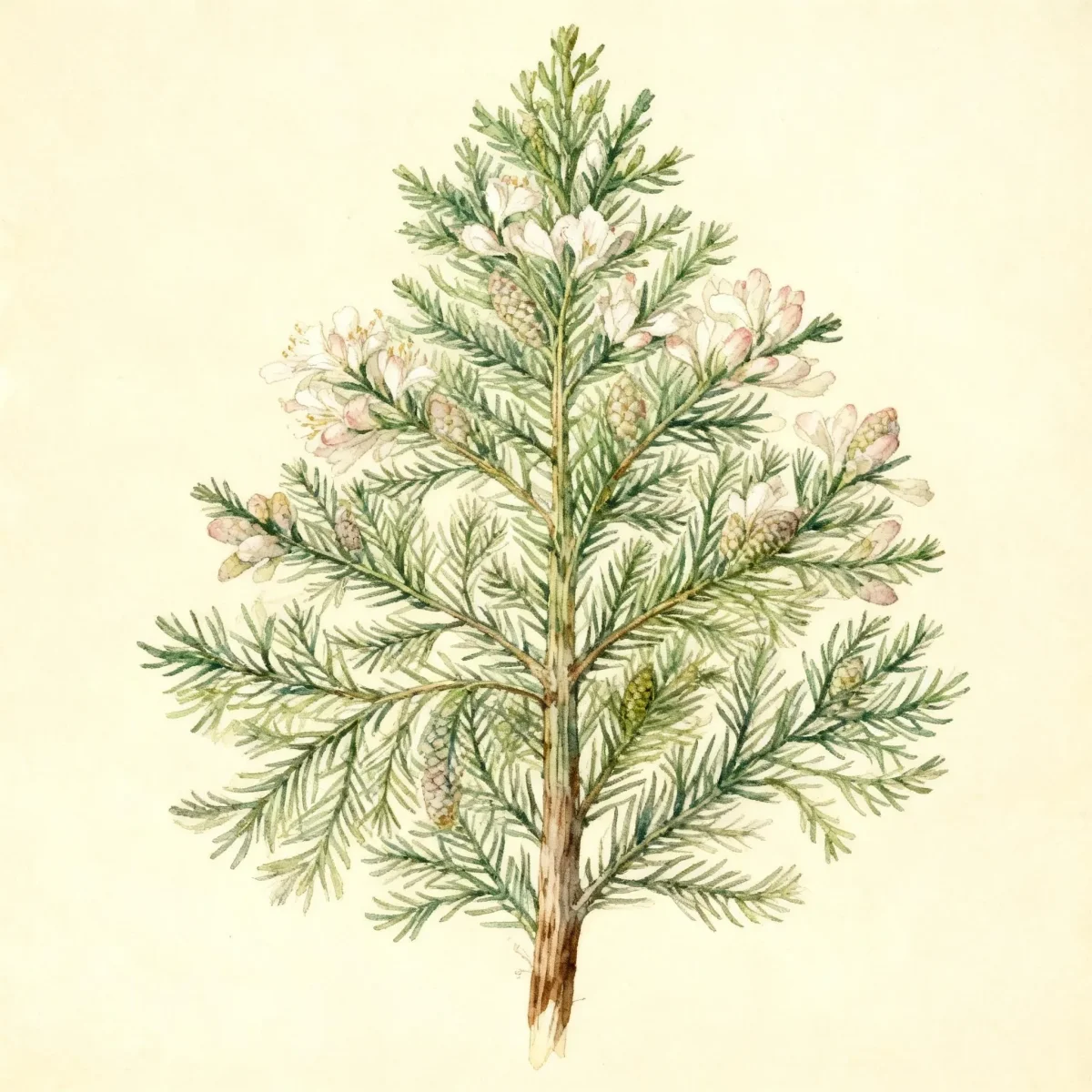
The Taiwania cryptomerioides is an evergreen conifer (cypress family) that features a conical to columnar crown, dark gray-brown bark that exfoliates in strips and dimorphic (having two forms) leaves. In the wild, this huge tree (related to the California redwoods) will grow over time to 175’ tall or more, though in cultivation, it will grow much shorter. Juvenile needles are prickly, blue-green, and awl-shaped, transitioning to scale-like foliage as the tree matures. The genus name is a direct nod to Taiwan, its place of discovery.
Tolerances
- Tolerates light shade.
Potential Problems
This species generally suffers from no known serious insect or disease problems in cultivation, which contributes significantly to its low maintenance requirement. Vigilance should focus primarily on cultural care rather than pest management. The greatest threat to the health of your Taiwania remains poor soil drainage or allowing the soil to become excessively dry, which stresses the impressive tree.
Ensure proper siting away from high-traffic areas where foot traffic could compact the soil, which impedes both drainage and root aeration crucial for this redwood relative.
Frequently Asked Questions
What hardiness zones is Taiwania suitable for?
The ideal growing range for Taiwania cryptomerioides spans USDA Zones 8 through 10, requiring protection from severe, prolonged winter cold.
How large does Taiwania grow?
At maturity, this species can reach heights between 100 and 180 feet with a spread of 30 to 50 feet, though development is slower in cultivation.
What sun exposure does Taiwania need?
This conifer requires full sun for optimal growth and structure, though it can tolerate slightly shaded conditions.
When does Taiwania bloom?
Taiwania is a non-flowering conifer; it does not produce noticeable ornamental flowers or fruit displays.
Conclusion
The Taiwania represents a significant, long-term commitment in any garden setting, offering unparalleled scale and botanical interest thanks to its unique dimorphic foliage and ancient lineage. Successfully nurturing Taiwania cryptomerioides into a prominent landscape feature rewards the grower with a truly monumental specimen. Always confirm your local USDA hardiness match and prioritize rich, moist, well-drained soil preparation before planting this extraordinary tree.
Companion Planting
Selecting appropriate companion plants for Taiwania cryptomerioides is critical, as successful growth relies on shared acidic soil conditions and similar moisture requirements. Focus on understory plantings that enjoy dappled light beneath the majestic canopy once the tree is tall enough to create significant shade.
Acid-loving shrubs such as Camellia, certain varieties of evergreen Azaleas, and Japanese Maples (Acer palmatum) thrive in the environments that favor good growth for this conifer. Ensure these companions are placed far enough away so that root competition for medium water resources is managed effectively.
Ground cover choices that resist compaction near the base are beneficial, such as mosses or low-growing Vinca, which help maintain consistent soil moisture around the Taiwania’s root zone without requiring heavy mulch layers that might impede water penetration.
Seasonal Care Calendar
Spring is the optimal time to assess the soil health around your Taiwania and apply any necessary soil amendments to ensure acidity is maintained before the summer heat. This is the prime time to initiate deep, infrequent watering if spring rains have been sparse.
Summer care centers entirely on consistent hydration; monitor the soil moisture deeply, ensuring the area does not become dry, as this tree demands medium water input. Avoid applying high-nitrogen fertilizers unless growth appears stunted, as rapid, soft growth can leave branches susceptible to sun or wind damage.
In autumn, focus on ensuring the root zone is well-hydrated before ground freeze, especially in Zone 8 plantings where winter wind burn is a risk. Protect the root crown from heavy foot traffic as dormancy approaches, ensuring that the integrity of the soil structure around the Taiwania cryptomerioides remains intact throughout the cold season.