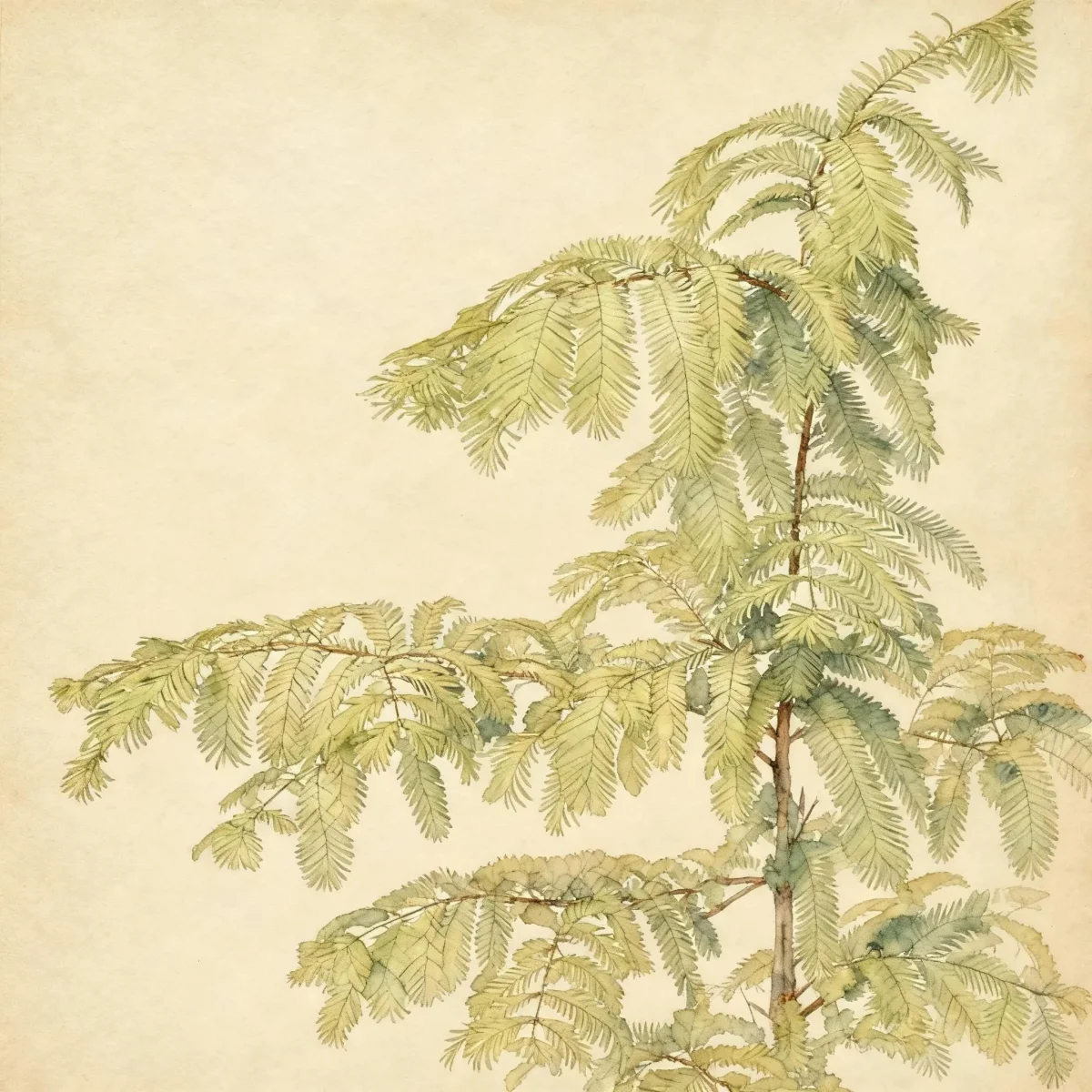
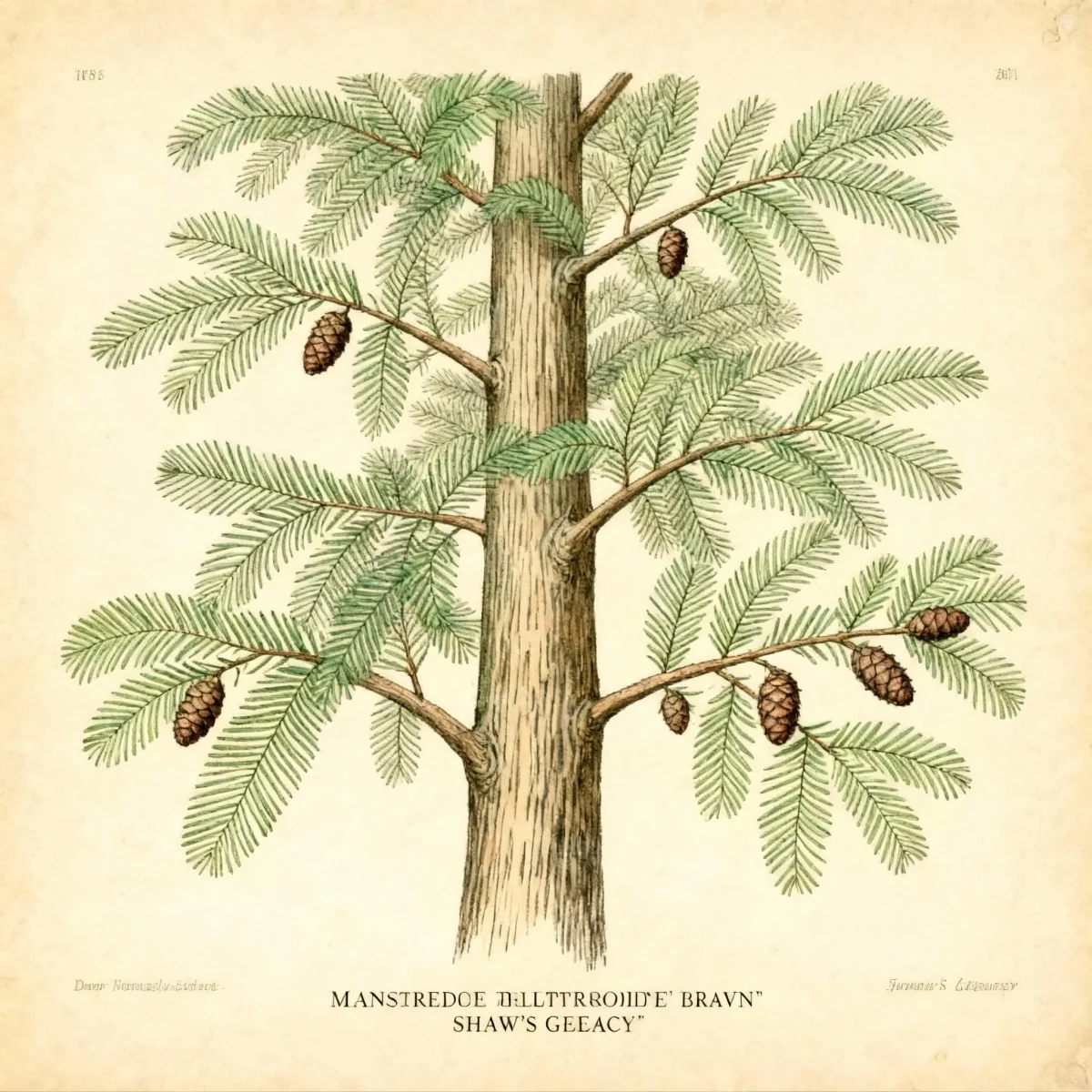
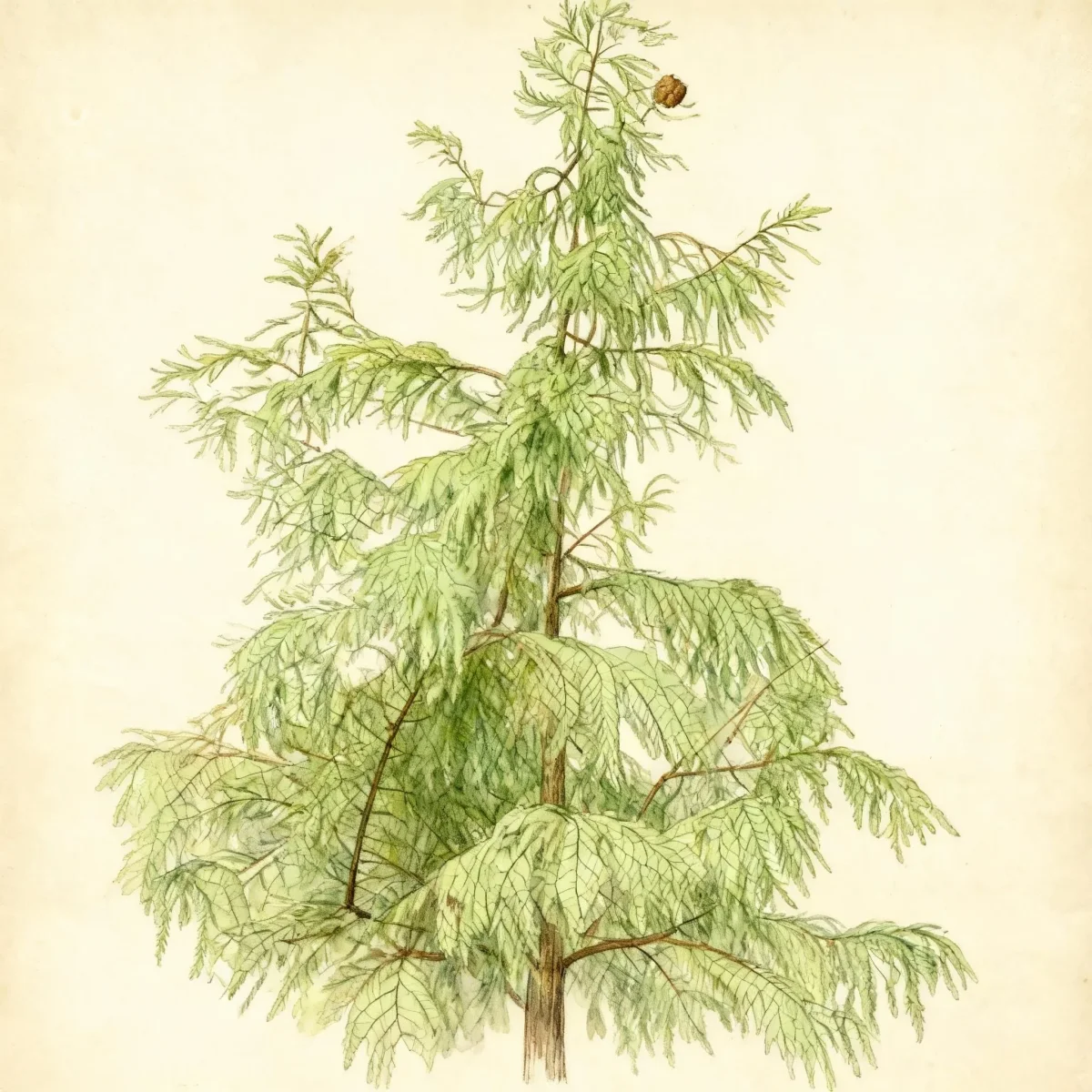
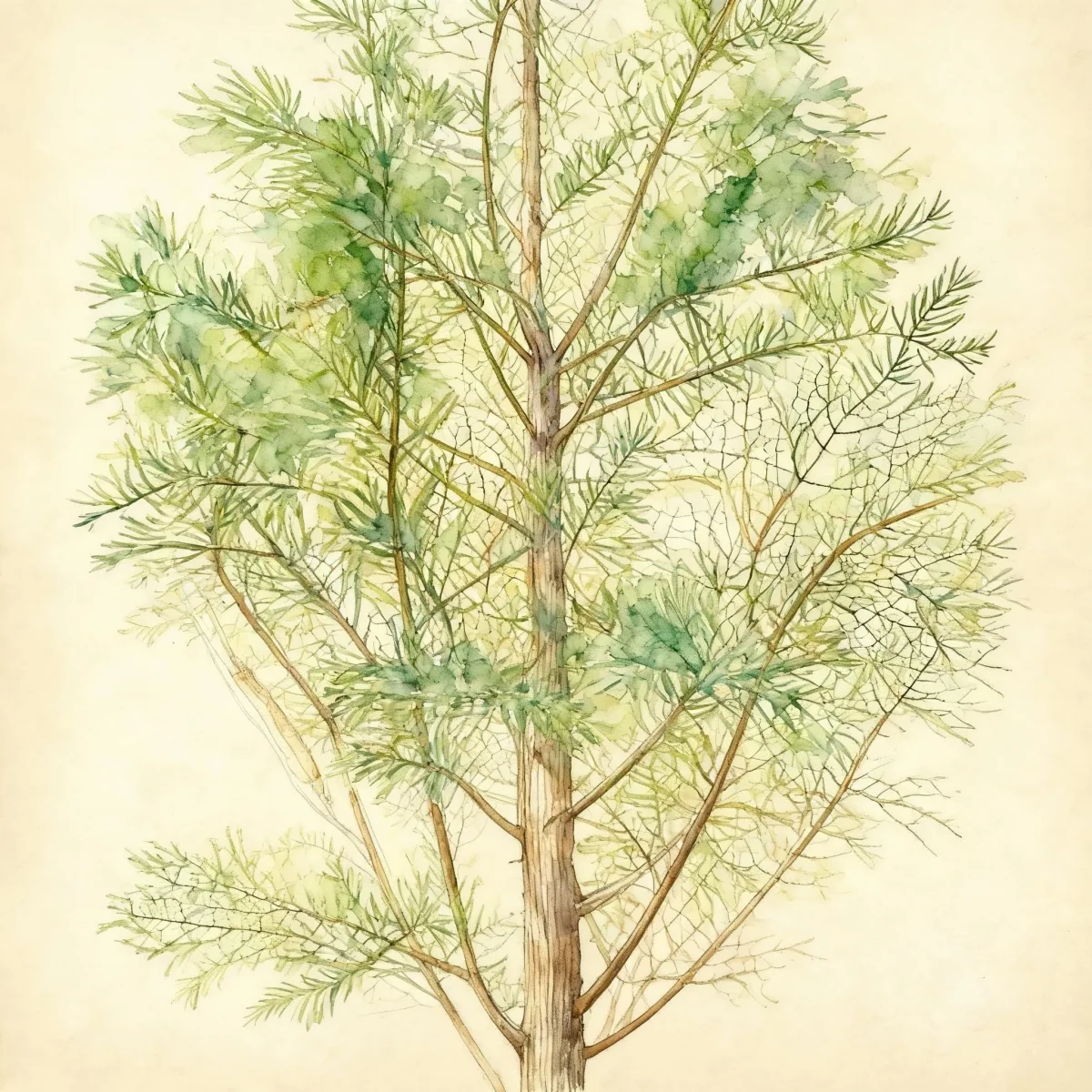
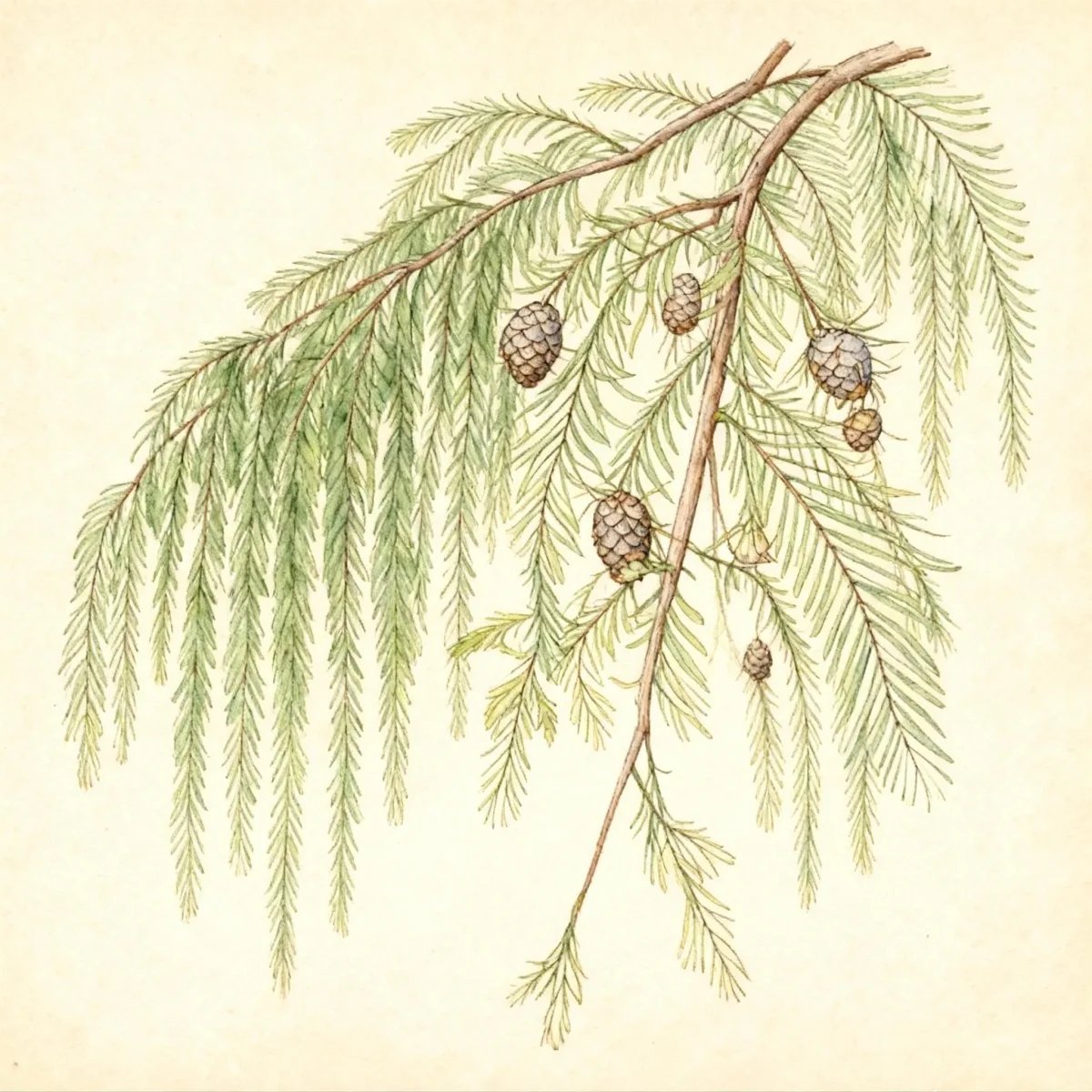
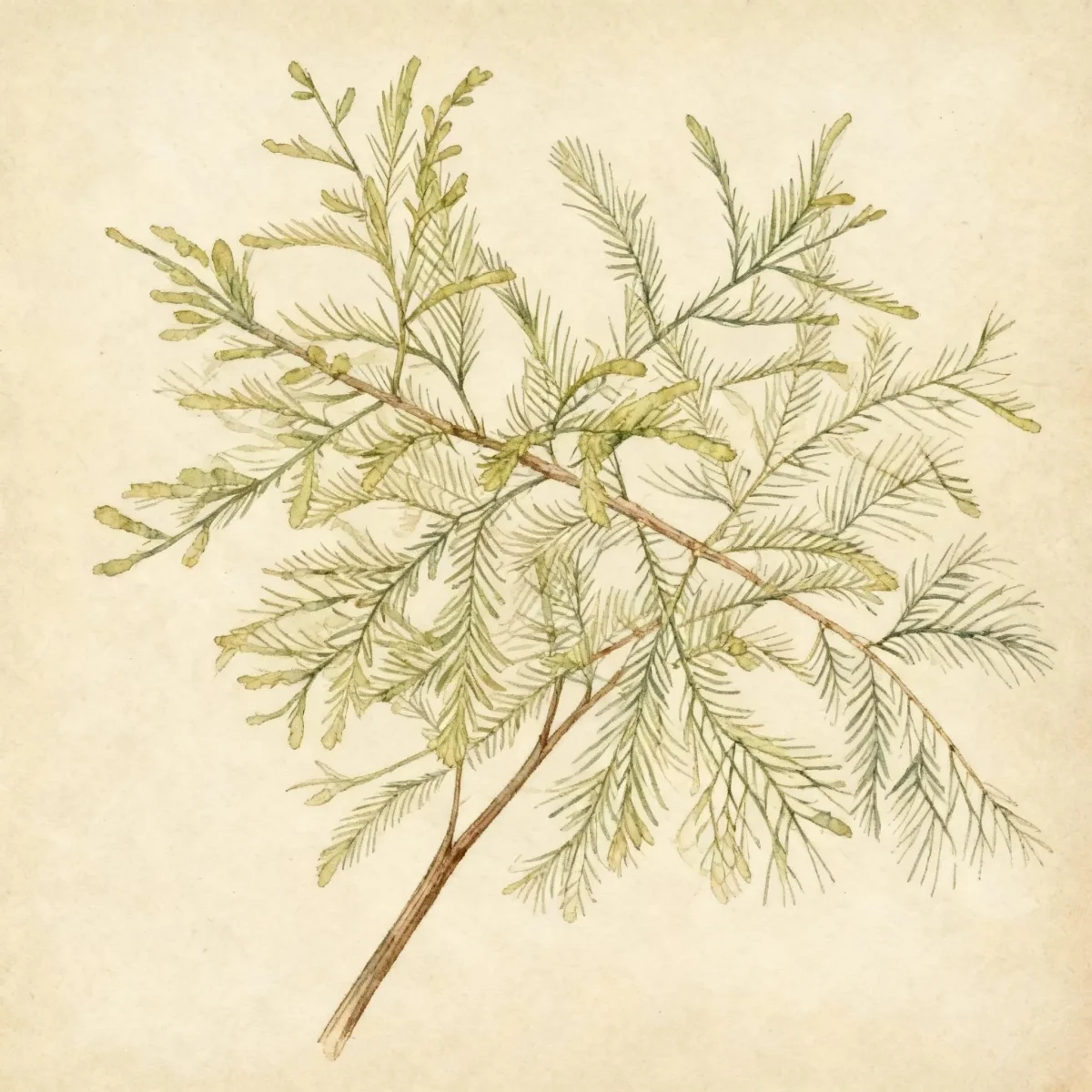
Dawn redwood (Metasequoia glyptostroboides)
Metasequoia glyptostroboides, the Dawn redwood, is a fast-growing, deciduous conifer perfect for large specimens and rain gardens.
Scroll down to discover growing tips, care requirements, companion plants, and more
Complete Plant Information
Overview
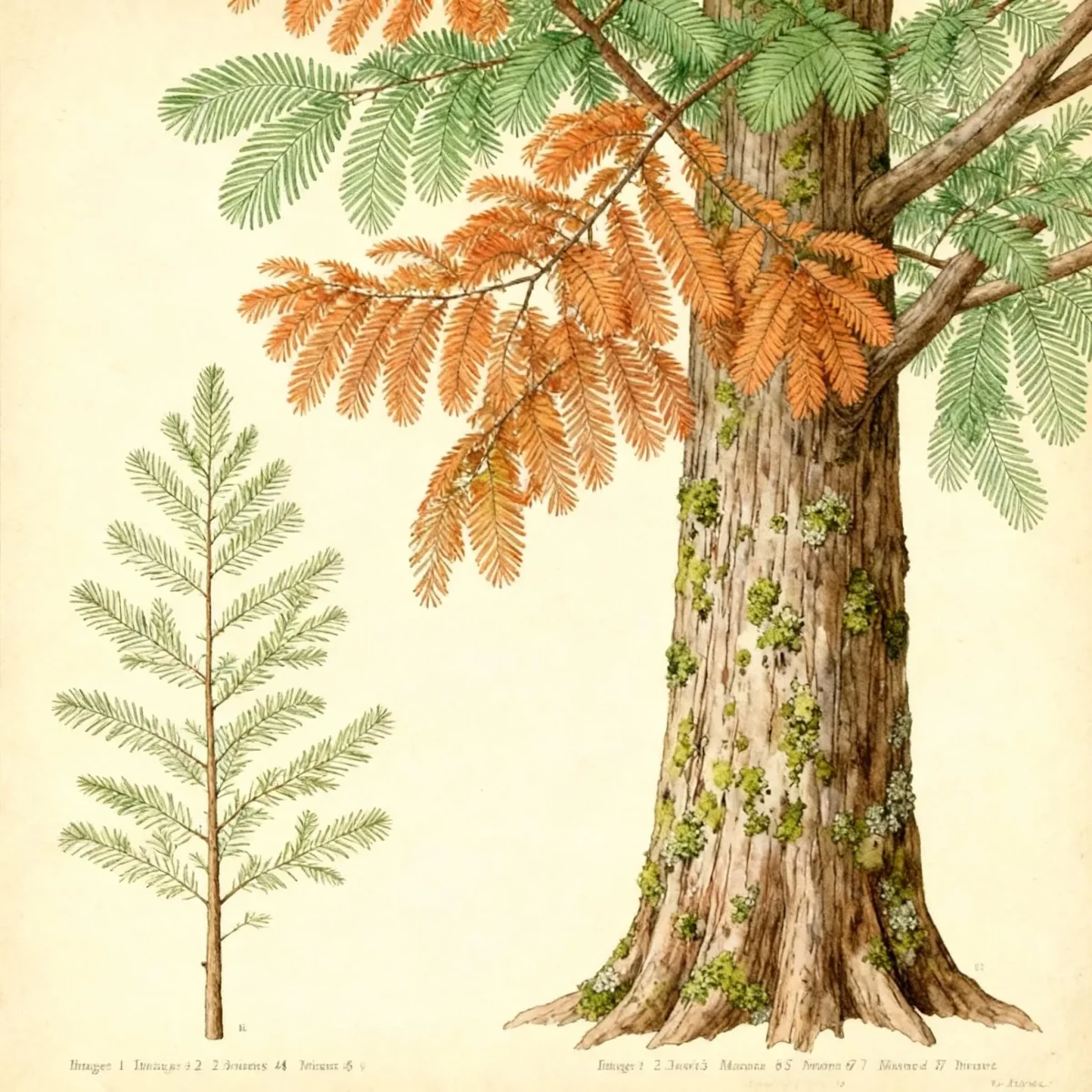
The Dawn redwood (Metasequoia glyptostroboides) is a spectacular, fast-growing tree offering a unique profile in the landscape. As a deciduous conifer, it provides visual interest through all four seasons, beginning with bright green needles that mature deeply saturated before turning a brilliant red-bronze in autumn. This species was once thought extinct, known only through fossils, making its modern reintroduction truly noteworthy.
This tree is closely related to the Bald Cypress and the true Redwood (Sequoia), resembling them closely in its youthful, conical structure. Providing significant height, the mature Metasequoia glyptostroboides develops an impressive, sometimes fluted trunk base and deeply fissured bark, adding great architectural weight to large properties.
For gardeners seeking a statement piece that requires relatively low maintenance once established, the Dawn redwood is an excellent choice. Its adaptability, especially concerning moisture levels, allows it to thrive in many challenging locations where other large shade trees might struggle.
Fast Facts
- Plant Family: Cupressaceae
- Plant Type: Tree
- Native Range: Central and western China
- Hardiness Zones: USDA Zones 4-8
- Size at Maturity:
- Height: 70-100 ft
- Spread: 15-25 ft
- Bloom Time: Non-flowering
- Bloom Description: Non-flowering
- Sun Exposure: Full sun
- Water Needs: Medium to wet
- Maintenance Level: Low
How to Grow
Planting locations for the Dawn redwood should prioritize full sun exposure, as this promotes the best overall foliage color and robust growth. Metasequoia glyptostroboides performs best when situated in moist, humusy, well-drained soils, though it tolerates periods of wetness exceptionally well. Avoid compacted, dry upland sites for optimal health.
Care requirements are straightforward. Because it is a large, rapidly growing tree, consistent moisture is highly appreciated, especially during establishment and hot summers. While it tolerates wet soils, supplemental watering ensures vigorous development for this species. Fertilization is generally unnecessary unless soil reports indicate severe deficiencies, as the tree is naturally very vigorous.
Pruning should be minimal, focusing only on removing broken or crossing branches near the base to maintain its grand, natural conical shape. Since it is deciduous, fall cleanup will involve shedding its soft needles, unlike persistent evergreen conifers. Preparing for winter simply involves ensuring adequate moisture before the ground freezes, particularly for younger specimens.
Landscape Uses
The sheer scale and stately structure of the Dawn redwood make it an ideal specimen tree for parks, arboretums, and very large residential properties where ample space is available. Its impressive height allows it to act as a bold vertical accent or screen. Furthermore, its tolerance for moisture renders it perfectly suited for use as a dependable street tree in well-paved areas or strategically placed within a rain garden setting.
The feathery, soft texture of the Metasequoia glyptostroboides foliage contrasts beautifully with broadleaf evergreens or densely textured shrubs planted nearby. Consider pairing it with understory plants that enjoy partial shade or consistently moist soil, such as ferns or certain varieties of Hydrangea, as the redwood matures and begins casting significant shade.
Because the Metasequoia glyptostroboides can be effectively grown in containers when young, it offers temporary landscape impact before being transplanted to its permanent, expansive location. Even when mature, its low maintenance profile means it requires less fuss than many other towering landscape giants.
Standout Features
Noteworthy Characteristics
Metasequoia glyptostroboides, commonly called dawn redwood, is a deciduous, coniferous tree that grows in a conical shape to 100’ tall. It is related to and closely resembles bald cypress (Taxodium) and redwood (Sequoia). From fossil records, dawn redwood is known to have existed as many as 50,000,000 years ago. It features linear, feathery, fern-like foliage that is soft to the touch, emerging light green, maturing to deep green, and turning red-bronze in the fall.
Tolerances
- Deer
- Clay Soil
- Wet Soil
- Air Pollution
Potential Problems
The Dawn redwood generally suffers from few serious insect or disease problems, contributing significantly to its low maintenance requirement. Gardeners should remain vigilant for signs of needle blight, although this is uncommon in healthy, appropriately sited trees, especially those receiving the required moisture. If growth seems stunted or needles brown prematurely, it is usually an indicator of drought stress or poor drainage, rather than a specific pest infestation.
Frequently Asked Questions
What hardiness zones is Dawn redwood suitable for?
The Dawn redwood (Metasequoia glyptostroboides) is hardy and adaptable across USDA Zones 4 through 8.
How large does Dawn redwood grow?
This tree is substantial, typically reaching heights between 70 and 100 feet tall, with a moderate spread of 15 to 25 feet.
What sun exposure does Dawn redwood need?
Metasequoia glyptostroboides requires full sun to achieve its best growth rate and optimal fall color development.
When does Dawn redwood bloom?
The Dawn redwood is classified as non-flowering, meaning it does not produce noticeable flowers in the landscape.
Companion Planting
When selecting companions for your Dawn redwood, focus on plants that share its preference for medium to wet soils and tolerance for air pollution. Hostas and Astilbes thrive in the dappled shade provided by its developing canopy, offering fine-textured texture contrast at the base. Moisture-loving shrubs like Swamp Rose (Rosa palustris) or various wetland Iris varieties make excellent perimeter plantings near a Metasequoia glyptostroboides, especially if the tree is situated near a natural low spot or water feature.
For an aesthetic nod to its ancient lineage, consider planting native ferns that appreciate consistent moisture. In areas where the soil stays reliably damp, groundcovers that handle occasional inundation, such as Creeping Jenny (Lysimachia nummularia), can help knit the base of the tree into the landscape design, suppressing weeds while utilizing the moist soil conditions favored by the giant conifer.
Design Ideas for Specimen Display
Because the Dawn redwood is so visually striking, it needs space to breathe and showcase its distinctive seasonal change. Avoid planting it too close to structures or utility lines, given its eventual 100-foot height potential. An excellent application is placing a single specimen where its silhouette can be viewed against the winter sky, highlighting the elegant, spreading branch structure that emerges after the feathery foliage drops.
In larger landscapes, the Metasequoia glyptostroboides can serve as a dramatic anchor point at the end of a long sightline, drawing the eye through the garden space. If you have a pond or stream on your property, planting the Dawn redwood nearby emphasizes its preference for wet soil and enhances the overall riparian effect of the planting scheme. Its rapid growth early in life means it quickly develops into a focal point.
Conclusion
The magnificent Dawn redwood (Metasequoia glyptostroboides) offers gardeners the unique opportunity to cultivate a living fossil known for its rapid growth and spectacular fall color shift. Its low maintenance needs and remarkable tolerance for wet, clay soils make it a versatile addition to large-scale designs or functional rain garden projects. Before planting this charismatic giant, always assess your site to ensure adequate room for its impressive mature dimensions and confirm your local USDA hardiness zone falls between 4 and 8.