Umbrella pine (Sciadopitys verticillata)
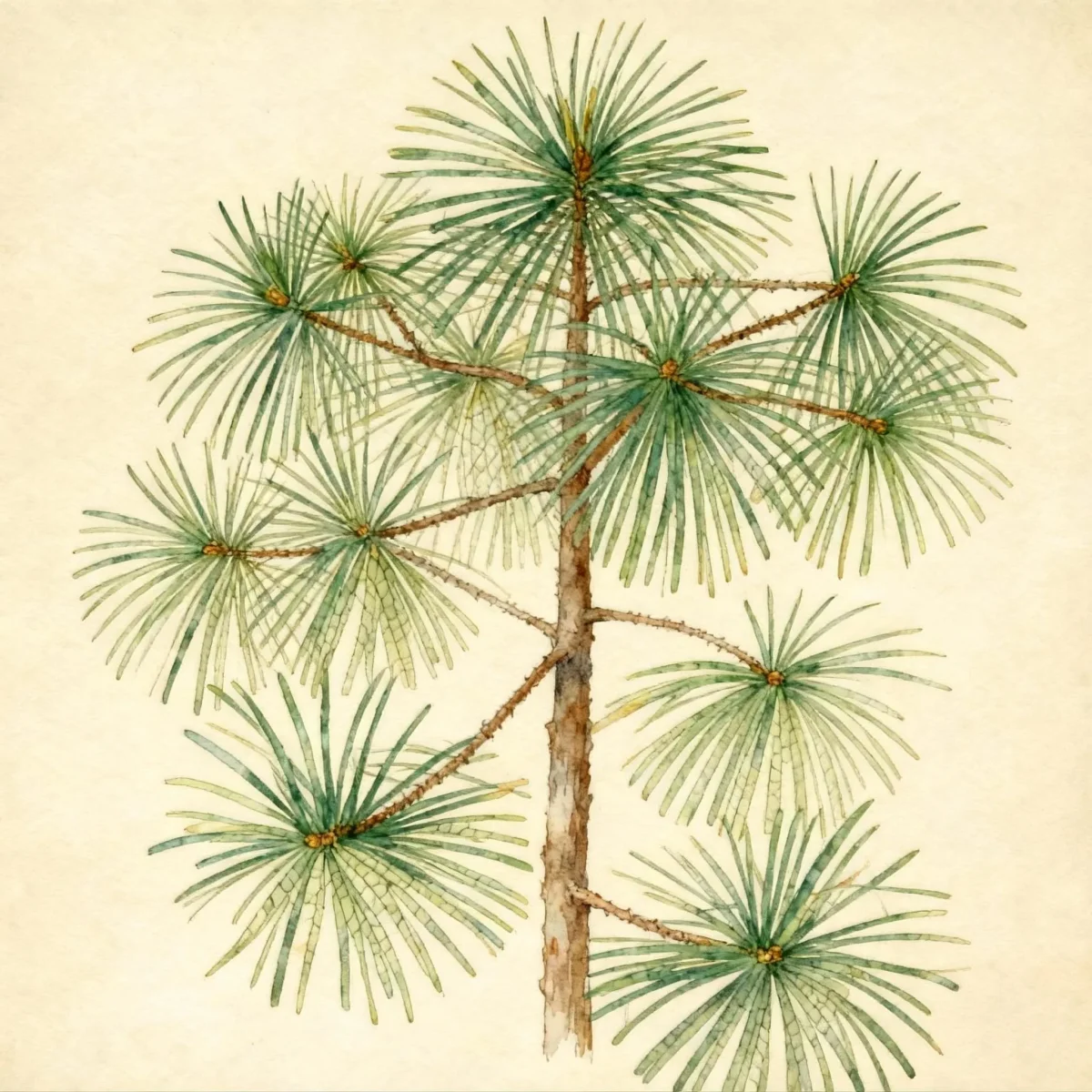
The striking Sciadopitys verticillata, or Umbrella pine, features unique whorled needles. A slow-growing evergreen for US Zones 5-8.
Scroll down to discover growing tips, care requirements, companion plants, and more
Complete Plant Information
Overview
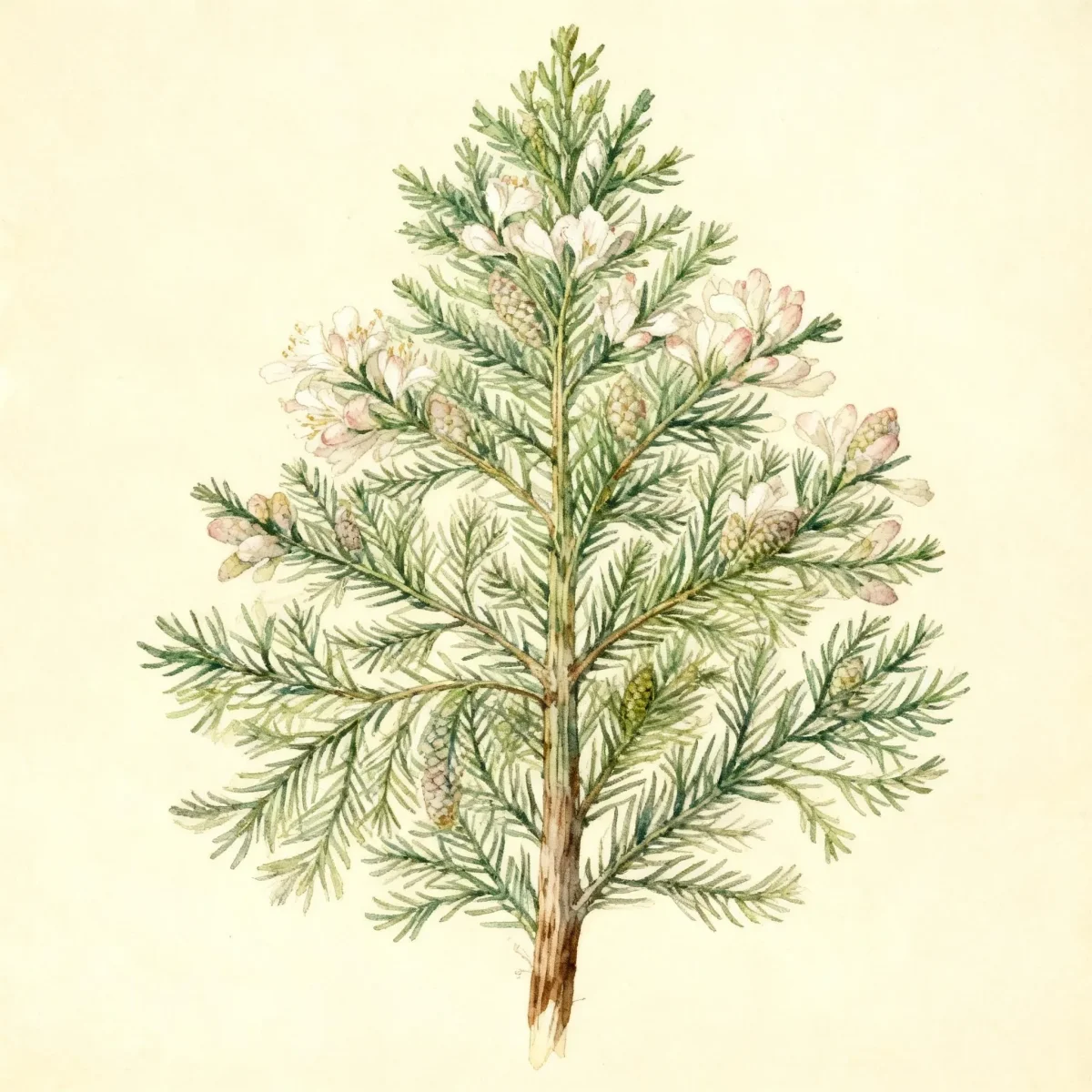
The Sciadopitys verticillata, universally known as the Umbrella pine, is prized for its extraordinary foliage structure, unlike any other conifer commonly grown. Its defining feature is the whorls of soft, dark green needles that radiate outward from branch tips, strongly resembling the ribs of an open umbrella or parasol. This tree offers year-round architectural interest, making it a focal point in any landscape design.
While native to Japan, the Umbrella pine establishes itself well in USDA Zones 5 through 8 when provided the correct conditions. It is a very slow grower, often only reaching 4-5 feet in its first decade, which makes its eventual mature size of 25 to 30 feet even more impressive over time. This longevity and unique texture ensure the Sciadopitys verticillata remains a treasured specimen plant.
Despite its formal appearance, the Umbrella pine requires relatively low maintenance once established, provided its specific soil and moisture needs are met. Gardeners seeking a truly distinctive, slow-maturing evergreen that rewards patience with stunning visual appeal will find the Sciadopitys verticillata an excellent, long-term investment for their garden space.
Fast Facts
- Plant Family: Sciadopityaceae
- Plant Type: Needled evergreen
- Native Range: Japan
- Hardiness Zones: USDA Zones 5-8
- Size at Maturity:
- Height: 25-30 ft
- Spread: 15-20 ft
- Bloom Time: Non-flowering
- Bloom Description: Non-flowering
- Sun Exposure: Full sun
- Water Needs: Medium
- Maintenance Level: Low
How to Grow
The key to successfully growing your Umbrella pine lies in optimal soil and siting. Plant in moist, rich, slightly acidic soil that is consistently well-drained. Avoid locations where the soil dries out completely, as the Sciadopitys verticillata demands steady moisture, especially during its establishment phase.
While the tree prefers full sun, gardeners in very hot climates, such as the lower end of Zone 7 or 8, should consider planting where it receives afternoon shade. This protects the needles from scorching during the peak summer heat. Furthermore, when establishing in colder areas like Zone 5, protect your investment by siting the tree away from harsh winter winds, which can cause desiccation damage.
Water requirements are medium; deep, infrequent soaking is preferable to light sprinkling. Fertilization is generally unnecessary if the soil foundation is rich. Because it is a slow grower, pruning is rarely required, allowing its natural, dense, conical habit—which opens with age—to define its structure.
Landscape Uses
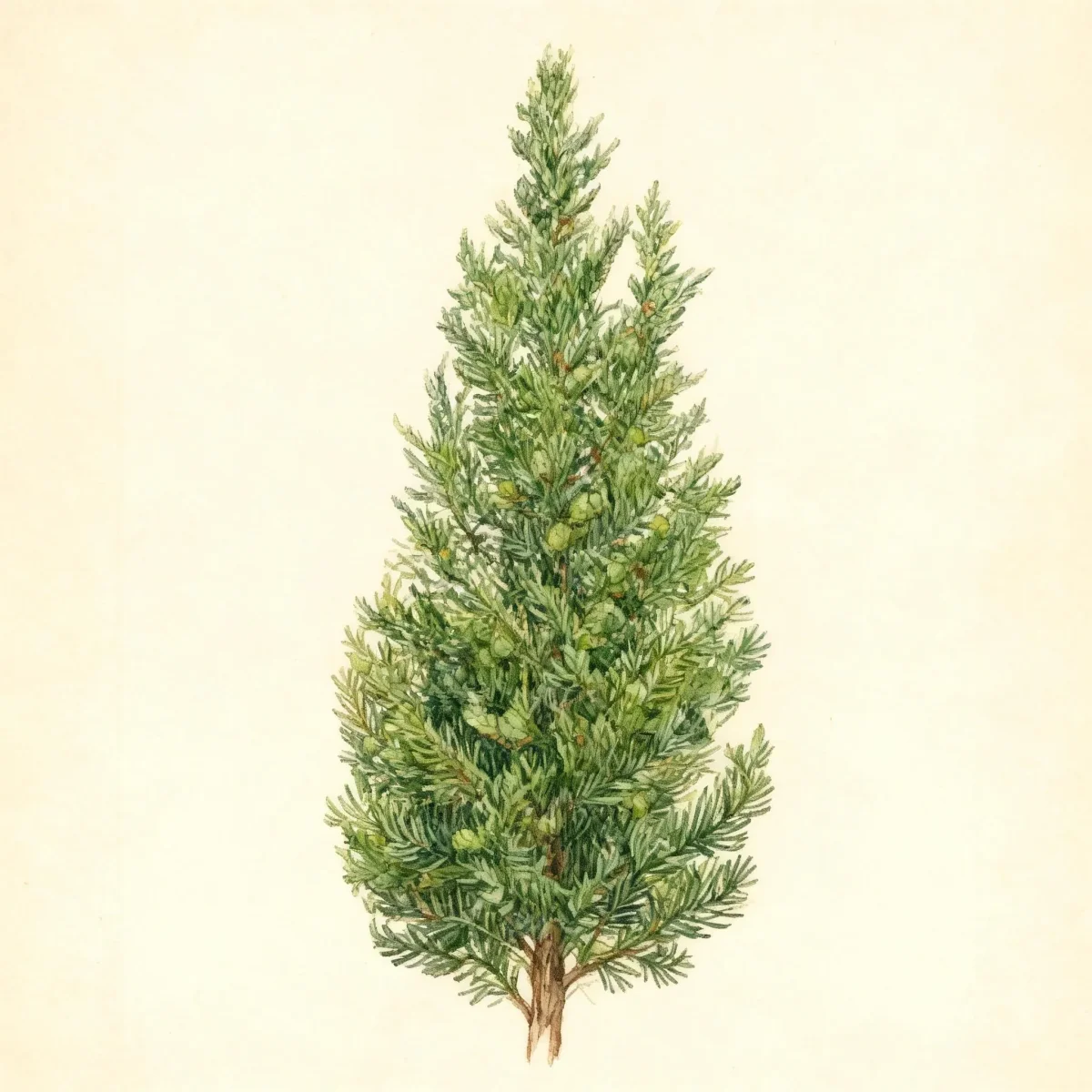
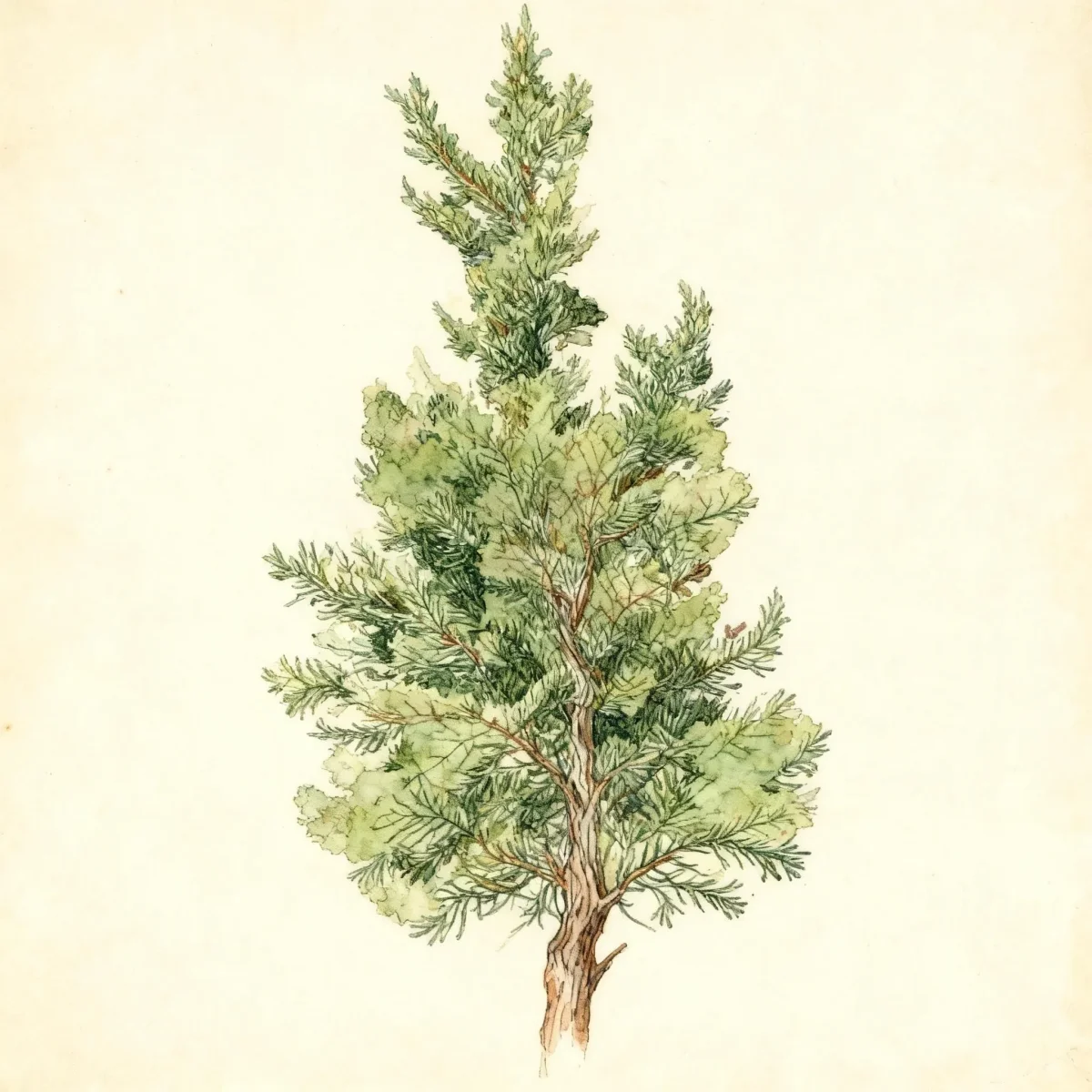
The distinctive structure of the Umbrella pine makes it an outstanding choice for specimen planting around the home, serving as a living focal point visible year-round. Its narrow, pyramidal habit in youth contrasts beautifully with broader, faster-growing conifers or broadleaf evergreens. Consider placing it where its unique silhouette can be viewed against a neutral backdrop to maximize visual impact.
Beyond its role as a standalone specimen, the Sciadopitys verticillata is highly valued in specialized settings. It is an excellent candidate for Japanese-style gardens, where texture and subtle form are paramount. Furthermore, due to its slow rate of vertical growth and majestic form, the Umbrella pine is frequently sought after by enthusiasts looking for a substantial, long-term bonsai subject.
In rock gardens, a young specimen can add significant vertical structure without overwhelming smaller stone arrangements. As the tree matures, its formal appearance still works well adjacent to structured architecture or formal perennial borders where year-round structure is needed.
Standout Features
Fruit Qualities
- Oval, erect fruiting cones (to 4” long) emerge green in the first year and ripen to brown in the second year.
Noteworthy Characteristics
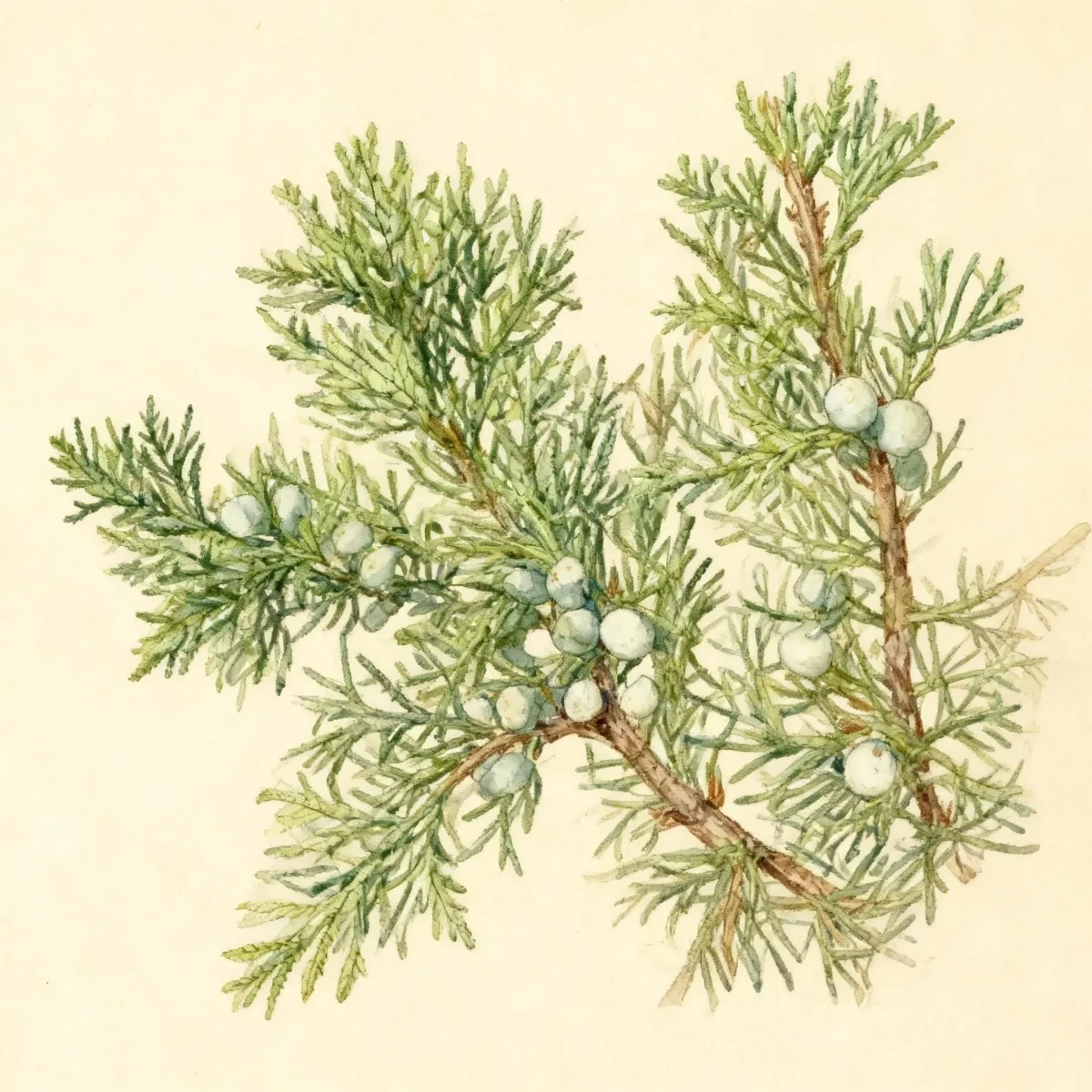
The genus name reflects the unique appearance: Greek words for umbel/parasol and fir tree combine due to the umbrella-like whorls of needles. Each whorl holds 20-30 soft, dark green needles up to 5 inches long radiating outward. While it can reach 90 feet in native Japan, cultivated Sciadopitys verticillata typically matures to 25-30 feet in the U.S. over many decades due to its inherently slow growth rate.
Tolerances
- Tolerates afternoon shade in hot summer climates
Potential Problems
Generally, the Umbrella pine exhibits excellent pest resistance, suffering from no serious insect or disease problems under ideal cultivation conditions. The primary challenges relate to site selection and moisture management rather than pest outbreaks.
The most significant threat facing the Sciadopitys verticillata is improperly drained soil, which can lead to root rot, or allowing the soil to become too dry, causing needle scorch, particularly in full summer sun. For Zone 5 gardeners, ensuring the planting site is sheltered from strong winter winds is crucial for dependable winter hardiness.
Frequently Asked Questions
What hardiness zones is Umbrella pine suitable for?
The Sciadopitys verticillata is best suited for USDA Hardiness Zones 5 through 8, though extra protection from whipping winter winds is advised in Zone 5.
How large does Umbrella pine grow?
This slow-growing conifer typically reaches a mature height between 25 and 30 feet tall, with a spread of 15 to 20 feet across.
What sun exposure does Sciadopitys verticillata need?
The ideal setting is full sun, but in areas experiencing very hot summers, the Umbrella pine appreciates some protection from scorching afternoon sun exposure.
When does Sciadopitys verticillata bloom?
The Umbrella pine is a non-flowering conifer; it produces cones rather than blossoms.
Conclusion
The Umbrella pine is a botanical marvel, offering unparalleled texture and formal structure that elevates any garden over many decades. Its distinctive whorled foliage ensures that the aesthetic value of the Sciadopitys verticillata remains high regardless of the season. If you have the space and can meet its demand for rich, moist, well-drained soil, check your USDA zone compatibility and plan to incorporate this magnificent conifer into your landscape design soon.
Companion Planting
When selecting neighbors for the magnificent Umbrella pine, focus on plants sharing similar needs for consistent moisture and acidic soil conditions. Pairing it with Japanese maples (Acer palmatum) works exceptionally well, as both appreciate dappled afternoon shade in hotter areas and share a refined woodland aesthetic. Rhododendrons and Azaleas thrive nearby, benefiting from the same soil pH requirements.
For groundcover in the shade cast by the mature canopy, consider hostas or delicate ferns, such as Japanese Painted Fern (Athyrium niponicum). These choices create visual depth while avoiding root competition with the structural evergreen. Keep plantings loose; due to the slow growth of the Sciadopitys verticillata, crowding in its youth should be avoided entirely.
Design Ideas
Use the Umbrella pine as a specimen piece near the entrance of defined garden rooms or near architectural features where permanence is valued. Its narrow habit means it doesn’t quickly block views, allowing you to maintain sight lines in the landscape. It provides a strong vertical element that contrasts beautifully with horizontal lines found in retaining walls or low perennial sweeps.
Consider planting this conifer in association with fine-textured deciduous trees or large ornamental grasses for maximum textural contrast. In contemporary or minimalist designs, a single specimen provides enough visual weight that elaborate planting schemes are not necessary; the tree speaks for itself.