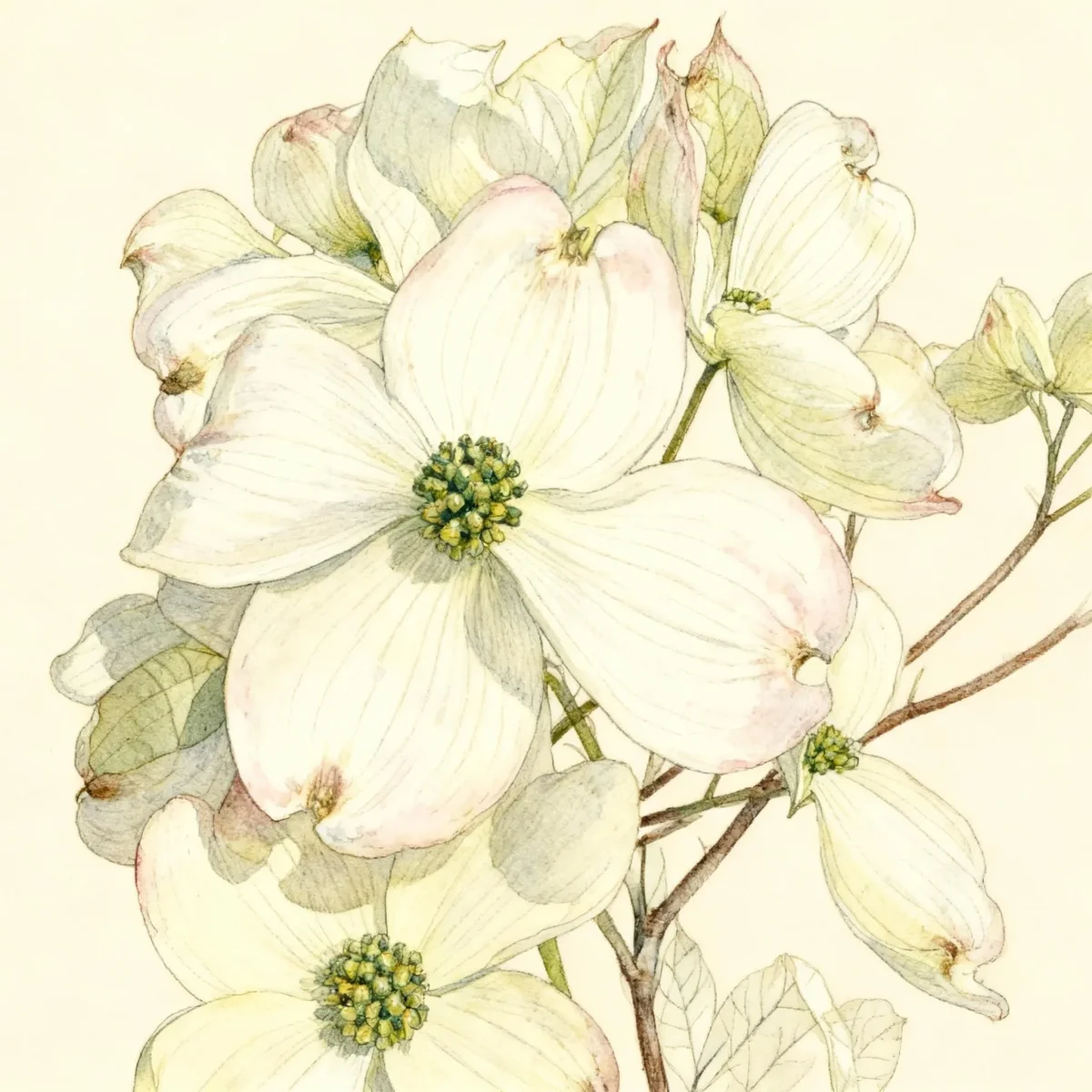
Franklin tree (Franklinia alatamaha)
Discover the rare Franklinia alatamaha (Franklin tree), prized for showy, fragrant white flowers and brilliant fall color in USDA Zones 5-8.
Scroll down to discover growing tips, care requirements, companion plants, and more
Complete Plant Information
Overview
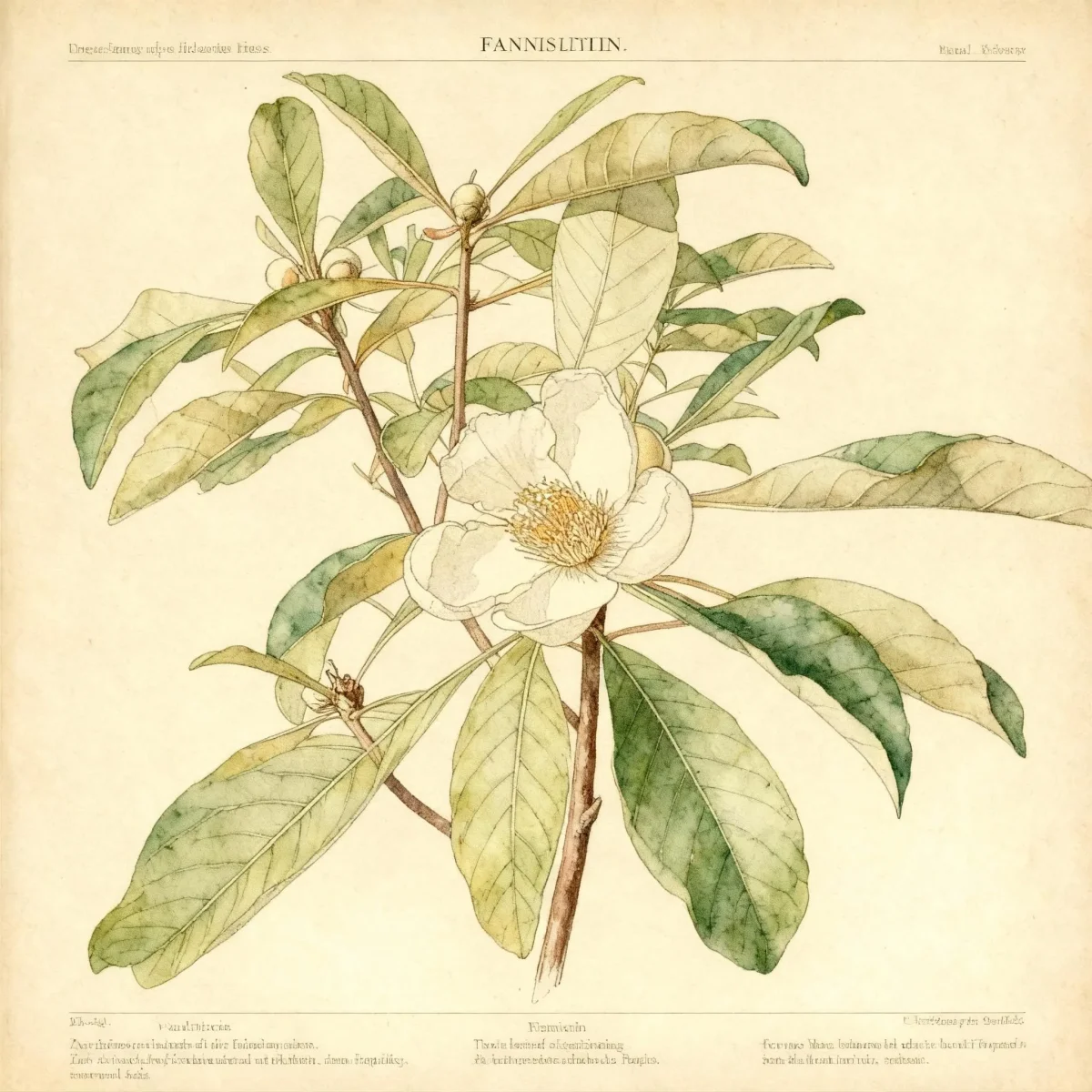
The Franklin tree (Franklinia alatamaha) is arguably one of horticulture’s most fascinating treasures, famous for being extinct in the wild since 1803. This unique specimen shrub or small tree offers exceptional ornamental appeal through its entire growing season, climaxing with late-summer blooms. All living specimens of Franklinia alatamaha descend from seeds collected in Georgia by William Bartram over 250 years ago.
This species provides gardeners with cup-shaped, sweetly-fragrant, white flowers resembling miniature camellias, which appear at a time when few other trees are flowering. Beyond its blooms, the glossy, dark green foliage transforms into excellent shades of orange, red, and purple in the autumn, ensuring year-round interest.
While its history is complex, the goal for modern cultivators of the Franklin tree is providing the meticulous care needed to sustain this rare beauty through its medium maintenance regimen in appropriate climates.
Fast Facts
- Plant Family: Theaceae
- Plant Type: Tree
- Native Range: Southeastern United States
- Hardiness Zones: USDA Zones 5-8
- Size at Maturity:
- Height: 10-20 ft
- Spread: 6-15 ft
- Bloom Time: July to August
- Bloom Description: White
- Sun Exposure: Full sun to part shade
- Water Needs: Medium
- Maintenance Level: Medium
How to Grow
Planting the Franklinia alatamaha requires careful site selection, primarily focusing on soil composition. This plant must be established in organically rich, well-drained soil, ideally receiving medium moisture consistently. Must have good soil drainage. If your native soil is heavy clay, consider raised plantings to ensure water does not accumulate around the roots.
During care, maintain a consistent watering schedule to meet its medium water needs, avoiding periods of drought stress. Franklinia alatamaha generally prefers full sun in northern regions but benefits significantly from protection against harsh afternoon sun in hotter climates. Protection may also be necessary for plants sited in the northern extent of Zone 5, where winter hardiness is less reliable.
The most critical cultural note for the Franklin tree is its root system; because it is sparsely fibrous, it transplants poorly. Once established, it must be left undisturbed. Avoid routine pruning unless absolutely necessary to shape structure or remove dead wood, as this species is sensitive to root disturbance.
Landscape Uses
The Franklin tree is perfectly suited for use as a specimen tree or a large, prominent structural shrub where its late-season attributes can be fully appreciated. Because the flowers are fragrant and appear after many spring bloomers fade, placing the Franklinia alatamaha near patios, walkways, or near windows maximizes enjoyment of its unique display. Its eventual dense, rounded crown provides excellent structure when positioned prominently in a mixed border or as a focal point.
This species pairs well aesthetically and culturally with other acid-loving, moisture-retentive woodland plants from the Theaceae family, such as Stewartia or certain Camellias, provided your location also meets their environmental requirements. Its rarity and striking, albeit brief, history make the Franklin tree a celebrated feature in any dedicated horticultural collection or thoughtfully planned garden space.
Standout Features
Flower Qualities
- Showy
- Fragrant
Noteworthy Characteristics
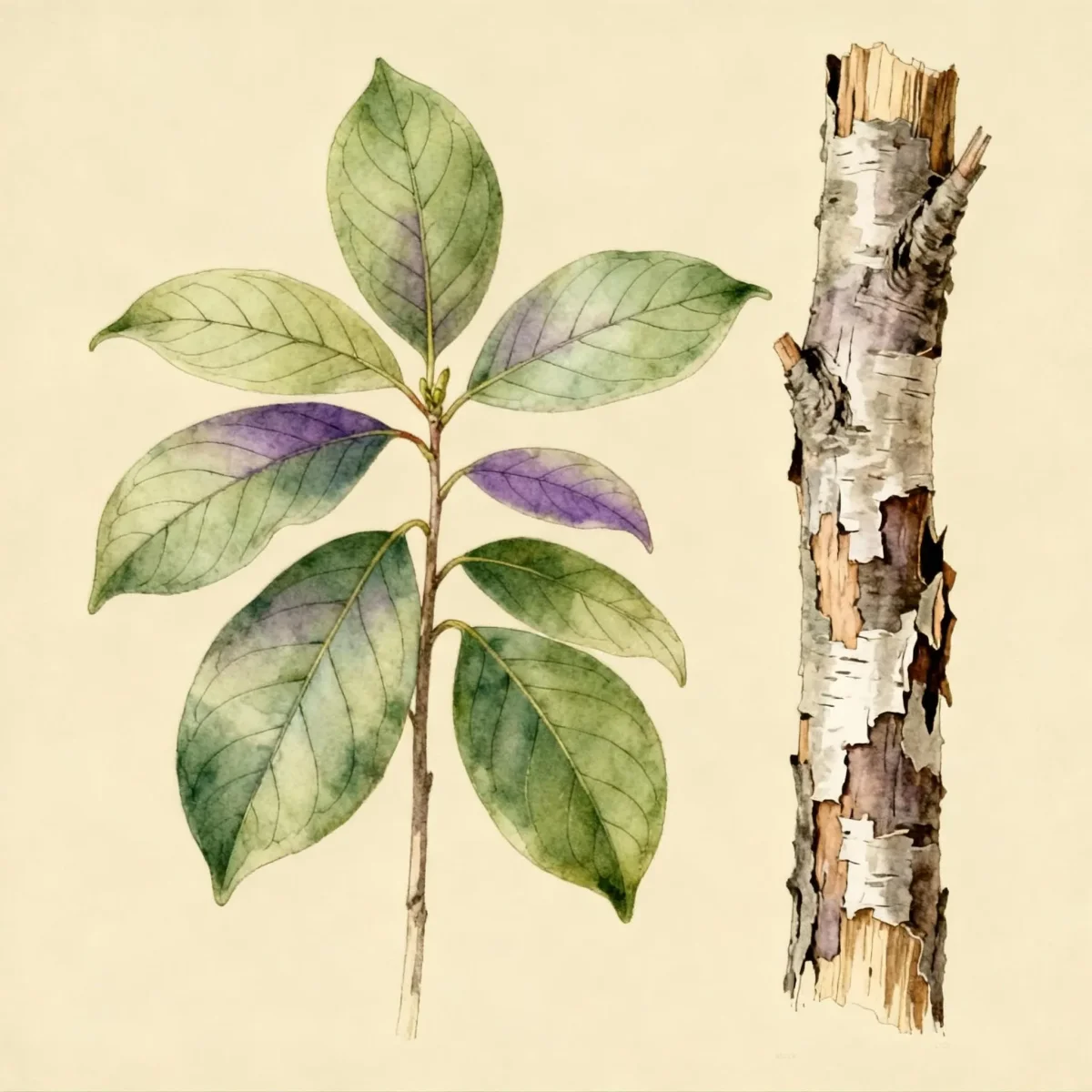
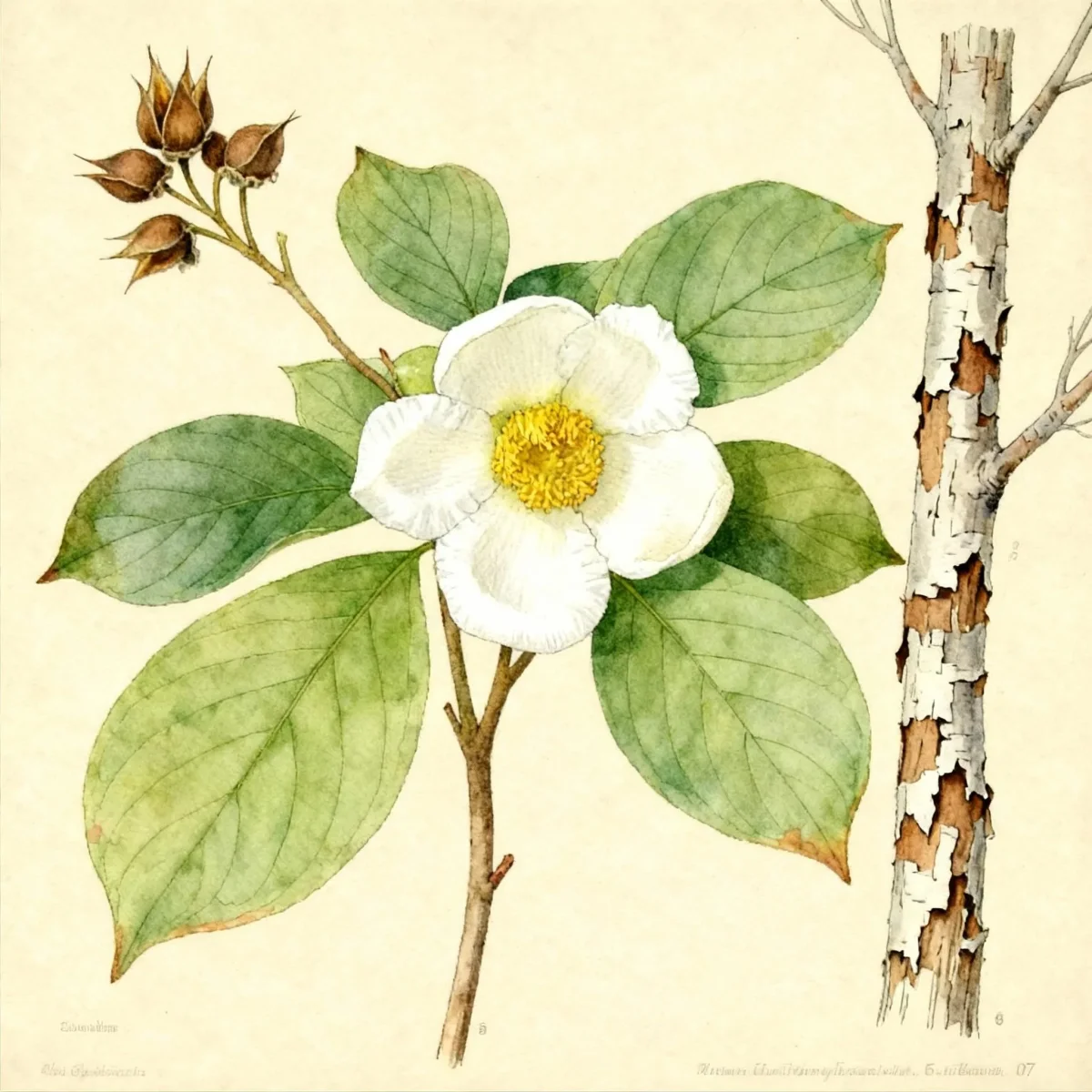
Franklinia alatamaha, commonly called Franklin tree, typically grows as a single-trunk tree with a rounded crown or as a multi-stemmed shrub. Camellia-like, cup-shaped, 5-petaled, sweetly-fragrant, white flowers (to 3” diameter) bloom in late summer to early fall, each sporting a boss of egg-yolk yellow center stamens. Narrow, oblong-obovate, glossy dark green leaves (to 5” long) turn quality shades of orange, red and purple in autumn, adding significant late-season appeal before this extinct-in-the-wild species is dormant.
Tolerances
No specific tolerances were provided.
Potential Problems
Wilt and root rot can prove serious difficulties for the Franklin tree, earning it a general reputation for being challenging to cultivate successfully. The primary preventative measure against these water-related issues is impeccable drainage; if the soil is not allowed to dry slightly between waterings, fungal root issues are likely to develop. Selecting a planting site with organic, well-drained conditions is far more important than any chemical treatment.
Since this plant is difficult to transplant, minimize root disturbance after planting to ensure long-term establishment and health. For gardeners in challenging clay soils, incorporating coarse grit or planting in a permanent raised bed is strongly recommended to mitigate the risk of root rot.
Frequently Asked Questions
What hardiness zones is Franklin tree suitable for?
The Franklin tree (Franklinia alatamaha) is suitable for USDA Hardiness Zones 5 through 8.
How large does Franklin tree grow?
This tree generally achieves a height between 10 and 20 feet, with a corresponding spread between 6 and 15 feet.
What sun exposure does Franklin tree need?
Franklinia alatamaha thrives in full sun to part shade conditions. Afternoon shade is appreciated in very hot summer climates.
When does Franklin tree bloom?
The magnificent white blooms of the Franklin tree appear relatively late in the season, typically ranging from July to August.
Conclusion
The Franklin tree offers unparalleled late-season flowers and brilliant fall color, making it a highly desirable, albeit occasionally temperamental, addition to the landscape. Its historical significance, coupled with its current rarity, elevates the status of every successful Franklinia alatamaha. Before planting, carefully evaluate your site’s drainage capabilities to ensure this unique species can flourish for years to come.
Companion Planting
When designing a space for your Franklin tree, choose companions that share its love for acidic soil and consistent moisture. Plants such as Azaleas, Rhododendrons, and evergreen Hollies often thrive in similar conditions and offer complementary textures or bloom times. Grouping Franklinia alatamaha with shade-tolerant ferns or woodland groundcovers can help keep the root zone cool and protected, mimicking its native habitat along the Altamaha River.
Selecting the Right Site
The challenge of successfully growing Franklinia alatamaha centers almost entirely on soil condition. Because Franklin tree hates wet feet, avoid low spots where water collects. In clay-heavy areas, amend the planting hole generously with aged compost and sharp grit, or opt for a berm or raised bed specifically constructed for this genus. A location that receives morning sun but is shielded from the intense, drying heat of the mid-afternoon sun optimizes both bloom quality and foliage health for the Franklin tree.