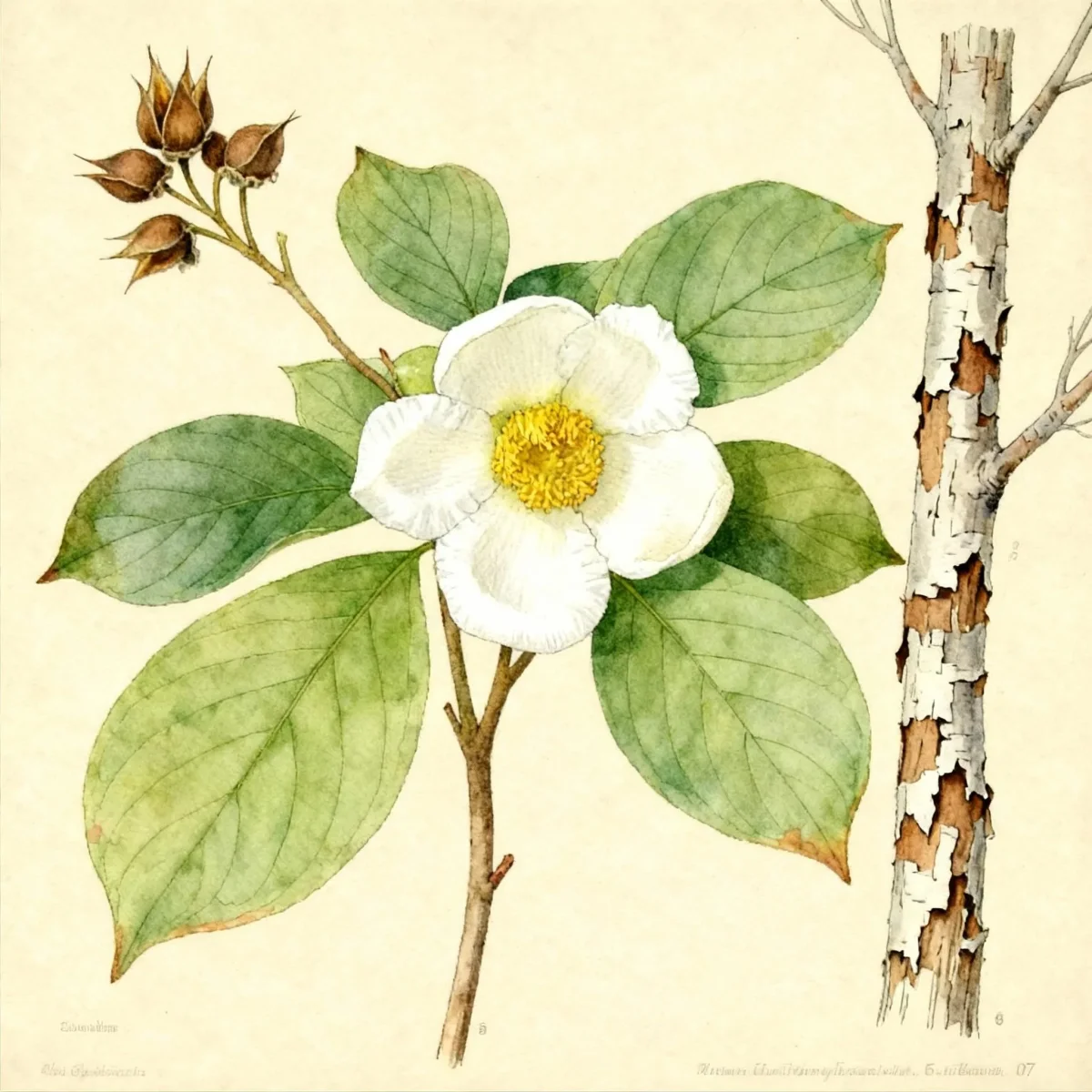
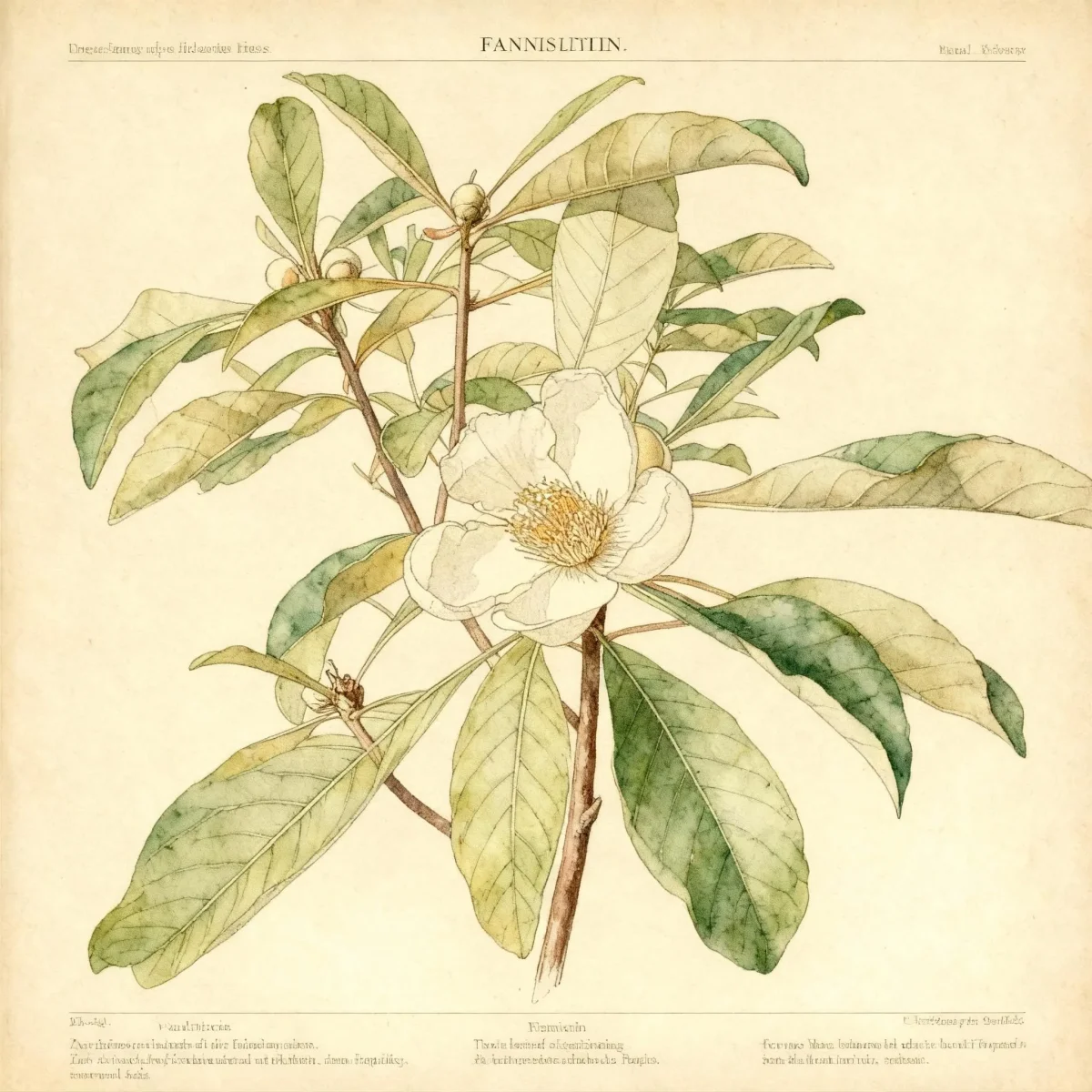
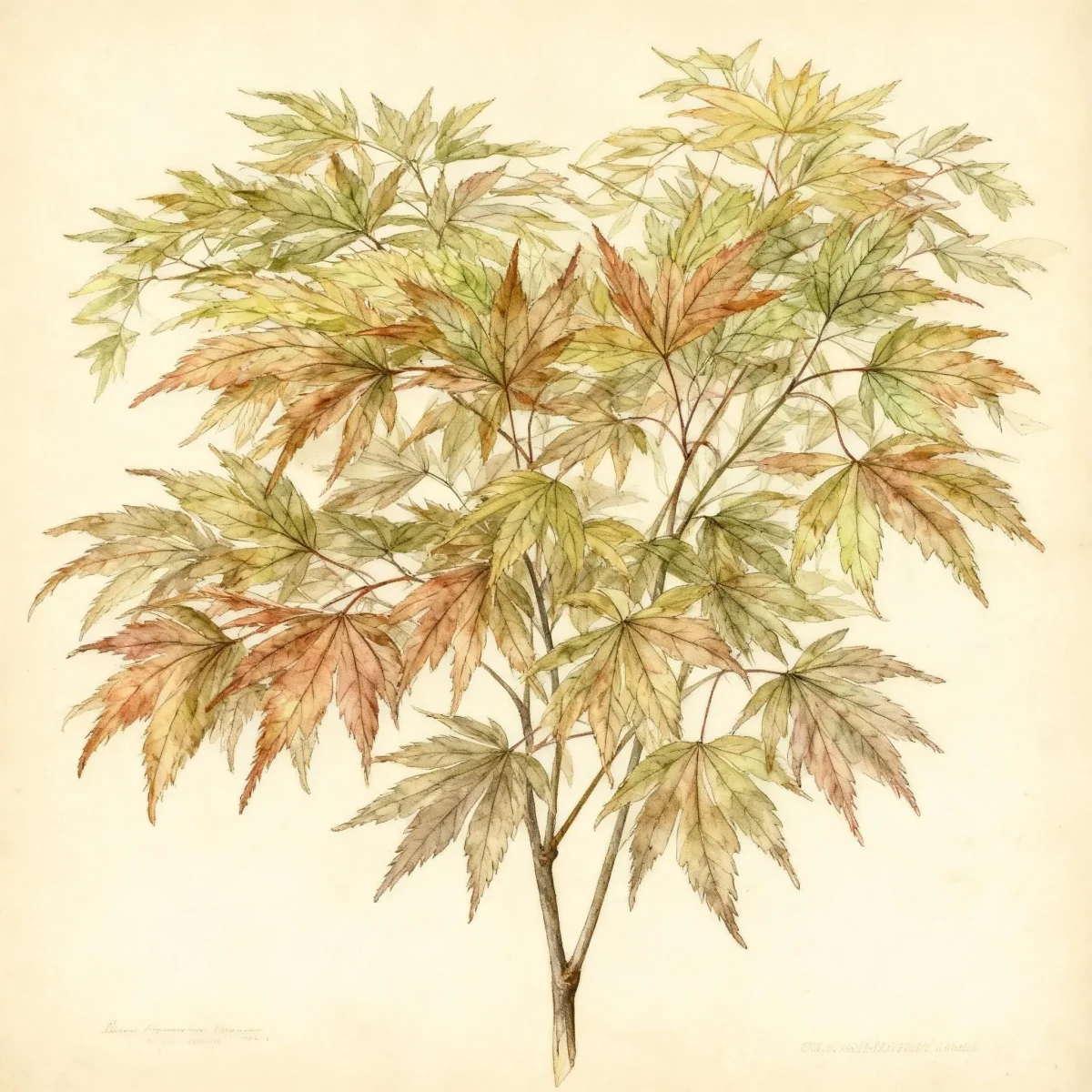
Mountain camellia (Stewartia ovata)
Discover the Mountain camellia (Stewartia ovata), a slow-growing, ornamental tree prized for its summer white blooms and brilliant fall color.
Scroll down to discover growing tips, care requirements, companion plants, and more
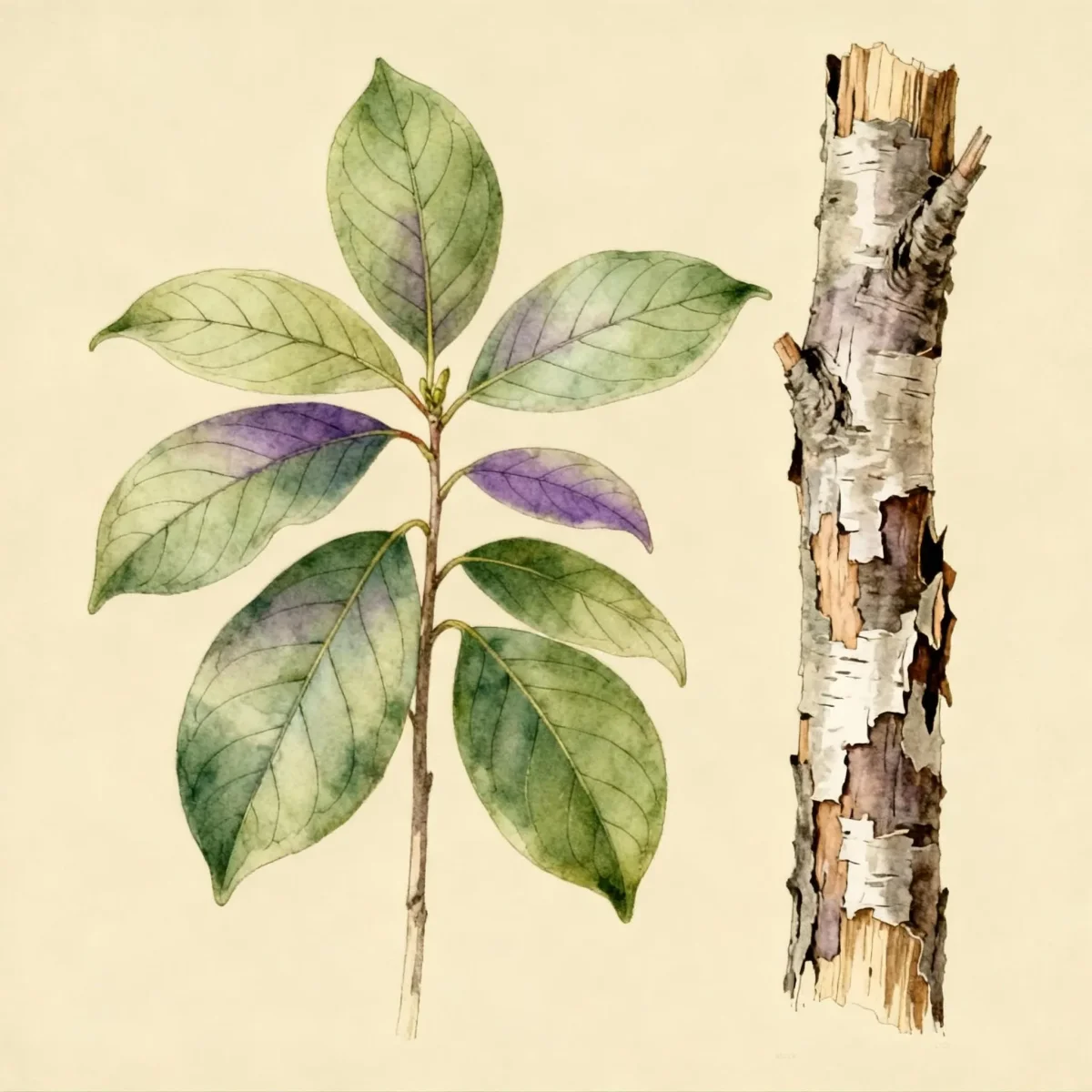
Complete Plant Information
Overview
The Mountain camellia (Stewartia ovata) is a highly valued, yet uncommon, deciduous small tree or large shrub cherished for its exceptional late-season aesthetics. This native species, often referred to simply as stewartia or mountain stewartia, provides three seasons of interest through its striking flowers, attractive foliage, and vibrant autumn display. It is closely related to the true Camellia, making it a unique addition to any distinguished landscape.
Native to the shaded stream banks and lower slopes of the Appalachian Mountains, Stewartia ovata offers five-petaled white flowers that bloom conspicuously in July when few other woody plants are flowering. As a relatively slow-growing specimen, it develops slowly into a manageable 10 to 15-foot specimen, maintaining a graceful, shrubby habit ideal for smaller yards or woodland settings.
Its practical appeal lies in its low maintenance requirements combined with high ornamental impact. Gardeners should prioritize siting this tree where it receives protection from the harshest afternoon sun to ensure healthy leaf retention, rewarding them with an uncommon beauty that honors its Southern Appalachian heritage.
Fast Facts
- Plant Family: Theaceae
- Plant Type: Tree
- Native Range: Southeastern United States
- Hardiness Zones: USDA Zones 5-9
- Size at Maturity:
- Height: 10-15 ft
- Spread: 10-15 ft
- Bloom Time: July
- Bloom Description: White
- Sun Exposure: Full sun to part shade
- Water Needs: Medium
- Maintenance Level: Low
How to Grow
The key to successfully growing Stewartia ovata revolves around soil preparation and proper siting. Plant during the cooler seasons—spring or fall—to allow the root system to establish before summer heat stress. It thrives best when situated in medium moisture, humusy, well-drained loams. While it tolerates full sun, protection from intense afternoon heat is crucial, especially in hotter climates.
Consistent moisture is vital, especially while the Mountain camellia is young. Water deeply but allow the soil surface to approach slight dryness between irrigation events to mimic its native streamside habitat without becoming waterlogged. Minimal fertilization is usually required; rich, organic soil amendments incorporated at planting will generally provide sufficient nutrition for years.
Maintenance for this tree is generally low. Pruning should be done sparingly, mainly to remove crossing or damaged branches immediately after flowering. Avoid heavy shaping, as Stewartia ovata naturally forms an attractive silhouette. In spring, review the canopy for any winter damage and maintain a layer of organic mulch to help conserve soil moisture and regulate soil temperature.
Landscape Uses
The uncommon beauty of the Mountain camellia makes it an ideal candidate for a specimen planting where its unique flowers and colorful foliage can be fully appreciated throughout the growing season. Because of its moderate mature size, it functions perfectly as a lawn specimen or a highlight near patios where its July blooms can be admired up close. This plant also excels in native plant gardens, lending an elegant, subtle structure.
Consider using Stewartia ovata within shrub borders that feature contrasting textures or leaf shapes. As it is native to woodland edges, it pairs well with other woodland darlings like Rhododendrons or large-leafed Hostas, provided soil drainage remains excellent. Placing it where it receives afternoon shade in hot regions ensures the foliage remains rich dark green and prevents potential scorch toward the end of summer.
For those seeking sophisticated plantings, the Mountain camellia serves as an excellent focal point, drawing the eye with its camellia-like flowers in mid-summer. Its slow growth rate means it remains a manageable feature for decades, ensuring long-term landscape value without outgrowing its space quickly.
Standout Features
Flower Qualities
- Showy
Noteworthy Characteristics
Stewartia ovata, commonly called stewartia, mountain stewartia or mountain camellia, is a deciduous small understory tree or large shrub that is primarily native to wooded stream banks and bluffs bases in the Appalachian Mountains and Piedmont from Virginia to Alabama. It is noted for its camellia-like flowers, rich dark green summer foliage and orange-scarlet fall color. Leaves turn attractive shades of orange and red in fall, culminating in five-petaled white flowers (to 3” diameter) with orange anthers that bloom in July when few other trees are in bloom.
Tolerances
- No serious insect or disease problems.
Potential Problems
While generally robust, the primary concern for Stewartia ovata relates to sun exposure in overly warm climates. Leaf scorch may occur in full sun exposures in hot summer climates, leading to browning margins on the leaves during peak heat. To mitigate this, ensure planting locations receive dappled light or reliable afternoon shade, particularly in the southern extent of its hardiness range. Otherwise, this species displays excellent resistance to major insect pests and diseases, fitting its low maintenance profile well.
Frequently Asked Questions
What hardiness zones is Mountain camellia suitable for?
Stewartia ovata is reliably hardy in USDA zones 5 through 9.
How large does Mountain camellia grow?
At maturity, the Mountain camellia typically reaches a height between 10 and 15 feet, with an equal spread of 10 to 15 feet.
When does Mountain camellia bloom?
This desirable tree offers its white, camellia-like flowers during the middle of the summer, specifically in July.
What sun exposure does Stewartia ovata need?
Stewartia ovata performs best when planted in locations that receive full sun to part shade, though afternoon shade is appreciated in hot summer environments.
Conclusion
The Mountain camellia (Stewartia ovata) is a standout choice for gardeners seeking dependable, multi-season interest with minimal effort; its July blooms and brilliant fall foliage are truly exceptional. By providing the necessary humusy, well-drained soil and appropriate light protection, you can successfully integrate this striking native tree into your garden design. Check your local USDA hardiness zone compatibility before purchasing to ensure your Stewartia ovata thrives for years as a distinguished landscape feature.
Companion Planting
When selecting companions for the Stewartia ovata, focus on shrubs and perennials that share a preference for acidic, humus-rich soils typical of native woodland understories. Plants that thrive in similar filtered light conditions, such as various species of Helleborus, Astilbe, or Japanese Forest Grass (Hakonechloa macra), will create a harmonious layered effect beneath the Mountain camellia canopy. Avoid plants that require consistently dry or poor soil, as this will conflict with the soil requirements necessary for healthy root development in stewartia.
Furthermore, if you are utilizing the Stewartia ovata as a specimen tree near pathways or patios, consider placing shade-tolerant evergreens nearby to provide year-round structure. Broadleaf evergreens like certain Japanese maples (provided they receive sufficient filtered light) or evergreen azaleas offer textural contrast that highlights the delicate structure of the stewartia during winter dormancy. This planning ensures the area maintains visual interest long after the orange-scarlet fall color fades.
Seasonal Care Calendar
Springtime is the ideal period for applying a fresh layer of organic mulch around the base of Stewartia ovata, ensuring it remains 2-3 inches deep but kept away from the trunk flare. This helps lock in the medium moisture levels the plant prefers throughout the growing season. Focus on thorough, deep watering during dry spells in early summer, as this is when the plant is actively flowering.
As summer progresses, monitor the foliage specifically for signs of leaf scorch, which indicates the plant may be receiving too much direct, intense sun exposure late in the day. If scorch appears, consider installing temporary shade cloth or installing a taller companion plant nearby for future relief. Since Stewartia ovata blooms in July, resist the urge to prune heavily during mid-summer, saving significant shaping work for late winter when the tree is dormant.
Autumn preparation involves appreciating the magnificent orange-scarlet leaf transition before the leaves drop. Once dormancy is established, inspect the bark for winter damage, but avoid heavy fertilization or active watering until spring growth resumes. This low-input approach honors the natural cultivation cycle of the Mountain camellia.