Sakaki (Cleyera japonica)
Discover Cleyera japonica (Sakaki), a low-maintenance broadleaf evergreen ideal for hedges and screens in USDA Zones 6-9.
Scroll down to discover growing tips, care requirements, companion plants, and more
Complete Plant Information
Overview
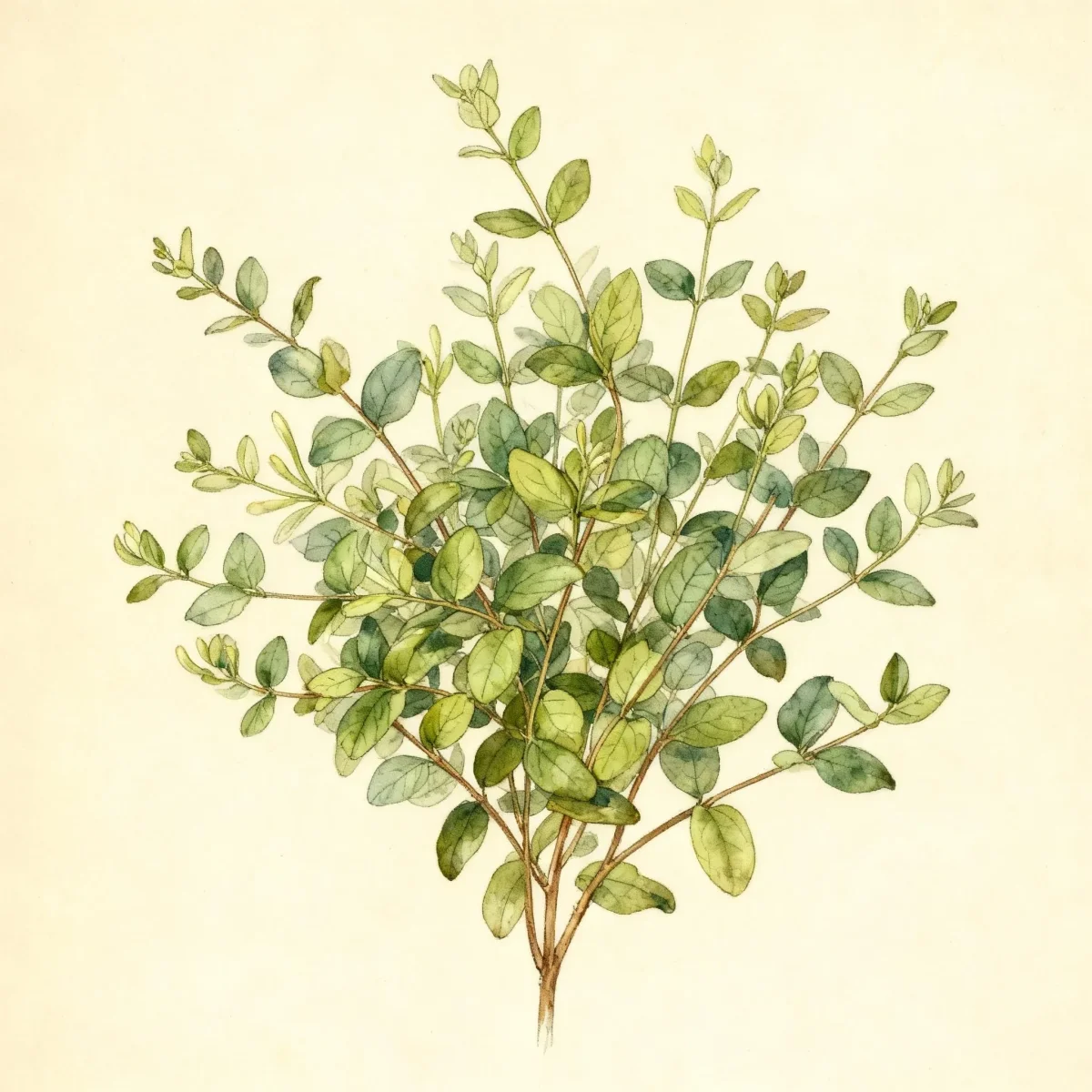
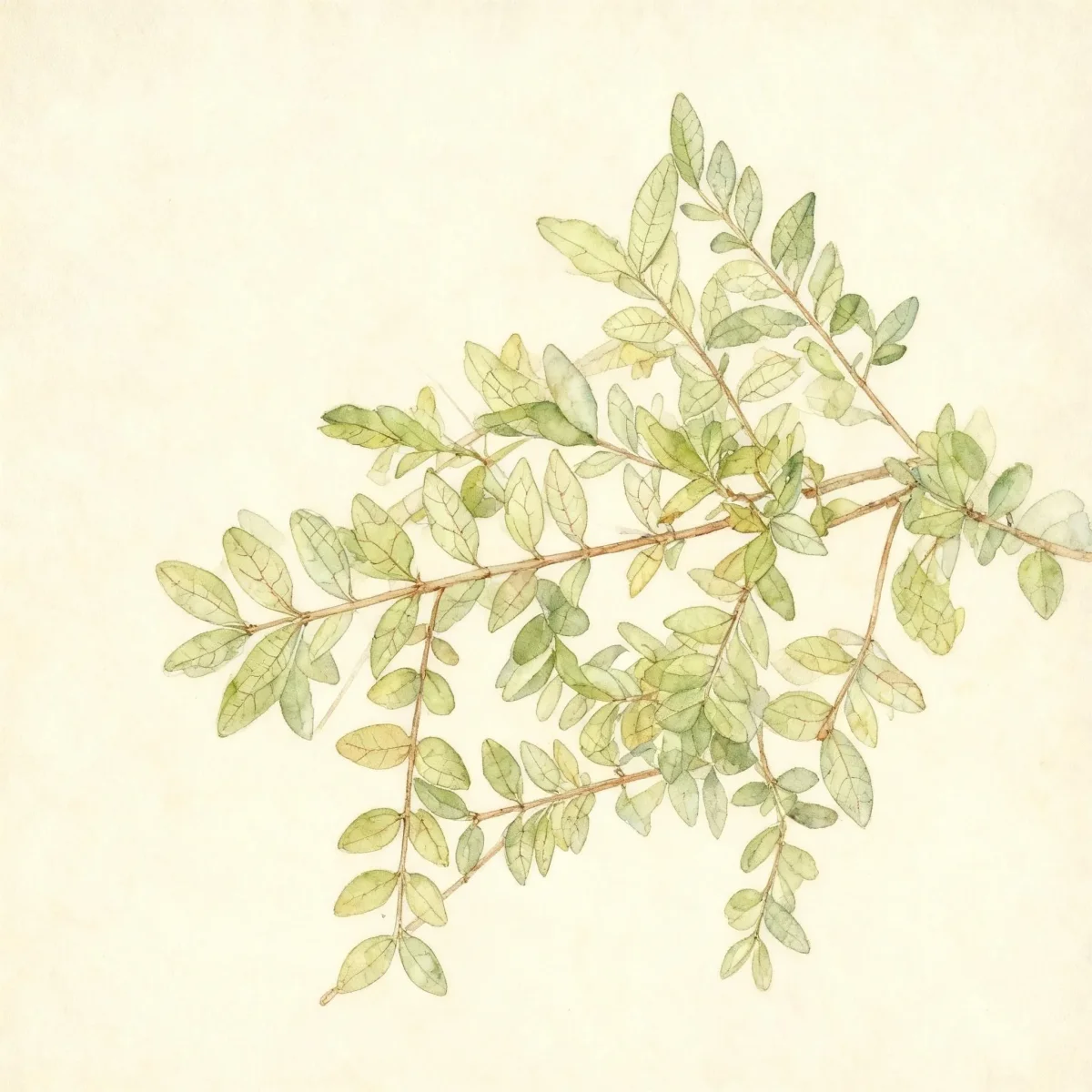
Cleyera japonica, widely recognized by its common name Sakaki, is a highly valued broadleaf evergreen celebrated for its dense, lustrous foliage and ease of cultivation. This shrub or small tree provides year-round structure, making it an excellent architectural element in garden design. Gardeners appreciate the subtle beauty provided by its fragrant white blooms appearing in late spring.
Native to East Asia, including Japan, Korea, and China, Cleyera japonica offers reliability in moderate climates. It establishes quickly into a substantial form, reaching heights up to 15 feet, which is perfect for creating significant visual barriers or defining garden spaces. Its low maintenance profile ensures that beauty does not come with constant upkeep.
The aesthetic appeal of this plant is enhanced by new growth tinted with bronze, contrasting beautifully with the mature, dark green, camellia-like leaves. Whether used as a specimen or incorporated into larger plantings, the structural integrity of the Sakaki makes it a cornerstone for evergreen interest.
Fast Facts
- Plant Family: Pentaphylacaceae
- Plant Type: Broadleaf evergreen
- Native Range: Japan, Korea, China
- Hardiness Zones: USDA Zones 6-9
- Size at Maturity:
- Height: 10-15 ft
- Spread: 8-10 ft
- Bloom Time: May to June
- Bloom Description: White flowers and black fruit
- Sun Exposure: Full sun to part shade
- Water Needs: Medium
- Maintenance Level: Low
How to Grow
The best time to establish Cleyera japonica is typically in the spring or fall when temperatures are moderate. Ensure planting occurs in cool, moist, humusy soil that is impeccably well-drained. While it tolerates nearly full shade, optimal growth and flowering for this evergreen shrub occur in full sun to part shade locations.
Water established shrubs regularly, especially during hot weather, ensuring the soil remains consistently moist but never waterlogged. Established shrubs possess moderate drought tolerance, but consistent moisture supports the best foliage appearance for your Sakaki. Fertilization is rarely necessary, reflecting its low maintenance requirements; however, a balanced, slow-release fertilizer applied in early spring can boost vigor if the soil is poor.
Pruning should be minimal, primarily to maintain desired size or form, which is essential when using Cleyera japonica as a screen or formal hedge. When planting, site the shrub in locations specifically sheltered from harsh, strong winds, as this prevents leaf scorch or physical damage to branches. New growth emerging with a bronze tint adds seasonal interest before maturing to deep green.
Landscape Uses
Cleyera japonica excels in functional landscape roles where structure and privacy are paramount. As a recommended use, it performs exceptionally well when employed as hedges, offering dense screening capabilities throughout the year. Its upright habit also makes it suitable for forming robust borders or softening the foundations of buildings.
For formal designs, regular shearing allows the Sakaki to maintain tight, geometric shapes, while allowing it to grow more naturally suits looser border plantings. Consider pairing Cleyera japonica with contrasting foliage textures, such as fine-textured grasses or broad-leafed hostas in shadier areas, to highlight the leathery, lustrous leaves of the evergreen. Using it to frame entryways provides guests with a pleasant introduction to its fragrant blooms.
Standout Features
Flower Qualities
- Showy
- Fragrant
Noteworthy Characteristics
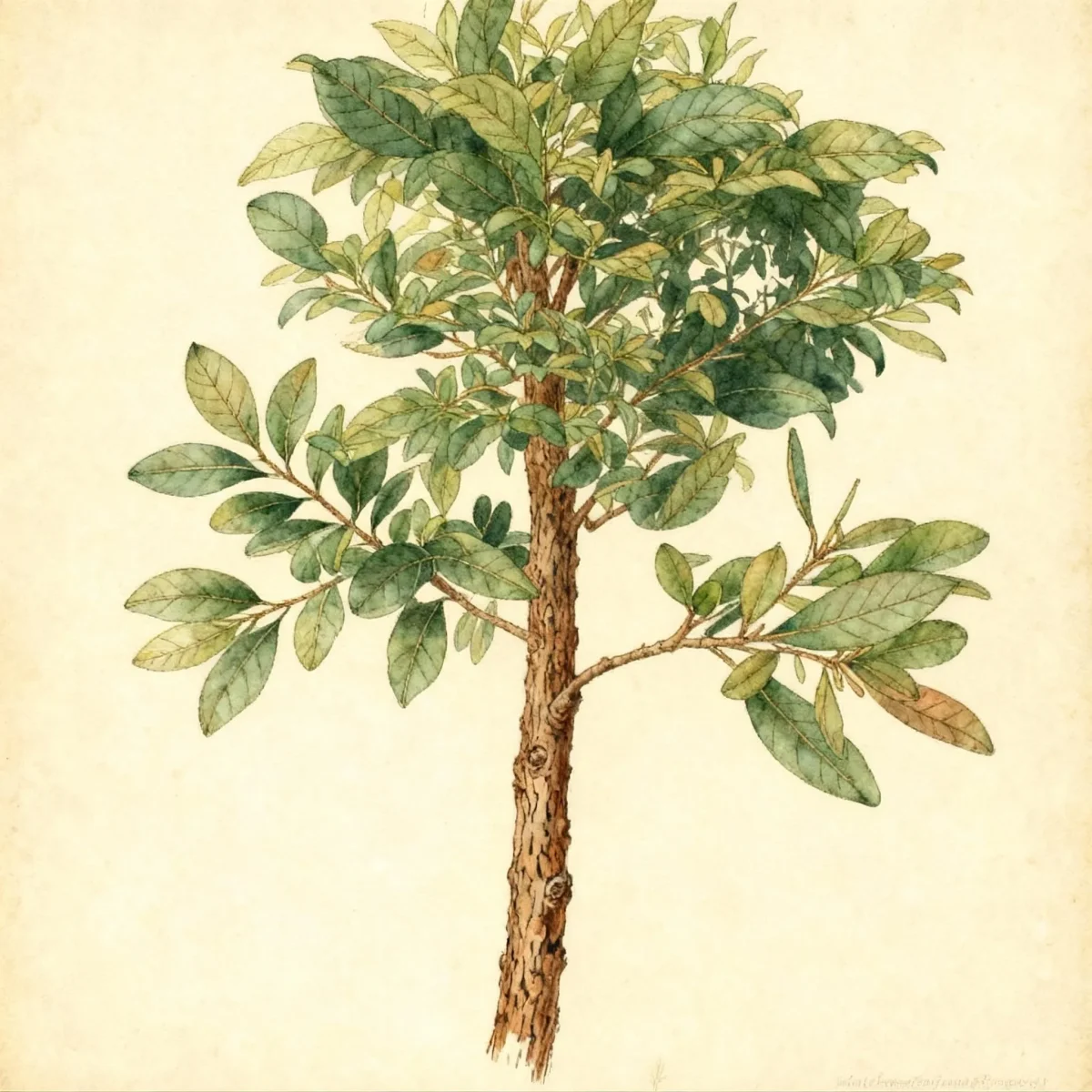
Cleyera japonica, commonly known as Japanese cleyera, is a broadleaf evergreen shrub or small tree that typically grows to 10-15’ tall by 8-10’ wide in cultivation, but may reach 30’ tall in the wild in its native habitat. Simple, leathery-textured, ovate, camellia-like, evergreen leaves (to 3-4” long) are lustrous dark green above and dull pale green below, with new growth emerging bronzed. Fragrant, bell-shaped, creamy white flowers bloom from the leaf axils in late spring, often followed by shiny black fruit. The tree is known in Japan as Sakaki where it is considered sacred in the Shinto religion, with branches used in ritual.
Tolerances
- Tolerates close to full shade
- Established shrubs tolerate some drought
Potential Problems
Cleyera japonica is generally regarded as having few serious problems. Gardeners should monitor for occasional fungal issues like leaf spot, particularly in areas with high humidity or poor air circulation.
To prevent leaf spot, ensure proper spacing between plantings to promote air movement. If treated early with appropriate fungicides, infections are usually controllable. Pests are rarely a significant concern for this durable plant.
Frequently Asked Questions
What hardiness zones is Sakaki suitable for?
Cleyera japonica is hardy and thrives in USDA Zones 6 through 9, offering reliable evergreen performance across these ranges.
How large does Cleyera japonica grow?
In cultivated settings, the typical mature size for this shrub is between 10 to 15 feet tall with a spread of 8 to 10 feet wide.
When does Sakaki bloom?
The fragrant, creamy white flowers of the Cleyera japonica appear during its blooming time, which is from May to June, followed by black fruit.
What sun exposure does Cleyera japonica need?
This versatile plant performs well in conditions ranging from full sun to part shade, though it appreciates afternoon relief from intense heat in the hottest summer conditions.
Conclusion
The Cleyera japonica, or Sakaki, provides superb evergreen screening and year-round texture with minimal effort required from the gardener. Its appealing foliage, combined with fragrant late-spring blossoms, cements its role as a premium landscape shrub. Before planting, ensure your site conditions align with its needs for well-drained earth and suitable protection from extreme winds.
Design Ideas
When planning a foundation planting using the Cleyera japonica, consider its mature height of 15 feet. Place it toward the back of the border, allowing lower-growing, acid-loving shrubs like azaleas or camellias to soften the edges. The dense canopy of the Sakaki makes it an excellent backdrop against which brighter colored perennials truly stand out.
For creating a formal, tall screen along a property line, planting Cleyera japonica 6 to 8 feet apart on center allows sufficient room for the 10-foot spread to mature into a solid barrier. Maintain a consistent drip line watering schedule until the hedge is fully established, ensuring uniform growth across the entire length of the screen.
Companion Planting
Given that Cleyera japonica prefers humusy, well-drained soil, pair it with other acid-loving woodland edge plants for companion planting success. Plants like Rhododendrons, Kalmia (Mountain Laurel), and Vaccinium (Blueberries) share similar preferences regarding soil acidity and moisture retention.
These companions benefit from the dappled shade that a taller Cleyera japonica can help provide during the intense heat of the afternoon. This grouping mimics a successful temperate woodland understory, resulting in a layered, textured, and robust planting scheme.