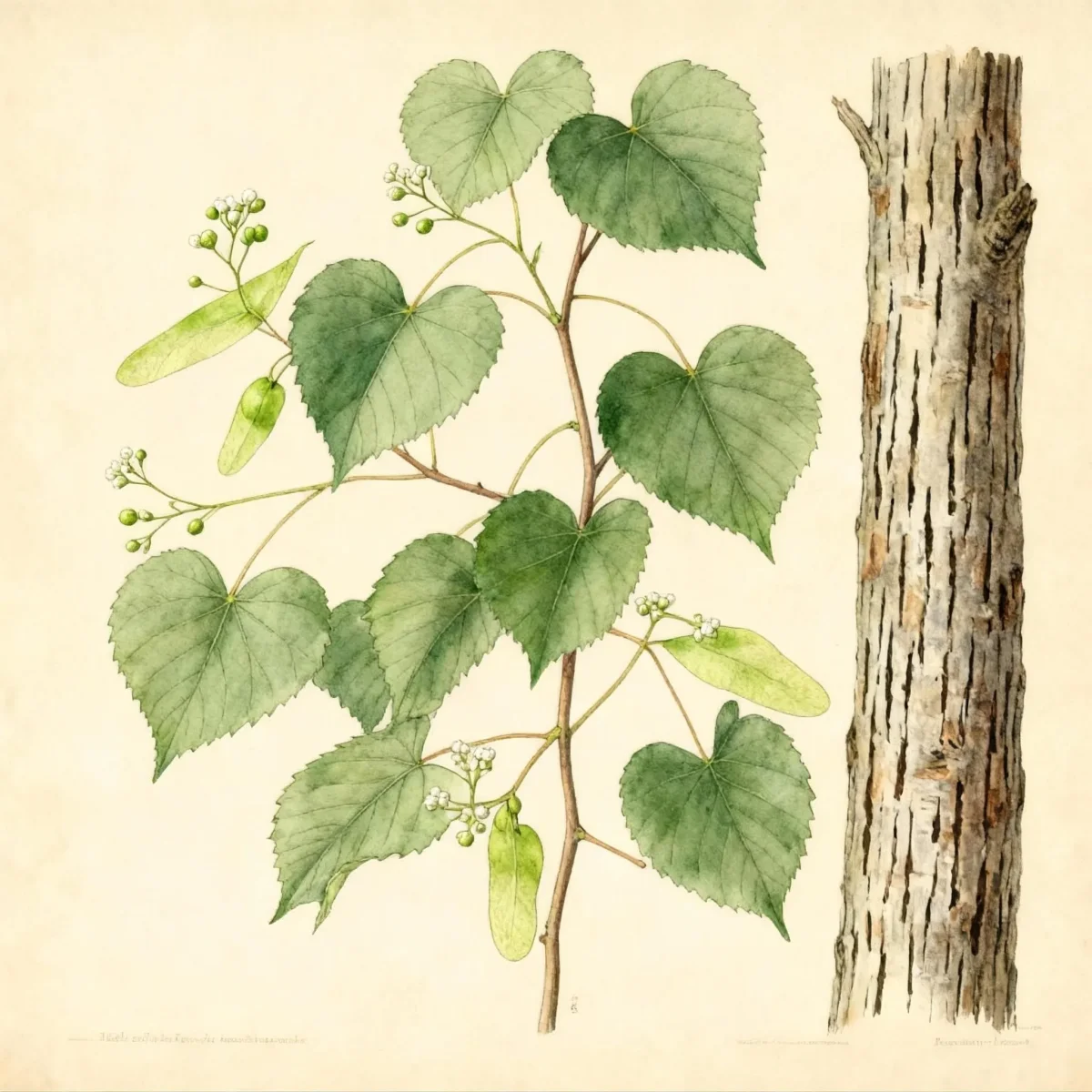
Silver linden (Tilia tomentosa)
Tilia tomentosa, the Silver linden, is a stunning shade tree known for its silvery leaf undersides and fragrant June blooms.
Scroll down to discover growing tips, care requirements, companion plants, and more
Complete Plant Information
Overview
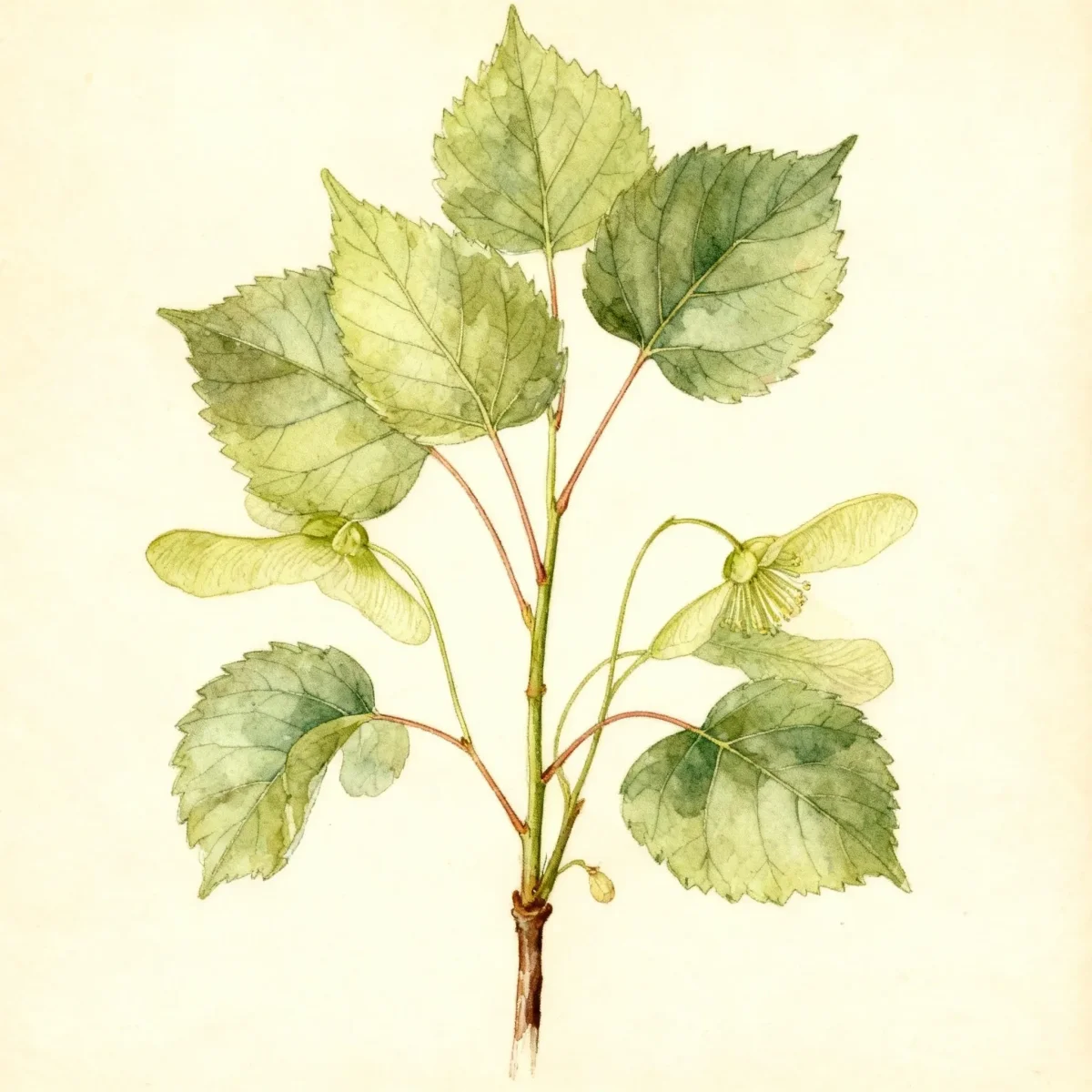
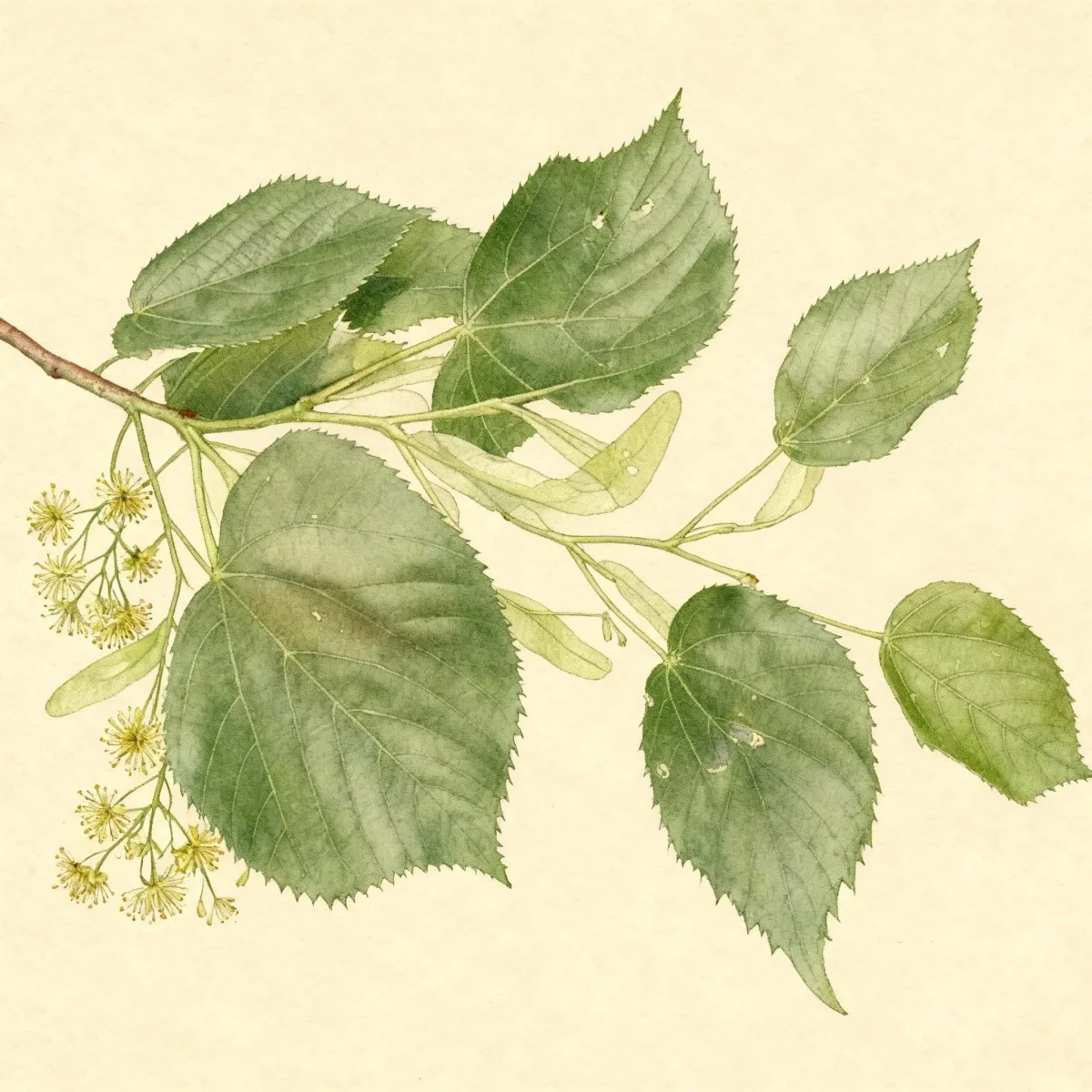
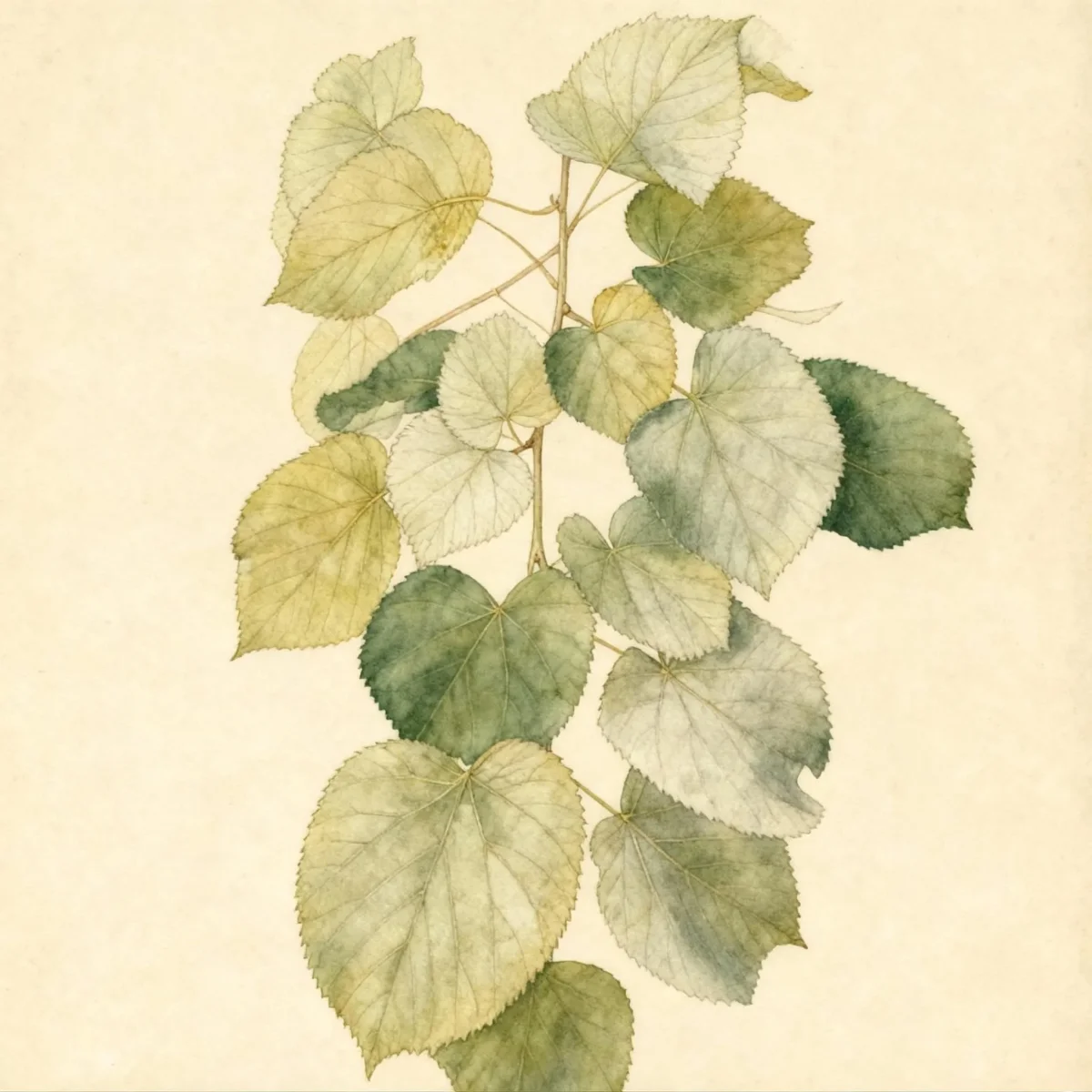
The Silver linden (Tilia tomentosa) stands out in the landscape due to its uniquely handsome foliage. This deciduous tree provides excellent shade, featuring leaves that are rich green on top but distinctly silvery-white beneath. This contrast offers remarkable movement and light play, especially when a light breeze causes the leaves of the Silver linden to flutter.
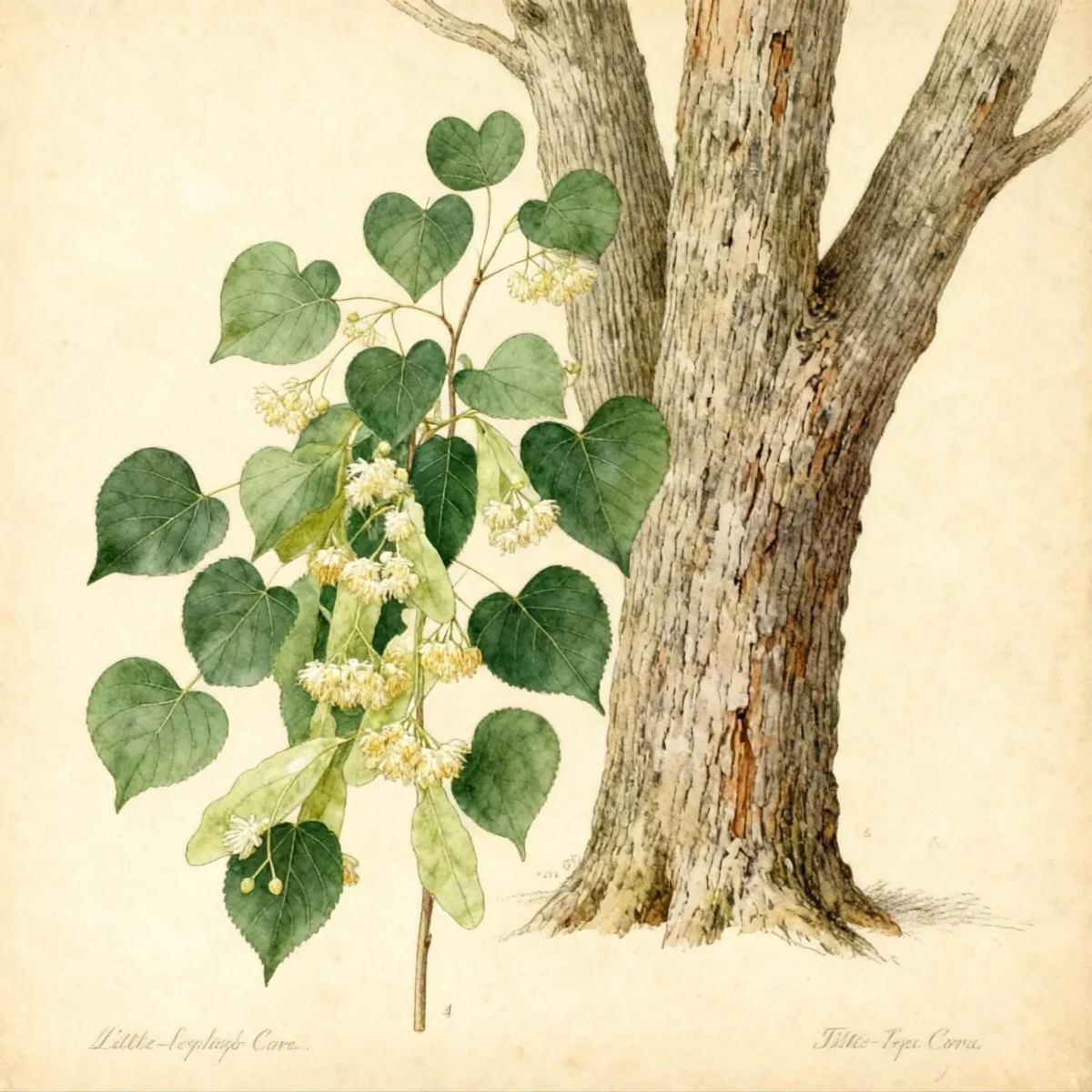
As a majestic specimen tree, Tilia tomentosa matures into a broad-columnar form, making it extremely useful in larger landscapes or along avenues. Its late spring to early summer flowers are pale yellow and intensely fragrant, drawing abundant pollinators to the garden. Gardeners appreciate this species for its hardiness and relatively low demands once established.
Native to Southeast Europe, this resilient species is an excellent choice for challenging urban environments. The combination of impressive stature, seasonal fragrance, and tolerance for poorer soils solidifies the Tilia tomentosa as a superb selection for long-term landscape structure and reliable seasonal interest.
Fast Facts
- Plant Family: Malvaceae
- Plant Type: Tree
- Native Range: Southeast Europe to Asia Minor
- Hardiness Zones: USDA Zones 4-7
- Size at Maturity:
- Height: 50-70 ft
- Spread: 30-50 ft
- Bloom Time: June to July
- Bloom Description: Pale yellow
- Sun Exposure: Full sun to part shade
- Water Needs: Dry to medium
- Maintenance Level: Low
How to Grow
Planting the Silver linden is best done in the spring or fall when temperatures are mild, allowing root establishment before summer heat or winter freezes. While it adapts well to various soil types, it thrives in average, well-drained loams, whether moist or dry. Ensure the planting site offers full sun exposure or light afternoon shade for best performance.
Maintenance for Tilia tomentosa is fortunately low once established. While it tolerates dry conditions better than many other lindens, supplemental watering during prolonged dry spells benefits younger trees. Fertilization is rarely necessary unless the tree shows signs of deficiency in poor, nutritionally depleted soils. Pruning should be minimal, focusing mainly on removing dead, damaged, or crossing branches when the tree is dormant.
A key benefit of the Tilia tomentosa is its exceptional tolerance for urban stress factors. Its adaptation to dry soil conditions, often linked to compacted urban sites, means it requires less intensive care than fussiest ornamental specimens. Conversely, while it prefers well-drained loams, avoid sites with persistent standing water, as this denies the root system the necessary aeration.
Landscape Uses
The robust structure and ornamental foliage of the Silver linden make it an outstanding choice for functional planting. Its substantial size ensures it creates a magnificent cooling canopy when used as a primary shade tree in expansive yards or parks. It is highly recommended as a street tree due to its proven tolerance for compacted soils and urban pollution, offering long-lived beauty along walkways and boulevards.
For formal designs, its upright, broad-columnar habit helps maintain clean sight lines while providing substantial mass. As a specimen on a large lawn, the contrast between the silvery undersides of the leaves and the dark green tops draws the eye, anchoring the landscape composition. It pairs well with understory plantings that appreciate partial shade or tolerate drier conditions once the tree matures.
Standout Features
Flower Qualities
- Showy
- Fragrant
Fruit Qualities
- Showy
Noteworthy Characteristics
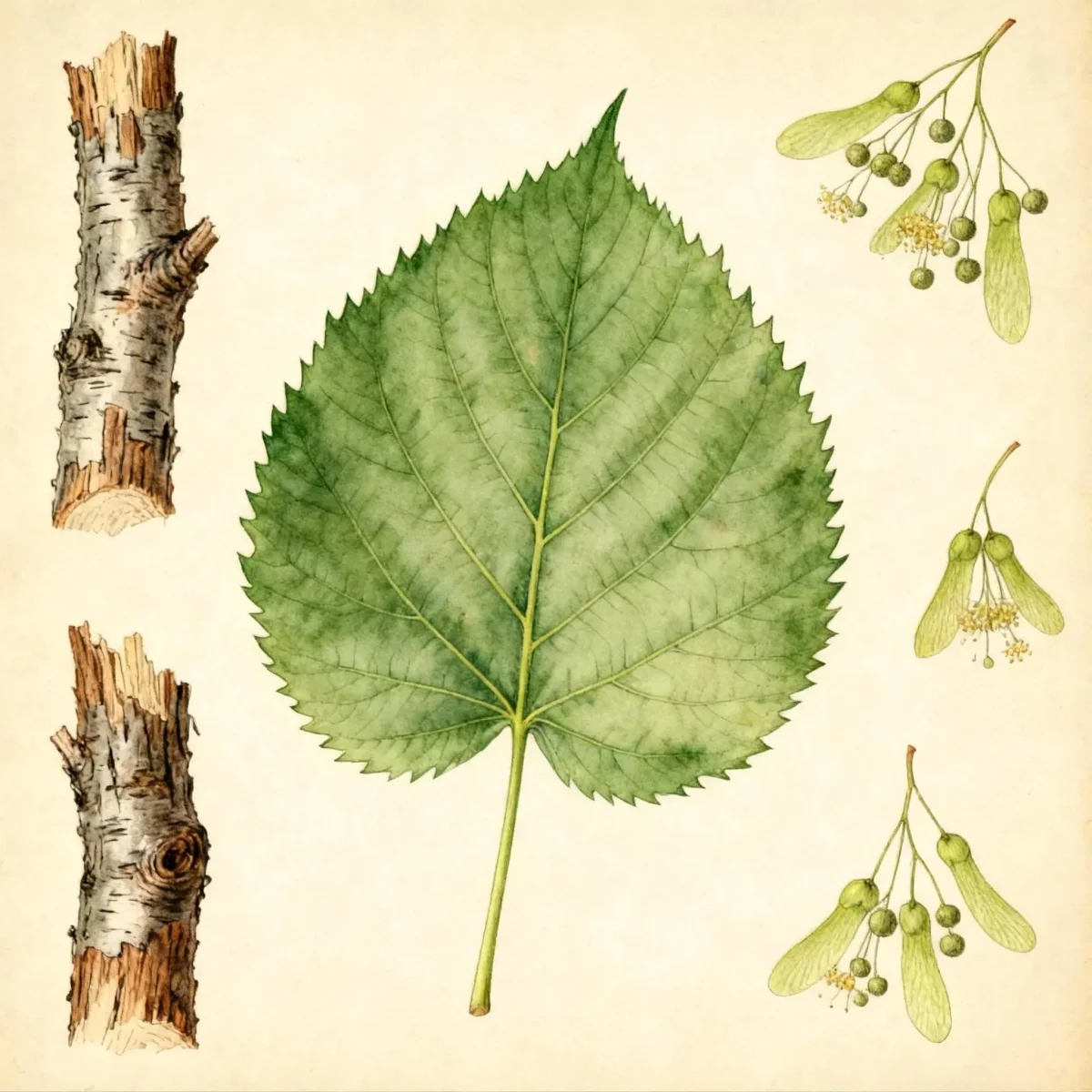
Tilia tomentosa, commonly called silver linden or European white linden, is native to Europe and Asia. It is noted for its attractive foliage, which is glossy green above and silvery-white below. The foliage flutters in the slightest breeze, showcasing the silver and green leaf colors. The fragrant pale yellow flowers that bloom in June and July are highly attractive to pollinators.
Tolerances
- Drought
Potential Problems
Overall, Tilia tomentosa exhibits very few serious insect or disease issues, contributing to its low maintenance status. However, gardeners should remain vigilant for signs of Verticillium wilt, a soil-borne fungus that can occasionally prove fatal to lindens. Less severe issues like powdery mildew, leaf spots, and cankers may appear, especially in humid or stressed conditions.
Insect pests occasionally trouble the Silver linden. Watch for borers, scale insects, Japanese beetles, and aphids. Mitigating these requires good cultural practice; ensuring the tree receives adequate water during peak summer stress can significantly reduce mite infestations, which thrive when the tree is dehydrated. Minor sanitation pruning can remove infected twigs easily.
Frequently Asked Questions
What hardiness zones is Silver linden suitable for?
The Silver linden is best suited for USDA Hardiness Zones 4 through 7, offering excellent cold tolerance in northern regions.
How large does Tilia tomentosa grow?
This tree typically reaches a mature height between 50 and 70 feet, with a substantial spread ranging from 30 to 50 feet wide.
What sun exposure does Silver linden need?
Tilia tomentosa performs optimally with full sun exposure but tolerates partial shade very well, making it versatile for various landscape placements.
When does Tilia tomentosa bloom?
The Tilia tomentosa produces its fragrant, pale yellow flowers during the peak summer months of June and July.
Conclusion
The Tilia tomentosa, or Silver linden, offers a magnificent blend of aesthetic appeal, robustness, and low-maintenance cultivation. Its distinguishing silvery foliage and intense floral fragrance make it a standout, particularly in urban settings where other trees might struggle. Before planting, confirm that your climate falls within USDA Zones 4-7 and ensure the site provides the full sun or light shade it prefers.
Wildlife Benefits
The late spring fragrance of the Silver linden flowers is unparalleled for attracting pollinators. When the tree is in full bloom, the sheer abundance of attracted bees often creates a distinct humming sound audible from several feet away, confirming its status as a vital nectar source. This heavy pollinator activity contributes significantly to local ecosystem health early in the season.
The small nutlets produced after flowering provide a modest food source. Although not as favored as acorns or crabapples, these persistent fruits can offer sustenance for foraging birds and small mammals later in the summer or fall. Planting this tree contributes directly to local biodiversity, especially in areas dominated by less nectar-rich ornamental species.