American elm (Ulmus americana)
The magnificent American elm (Ulmus americana) offers grand V-shaped architecture, once defining eastern North American streets. Hardy in zones 2-9.
Scroll down to discover growing tips, care requirements, companion plants, and more
Complete Plant Information
Overview
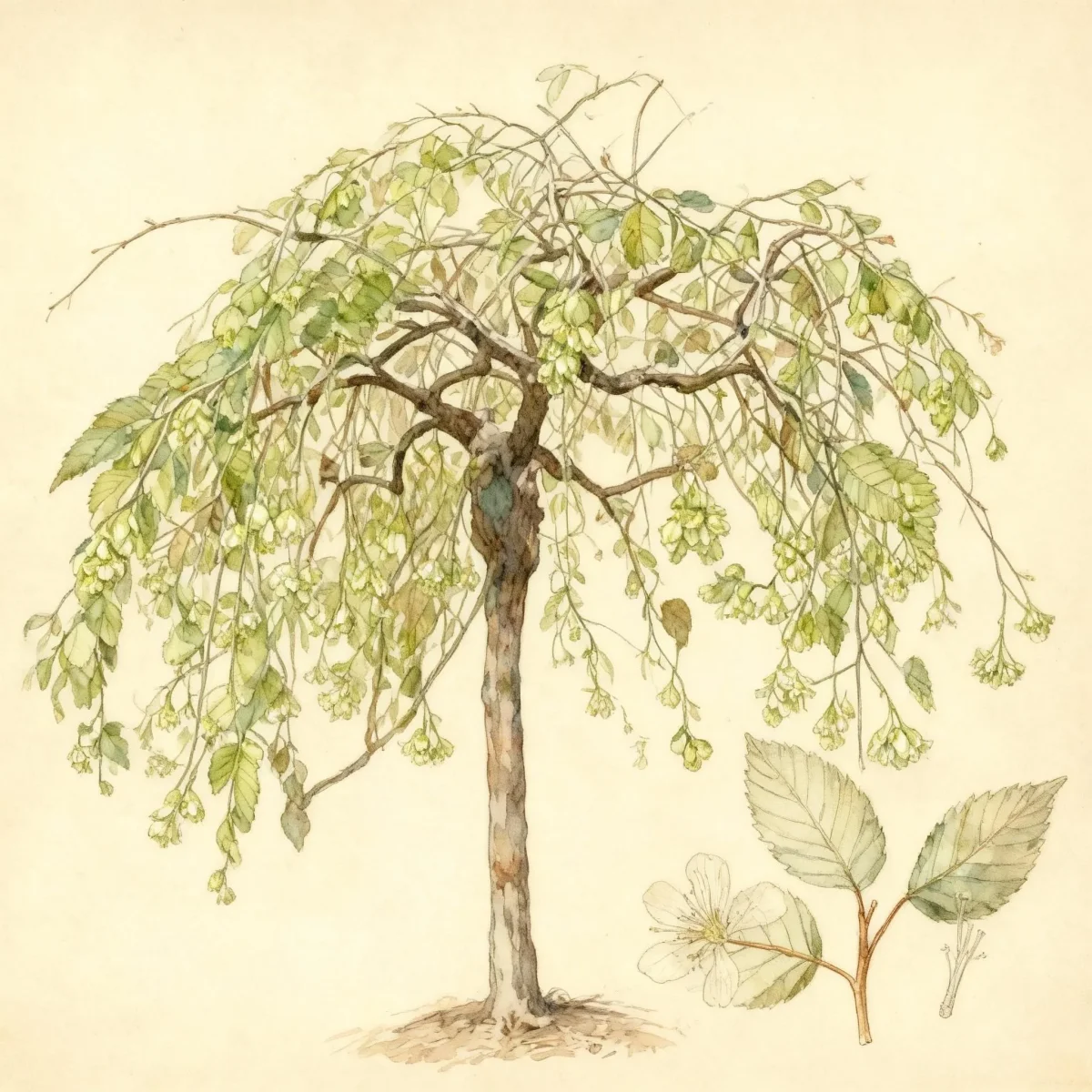
The American elm, scientifically known as Ulmus americana, is revered for its majestic, vase-shaped canopy, historically dominating the eastern North American landscape. This massive, deciduous tree develops an iconic symmetrical structure, making it an unparalleled specimen for large open spaces requiring significant shade. While once the quintessential street tree, modern gardeners must approach planting selections carefully due to serious disease pressures.
This tree thrives in full sun and prefers average to moist, well-drained soils, where it can reach impressive heights between 60 and 80 feet. Its adaptability shines through, as it tolerates urban stresses, including drought periods and air pollution, making the native Ulmus americana a symbol of resilience where conditions permit.
Despite its current challenges, the sheer scope and beauty of a mature, healthy American elm remain unmatched. It provides substantial canopy coverage and offers a vital ecological role when sited successfully in resistant varieties or appropriate settings.
Fast Facts
- Plant Family: Ulmaceae
- Plant Type: Tree
- Native Range: Eastern North America
- Hardiness Zones: USDA Zones 2-9
- Size at Maturity:
- Height: 60-80 ft
- Spread: 40-70 ft
- Bloom Time: March to April
- Bloom Description: Reddish-green
- Sun Exposure: Full sun
- Water Needs: Medium
- Maintenance Level: Medium
How to Grow
The best time to plant the American elm is typically in spring or early fall, allowing the roots to establish before extreme summer heat or winter cold. Select a site that offers full sun exposure, although this species tolerates light shade. It performs best in rich, moist, well-drained loams but is notably adaptable, handling both wet and dry conditions once established.
During the growing season, maintain medium water needs; consistent moisture is crucial, especially when the tree is young, but ensure the soil never remains soggy. Fertilization is rarely necessary if planted in rich native soils. Pruning should focus on removing dead, damaged, or diseased wood regularly to maintain structure and monitor for potential issues.
Remember that the Ulmus americana generally handles urban conditions well, a key advantage historically. Avoid planting in close proximity to foundations due to its extensive mature size. Monitor foliage closely in the summer months for early signs of wilting, which might indicate disease rather than simple drought stress.
Landscape Uses
Historically, the American elm was the undisputed champion of the American streetscape, prized for its towering height and graceful, arching branches that created beautiful, continuous canopies over roadways. It remains an excellent candidate for large lawns and open parks where its broad, spreading form can be fully appreciated as a magnificent shade tree. While modern screening often utilizes disease-resistant clones, the general suggested uses include large-scale shade provision and use within rain gardens due to its tolerance for variable moisture levels.
When considering companions, focus on plants that tolerate the deep shade cast by a mature Ulmus americana canopy or those that possess robust root systems that can compete effectively in the moist soils it often prefers. For street planting today, gardeners should specifically seek out cultivars like ‘Valley Forge’ or ‘Princeton’, which offer the classic form while providing necessary prophylactic protection against the most devastating threats.
Standout Features
Flower Qualities
- Insignificant
Noteworthy Characteristics
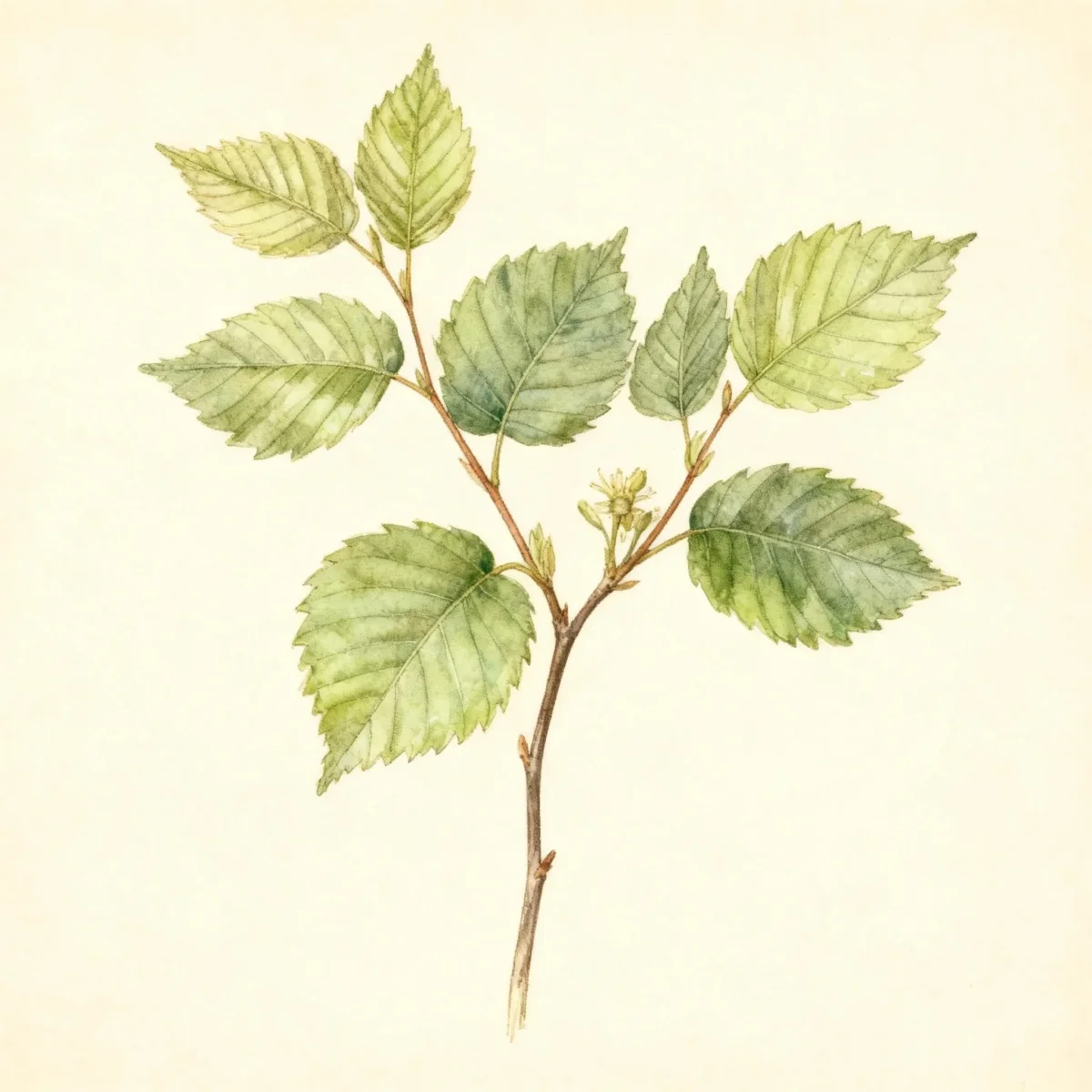
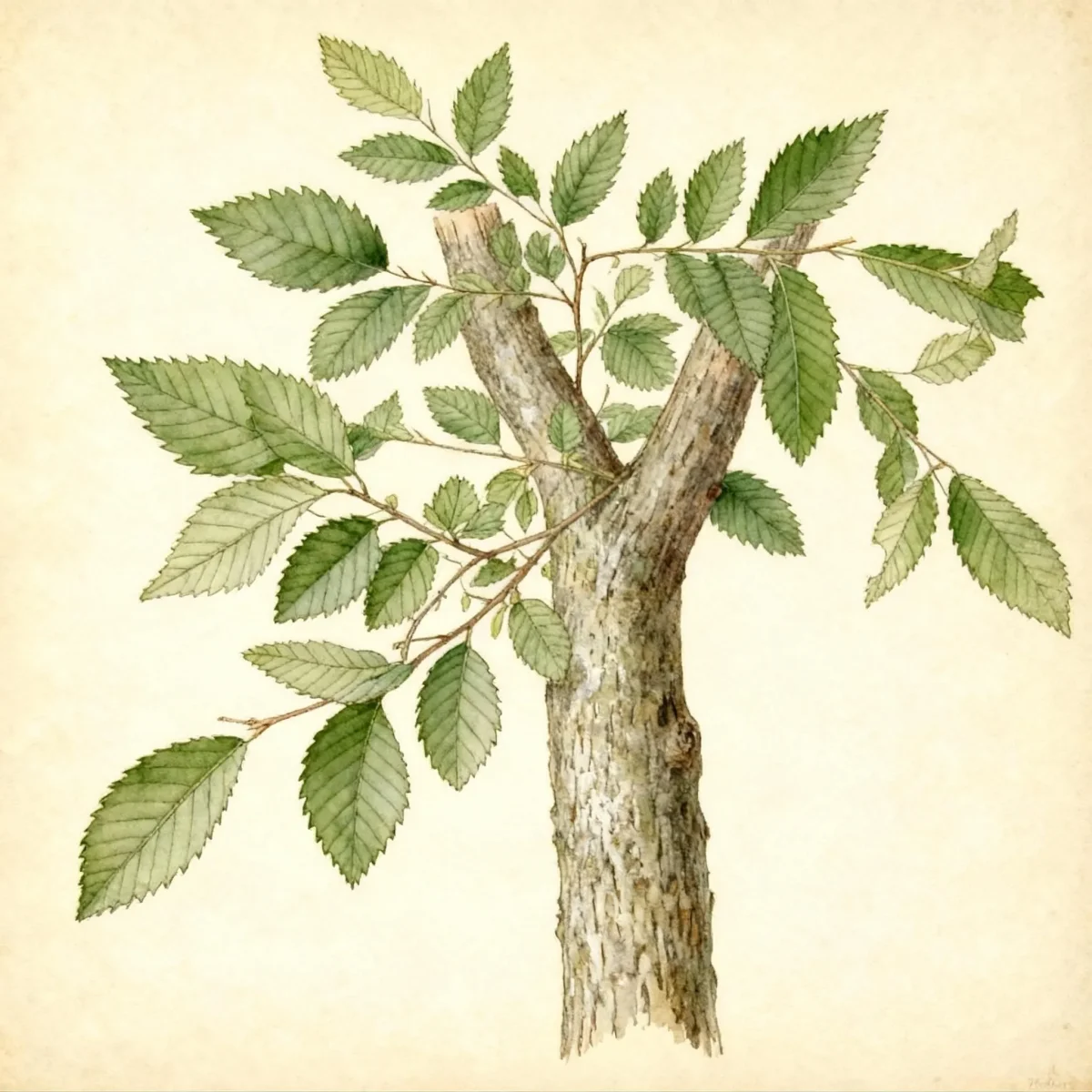
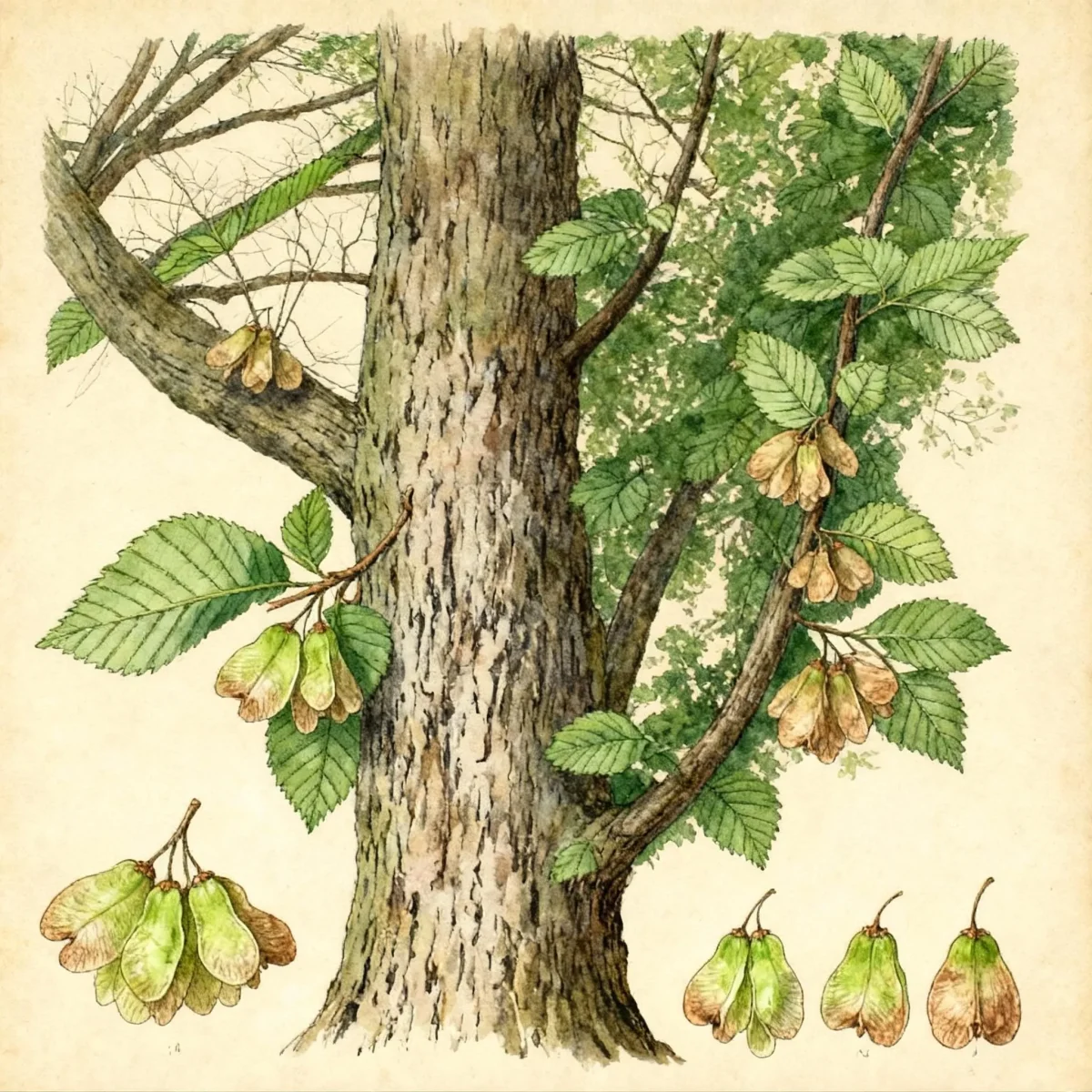
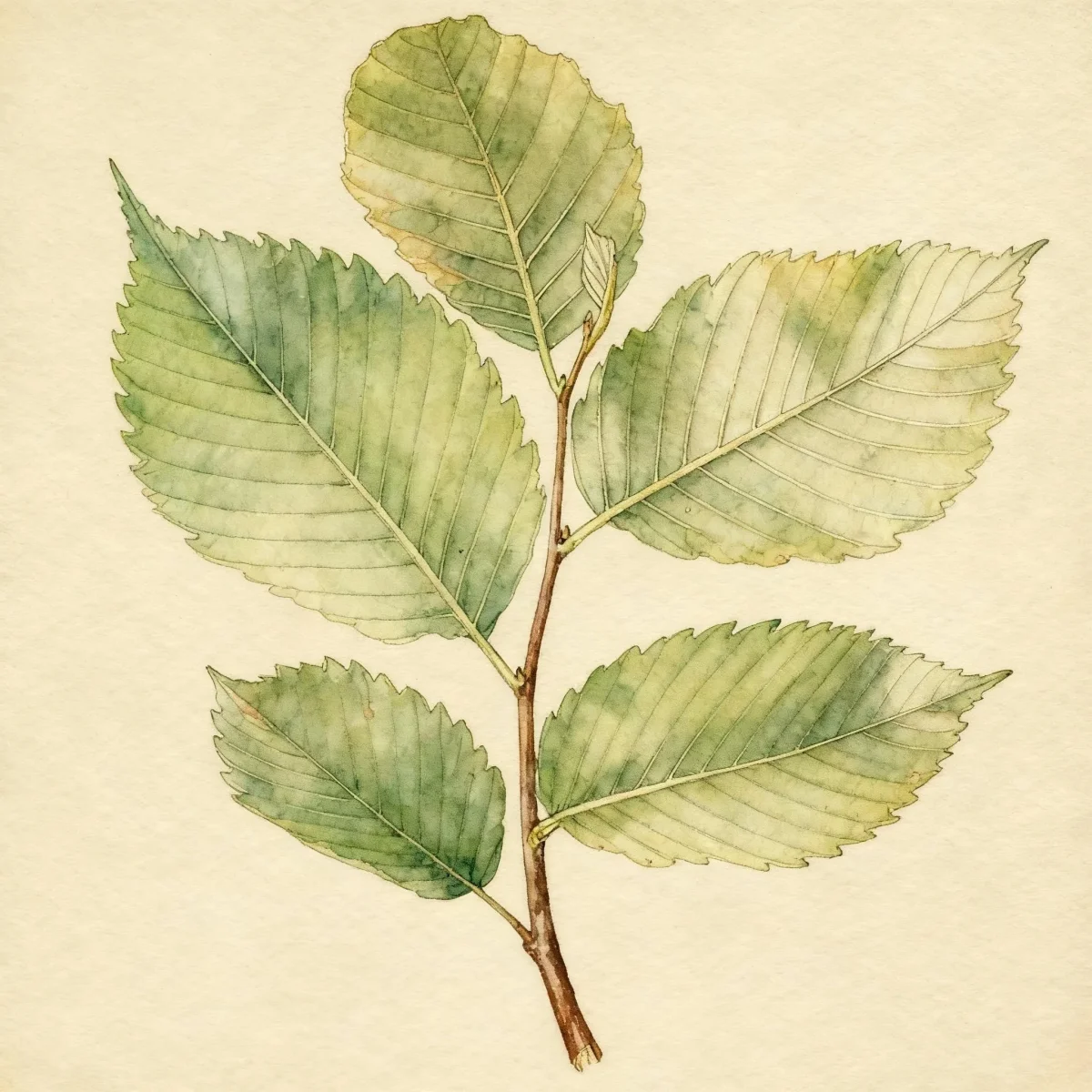
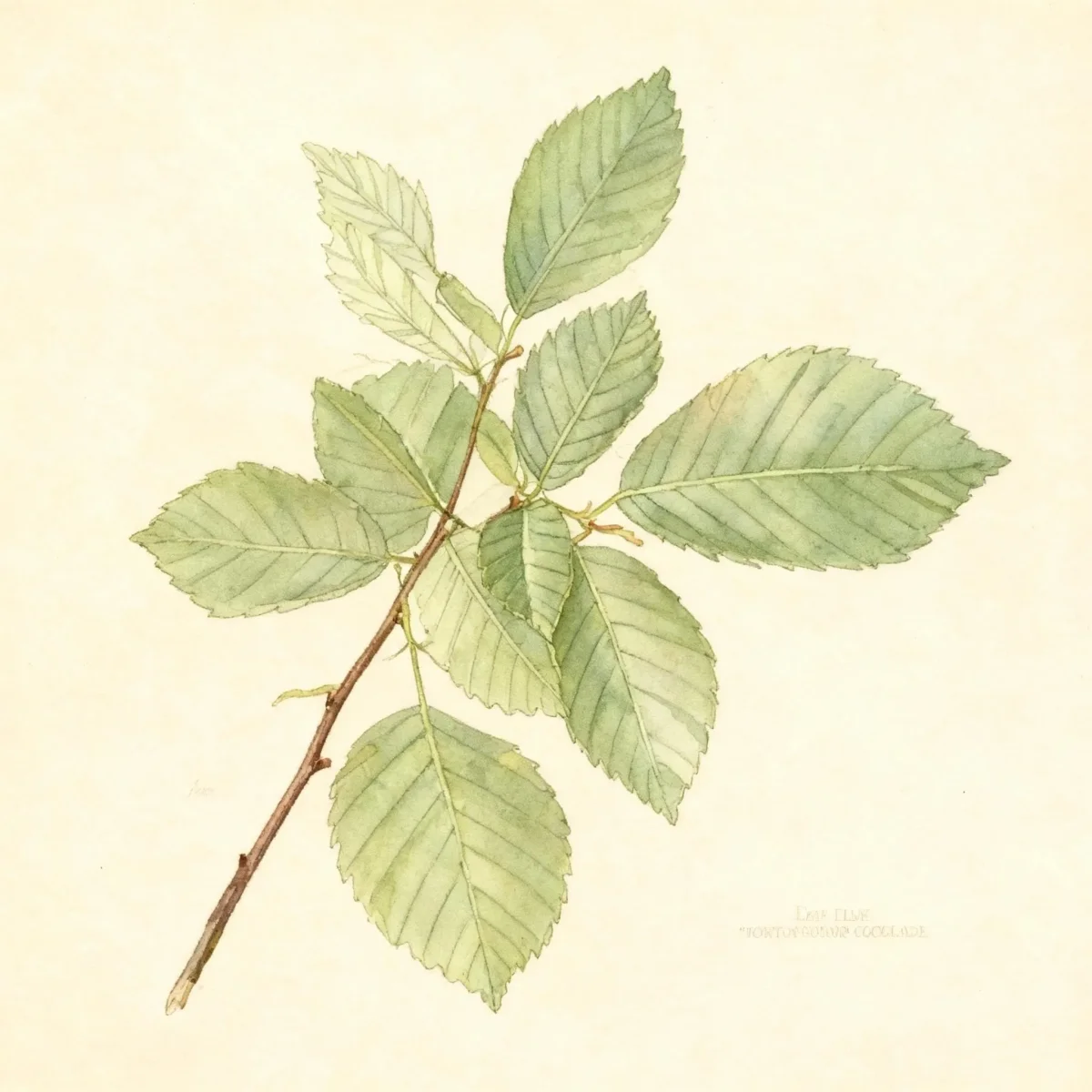
Ulmus americana, commonly called American elm, is a medium to large deciduous tree, typically growing to 60-80’ (less frequently to 130’) tall with a vase-shaped, broad-rounded crown. It is native to eastern and central North America. Seeds mature in April-May as the leaves reach full size, appearing as wafer-like samaras. The leaves are rough-textured, ovate-elliptic, dark green, and possess distinctively asymmetrical bases.
Tolerances
- Drought
- Black Walnut
- Air Pollution
Potential Problems
The primary and most devastating threat to the American elm populations is Dutch elm disease (DED). This is a fatal fungal infection spread by airborne bark beetles, which clogs the water-conducting tissues, leading rapidly to wilting, defoliation, and death. Phloem necrosis is another severe issue caused by a phytoplasma affecting food transport, resulting in bark loosening and subsequent death.
In addition to these major diseases, growers must watch for bacterial infections like Wetwood, which can cause wilting and dieback, and various fungal leaf spots or cankers. Insect pests are common, including borers, leaf miners, and scale insects. Due to the ongoing threat of DED, landscape selection should prioritize actively managed, Dutch elm disease resistant cultivars only.
Frequently Asked Questions
What hardiness zones is American elm suitable for?
The American elm (Ulmus americana) is suitable for USDA Hardiness Zones 2 through 9.
How large does American elm grow?
At maturity, this tree typically reaches heights between 60 and 80 feet, with a spread ranging from 40 to 70 feet.
What sun exposure does Ulmus americana need?
Ulmus americana requires full sun for optimal development but can tolerate light shade.
When does American elm bloom?
Flowering occurs relatively early, from March to April, producing inconspicuous reddish-green flowers before the leaves fully emerge.
Conclusion
The American elm remains a monumental tree in the horticultural world, valued for its massive, classic, vase-shaped silhouette that defines grand landscapes. While its historical reign was tragically cut short by disease, ongoing breeding efforts mean that resilient forms of Ulmus americana are still available. Gardeners considering this species should confirm they are selecting a disease-resistant variety appropriate for their USDA zone before planning placement.
Companion Planting
When establishing a robust understory or border around your American elm, focus on species that enjoy similar medium moisture and rich soil conditions but do not compete aggressively at the root level. Groundcovers or smaller shrubs that thrive in part shade are excellent choices, as the mature canopy of Ulmus americana will eventually cast significant shadow. Woodland phlox or hostas, which prefer dappled light and consistent moisture, often pair well beneath the drip line of a large shade tree.
Consider plants that enhance the spring aesthetic without overwhelming the subtle bloom of the elm itself. Spring ephemerals that complete their cycle before the shade deepens, such as certain types of trilliums or bloodroot, can offer early color beneath the developing foliage. Ensure any added planting avoids excessive soil disturbance near the elm’s critical feeder roots.
Wildlife Benefits
Although the primary focus for the Ulmus americana planting today is often structural or aesthetic—providing shade—it still offers benefits to local ecosystems. The small flowers appearing in early spring are wind-pollinated, but the resulting fruits, the thin papery samaras, are highly attractive to various birds seeking early food sources. These fruits mature quickly in late spring, providing a brief but important window of nutrition.
Furthermore, the dense, high canopy of the mature tree provides crucial nesting and roosting sites for numerous bird species native to Eastern North America. Even in its diseased state, the sheer size of older, standing specimens can offer valuable habitat structure until they are safely removed. Planting resistant varieties ensures this habitat continuity can be maintained.