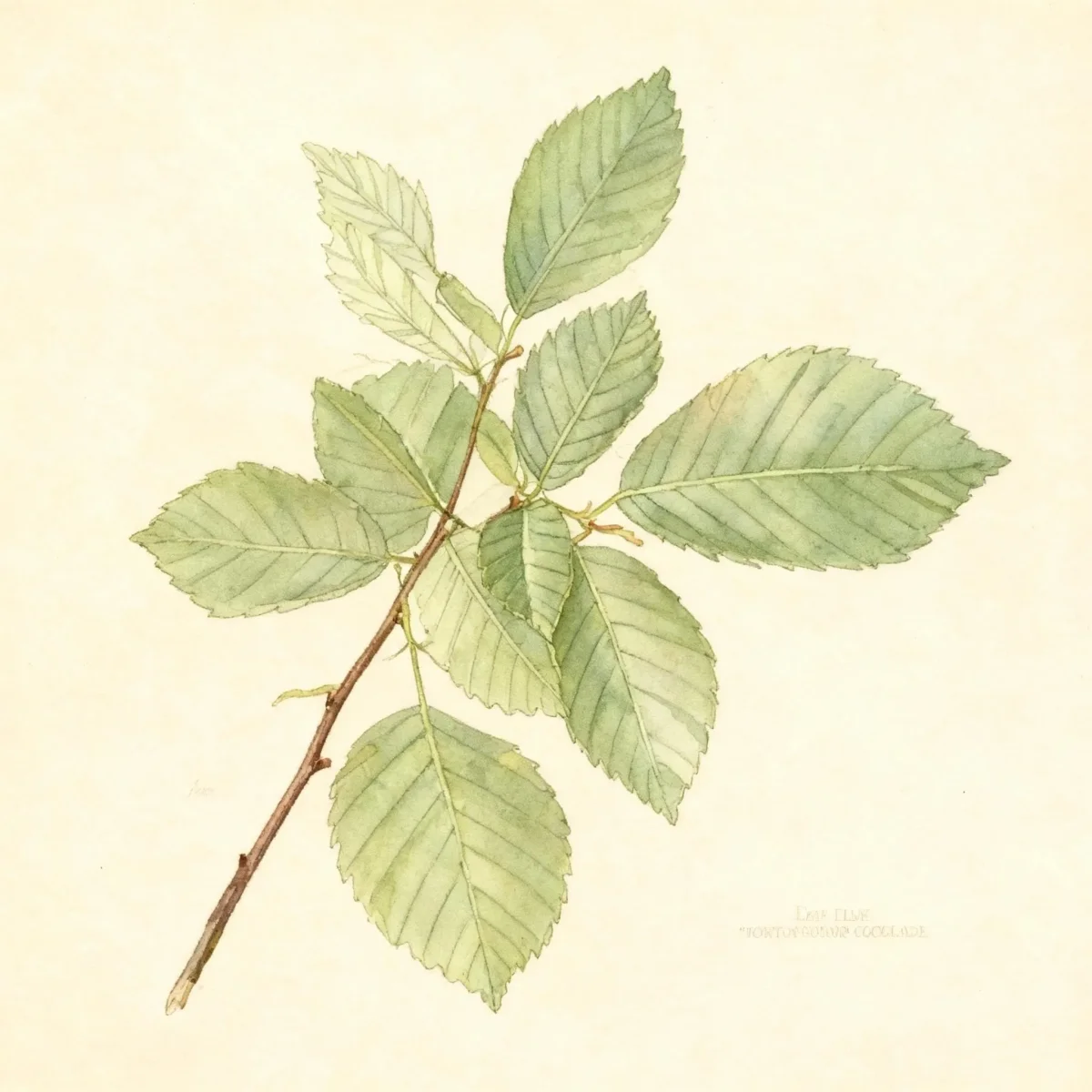
Chinese elm (Ulmus parvifolia)
Discover the durable Chinese elm (Ulmus parvifolia), prized for its mottled bark, rapid growth, and urban tolerance.
Scroll down to discover growing tips, care requirements, companion plants, and more
Complete Plant Information
Overview
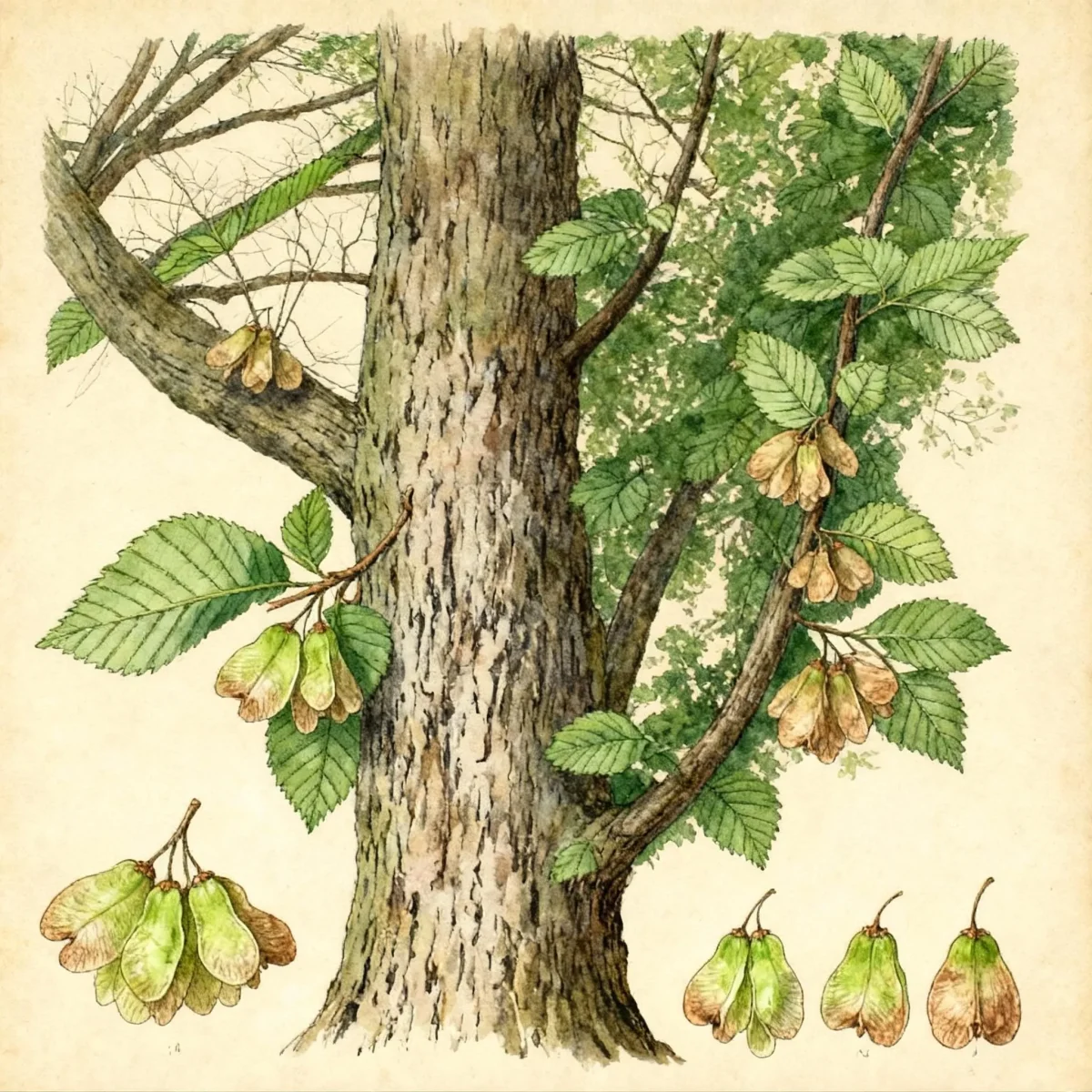
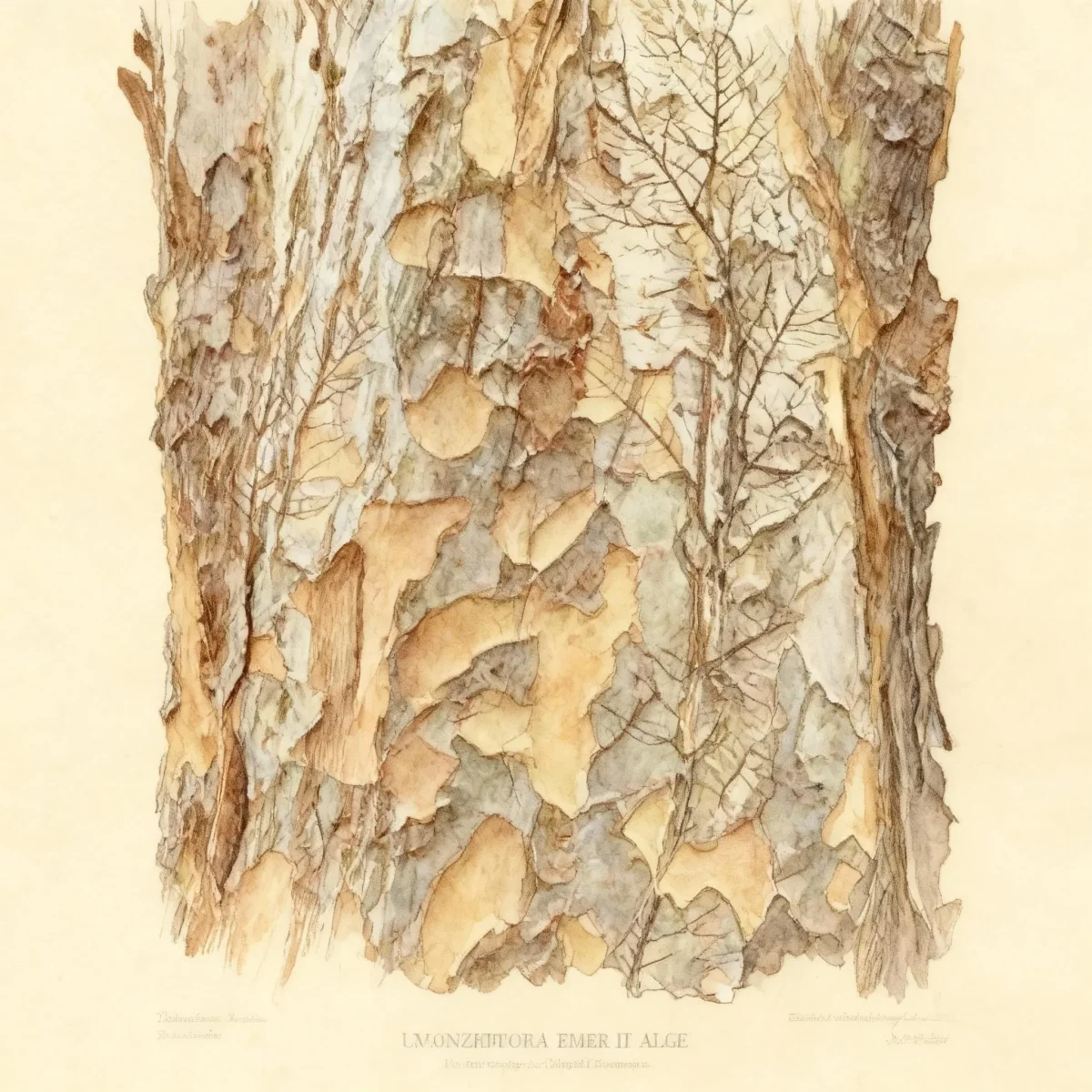
The Chinese elm, Ulmus parvifolia, is a highly valued landscape tree, renowned for its resilience and stunning year-round appeal. Gardeners seeking reliable shade often turn to this species due to its rapid growth rate and exceptional ability to withstand difficult growing conditions. Its common name, Lacebark elm, refers to its most striking feature: the exfoliating, multi-colored bark that reveals patches of gray, cream, orange, brown, and green as the tree matures.
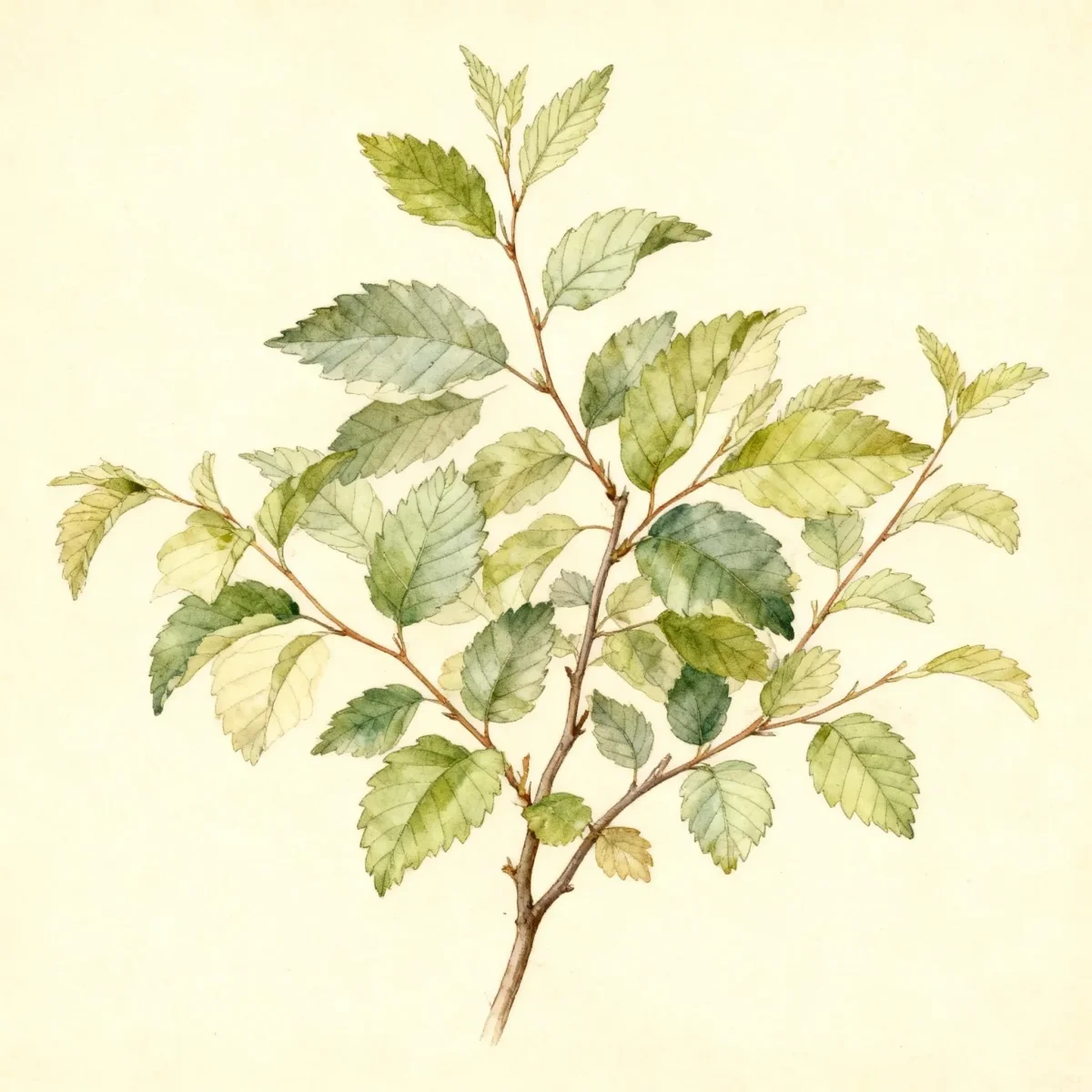
This medium-sized deciduous tree native to China, Korea, and Japan offers excellent foliage, providing dense summer shade. While the small blooms are not a primary draw, the structure and bark pattern ensure the Ulmus parvifolia remains an ornamental highlight throughout the year, even after leaf drop. It is an outstanding choice for parks, avenues, and large yards needing dependable, attractive screening.
Furthermore, the Chinese elm brings welcome durability to challenging urban environments. It exhibits superior resistance to common tree scourges like Dutch elm disease, making it a long-lived and low-risk investment for landscape architects. Its adaptability secures its place as one of the most versatile and successful ornamental elm species available today.
Fast Facts
- Plant Family: Ulmaceae
- Plant Type: Tree
- Native Range: China, Korea, Japan
- Hardiness Zones: USDA Zones 4-9
- Size at Maturity:
- Height: 40-50 ft
- Spread: 25-40 ft
- Bloom Time: August to September
- Bloom Description: Reddish-green
- Sun Exposure: Full sun
- Water Needs: Medium
- Maintenance Level: Medium
How to Grow
The ideal time to plant your Ulmus parvifolia is usually in the spring or fall when temperatures are moderate, allowing the root system to establish before seasonal extremes hit. This tree thrives best when planted in average, medium-moisture, well-drained soils within a location that receives full sun exposure, although it tolerates light shade. While it prefers rich, moist loams, the Chinese elm adapts incredibly well to a wide variety of different soil compositions, handling both wet and dry sites once established.
Ongoing care for the Chinese elm is straightforward, reflecting its medium maintenance rating. Maintain consistent medium moisture, especially during the first few years after planting, by watering deeply whenever the top few inches of soil feel dry. Fertilization is generally unnecessary if the soil is adequate, but a slow-release fertilizer applied in early spring can encourage vigor. Pruning should focus primarily on removing dead or crossing branches to maintain good structure and optimize air circulation.
One of the significant benefits of growing Ulmus parvifolia is its tolerance of urban stress; it handles air pollution admirably where many other trees struggle. Be vigilant, however, regarding snow and ice events, as its branches can sometimes break under heavy ice loads. Ensure ample space for mature height (up to 50 ft) and spread (up to 40 ft) to allow the rounded crown to develop fully without obstruction.
Landscape Uses
The primary roles for the Chinese elm in landscape design are functional and aesthetic, making it a superb choice for high-visibility areas. It excels as a dedicated Shade Tree where its branching structure provides a pleasing overhead canopy over patios or walkways. Due to its robustness and adaptability, Ulmus parvifolia is highly recommended as a Street Tree, capable of enduring the compacted soils and pollution common in urban settings.
Use the Ulmus parvifolia as a specimen tree to highlight its spectacular exfoliating bark, positioning it where the trunk can be viewed year-round, such as near an entryway or focal point in a lawn. When planted in a row or allée, the uniform size ensures a classic, formal appearance, perfect for defining property lines or long driveways. While it makes an excellent anchor tree, its fast growth means it can fill in spaces quicker than slower deciduous counterparts.
For companion planting, select shrubs and perennials that prefer well-drained conditions and tolerate some competition, such as various ornamental grasses or hardy groundcovers that won’t compete aggressively for surface water during dry spells. Its adaptability to clay soil also means it pairs well with other robust species native to the Asian regions where the Chinese elm originates.
Flower Qualities
- Insignificant
Noteworthy Characteristics
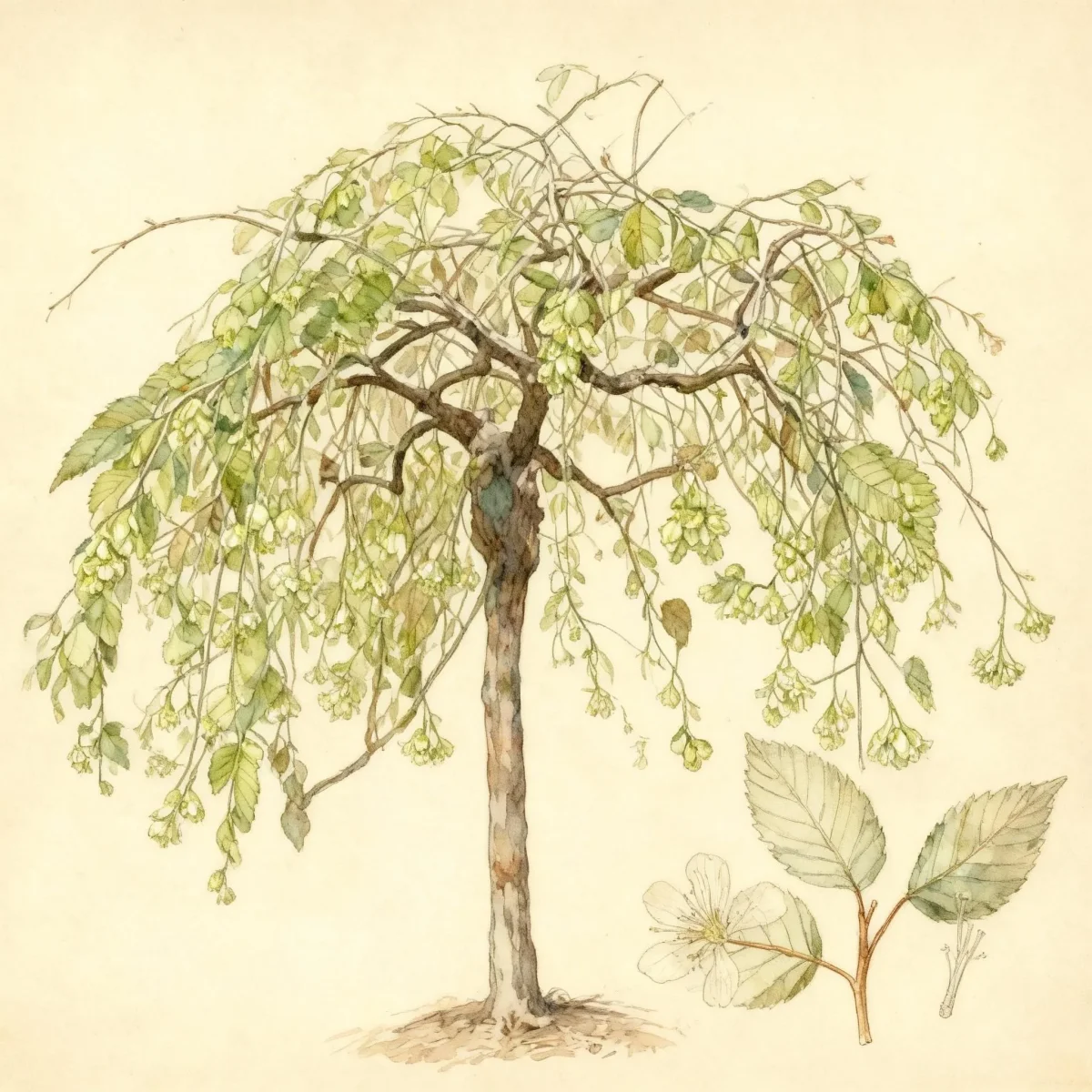
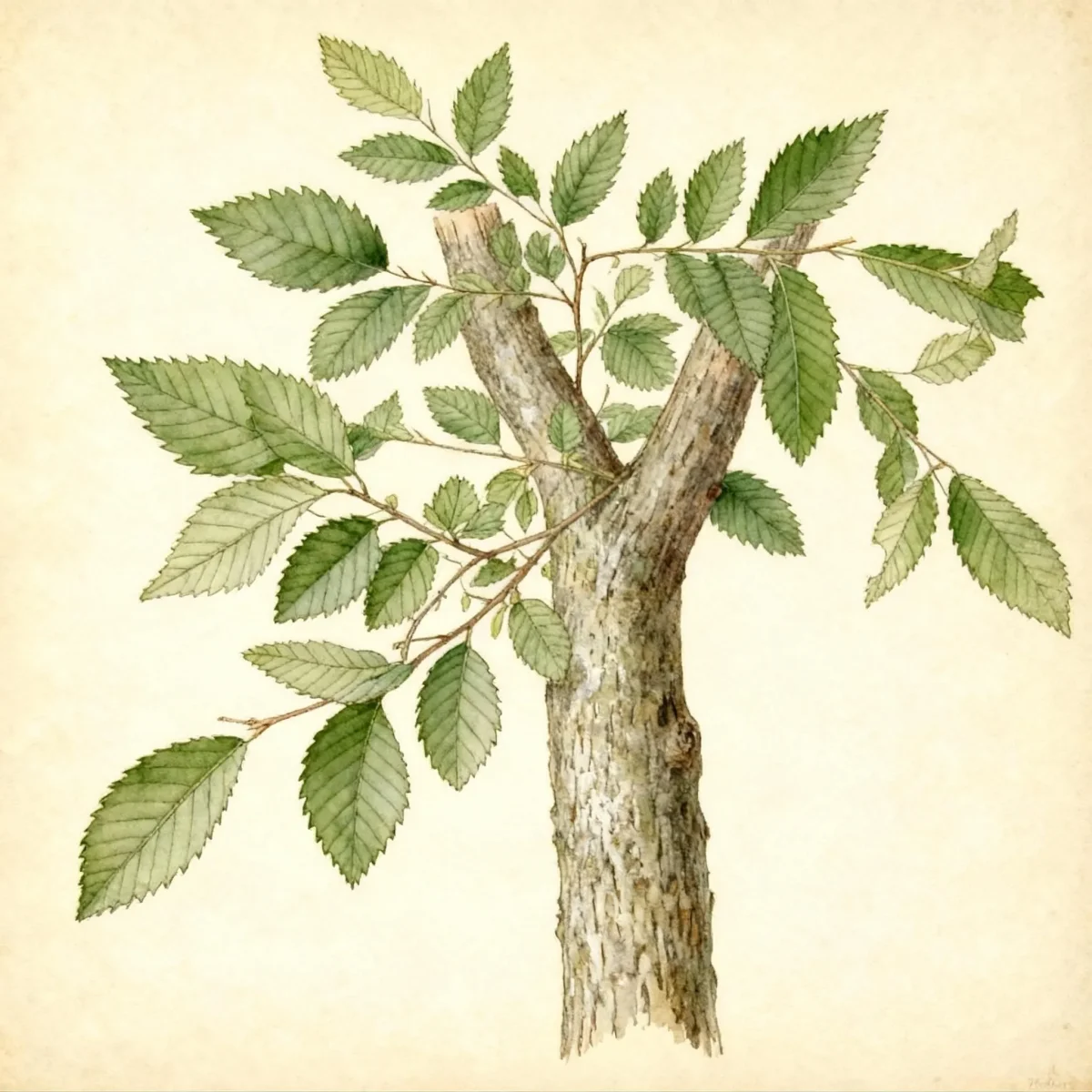
Ulmus parvifolia, commonly called Chinese elm or lacebark elm, is a medium-sized deciduous tree that typically grows to 40-50’ (less frequently to 70’) tall with a rounded crown and long pendulous branching. It is native to China, Korea and Japan, offering excellent foliage and good resistance to Dutch elm disease. One of the most ornamental features of this tree is its mottled bark, which flakes on mature specimens to reveal patches of gray, cream, orange, brown, and green.
Tolerances
- Drought
- Clay Soil
- Air Pollution
Potential Problems
The Chinese elm enjoys a much better disease resistance profile than many of its traditional relatives. It exhibits excellent resistance to Dutch elm disease, a devastating fungal infection spread by bark beetles that wipes out other elm species. It also manages to repel common pests like the Japanese beetle and the elm leaf beetle effectively.
However, no tree is entirely immune to issues. Occasional problems may include various wilts, root rots, or cankers, often exacerbated by overly wet or poor drainage. Gardeners should monitor for these fungal issues, especially in stressed or overly compacted planting sites. Maintaining proper soil drainage is the critical preventative measure against most soil-borne diseases.
A structural concern involves branch integrity; branches of the Ulmus parvifolia can be brittle and may break when heavily weighed down by ice or snow loads. Proper pruning when young to establish strong central leaders and wide branch angles can mitigate this risk significantly. Never confuse this superior tree with the less desirable Siberian elm (Ulmus pumila), which is often incorrectly sold under similar names.
Frequently Asked Questions
What hardiness zones is Chinese elm suitable for?
The durable Chinese elm (Ulmus parvifolia) is suitable for USDA Hardiness Zones 4 through 9.
How large does Chinese elm grow?
This species typically reaches a mature height between 40 and 50 feet, with a spread ranging from 25 to 40 feet, forming a rounded crown.
What sun exposure does Ulmus parvifolia need?
Ulmus parvifolia requires full sun exposure for the best growth and bark development, although it can tolerate periods of light shade.
When does Chinese elm bloom?
The insignificant flowers of the Chinese elm appear relatively late in the season, blooming from August to September, characterized by a reddish-green color.
Design Ideas
When designing a space that requires fast establishment and multi-season interest, look to the ornamental texture provided by the Lacebark elm. Its upright, spreading habit makes it an excellent backdrop for lower-growing perennials, allowing the unique bark to be featured against darker greenery, especially in the winter months. Planting several Ulmus parvifolia in a staggered grouping can create an impressive screen where the contrasting bark colors overlap and enhance each other throughout the year.
Companion Planting
Given that the Chinese elm tolerates clay soil and requires only medium water once established, companion plants should share similar preferences for good drainage yet show resilience. Consider underplanting with hardy, shade-tolerant perennials like Hosta varieties (especially those tolerant of drier conditions) or Astilbe beneath the canopy once the tree matures and begins casting deeper shade. Avoid invasive shallow-rooted groundcovers near the base, which would compete directly with the elm’s developing root system.
Conclusion
Selecting the Ulmus parvifolia guarantees a robust, beautiful addition to any landscape, providing excellent shade complemented by one of the finest exfoliating barks in the nursery trade. The resistance of the Chinese elm to Dutch elm disease makes it a responsible and lasting choice over other elm varieties. Before planting, confirm that your USDA zone falls within the 4 to 9 range and ensure ample space for its mature spread to fully appreciate this superb specimen tree.