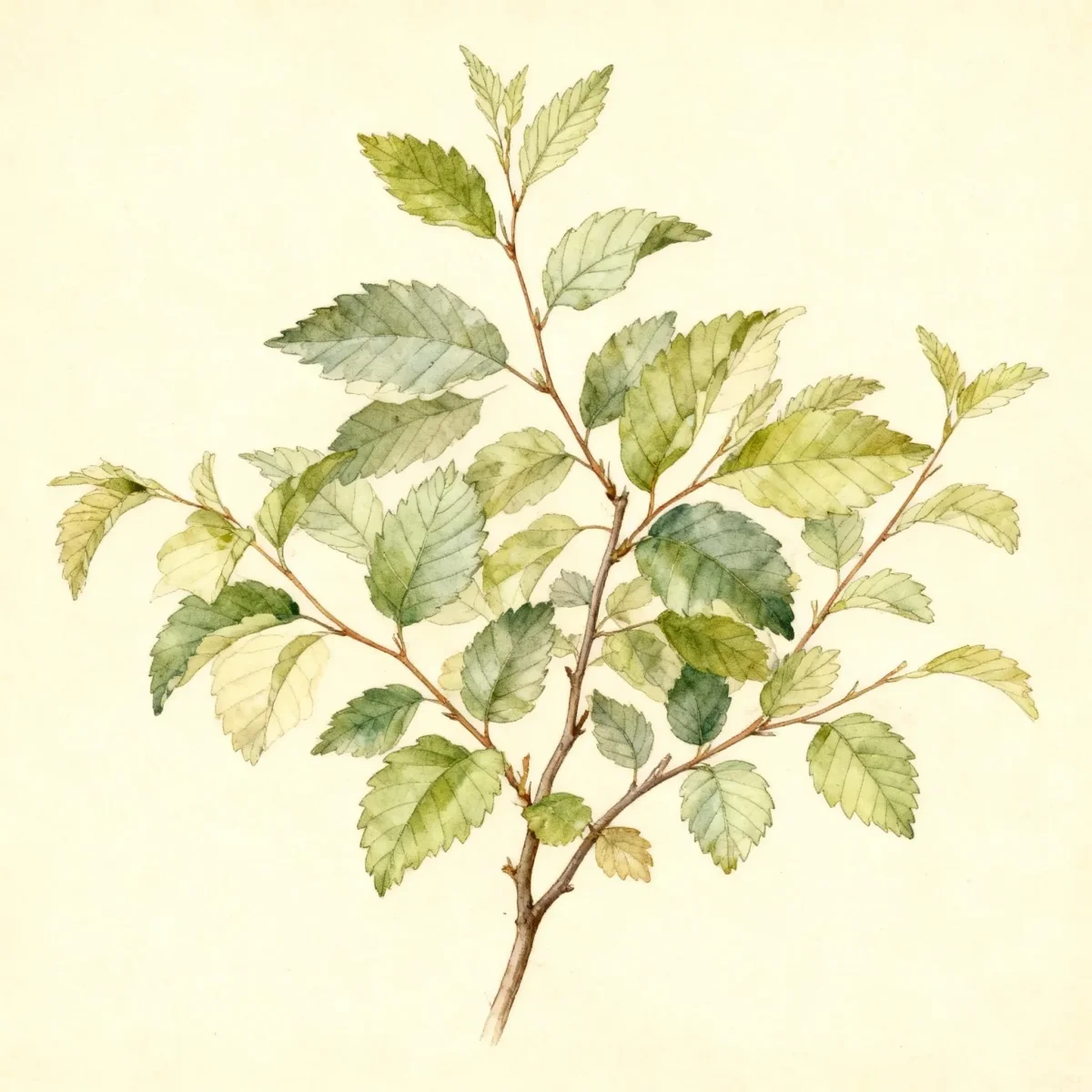
Siberian elm (Ulmus pumila)
The Siberian elm (Ulmus pumila) is a fast-growing, resilient deciduous tree known for thriving in tough conditions despite structural weaknesses.
Scroll down to discover growing tips, care requirements, companion plants, and more
Complete Plant Information
Overview
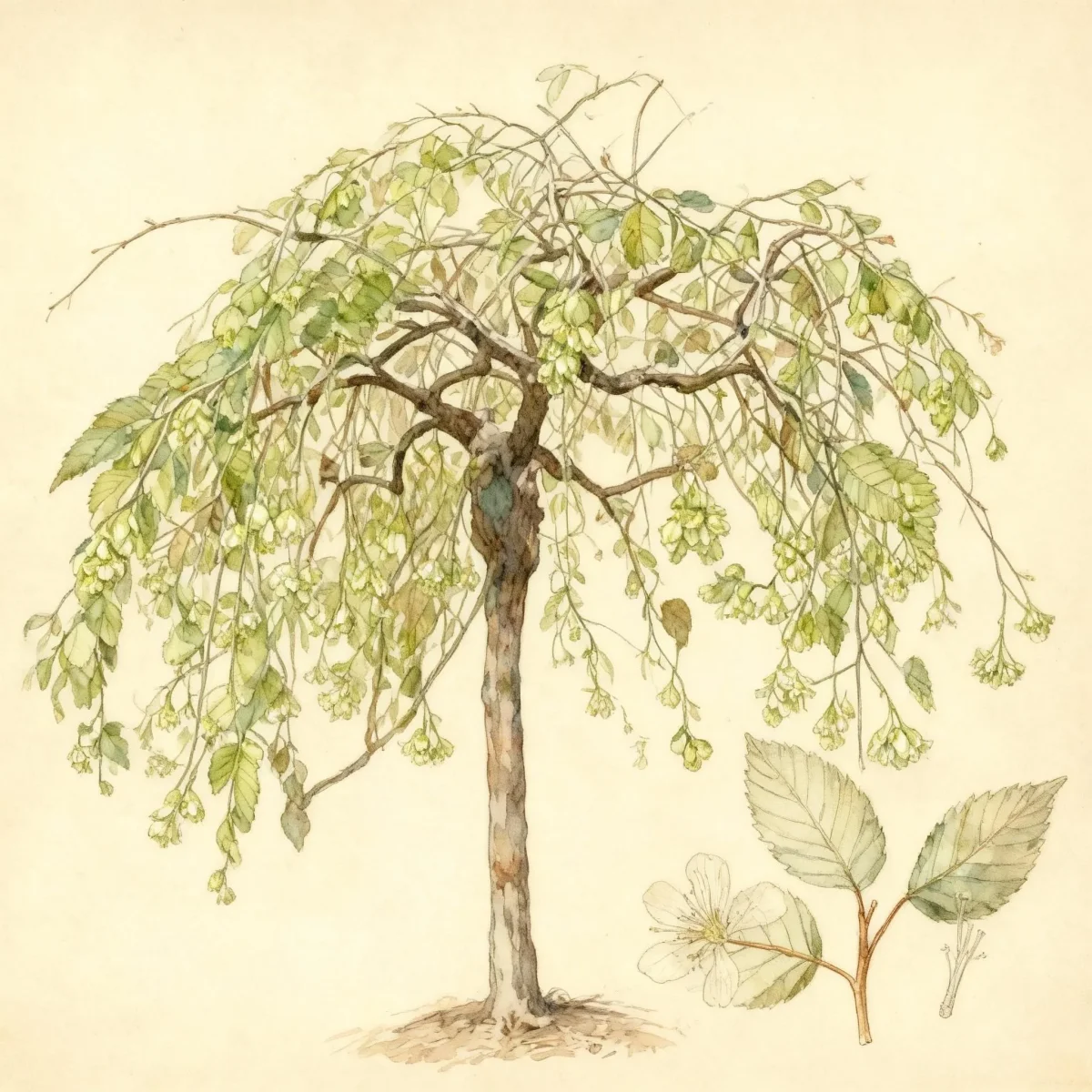
The Siberian elm, Ulmus pumila, is instantly recognizable for its exceptional toughness and rapid growth rate, making it historically popular in challenging landscapes. Although the fast-growing Ulmus pumila was once widely planted across the U.S. due to its tolerance for adverse conditions and Dutch elm disease resistance, modern arboriculture has tempered enthusiasm for its ornamental use. This deciduous tree exhibits a broad, upright habit, easily reaching 50 to 70 feet tall, thriving in full sun where many other species struggle.
While it offers speed and resilience, gardeners must understand that the wood structure of the Siberian elm is notoriously weak and brittle. Despite its rapid establishment, its utility is often relegated to functional applications rather than high-visibility ornamental settings. The small, unassuming reddish-green flowers appear briefly in early spring before the foliage emerges.
Recognizing the characteristics outlined for Ulmus pumila is crucial for proper placement. Its ability to handle drought and poor soils means it persists where others fail, but its high maintenance demands stem from the risk of limb breakage. Careful siting, away from structures or high-traffic areas, is essential when incorporating the Siberian elm into your landscape plan.
Fast Facts
- Plant Family: Ulmaceae
- Plant Type: Tree
- Native Range: Eastern Siberia, northern China, Turkestan
- Hardiness Zones: USDA Zones 4-9
- Size at Maturity:
- Height: 50-70 ft
- Spread: 40-70 ft
- Bloom Time: March to April
- Bloom Description: Reddish-green
- Sun Exposure: Full sun
- Water Needs: Dry to medium
- Maintenance Level: High
How to Grow
Planting the Siberian elm is best done when dormant, typically in early spring or late fall, ensuring deep watering initially to establish a strong root system. Ulmus pumila adapts well to average, well-drained soils but demonstrates remarkable tolerance for extremely poor soils, wet conditions, or dry sites once established. While it prefers full sun, it can tolerate light shade, though this may affect its overall density.
Watering requirements are flexible; the Siberian elm prefers dry to medium soil moisture levels and is highly drought-tolerant once maturity is reached. Fertilization is generally unnecessary, especially if grown in poor soils, as excessive vigor can exacerbate its inherent weakness. Pruning should focus heavily on structural integrity; remove crossing, weak, or low-hanging branches cyclically to mitigate future storm damage risks associated with this fast-growing wood.
Because Ulmus pumila freely self-seeds, management of seedlings in lawns or desirable garden beds is a crucial high-maintenance task, particularly in the spring after the samaras mature in April-May. Due to its rapid deployment capabilities, it is sometimes used for quick screening, but remember that this speed comes with long-term structural responsibility.
Landscape Uses
The general consensus regarding the ornamental use of the Siberian elm is cautionary. Because the wood of the Siberian elm is weak, brittle, and prone to breakage from ice or high winds, it is often not recommended for primary landscape features near homes or public walkways. Furthermore, its leaves offer only an undistinguished dull yellow fall color, lacking significant ornamental appeal.
However, the toughness that plagues its structure in urban settings makes Ulmus pumila incredibly effective for utilitarian planting schemes. It serves exceptionally well planted strategically along slopes for erosion control, acting as a pioneer species in very poor soils where other trees fail to establish. It remains a viable, cost-effective choice for establishing deep, dense windbreaks and shelterbelts on large acreage where safety clearance from structures is assured.
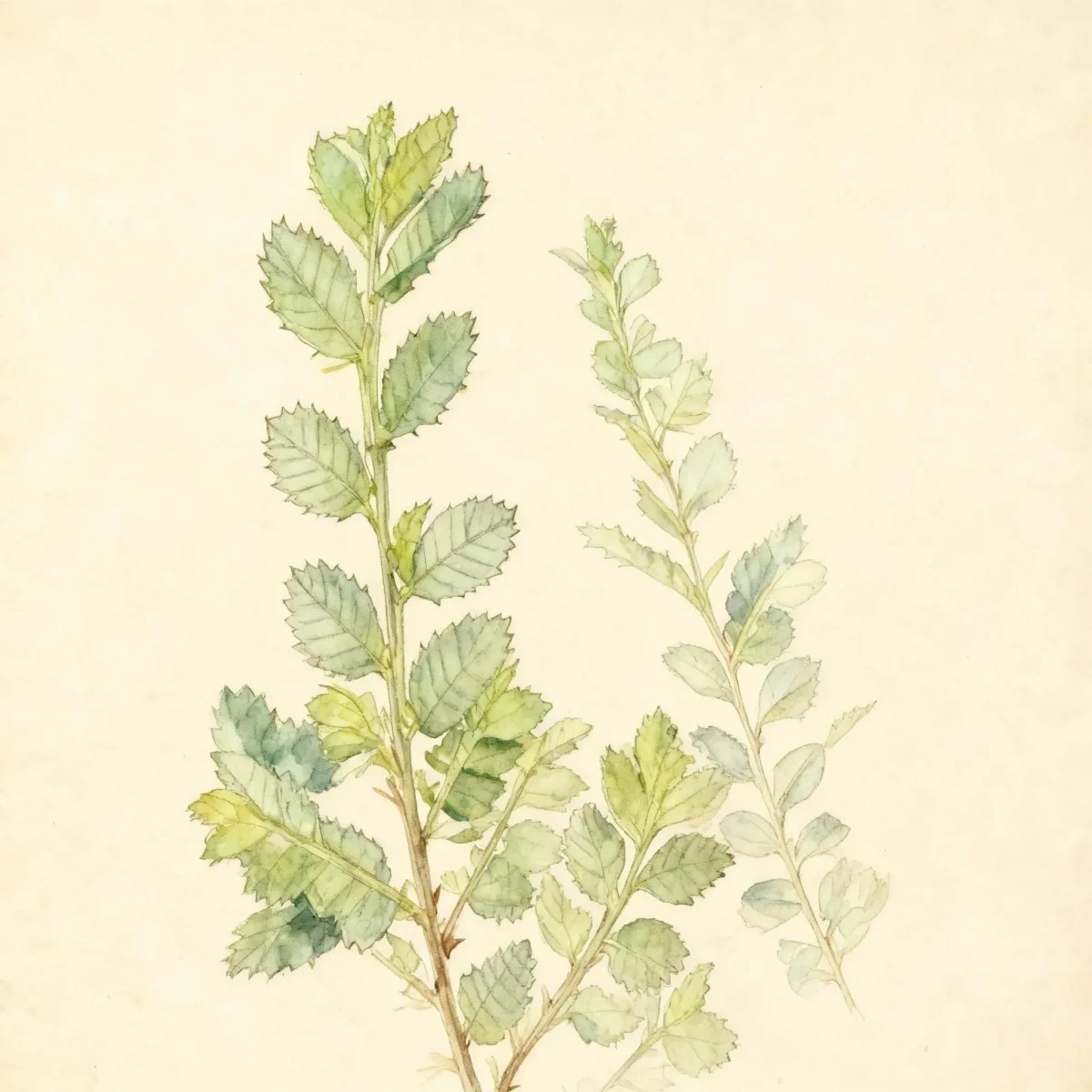
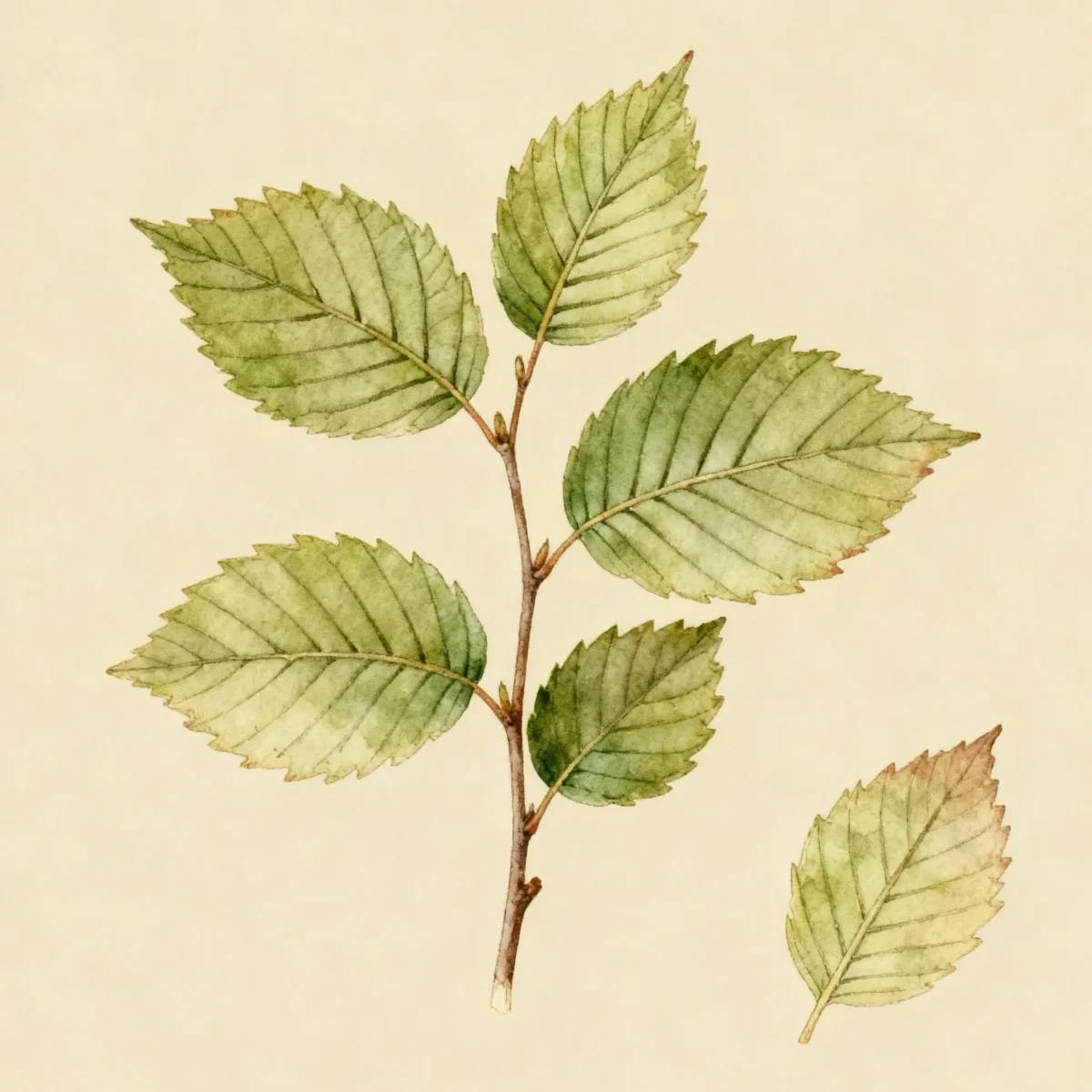
If you need rapid height and volume where high maintenance is allowable for structural correction, the Siberian elm can fill the bill. Companion planting should focus on other tough, drought-tolerant species that can handle similar growing site conditions, perhaps contrasting their leaf texture against the small, serrated leaves of Ulmus pumila.
Standout Features
Flower Qualities
- Insignificant
Noteworthy Characteristics
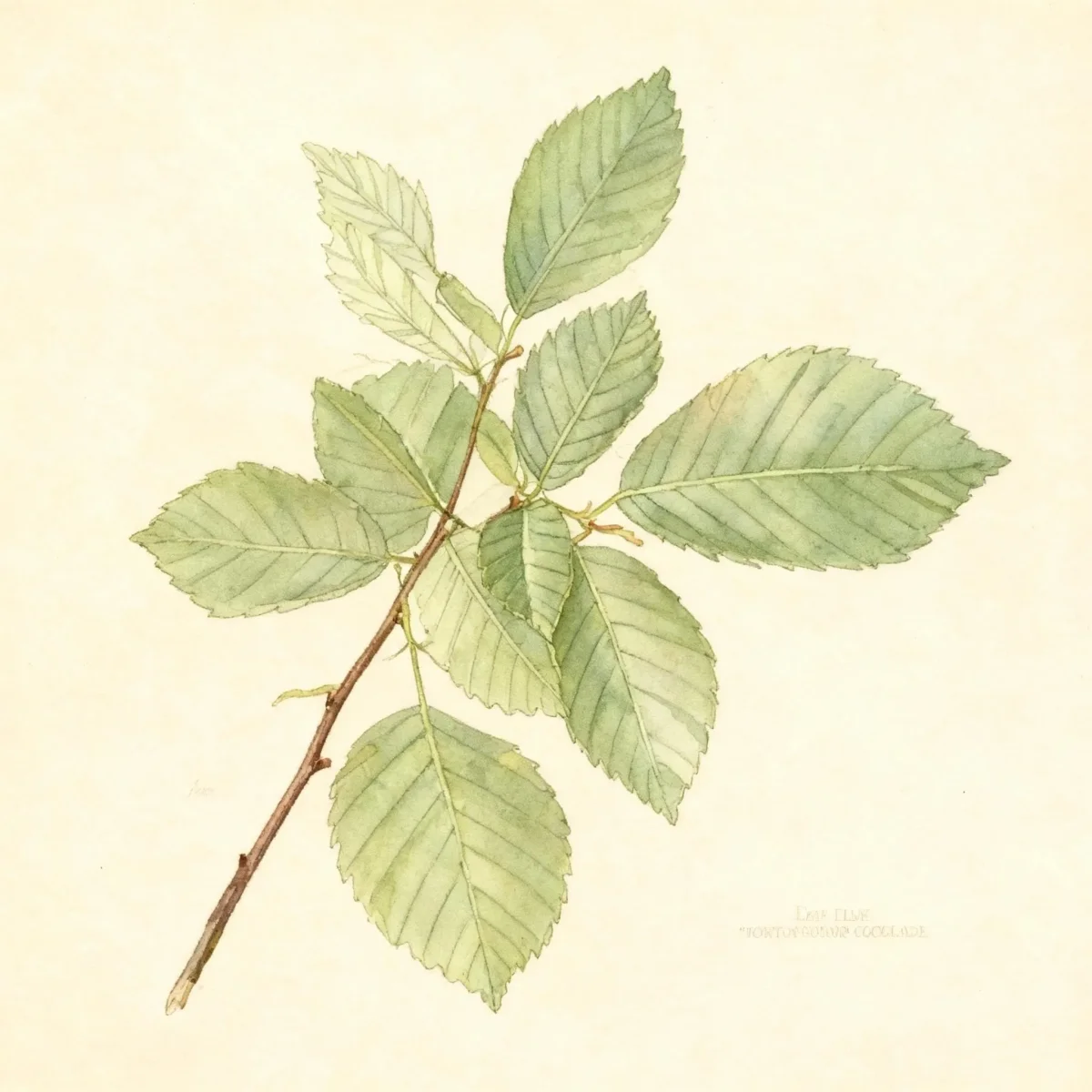
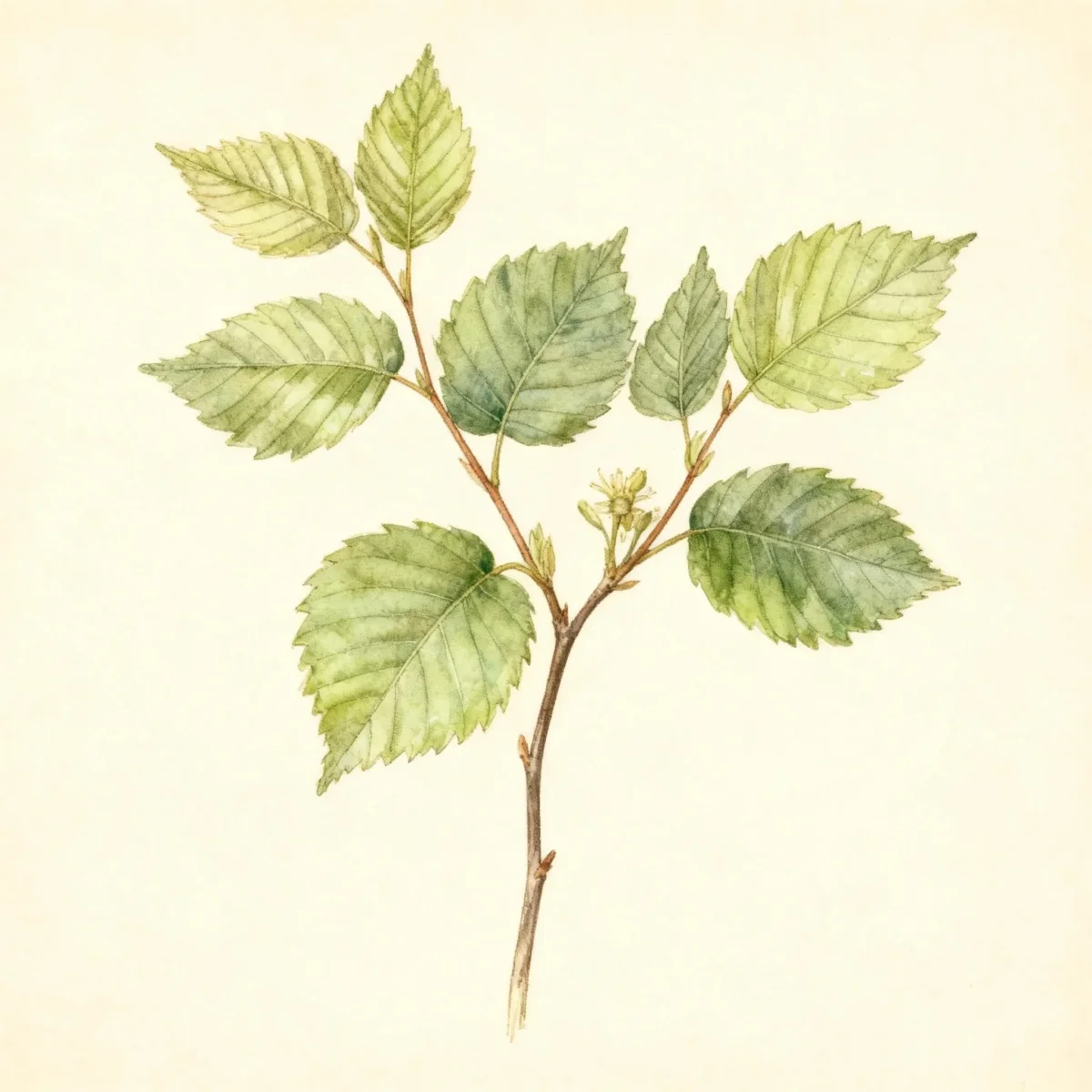
Ulmus pumila, commonly called Siberian elm, is a fast-growing, weak-wooded, deciduous tree that typically grows to 50-70’ tall with broad upright habit. In the wild, it is sometimes seen in a shrubby form. It is primarily found in moist soils along streams from eastern Siberia to China. Insignificant small reddish flowers appear in spring before the foliage emerges, giving way to wafer-like samaras. The elliptic to oblong leaves are smooth dark green above and typically turn an undistinguished dull yellow in fall.
Tolerances
- Drought
- Air Pollution
Potential Problems
The primary issue plaguing the Siberian elm involves its structural limitations. Branches of Ulmus pumila are notoriously weak-wooded, brittle, and easily damaged by strong winds and accumulating winter ice or snow loads. While it possesses resistance to Dutch elm disease and phloem necrosis, it is not entirely immune to these serious vascular wilt diseases.
Gardeners must also contend with numerous pests and pathogens, including various wilts, rots, cankers, and leaf spots. Foliage can be significantly damaged by elm leaf beetles, and observation should regularly check for borers, leaf miners, mealy bugs, caterpillars, and scale insects. Proactive, structural pruning is the best defense against storm failure.
Frequently Asked Questions
What hardiness zones is Siberian elm suitable for?
The Siberian elm (Ulmus pumila) performs best in USDA Hardiness Zones 4 through 9.
How large does Siberian elm grow?
This species typically achieves a mature height between 50 and 70 feet, with a broad spread ranging from 40 to 70 feet.
What sun exposure does Siberian elm need?
Ulmus pumila requires full sun exposure for optimal growth, though it demonstrates some tolerance for light shade.
When does Siberian elm bloom?
The small, reddish-green flowers of the Siberian elm appear relatively early in the season, generally blooming from March to April.
Conclusion
The Siberian elm offers unparalleled speed and extreme site tolerance, making Ulmus pumila a resilient choice for difficult, dry, or polluted areas where rapid screening is paramount. Recognize its high maintenance level, especially regarding structural pruning, to manage its inherent brittle limbs. Before planting, thoroughly assess whether its utilitarian benefits outweigh its structural drawbacks for your specific location.
Companion Planting
When considering species to plant near Ulmus pumila, focus on materials that share its high drought tolerance and thrive in full sun. Pairing the Siberian elm with tough native grasses or drought-resistant shrubs, such as certain varieties of Sumac (Rhus) or Juniper (Juniperus), can create a cohesive, low-water-use planting scheme. These companions will not compete heavily for the limited water resource that the dry soil conditions might impose.
Avoid moisture-loving perennials directly beneath the canopy of mature Siberian elms, as the tree will aggressively outcompete them for scarce resources. Focus instead on groundcovers or smaller shrubs that naturally inhabit marginal, dry woodland edge environments, appreciating the dappled light the elm may eventually provide.
Erosion Control Applications
The vigorous, dense root system and the high volume of seed production make Ulmus pumila an excellent candidate for immediate stabilization projects on susceptible slopes. Plantings established on banks prone to washout, particularly those away from pedestrian paths, benefit from the rapid canopy closure and root adherence this tree provides. This functional use minimizes the risk associated with its weak wood structure near inhabited areas.
After establishment on slopes, the Siberian elm can help sequester nitrogen and improve the organic matter content of poor soils over time. While maintenance is high due to required structural pruning, this task is often easier to manage on a slope than the continuous watering required by less tolerant species.