Wych elm (Ulmus glabra)
The majestic Wych elm (Ulmus glabra) offers towering shade potential with a broad crown, thriving in USDA Zones 4-6 with medium water needs.
Scroll down to discover growing tips, care requirements, companion plants, and more
Complete Plant Information
Overview
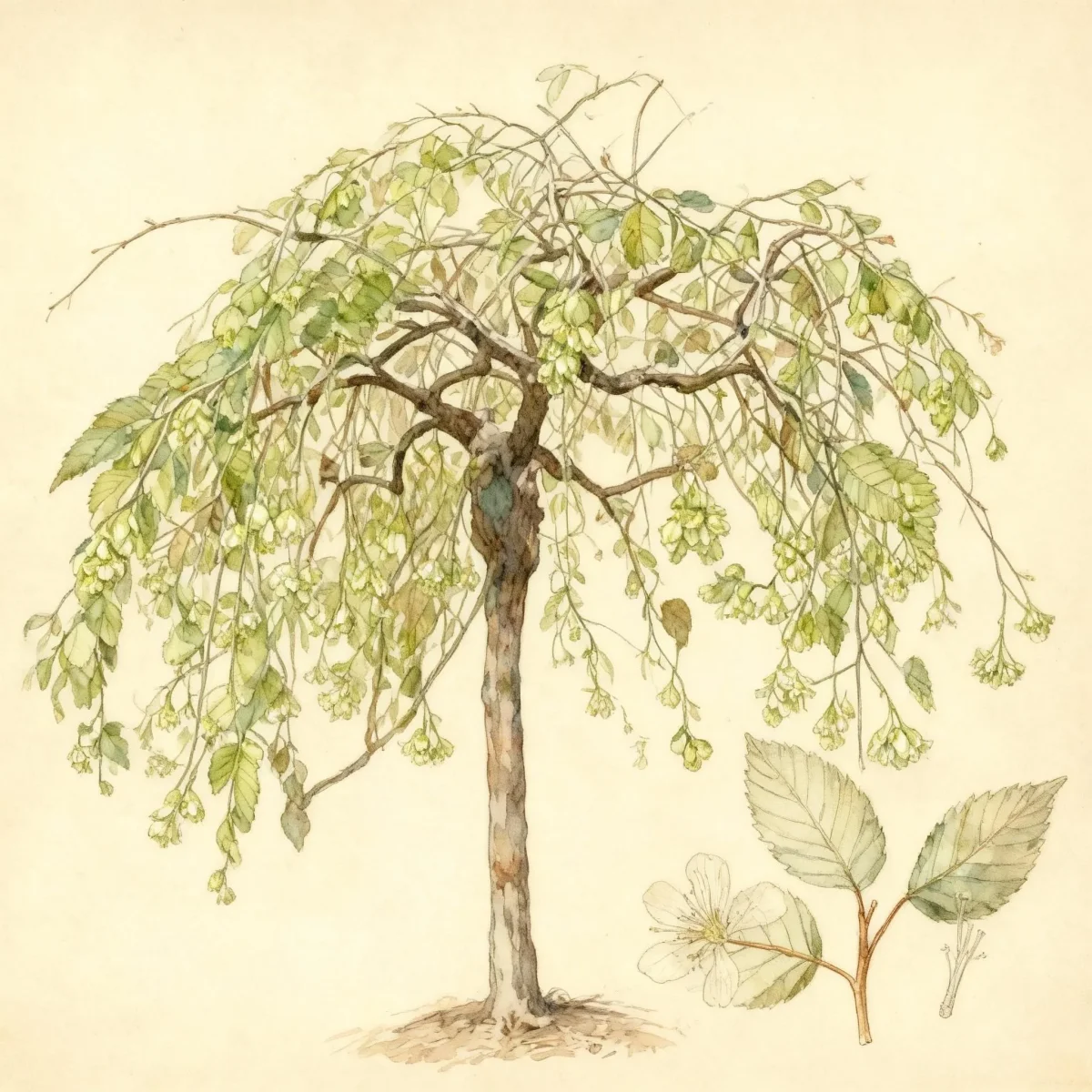
The Wych elm (Ulmus glabra), also known as Scotch elm, is a magnificent, large, deciduous tree native throughout Northern and central Europe. Its structure is characterized by a wide-spreading, broad-rounded crown, historically making it a superb choice for large-scale landscape applications where grandeur is desired. While once commonly planted across the United States, its use is now cautioned due to serious disease susceptibility.
This imposing specimen can reach towering heights between 70 and 100 feet, providing substantial vertical interest and dappled shade. Ulmus glabra establishes best in full sun but tolerates light shade, adapting well to various soil conditions, even those that fluctuate between wet and dry. Gardeners valuing classic, large European architecture in their plantings might appreciate the history and size of the Wych elm.
Despite its current limitations concerning disease vectors, the culture of the Wych elm suggests a resilient tree provided the environment is suitable. It adapts nicely to urban settings due to its known tolerance for air pollution and periods of drought once established. For those with enough space and a commitment to monitoring, the Wych elm remains a historically important forest giant.
Fast Facts
- Plant Family: Ulmaceae
- Plant Type: Tree
- Native Range: Northern and central Europe, Asia Minor
- Hardiness Zones: USDA Zones 4-6
- Size at Maturity:
- Height: 70-100 ft
- Spread: 50-70 ft
- Bloom Time: March to April
- Bloom Description: Reddish-green
- Sun Exposure: Full sun
- Water Needs: Medium
- Maintenance Level: Medium
How to Grow
When establishing Ulmus glabra, prioritize locations offering average, medium moisture, well-drained soils and full sun exposure. Although it tolerates light shade, achieving optimum structure and vigor requires ample sunlight. This tree prefers rich, moist loams but demonstrates flexibility by adapting to both temporary wet sites and drier conditions once mature.
Watering should be consistent, maintaining medium moisture levels, especially during establishment in the first few growing seasons. Fertilization is generally not required if the soil is rich, but heavy-feeding neighbors should be avoided. Structural pruning should be minimal, focusing primarily on removing crossing or damaged limbs, as the natural broad-rounded silhouette of the Wych elm is its primary aesthetic appeal.
Seasonal care often revolves around monitoring the tree’s health, particularly vigilance regarding fungal and pest issues. In spring, remove any dieback observed over winter before flushing foliage. Because Ulmus glabra is generally tolerant of abrasive urban conditions, planning for root space and avoiding soil compaction near the trunk will aid in long-term success.
Landscape Uses
The primary suggested uses for this species historically included placement as a substantial Shade Tree on large lawns or as a formal Street Tree flanking long avenues. Its massive scale commands attention, making it an excellent specimen candidate where decades of growth are anticipated. While listed for Rain Garden use due to its adaptability to wet sites, the current reality dictates more careful selection of placement for Ulmus glabra.
Due to its historical decline from Dutch elm disease, modern landscape design rarely incorporates the species. If selected, it should be planted strictly as a stand-alone specimen, far removed from other elms to mitigate disease spread. Companion planting should involve tough, non-elm species that can handle large root systems and deep shade cast by a 100-foot canopy.
For expansive semi-naturalized park settings or arboreta where historical planting schemes are preserved, the Wych elm fulfills its function beautifully. Its use today functions more as a historical reference or botanical collection piece rather than a typical modern landscape solution.
Standout Features
Flower Qualities
- Insignificant
Noteworthy Characteristics
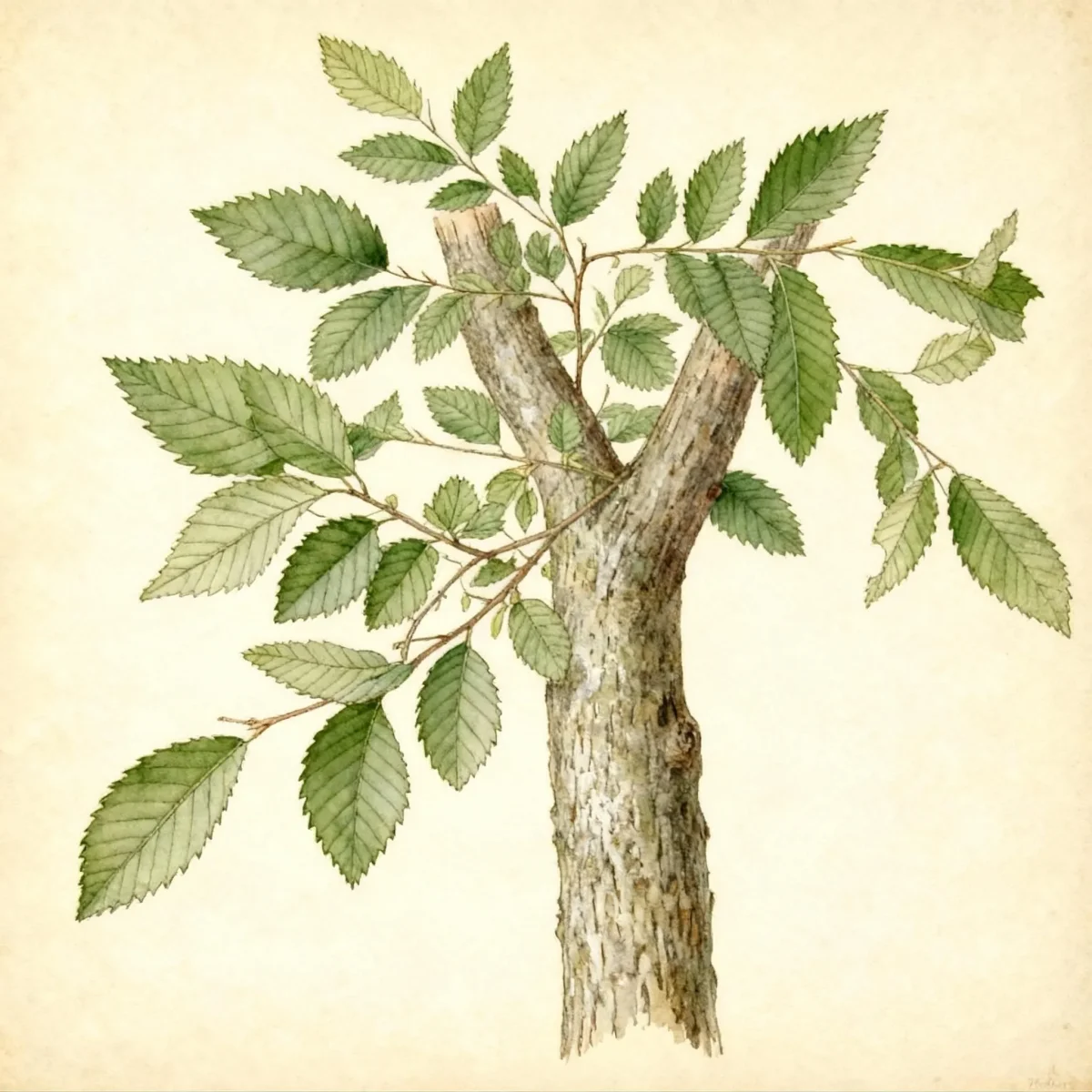
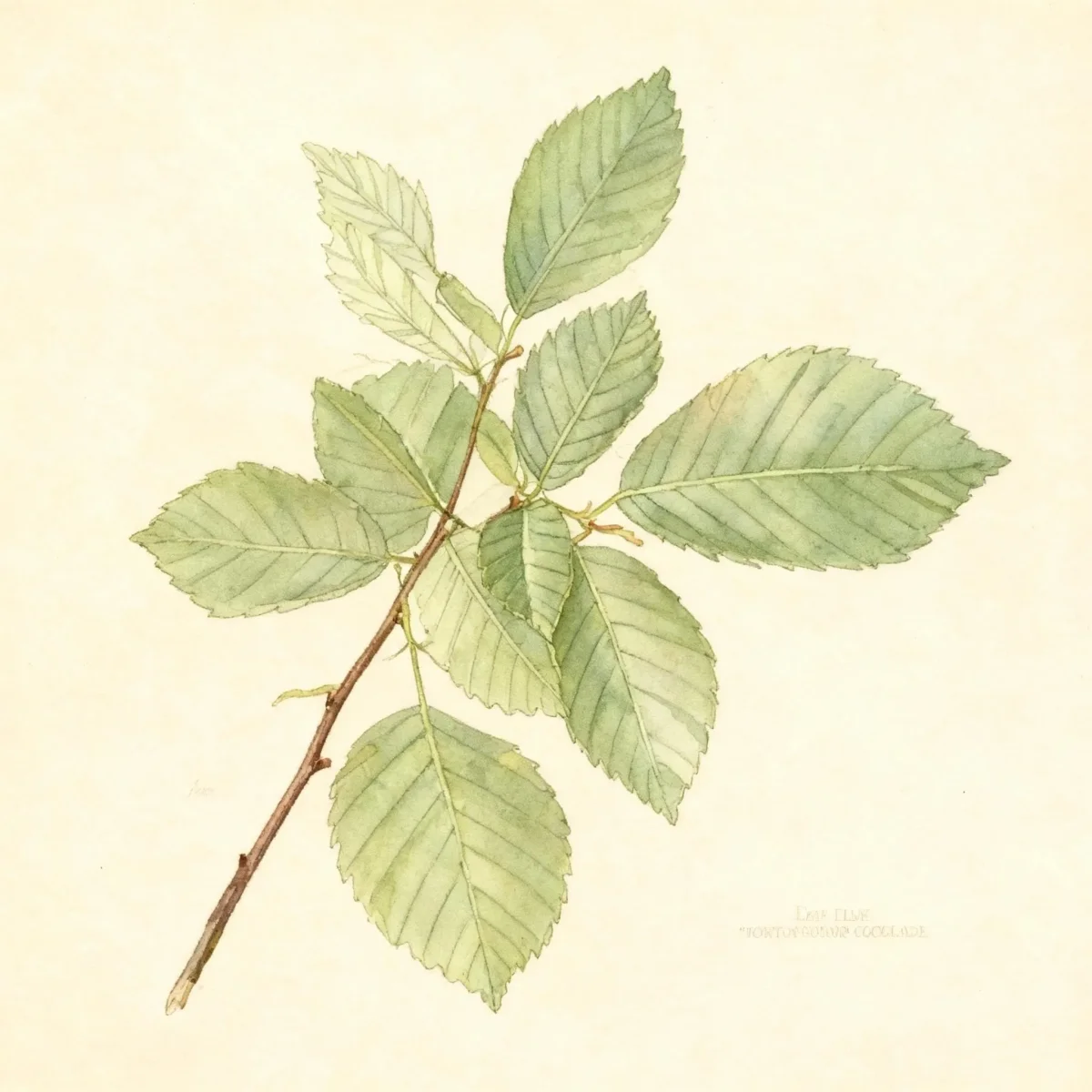
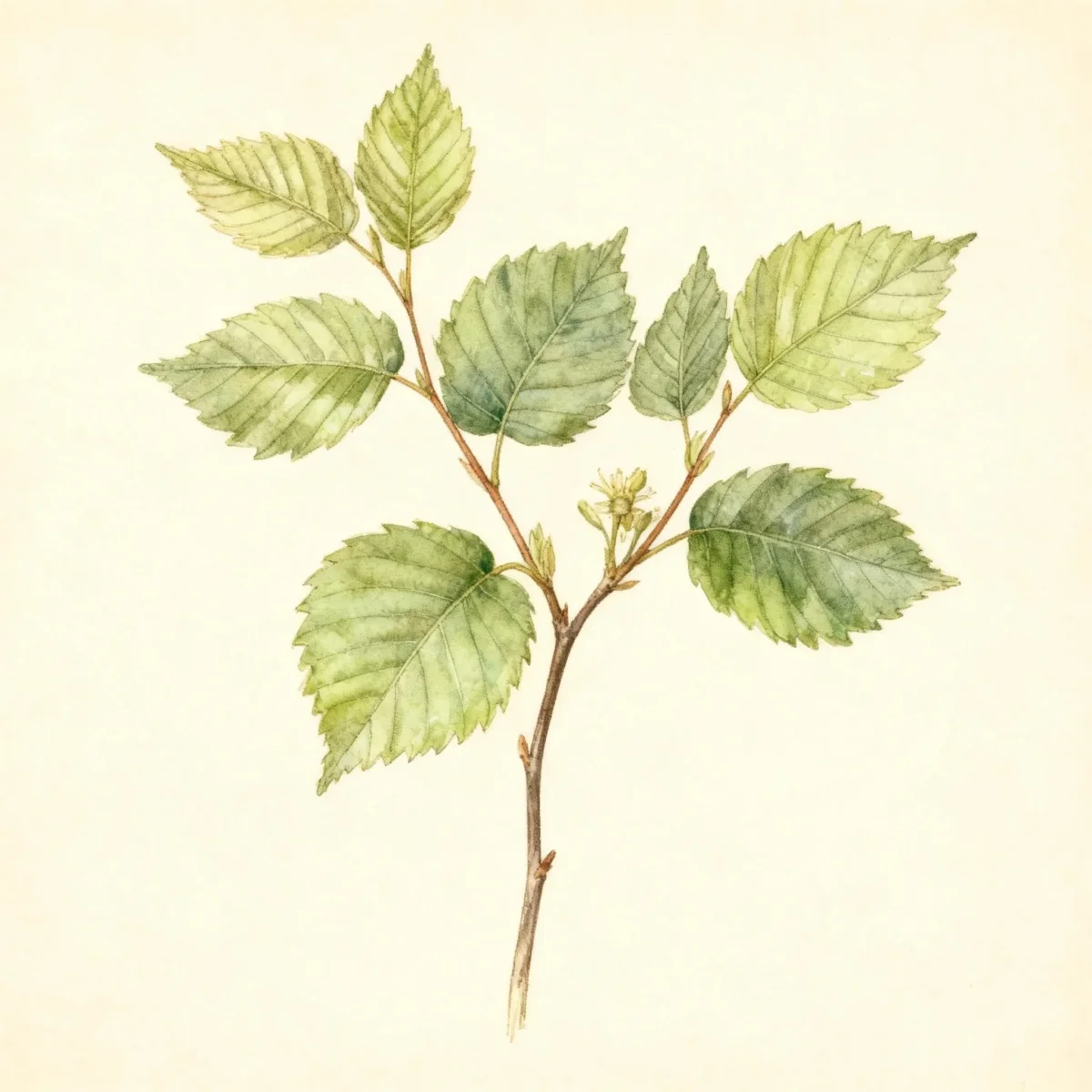
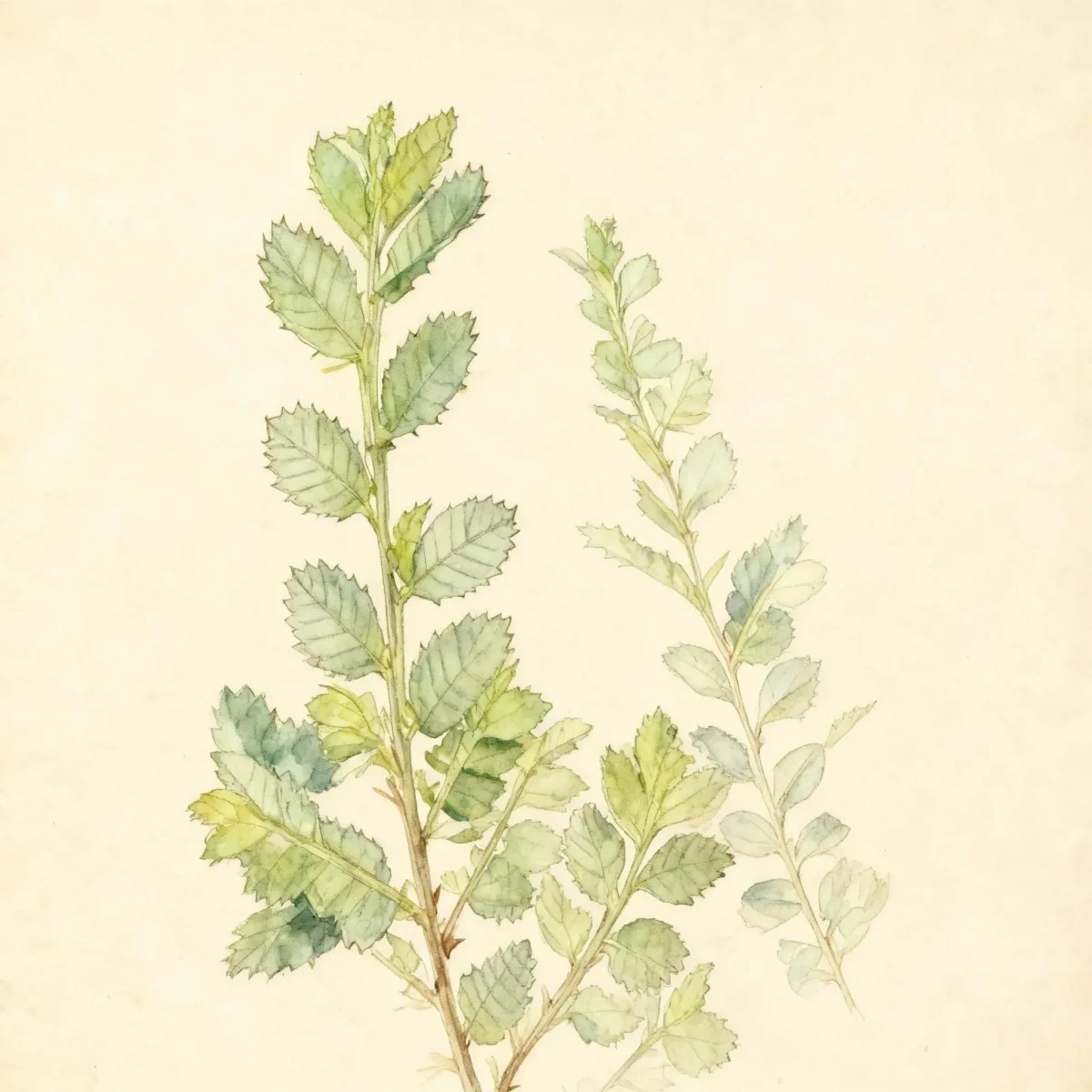
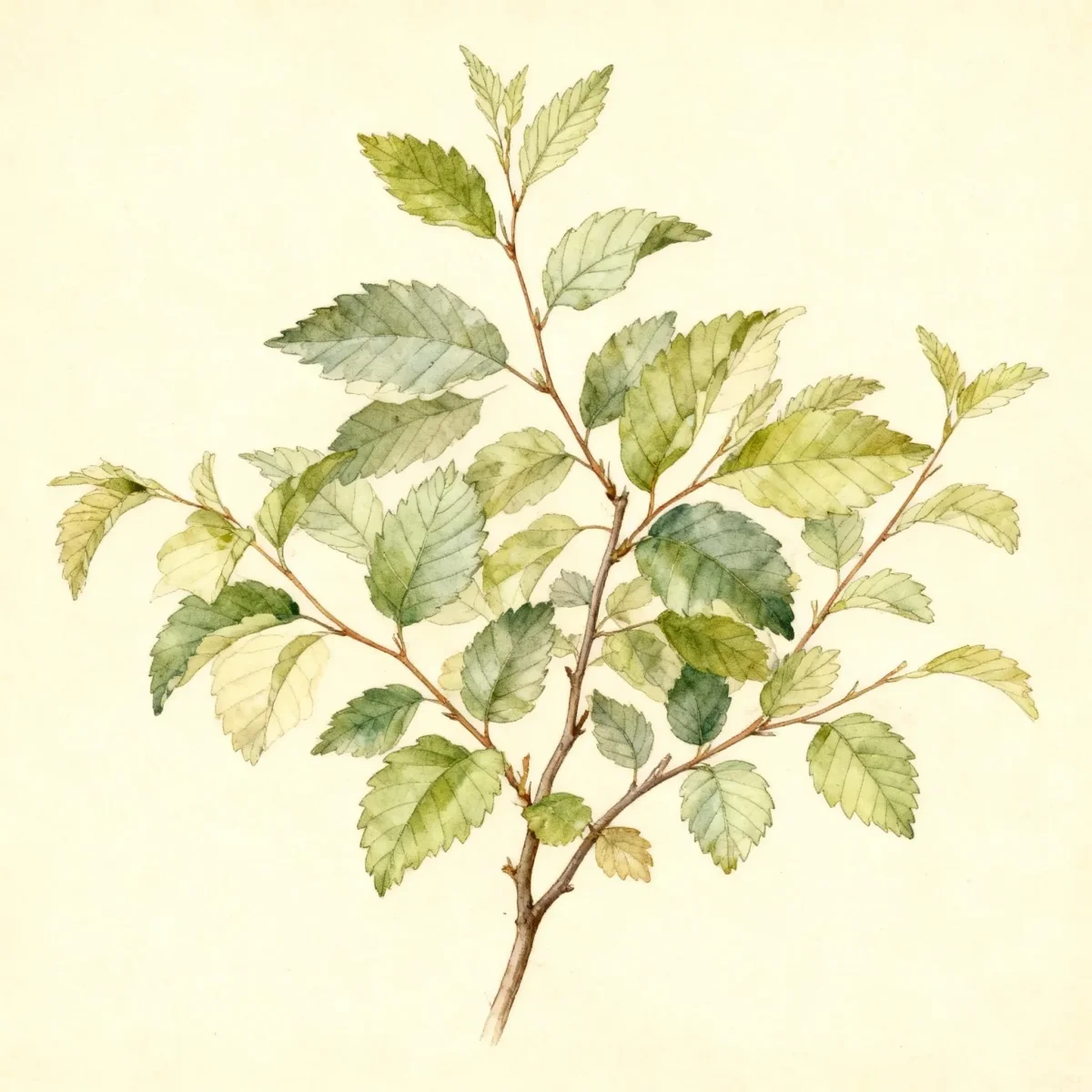
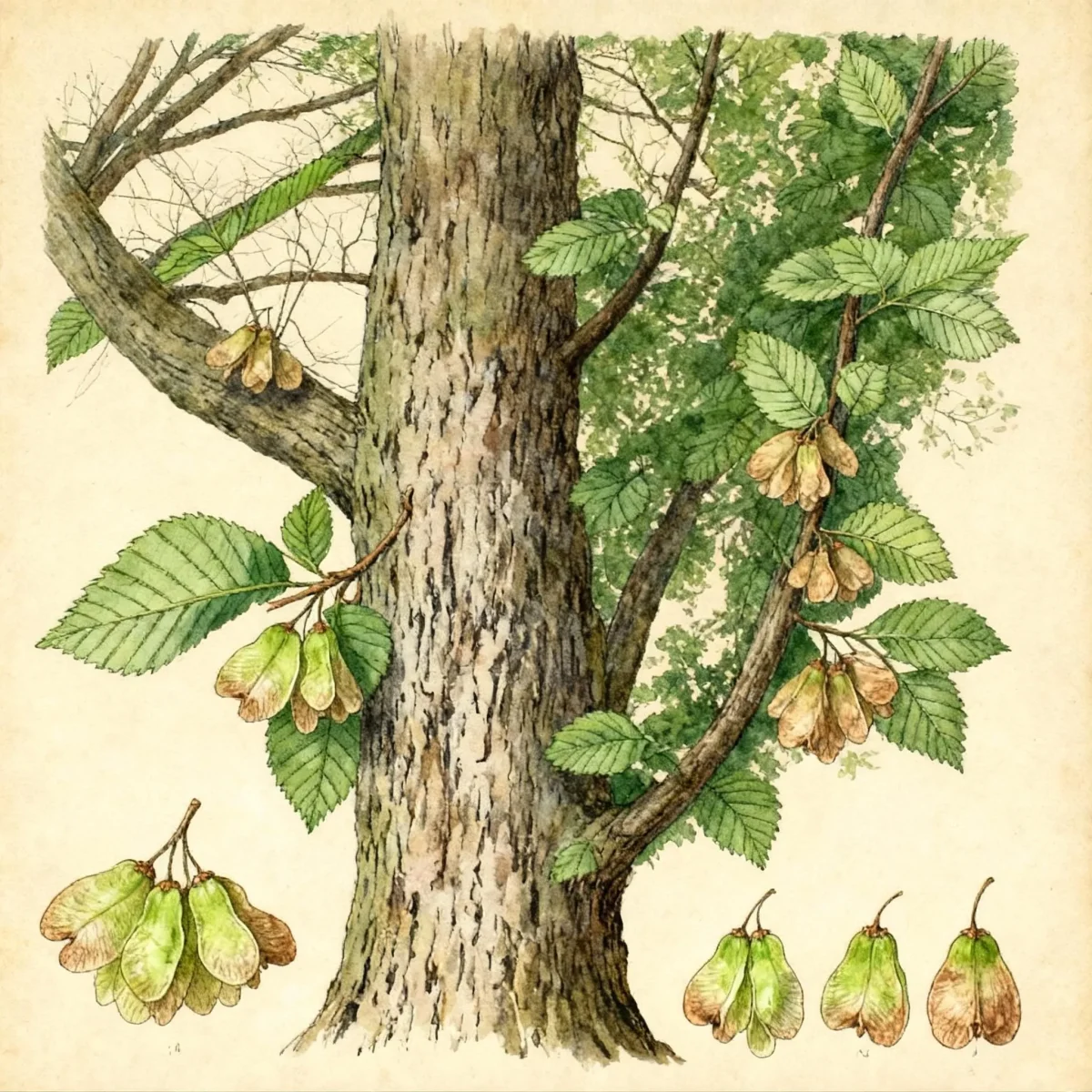
Ulmus glabra, commonly called Scotch elm or Wych elm, is a large, wide-spreading, deciduous tree that typically grows to 70-100’ with a broad-rounded crown. It is native from Great Britain to Siberia, featuring dark green, rough-textured leaves up to 6 inches long with doubly toothed margins. While flowers appear insignificant and reddish-green in early spring, the tree produces wafer-like, single-seeded samaras that mature in April or May.
Tolerances
- Drought
- Air Pollution
Potential Problems
The primary threat facing Ulmus glabra is Dutch elm disease, a devastating fungal infection spread by airborne bark beetles that targets the water-conducting tissues, leading to rapid wilting and death. Phloem necrosis, caused by a phytoplasma, attacks food-conducting tissues, often causing bark loosening and eventual fatality. Furthermore, wetwood, various cankers, rots, and leaf spots can manifest.
Management of potential problems centers heavily on prevention. Avoid planting near known infected areas and maintain tree vigor through proper watering and cultural conditions, as stressed trees are more susceptible. Insect pests common to elms, such as borers, leaf miners, and scale, require diligent inspection, especially during the growing season. Growers interested in less susceptible forms should investigate known disease-resistant cultivars of other elm species, as the species itself carries high risk.
Frequently Asked Questions
What hardiness zones is Wych elm suitable for?
The Wych elm (Ulmus glabra) is generally suitable for USDA Hardiness Zones 4 through 6.
How large does Ulmus glabra grow?
This towering deciduous tree typically reaches a mature height between 70 and 100 feet, with a substantial spread ranging from 50 to 70 feet.
What sun exposure does Ulmus glabra need?
Ulmus glabra requires full sun for optimal growth, though it displays some tolerance for light shade.
When does Wych elm bloom?
The reddish-green flowers of the Wych elm appear relatively early in the season, typically blooming from March to April before the foliage fully emerges.
Conclusion
The inherent majesty of the Wych elm, exemplified by its large stature and wide crown, secures its place as a historically significant landscape accent. While its susceptibility to Dutch elm disease demands immense caution today, understanding the cultural needs of Ulmus glabra helps appreciate why it was once so widely cherished. Gardeners considering this species must prioritize site selection based on disease risk management and confirm local hardiness compatibility within Zones 4 to 6.
Companion Planting for Elms
Selecting appropriate companions is vital when planting a large specimen like the Wych elm, especially given its sensitivity to competition and disease. Focus on understory plants that thrive in dappled sunlight or partial shade beneath a massive canopy and prefer well-drained soils. Good choices might include shade-tolerant ferns, hostas, or native woodland wildflowers that do not require heavy seasonal fertilization, which can sometimes promote lush, susceptible growth on the tree itself.
Avoid planting other vulnerable species nearby, especially other elms, hedging shrubs that could transmit disease, or shallow-rooted species competing directly for early moisture. Because the Ulmus glabra achieves significant spread, plants placed too close may become starved for light as the canopy develops over decades, so plan for generous spacing.
Designing with Large Deciduous Trees
For very large properties, the Wych elm functions best as a singular, dominating focal point in an open expanse, allowing its natural broad-rounded silhouette to define the landscape from a distance. It provides structure in winter and deep, cooling shade during the summer months, critical for energy savings or creating comfortable outdoor living spaces.
When using Ulmus glabra in a more formal design, consider repeating its strong vertical element subtly with complementary, non-competitive evergreen trees placed appropriately far away that share the similar hardiness rating. Its status as an imposing, established specimen offers an immediate sense of permanence and maturity to any design scheme.