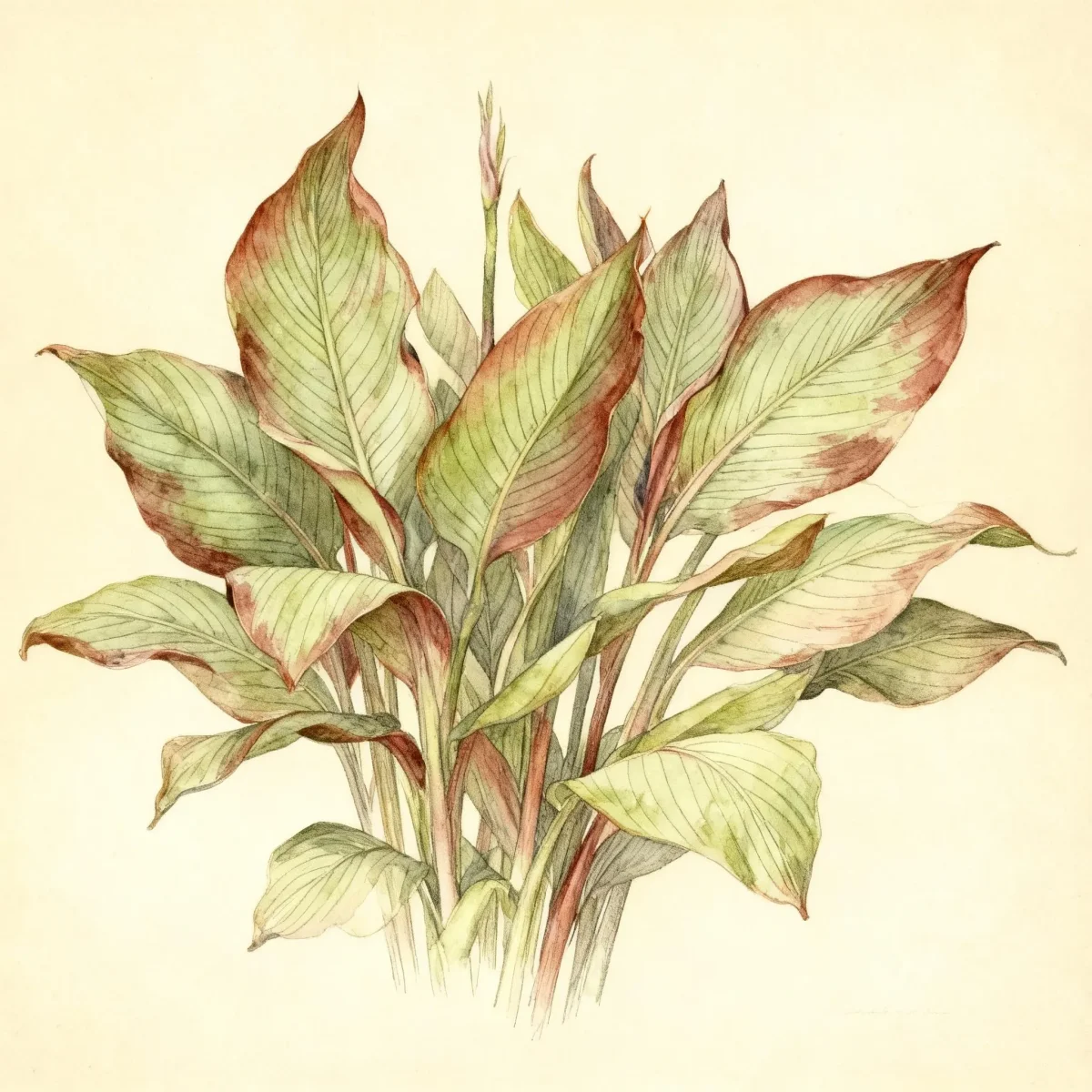
False nettle (Boehmeria biloba)
Boehmeria biloba, False nettle, is a tough, low-maintenance perennial from Japan ideal for coastal or rocky gardens, blooming mid-summer.
Scroll down to discover growing tips, care requirements, companion plants, and more
Complete Plant Information
Overview
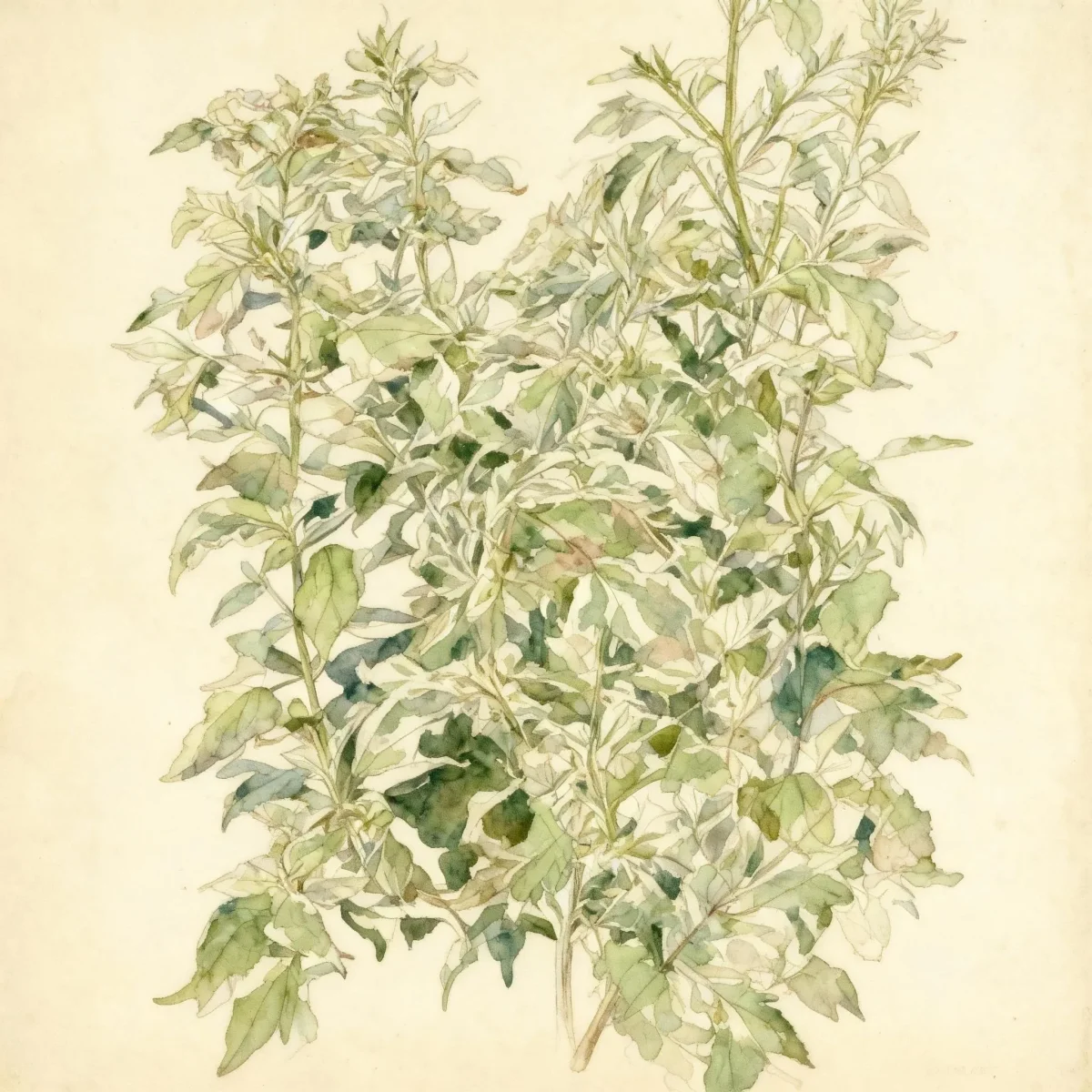
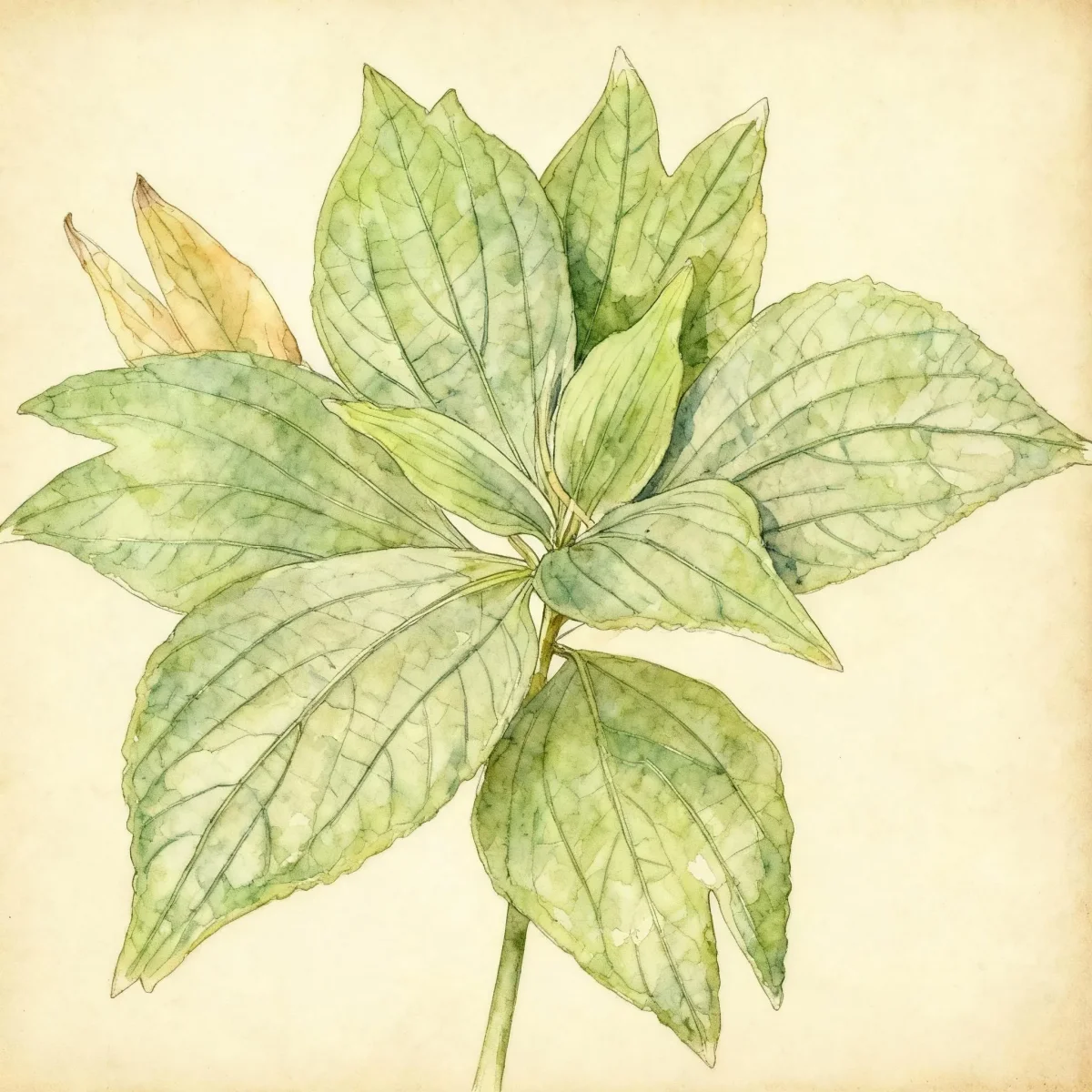
Boehmeria biloba, known widely by its common name False nettle, is a unique, robust perennial valued for its texture and hardiness in challenging conditions. Native to the rocky cliffs and disturbed areas of Japan, this plant brings a coarse, architectural element to borders where finer textures might fail. Its foliage is particularly distinctive, often displaying asymmetrical two-lobed tips, lending it the nickname ‘lobster claw nettle’.
This adaptable herbaceous perennial thrives best when given ample sunlight and consistent moisture, though it demonstrates remarkable resilience once established. As a low-maintenance selection, Boehmeria biloba is an excellent choice for gardeners seeking structure without demanding constant attention in the landscape bed.
The summer bloom, featuring subtle pale green flowers, doesn’t steal the show, allowing the striking leaf texture to remain the primary focal point throughout the season. Consider adding False nettle to your landscape if you require a tough, upright specimen that excels in hot, exposed sites.
Fast Facts
- Plant Family: Urticaceae
- Plant Type: Herbaceous perennial
- Native Range: Japan
- Hardiness Zones: USDA Zones 7-10
- Size at Maturity:
- Height: 1.5-3 ft
- Spread: 1.5-3 ft
- Bloom Time: June to August
- Bloom Description: Pale green to creamy white
- Sun Exposure: Full sun
- Water Needs: Medium
- Maintenance Level: Low
How to Grow
For optimal establishment, plant Boehmeria biloba in spring or early fall in a location receiving full sun. While it prefers evenly moist and well-drained soil, False nettle shows excellent tolerance for poor, rocky, and shallow substrates common in difficult garden areas. Good drainage is key to preventing any potential root issues.
Watering should be consistent, or “medium,” especially during the initial growing season until the woody rootstock is fully established. Once mature, tolerance to drought allows for less frequent supplemental irrigation, making it a water-wise choice for sunny exposures. Fertilization is generally unnecessary given its adaptability to poor soils.
Maintenance for this plant is decidedly low. The upright stems of Boehmeria biloba can be tidied up with a simple pruning routine. Wait until late winter, just before new growth starts to emerge, and cut the entire clump back to the base. This simple act keeps the habit tidy and encourages vigorous new growth for the coming season.
Landscape Uses
The coarse texture provided by the thick leaves of False nettle makes it an exceptional accent plant, contrasting beautifully against fine-textured grasses or softer perennials. It functions well as a structural element in mid-to-rear borders, adding vertical interest that lasts all summer.
Due to its established drought and soil tolerance, Boehmeria biloba is highly recommended for specialized situations. Consider using it as a specimen in large containers where its texture can be appreciated up close, or perhaps in rock gardens where its preference for well-drained, even poor, soil is an advantage. It is also particularly useful in coastal gardens due to its proven salt spray tolerance.
This reliable perennial fits seamlessly into mixed borders needing backbone or in mixed plantings designed for tough, sunny slopes where heavy-feeding plants would struggle to survive.
Standout Features
Noteworthy Characteristics
The common name sandpaper plant highlights the rough, abrasive texture of the leaves of this species, a feature derived from the pubescent surface. The structure of Boehmeria biloba is semi-woody, lending it a robust, sub-shrub quality, originating from a branched, woody rootstock. The striking variability in leaf shape, often featuring two asymmetrical lobes at the tip, gives rise to its other common designation, lobster claw nettle.
Tolerances
- Drought
- Shallow-Rocky Soil
Potential Problems
Boehmeria biloba is consistently noted for its excellent pest and disease resistance, meaning gardeners rarely encounter significant issues. This lack of susceptibility to common garden maladies contributes greatly to its low-maintenance profile. Ensure the primary requirement—good drainage—is met, and few problems should arise.
As this plant belongs to the nettle family (Urticaceae), while the description implies it is not a traditional stinging nettle, gardeners should always handle new or unfamiliar foliage cautiously before placement near frequently touched areas. However, no specific widespread pest or disease problems are documented for False nettle.
Frequently Asked Questions
What hardiness zones is False nettle suitable for?
Boehmeria biloba is sufficiently cold-hardy to thrive in USDA Zones 7 through 10, providing reliable perennial performance across those ranges.
How large does Boehmeria biloba grow?
This herbaceous perennial typically achieves a mature height and spread between 1.5 and 3 feet tall and wide, forming an upright, substantial presence.
What sun exposure does False nettle need?
Boehmeria biloba requires full sun to perform its best in the garden setting.
When does False nettle bloom?
You can expect False nettle to bloom during the peak summer months, specifically from June into August, displaying small flowers of pale green or creamy white hues.
Conclusion
Boehmeria biloba, or False nettle, presents an outstanding option for gardeners seeking reliable texture and structure in conditions other plants might shun. Its exceptional tolerance for drought and poor, rocky soils makes it a true workhorse in sunny landscapes. Confirm your site falls within USDA Zones 7-10, and plan for a late winter pruning to maintain its vibrant, upright form next season.
Companion Planting
Selecting effective companions for Boehmeria biloba centers on complementing its coarse texture while respecting its sun and soil needs. Plants that enjoy similar full sun exposure and tolerate drier or poorer soils create an excellent grouping. Consider pairing it with other high-desert or Mediterranean-style plants that appreciate sharp drainage.
Good companions might include various Sedums, especially upright varieties, or silvery-leaved plants like Artemisia species, which contrast beautifully with the dark green foliage of False nettle. For summer color, drought-tolerant salvias or lower-growing, sun-loving ornamental grasses can soften the edges of the upright Boehmeria biloba stands.
Seasonal Care Calendar
Spring Cleanup (Late Winter/Early Spring): The primary task for False nettle occurs as temperatures begin to warm slightly. Cut all previous year’s stems back to the ground just before new basal growth begins. This keeps the plant looking crisp heading into the growing season.
Summer Maintenance (June - August): Minimal watering is required if the plant is established. Monitor for its pale green bloom period. Since maintenance is low, focus instead on admiring the unique leaf structure and textural contrast it provides against other border inhabitants.
Autumn Prep (Late Fall): No specific autumn requirements for Boehmeria biloba exist beyond enjoying its late-season presence. As a hardy perennial, it usually requires no mulch or winter protection in its recommended hardiness zones. Allow the stems to stand dead through winter if desired, though pruning in late winter is generally preferred.