Artillery plant (Pilea microphylla)
Discover tips for growing the Artillery plant (Pilea microphylla), a small, fern-like perennial requiring high humidity indoors.
Scroll down to discover growing tips, care requirements, companion plants, and more
Complete Plant Information
Overview
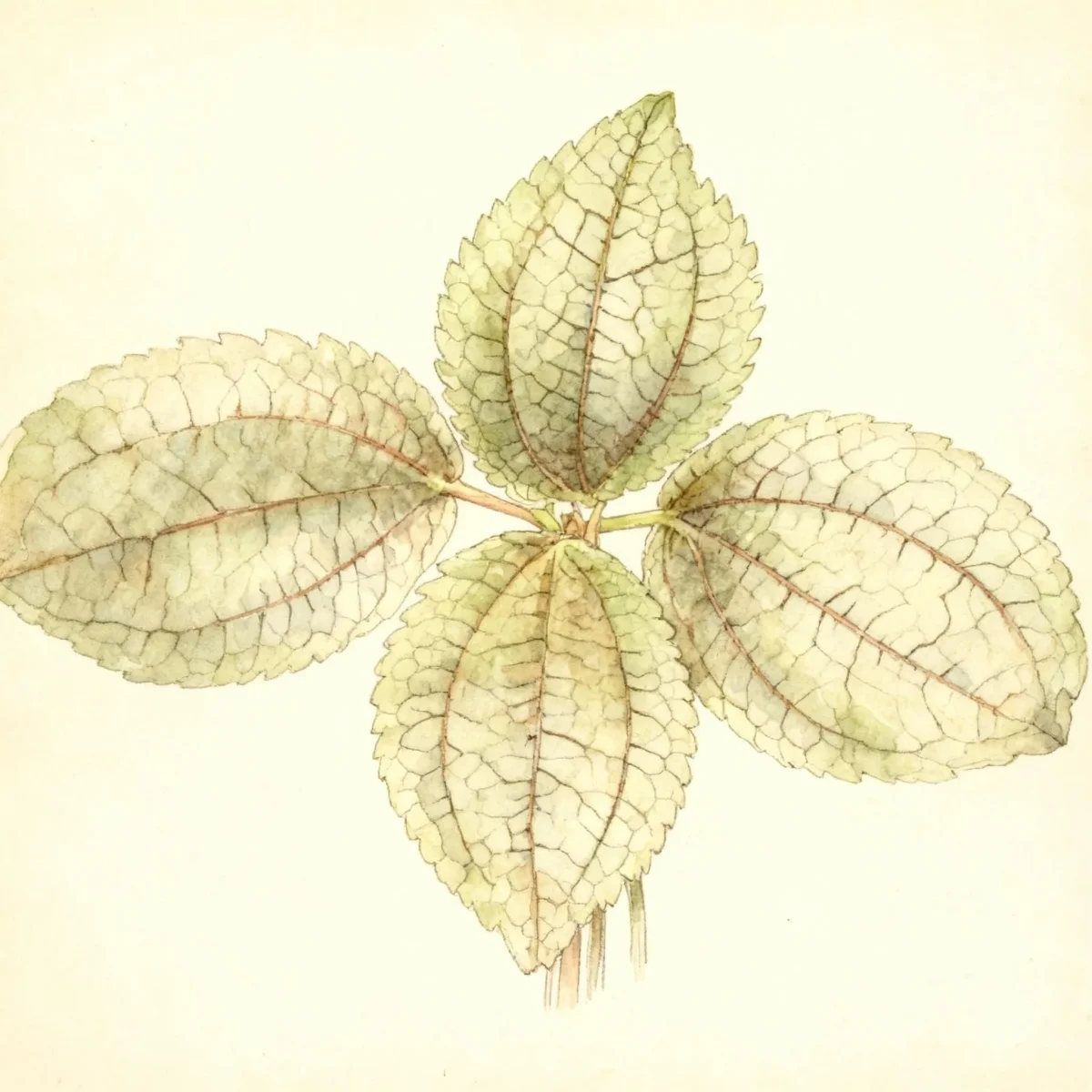
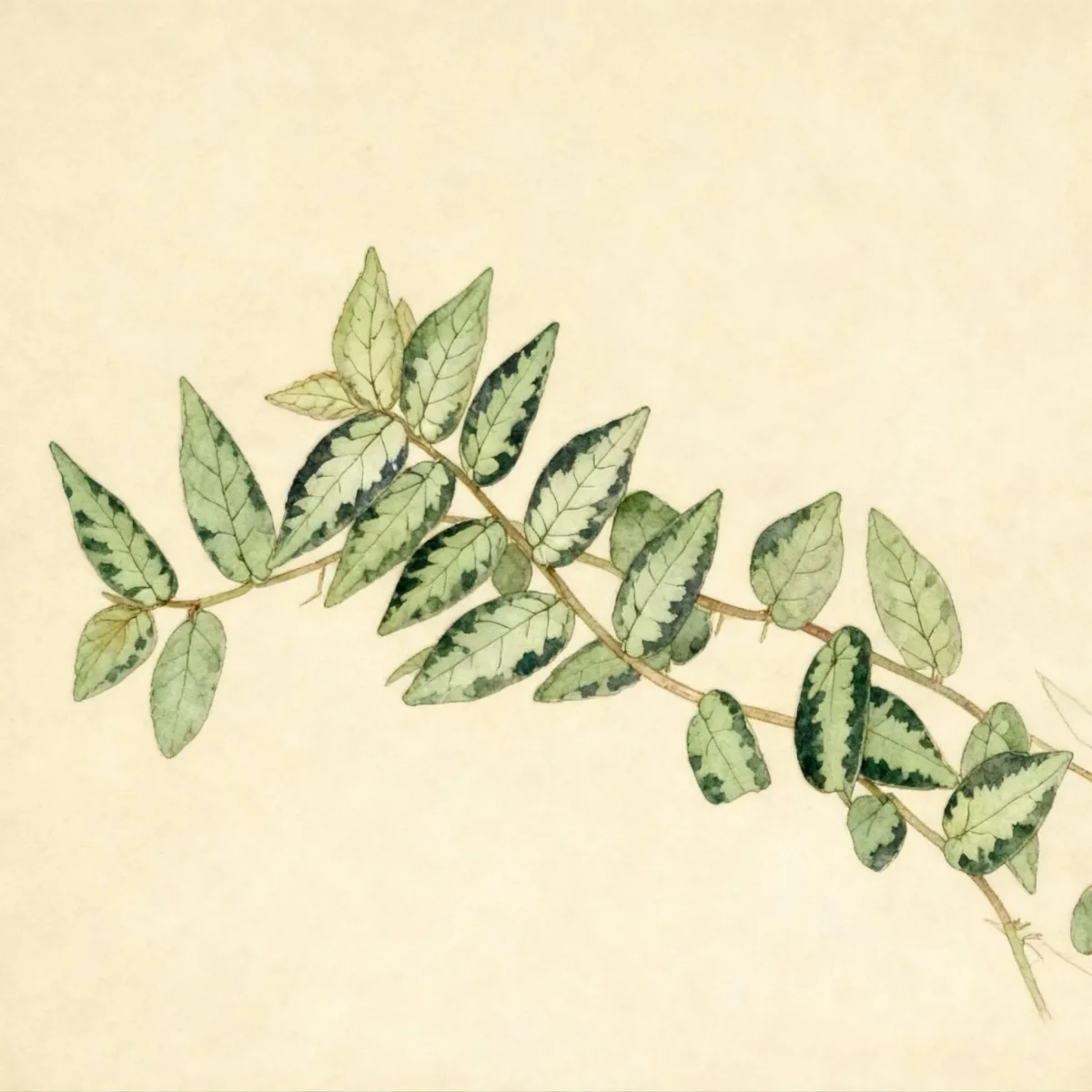
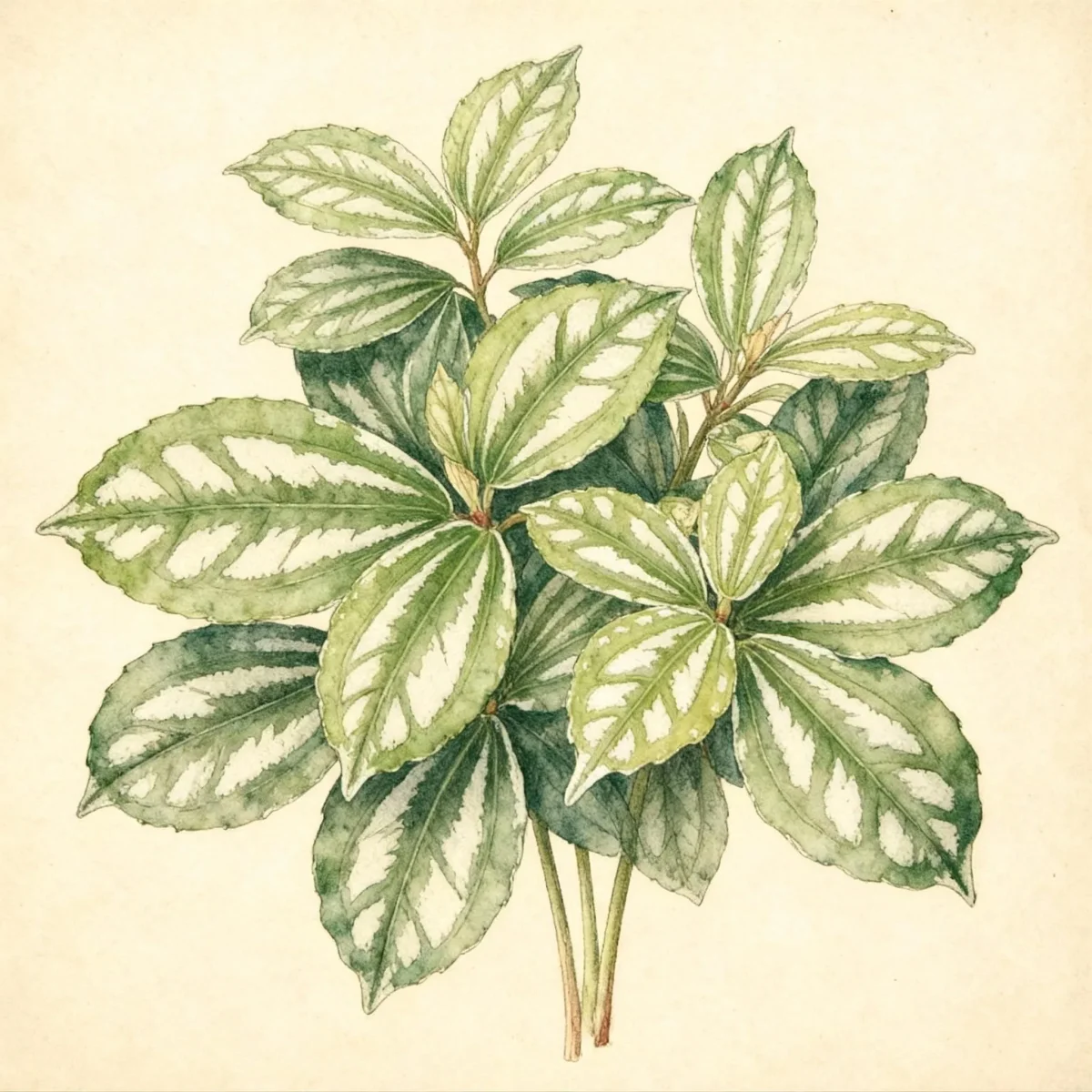
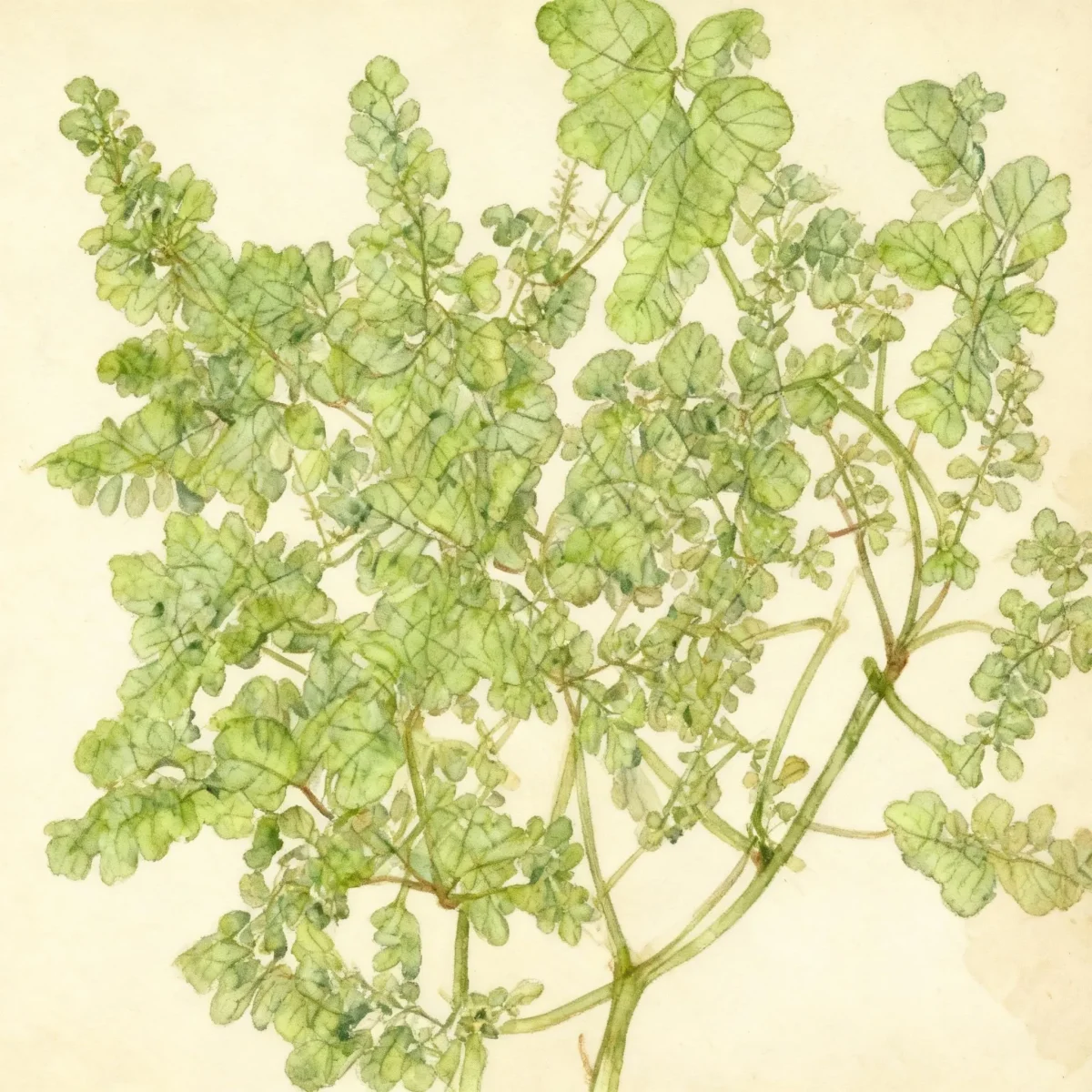
The Artillery plant, scientifically known as Pilea microphylla, is a charming, fine-textured plant treasured for its delicate, almost fern-like foliage. This species is native to regions spanning from Mexico down to Brazil, thriving as a short-lived perennial or annual in warmer climates. Its most distinguishing feature, rarely seen indoors, is the explosive discharge of pollen from its male flowers, earning it the evocative common name, Artillery plant.
This small, shrubby plant offers dense coverage with abundant, tiny, succulent, light green leaves barely reaching half an inch long. Due to its compact size, often remaining under one foot tall, Pilea microphylla excels in specialized indoor settings where it can benefit from consistent warmth and high humidity. Gardeners appreciate the low maintenance level required to keep this tropical beauty looking vibrant.
If you are seeking an accent plant for a humid terrarium or a vibrant, textured edge in a tropical border, the Artillery plant presents an excellent choice. Gardeners must focus on mimicking its native environment—bright, indirect light and consistent moisture—to maintain its fine, appealing structure.
Fast Facts
- Plant Family: Urticaceae
- Plant Type: Herbaceous perennial
- Native Range: Mexico to Brazil
- Hardiness Zones: USDA Zones 11-12
- Size at Maturity:
- Height: 0.5-1 ft
- Spread: 0.5-1 ft
- Bloom Time: Flowers not showy
- Bloom Description: Green
- Sun Exposure: Part shade
- Water Needs: Medium
- Maintenance Level: Low
How to Grow
For gardeners in tropical regions (Zones 11-12), the Artillery plant can be massed as a ground cover or used along borders. In most temperate climates, this species must be grown as a houseplant or as an annual container filler. Use a peaty, well-draining soil-based potting mix, ensuring the pot has excellent drainage to prevent standing water.
Consistent watering is crucial during the active growing season; maintain medium moisture but allow the top inch of soil to dry slightly between waterings. As temperatures cool in fall and late winter, reduce watering frequency significantly. Pilea microphylla demands high ambient air moisture; place containers on beds of wet pebbles or use room humidifiers to keep the environment lush.
Provide bright, indirect light, simulating the dappled sun of its native locale. Avoid harsh, direct afternoon sun, which can scorch the fragile leaves. To encourage a bushier shape, regularly pinch the stem tips as needed. Propagation is remarkably easy, making it simple to refresh your stock, as stem cuttings root readily in moist conditions.
Landscape Uses
When used outdoors in its suitable tropical climate, Pilea microphylla serves beautifully as an informal, low-growing ground cover where its fine texture can contrast sharply with broader-leafed plants. As a small indoor plant, it functions perfectly on windowsills, in shaded dish gardens, or as a unique specimen in enclosed glass environments like terrariums.
In containers, the Artillery plant often shines when paired with plants requiring similar cultural care, particularly humidity-loving tropicals such as certain varieties of Ferns or Calatheas. Its spreading nature allows it to soften the edges of containers or hang slightly over pot rims, adding a textural softness to any arrangement.
For an annual application outside of the tropics, utilize the ease of propagation by starting new plants early for summer outdoor containers. Place the Artillery plant in sheltered spots where overhead structures can diffuse intense sunlight, ensuring it remains an eye-catching textural element throughout the warm months.
Standout Features
Flower Qualities
- Insignificant
Noteworthy Characteristics
Pilea microphylla, commonly called artillery plant, is native from Mexico to Brazil. It is a short-lived perennial or annual that typically grows from 8-12” tall, featuring abundant, tiny, obovate to rounded, succulent, light green leaves that give it an almost fern-like appearance. Male flowers explosively discharge pollen into the air, often leading to its common name, Artillery plant, although indoor specimens rarely flower.
Tolerances
(No data provided)
Potential Problems
Gardeners should remain vigilant for common houseplant pests, specifically mealybugs and spider mites, which can thrive in dry indoor air, counteracting the plant’s high humidity needs. Stems on the Artillery plant are notably fragile, breaking easily if jostled or handled roughly, requiring careful placement and movement. Additionally, overwatering or overly dense soil can lead to fungal issues like leaf spots and stem rot. While valued in cultivation, be aware that the Pilea microphylla has the potential to escape cultivation and be considered invasive in certain tropical and subtropical areas globally; always check local regulations before planting outdoors.
Frequently Asked Questions
What hardiness zones is Artillery plant suitable for?
The Artillery plant is winter hardy only in USDA Zones 11 through 12, requiring indoor protection elsewhere.
How large does Pilea microphylla grow?
This plant typically matures between 0.5 to 1 foot in height, with a similar spread of 0.5 to 1 foot wide.
What sun exposure does Artillery plant need?
Pilea microphylla prefers part shade; ensure it receives bright, indirect light indoors, avoiding harsh afternoon sun exposure.
When does Pilea microphylla bloom?
The flowers of Pilea microphylla are not showy, generally appearing greenish when they do appear.
Conclusion
The Artillery plant provides exceptional textural contrast and fine detail, making the Pilea microphylla a unique asset, particularly for humid indoor environments. While its delicate structure demands careful handling, its low maintenance requirements otherwise make it highly rewarding for dedicated plant enthusiasts. Before adding this tropical gem to your collection, confirm your ability to meet its specific humidity and light needs, especially if growing the Artillery plant outside of its native tropical zones.
Companion Planting
When growing Pilea microphylla indoors, selecting appropriate companions involves choosing other plants that thrive in similar high humidity and consistent warmth. Grouping it with other moisture-loving tropicals creates a microclimate that benefits all occupants. Consider pairing it with Bird’s Nest Ferns (Asplenium nidus) or various small Peperomia species, as they share comparable water needs and light tolerances.
For container gardening outdoors in its native range, combine the Artillery plant with larger, coarser-textured foliage plants to maximize the visual impact of its delicate leaves. Its small stature and spreading habit make it an ideal textural filler under the canopy of larger specimens, such as broad-leafed philodendrons or monsteras, which naturally provide the dappled light this plant prefers.
Propagation Tips
The ease of propagation is a major benefit for increasing your stock of Artillery plant. The simplest method involves taking stem cuttings, which root readily. Use sharp, clean scissors to select a healthy stem section that is a few inches long, ensuring it has several nodes where leaves emerge.
Remove the lower leaves from the cutting, leaving only a few at the top to reduce moisture loss while rooting. Plant the prepared cutting directly into a small pot filled with perpetually moist, peat-based mix, covered loosely with a plastic bag to maintain extremely high humidity until new growth is visible. This method ensures quick multiplication of your favorite Pilea microphylla specimens.