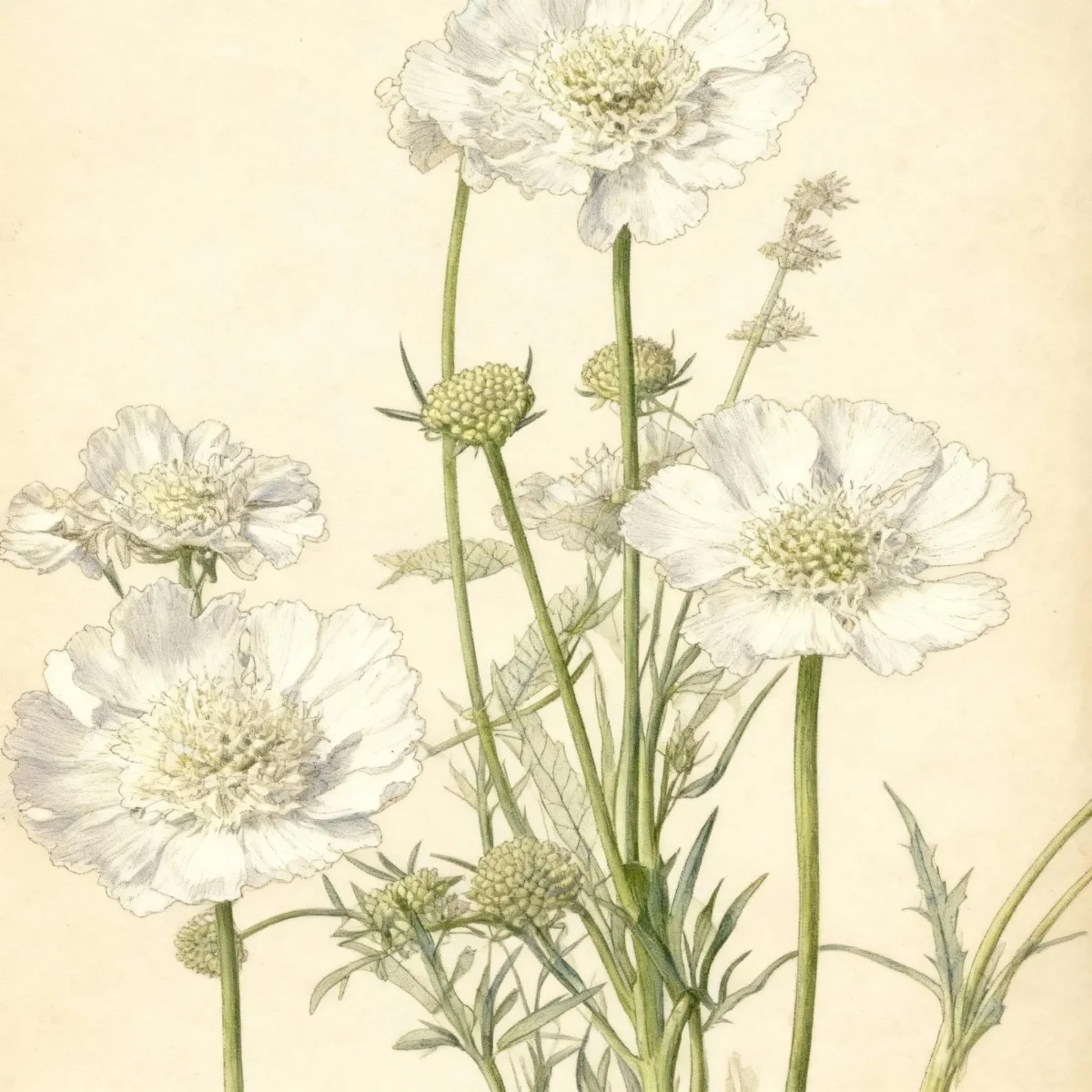
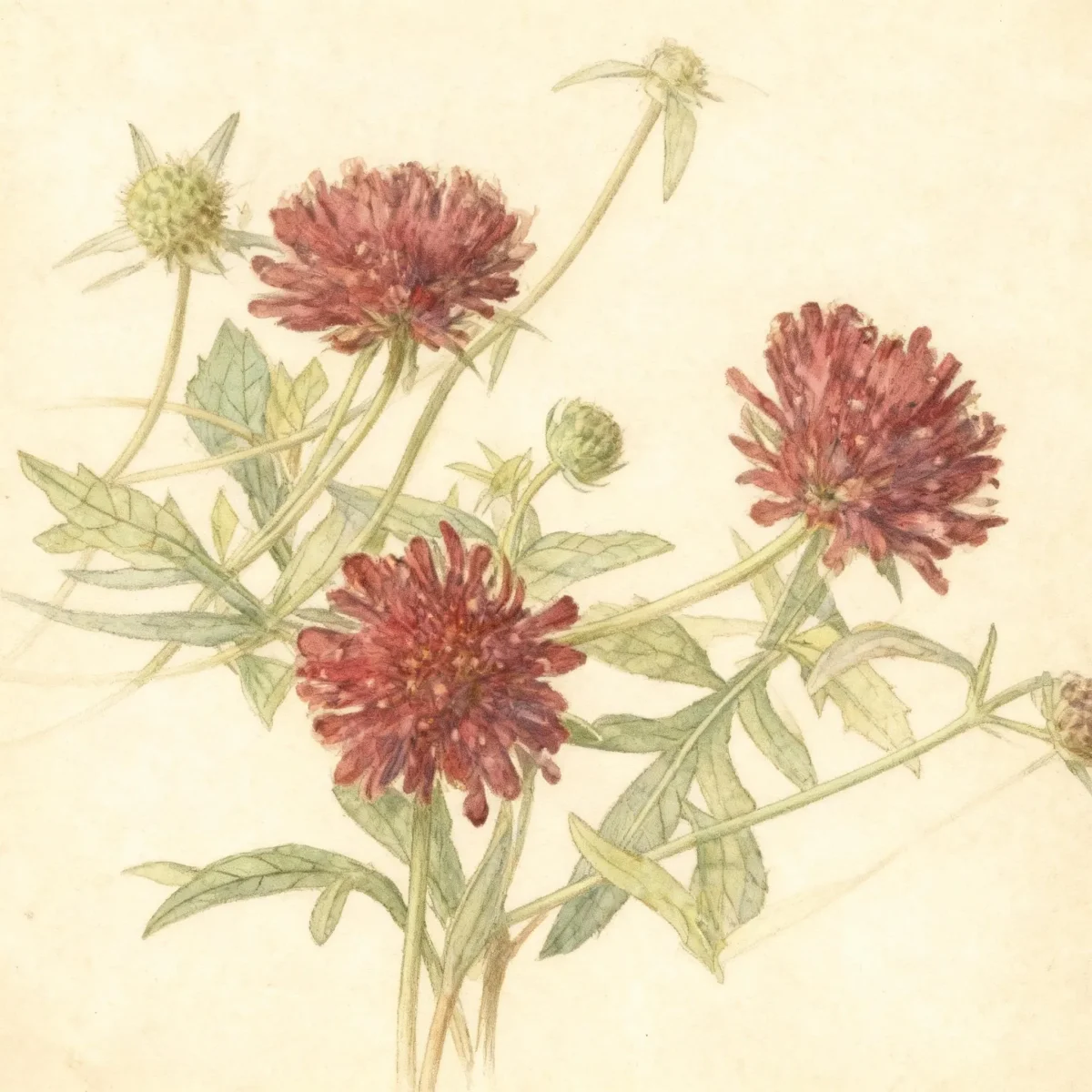
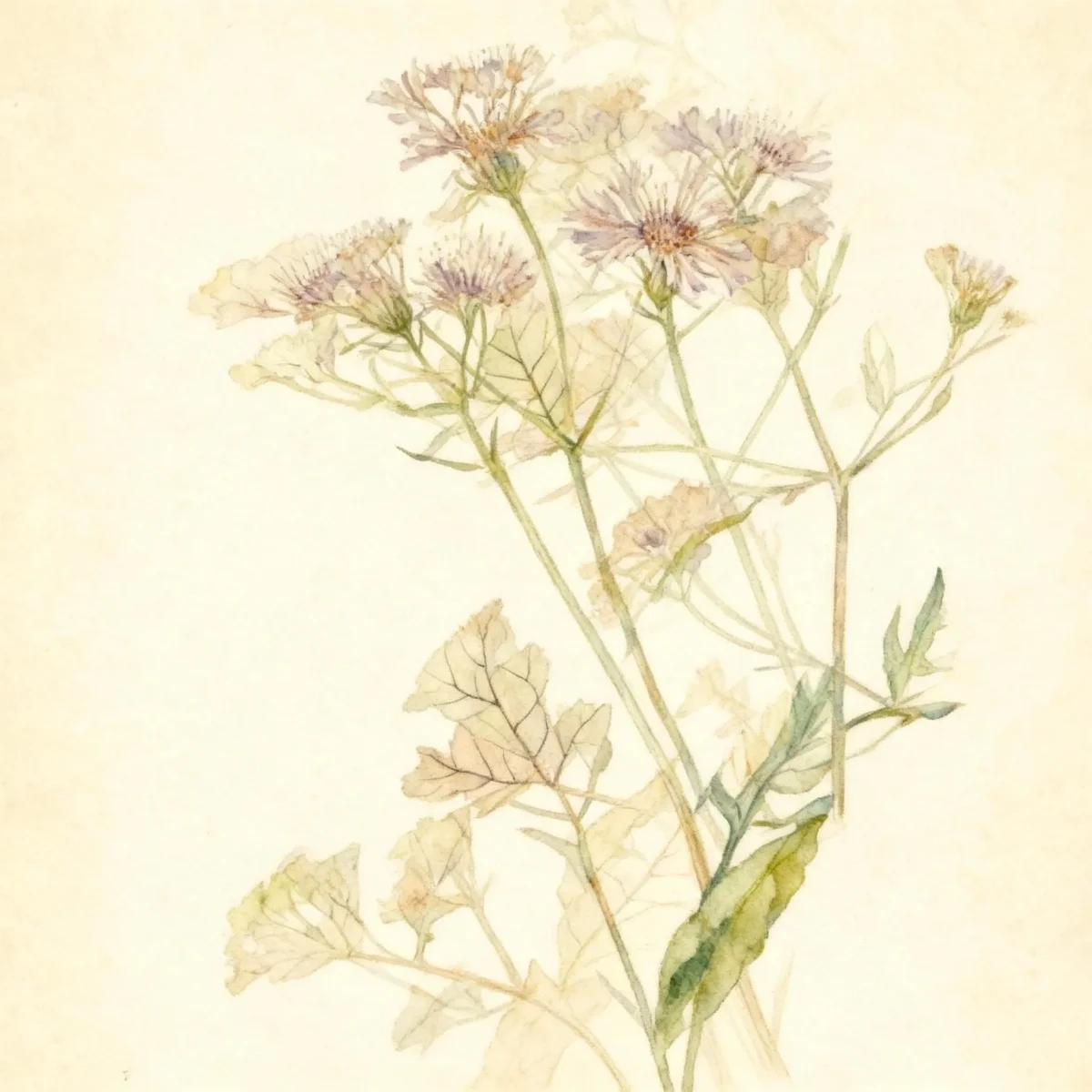
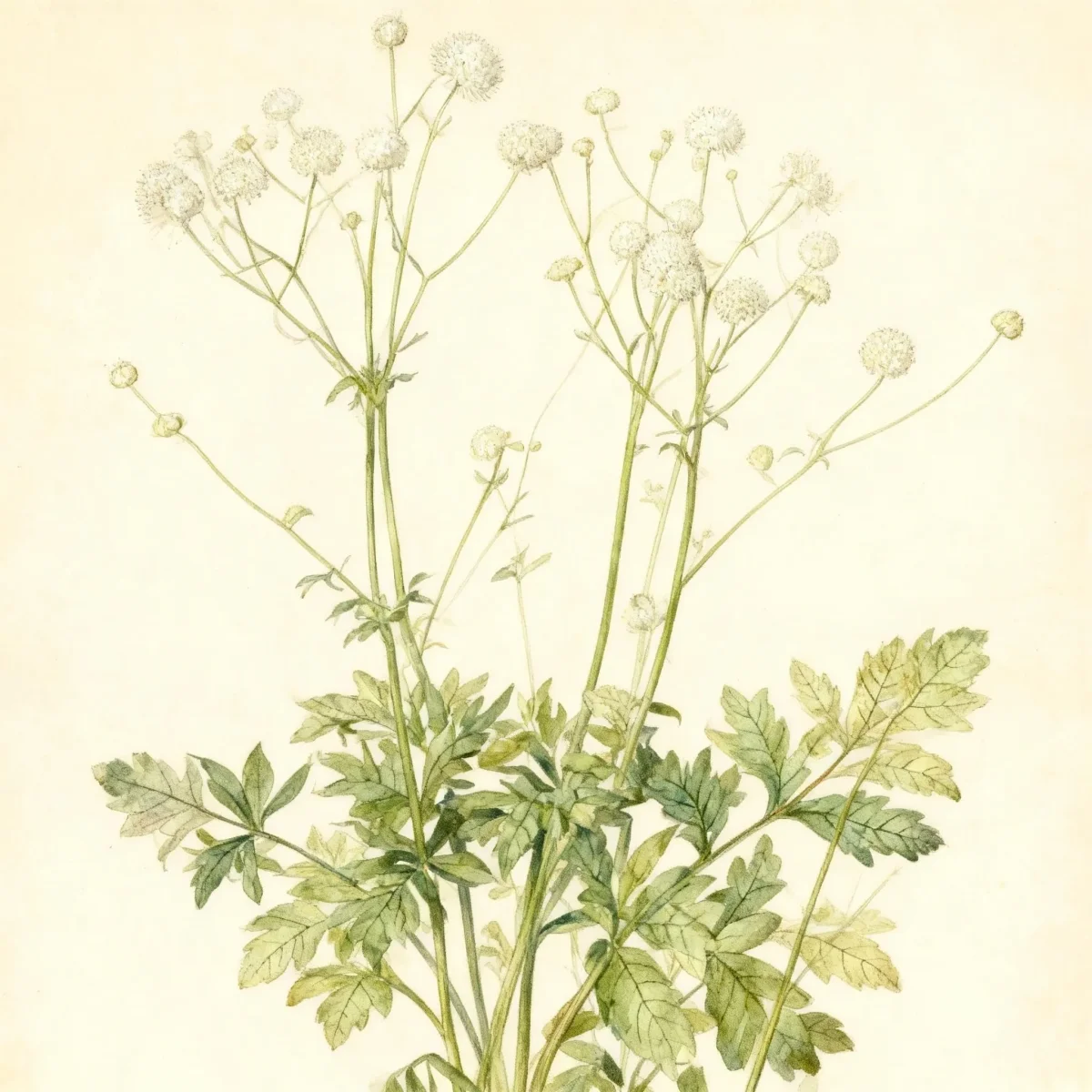
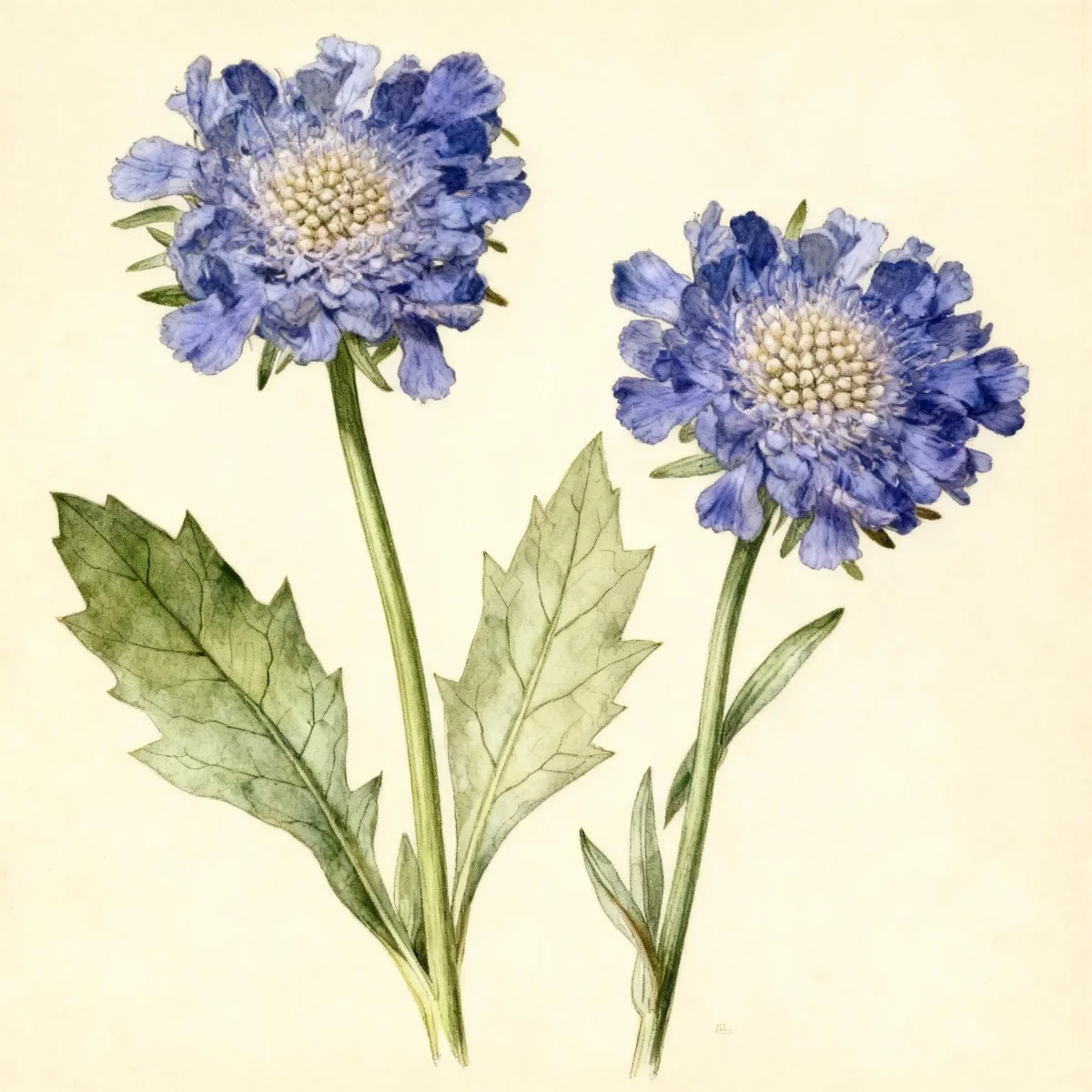
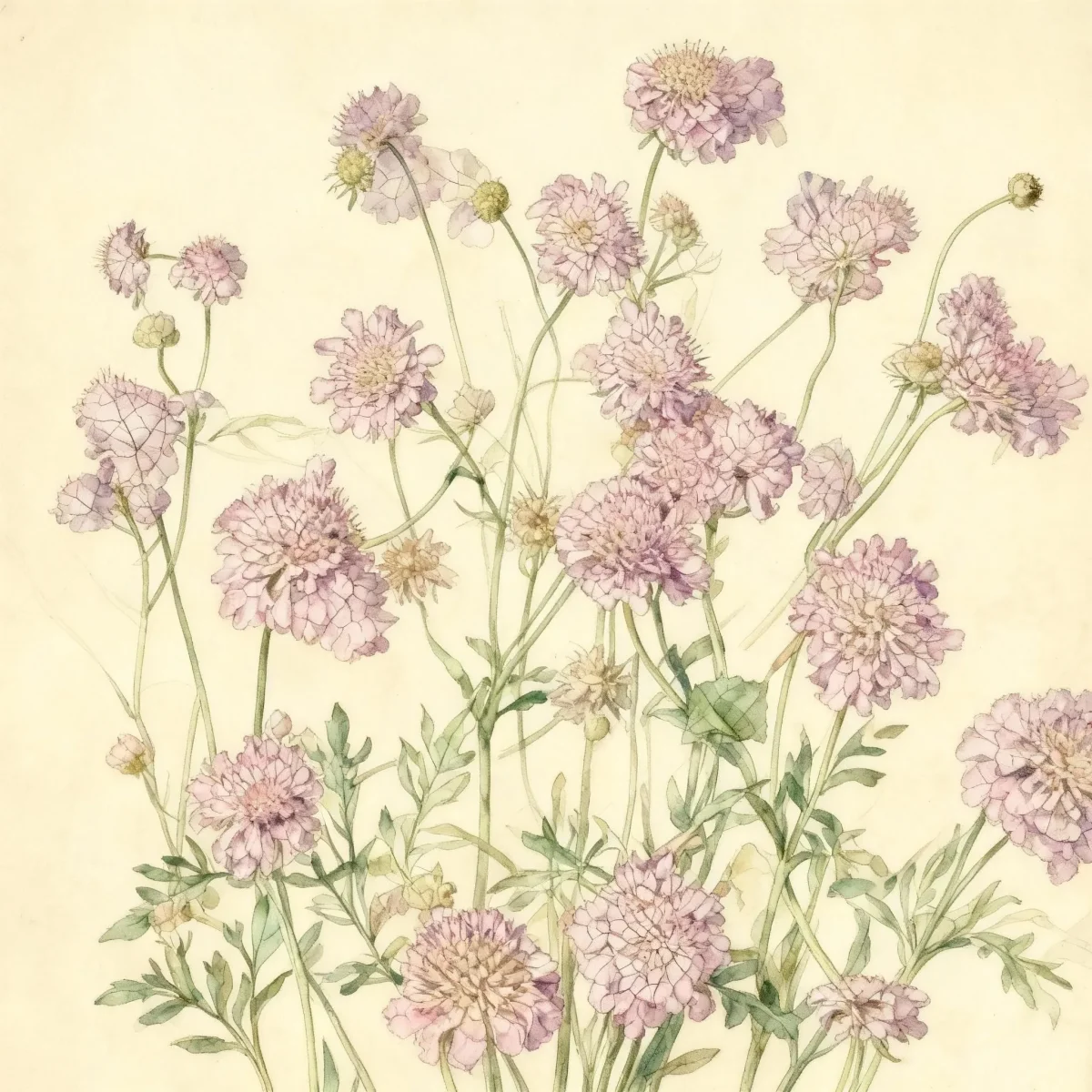
Garden heliotrope (Valeriana officinalis)
Valeriana officinalis, or Garden heliotrope, is a fragrant herbaceous perennial perfect for cottage gardens where its white flowers naturalize easily.
Scroll down to discover growing tips, care requirements, companion plants, and more
Complete Plant Information
Overview
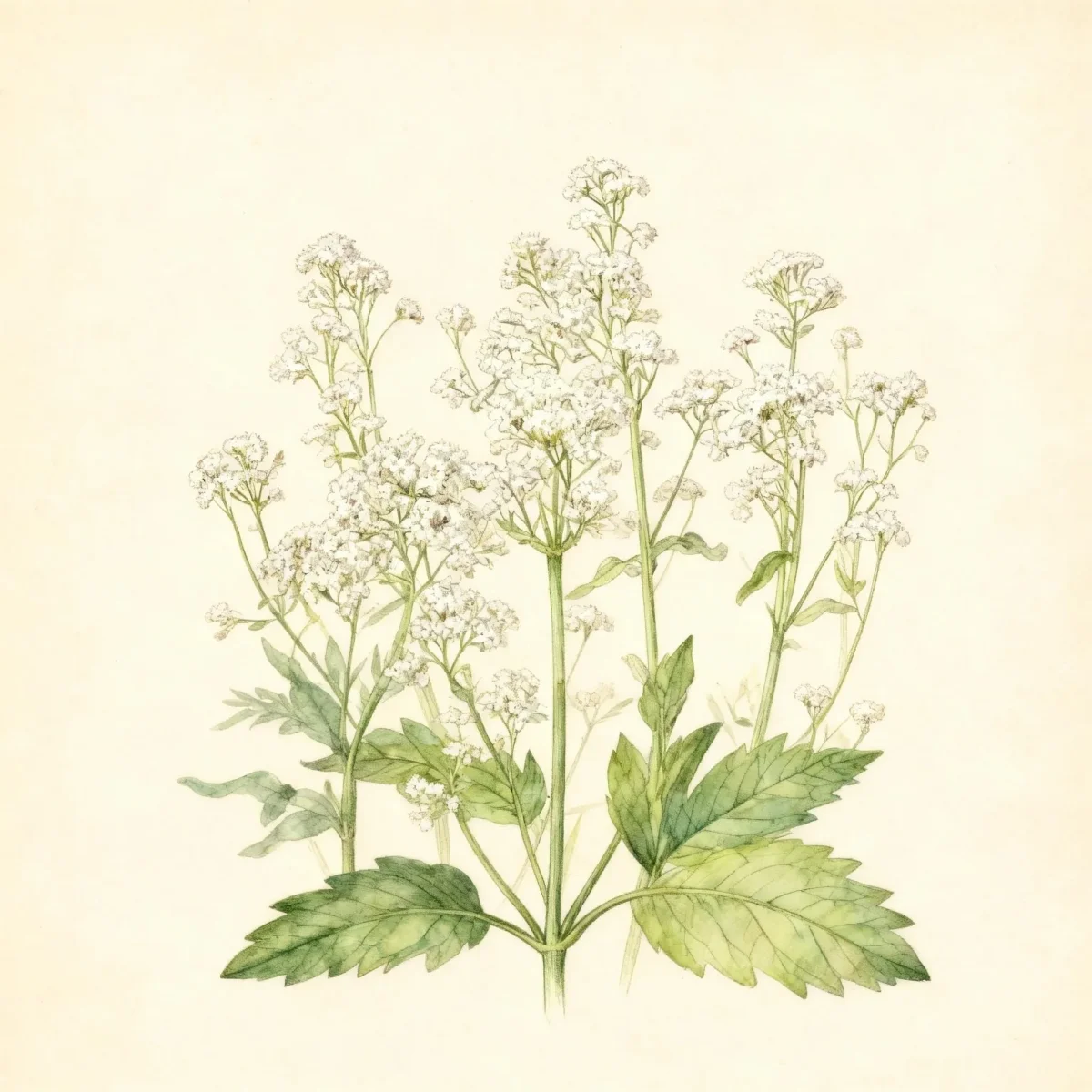
Garden heliotrope, scientifically known as Valeriana officinalis, is a highly valued herbaceous perennial cherished both for its aesthetic appeal and its rich herbal history. This plant produces clouds of highly fragrant, white to pale pink flowers in early summer, making it indispensable in fragrant cottage gardens. While native to Europe and western Asia, Valeriana officinalis has widely naturalized across North America, often found thriving in damp roadside verges.
Valeriana officinalis features aromatic foliage, stems, and roots, lending it the common names Common valerian and All-heal. It forms an upright clump, producing slender stems that can reach impressive heights, well-suited for adding vertical structure to borders. Gardeners must be mindful of its spreading habit, as it readily self-seeds and spreads via rhizomes.
Beyond its medicinal uses, which include providing the root used for over-the-counter tranquilizers, this perennial provides reliable summer interest. Its easy cultivation in moist soils makes it an excellent choice for naturalizing large areas where its cheerful blooms can create a soft, informal tapestry.
Fast Facts
- Plant Family: Caprifoliaceae
- Plant Type: Herbaceous perennial
- Native Range: Europe, western Asia
- Hardiness Zones: USDA Zones 4-7
- Size at Maturity:
- Height: 3-5 ft
- Spread: 2-4 ft
- Bloom Time: June to July
- Bloom Description: White to pale pink
- Sun Exposure: Full sun
- Water Needs: Medium to wet
- Maintenance Level: Medium
How to Grow
Valeriana officinalis is easiest to establish when planted in spring or early fall. Aim for a location that receives full sun, although it tolerates light shade. This perennial thrives in average, medium to wet, well-drained soils, preferring moist, rich loams, but it will perform respectably even in average garden conditions.
Care is generally straightforward, aligning with its medium maintenance level. Ensure consistent moisture, especially during dry spells, as the plant prefers wetter conditions. While generally robust, taller stems may flop if the plant receives too much shade. Deadheading spent flowers promptly is crucial to control its vigorous self-seeding and prevent localized spread.
This hardy heliotrope generally thrives in cooler summer climates. If division is necessary to manage spreading, perform this task in spring or fall. Propagation is also easily achieved through seed sowing, though this requires patience.
Landscape Uses
The primary suggested use for Valeriana officinalis is to naturalize areas, allowing it to spread gently through moist borders or meadow-style planting. Its height and fragrant blooms make it an excellent addition to classic cottage gardens where formality is secondary to charm. It handles damp areas well, making it useful near stream banks or rain gardens.
Use Garden heliotrope as a background plant in perennial borders where its height (3-5 feet) can support shorter specimens. Because the entire plant structure, including the roots, is fragrant, it suits herb gardens or areas where you want sensory experiences beyond just sight.
Ensure you integrate Valeriana officinalis where its vigorous spreading nature is welcomed or can be contained. It works beautifully when massed for an informal display, and the resulting flowers are excellent for filling casual cutting gardens.
Standout Features
Flower Qualities
- Showy
- Fragrant
Noteworthy Characteristics
Valeriana officinalis, commonly called garden heliotrope, common valerian or all-heal, is a clumping perennial with scented leaves, stems, flowers and roots. It is native to Europe and western Asia, but has escaped gardens and locally naturalized in the northern U. S. And Canada. It typically grows in damp locations, but also can be found in drier soils. Its strong-smelling roots yield the drug valerian, historically used in herbal medicines for treating anxiety and insomnia, and its genus name references being healthy.
Tolerances
This section is currently unavailable based on provided data.
Potential Problems
Valeriana officinalis generally exhibits good resistance and faces no serious insect or disease problems under typical garden conditions. Gardeners should primarily focus on management related to its growth habit rather than pest control. The main concern involves its tendency to self-seed heavily and spread via underground rhizomes.
To maintain control, especially in manicured settings, diligently deadhead the flower heads immediately after blooming finishes in July. If the plant spreads too aggressively across paths or into neighboring plantings, dividing the rhizomes in spring or fall will manage its size and location.
Frequently Asked Questions
What hardiness zones is Garden heliotrope suitable for?
Garden heliotrope is reliably hardy when grown within USDA Zones 4 through 7.
How large does Valeriana officinalis grow?
This perennial typically reaches a mature height between 3 and 5 feet, with a spread spanning 2 to 4 feet wide.
What sun exposure does Valeriana officinalis need?
It prefers to be situated in full sun for the best performance, although it can tolerate some light shade.
When does Garden heliotrope bloom?
The prolific blooming period for Valeriana officinalis occurs from June through July, producing clouds of white to pale pink flowers.
Conclusion
Valeriana officinalis, or Garden heliotrope, offers exceptional value due to its summer fragrance, reliability in moist soils, and suitability for naturalized schemes. This clumping perennial is straightforward to grow, provided you manage its self-seeding tendencies through timely deadheading. Before planting, confirm your garden falls within USDA Zones 4-7 to ensure the best chance of success with this historical medicinal herb.
Companion Planting
When integrating Valeriana officinalis into perennial borders, select companions that share its love for medium to wet soil conditions. Plants that bloom before or after its June-July window will provide continuous visual interest as the Garden heliotrope begins to fade. Consider pairing it with moisture-loving classics like Astilbe or taller ornamental grasses that can handle the dampness.
Since Valeriana officinalis can become quite tall, it works best placed in the middle to back of a border structure. Avoid placing it where its rhizomes can easily intrude on delicate neighbors, as containment might become necessary. Its vertical spires contrast nicely with mounding or broad-leaved plants that can visually anchor the base of the taller stems.
Propagation Tips
The easiest way to propagate this medicinal valerian is through division of its creeping rhizomes. This is best performed in early spring before new stems emerge, or alternatively, in the fall after the foliage begins to die back. Dig up the clump and gently separate the root mass, ensuring each new section has adequate root material attached.
Alternatively, Valeriana officinalis readily self-seeds, and you can collect the seeds once the white flowers have faded and dried on the plant. Sow seeds shallowly directly outdoors in moist soil in the fall for germination the following spring, or start them indoors in a controlled environment slightly earlier.