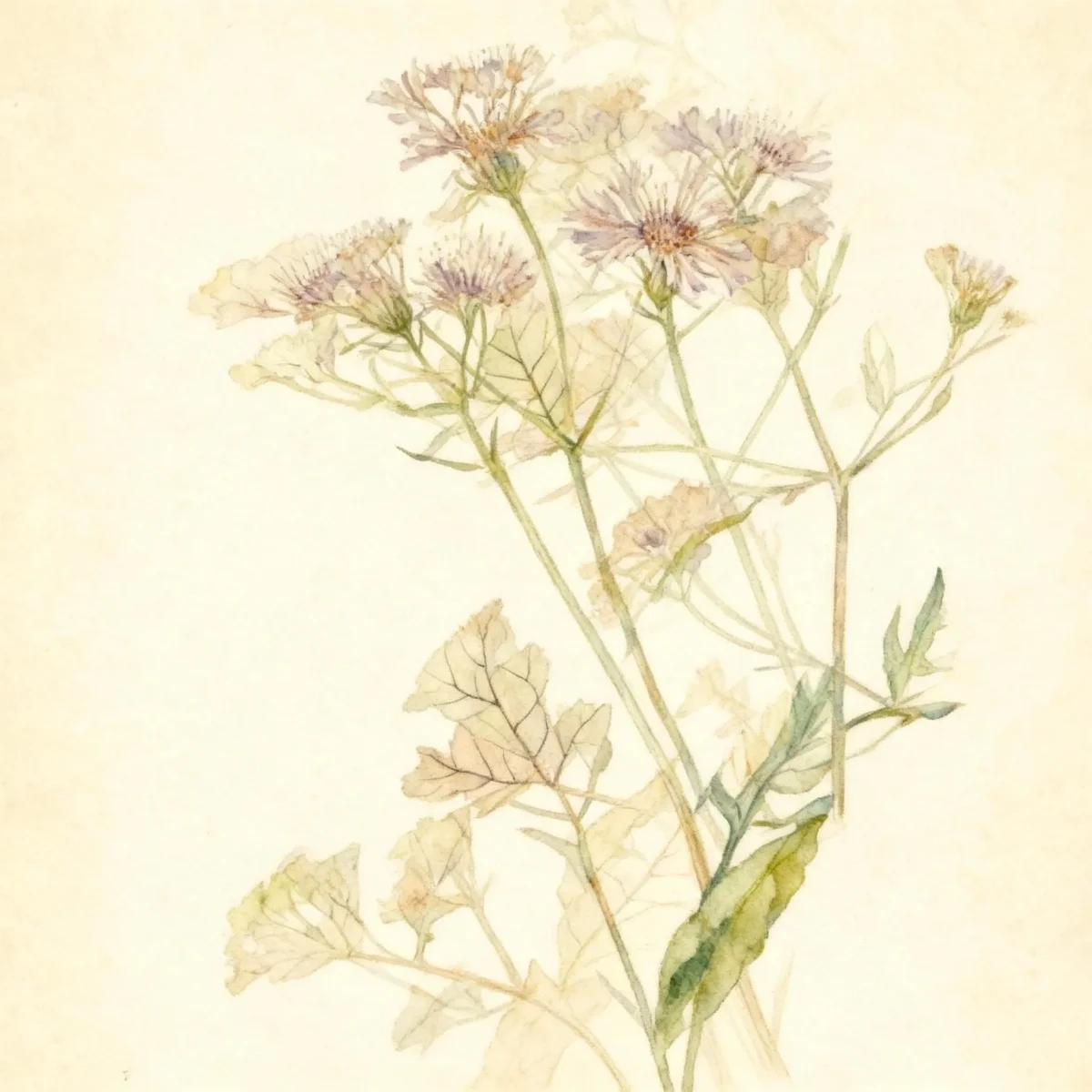
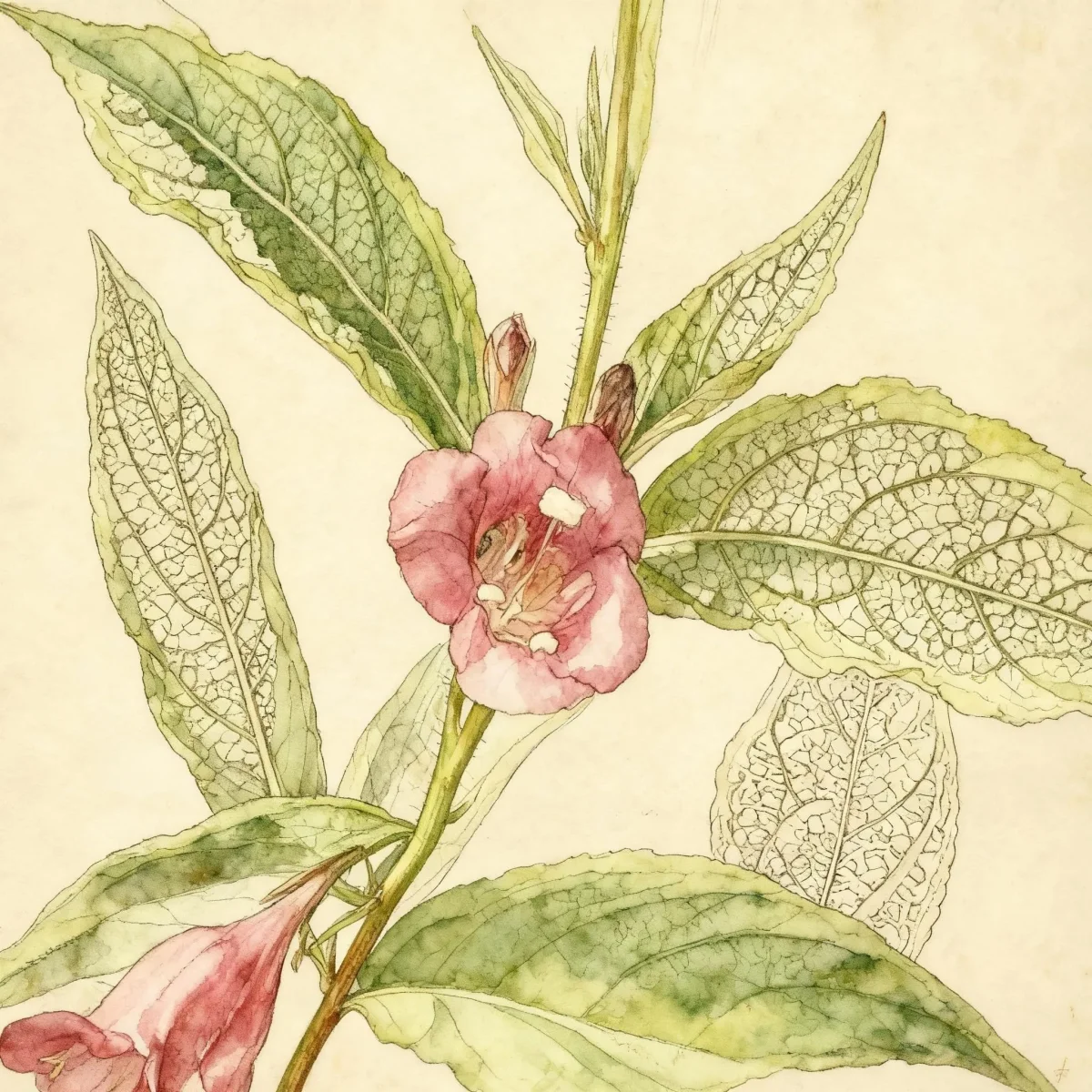
Lamb's lettuce (Valerianella locusta)
Discover Valerianella locusta, the mild-flavored Lamb's lettuce. An easy-to-grow annual green thriving in cooler seasons.
Scroll down to discover growing tips, care requirements, companion plants, and more
Complete Plant Information
Overview
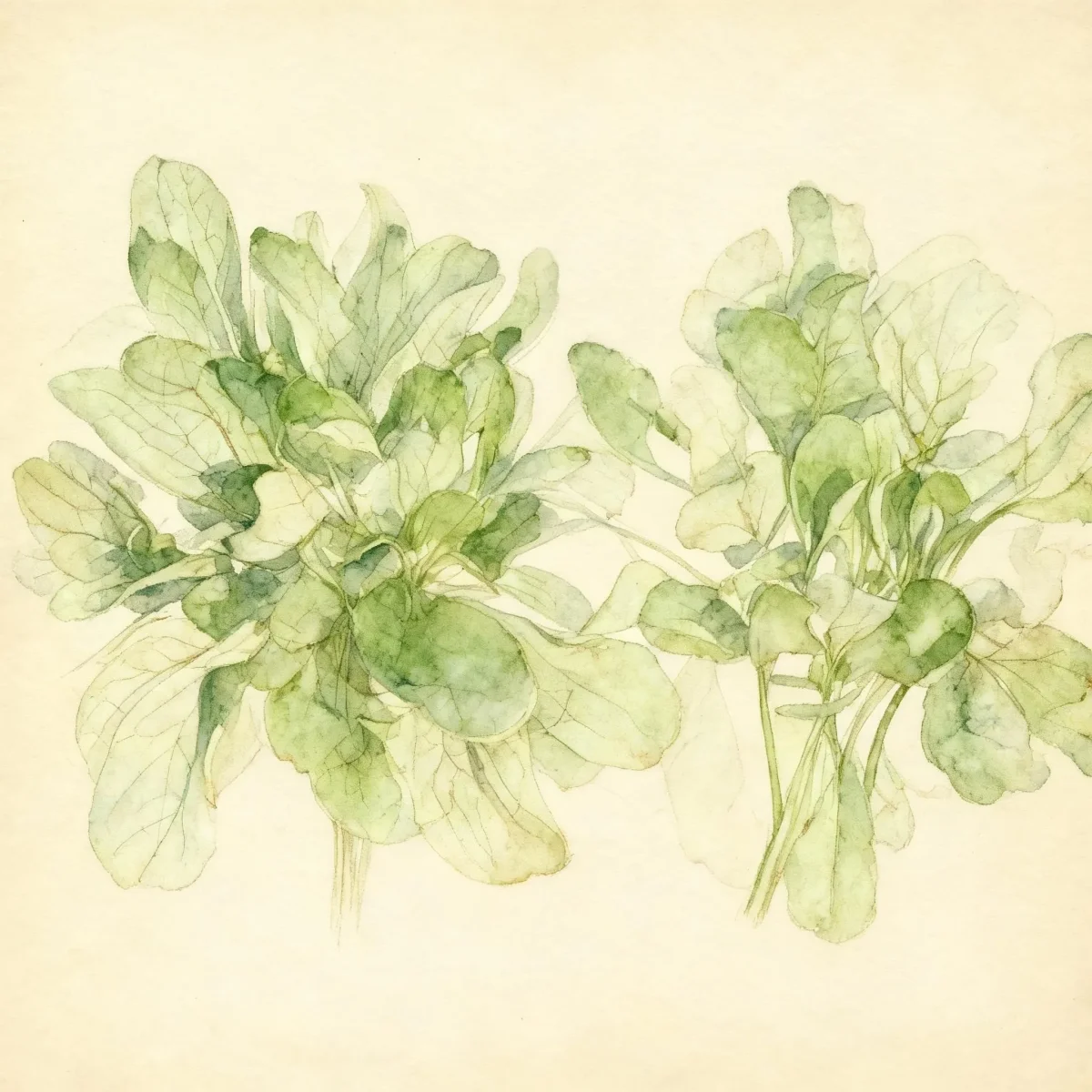
Valerianella locusta, commonly known as Lamb’s lettuce or Cornsalad, is a highly valued cool-season crop prized for its delicate, tender texture and mild, slightly nutty flavor. Unlike many summer greens, this annual thrives when temperatures begin to drop, offering fresh harvests well into fall and early spring. Its low growing habit and fast nature make it an excellent choice for small spaces or succession planting.
As a traditional European green, Valerianella locusta grew wild in grain fields, thus earning the alternate name Cornsalad. Its cultivation is straightforward, requiring minimal intervention from the gardener. This plant offers practical benefits by extending the salad season when many other vegetables are dormant.
Gardeners appreciate Valerianella locusta for its resilience and ease of management beneath full sun exposure. It is not known for significant pest or disease issues, ensuring a healthy yield with low maintenance effort. Focus your efforts on timely seeding to enjoy continuous tender leaves of this unique salad offering.
Fast Facts
- Plant Family: Caprifoliaceae
- Plant Type: Annual
- Native Range: Europe
- Hardiness Zones: USDA Zones 4-8
- Size at Maturity:
- Height: 1-2 ft
- Spread: 1-2 ft
- Bloom Time: Flowers not showy
- Sun Exposure: Full sun
- Water Needs: Medium
- Maintenance Level: Low
How to Grow
Sowing Lamb’s lettuce is timed for cooler weather. Start seeds densely, burying them about ¼ inch deep, beginning in August for fall harvest, and again early in the spring for the next season’s crop. Ensure the location receives full sun, as this preference aids in establishing robust growth for Valerianella locusta.
While this plant is not overly demanding, consistent care ensures the best leaf quality. Provide occasional watering, especially during dry spells between your regular cycles. A light fertilization will help keep the leaves vibrant and greener throughout the growing period.
Valerianella locusta exhibits surprising cold tolerance, often surviving temperatures down to 5°F unprotected. For overwintering success when temperatures drop below this threshold, apply a layer of straw mulch over the rosettes for necessary insulation. This preparation safeguards your winter harvest of Lamb’s lettuce.
Landscape Uses
As an edible herb and vegetable, Lamb’s lettuce fits perfectly into kitchen gardens or integrated edible landscapes. Its low, clumping habit makes it ideal for filling gaps between taller perennials or lining the edges of raised beds. It functions well in containers where regular harvesting can be managed easily.
Incorporating Valerianella locusta into your design offers a steady supply of fresh greens rather than focusing solely on ornamental appeal. Use the individual outer leaves as needed, or harvest the entire rosette once it reaches a suitable size for immediate use or preservation.
The mild flavor profile of Cornsalad makes it an excellent, non-dominant companion to stronger herbs or more robust leafy greens. Its short stature prevents it from overwhelming smaller companion plantings, creating a textured, multi-layered edible border.
Standout Features
Noteworthy Characteristics
Valerianella locusta is an edible, mild-flavored salad green with a hint of nutty flavor and soft texture. Harvest entire rosette or individual leaves as they reach edible size, or harvest the entire plant once the flower head starts to develop. To preserve your bounty for two to three weeks, simply place the harvested leaves into a plastic bag and place them in the refrigerator.
Tolerances
No tolerances were specified for environmental extremes beyond general hardiness.
Potential Problems
Gardeners will be pleased to know there are generally no serious insect or disease problems associated with growing Valerianella locusta. This low-maintenance characteristic significantly contributes to its appeal for both beginner and experienced cultivators looking for reliable cool-season crops. Consistent monitoring for aphids is always wise, though widespread infestations are uncommon.
Frequently Asked Questions
What hardiness zones is Lamb’s lettuce suitable for?
Valerianella locusta is suitable for gardeners growing within USDA Hardiness Zones 4 through 8.
How large does Cornsalad grow?
At maturity, Lamb’s lettuce typically reaches a height of 1 to 2 feet, with a similar spread of 1 to 2 feet wide.
What sun exposure does Valerianella locusta need?
This crop requires full sun exposure to establish the best growth habits for continuous leaf production.
When does Lamb’s lettuce bloom?
The bloom time for Valerianella locusta is noted as having flowers that are not showy once the plant matures to seed stage.
Conclusion
Lamb’s lettuce, or Valerianella locusta, provides exceptional value through its easy cultivation and delicious, mild greens perfect for extending the salad season. This resilient annual requires full sun and medium water, making it one of the simplest cool-weather crops to manage. Before planting, confirm your location falls within USDA Zones 4-8 and plan your dense autumn seeding for the earliest possible spring flavor.
Companion Planting
When planning your garden layout featuring Valerianella locusta, consider companion plants that appreciate similar cool-season conditions and space utilization. Because Cornsalad grows low and fast, it pairs well with slower-developing root vegetables like radishes, which will mature before the lettuce fully occupies the space.
Planting other cool-weather crops nearby, such as spinach or loose-leaf lettuces, helps streamline your watering and maintenance schedules, as their needs align closely with those of Lamb’s lettuce. Grouping these greens together simplifies harvest planning during the shoulder seasons of spring and fall.
Avoid planting Valerianella locusta immediately adjacent to aggressive, fast-spreading herbs which might compete unduly for the dense seed spacing required. Focus instead on an abundance of space efficiency where the soft texture of the Lamb’s lettuce can be enjoyed without shading or competition from very large neighbors.
Seasonal Care Calendar
For gardeners in Zones 4-8, strategic timing is the key to maximizing the harvest of Valerianella locusta. In late summer (August onward), begin sowing seeds densely for your main fall crop, ensuring a steady supply before significant frost sets in. Water regularly during this germination period.
As winter approaches, monitor temperatures closely. If cold snaps below 5°F are forecast, apply a protective layer of straw mulch across the rosettes. This simple barrier is critical for maintaining the viability of the overwintering crop of Cornsalad.
With the arrival of early spring, remove any excessive mulch once growth resumes. Continue light watering and consider a mild feeding to encourage fast new leaf development. Successional planting in early spring ensures that as the weather warms and the current patch bolts, a new harvest is established and ready for continued enjoyment before summer heat forces it out.