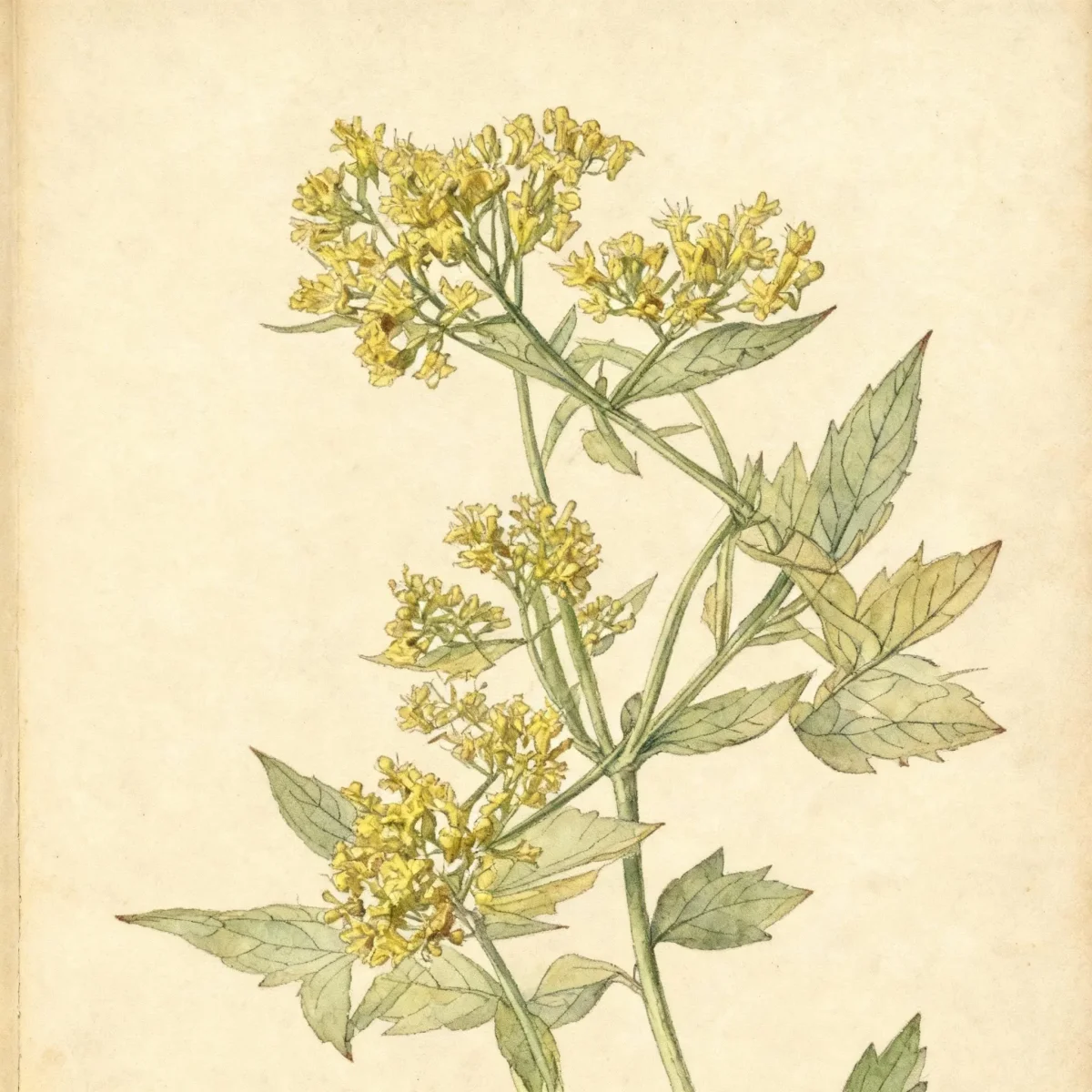
Patrinia (Patrinia gibbosa)
Discover Patrinia gibbosa, a compact herbaceous perennial featuring showy yellow summer blooms. Easy to grow in sun.
Scroll down to discover growing tips, care requirements, companion plants, and more
Complete Plant Information
Overview
Patrinia gibbosa offers gardeners a reliable perennial choice, known for its neat, compact habit and vibrant summer color display. This variety of Patrinia is highly valued for maintaining garden structure while providing continuous interest when many other spring bloomers fade. Its ease of cultivation makes it an excellent addition for both novice and experienced horticulturists aiming for low-input, high-reward plantings.
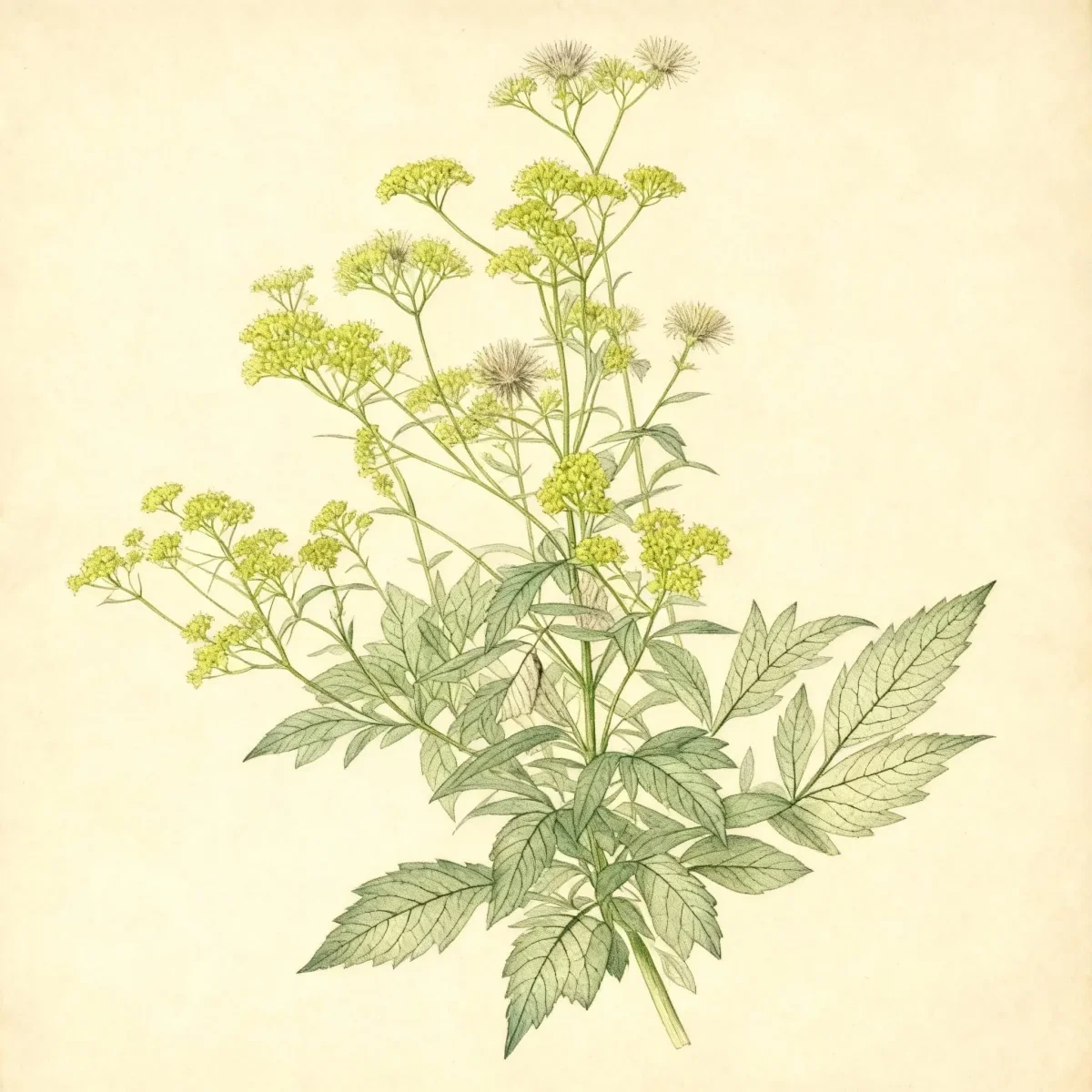
This herbaceous perennial forms a tidy mound, rarely exceeding 18 inches in height, making it perfect for the middle or front of a border. The key attraction of Patrinia gibbosa is its summer output: dense clusters of tiny, bright yellow flowers that remain attractive from early summer well into August. The foliage itself is also interesting, featuring textured, blistered leaves.
For gardeners seeking longevity and minimal fuss, Patrinia species are excellent choices. Patrinia gibbosa thrives in full sun and handles heat and humidity well once established, offering a low-maintenance accent perfect for naturalized settings or cottage garden designs.
Fast Facts
- Plant Family: Caprifoliaceae
- Plant Type: Herbaceous perennial
- Native Range: Japan
- Hardiness Zones: USDA Zones 5-8
- Size at Maturity:
- Height: 1-1.5 ft
- Spread: 0.75-1 ft
- Bloom Time: June to August
- Bloom Description: Yellow
- Sun Exposure: Full sun
- Water Needs: Medium
- Maintenance Level: Low
How to Grow
The best time to plant Patrinia gibbosa is typically in the spring after the danger of hard frost has passed, allowing the roots to establish before summer heat. This plant strongly prefers average, well-drained soil but truly excels in rich, humusy conditions. Ensure the planting location receives full, unimpeded sun exposure for the best flowering performance.
Care requirements for Patrinia are straightforward, classifying it as a low-maintenance selection. Water requirements are medium; provide consistent moisture, especially during dry spells in its first year, but avoid making the soil soggy, as good drainage is critical. Fertilization is generally unnecessary if the soil is organically rich, though a light side-dressing of compost in spring can boost vigor.
Seasonal maintenance involves minimal intervention. Pruning is usually limited to cutting back the spent flower stalks in late fall or early spring cleanup. Be aware that Patrinia gibbosa may self-seed gently in optimal growing conditions, so allow some flowers to remain if you desire new clumps around the original plant.
Landscape Uses
The suggested uses for this plant emphasize natural integration into the garden design. Patrinia gibbosa is highly recommended for naturalizing, where it can intermingle gracefully with other perennials, creating soft drifts of yellow color throughout the summer months. Its upright yet contained stature makes it an ideal component for borders, providing a visual anchor without becoming unruly.
In a cottage garden setting, the simple, bright yellow blooms of Patrinia pair beautifully with softer colors like lavender, pink daisies, or silvery foliage plants. Consider using it near paths or entrances where its low stature and persistent bloom structure can be appreciated up close. Being valued for its long summer bloom, planting it alongside late-season bloomers will ensure continuous visual flow.
Standout Features
Flower Qualities
- Showy
Noteworthy Characteristics
Patrinia gibbosa is a compact, clump-forming plant which typically grows in a mound to 12-18” tall (infrequently to 2’). Tiny yellow flowers (to 3/16” across) appear in loose clusters (cymes to 4” across) above the foliage in summer. The leaves are coarsely-toothed, pinnately-cut, broad-ovate, and blistered, growing up to 6” long.
Tolerances
- Tolerant of hot and humid summers
Potential Problems
Gardeners should take comfort in knowing that Patrinia gibbosa generally faces no serious insect or disease problems. This inherent vigor helps keep maintenance low throughout the growing season. Proactive care centers mainly on ensuring correct soil drainage rather than reactive pest management.
If site conditions allow the soil to become overly saturated or heavy clay leads to poor drainage, root issues might develop. Always amend heavy soils with grit or organic matter before planting to ensure the medium is well-drained, which is the best preventative step for overall plant health.
Frequently Asked Questions
What hardiness zones is Patrinia gibbosa suitable for?
Patrinia gibbosa is hardy across USDA Zones 5 through 8, offering reliable perennial performance across a wide swath of temperate regions.
How large does Patrinia grow?
This herbaceous perennial typically reaches a height between 1 and 1.5 feet tall, spreading about 0.75 to 1 foot wide, creating a nicely mounded silhouette.
What sun exposure does Patrinia need?
Patrinia gibbosa requires full sun exposure to develop optimally and produce its characteristic showy blooms throughout the summer.
When does Patrinia bloom?
This Patrinia species displays its signature yellow flowers over a relatively long period, blooming consistently from June through August.
Conclusion
The Patrinia genus provides invaluable texture and reliable summer cheer, and Patrinia gibbosa stands out due to its compact form and exceptional ease of care. Its tolerance for heat combined with its low maintenance requirements solidifies its position as a garden workhorse. Before planting, confirm that your garden site provides the necessary full sun and well-drained soil to ensure this lovely Japanese native thrives for years to come.
Companion Planting
Selecting companions based on similar needs—full sun and medium moisture—will maximize the health of your Patrinia patch. Look for plants that contrast effectively with its mid-season yellow flowers. Good partners include white-flowering Shasta Daisies or purple bloomers like Salvia nemorosa cultivars.
The clumping nature of Patrinia gibbosa pairs well with plants that spread slightly more, such as creeping thyme or various sedums acting as a front-edge groundcover. This juxtaposition of textures introduces visual depth in beds where the mound of Patrinia is sited.
Wildlife Benefits
While the primary focus of Patrinia gibbosa is ornamental, its exposed clusters of tiny flowers provide accessible nectar resources for a variety of smaller pollinators. Bees and small beneficial wasps are frequent visitors to these dense cymes during the peak summer months.
Its low-growing profile also offers cover and structure near the ground level, benefiting ground-dwelling insects and supporting the overall biodiversity of the garden ecosystem. Utilizing this plant in mixed borders enhances the functional habitat within your landscape.