American blue vervain (Verbena hastata)
Verbena hastata, or American blue vervain, is a striking, low-maintenance perennial ideal for wet gardens, featuring tall spikes of purplish-blue flowers.
Scroll down to discover growing tips, care requirements, companion plants, and more
Complete Plant Information
Overview
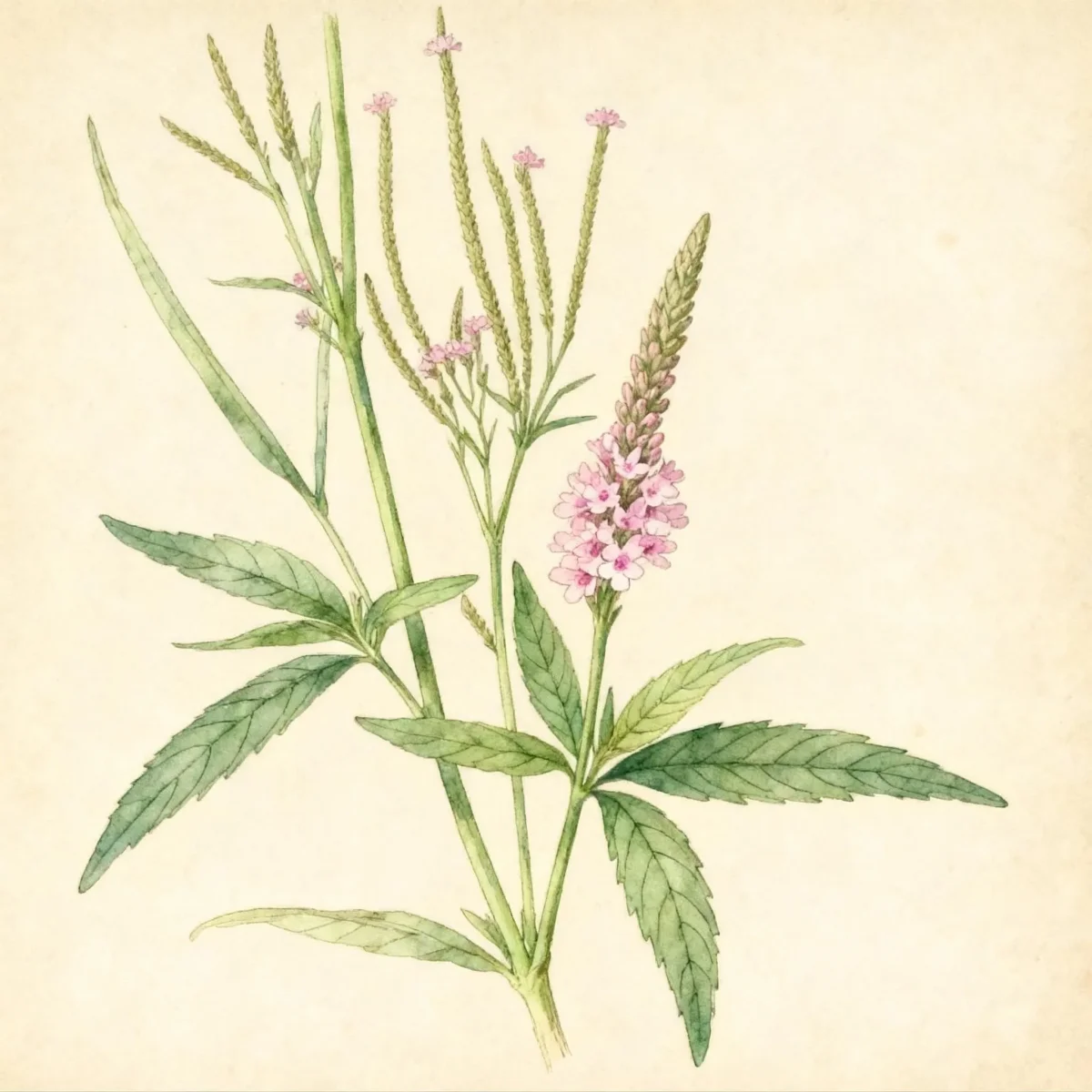
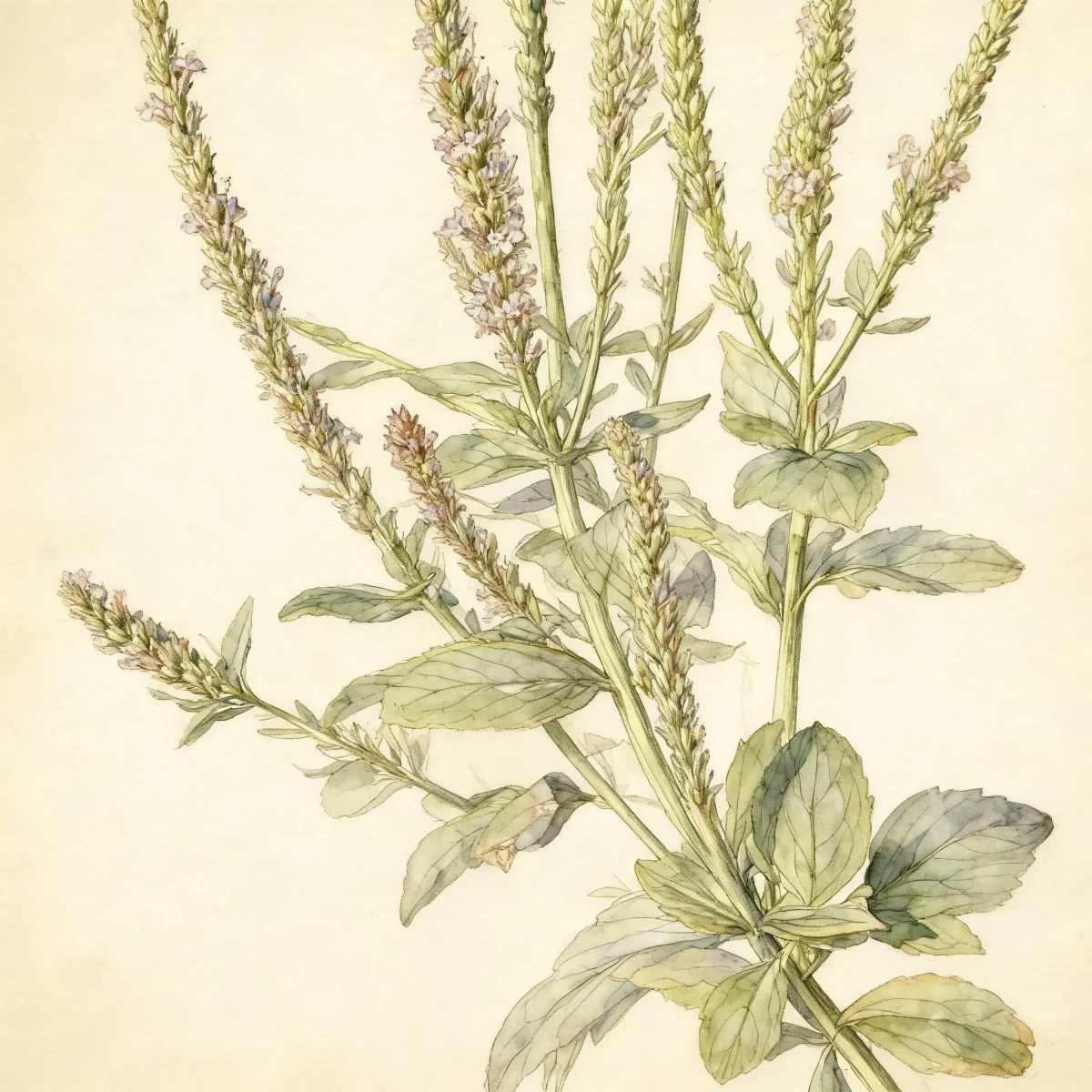
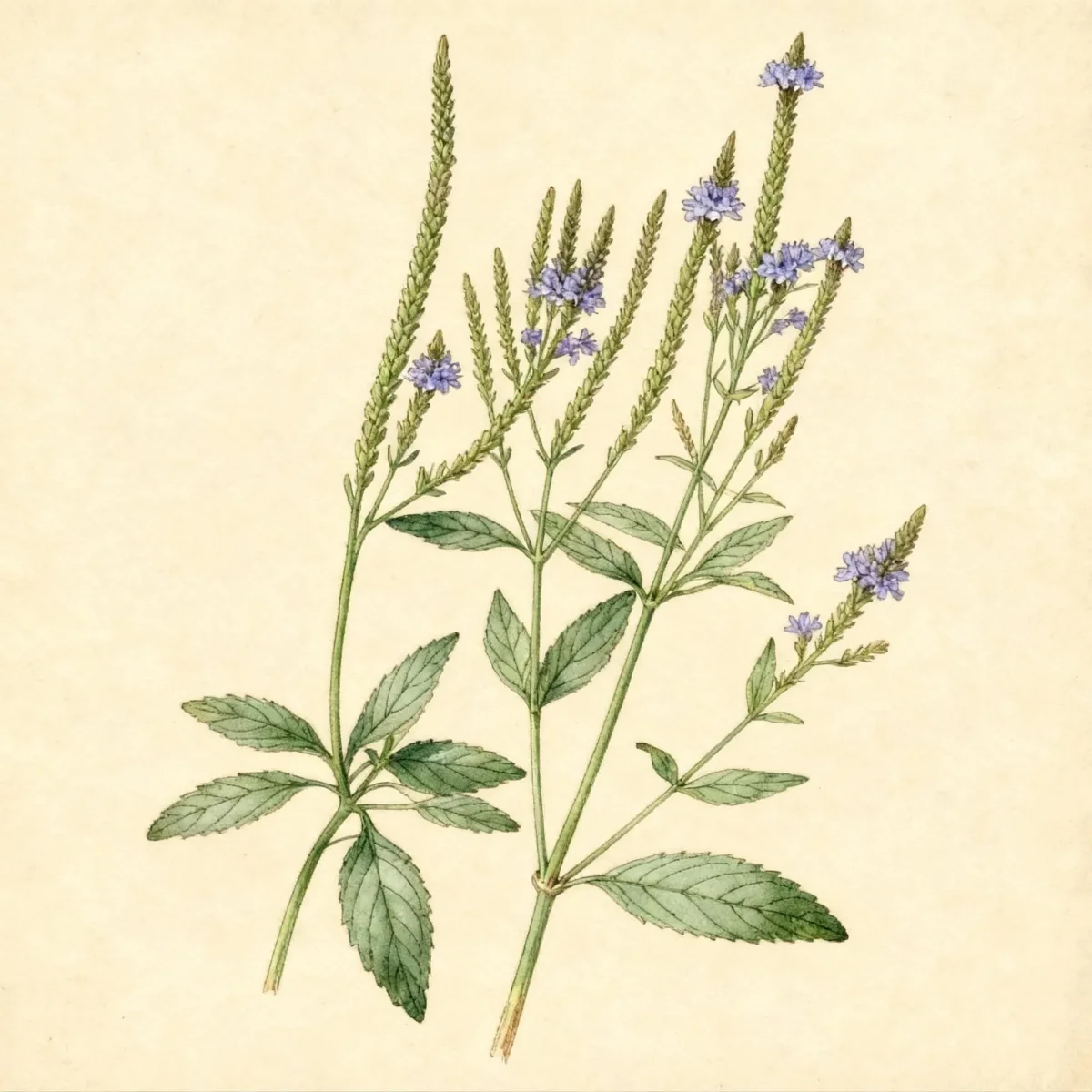
American blue vervain, Verbena hastata, is a valuable native perennial known for its significant vertical accent in the landscape throughout the late summer months. This plant presents gracefully tall, stiff, square stems topped with unique candelabra-like flower spikes of tiny, densely packed purplish-blue blossoms. Its structure and vibrant color make Verbena hastata an outstanding choice for gardeners seeking to naturalize areas or add height to wet borders.
This herbaceous perennial thrives in full sun and exhibits excellent resilience, making it a low-maintenance addition to any garden design. While Verbena hastata naturally forms colonies in moist environments via rhizomes and self-seeding, it is often short-lived compared to some other natives, requiring gardeners to allow for some natural reseeding to maintain its presence. The extended bloom period attracts numerous essential pollinators, greatly increasing its functional value.
For gardeners prioritizing native ecosystems, American blue vervain provides necessary nectar sources well into autumn. Its upright habit complements looser, softer meadow plantings while its requirement for medium to wet soil makes it a superb selection for rain gardens or stream peripheries. Incorporating Verbena hastata ensures color and structure when many other plants begin to fade.
Fast Facts
- Plant Family: Verbenaceae
- Plant Type: Herbaceous perennial
- Native Range: Eastern North America
- Hardiness Zones: USDA Zones 3-8
- Size at Maturity:
- Height: 2-6 ft
- Spread: 1-2.5 ft
- Bloom Time: July to September
- Bloom Description: Purplish-blue
- Sun Exposure: Full sun
- Water Needs: Medium to wet
- Maintenance Level: Low
How to Grow
Verbena hastata is remarkably easy to establish, preferring to be planted in spring or fall in locations receiving full sun. The most successful sites offer average soil amended to retain moisture, specifically medium to wet conditions; do not place this plant in excessively dry soil where it will struggle. It establishes itself readily, often colonizing areas naturally through slow-spreading rhizomes.
Maintenance for American blue vervain is generally minimal once established. Routine watering is only necessary during extended dry periods, as it handles medium to wet soil readily. Fertilizing is rarely required; rich soils often result in excessive flopping, diminishing its desirable upright habit. Deadheading spent flower spikes is optional; letting them go to seed helps promote natural self-sowing, ensuring future generations.
A key consideration for gardeners is that while attractive, Verbena hastata can be short-lived in garden settings. To counter this, allow the plant to self-seed throughout the summer. In early spring, you can clean out old growth, but leave some spent seed heads intact over winter to feed birds and provide evidence of where new seedlings may emerge, encouraging their survival.
Landscape Uses
The architectural structure of Verbena hastata lends itself perfectly to naturalized settings, including meadows and prairies where its height can stand above shorter grasses and wildflowers. It performs exceptionally well in rain gardens, utilizing its tolerance for wet soil to manage runoff effectively while providing late-season color from July through September. This plant should be allowed to weave naturally through the landscape.
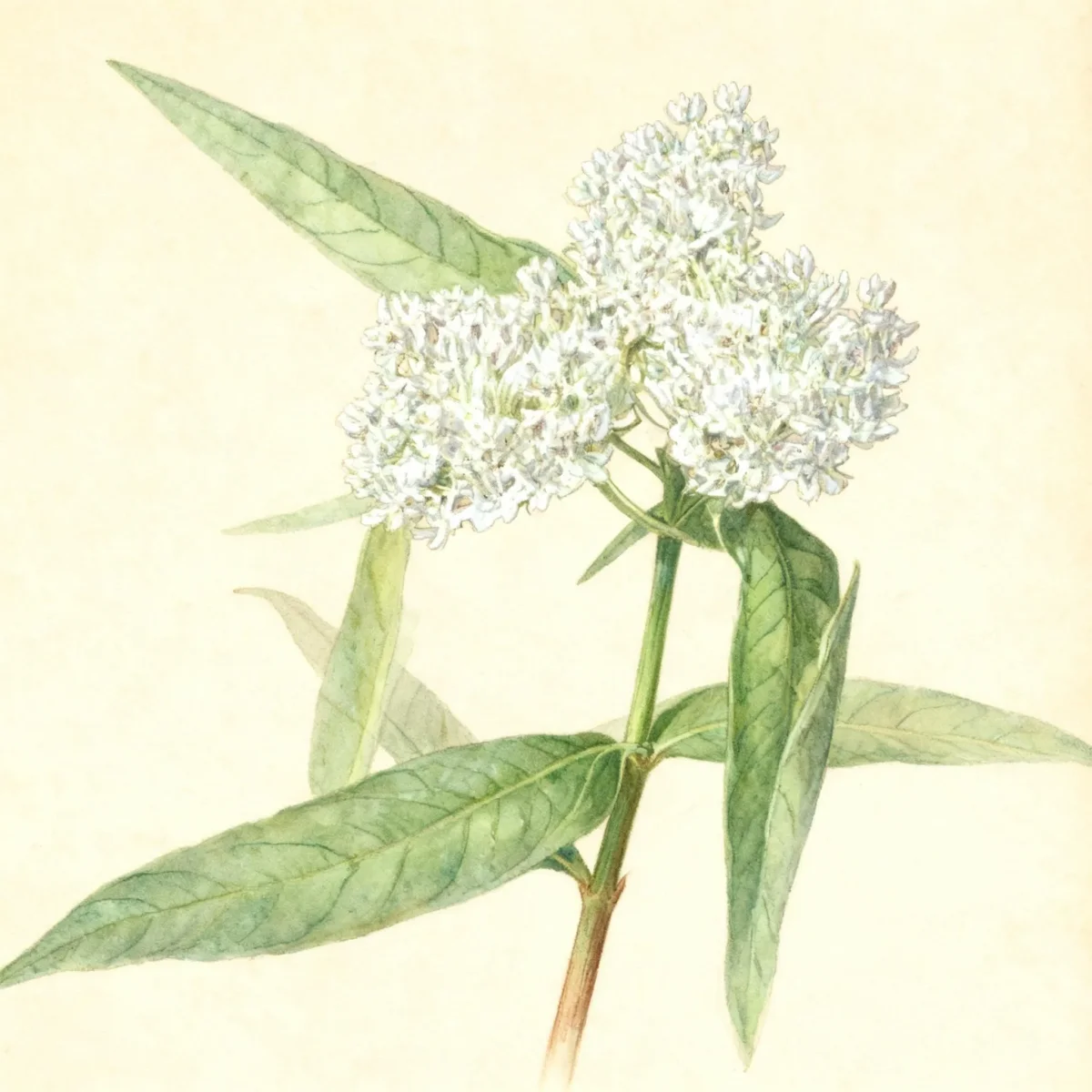
When used in formal borders, place American blue vervain toward the back to prevent it from towering awkwardly over shorter specimens. It pairs beautifully with sun-loving companions that enjoy similar moisture levels, such as irises, swamp milkweed (Asclepias incarnata), or Joe Pye Weed (Eutrochium species). Its strong vertical lines contrast well against rounder forms.
Beyond its habitat suitability, Verbena hastata is excellent for informal or cottage-style naturalized areas where its tendency to clump and self-seed is an advantage rather than a nuisance. It creates a wilder feel, drawing the eye upward with its numerous, slender spikes of purplish-blue flowers.
Flower Qualities
- Showy
Noteworthy Characteristics
Verbena hastata, commonly called blue vervain, is a Missouri native perennial which commonly occurs in wet meadows, wet river bottomlands, stream banks, slough peripheries, fields and waste areas throughout the State except for the Ozark region where it is uncommon. It is a rough, clump-forming perennial with a stiff, upright habit which typically grows 2-4’ tall (less frequently to 6’) on square hairy stems which typically branch above. Features candelabra-like inflorescences of erect, slender, pencil-like spikes (2-6” long) of tiny, tubular, 5-lobed, densely-packed, purplish-blue flowers (1/8” wide) which appear over a long July-September bloom period. Flowers on each spike bloom bottom to top, only a few at a time, and are attractive to hummingbirds, butterflies, and other pollinators.
Tolerances
- Wet Soil
Potential Problems
This species is generally highly resistant to common garden pests and diseases, requiring no intensive chemical management. Gardeners should rarely encounter serious insect damage or fungal issues if cultural requirements, particularly adequate sun exposure and proper drainage (even in wet areas), are met. Its primary concern is its relatively short lifespan in cultivation rather than susceptibility to affliction.
Frequently Asked Questions
What hardiness zones is American blue vervain suitable for?
Verbena hastata is robust enough to thrive in USDA Hardiness Zones 3 through 8, offering wide applicability across many regions of Eastern North America.
How large does American blue vervain grow?
This perennial typically reaches heights between 2 and 6 feet tall, with a relatively narrow spread ranging from 1 to 2.5 feet wide.
When does Verbena hastata bloom?
American blue vervain features a desirable extended bloom period, typically starting in July and continuing through September, showcasing its distinctive purplish-blue flowers.
What sun exposure does Verbena hastata need?
For optimal flowering and a strong, upright habit, Verbena hastata requires full sun exposure throughout the day.
Conclusion
The upright, clustered spikes of purplish-blue flowers make Verbena hastata an essential structural element for late-season garden color and exceptional wildlife support. This low-maintenance American blue vervain thrives in wet-to-medium soils under full sun, proving its utility in rain gardens and naturalized plantings. Before adding this beauty, confirm your local climate falls within Zones 3-8 and ensure you have a consistently moist location prepared.
Wildlife Benefits
The long blooming period of Verbena hastata makes it crucial for late-season wildlife support. The tiny, densely packed flowers provide accessible nectar to a wide range of beneficial insects when blossoms are becoming scarce elsewhere in the garden. Notably, these spikes are highly attractive to hummingbirds and various species of butterflies seeking energy reserves before migration or winter.
Allowing the plant to mature fully and go to seed is beneficial, as the resulting seed heads offer sustenance for small songbirds. Integrating this native perennial into your landscape directly contributes to local biodiversity by serving as a reliable food source throughout the summer and early fall months.
Propagation Tips
While Verbena hastata readily self-seeds, dedicated gardeners can increase desirable clumps through division or by collecting seeds for intentional sowing. Seed collection is easiest after the spikes have dried naturally in autumn; collect the slender spikes and shake out the tiny seeds. Sow these seeds in spring when soil temperatures warm, often requiring a period of cold stratification to break dormancy, mimicking winter conditions.
For vegetative propagation, divide established clumps of American blue vervain during the early spring just as new growth begins to emerge. Ensure each division has a healthy portion of both roots and crown material to successfully reestablish itself in its new location. Division helps rejuvenate older clumps that may be declining in vigor.