Queen's wreath (Petrea volubilis)
Discover Petrea volubilis, the stunning Queen's wreath vine, known for its long-lasting purple flowers and woody structure.
Scroll down to discover growing tips, care requirements, companion plants, and more
Complete Plant Information
Overview
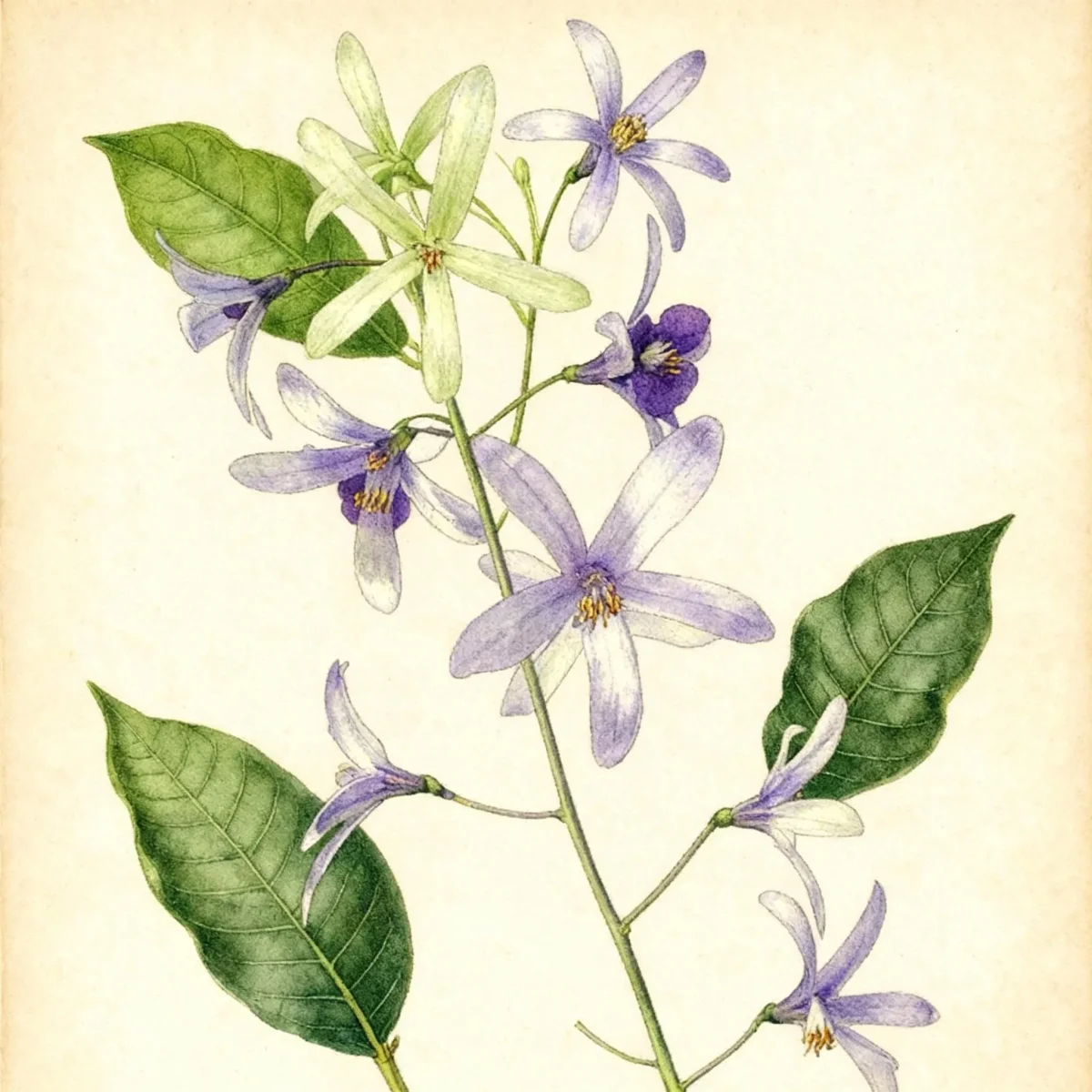
The magnificent Petrea volubilis, commonly known as Queen’s wreath, is a fast-growing, woody vine prized for its spectacular spring and summer floral display. Its appeal lies in the foot-long racemes of star-like purple flowers, where the colorful calyx lobes persist long after the actual petals fade, providing extended visual interest. This vigorous twiner originates from Central America and northern South America, offering gardeners a tropical touch, even when grown temporarily outside its native range.
While capable of reaching substantial heights in its native environment, cultivated Petrea volubilis often remains a manageable vine or can be trained into attractive standards or espaliers elsewhere. Its robust woody stems and large, rough, dark green leaves—earning it the nickname ‘sandpaper vine’—make it a textural addition to patios and pergolas. Successful cultivation hinges on providing ample sunlight and consistent moisture, especially when training this showy specimen.
Fast Facts
- Plant Family: Verbenaceae
- Plant Type: Vine
- Native Range: Central America and northern South America
- Hardiness Zones: USDA Zones 10-11
- Size at Maturity:
- Height: 6-12 ft
- Spread: 3-6 ft
- Bloom Time: Seasonal bloomer
- Bloom Description: Purple
- Sun Exposure: Full sun
- Water Needs: Medium
- Maintenance Level: Medium
How to Grow
For optimal establishment, plant your Queen’s wreath in the spring after the danger of frost has passed, positioning it where it can immediately access full sun. Petrea volubilis thrives best when grown in consistently moist, fertile, and well-drained soils. Ensure the chosen location offers adequate support, such as a sturdy trellis, pergola, or fence line, to accommodate its twining habit.
Watering requirements are medium; avoid letting the soil dry out completely, especially during active growth periods. While adaptable, consistent moisture helps produce the most prolific blooms. Fertilization can support faster growth, though usually minimal feeding is required once established in rich soil. Pruning is generally focused on training the vine onto its support structure or containing its size, often immediately after the main bloom cycle finishes.
Gardeners in cooler climates, such as St. Louis mentioned in its culture notes, must treat Petrea volubilis as a tender perennial. This necessitates growing it in containers that can be moved indoors before the first frost. Overwintering requires a bright, protected space like a greenhouse or sunroom. Remember that while it can be grown from seed, expect it to skip blooming during its inaugural year.
Landscape Uses
The primary role of Petrea volubilis is as a spectacular accent piece, utilizing its climbing nature to drape beautifully over structures. Plant it near pergolas or arbors where its cascading racemes of purple flowers can be admired from below. It excels when trained against sturdy fencing or porches, transforming bland vertical surfaces into vibrant floral screens during the blooming season.
For a formal appearance, consider training this vine as a standard—a single trunk topped by a rounded crown—to add height and drama to a patio setting. For a more relaxed presentation, large containers allow the Queen’s wreath to cascade over the sides, making it an effective feature in hanging baskets or elevated planters. Pair the intense purple with softer, contrasting textures from heat-tolerant annuals or tropical foliage plants that share its full sun requirements.
Standout Features
Flower Qualities
- Showy
Noteworthy Characteristics
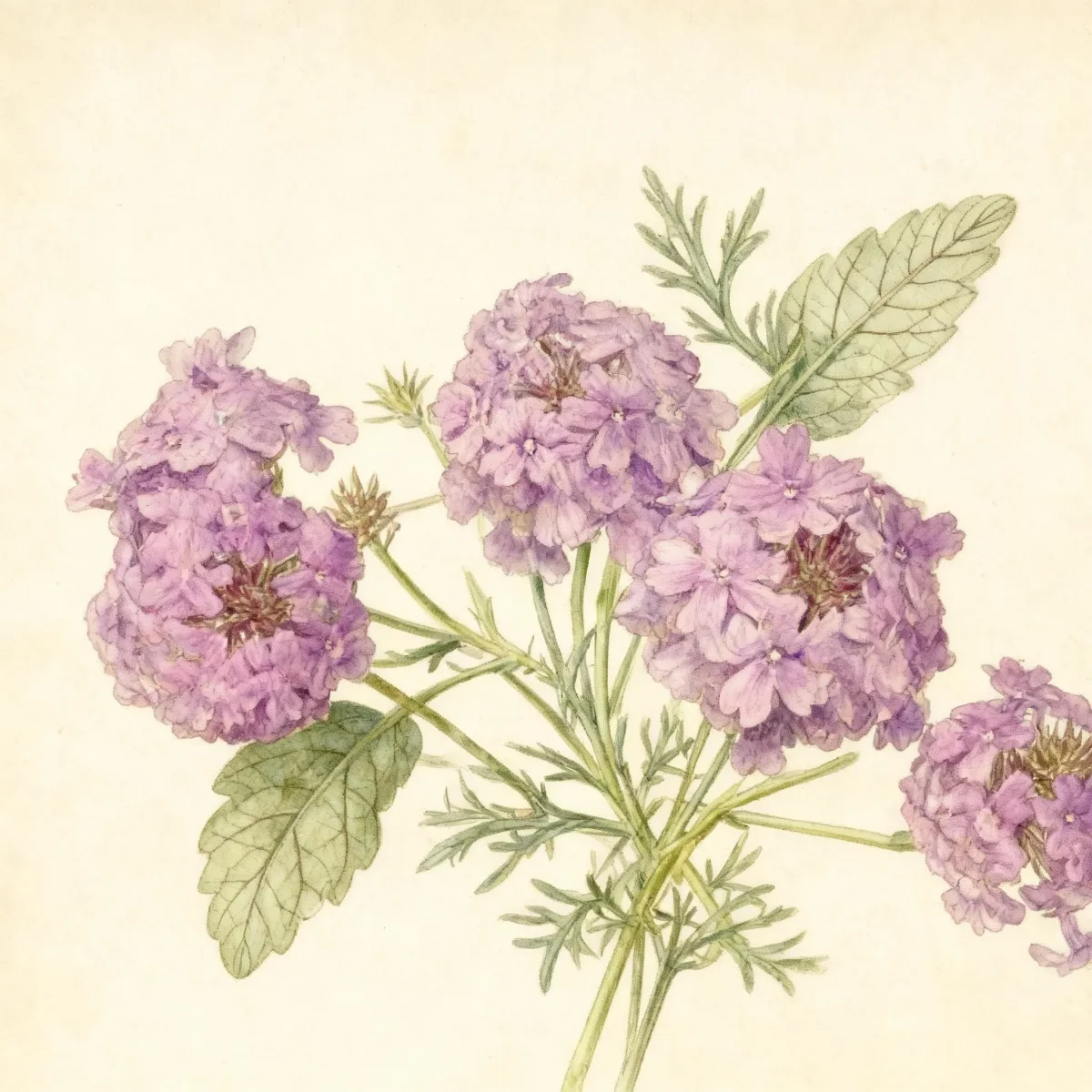
Petrea volubilis, commonly called Queen’s wreath or purple wreath, is native to the West Indies and from Mexico to Panama. It is a fast-growing, twining, woody vine or rounded shrub that produces wisteria-like erect to drooping axillary foot-long racemes of star-like purple flowers (15-30 flowers per raceme) in late spring to early summer. The showy parts of each flower are the 5 narrow petal-like calyx lobes which persist long after the darker purple corollas drop. Oblong-elliptic, dark green leaves (4-9” long) are rough above, hence the sometimes common name of sandpaper vine.
Tolerances
Potential Problems
Petrea volubilis is generally regarded as a tough plant resilient to most severe pest and disease pressures common in tropical environments. However, growers should remain vigilant for certain opportunistic pests, namely scale insects and mealybugs, as well as potential infestations by spider mites, although the latter is less common. A key cultural issue to monitor is susceptibility to mold, which thrives in humid, poorly ventilated conditions; ensure good air circulation around the foliage, especially if grown indoors or in humid regions.
Controlling mold involves cultural adjustments, ensuring that overhead watering is minimized, particularly late in the day, to allow leaves to dry thoroughly before nightfall. For pest management, minor infestations of scale or mealybugs can often be manually removed or treated with horticultural oil or insecticidal soap applied directly to the pests. Early detection is crucial for successful management of any unwelcome visitors on your Queen’s wreath.
Frequently Asked Questions
What hardiness zones is Queen’s wreath suitable for?
Petrea volubilis is winter hardy only in USDA Zones 10 and 11, requiring protection or container culture in cooler climates.
How large does Queen’s wreath grow?
This vine typically reaches mature heights between 6 and 12 feet, with a spread generally remaining between 3 and 6 feet under normal cultivation conditions.
When does Queen’s wreath bloom?
The Queen’s wreath is a seasonal bloomer, typically displaying its purple flowers in late spring through early summer.
What sun exposure does Petrea volubilis need?
Optimal growth and flowering for Petrea volubilis occur when the plant receives full sun exposure daily.
Conclusion
The long-lasting, dramatic floral display of the Queen’s wreath makes Petrea volubilis a worthwhile feature in warm gardens or as a prized container specimen. Its unique foliage texture and climbing habit offer excellent vertical interest throughout the warmer months. Before planting, confirm your local hardiness zone or secure adequate overwintering space to enjoy this exceptional tropical vine for years to come.
Companion Planting
Selecting appropriate companions for Petrea volubilis involves choosing plants that share its demand for full sun and enjoy well-drained, fertile soil. Since the vine is often grown against structures, low-growing, heat-tolerant bedding plants provide excellent seasonal color beneath it without competing heavily for vertical space. Consider pairing it with deep-red or yellow flowering annuals to accentuate the cool purple tones of the Queen’s wreath blooms during summer.
In tropical settings where it is permanently hardy, broad-leafed, deep-green foliage plants can serve as excellent backdrops, highlighting the vine’s structure when it is not in bloom. Ensure any companion plants also tolerate medium water needs; avoiding plants that require consistently saturated soil will help maintain the well-drained conditions essential for root health in this Verbenaceae member.
Container Growing
Growing Petrea volubilis in containers is the most practical method for gardeners outside of Zones 10-11, turning it into a movable focal point. Use a large, heavy pot, as this vine develops significant woody structure and needs stability to prevent tipping when mature. A high-quality potting mix formulated for thirsty tropicals, ensuring excellent drainage, is mandatory.
Training the young vine is crucial in a pot; start guiding the main stems onto a built-in trellis or stake system early in its life. During the growing season (spring through fall), maintain a consistent watering schedule, checking soil moisture daily during peak summer heat. Remember that containerized plants dry out much faster than those in the ground, making diligence with watering key to keeping your Queen’s wreath healthy until it moves indoors for winter protection.