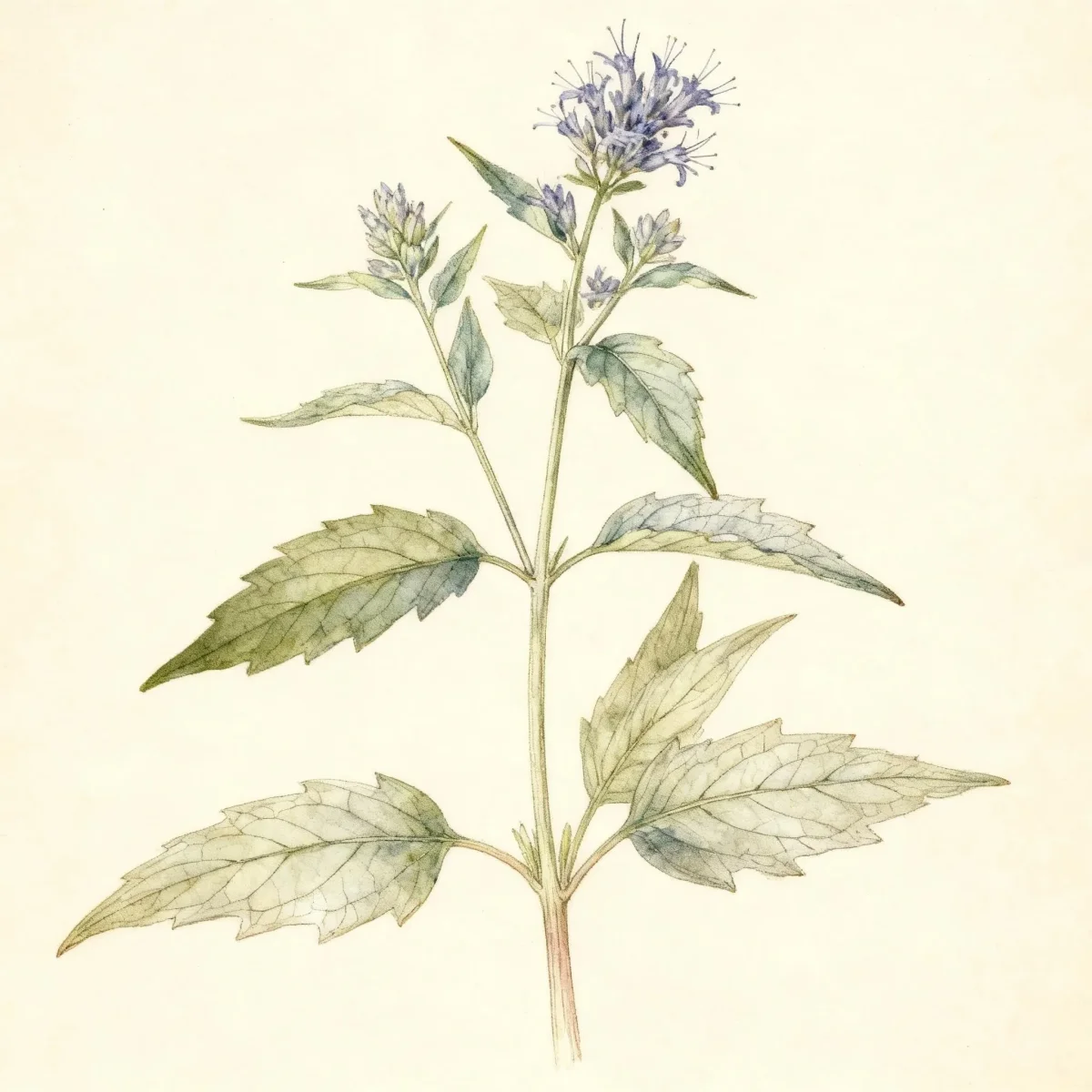
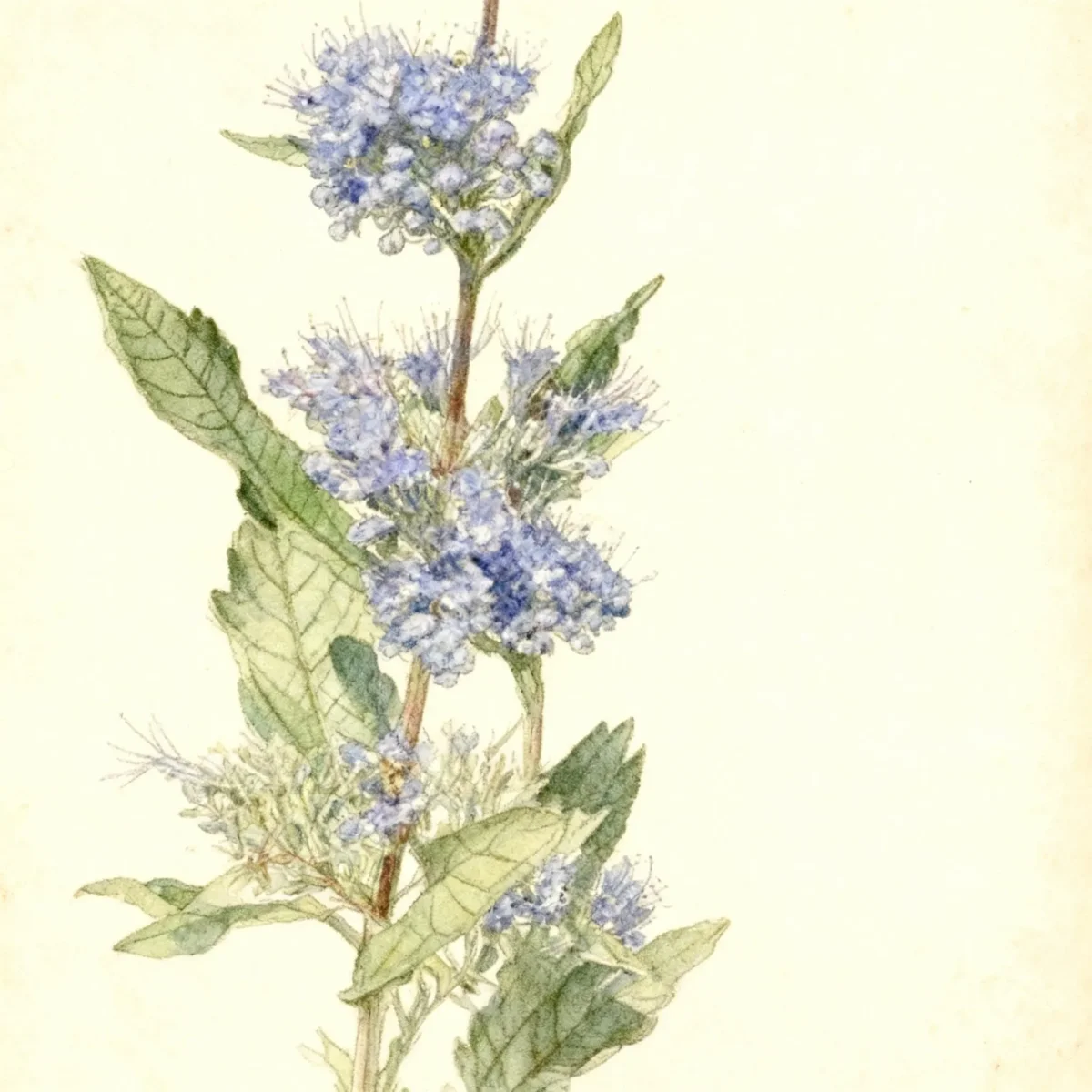
Chaste tree (Vitex negundo)
Discover Vitex negundo, the Chaste tree, a deciduous shrub prized for fragrant, bluish-lavender blooms and grayish-green foliage.
Scroll down to discover growing tips, care requirements, companion plants, and more
Complete Plant Information
Overview
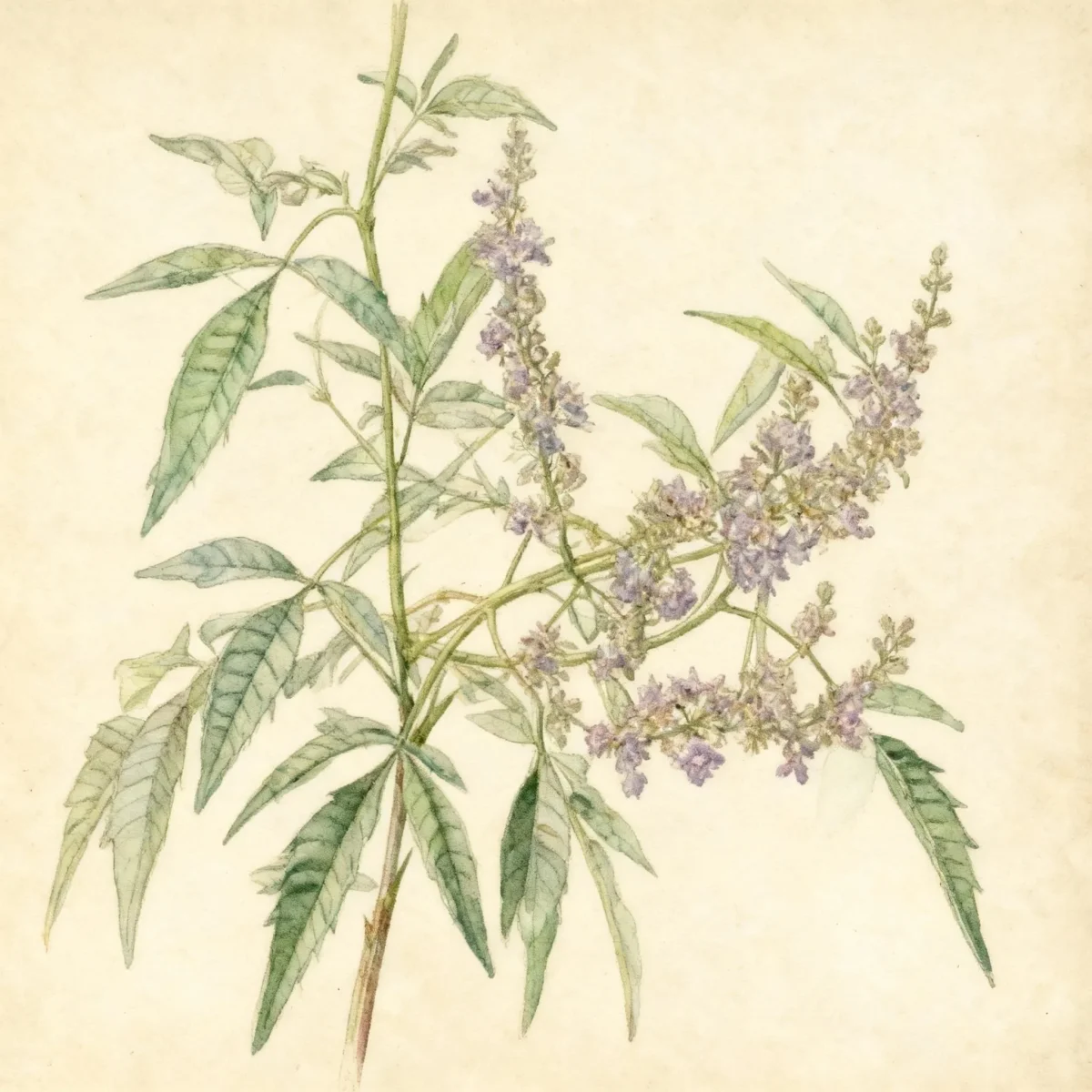
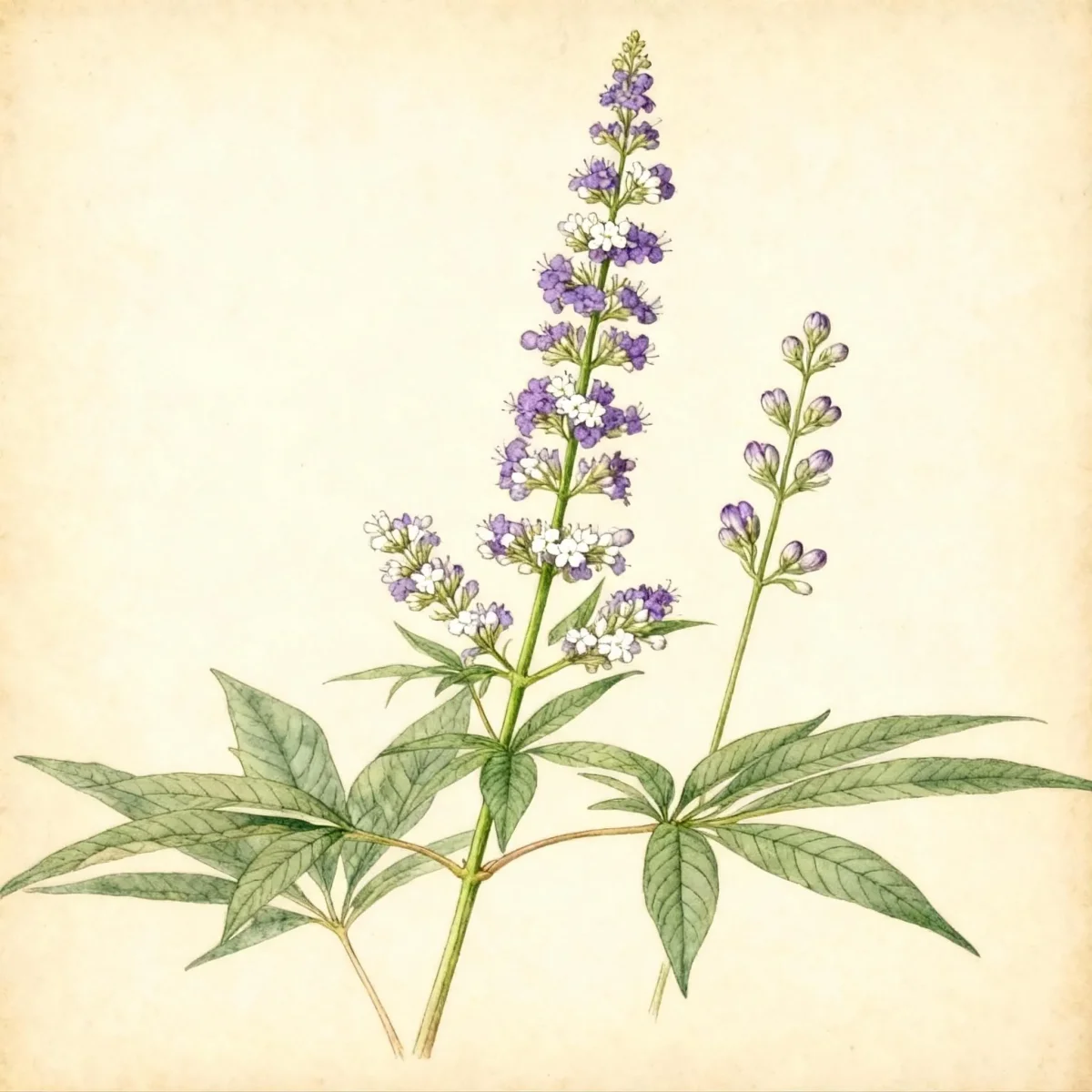
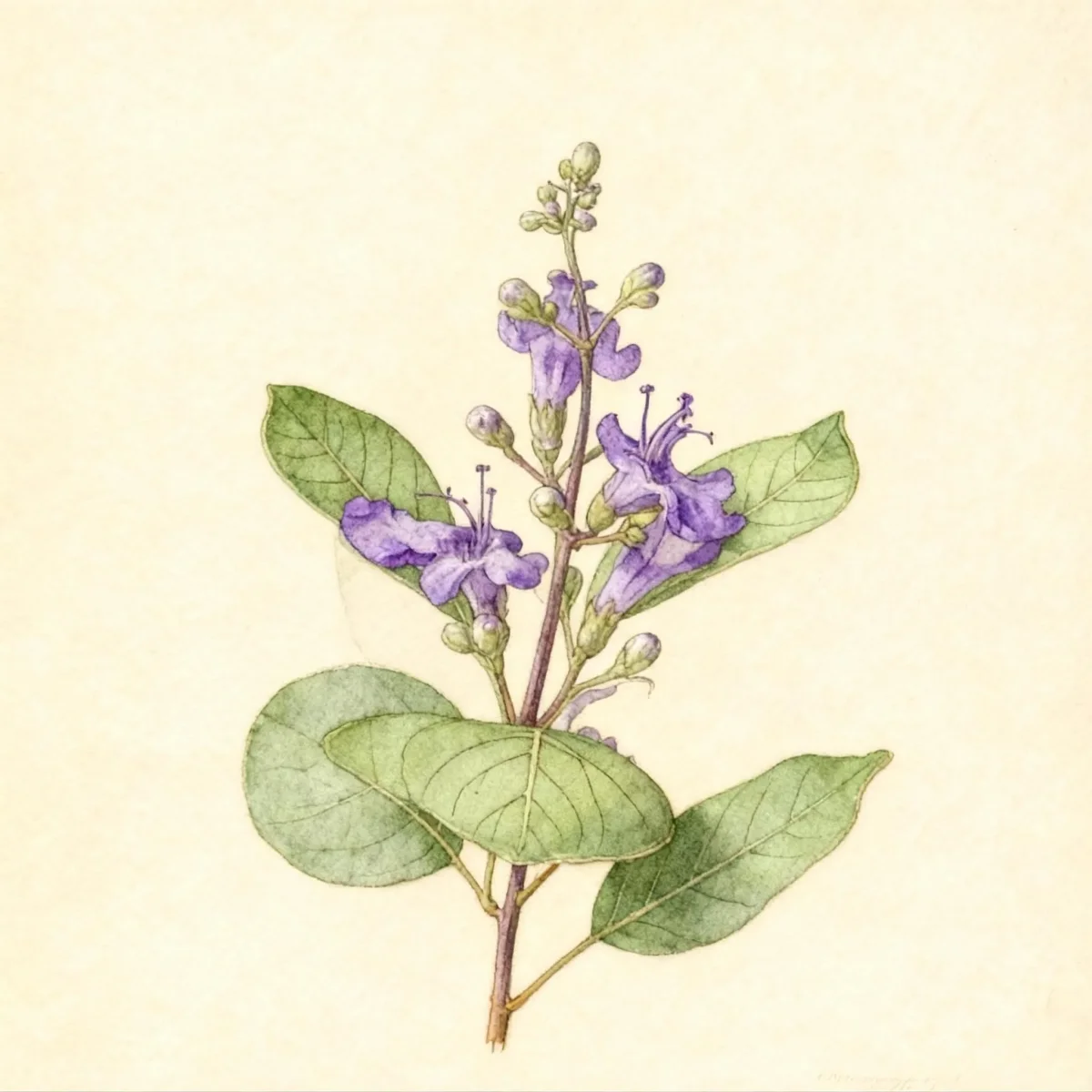
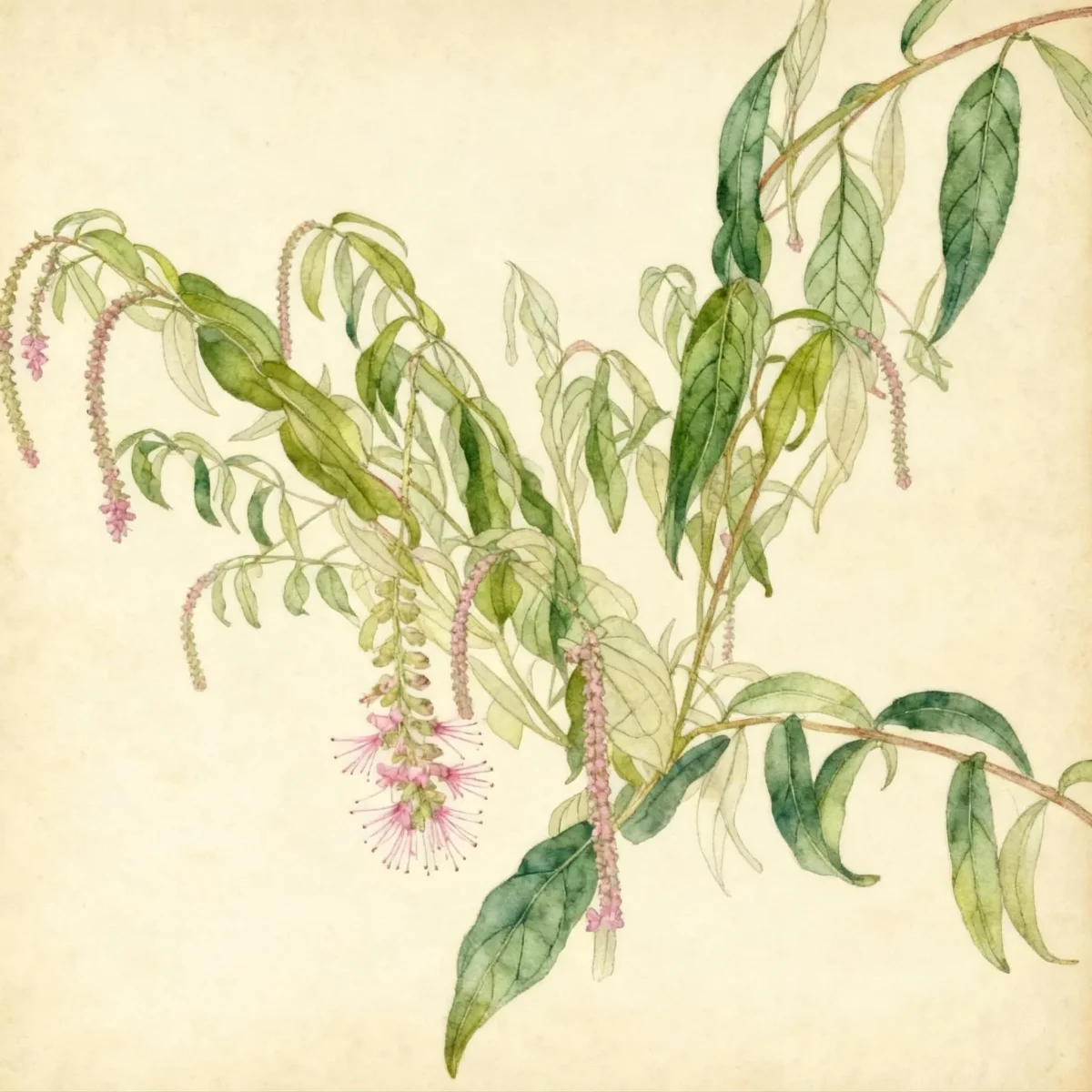
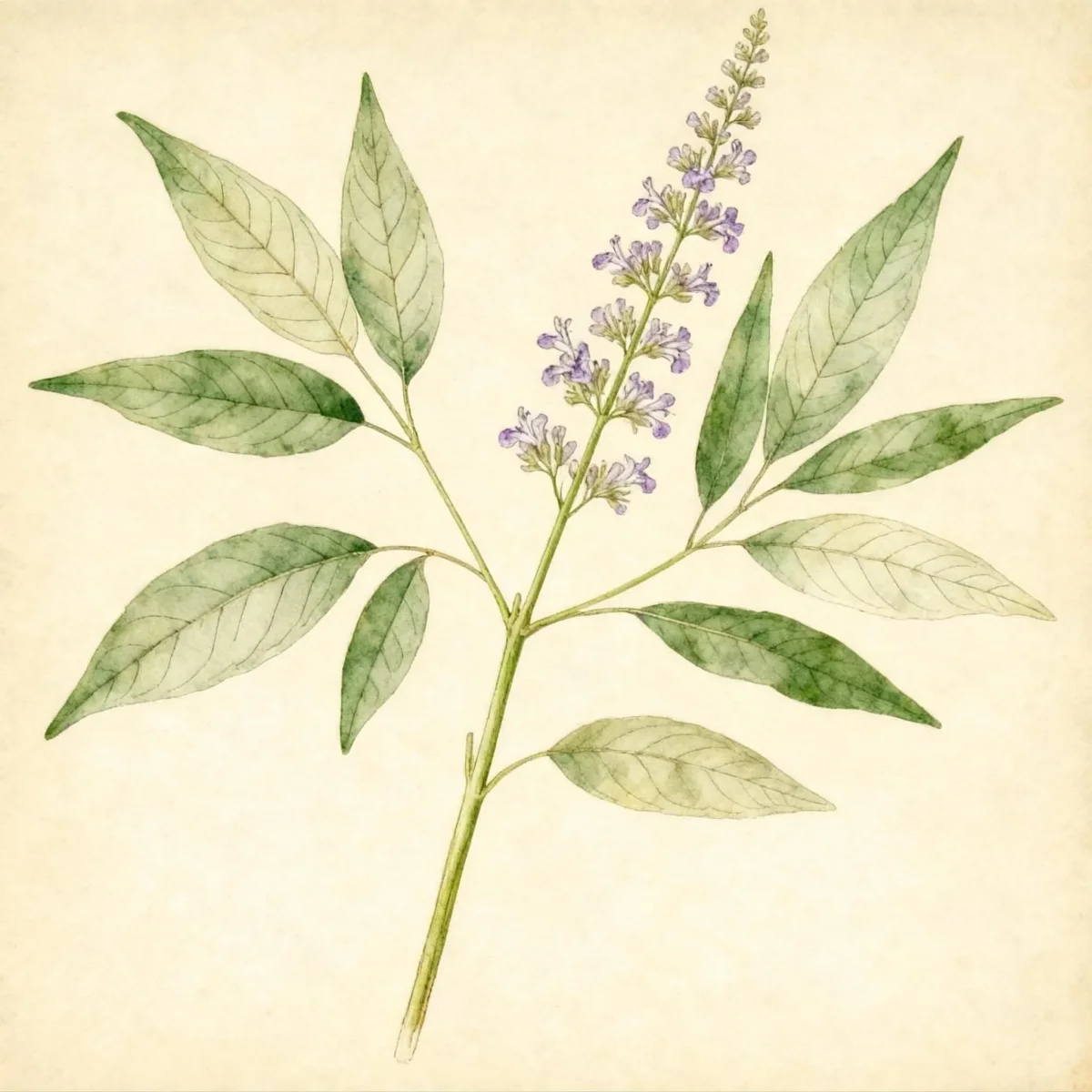
The Vitex negundo, commonly known as the Chaste tree, offers gardeners a fantastic source of late-season color when many other shrubs begin to fade. This deciduous plant brings aromatic fragrance through its tiny, bluish-lavender flowers that bloom profusely in mid to late summer. Its unique foliage, composed of compound, grayish-green leaflets, adds textural contrast to perennial plantings.
This species is adaptable, typically forming a multi-trunked small tree in warmer climates, but it behaves more like a woody perennial in colder regions where winter die-back occurs. Gardeners value the Chaste tree for its resilience once established and its ability to provide reliable midsummer interest. Growing Vitex negundo successfully hinges on providing ample sunlight and ensuring excellent soil drainage.
While often considered less showy than related species, Vitex negundo provides excellent visual appeal through its flowering period and its distinct leaf structure. For those seeking texture and late-summer fragrance, incorporating this species into an appropriate planting scheme offers significant aesthetic rewards.
Fast Facts
- Plant Family: Lamiaceae
- Plant Type: Deciduous shrub
- Native Range: Asia, scattered other
- Hardiness Zones: USDA Zones 6-9
- Size at Maturity:
- Height: 3-10 ft
- Spread: 3-8 ft
- Bloom Time: July to August
- Bloom Description: Lilac / lavender
- Sun Exposure: Full sun
- Water Needs: Medium
- Maintenance Level: Medium
How to Grow
The Chaste tree thrives best when planted in a location receiving consistent full sun throughout the day. Proper soil preparation is critical, as this shrub prefers loose, medium-moisture soils that are also well-drained. Avoid heavy clay soils, which can hold too much moisture and lead to root issues.
Watering requirements are moderate; establish a consistent schedule during the first growing season to help the Vitex negundo develop a strong root system. Once mature, this plant demonstrates reasonable drought tolerance but benefits from deep watering during extended hot, dry spells. Fertilization is usually unnecessary unless soil quality is very poor.
For gardeners gardening in the cooler edges of its range, particularly USDA Zones 5-6, plant the Vitex negundo in a sheltered spot. In these areas, expect potential winter die-back, sometimes resulting in the plant dying back to the ground. In such cases, prune severely to the ground in early spring, managing it as a large, flowering perennial rather than a true shrub.
Landscape Uses
The combination of interesting foliage and late summer blooms makes the Chaste tree an excellent addition to various landscape designs. Its medium size allows it to fit perfectly into shrub borders where it can provide mid-season structure and fragrance. Plant near walkways or patios to fully appreciate the scent of the flowers.
Use Vitex negundo as a specimen plant where its unique leaf structure can be appreciated, or mass plantings can create a beautiful screen of softly colored flowers in July and August. Because it attracts pollinators with its fragrant blossoms, consider placing it near kitchens or outdoor seating areas.
Companion planting works well with heat-tolerant perennials and grasses that share its preference for full sun and good drainage. Its relaxed, slightly woody form contrasts nicely with more formal evergreen structures.
Standout Features
Flower Qualities
- Showy
- Fragrant
Noteworthy Characteristics
Vitex negundo, commonly called chaste tree, is a deciduous shrub or small, multi-trunked tree which typically grows to 10-15’ tall (occasionally larger) in warm winter climates. In cold winter areas (especially USDA Zones 5-6), it is more often grown as a 3-5’ tall woody perennial. Features compound palmate, grayish-green leaves with 3-5 lance-shaped leaflets (each leaflet to 4” long) and tiny, fragrant, bluish-lavender lowers appearing in loose, 5-8” long panicles in mid to late summer. This species is generally less ornamental than Vitex agnus-castus but may be slightly hardier.
Tolerances
Potential Problems
Generally, Vitex negundo resists serious insect or disease problems, making it a relatively low-stress choice once acclimated. Occasional fungal issues, such as leaf spot, can occur, especially in overly humid conditions or if air circulation is poor. Fungicide applications may be necessary if leaf spot proves pervasive.
Root rot is a possible issue if the soil drainage is inadequate, emphasizing the need for well-drained loamy or sandy soils. In colder regions, winter hardiness remains the primary concern; severe cold snaps can cause significant top-kill, requiring the gardener to prune back to healthy wood in the spring.
Frequently Asked Questions
What hardiness zones is Chaste tree suitable for?
The recommended growing range for Vitex negundo is USDA Zones 6 through 9, thriving best where winters are milder.
How large does Chaste tree grow?
Under ideal conditions, this plant reaches heights between 3 and 10 feet with a spread from 3 to 8 feet, though it can potentially grow larger in warmer zones.
What sun exposure does Vitex negundo need?
This species requires full sun exposure to flower well and maintain a compact growth habit.
When does Vitex negundo bloom?
The Chaste tree provides color from July to August, featuring beautiful lilac or lavender blooms.
Conclusion
The Chaste tree offers gardeners a rewarding display of fragrant, late-summer flowers and visually appealing foliage, positioning Vitex negundo as a valuable texture provider. With medium maintenance needs and a preference for sun and drainage, it is an excellent asset to the summer garden, provided you verify its hardiness zone compatibility before planting.
Companion Planting
When planning your perennial borders, select companions that also prefer well-drained soil and full sunlight, mirroring the needs of the Chaste tree. Plants like ornamental grasses (e.g., Miscanthus varieties) or drought-tolerant flowering perennials such as Lavender (Lavandula) or Russian Sage (Perovskia) pair well aesthetically and culturally. Avoid placing Vitex negundo near plants that require consistently moist soil, as this compromises its drainage preference.
Design Ideas
Utilize the Vitex negundo as a natural screen or informal hedge where its airy structure can soften hard lines in the landscape. Since it tends to be multi-stemmed and slightly open, it functions beautifully as a background plant that does not completely block views. In contemporary designs, its grayish-green leaves provide a cool, muted backdrop that allows brighter, saturated annuals planted in front of it to truly pop during midsummer.