Lilac chastetree (Vitex agnus-castus)
The fragrant Lilac chastetree (Vitex agnus-castus) offers beautiful summer blooms and aromatic foliage, thriving in full sun.
Scroll down to discover growing tips, care requirements, companion plants, and more
Complete Plant Information
Overview
The Lilac chastetree, scientifically known as Vitex agnus-castus, is a highly valued ornamental shrub, particularly appreciated for its ability to provide color late in the growing season. Its aromatic, palmate foliage contrasts beautifully with the spikes of lavender to pale violet flowers that emerge in mid to late summer when many other plants are fading. This plant offers flexibility, growing as a vase-shaped shrub or even being trained into a small tree in warmer climates.
Vitex agnus-castus is a magnet for local pollinators, making it an excellent addition to ecological gardening plans, especially butterfly gardens. While revered in warmer regions, gardeners in cooler zones must manage expectations regarding its size due to potential winter dieback. However, even when heavily pruned or damaged, the powerful root system of the Lilac chastetree ensures vigorous regrowth and reliable summer flowering.
Its resilience concerning pruning, especially in harsher zones where it treats itself as a perennial, highlights its adaptability. For reliable summer performance and structure in the landscape, Vitex agnus-castus remains a dependable choice for gardeners seeking late-season interest and fragrance.
Fast Facts
- Plant Family: Lamiaceae
- Plant Type: Deciduous shrub
- Native Range: Mediterranean, Asia
- Hardiness Zones: USDA Zones 6-9
- Size at Maturity:
- Height: 8-10 ft
- Spread: 5-8 ft
- Bloom Time: July to August
- Bloom Description: Violet / blue
- Sun Exposure: Full sun
- Water Needs: Medium
- Maintenance Level: Medium
How to Grow
The Vitex agnus-castus thrives best when planted in loose, medium-moisture, well-drained soils where it receives full sun exposure throughout the day. Proper drainage is crucial for long-term health. If you are planting north of USDA Zone 7, select a location that offers shelter from harsh winter winds.
Watering requirements are medium; established plants tolerate some dryness but perform best with consistent moisture, especially during establishment or periods of extreme heat. Fertilization is rarely needed if the soil is decent; excessive richness can promote soft growth susceptible to pest issues.
In Zones 5 and 6, anticipate winter dieback where the shrub may freeze back to the ground. Do not panic, as the roots usually survive and push up rapid new growth, often reaching 4 to 7 feet the following season. Since flowering occurs on new wood, this dieback does not significantly impact the bloom time. For gardeners in areas like St. Louis, annual pruning close to the ground in early spring, much like crape myrtles, is common practice to manage size and shape.
Landscape Uses
The Lilac chastetree offers both interesting foliage interest and critical late-summer blooming power, positioning it perfectly for various landscape applications. Use it in shrub borders where its height (up to 10 feet) can provide a soft transition between taller elements and the lawn.
Because of its Mediterranean origins and tolerance for heat once established, Vitex agnus-castus fits wonderfully into cottage garden settings, adding vertical accents with its purple flower spikes. It also serves well near foundations or as a specimen planting where its fragrant flowers can be easily appreciated. Consider planting it near seating areas to maximize the enjoyment of its blooms.
For those focused on supporting local ecosystems, this shrub is highly recommended for butterfly gardens. Its medium size also allows for integration into looser, informal hedge designs so long as screening is not the primary goal.
Standout Features
Flower Qualities
- Showy
- Fragrant
Noteworthy Characteristics
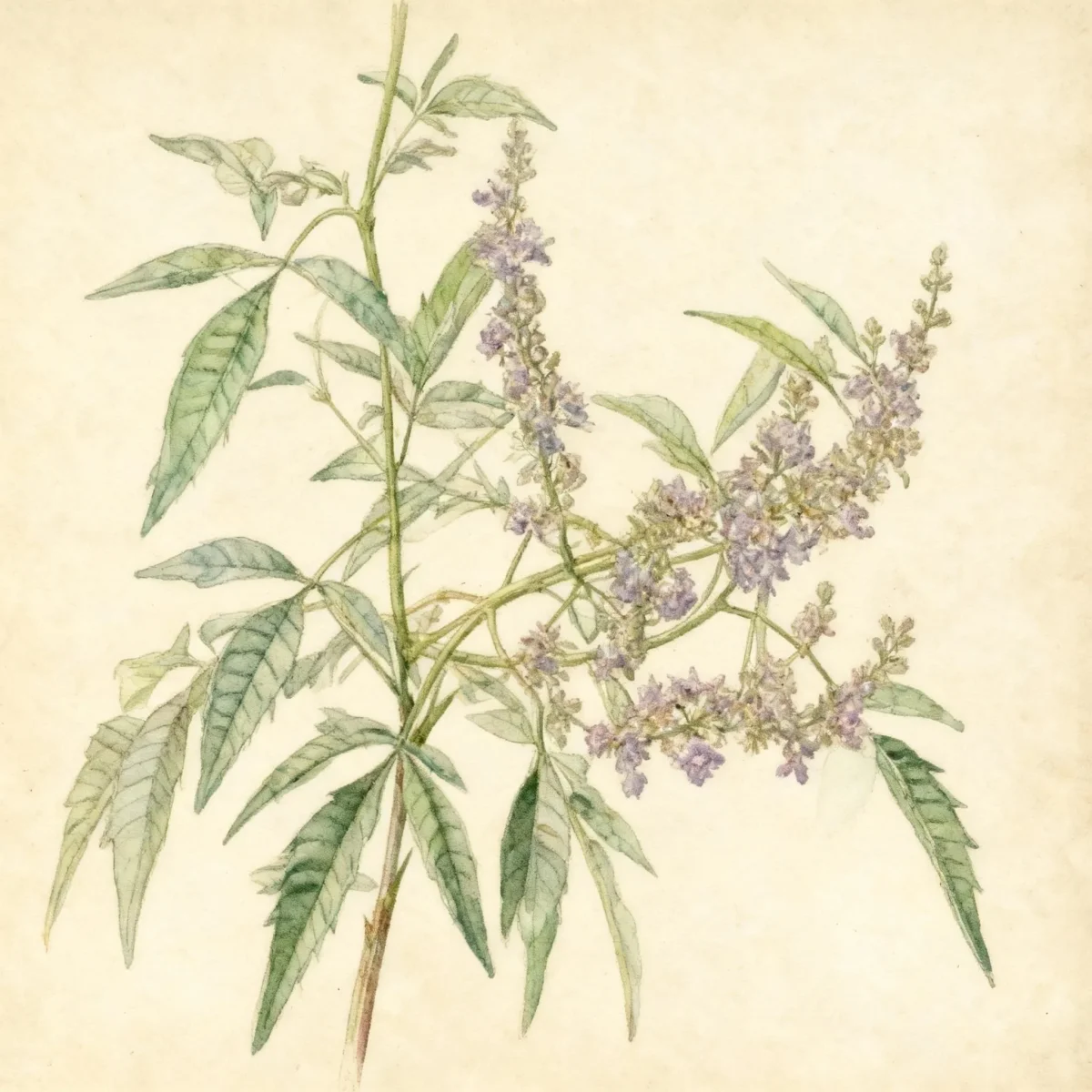
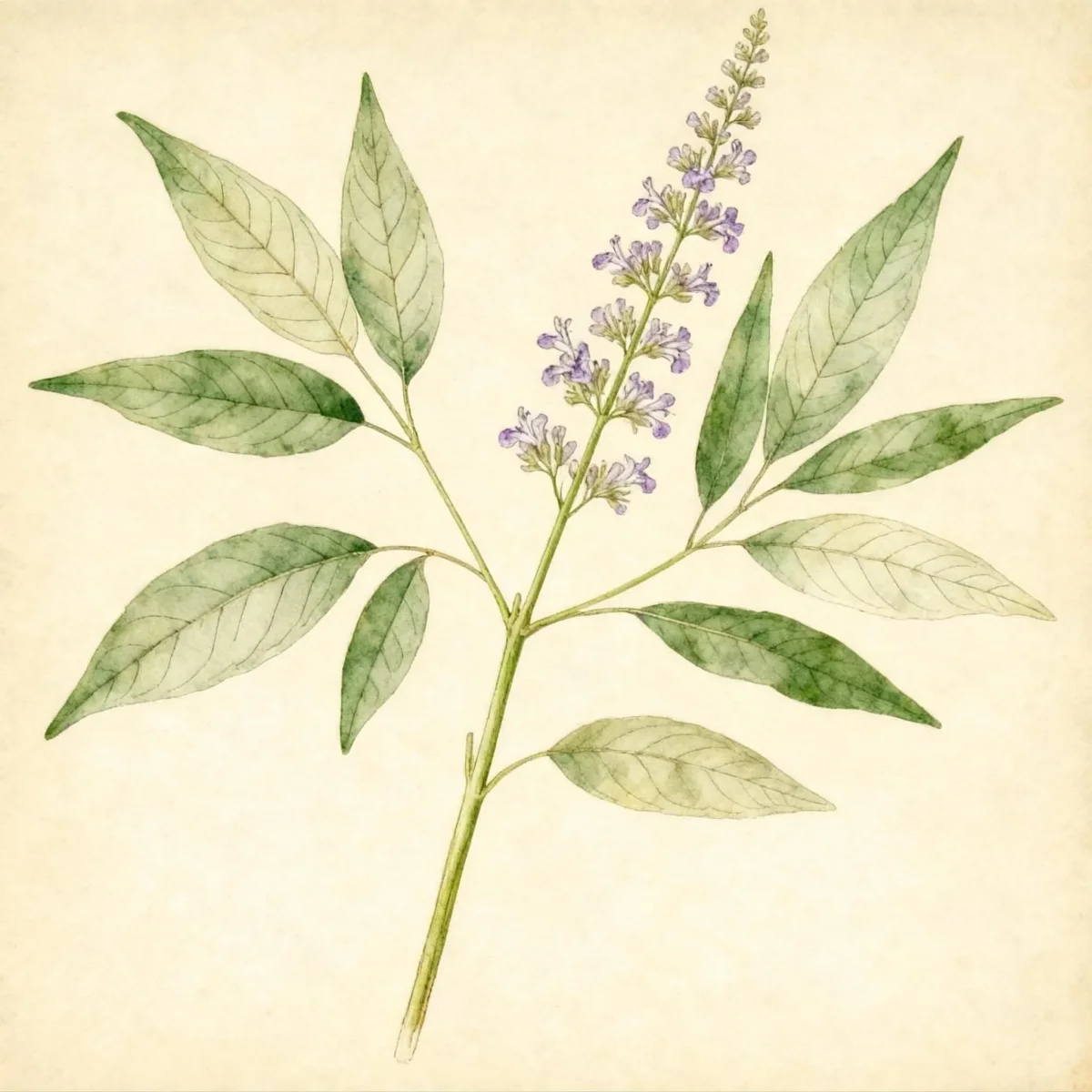
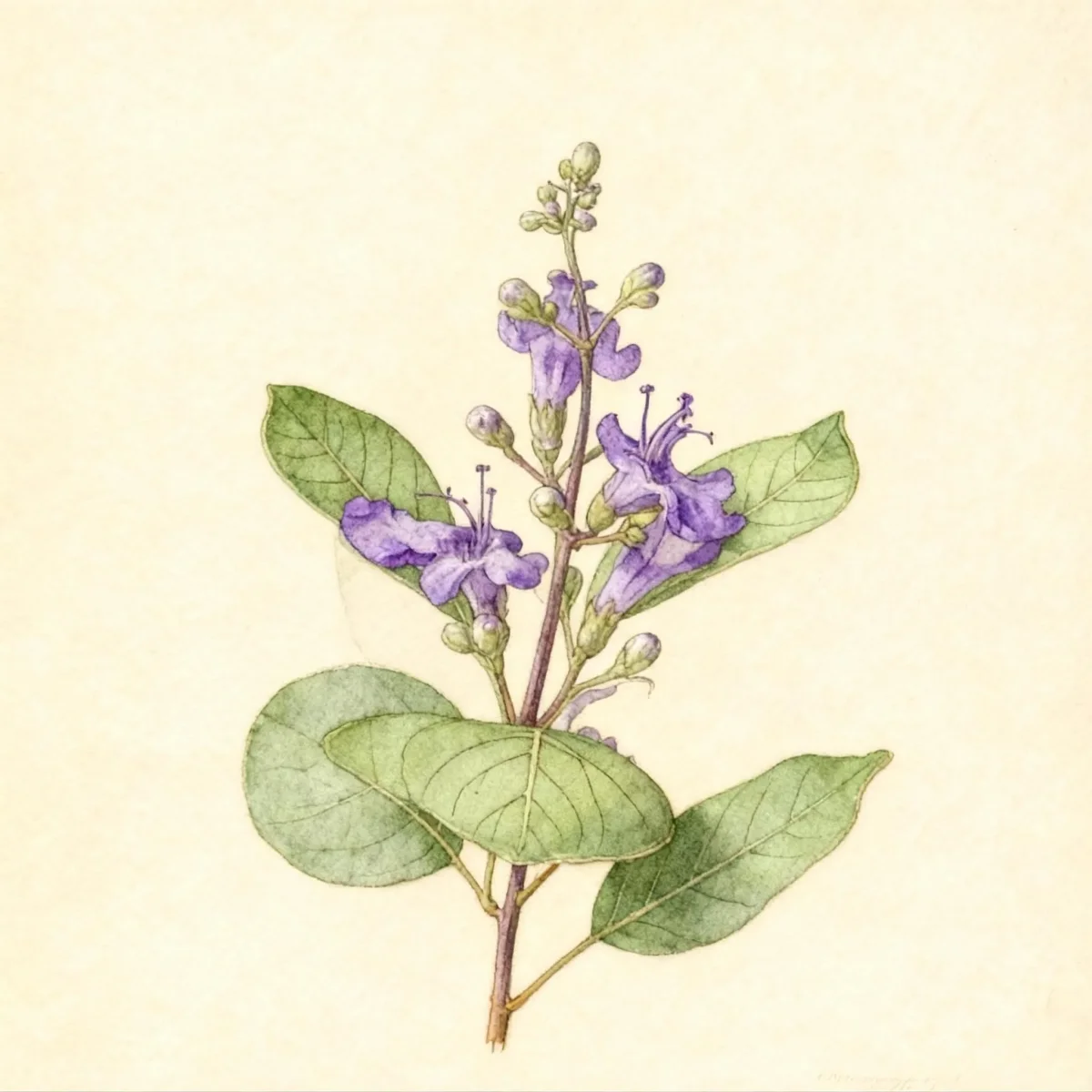
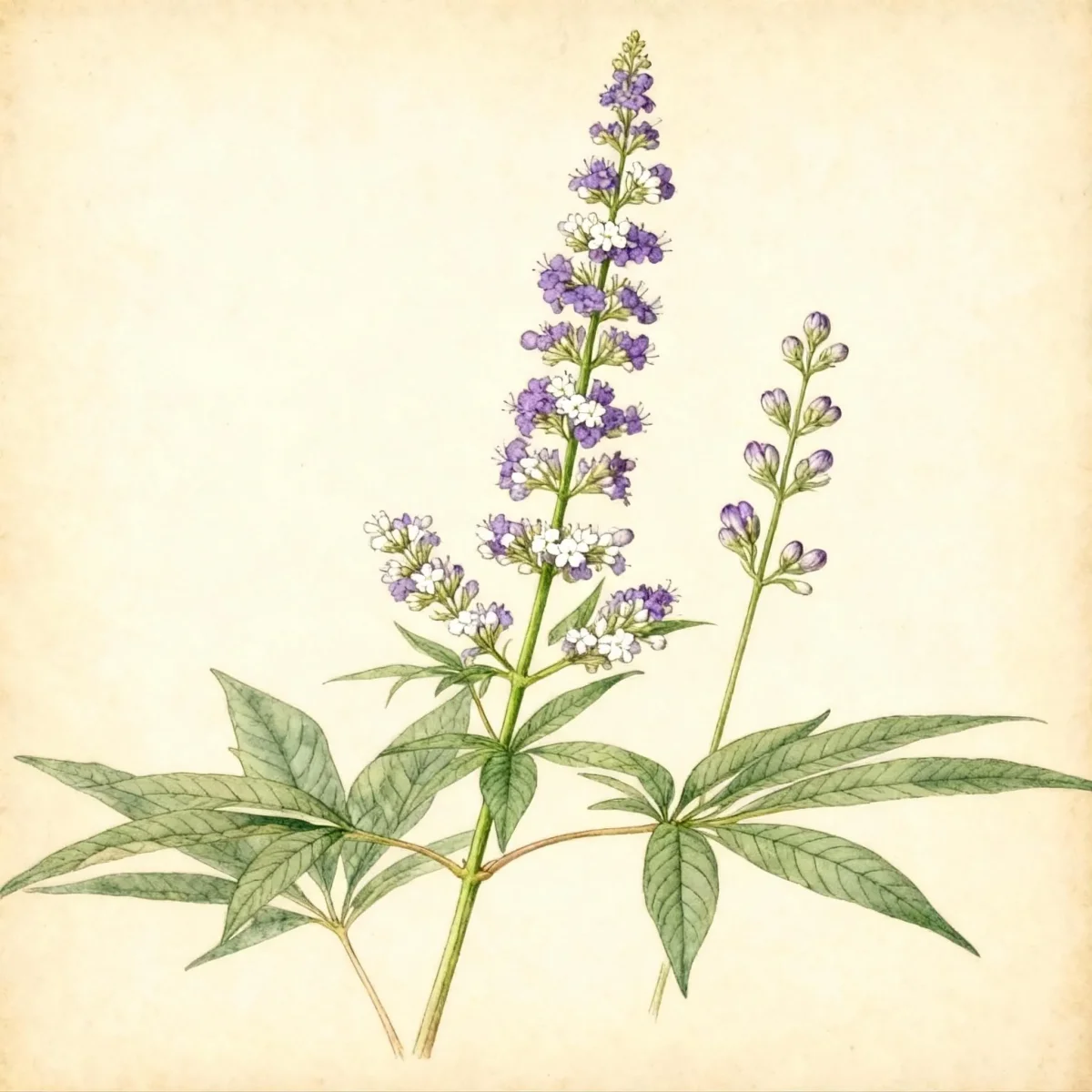
Vitex agnus-castus, commonly called chaste tree, is typically grown in warm winter climates as a vase-shaped, deciduous shrub (to 10-15’ tall) or trained as a single trunk tree to 20’ tall. In cold winter areas in USDA Zones 5-6, it is more often grown as a 3-5’ tall herbaceous perennial. Features aromatic, compound, palmate, grayish-green leaves with 5-7 lance-shaped leaflets (each leaflet to 6” long) and tiny, fragrant, lavender to pale violet flowers appearing in loose panicles (to 12” long) in mid to late summer. Flowers are quite attractive to butterflies.
Tolerances
Potential Problems
The Lilac chastetree is generally robust, suffering no serious insect or disease problems under ideal conditions. Occasional horticultural challenges include leaf spot, especially in humid weather, and root rot if drainage is inadequate. The primary concern, however, relates to winter hardiness in the northern reaches of its recommended zone range, such as noted in areas like St. Louis where consistent cold may cause the plant to die back to the ground annually. Ensure excellent drainage to mitigate root rot risk, and select a slightly sheltered site when planting near Zone 6 limits.
Frequently Asked Questions
What hardiness zones is Lilac chastetree suitable for?
The Lilac chastetree is reliably hardy in USDA Zones 6 through 9.
How large does Vitex agnus-castus grow?
This shrub typically reaches a height between 8 and 10 feet, spreading 5 to 8 feet wide, though it can be trained taller in the warmest climates.
What sun exposure does Lilac chastetree need?
The Vitex agnus-castus requires full sun to produce its best flowering display and maintain dense foliage structure.
When does Lilac chastetree bloom?
The fragrant flowers of the Vitex agnus-castus appear consistently from July through August, presenting showy violet to blue coloration.
Conclusion
The Vitex agnus-castus offers substantial aesthetic rewards through its long-lasting summer bloom and aromatic foliage, making the Lilac chastetree a worthwhile addition to warm-climate and transitional zone gardens. Even when pruned back by winter freezes, this tough plant reliably returns with fresh blooms. Always confirm your specific USDA zone compatibility before planting to maximize your enjoyment of this unique summer-flowering shrub.
Wildlife Benefits
The late bloom time of the Lilac chastetree is perhaps its most significant ecological benefit. While many summer perennials finish their show by early August, the persistent spikes of the Vitex agnus-castus provide a crucial nectar source for pollinators, including butterflies and bees, when other food sources might be dwindling. Planting this shrub ensures continued support for your local butterfly population well into the hottest part of the season.
Its aromatic leaves are also noted as being generally unappealing to deer, making it a useful choice where browsing pressure is high. Position the plant where you can observe the visitation, as the flowers are especially attractive to various winged insects seeking late-season sustenance.
Companion Planting
When incorporating Vitex agnus-castus into the garden, match it with plants that share its preference for full sun and well-drained soil. Consider grouping it alongside drought-tolerant perennials that bloom early or late to extend the area’s color season further. Good companions might include Coneflowers (Echinacea) or Black-Eyed Susans (Rudbeckia), which share similar sun needs.
In perennial borders where the Lilac chastetree acts as a structural backdrop, incorporate plants that contrast with its fine, gray-green leaves. Ornamental grasses that appreciate bright light, such as switchgrass varieties, pair beautifully with the airy texture of the shrub. Ensure spacing allows for good air circulation, which helps prevent issues like occasional leaf spot.