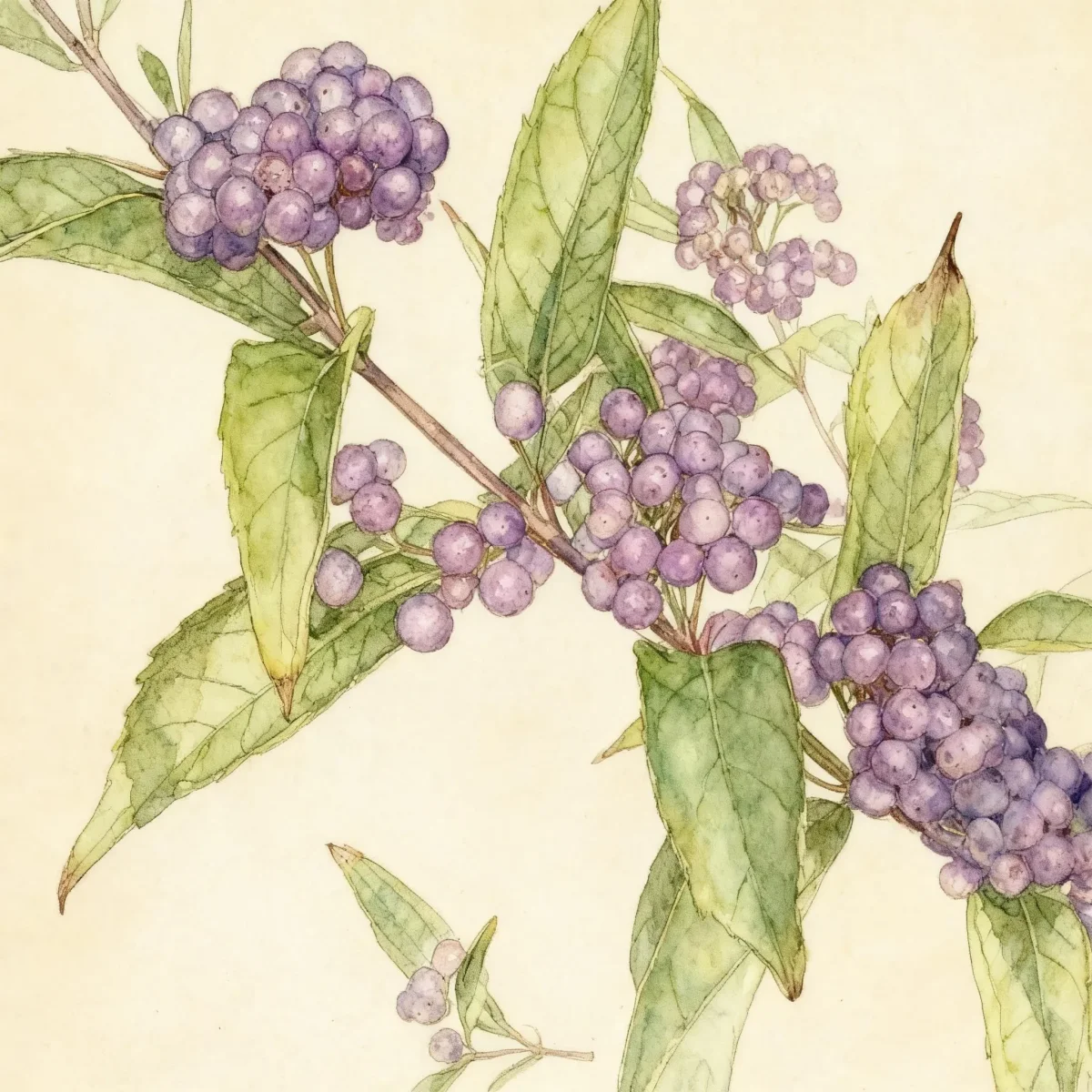
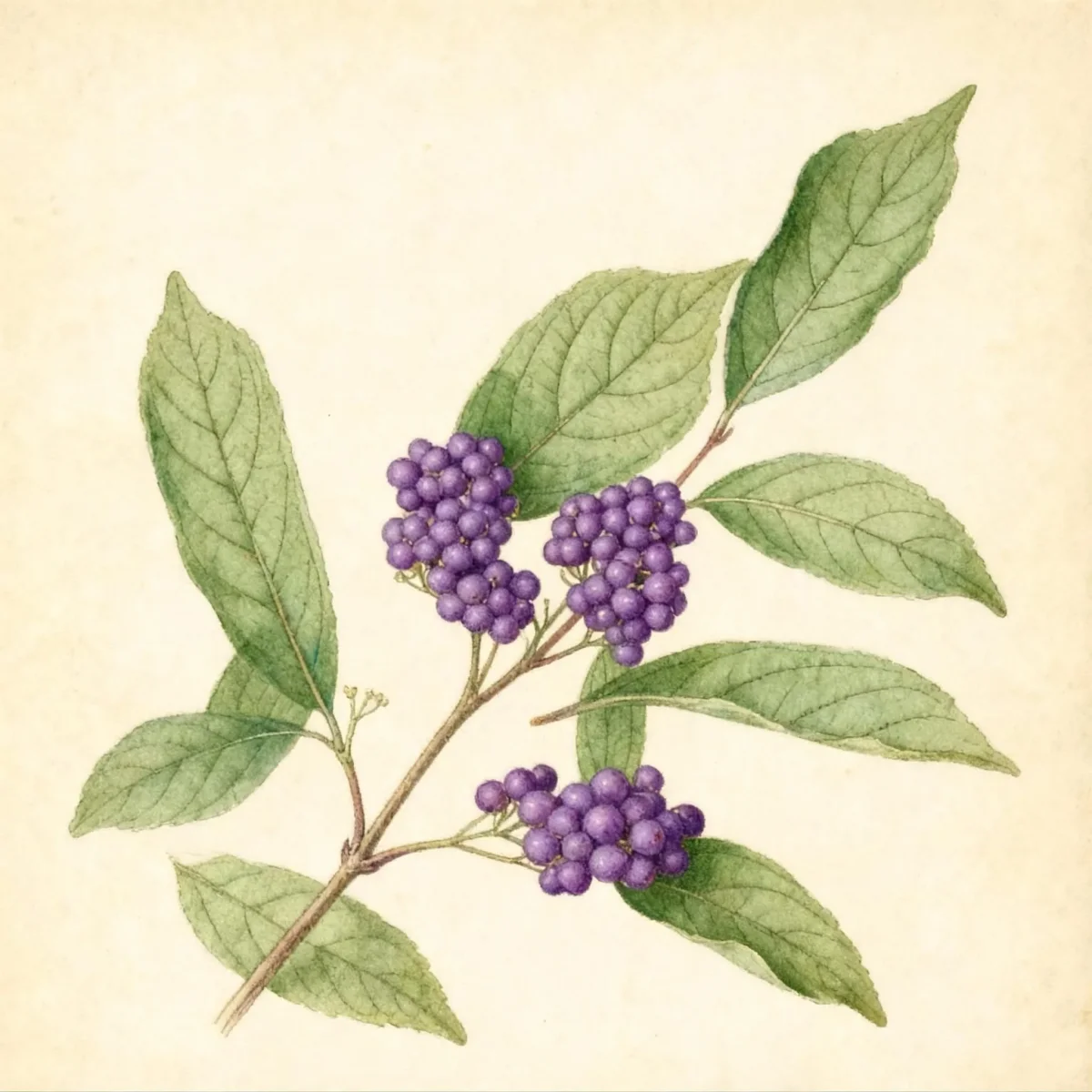
Japanese beautyberry (Callicarpa japonica)
Discover Callicarpa japonica, the Japanese beautyberry, celebrated for its spectacular violet fall fruit display. Low maintenance and highly ornamental.
Scroll down to discover growing tips, care requirements, companion plants, and more
Complete Plant Information
Overview
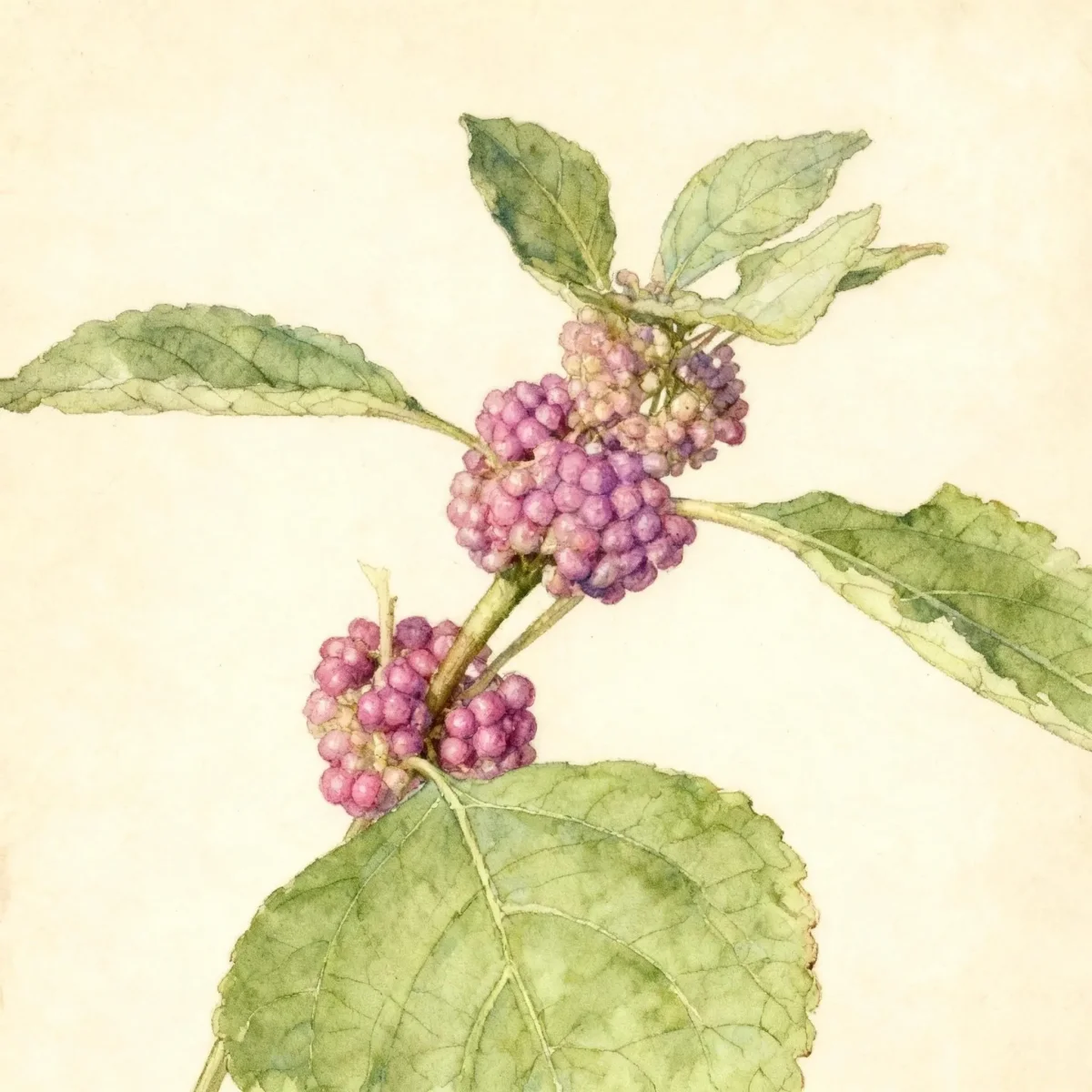
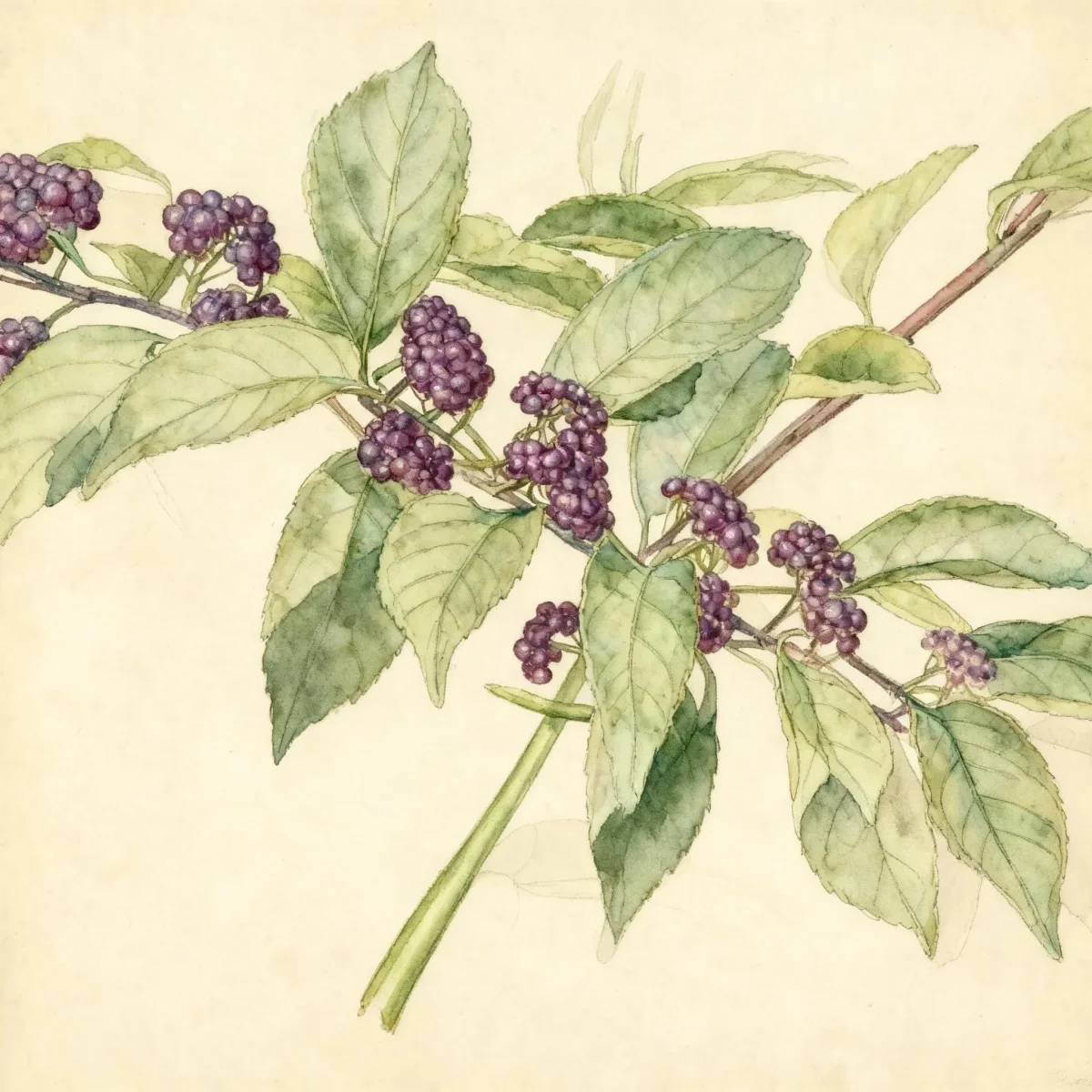
The Callicarpa japonica, widely known as Japanese beautyberry, is a standout mid-sized deciduous shrub prized almost entirely for its stunning late-season visual impact. Its defining characteristic is the persistent, brilliant violet-purple fruit clusters that emerge in autumn, providing essential color long after many other plants have faded. This shrub offers structure throughout the growing season before revealing its spectacular ornamental trait.
Native to China, Japan, and Korea, Callicarpa japonica develops into a rounded form, typically reaching four to six feet tall and wide. It performs best in conditions mimicking its native woodland edge habitats, thriving in average soil with medium moisture. Gardeners appreciate this plant for its low maintenance requirement and its reliable contribution to both winter interest and wildlife support.
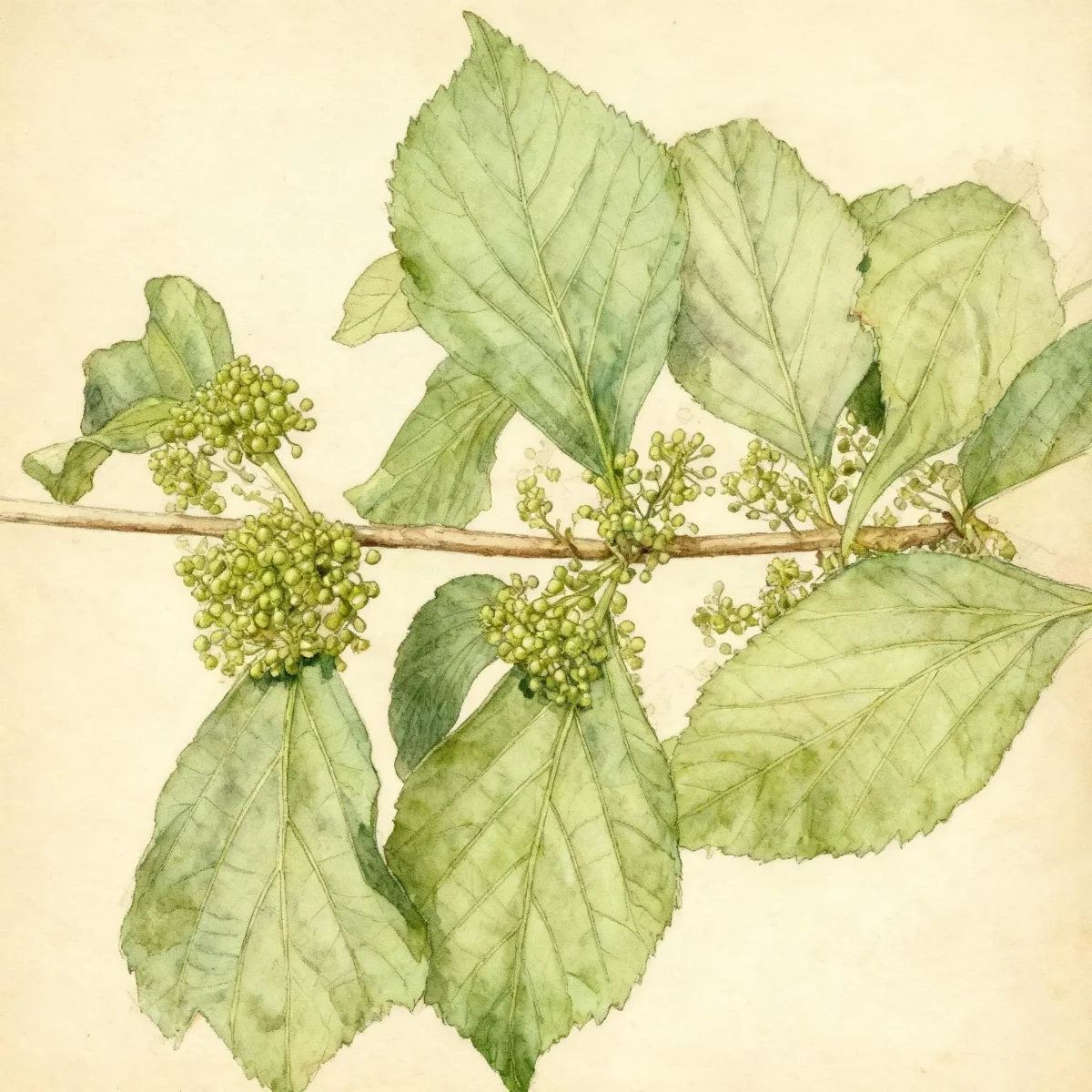
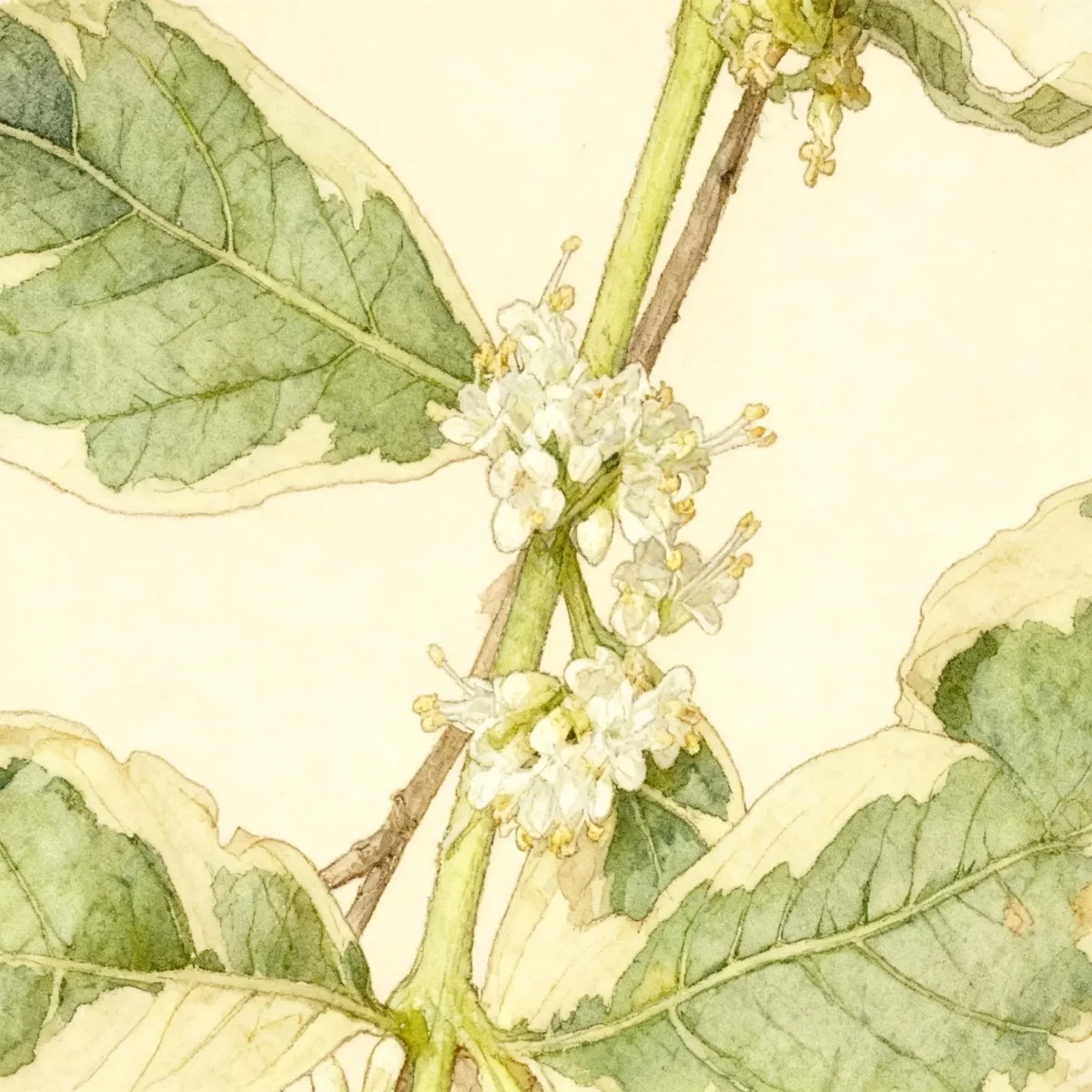
While the small white flowers in early summer are unremarkable, the subsequent fruit sets make the Japanese beautyberry an investment. For the most prolific fruiting, ensure adequate sunshine and consider planting multiple specimens to maximize cross-pollination opportunities for the best display of berries from late summer through fall.
Fast Facts
- Plant Family: Lamiaceae
- Plant Type: Deciduous shrub
- Native Range: China, Japan, Korea
- Hardiness Zones: USDA Zones 5-8
- Size at Maturity:
- Height: 4-6 ft
- Spread: 4-6 ft
- Bloom Time: June to July
- Bloom Description: White
- Sun Exposure: Full sun to part shade
- Water Needs: Medium
- Maintenance Level: Low
How to Grow
Plant the Japanese beautyberry in the spring or fall, allowing it time to establish before harsh summer heat or deep winter freezes arrive. It prefers average, medium moisture, well-drained soil. While it tolerates part shade, achieving the best flowering and fruiting display requires locating the shrub in a site that receives full sun throughout the day.
Watering should be consistent, maintaining medium soil moisture, particularly during the first year after planting. Callicarpa japonica demonstrates some tolerance for drought once mature, but reliable moisture encourages robust woody growth needed to support the heavy berry clusters. Fertilization is rarely required if the soil is reasonably rich.
Pruning is a key element in managing the structure of Callicarpa japonica. Flowers bloom on new wood, meaning pruning should be done in early spring before new growth begins. Many gardeners opt for hard pruning, cutting stems back to about six inches annually. This practice keeps the shrub compact, prevents legginess in shadier spots, and promotes dense new growth for better flowering. In Zone 5, be prepared for potential winter dieback, where stems freeze back to the ground; new growth will emerge vigorously from the roots in spring.
For superior fruit production, remember that best results occur when shrubs are planted in groups or massed together, significantly aiding cross-pollination.
Landscape Uses
The Japanese beautyberry is versatile, serving excellently in functional roles like hedging due to its predictable size, or as a striking mass planting for seasonal impact. Its medium height makes it perfect for the middle or rear of a border where its fall berries can shine. Consider using Callicarpa japonica in bird gardens, as the persistent fruits are highly attractive to various bird species.
For a dramatic contrast, plant the Japanese beautyberry alongside shrubs with different berry colors. Combining it with red-berried hollies (like Ilex verticillata) or orange-fruited firethorns (Pyracantha) creates a tripartite color show in the autumn landscape that is truly eye-catching.
It also functions well as an understory planting beneath larger, open-canopy trees, provided the area does not become overly dense and dark, which can lead to leggy growth. Its rounded form prevents it from overpowering smaller companion plants in mixed shrub beds.
Standout Features
Flower Qualities
- Showy
Fruit Qualities
- Showy
Noteworthy Characteristics
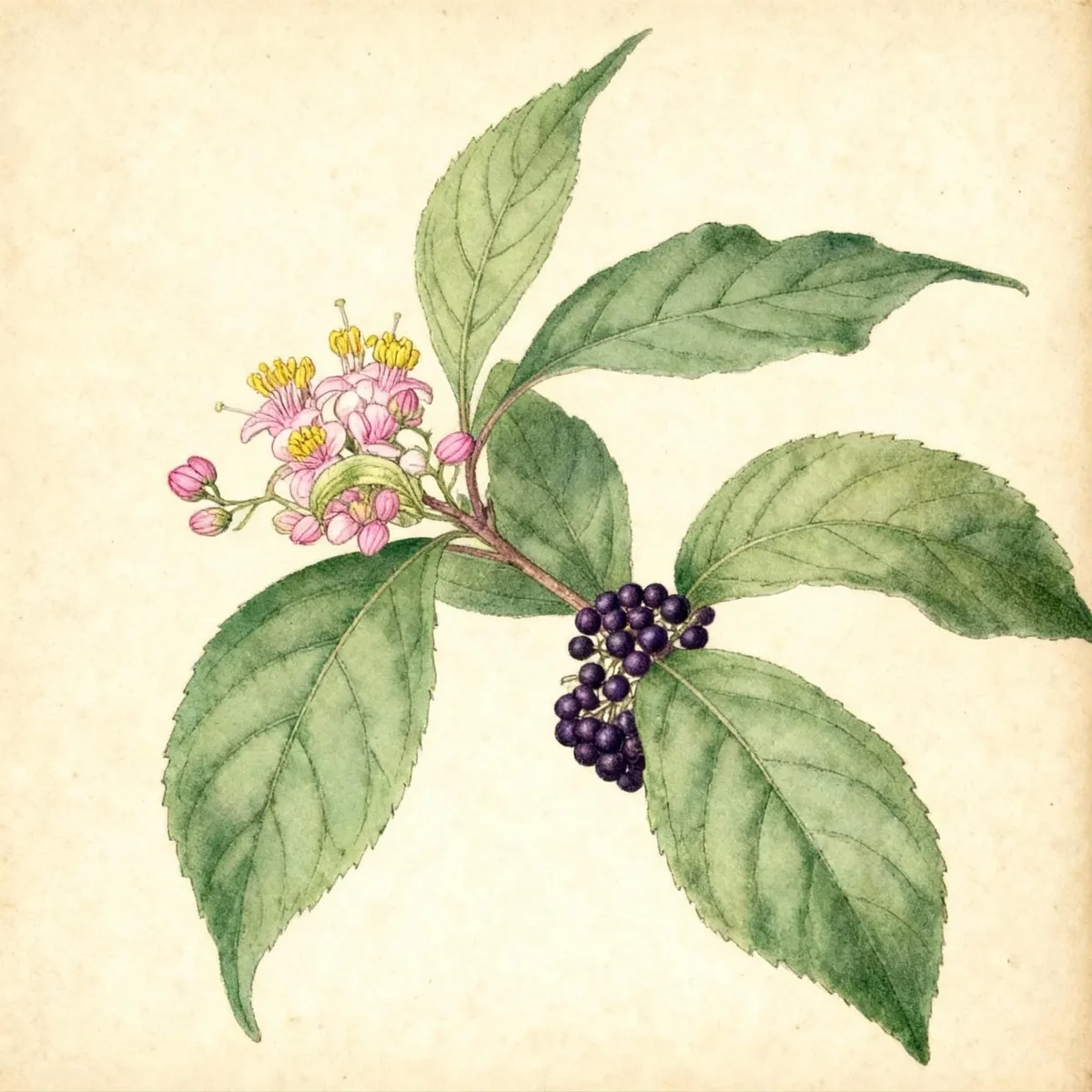
The best ornamental feature of Callicarpa japonica is its showy fall display of fruit, often referred to as beautyberries. Small, pink to white flowers appear in June and July, leading to large clusters of bright, glossy, violet to purple fruits that ripen in late summer and persist into October. These fruits are highly attractive to birds, and the elliptic green leaves provide a solid backdrop for the vibrant color display.
Tolerances
- Some tolerance for drought
Potential Problems
Winter dieback is a common concern for Callicarpa japonica grown in the northern limits of its range (Zone 5), though this generally does not impact the bush’s ability to flower and fruit when new wood emerges in spring. This plant may also show some susceptibility to common landscape afflictions like leaf spot and various stem diseases, sometimes accompanied by black mold. Good air circulation, achieved through proper spacing and necessary annual pruning, is the primary defense against fungal issues.
Frequently Asked Questions
What hardiness zones is Japanese beautyberry suitable for?
The Japanese beautyberry is suitable for USDA Hardiness Zones 5 through 8.
How large does Callicarpa japonica grow?
This deciduous shrub typically matures to a height of 4 to 6 feet and spreads approximately 4 to 6 feet wide, maintaining a rounded habit.
When does Callicarpa japonica bloom?
The shrub blooms between June and July, producing small white flowers that are followed by the showy purple berries.
What sun exposure does Japanese beautyberry need?
It prefers full sun to part shade, but best flowering and fruiting occur when the shrub receives full sun exposure daily.
Conclusion
The Japanese beautyberry remains a valuable asset for creating sustained seasonal interest, primarily thanks to its magnificent display of violet fruit clusters in the autumn. By understanding the slightly specific pruning and sun requirements of Callicarpa japonica, gardeners in Zones 5-8 can ensure a low-maintenance, high-impact shrub. Check your local USDA zone rating and plan for early spring pruning to maximize the berry production this year.
Wildlife Benefits
The showy fruit clusters of the Japanese beautyberry are a vital late-season food source, making this shrub a favorite in bird gardens. Birds often consume the berries into early winter, providing necessary sustenance when other food sources are scarce. Planting in groups ensures a significant food display that attracts a wider variety of avian visitors.
Companion Planting
When planning companion plantings for your Callicarpa japonica, focus on species that share similar medium water needs and tolerant sun requirements. Shrubs that offer contrasting texture or different seasonal interest work best. For example, pairing the fine foliage of Japanese beautyberry with the broad leaves of a Hydrangea offers textural variety. Since its peak interest is fall/early winter, consider pairing it with spring-blooming shrubs to ensure continuous garden engagement throughout the seasons.