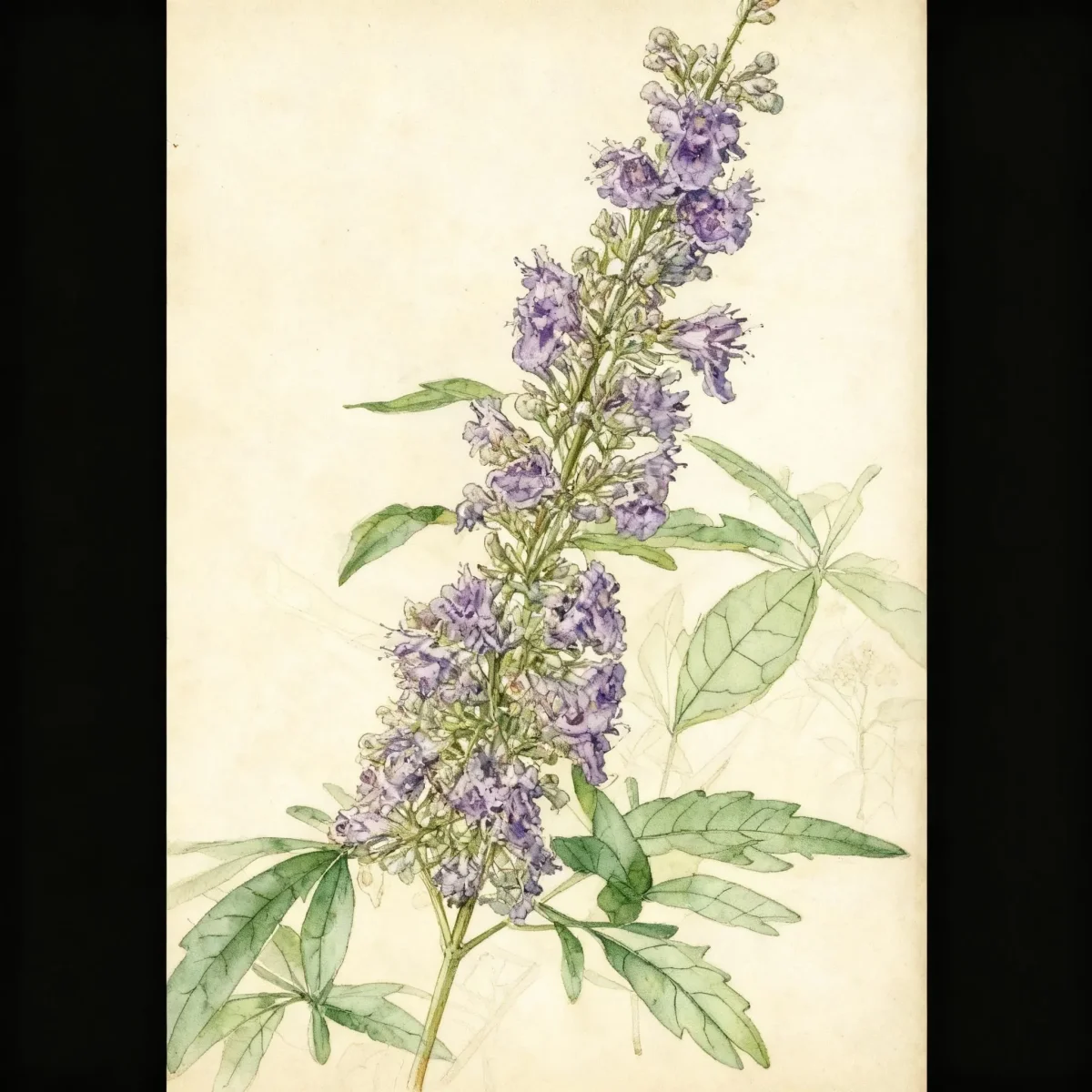
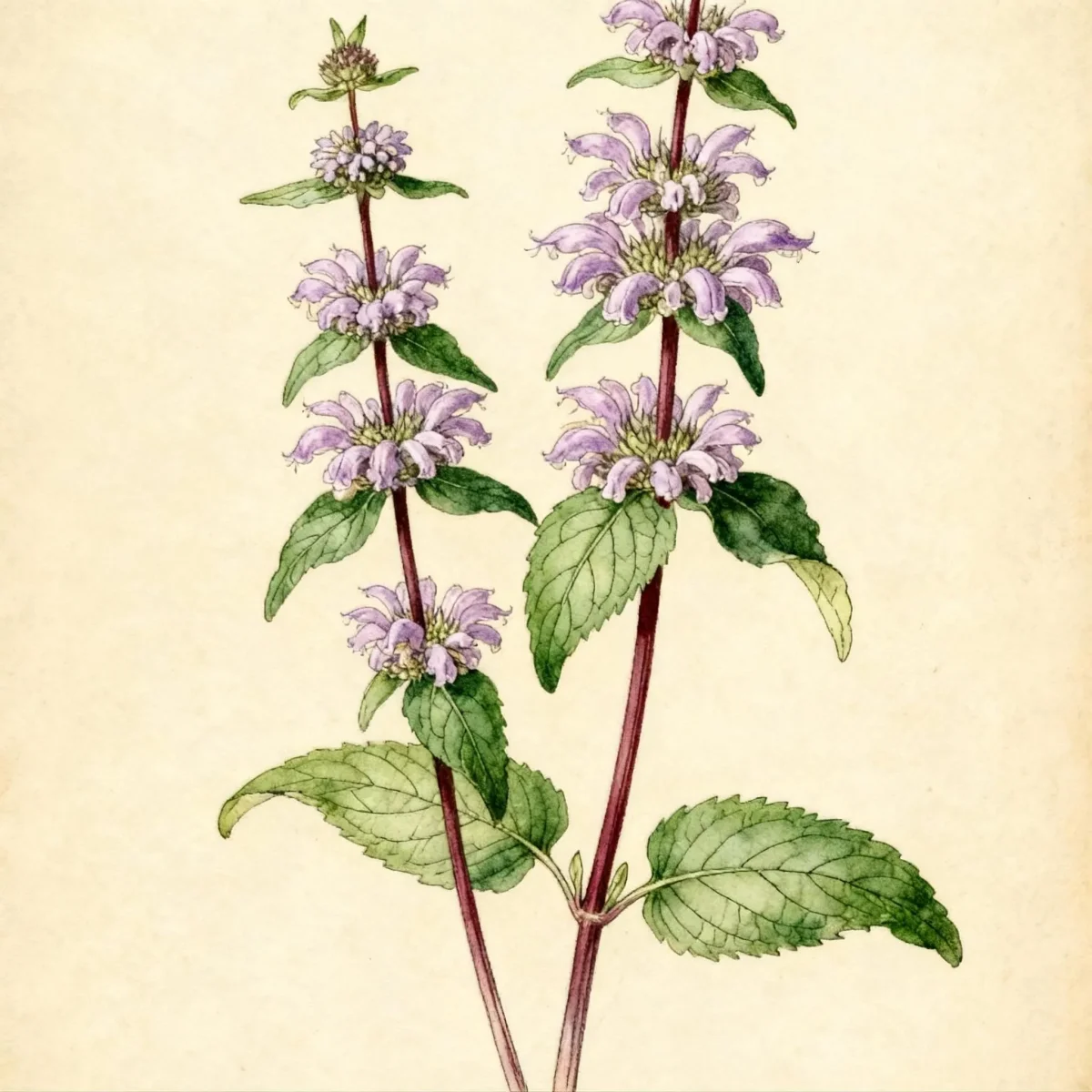
Roundleaf chastetree (Vitex rotundifolia)
Vitex rotundifolia, the Roundleaf chastetree, is a low-growing, sprawling woody shrub offering blue-purple blooms and high tolerance for coastal conditions.
Scroll down to discover growing tips, care requirements, companion plants, and more
Complete Plant Information
Overview
The Vitex rotundifolia, commonly known as the Roundleaf chastetree, is an interesting, prostrate-sprawling woody shrub native to coastal regions of Asia and Australia. This plant is highly valued for its exceptional resilience, particularly its excellent tolerance to salt, wind, and drought, making it a standout for challenging seaside landscapes. Although ornamental due to its blue-purple flowers that bloom in late spring, its primary note today surrounds its vigorous spreading habits.
This deciduous shrub typically remains quite low, growing only 1 to 2 feet tall but capable of spreading aggressively up to 15 feet or more. The leaves of Vitex rotundifolia are noteworthy; they are blue-green above and silvery-white underneath, possessing a spicy aroma when crushed. Gardeners must consider its invasive nature, especially near Eastern US coastlines, while appreciating its ability to perform well in dry, sunny settings inland.
For gardeners seeking tough ground cover options outside of highly sensitive ecological areas, the Roundleaf chastetree offers dependable coverage and attractive, if quick, growth. When sited appropriately away from vulnerable ecosystems, its low profile and ornamental flowers provide texture and color contrast.
Fast Facts
- Plant Family: Lamiaceae
- Plant Type: Deciduous shrub
- Native Range: Asia to Australia
- Hardiness Zones: USDA Zones 7-10
- Size at Maturity:
- Height: 1-2 ft
- Spread: 2-15 ft
- Bloom Time: May
- Bloom Description: Blue-purple
- Sun Exposure: Full sun
- Water Needs: Medium
- Maintenance Level: Medium
How to Grow
Optimal planting for Vitex rotundifolia involves placing it where it receives full sun. It thrives best in loose, medium-moisture, well-drained soils, mimicking its native environment along sandy or rocky coastlines. While it tolerates low fertility substrates, ensure drainage is excellent, as standing water is detrimental to establishment.
Watering needs are generally medium once established, benefiting from its natural drought tolerance, which is especially pronounced when grown in sandy, coastal settings. Routine fertilizing is usually unnecessary, as this species naturally occurs in nutrient-poor coastal areas. Pruning should focus mainly on controlling its aggressive spread if planted inland, though it maintains a naturally low stature, rarely exceeding two feet tall.
Coastal gardeners should note that while this plant offers superior salt tolerance invaluable for stabilization, its use is generally discouraged in the US due to invasive spread via runners, broken stems, and seed dispersal. For inland gardeners in appropriate zones, focus on managing its width to maintain its ground-covering form during the growing season.
Landscape Uses
When considering the Roundleaf chastetree for landscape use, the primary applications leverage its prostrate and spreading habit. It functions exceptionally well as an aggressive ground cover, effectively binding soil on slopes or large, sunny, dry beds where turfgrass struggles. Because of its remarkable salt and wind tolerance, it has historical use stabilizing difficult seaside sites, although this practice is now often restricted due to ecological concerns.
Inland sites, where the growth habits of Vitex rotundifolia are reported to be tamer, allow it to serve effectively as a low background plant or mass planting to blanket large expanses of open ground. Pairing it with other sun-loving, drought-tolerant perennials or strong, non-invasive ground covers can create layered texture, ensuring that its ground-hugging profile remains the focus rather than its tendency to sprawl uncontrollably. For the adventurous gardener, its use as a very low hedge or border edge might be explored, provided vigorous annual pruning is anticipated.
Standout Features
Flower Qualities
- Showy
Fruit Qualities
- Showy
Noteworthy Characteristics
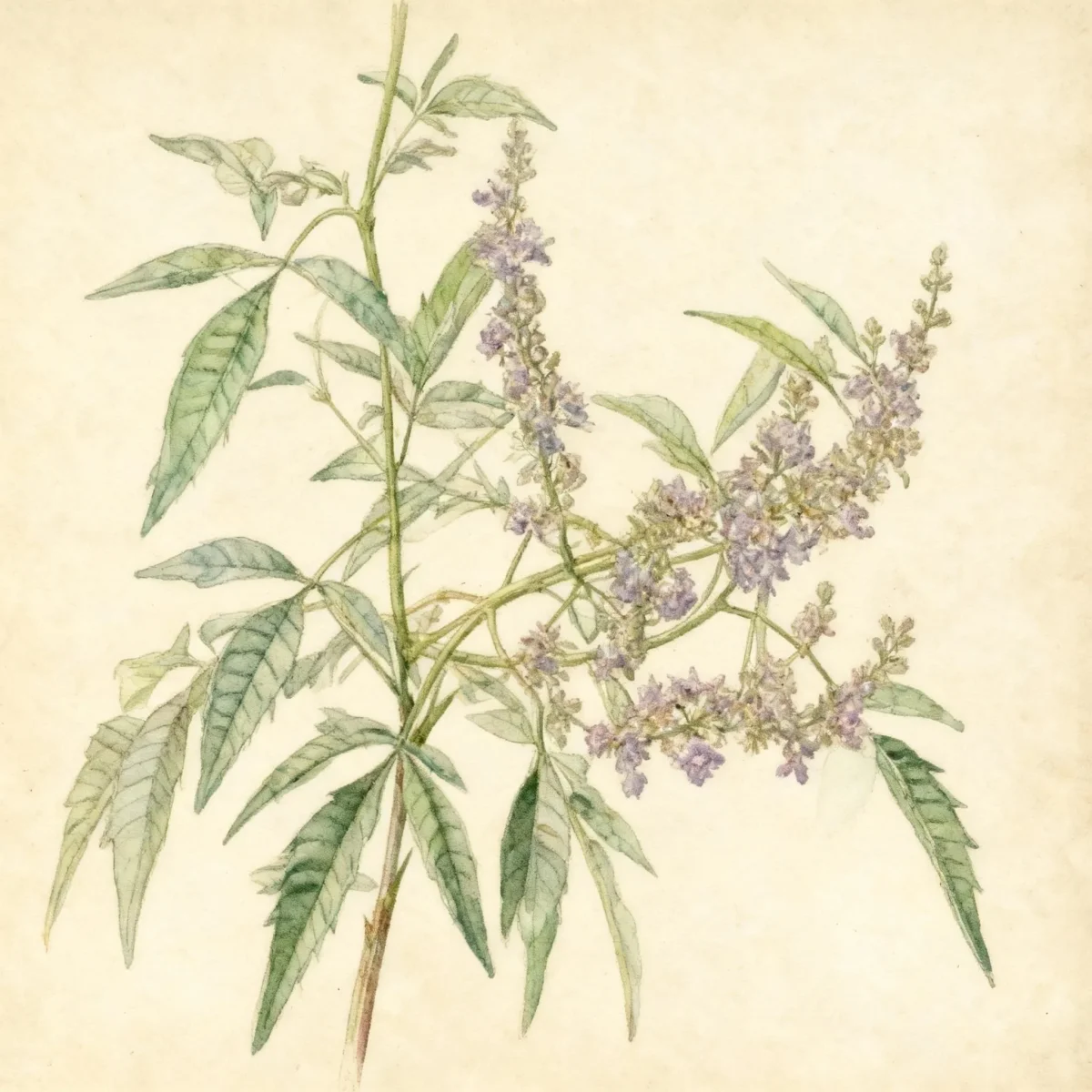
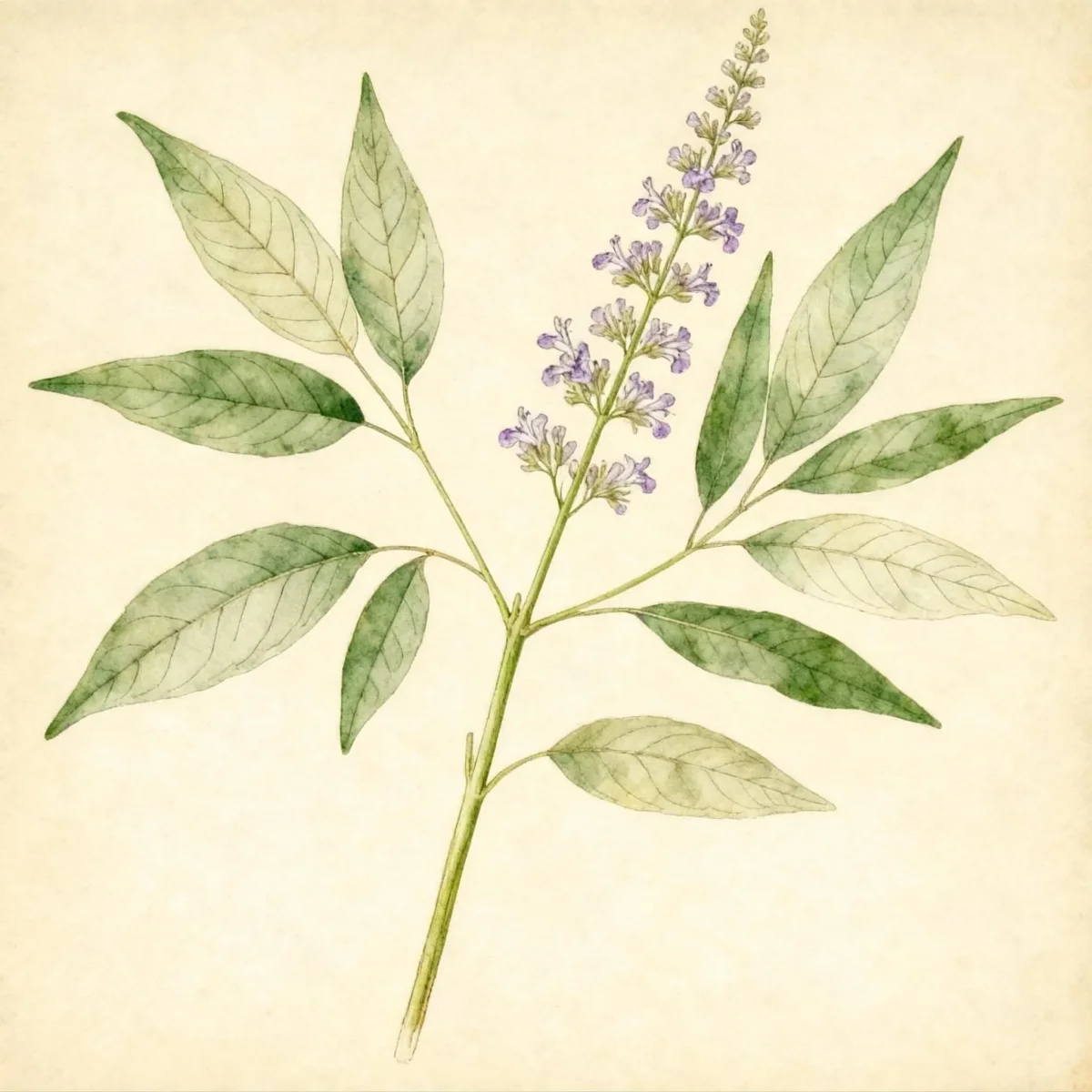
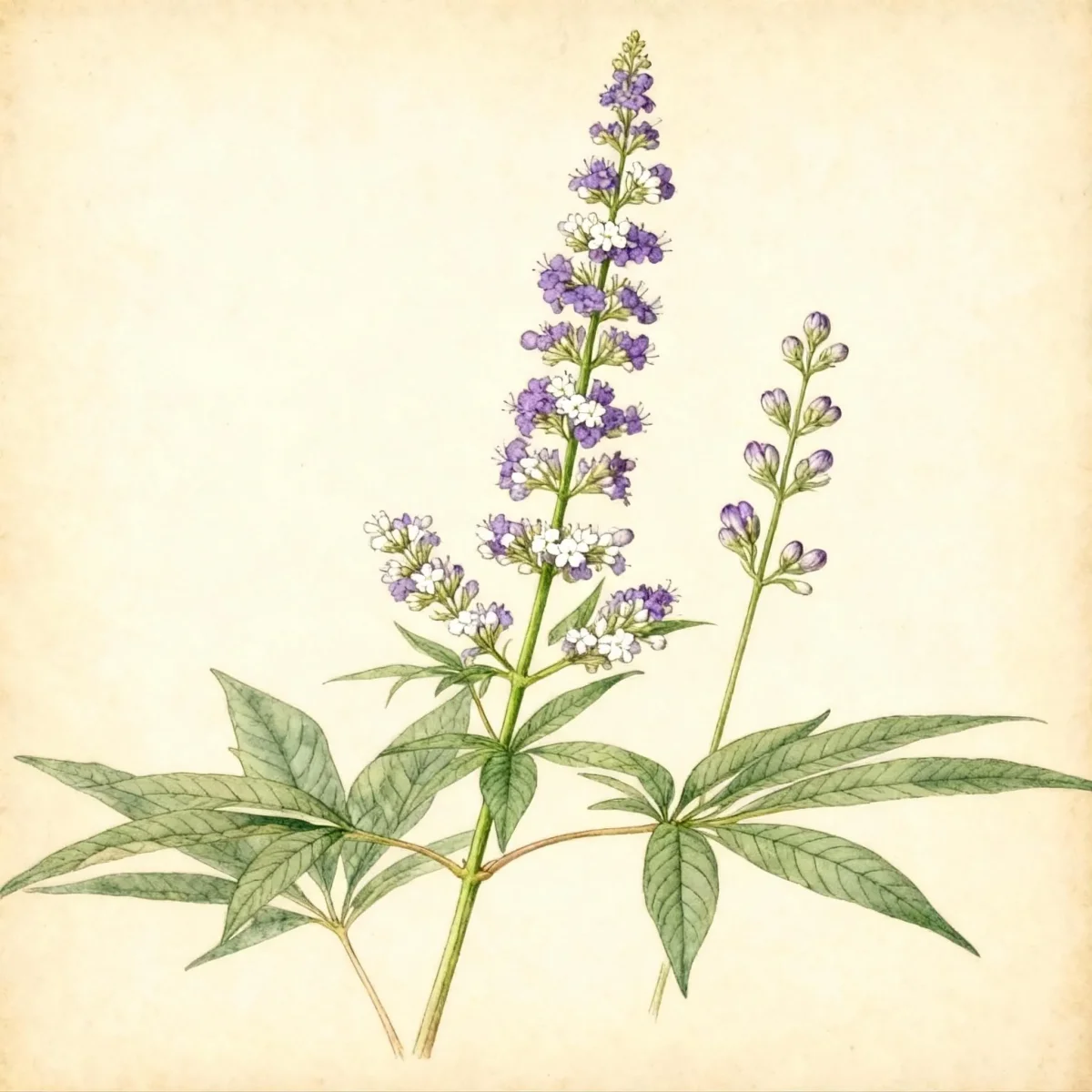
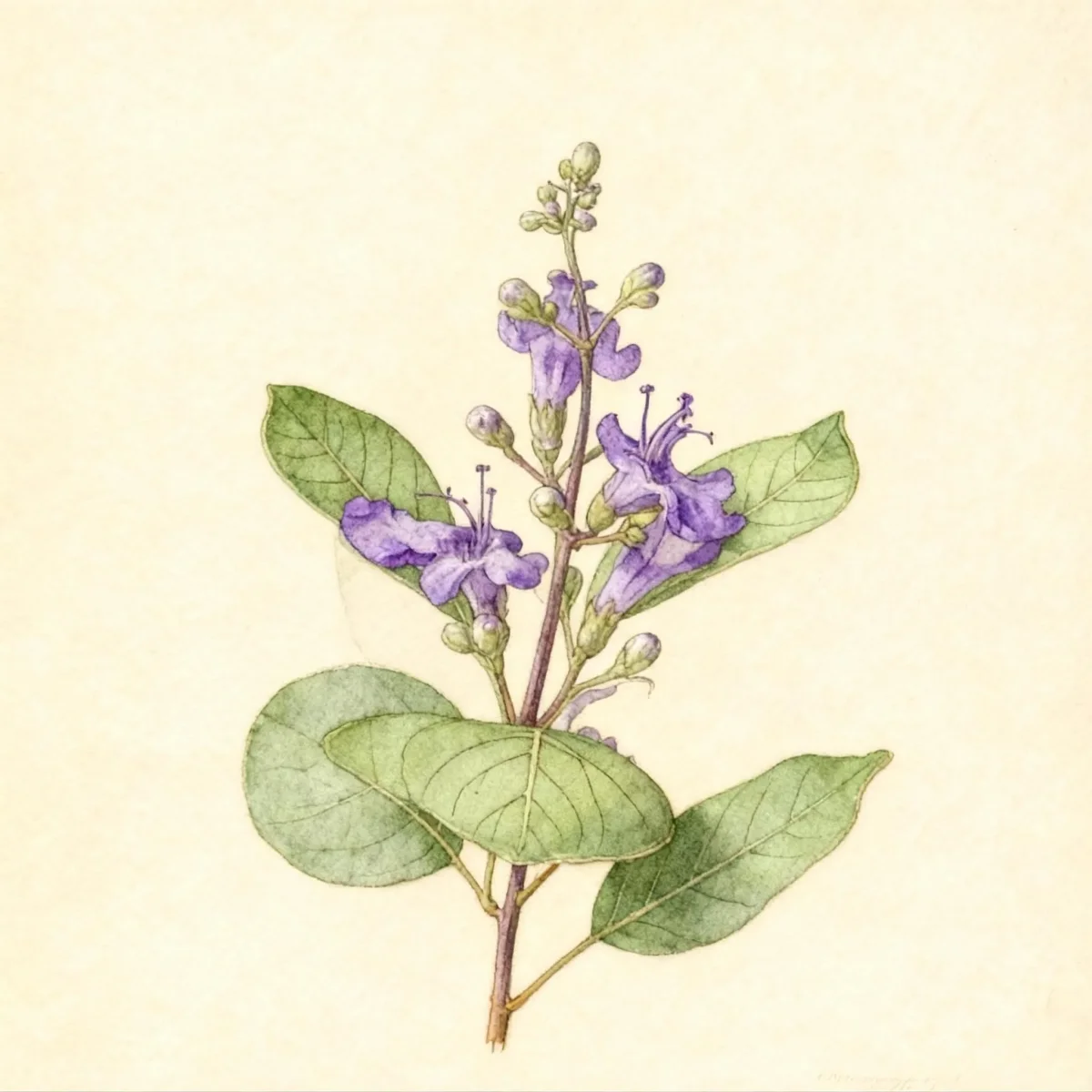
Vitex rotundifolia, commonly called beach vitex or round-leaf vitex, is a prostrate-sprawling woody shrub that grows to 1-2’ tall with an indefinite spread to 10-15’ or more. Its broad-oblong leaves are striking blue-green above and silver-gray below, featuring a spicy aroma when crushed. The blue-purple flowers bloom in May, followed by small purplish-black fruits, making the Roundleaf chastetree an interesting subject in coastal environments, if managed carefully.
Tolerances
- Excellent tolerance for salt
- Wind tolerance
- Drought tolerance
Potential Problems
Generally, Vitex rotundifolia avoids serious insect or disease problems, which contributes to its hardiness in harsh conditions. A significant cultural concern for potential growers is its winter hardiness limit; plants are typically not winter hardy below St. Louis specifications, meaning Zone 6b and colder climates may experience significant dieback or total loss. If growth establishment is successful, focus maintenance efforts on boundary awareness, ensuring that its vigorous runners do not infiltrate intended lawn areas or sensitive natural habitats.
Frequently Asked Questions
What hardiness zones is Roundleaf chastetree suitable for?
The Vitex rotundifolia is suitable for USDA Hardiness Zones 7 through 10.
How large does Vitex rotundifolia grow?
This shrub typically reaches a height of 1 to 2 feet, but its spread can be quite extensive, ranging from 2 to 15 feet.
What sun exposure does Roundleaf chastetree need?
The plant requires and performs best in full sun exposure.
When does Roundleaf chastetree bloom?
The Vitex rotundifolia typically blooms in May, producing attractive blue-purple flowers.
Companion Planting
When using Vitex rotundifolia as a ground cover inland, pair it with other low-maintenance, sun-loving xeriscape plants. Consider drought-tolerant ornamental grasses like Blue Fescue (Festuca glauca) which provide contrasting fine texture against the broader leaves of the Roundleaf chastetree. Alternatively, low-growing Sedums or trailing Rosemary varieties can complement its medium water needs without competing aggressively with its spreading root system.
Coastal Resilience Features
The exceptional survival skills of Vitex rotundifolia make it unique for seaside planting schemes where few species thrive. Its small, leathery leaves minimize water loss, while the downy coating on the leaf undersides provides insulation against desiccating salt-laden winds. These features allow the Roundleaf chastetree to fulfill the functional requirement of soil binding in dynamic, exposed dune ecosystems, though ecological caution must always be exercised regarding its potential for over-spreading.
Conclusion
The Roundleaf chastetree offers reliable, sun-loving performance with notable resilience to challenging elements like salt and drought, making it a strong contender where tough ground cover is needed. Successfully integrating Vitex rotundifolia requires a realistic assessment of its spreading vigor relative to your gardening space, ensuring you plan for its needs now by checking regional zone compatibility.