Glory-bower (Clerodendrum wallichii)
The beautiful Clerodendrum wallichii, or Glory-bower, is a stately deciduous shrub known for its unique white and green blooms and glossy foliage.
Scroll down to discover growing tips, care requirements, companion plants, and more
Complete Plant Information
Overview
The Clerodendrum wallichii, commonly known as Glory-bower, provides captivating vertical interest in the shaded garden landscape. This medium-to-large deciduous shrub is prized for its abundance of pendulous flower clusters that create a soft, drapery effect when in bloom. Gardeners value this plant for its year-round visual appeal, transitioning from glossy green leaves to unique seasonal flowers and decorative fruits.
Native to Southeast Asia, the Clerodendrum wallichii thrives where it receives protection from intense afternoon heat. Despite its tropical origins, it is surprisingly adaptable to conditions within USDA Zones 8 through 11. Mature specimens of Glory-bower develop an open, arching habit, making it an excellent focal point or specimen plant in sheltered garden areas.
While easily grown outdoors in warmer regions, it offers versatility by serving as a container plant that can be brought indoors to overwinter. Understanding the specific soil and light needs of Clerodendrum wallichii are key to encouraging its best performance and seasonal flowering displays.
Fast Facts
- Plant Family: Lamiaceae
- Plant Type: Deciduous shrub
- Native Range: Southeast Asia
- Hardiness Zones: USDA Zones 8-11
- Size at Maturity:
- Height: 6-13 ft
- Spread: 4-10 ft
- Bloom Time: April to July
- Bloom Description: White, Green
- Sun Exposure: Part shade
- Water Needs: Medium
- Maintenance Level: Medium
How to Grow
The Glory-bower grows best when planted in locations offering part shade, particularly protection from harsh afternoon sun. Aim for planting sites that feature evenly moist, rich, well-draining loams to ensure optimal root health. This plant is hardy in USDA Zones 8-11, but even in these zones, gardeners should note that frost can cause temporary defoliation.
Maintain consistent growing conditions by supplying a medium amount of water, ensuring the soil never dries out completely. While fertilizing requirements are moderate, applying mulch heavily in the colder reaches of its hardiness range helps insulate the root system against harder freezes, which can cause stem dieback.
If hard freezes occur, stems may die back, but new, vigorous growth will reliably emerge from the roots in spring. For growers whose zones dip below Zone 8, container culture is recommended, allowing the plant to enjoy summers outdoors in light shade before being successfully brought indoors for overwintering near a bright window.
Landscape Uses
The dramatic, yet delicate, appearance of Clerodendrum wallichii makes it invaluable for adding texture to shadowy garden corners. It performs exceptionally well as an accent or specimen shrub, drawing the eye upward with its slightly arching form. Consider placing it within a deep, shady mixed border where its foliage and bloom structure can contrast with fine-textured ferns or broad-leaved hostas.
This Glory-bower is perfectly suited for protected areas like courtyards or near entryways where its unique flowers can be appreciated up close. Furthermore, its ability to be grown in containers allows it to transition easily. Outside during the summer, it acts as a tropical specimen; before the first fall frost, its container home allows it to move into a greenhouse or conservatory setting for year-round enjoyment.
Standout Features
Flower Qualities
- Showy
Fruit Qualities
- Showy
Noteworthy Characteristics
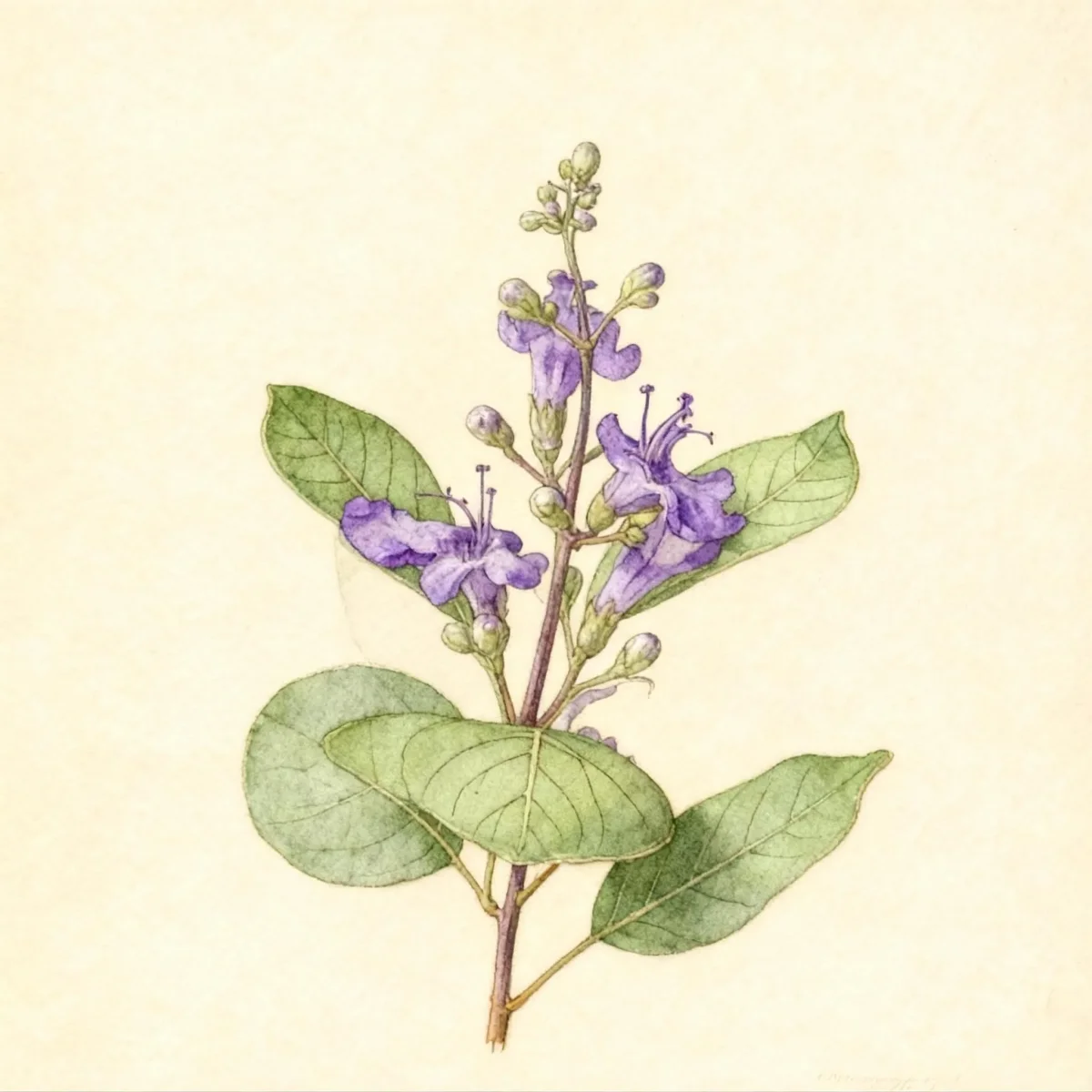
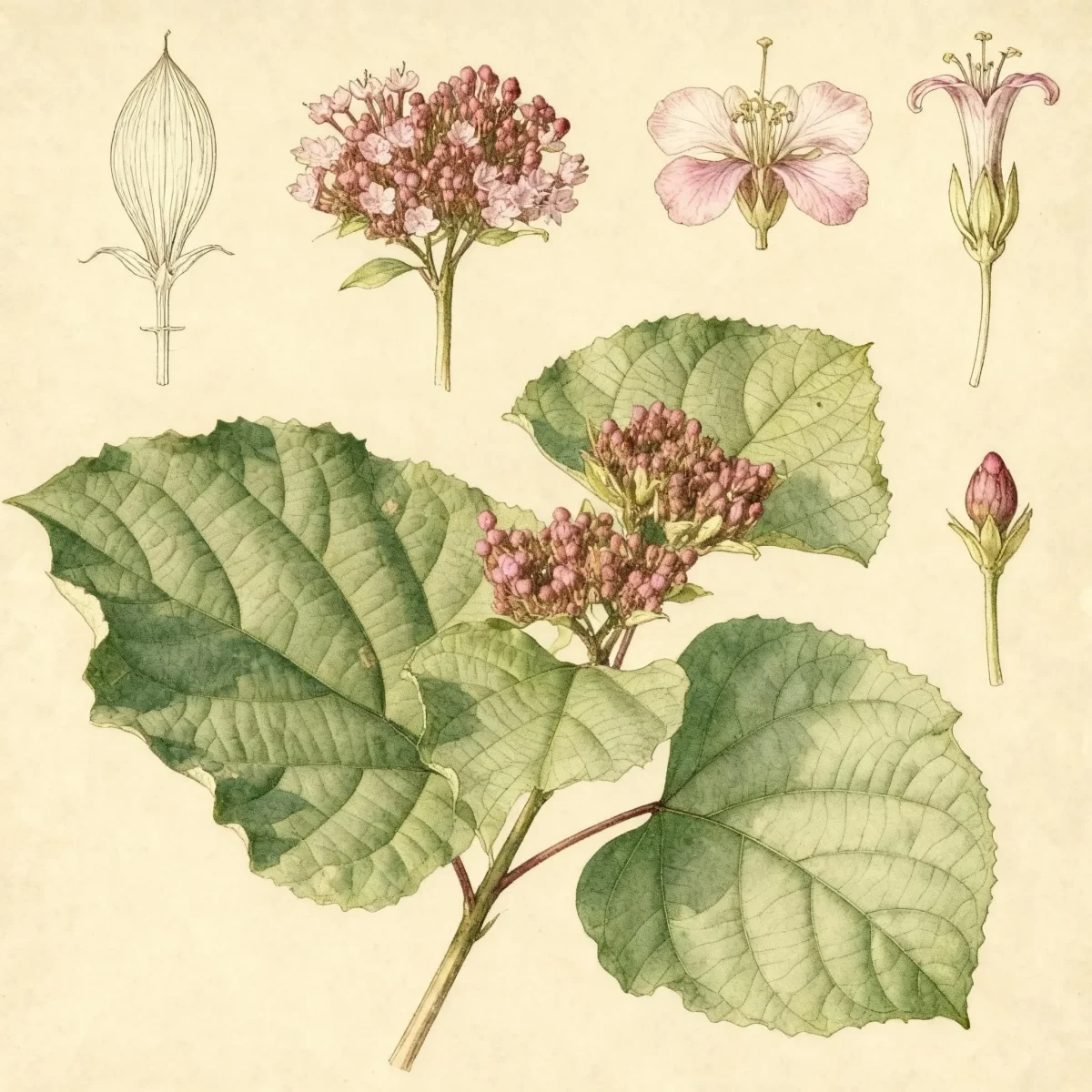
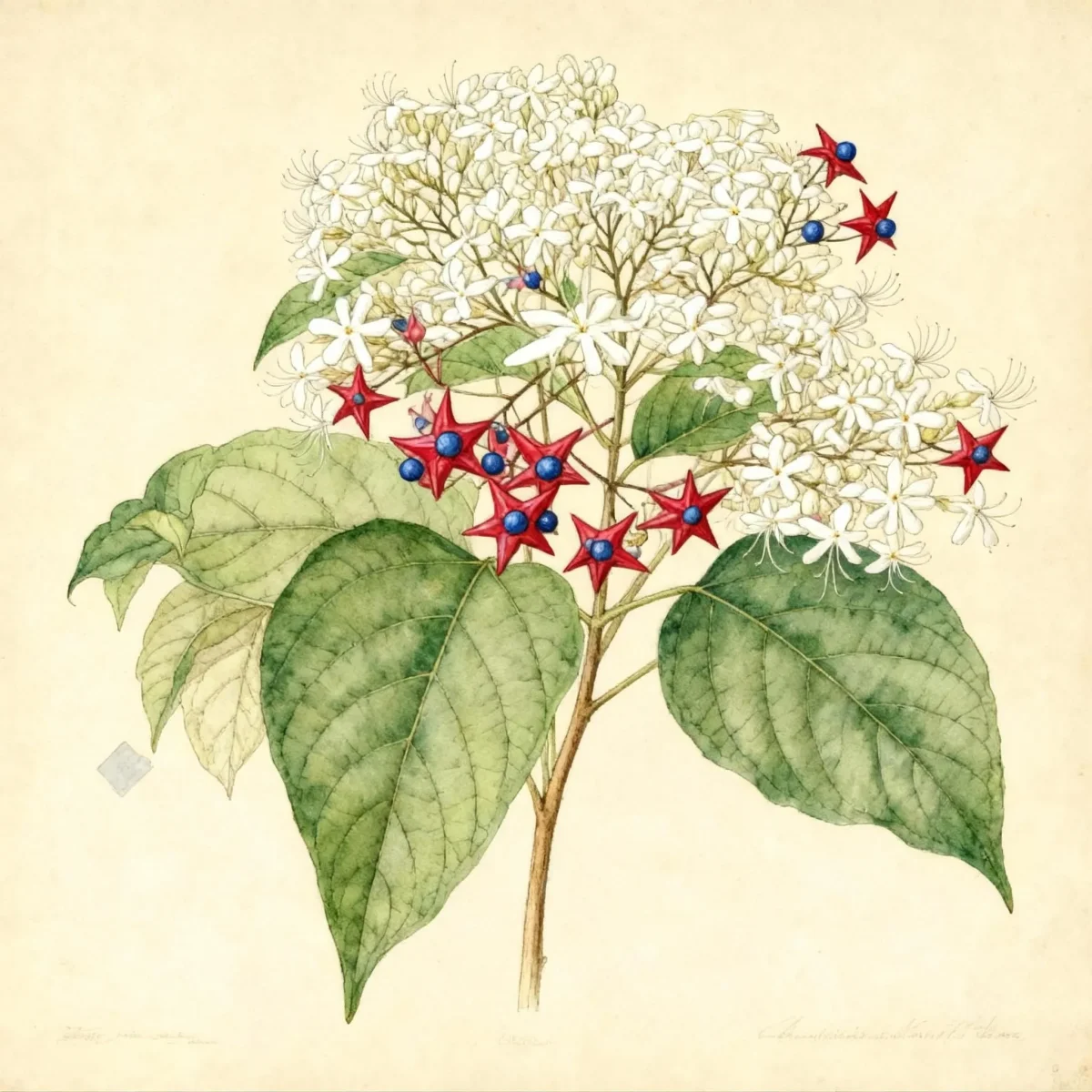
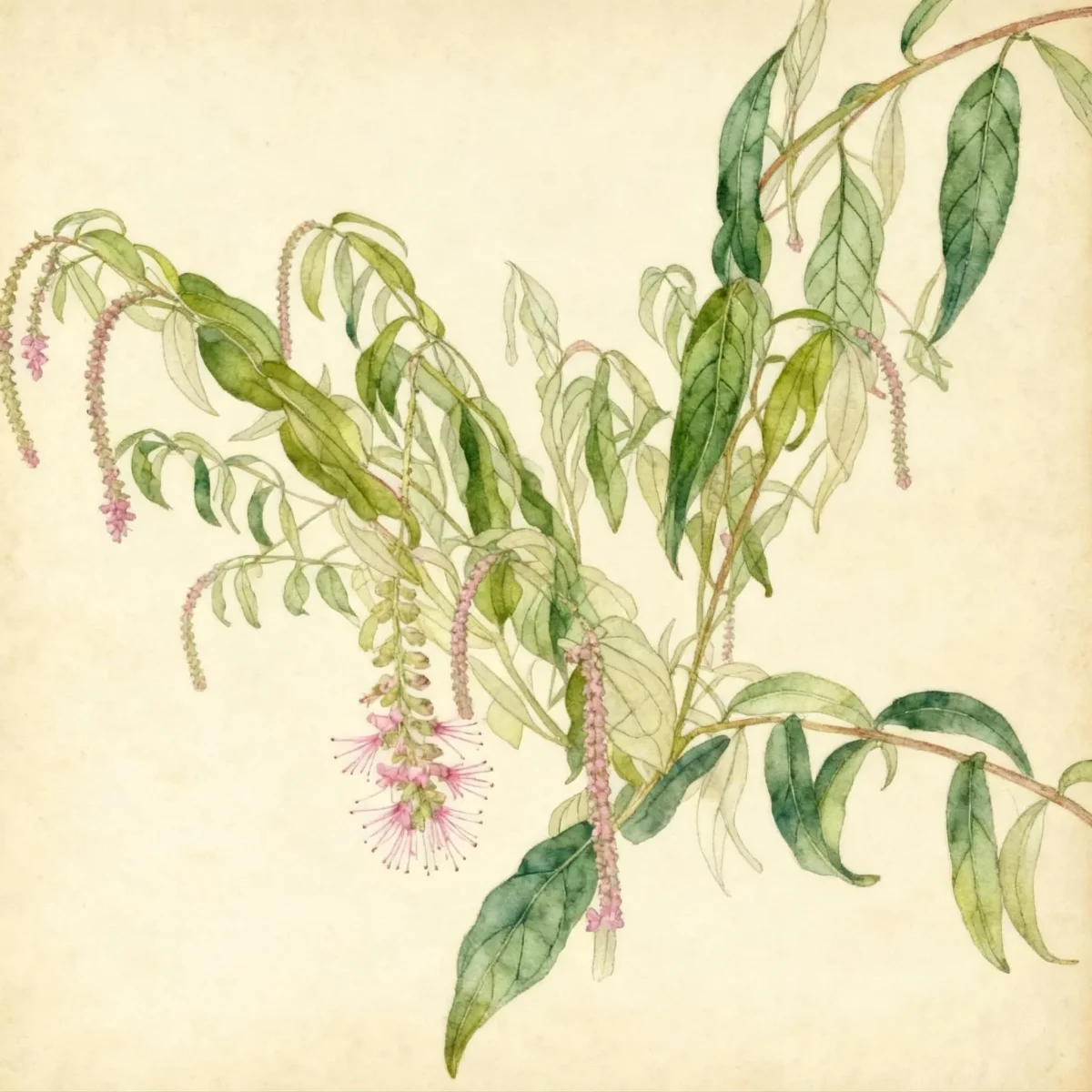
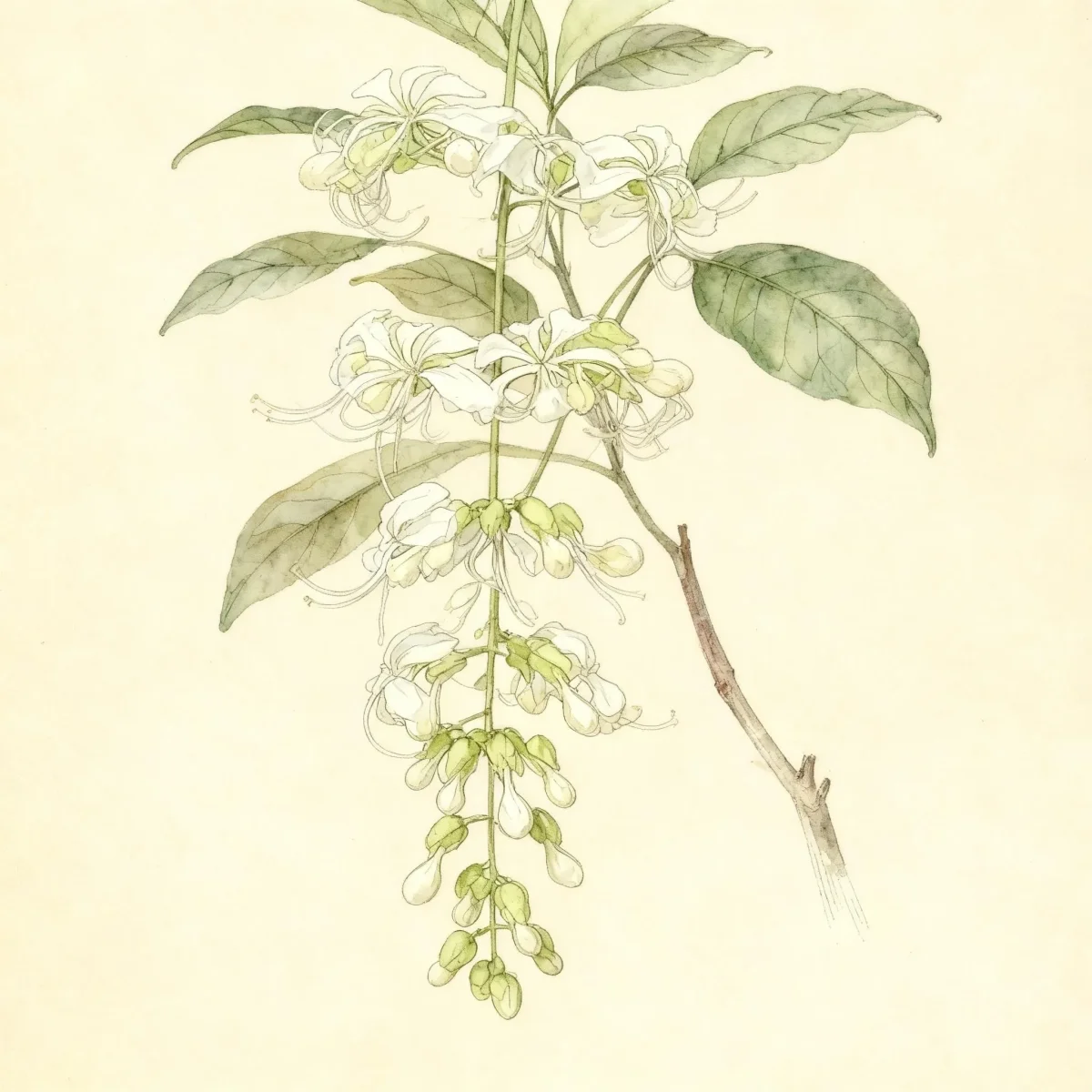
Clerodendrum wallichii, commonly called Wallich’s glory-bower, bridal veil, or nodding clerodendron, is a medium to large sized shrub native to southern Asia. Mature specimens can reach between 6-13’ tall with an upright to arching, openly branched habit. The leaves are dark green, glossy, and narrowly oblong in shape, reaching up to 7” long and 1.5” wide. Pendulous clusters of small, white flowers reaching 1’ long bloom seasonally (typically in autumn) from the terminal ends of the branches. The round, glossy fruits are green when young and mature to black, surrounded by five, bright pink sepals.
Tolerances
Potential Problems
The Glory-bower generally exhibits few serious pest or disease issues when grown in its preferred outdoor conditions. However, when cultivated as an indoor houseplant or in greenhouse settings, vigilance is required. Scale insects, mealybugs, and aphids can occasionally become problematic under stressful or enclosed conditions. Regular inspection, especially of the undersides of leaves, along with prompt treatment using horticultural oil or insecticidal soap, is the best management strategy.
Frequently Asked Questions
What hardiness zones is Clerodendrum wallichii suitable for?
This Glory-bower is suitable for USDA Hardiness Zones 8 through 11. In the colder range of these zones, winter protection via mulch is highly recommended.
How large does Glory-bower grow?
Mature Clerodendrum wallichii typically reaches a height between 6 to 13 feet, with a spread ranging from 4 to 10 feet, developing an open, arching habit.
What sun exposure does Clerodendrum wallichii need?
It requires part shade, preferring filtered light or dappled sun throughout the day rather than intense, direct afternoon sun exposure.
When does Glory-bower bloom?
The pendulous clusters of white and green flowers on the Clerodendrum wallichii typically appear from April to July, sometimes later into the autumn, depending on the climate.
Conclusion
The exotic appearance of Clerodendrum wallichii, featuring its unique flower clusters and glossy foliage, makes it a rewarding addition to partially shaded landscapes. Whether used as a stately shrub in warmer zones or managed as a seasonal container plant, the Glory-bower offers significant ornamental value. Before planting, confirm your local hardiness zone compatibility and plan to provide consistently moist, rich soil to nurture this beautiful specimen.
Companion Planting
When selecting plants to pair with your Glory-bower, focus on species that share a preference for bright to moderate shade and consistently moist soil. Excellent companions include various hostas, whose broad leaves contrast nicely with the narrower foliage of Clerodendrum wallichii. Ferns, particularly large varieties like Japanese Painted Fern or Ostrich Fern, enhance the woodland aesthetic desired for this plant and thrive under the same filtered light conditions. In wetter parts of the border, bog iris or certain shade-loving astilbes can complement the texture and bloom habits of the Glory-bower.
Seasonal Care Calendar
Care for your Clerodendrum wallichii needs adjustments throughout the growing year to maintain its lush look. During the active spring and summer months, focus heavily on consistent watering; do not allow the medium soil to dry out, especially if the plant is in a container. In late fall, if temperatures are expected to drop significantly, prepare plants in Zone 8 for winter by applying a thick layer of insulating mulch around the base to protect the root crown. For containerized plants, move them to a bright, protected indoor location before the first frost date to ensure overwintering success and prevent stem dieback. Prune lightly in early spring to clean up any dead wood resulting from winter weather.