Rose verbena (Glandularia canadensis)
Discover Rose verbena (Glandularia canadensis), a low-maintenance herbaceous perennial known for its showy, rose-pink blooms in full sun.
Scroll down to discover growing tips, care requirements, companion plants, and more
Complete Plant Information
Overview
Rose verbena, scientifically known as Glandularia canadensis, is a highly valued addition to sunny, dry landscapes due to its prolific, colorful flowering habit. This clumping, sprawling perennial quickly forms an attractive ground cover, making it excellent for softening hard edges or covering slopes where regular maintenance is undesirable. Gardeners appreciate its low input requirements paired with a significantly long bloom time extending from late spring well into the summer.
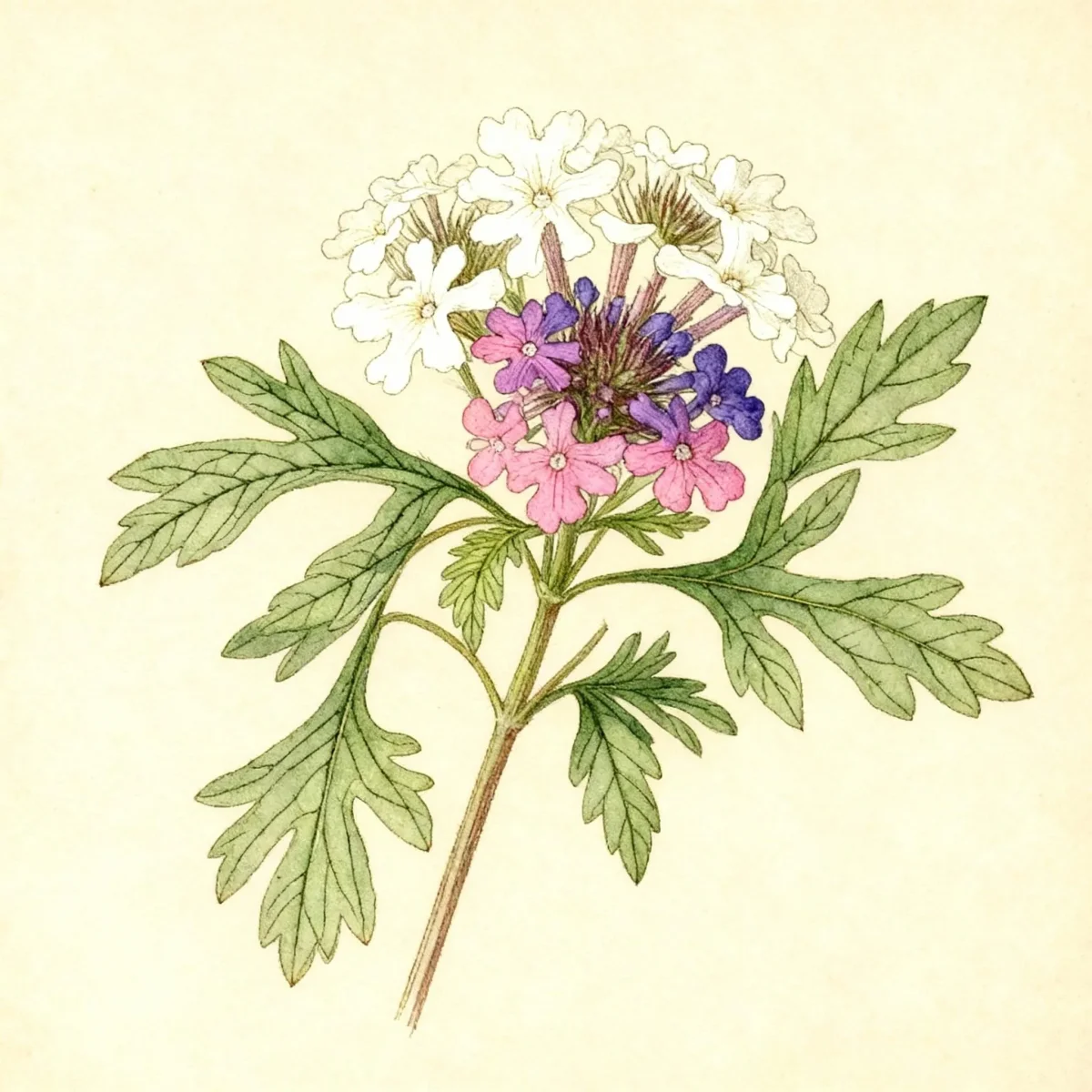
Native to rocky prairies and fields in the south-central United States, Glandularia canadensis thrives in conditions that might stress less adaptable plants. Its chief aesthetic contribution comes from the flat-topped clusters of five-petaled flowers displayed in striking rose-pink to rose-purple hues. Beyond its beauty, Rose verbena offers practical utility, self-seeding readily in optimal spots to enhance naturalized areas year after year.
For optimal performance, ensure this perennial receives ample sunlight and well-drained soil, keeping moisture levels dry to medium. While commonly grown as an annual in cooler northern climates (like northern Zone 5), established native populations confirm its status as a resilient short-lived perennial where winters are milder. Incorporating Glandularia canadensis brings dependable color and texture to mixed plantings with minimal fuss.
Fast Facts
- Plant Family: Verbenaceae
- Plant Type: Herbaceous perennial
- Native Range: United States
- Hardiness Zones: USDA Zones 5-9
- Size at Maturity:
- Height: 0.5-1.5 ft
- Spread: 1-2 ft
- Bloom Time: May to August
- Bloom Description: Rose-pink to rose-purple
- Sun Exposure: Full sun
- Water Needs: Dry to medium
- Maintenance Level: Low
How to Grow
Plant Glandularia canadensis in the spring after the last frost threat, ensuring it is situated in a location that receives full sun exposure throughout the day. This plant thrives in average soils provided they are well-draining. It is crucial to avoid wet, poorly drained locations, as soggy conditions are the primary cause of root rot and other health issues for Rose verbena.
Care for this species is exceptionally straightforward, reflecting its low maintenance rating. Watering should be infrequent once established; allow the soil to become dry between waterings since it tolerates drought well. Fertilization is rarely necessary; rich, loamy soils may actually discourage flowering in favor of excessive foliage growth. Deadheading spent blooms is not strictly required, but removing faded flowers can encourage a tidier appearance and prompt further blooming.
In USDA Zone 5, treat Glandularia canadensis as an annual unless you provide good winter protection, as it is not always reliably winter hardy there. For reliable perennial performance, focus planting efforts in zones 6 through 9. Spring cleanup involves trimming back winter-damaged stems before new growth emerges vigorously from the base.
Landscape Uses
The sprawling habit of Rose verbena makes it an outstanding choice for applications requiring dense, low coverage. Use it en masse in rock gardens where its stems can cascade over stones, or mass planting along border fronts provides a long season of brilliant color right at the edge of the walkway. As a ground cover, it effectively suppresses weeds where its stems touch the soil and root, creating a unified texture.
Consider interplanting this species with low-growing, dry-tolerant companions such as sedums or creeping thyme. Its vibrant rose-purple tones contrast beautifully with silver foliage or plants featuring blue or yellow blooms. Furthermore, Glandularia canadensis integrates seamlessly into containers and hanging baskets, where its spreading nature creates attractive, colorful spillover effects.
Standout Features
Flower Qualities
- Showy
Noteworthy Characteristics
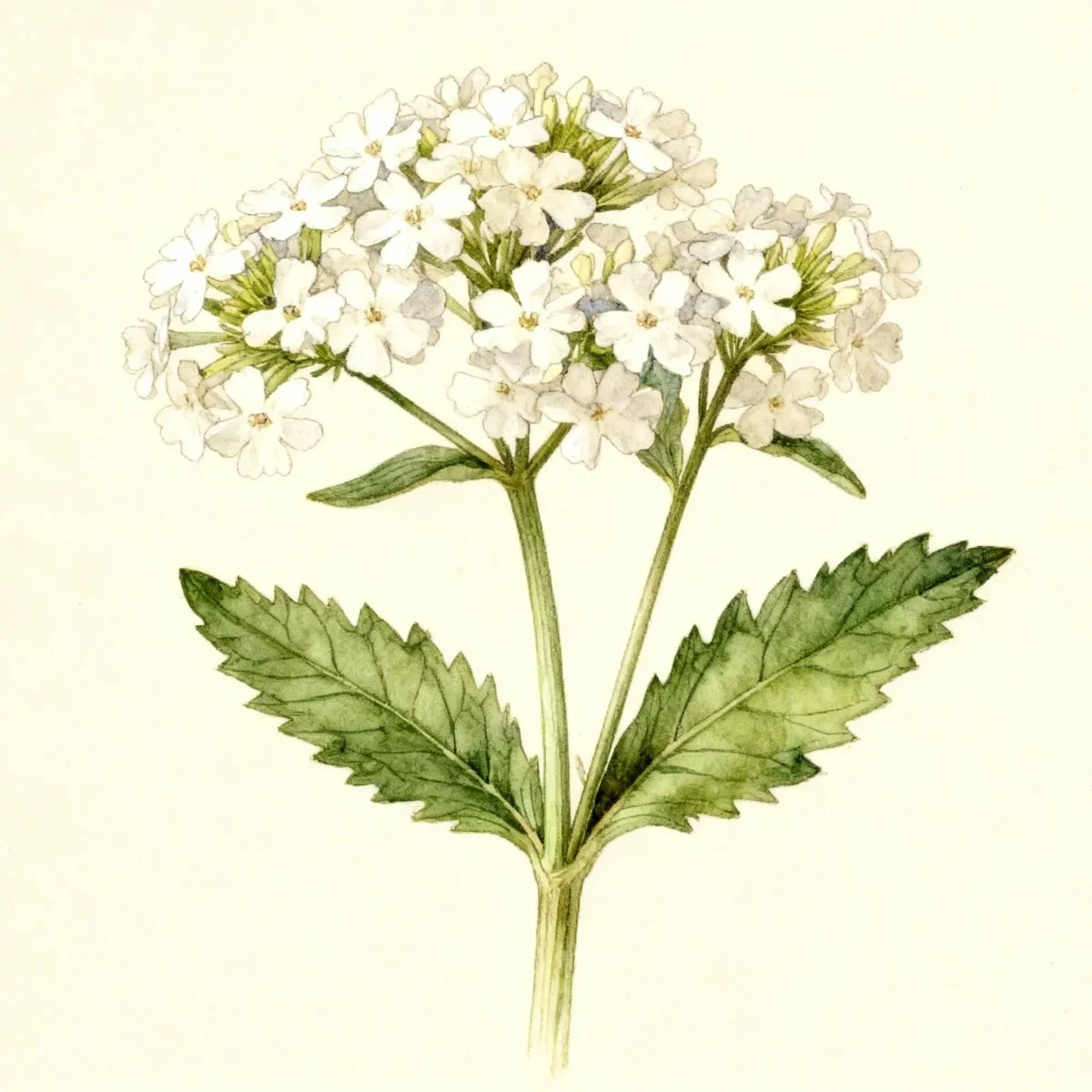
Glandularia canadensis is commonly called rose verbena, clump verbena or rose vervain. It typically occurs in rocky prairies, fields, pastures, glades, roadsides and disturbed areas in the south-central United States from Illinois south through eastern Texas and east to the Carolinas. It is a clumping, sprawling plant that grows to 6-18” tall, and can spread rather quickly by pubescent, decumbent stems, rooting at the nodes where they touch the ground, to form an attractive ground cover. Flat-topped clusters of 5-petaled, rose-pink to rose-purple flowers appear atop ascending stems in a long, late spring to late summer bloom.
Tolerances
- Drought
- Dry Soil
- Shallow-Rocky Soil
Potential Problems
Glandularia canadensis generally exhibits excellent resistance to serious pests and diseases, which contributes to its low maintenance profile. The most common fungal concern is powdery mildew, particularly where air circulation is poor, so ensure adequate spacing during planting. In heavy, wet soils, gardeners must watch carefully for Botrytis blight and root rot, which thrive in overly saturated conditions. Slugs and snails may occasionally chew on the foliage, especially new growth; managing these mollusks with baits or barriers can protect the appearance of your Rose verbena display.
Frequently Asked Questions
What hardiness zones is Rose verbena suitable for?
Glandularia canadensis is suitable for USDA Hardiness Zones 5 through 9, though it may require winter protection in the cooler end of that range.
How large does Glandularia canadensis grow?
This plant typically reaches a height between 0.5 and 1.5 feet tall, spreading to cover an area between 1 and 2 feet wide.
What sun exposure does Rose verbena need?
This species requires full sun to achieve its best flowering potential and maintain a compact growth habit.
When does Glandularia canadensis bloom?
You can expect the rose-pink to rose-purple flowers of Glandularia canadensis to appear consistently from May through August.
Conclusion
The drought-tolerant nature and extended season of vibrant, rose-hued flowers solidify Glandularia canadensis as a cornerstone plant for sunny, dry gardens. Its ability to form a durable, attractive ground cover with minimal effort makes Rose verbena a prime choice for sustainable landscaping. Before planting, confirm that your site offers full sun and excellent drainage to ensure your Glandularia canadensis establishes successfully for seasons of joy.
Companion Planting
Selecting companions for Glandularia canadensis should focus on plants that share its preference for full sun and dry to medium soil conditions. Pair it with other tough, drought-tolerant perennials that offer contrasting textures or colors, such as many varieties of Sedum (stonecrop) or Coreopsis. These partners will not compete aggressively for water and will often bloom concurrently or sequentially, maintaining visual interest throughout the growing season.
Consider using upright ornamental grasses, like certain Muhlenbergia species, positioned toward the back of a border behind the low-spreading Rose verbena. The fine texture of the grass will provide an excellent foil to the mounded clusters of verbena flowers, creating a sophisticated, ecologically sound display that handles summer heat with ease.
Wildlife Benefits
The flat-topped flower clusters of Glandularia canadensis are specially structured to attract a wide array of short-tongued pollinators. Bees, butterflies, and beneficial wasps readily access the nectar provided by the rose-pink blooms. Planting large drifts of Glandularia canadensis increases its visibility to foraging insects, effectively turning this ground cover into a dynamic food source for local fauna.
Because this species is native to parts of the United States, it supports local ecosystems better than many purely ornamental introductions. By choosing this naturalized plant, gardeners contribute directly to local pollinator health while enjoying a flower that rarely suffers from pest pressure, ensuring a continuous supply of accessible pollen and nectar through the peak summer months.