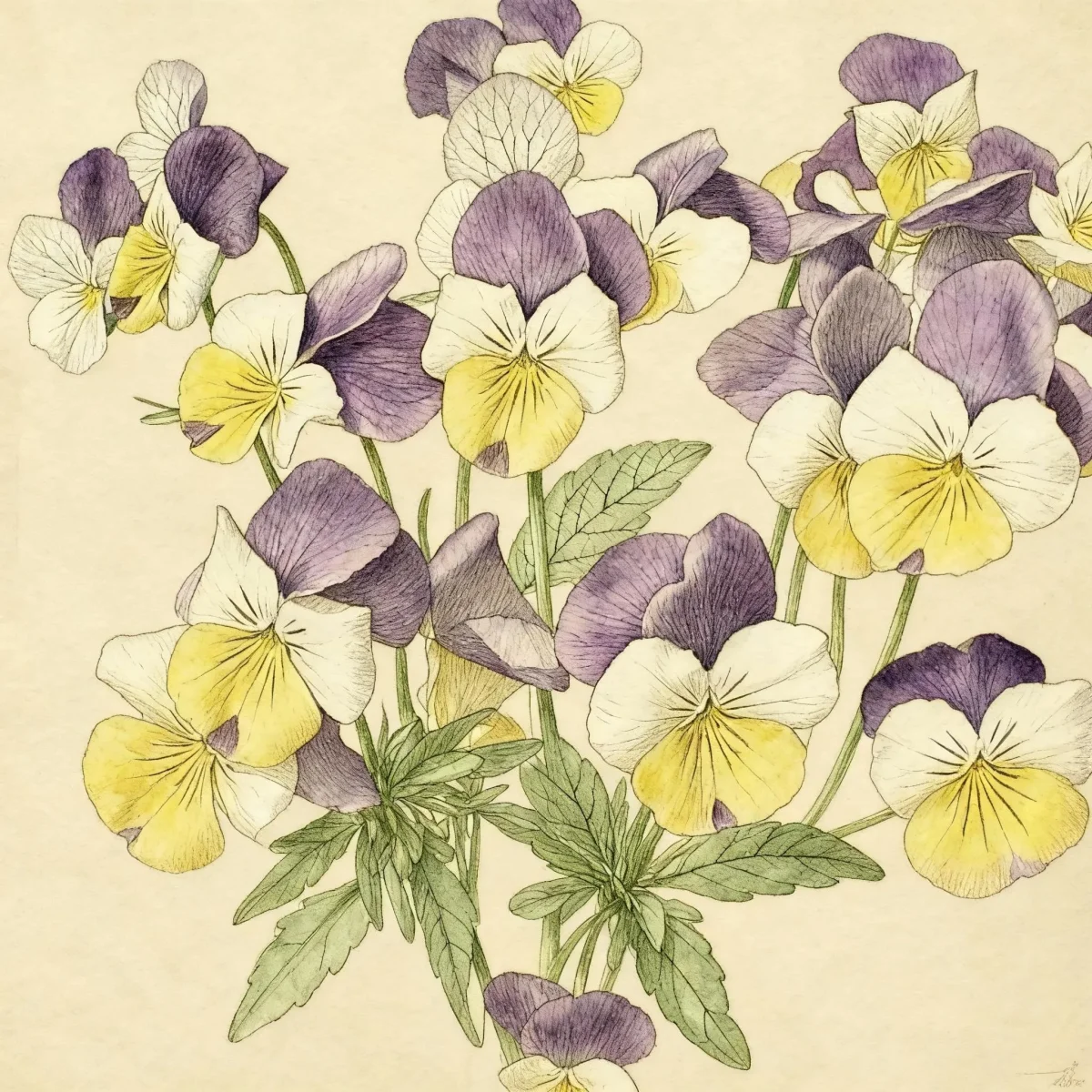
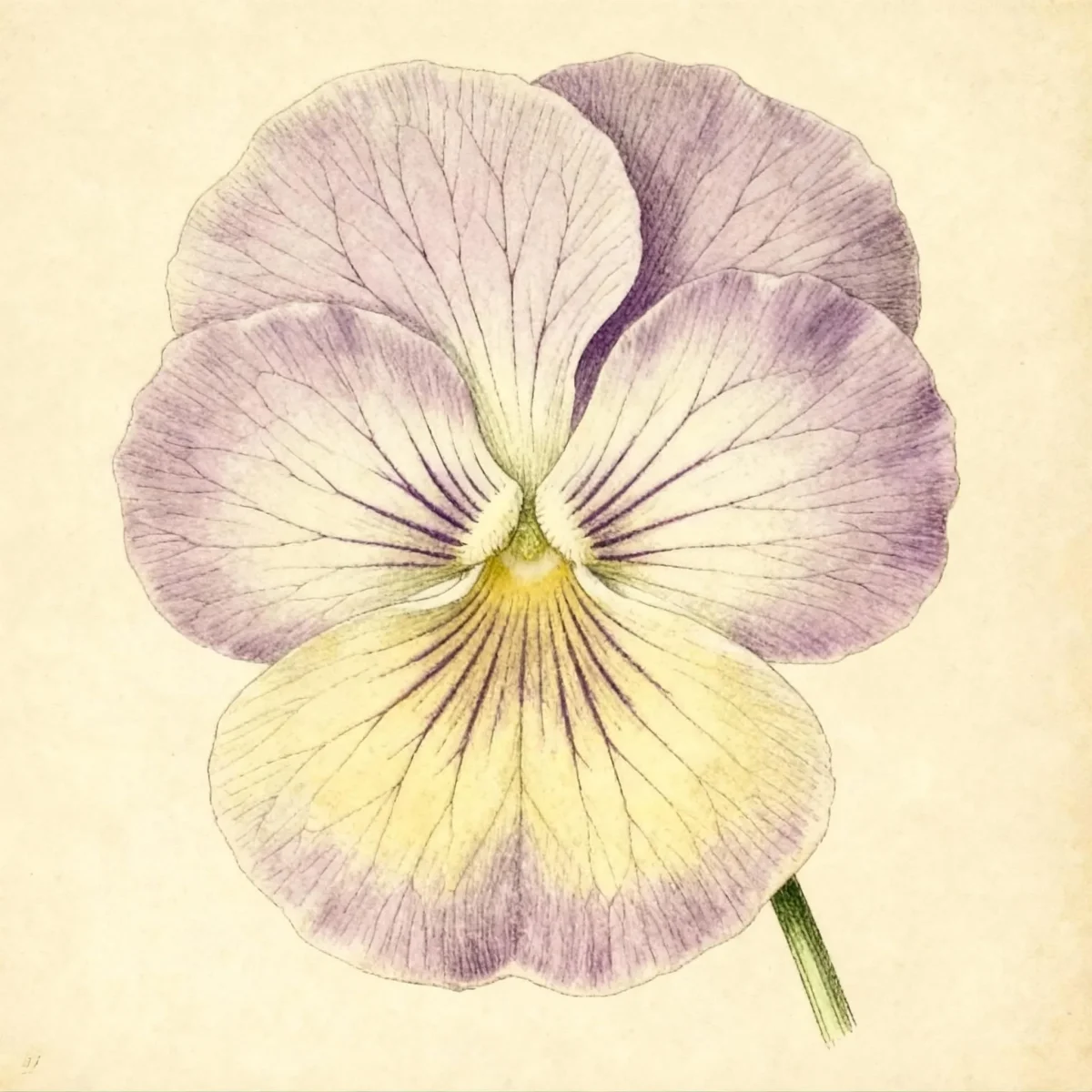
Labrador violet (Viola labradorica)
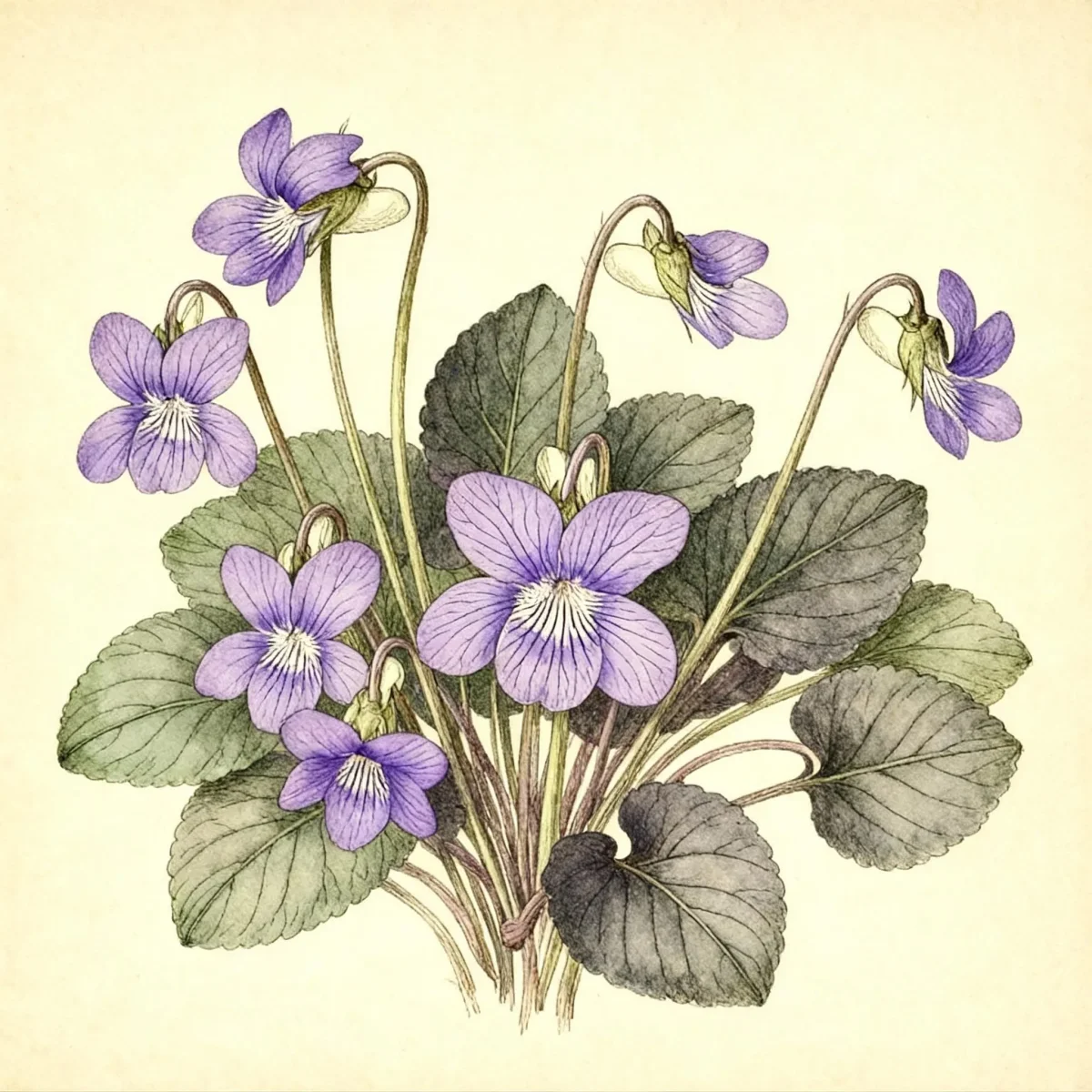
Viola labradorica, the Labrador violet, is a beautiful, low-growing ground cover known for its purple-tinged foliage and lavender spring flowers.
Scroll down to discover growing tips, care requirements, companion plants, and more
Complete Plant Information
Overview
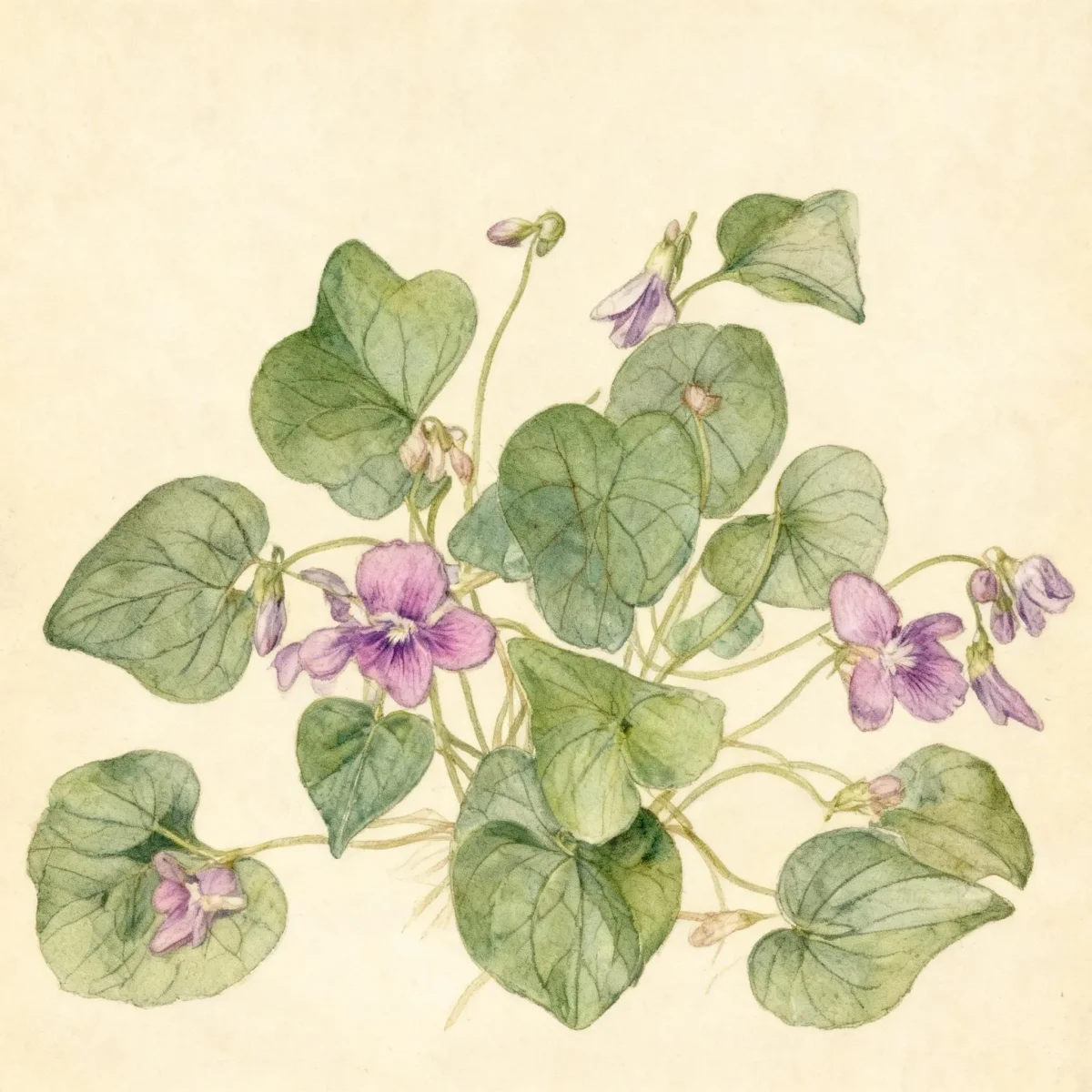
Viola labradorica, commonly known as Labrador violet, offers exceptional texture and color in the shaded or partially sunny garden. This very low-growing perennial is valued for its attractive heart-shaped foliage that often carries a distinctive purple tinge, providing visual interest long after the blooms fade. It quickly establishes a dense mat, making it an excellent solution for covering bare ground.
The Labrador violet thrives in average, well-drained soil, offering a high aesthetic return for minimal input. It is surprisingly tough, tolerating a broad range of cold climates due to its wide native range across the northern United States and Canada. Gardeners appreciate its low maintenance requirements and naturalizing habit.
As a native plant in many regions, this small perennial integrates beautifully into naturalistic plantings. It utilizes creeping stems and self-seeding to spread, creating serene drifts of color in woodland edges or along shaded paths. Utilizing Viola labradorica ensures you have reliable, year-round texture near the ground level.
Fast Facts
- Plant Family: Violaceae
- Plant Type: Herbaceous perennial
- Native Range: Northern United States, Greenland, Canada
- Hardiness Zones: USDA Zones 3-8
- Size at Maturity:
- Height: 0.25-0.5 ft
- Spread: 0.25-0.5 ft
- Bloom Time: May
- Bloom Description: Violet to lavender
- Sun Exposure: Full sun to part shade
- Water Needs: Medium
- Maintenance Level: Low
How to Grow
The Labrador violet is extremely adaptable, preferring to be planted in average, medium conditions with average moisture retention. The ideal time to establish new plants is typically in spring or early fall when temperatures are moderate. Ensure the soil retains some moisture but drains well; soggy conditions should be avoided, particularly during winter dormancy.
Once established, care for Viola labradorica is minimal. It requires medium watering, meaning it should not dry out completely during hot spells, though established specimens can handle short periods of dryness. Fertilization is rarely necessary; excessive fertility can encourage leaf growth at the expense of flowering. Allow the plant to naturalize by leaving it undisturbed, as it spreads effectively by creeping stems and self-seeding.
There are few specific seasonal treatments required for this hardy perennial. In early spring, you can gently clean up any matted leaves from the previous season if desired, but often the plant handles its own debris. Because its habit is to spread, strategic placement is key to preventing it from encroaching on desired nearby plantings.
Landscape Uses
Viola labradorica excels in roles traditionally reserved for robust ground covers. Its spreading habit makes it perfect for mass planting beneath the dappled shade of trees where lawn grass struggles, effectively creating a living mulch. Consider using the Labrador violet as a low, flowing border along woodland paths or walkways, softening hard edges.
For a truly naturalized look, allow this perennial to colonize in native plant gardens or less-manicured borders. Its low stature also makes it an excellent filler, tucked beneath larger shrubs or between stepping stones where it can spill attractively without obstructing passage. Its small scale works wonderfully in rock gardens, providing a splash of early spring color contrasted against stone textures.
Pairing Viola labradorica with later-blooming shade perennials, such as Hosta or Astilbe, ensures continuous interest throughout the season. The foliage of the Labrador violet emerges early, providing a fine-textured, dark-tinged carpet for brighter foliage plants to emerge above.
Standout Features
Flower Qualities
- Showy
Noteworthy Characteristics
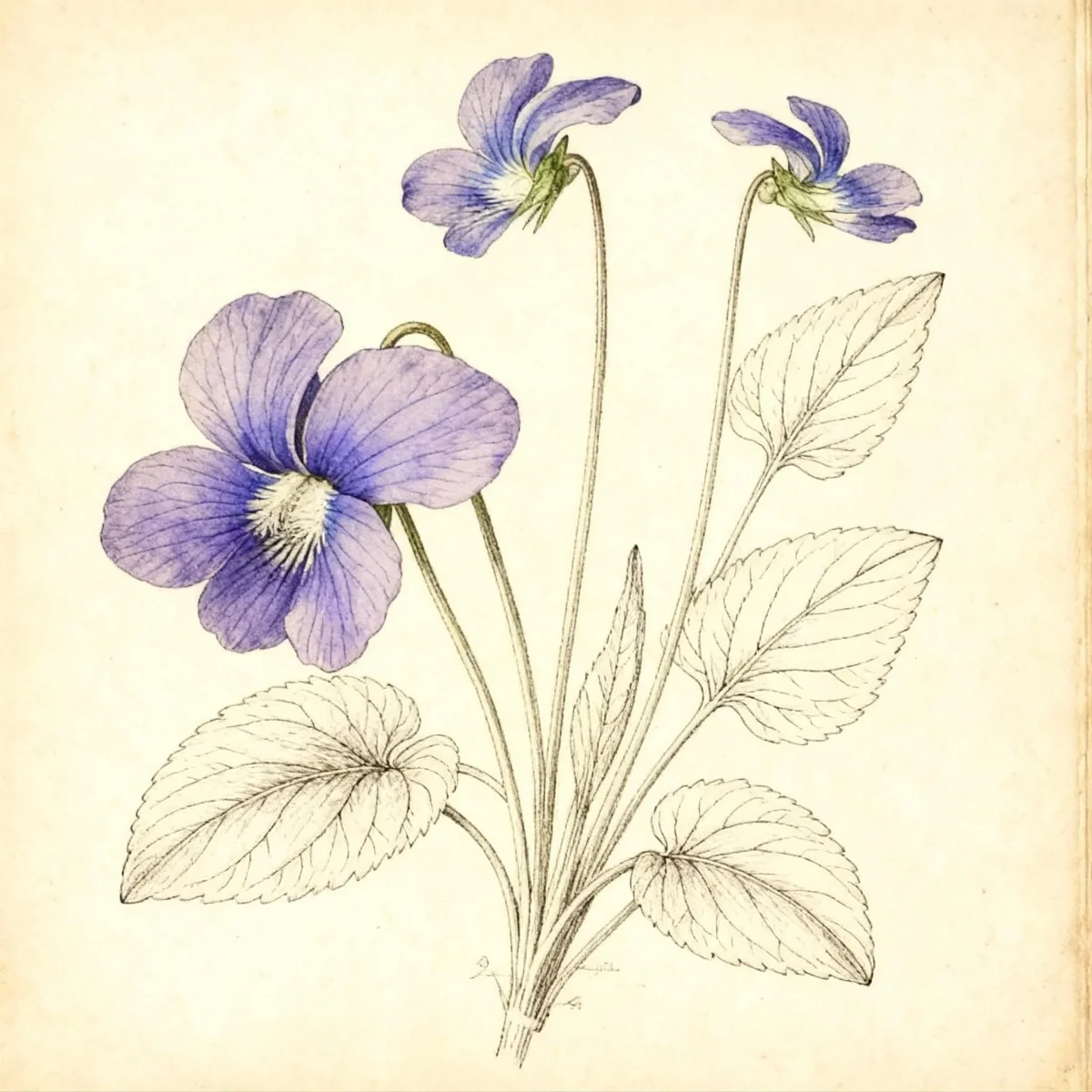
Viola labradorica, commonly called Labrador violet, is a very low-growing perennial (1-3” high) which is typically utilized both for its small, attractive, heart-shaped, purple-tinged foliage (to 1 inch across) and its lavender-blue spring flowers. Flowers appear atop leafy stems in May. The genus name comes from the Latin name for various sweet-scented flowers, and the specific epithet refers to Labrador, Canada.
Tolerances
- Deer
Potential Problems
This plant is noted for having no serious insect or disease problems, making it an exceptionally reliable choice for gardeners facing common pest pressures. Its durability contributes significantly to its low-maintenance profile. Due to its vigorous spreading habit, the primary management concern is controlling its reach rather than fighting pests or diseases.
Frequently Asked Questions
What hardiness zones is Labrador violet (Viola labradorica) suitable for?
The Labrador violet is highly cold-tolerant and thrives across USDA Hardiness Zones 3 through 8.
How large does Viola labradorica grow?
This perennial remains very low to the ground, typically reaching only 0.25 to 0.5 feet in height, with an equal spread.
When does Labrador violet bloom?
Blooming generally occurs in May, producing delicate violet to lavender flowers atop its foliage.
What sun exposure does Labrador violet need?
Viola labradorica is versatile, performing well in conditions ranging from full sun to areas receiving part shade.
Conclusion
The Viola labradorica, or Labrador violet, is a cornerstone plant for low-maintenance, shaded gardens, offering superior ground coverage combined with charming early flowers and unique foliage color. Its rugged nature and adaptability across USDA Zones 3-8 confirm its reliability in many northern gardens. Before planting, assess your site conditions and determine where you can best allow the Labrador violet to spread and naturalize for the best effect.
Companion Planting
When integrating Labrador violet into existing landscapes, select companions that share its preference for medium moisture and sun to part shade conditions. Spring ephemerals often pair wonderfully, as their foliage fades around the time the violet is maturing for summer. Consider planting near ferns like Japanese Painted Fern (Athyrium niponicum) or early blooming native spring wildflowers that appreciate similar soil structure.
For a contrast in texture under deciduous trees, Viola labradorica holds its own beautifully against larger-leafed ground covers like Vinca minor or Ajuga reptans, although you must monitor the speed of spread when planting aggressive spreaders together. Because it is low maintenance, choose companions that also require infrequent intervention to maintain the overall ease of care for the area.
Propagation Tips
While Viola labradorica readily self-seeds, gardeners often wish to propagate intentionally for new areas or to manage its spread. The easiest method is simple vegetative division. In early spring or early fall, gently lift clumps of the established plant. The creeping stems readily form roots along their length, meaning you can carefully separate rooted sections and transplant them immediately to new locations.
If you wish to increase stock from seed, allow some of the seed pods to mature and dry on the plant, although this requires vigilance as they can shatter quickly. Sow the seeds shallowly in a prepared tray kept moist and cool, mimicking their native woodland setting. While direct sowing is possible, seedlings are less vigorous than those started via division.