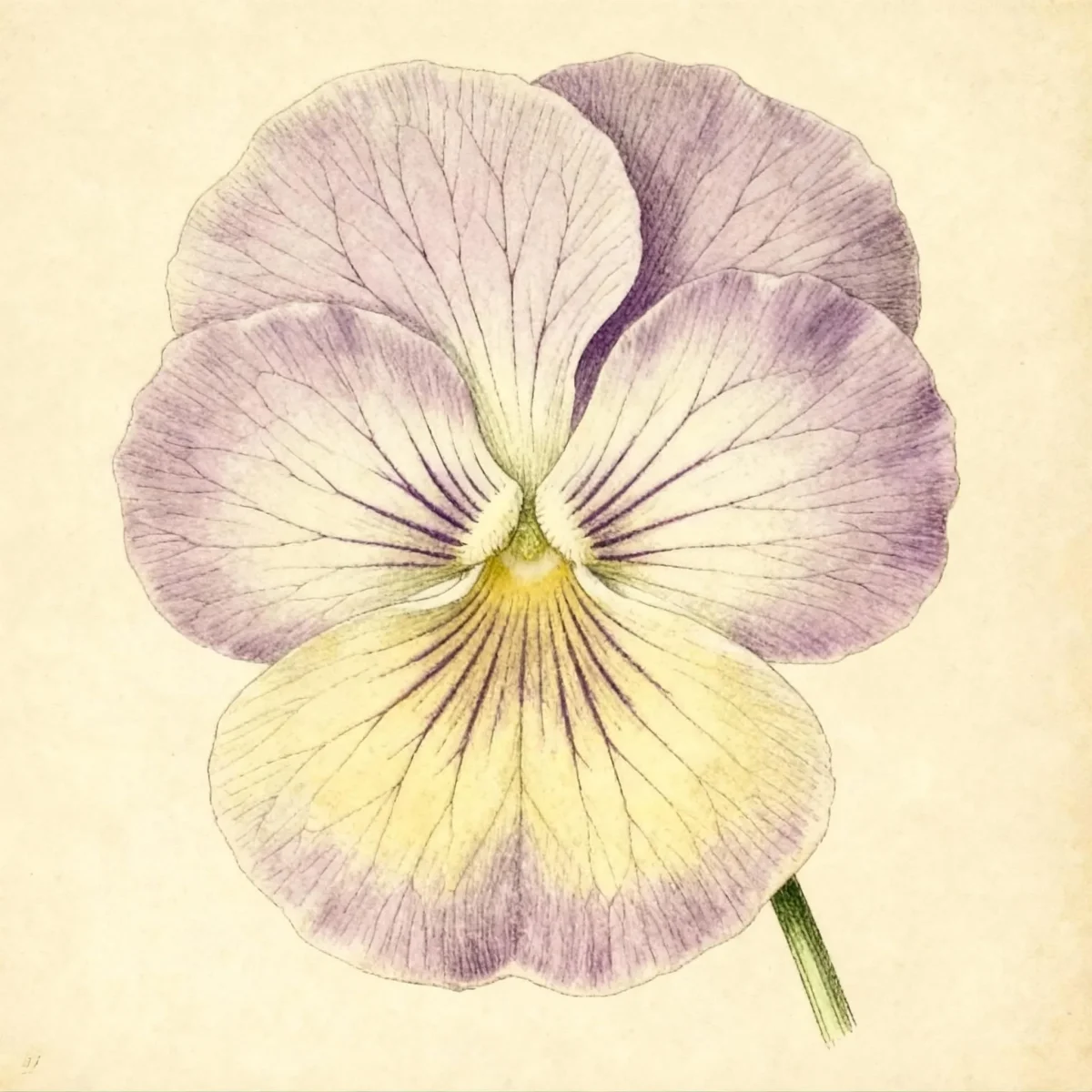
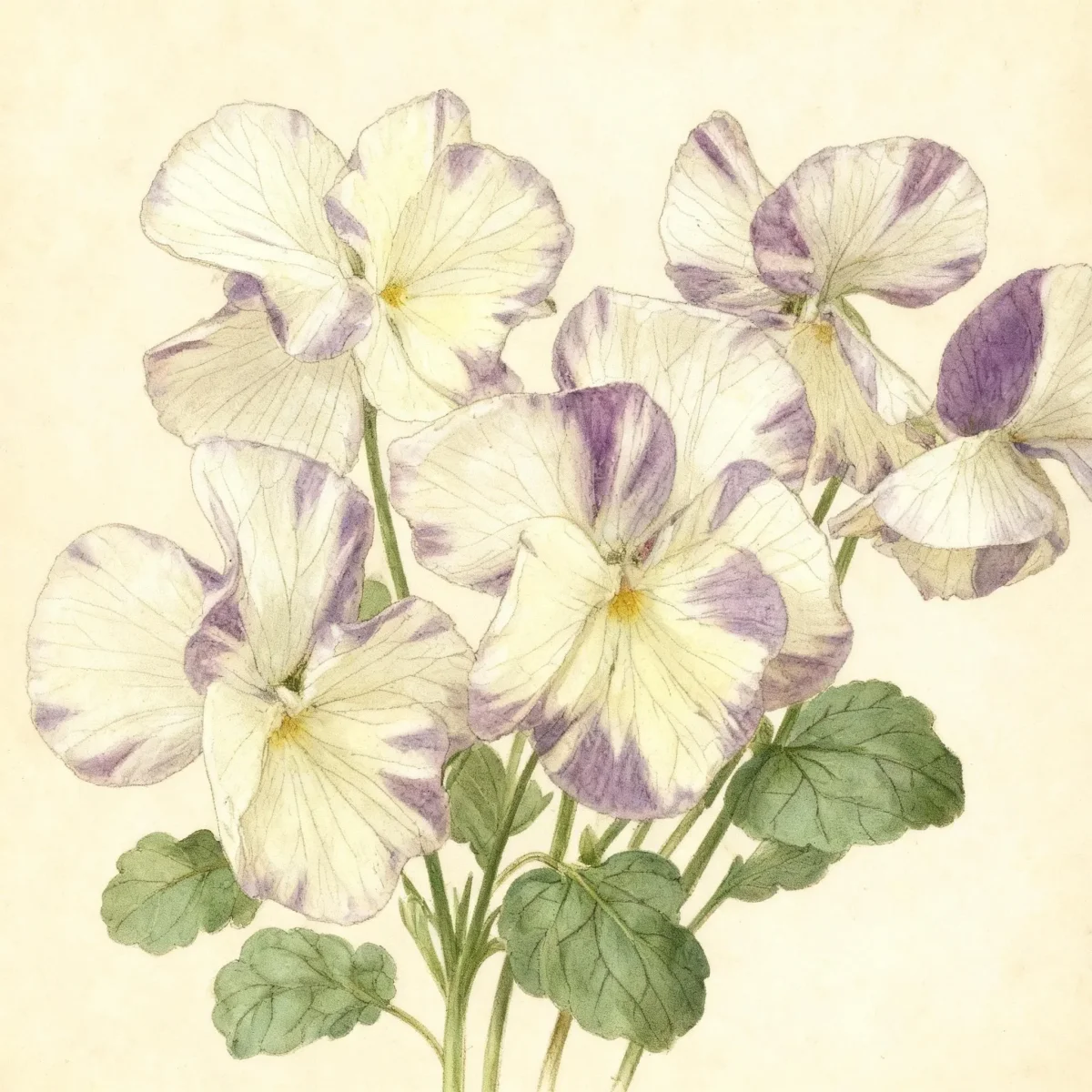
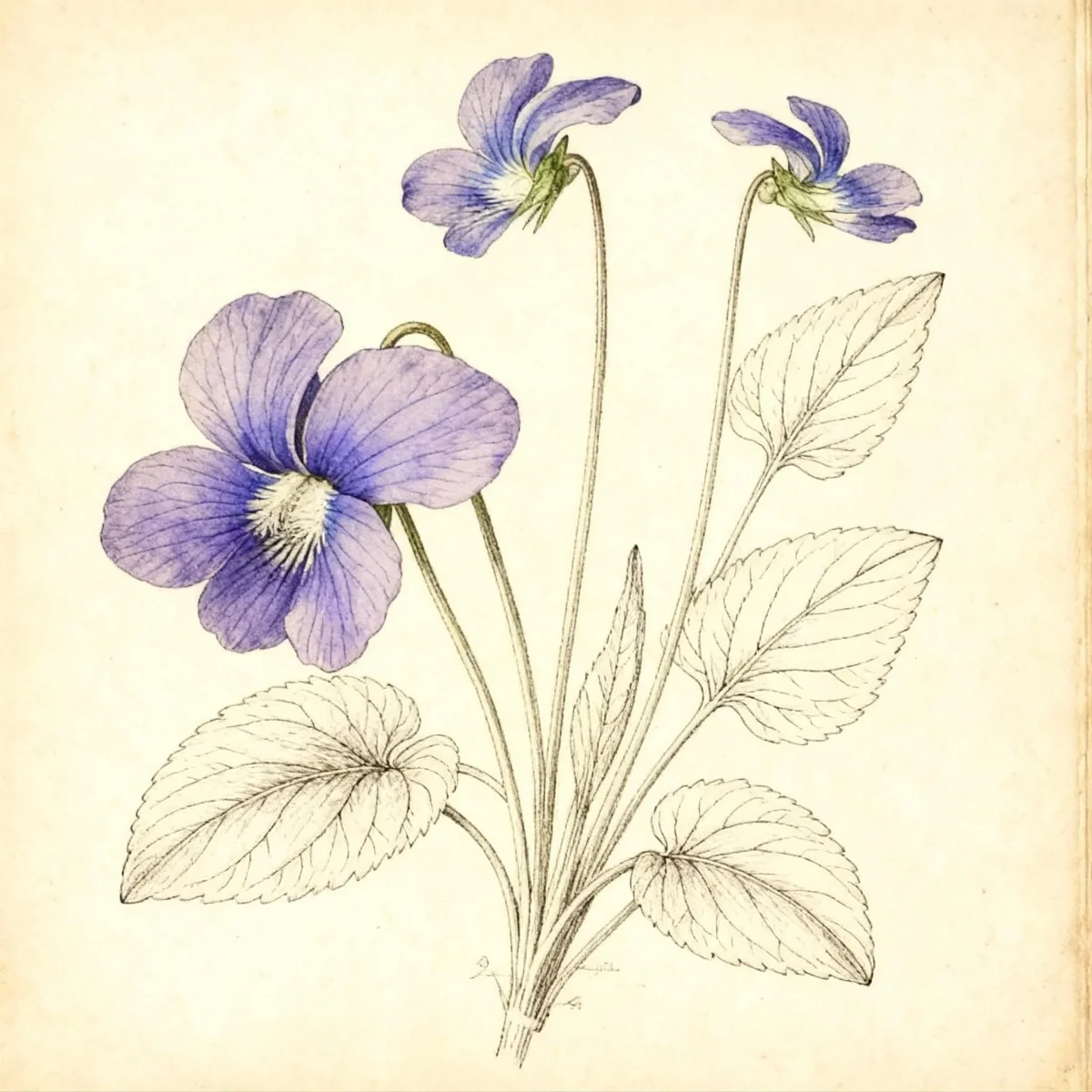
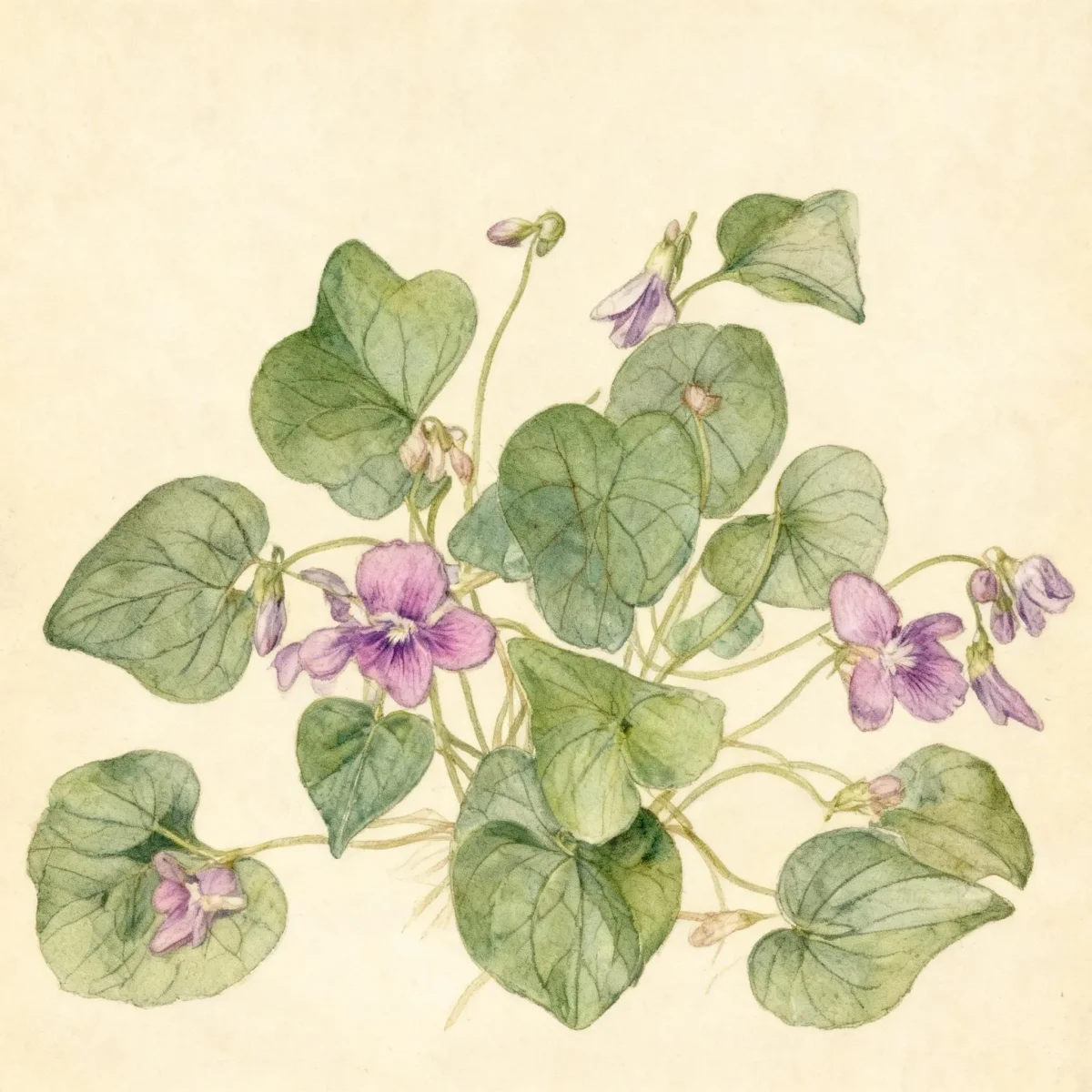
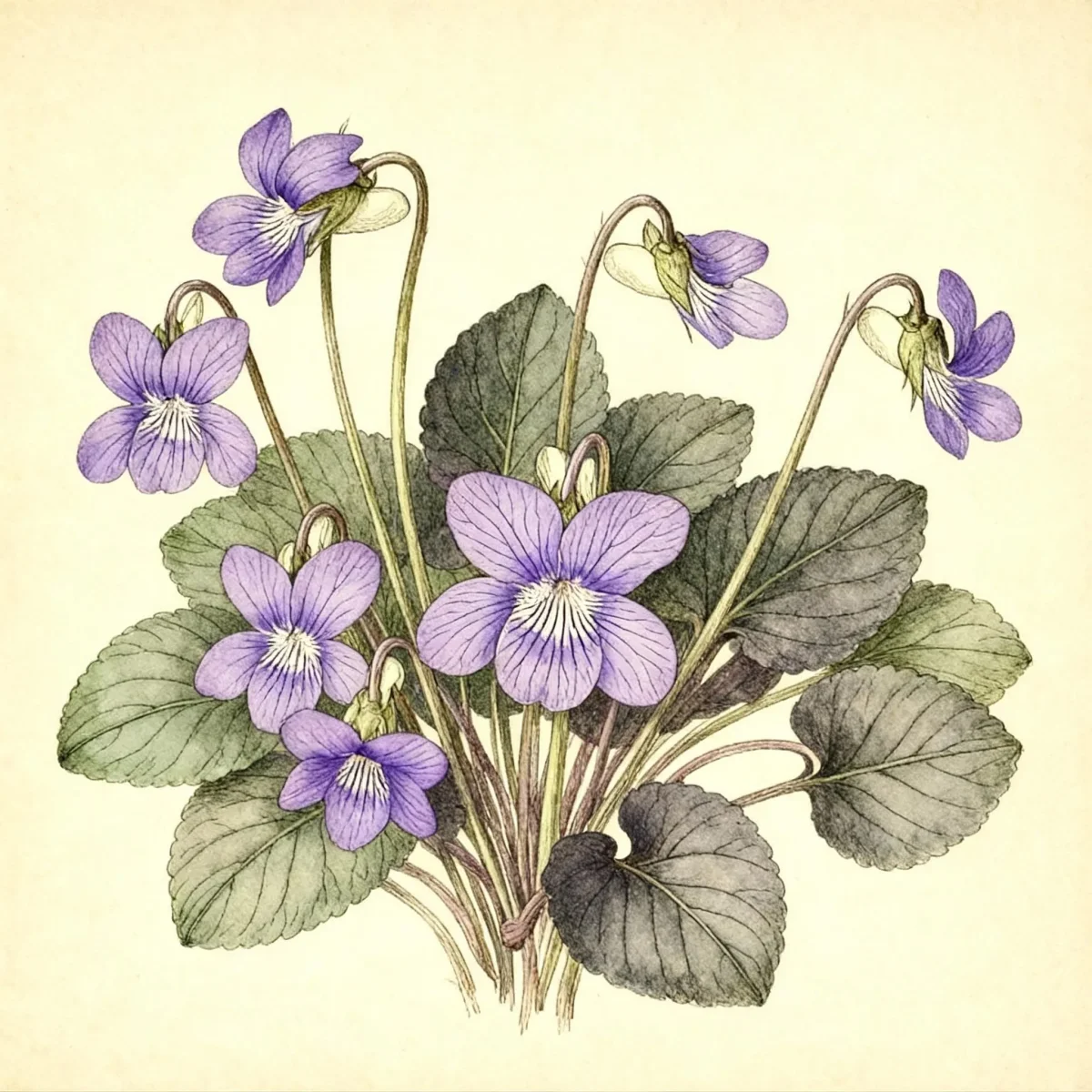
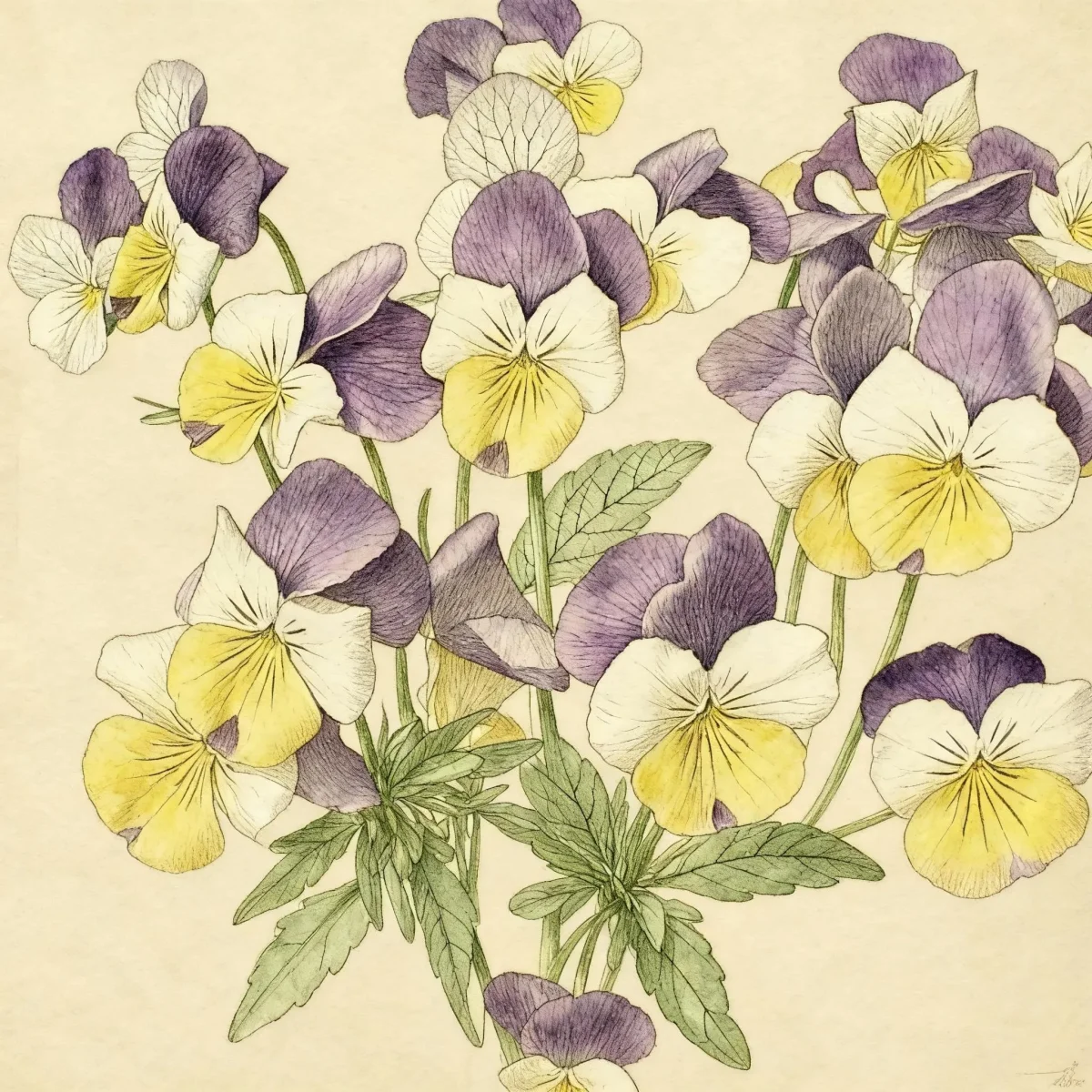
Horned violet (Viola cornuta)
The Horned violet (Viola cornuta) is a fragrant, showy herbaceous perennial perfect for borders and containers, thriving in zones 6-11.
Scroll down to discover growing tips, care requirements, companion plants, and more
Complete Plant Information
Overview
The Horned violet, Viola cornuta, offers delightful spring color, making it a staple for early-season displays. This tufted perennial is valued for its small, yet richly colored, pansy-like flowers topped with slender spurs. Gardeners appreciate the Viola cornuta for its relatively long blooming window, extending from spring into early summer.
Native to the Pyrenees region, this species typically forms low-growing mats, spreading slowly via creeping stems. While often treated as a cool-season annual in warmer climates, the Horned violet is hardy enough to persist as a perennial in favorable zones. Its evergreen leaves provide foundational texture even when it is not actively blooming.
This plant provides significant aesthetic impact in small packages, delivering fragrant flowers ideal for close viewing along pathways or in mixed containers. Successful cultivation relies on providing consistent moisture and avoiding the peak summer heat that can cause flowering to cease.
Fast Facts
- Plant Family: Violaceae
- Plant Type: Herbaceous perennial
- Native Range: Pyrenees
- Hardiness Zones: USDA Zones 6-11
- Size at Maturity:
- Height: 0.5-0.75 ft
- Spread: 0.5-1 ft
- Bloom Time: April to June
- Bloom Description: Blue, violet, lavender (bicolors)
- Sun Exposure: Full sun to part shade
- Water Needs: Medium
- Maintenance Level: Medium
How to Grow
Planting Viola cornuta is best done in spring or fall, depending on whether you intend to grow it as a season-long annual or a perennial. They thrive in humusy, evenly moist, well-drained soils. While they tolerate full sun, providing part shade, particularly in hotter summer areas, will significantly prolong their blooming period.
Water needs are medium; aim for consistent moisture, especially when plants are establishing or during dry spells. Overwatering should be avoided as it can stress the roots. Fertilization is generally light, focusing on a balanced, slow-release food at planting offers sufficient nutrition throughout the season.
Maintenance for the Horned violet is manageable. If flowering declines as hot summer weather arrives, cut the plants back by about a third. This pruning encourages a flush of new growth and a potential rebloom later in the fall, especially useful for varieties grown as perennials in Zones 6-9.
These plants are easily grown much like pansies when treated as annuals. Keep watch for slugs and snails, which can otherwise decimate foliage, particularly in damp conditions.
Landscape Uses
The versatility of Viola cornuta shines when considering its suggested uses. When grown as bedding plants or in containers, the Horned violet provides immediate, bright color along walkways or on patios. They look excellent spilling over the edges of window boxes, where their fragrance can be easily enjoyed.
For gardeners utilizing them as true perennials, they serve beautifully as low, persistent edging along borders or tucked into the dappled light of woodland gardens. Their low height ensures they never obstruct taller neighbors, making them excellent foreground material.
Consider pairing Viola cornuta with other spring ephemeral companions such as early bulbs like daffodils or grape hyacinths, or later-blooming perennials that enjoy similar partial shade conditions. Their rich blue and violet shades contrast nicely with whites or yellows planted nearby.
Standout Features
Flower Qualities
- Showy
- Fragrant
Noteworthy Characteristics
Viola cornuta, commonly called horned violet or tufted violet, is a tufted perennial that grows to 6-8” tall and spreads by creeping, ascending stems to 12” wide. Its small, fragrant, slender-spurred flowers, reaching up to 1.5” across, bloom in spring and summer, typically showcasing two-toned shades of blue, violet, and lavender. The genus name derives from the Latin term for sweet-scented flowers, celebrating this plant’s pleasant scent.
Flower Qualities
- Showy
- Fragrant
Tolerances
- Deer
- Black Walnut
Potential Problems
Viola cornuta is generally robust, reporting no serious insect or disease issues requiring intensive management. The primary concern involves fungal leaf diseases, which can become problematic if air circulation is poor or if overhead watering keeps the foliage persistently wet. Preventative care focuses on ensuring good drainage and avoiding damp conditions around the leaves.
Gardeners should actively monitor for slugs and snails, especially in moist, shaded locations, as these pests can rapidly consume the tender leaves. Management options include applying specialized baits or utilizing copper tape barriers around susceptible groupings of Horned violet.
Frequently Asked Questions
What hardiness zones is Horned violet suitable for?
The Viola cornuta is reliably hardy in USDA Zones 6 through 11, allowing it to be grown as a perennial across a wide range of regions.
How large does Viola cornuta grow?
This species is quite diminutive, typically reaching a mature height between 0.5 and 0.75 feet tall, with a spread ranging from 0.5 to 1 foot wide.
What sun exposure does Viola cornuta need?
This plant performs well in locations receiving full sun to part shade. For best performance in hot summers, part shade is often recommended.
When does Horned violet bloom?
The primary bloom time for Viola cornuta occurs from April through June, often featuring lovely bicolored flowers in shades of blue, violet, and lavender.
Conclusion
The Viola cornuta, or Horned violet, brings reliable color and welcome fragrance to the spring garden, whether you incorporate it as a short-term annual accent or maintain it as a low-growing perennial. Its resilience, even against common pressures like deer and Black Walnut toxins, adds significant value. Before planting, confirm that your growing area falls within USDA Zones 6-11 to ensure the best, longest-lasting display of this wonderful flower.
Companion Planting
When planning arrangements around your Viola cornuta, consider the similar cultural needs of cool-season favorites. Plants that enjoy moist, well-drained soil and prefer not to be scorched by intense mid-day sun make ideal partners. Think about low-growing annuals like Lobelia or trailing Bacopa to complement the spreading habit of the violet in containers.
For beds where the Viola cornuta is grown as a perennial, allow taller spring bloomers to take over later in the season. Early-blooming bulbs, such as Muscari or smaller varieties of Daffodils, emerge and fade just as the Viola cornuta is finishing its peak, creating seamless seasonal transitions.
Design Ideas
The texture and color palette of the Horned violet lend themselves perfectly to cottage and woodland-edge designs. Use its low profile to define the crisp edge of a path where you can easily admire the small, detailed flower faces up close. In shaded borders, mass plantings of Viola cornuta create a lush, groundcovering carpet of blue and violet tones.
In mixed containers, position Viola cornuta near the rim to allow its trailing potential to soften the hard edges of the pot. Its relatively shallow root system allows it to coexist happily with slightly larger specimens, provided the watering remains consistent for all inhabitants.