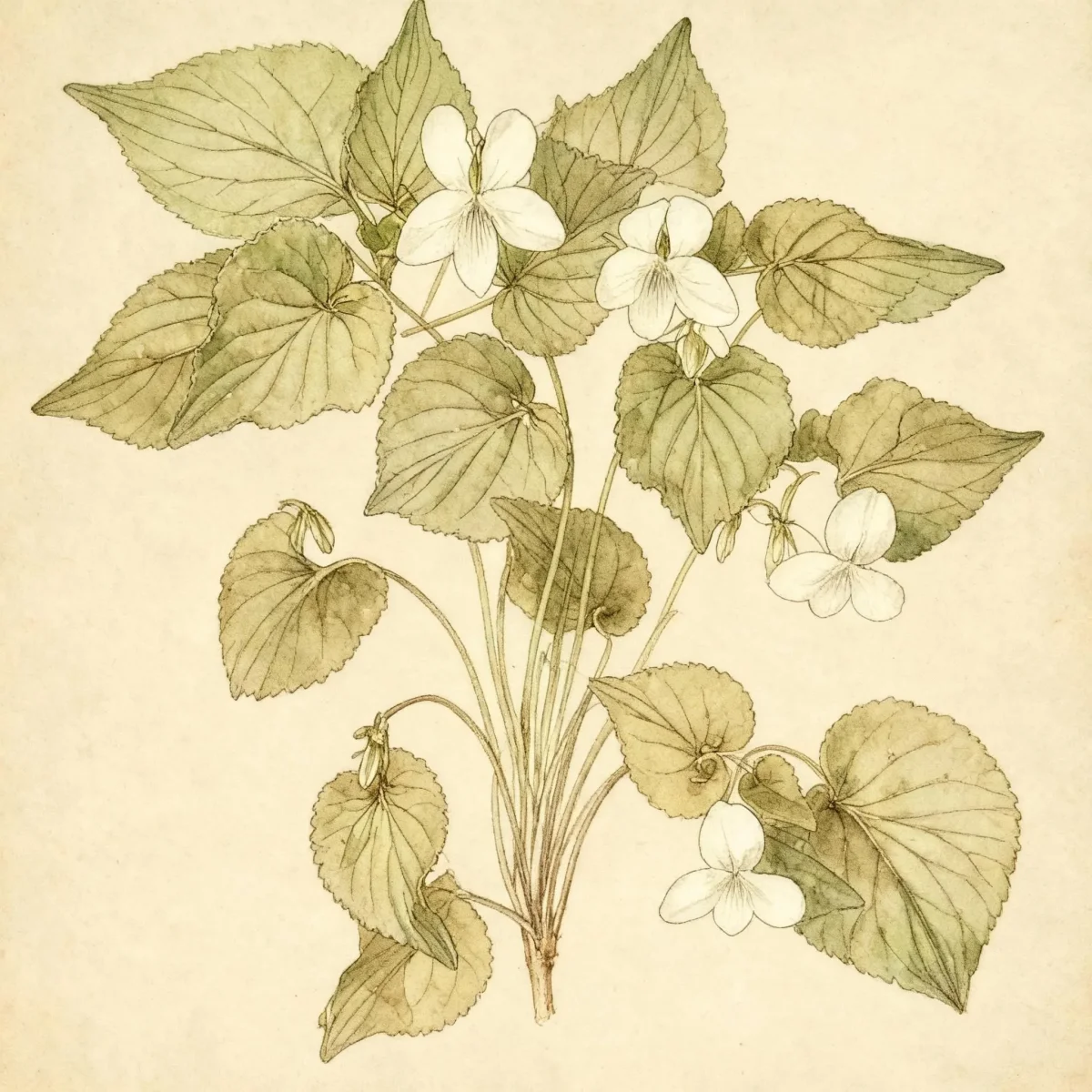
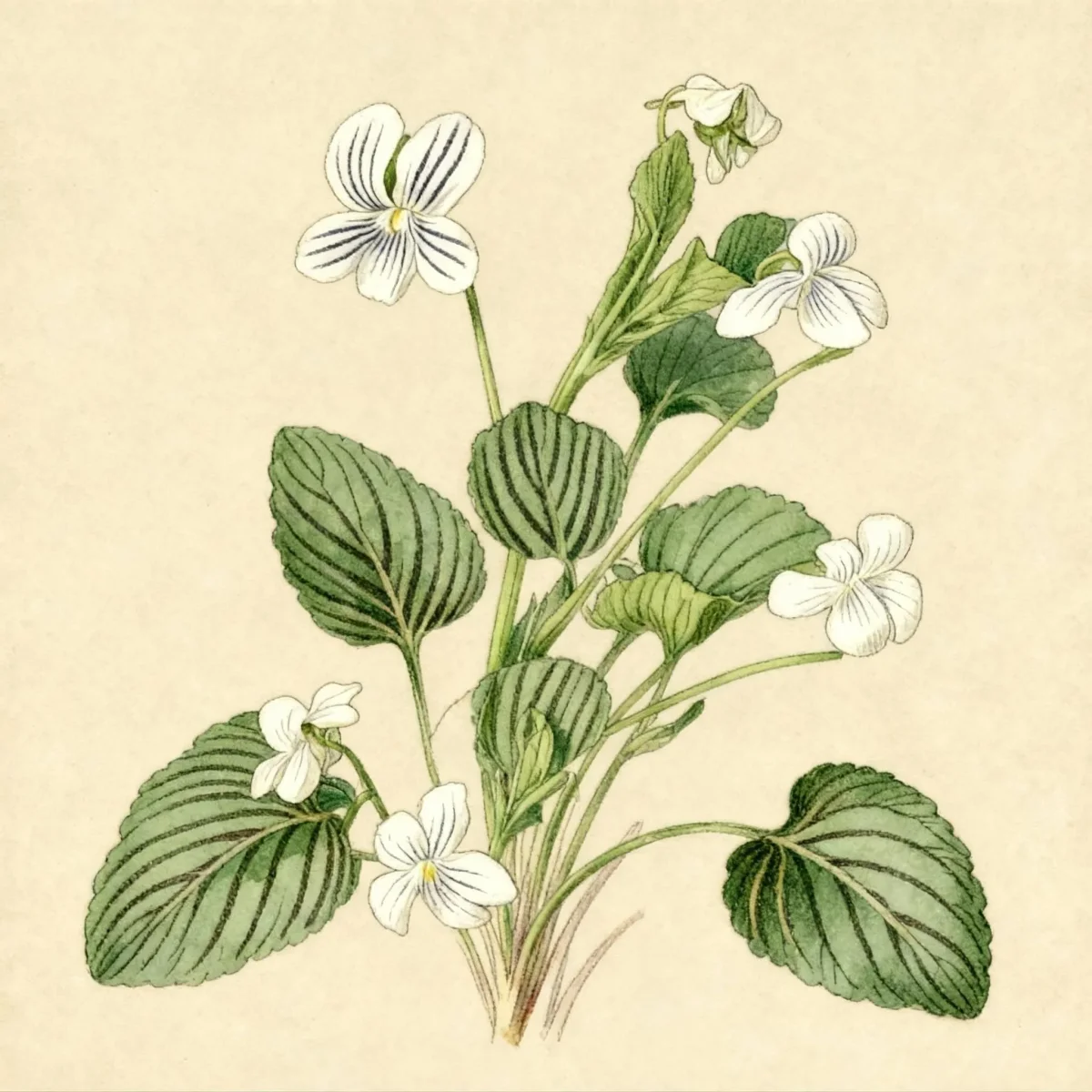
Smooth yellow violet (Viola pubescens var. eriocarpa)
Discover Viola pubescens var. eriocarpa, the smooth yellow violet. A low-maintenance native blooming yellow in early spring.
Scroll down to discover growing tips, care requirements, companion plants, and more
Complete Plant Information
Overview
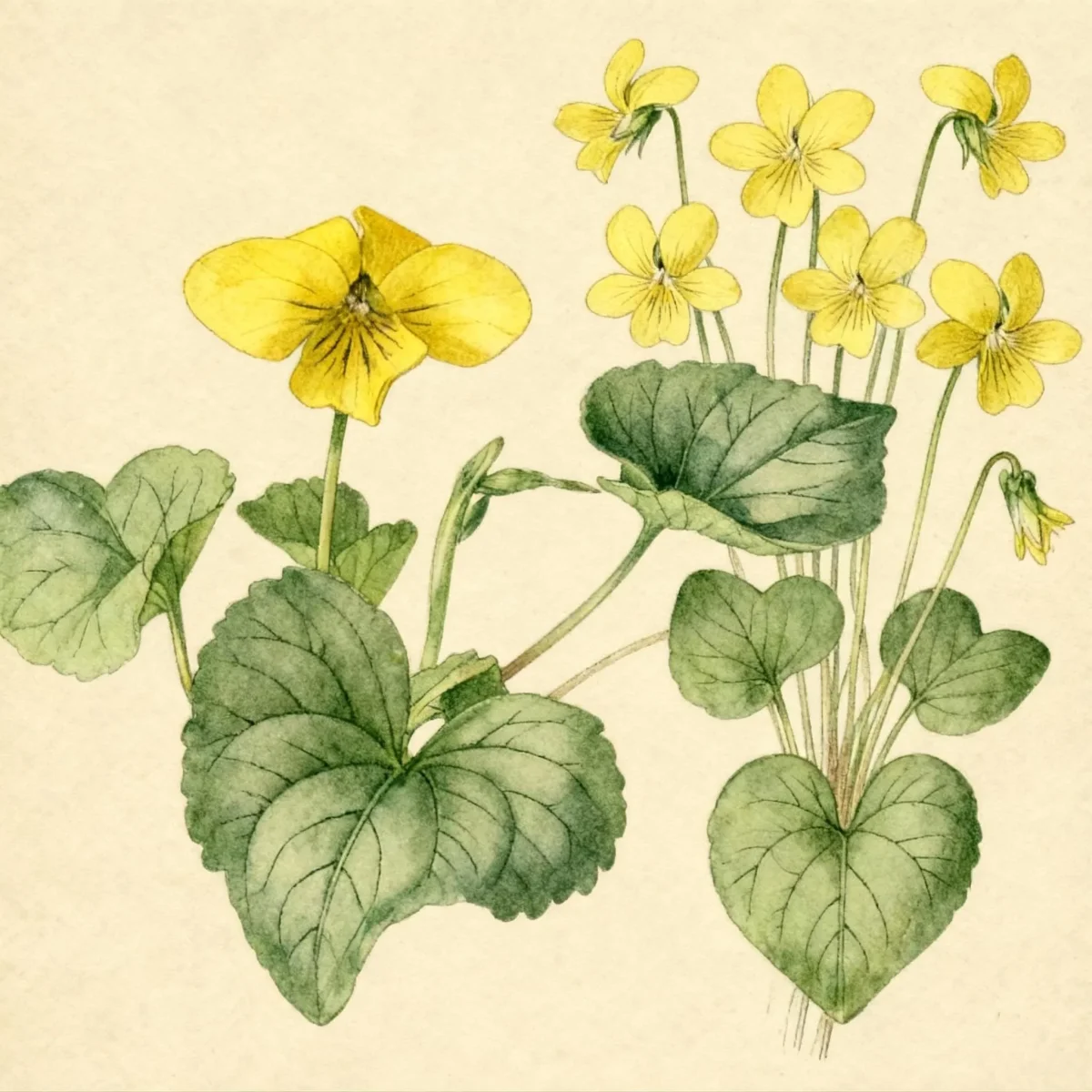
The Smooth yellow violet, scientifically known as Viola pubescens var. eriocarpa, is a charming and valuable addition to spring gardens across Eastern North America. This herbaceous perennial provides early color when many other plants are still dormant, featuring bright yellow flowers often accented with delicate purple veining. Its smooth stems and heart-shaped leaves distinguish it from its closely related, hairy counterpart.
Viola pubescens var. Eriocarpa thrives in typical woodland edge conditions, preferring part shade and moist soil. It is valued for its low maintenance requirements and its ability to naturalize gently in suitable environments. Gardeners appreciate this native species for filling woodland gardens and borders with its cheerful, early bloom.
Ultimately, incorporating the smooth yellow violet brings forth a piece of native ecology that establishes quickly and reliably in average soils. Enjoy the subtle beauty of Viola pubescens var. eriocarpa as early spring awakens.
Fast Facts
- Plant Family: Violaceae
- Plant Type: Herbaceous perennial
- Native Range: Eastern North America
- Hardiness Zones: USDA Zones 3-7
- Size at Maturity:
- Height: 0.5-1 ft
- Spread: 0.5-1 ft
- Bloom Time: March to April
- Bloom Description: Yellow
- Sun Exposure: Part shade
- Water Needs: Medium to wet
- Maintenance Level: Low
How to Grow
Planting Viola pubescens var. eriocarpa is best achieved in the early spring or fall when temperatures are moderate. Choose locations that receive part shade, mimicking its native habitat in low woods and meadows. This smooth yellow violet prefers average, well-drained soils, though it tolerates medium to wet moisture levels exceptionally well. Good drainage is crucial despite its preference for moisture to prevent bulb/crown rot.
Care for the smooth yellow violet is minimal, reflecting its low maintenance rating. Water regularly to keep the soil consistently moist, particularly during dry spells, as it prefers medium to wet soil conditions. Fertilization is generally unnecessary when grown in rich, average soil, but a light spring application of compost can boost performance. Notably, this species does not spread aggressively via runners, offering dependable clump growth.
Seasonal cleanup is light; allow foliage to die back naturally in the fall. Where conditions are optimal, Viola pubescens var. Eriocarpa may self-seed subtly, leading to naturalized colonies over time. Avoid disturbing established clumps unless intentional division is planned, which is rarely required for this vigorous native.
Landscape Uses
The suggested uses for Viola pubescens var. eriocarpa highlight its strength as an understory or edging plant. It naturalizes beautifully, creating subtle drifts within woodland gardens or along shaded borders where it complements later-emerging ferns and woodland phlox. Use it en masse to establish a sweeping tapestry of early spring yellow.
This plant works wonderfully when massed or grouped in rock gardens or along the fronts of shaded borders, providing essential early-season visual interest. For wildflower gardens or native plant installations, the smooth yellow violet is indispensable for ground cover and establishing an authentic Eastern North American landscape feel. Its relatively small stature makes it an excellent component for layered plantings.
Consider pairing Viola pubescens var. eriocarpa with spring ephemerals that emerge slightly later, such as Trillium or Mayapple, ensuring continuous bloom interest as the season progresses. Its requirement for moisture makes it an ideal partner for plants that also thrive in damp, well-drained areas of the woodland edge.
Standout Features
Flower Qualities
- Showy
Noteworthy Characteristics
Viola pubescens var. Eriocarpa, commonly called smooth yellow violet, is a native Missouri wildflower which commonly occurs in meadows, low woods and bottomlands throughout the State. It features yellow flowers with distinct purple veining on the lower petals, appearing early in spring on leafy stems. The plant is distinguished by its smooth stems and heart-shaped leaves, unlike the pubescent (hairy) species.
Tolerances
- Deer
Potential Problems
The smooth yellow violet generally exhibits excellent resistance to common garden adversaries. Gardeners should expect very few, if any, serious insect or disease problems when cultural conditions (part shade, adequate moisture, good drainage) are met for Viola pubescens var. eriocarpa. Proper siting remains the best preventative measure against potential issues.
If plants struggle, confirm that the soil is not overly compacted or chronically dry, as consistency in moisture is key for this species. Monitor for slugs or snails, which occasionally may graze new spring growth, though severe damage is rare for established plants.
Frequently Asked Questions
What hardiness zones is Smooth yellow violet suitable for?
The Smooth yellow violet (Viola pubescens var. eriocarpa) is suitable for USDA Hardiness Zones 3 through 7.
How large does Smooth yellow violet grow?
Viola pubescens var. eriocarpa typically reaches a mature height between 0.5 and 1 foot tall, with a similar spread of 0.5 to 1 foot.
When does Smooth yellow violet bloom?
This species typically blooms early in the season, specifically from March to April, showcasing bright yellow flowers.
What sun exposure does Smooth yellow violet need?
The ideal sun exposure for Viola pubescens var. eriocarpa is part shade.
Conclusion
The Viola pubescens var. eriocarpa offers reliable, low-maintenance beauty that brightens the garden floor early in the season. Its native status and tolerance for moisture make the smooth yellow violet an ecological asset for shaded landscapes. Check your local hardiness zone compatibility and plan to plant this charming perennial in part shade this fall or spring for immediate early color.
Companion Planting
When selecting companions for Viola pubescens var. eriocarpa, focus on other woodland edge plants that share similar needs for part shade and consistently moist, well-drained soil. Good partners include various native ferns, such as Ostrich Fern or Sensitive Fern (Onoclea sensibilis), which offer contrasting texture as the violet finishes blooming.
For continuous spring color, consider planting the smooth yellow violet near spring bulbs like Daffodils or Snowdrops, as they emerge and fade before the violet fully leafs out. Later-season interest can be achieved by placing it near Hosta varieties that prefer moisture or native woodland ephemerals like Bloodroot (Sanguinaria canadensis).
Wildlife Benefits
As an early-blooming native violet, Viola pubescens var. Eriocarpa is an important early-season nectar source for emerging native bees foraging in Eastern North America. While many violets are famous larval hosts for Fritillary butterflies, the primary benefit of this specific yellow variety is providing accessible pollen and nectar before larger flowering shrubs bloom.
Its presence in native plant gardens supports local biodiversity by offering foundational forage. Furthermore, its growth habit—forming clumps rather than aggressive runners—creates stable ground cover that benefits soil health throughout the year, supporting microfauna.