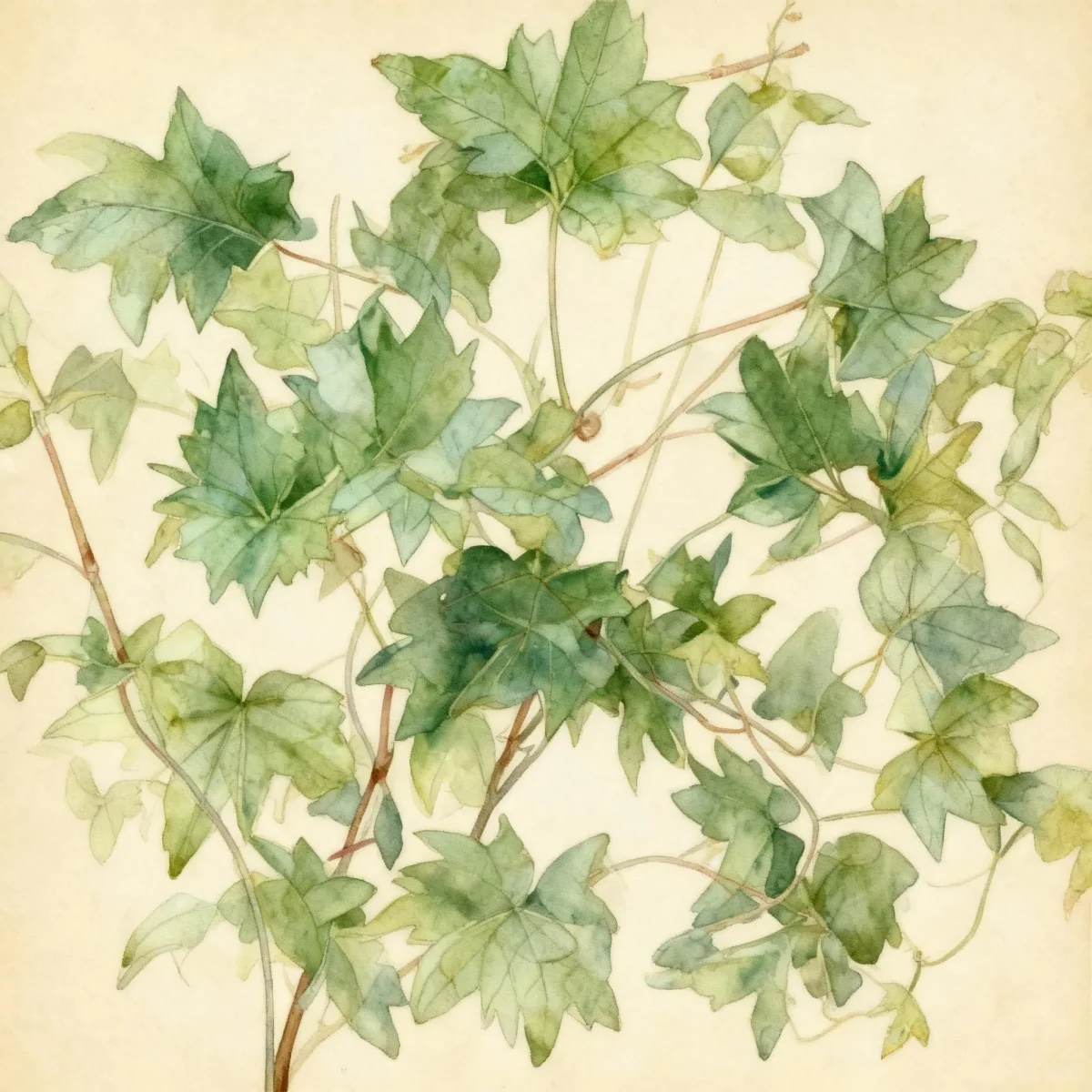
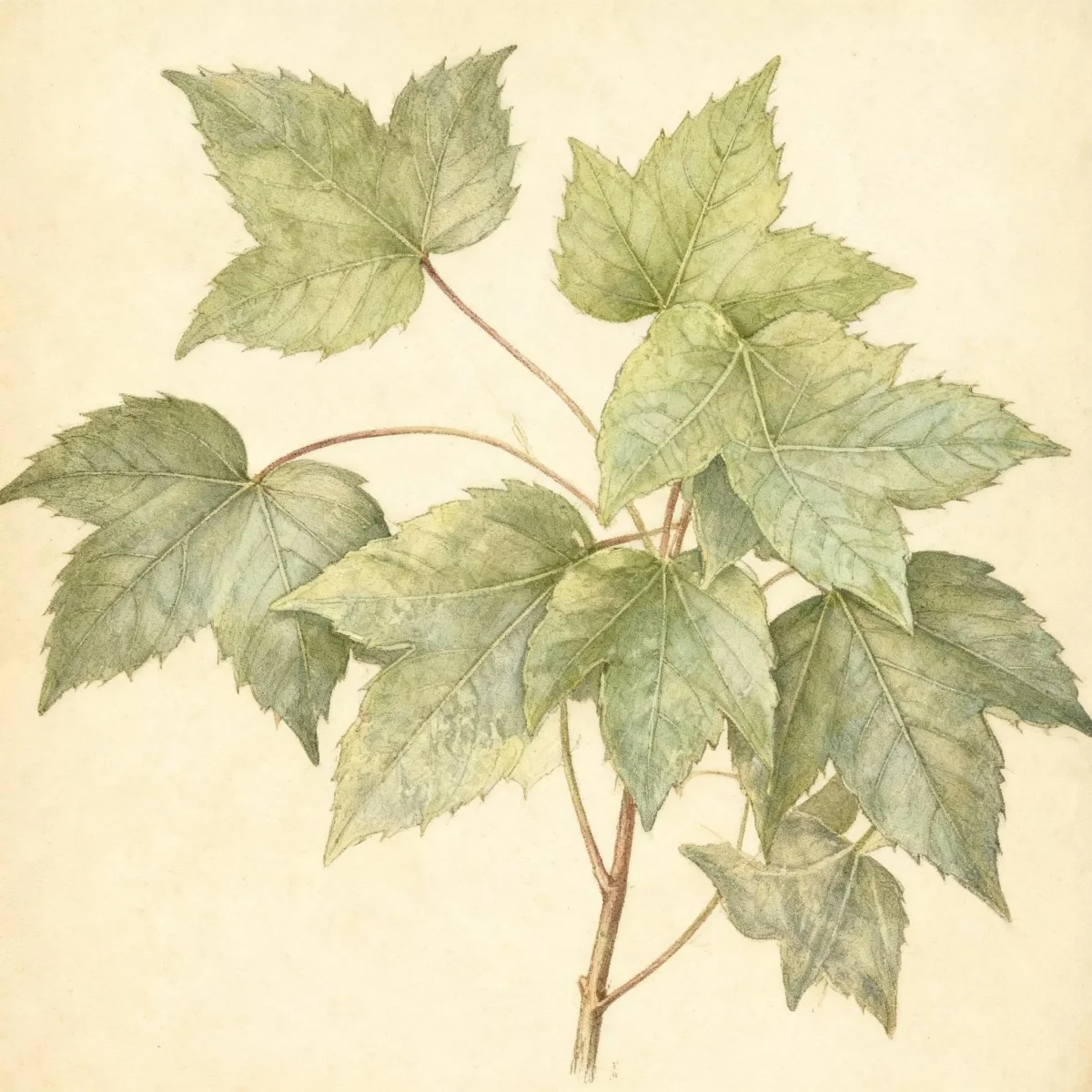
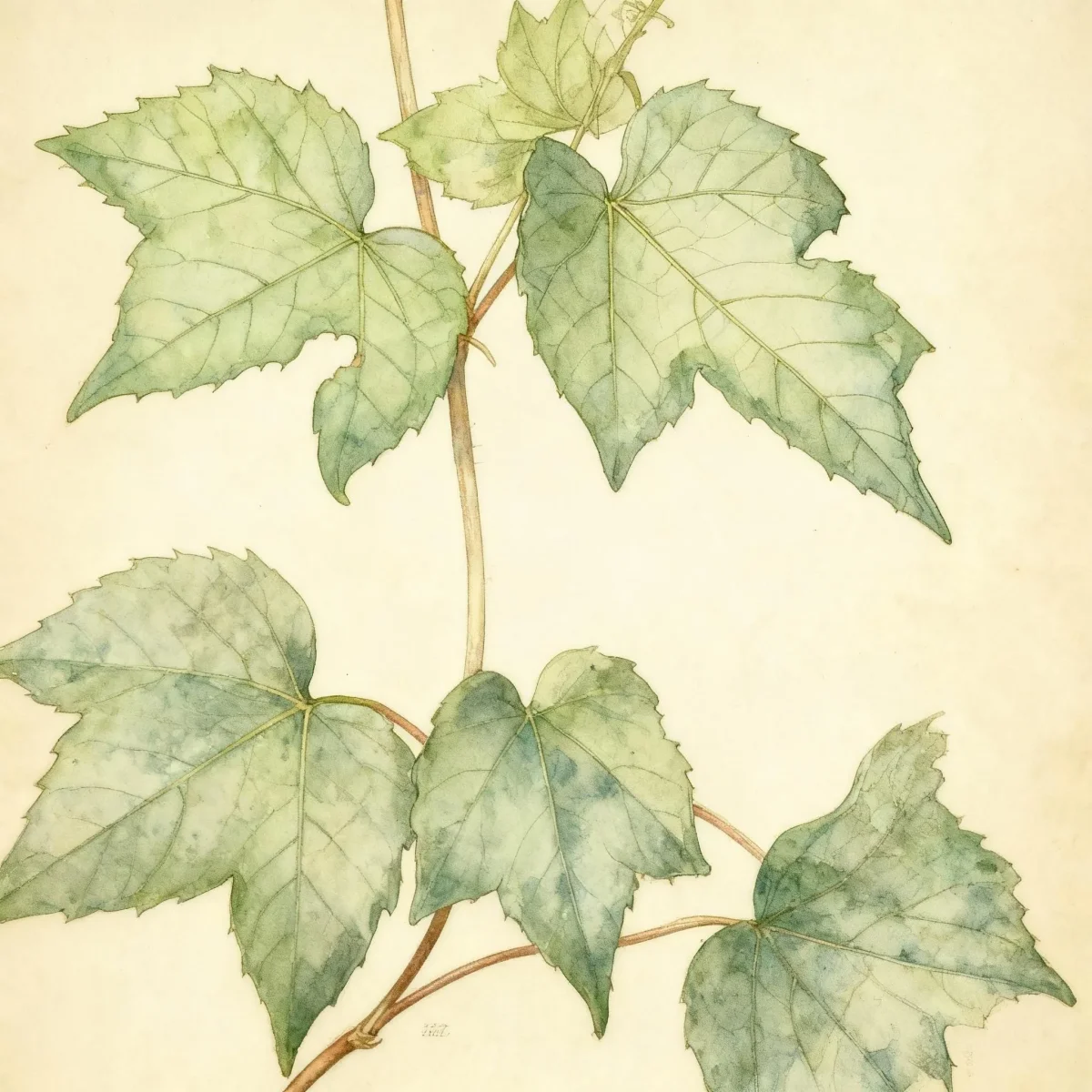
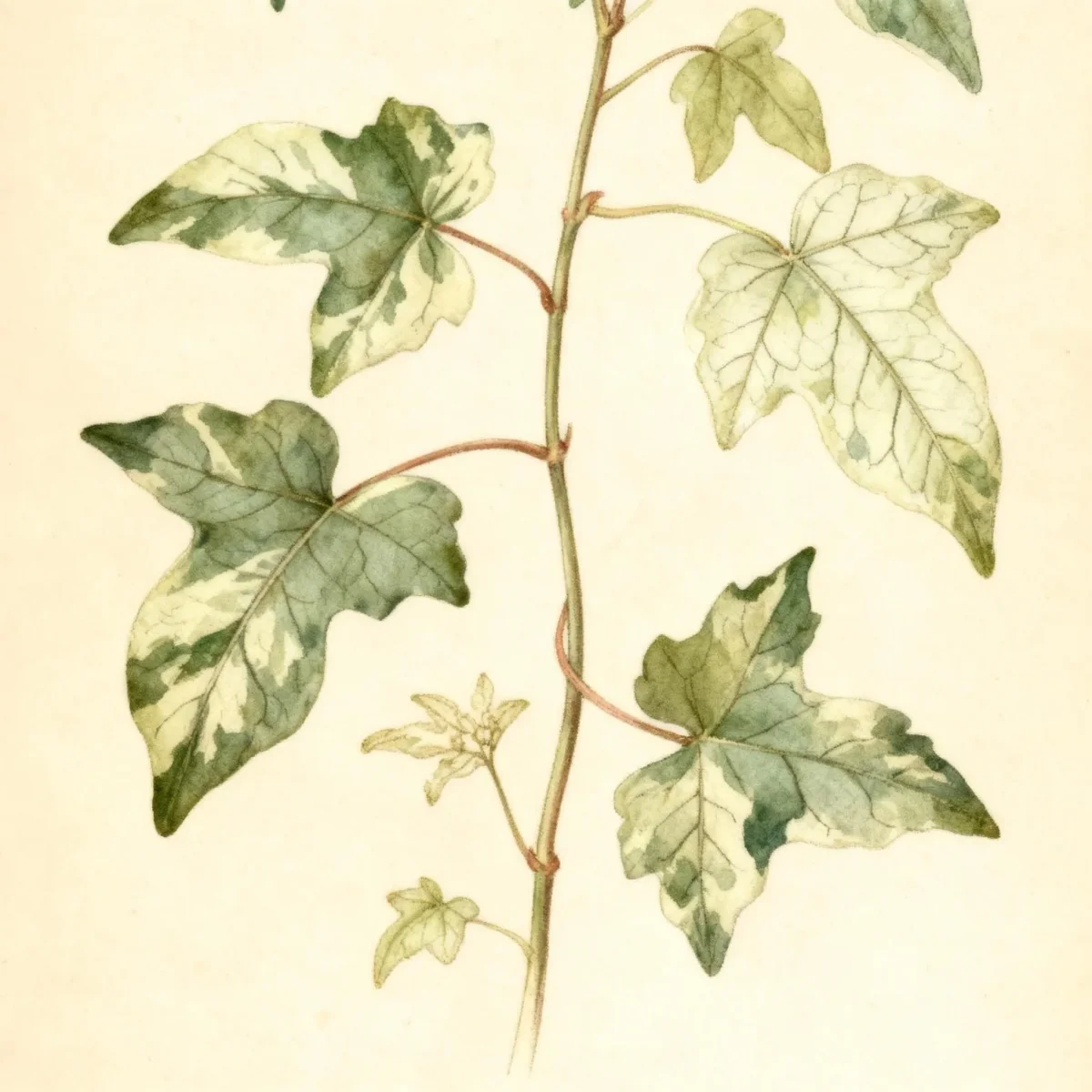
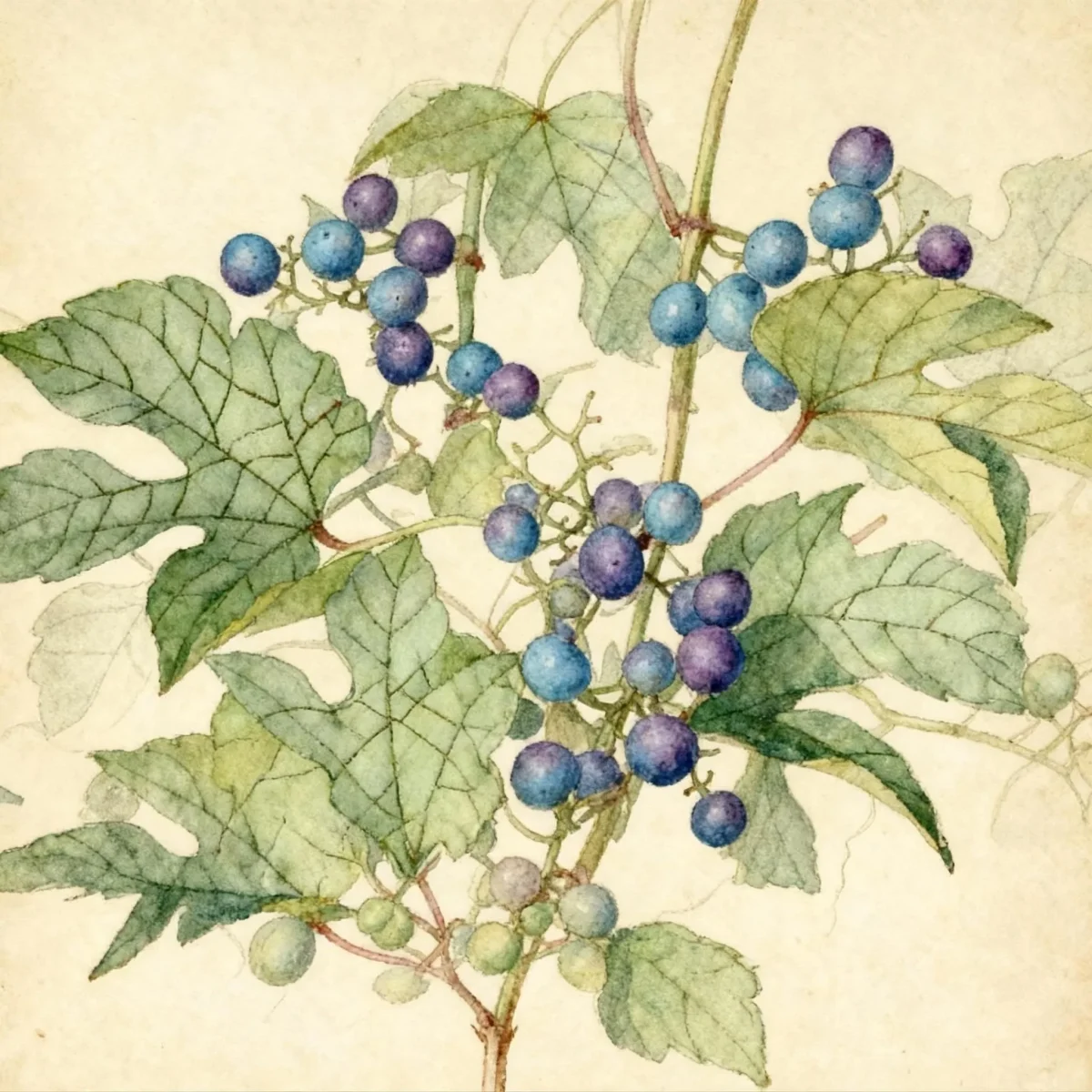
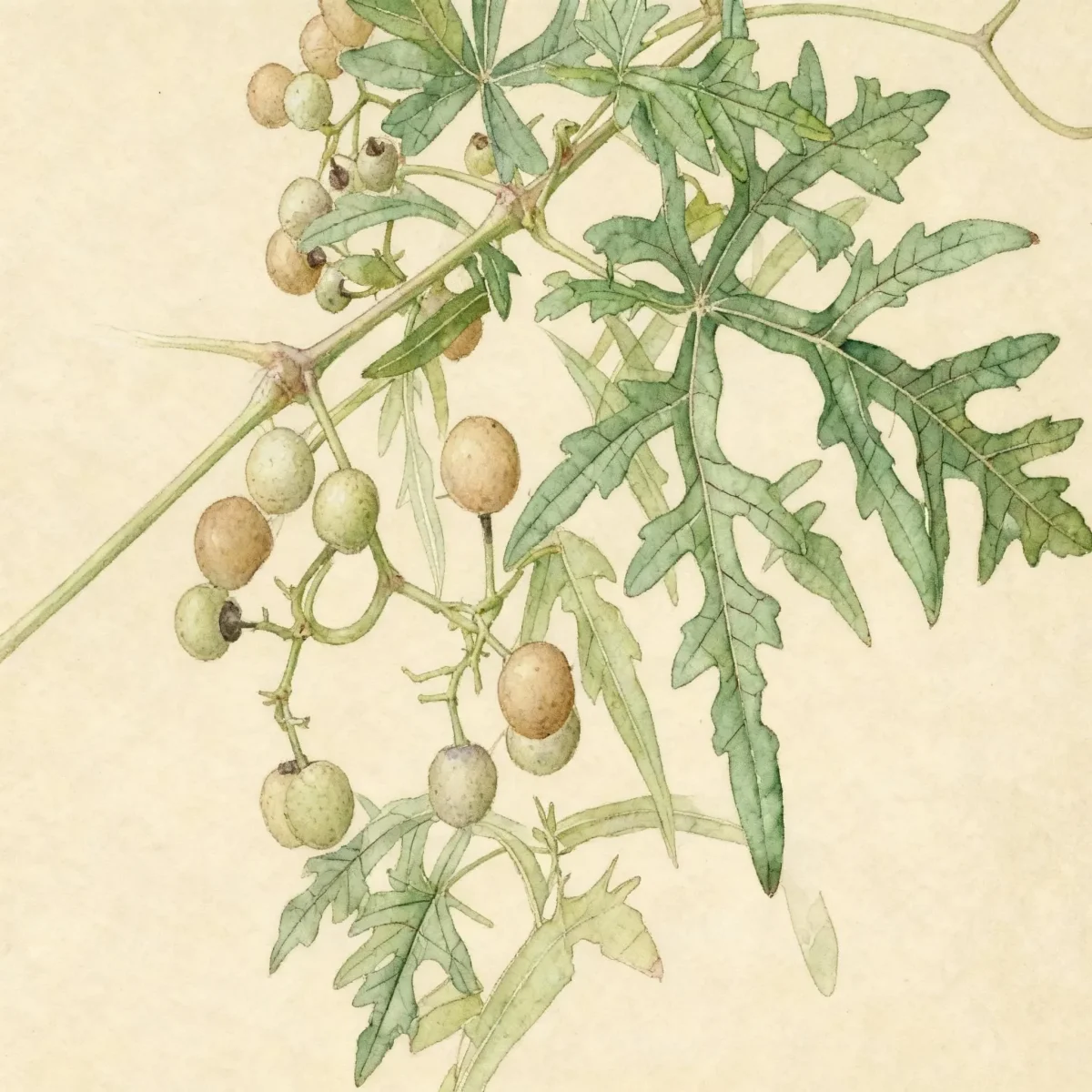
Boston ivy (Parthenocissus tricuspidata)
Boston ivy (Parthenocissus tricuspidata) is a vigorous, low-maintenance vine known for brilliant autumn color and clinging ability.
Scroll down to discover growing tips, care requirements, companion plants, and more
Complete Plant Information
Overview
Boston ivy, scientifically known as Parthenocissus tricuspidata, is a highly vigorous, deciduous woody vine prized for its dramatic seasonal foliage transformation. This fast-growing plant quickly covers large vertical surfaces using specialized adhesive holdfasts, making it a classic choice for mature estates and institutional architecture. While native to China and Japan, this species is widely naturalized and valued for its incredibly low maintenance requirements once established. Gardeners appreciate Parthenocissus tricuspidata for its dense coverage, effective erosion control, and spectacular scarlet-to-purple autumn display.
Fast Facts
- Plant Family: Vitaceae
- Plant Type: Vine
- Native Range: China, Japan
- Hardiness Zones: USDA Zones 4-8
- Size at Maturity:
- Height: 30-50 ft
- Spread: 5-10 ft
- Bloom Time: June to July
- Bloom Description: Greenish-white
- Sun Exposure: Full sun to part shade
- Water Needs: Dry to medium
- Maintenance Level: Low
How to Grow
Planting Parthenocissus tricuspidata is straightforward, as it thrives in standard, well-drained soils, tolerating both dry and medium moisture conditions. It establishes well in average soils, but for the most vivid fall coloration, ensure it receives ample sunlight. While it tolerates deep shade, color performance will diminish in dense shade. In hot climates (Zones 8 and 9), placing the vine on eastern or northern exposures can prevent leaf scorch during intense summer heat.
Maintenance for this vine is generally low, requiring little more than routine trimming to keep it within necessary bounds. Because Parthenocissus tricuspidata spreads rapidly, site selection is crucial; it needs significant room to expand vertically and horizontally. Prune regularly if you wish to maintain a specific shape or prevent encroachment onto unwelcome structures.
A critical consideration is surface selection. This plant should never be installed directly against wood siding or shingle roofs. The adhesive disks that allow Boston ivy to cling are extremely difficult to remove and can pull away paint or creep beneath shingles, causing structural damage. Always site it against masonry surfaces like brick or stone where its grip is beneficial and less likely to cause irreversible harm.
Landscape Uses
Boston ivy excels as a dense, architectural covering for substantial structures. It is an excellent choice for completely cloaking large walls, arbors, fences, or concrete structures, effectively transforming harsh vertical lines into living green tapestries. When allowed to spread along the ground, this vine works exceptionally well for naturalizing large, uneven areas, stabilizing slopes due to its robust root system and excellent Erosion tolerance.
For practical aesthetic integration, consider planting Parthenocissus tricuspidata where you need to soften the look of old stone retaining walls or unsightly rock piles. This fast grower rapidly creates a mature look, making it ideal for established gardens or large properties needing quick coverage. Ensure companions planted beneath it can handle lean soils and potential deep shade cast by the mature vine canopy.
Standout Features
Flower Qualities
- Insignificant
Noteworthy Characteristics
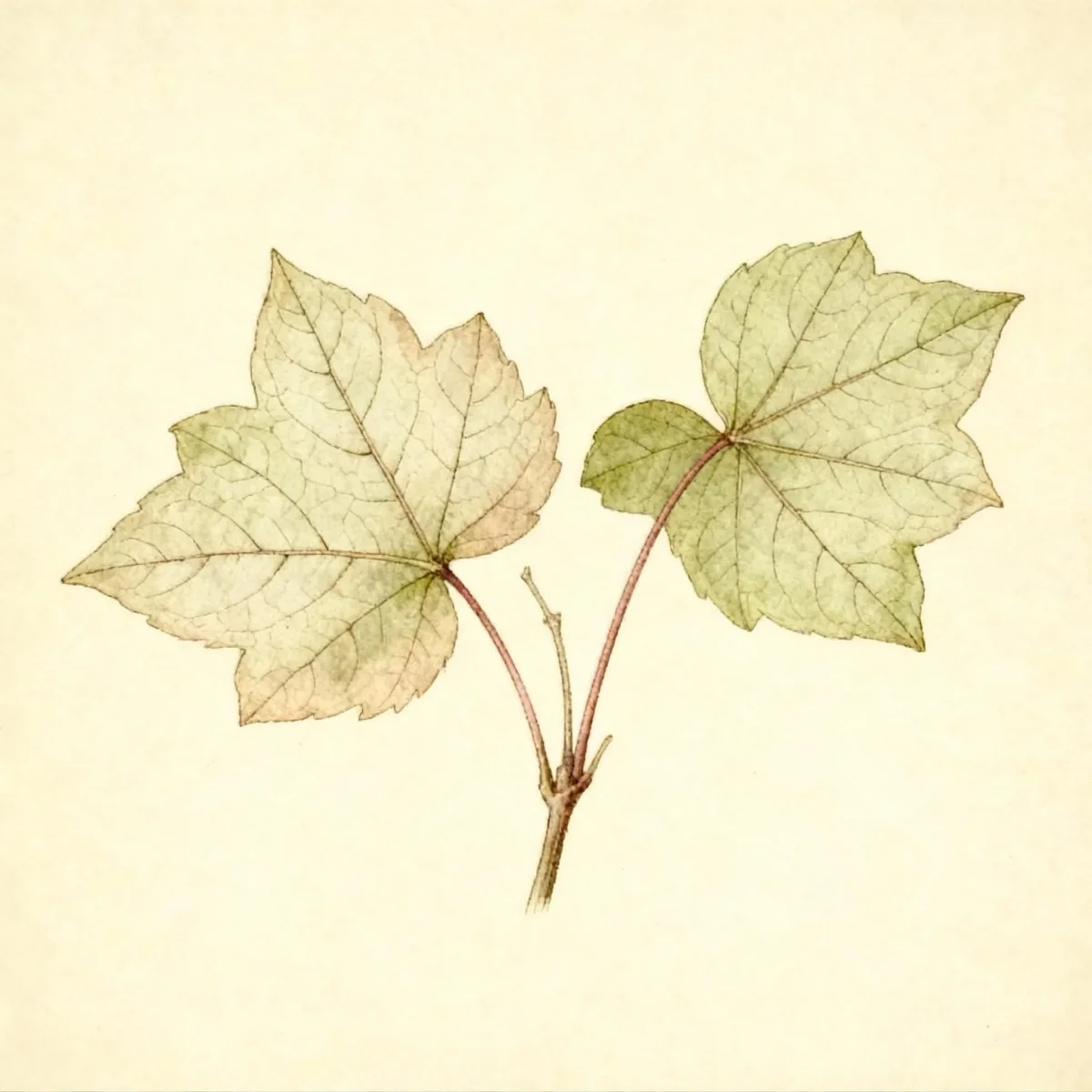
Parthenocissus tricuspidata, commonly called Boston ivy, is a rapid-growing, deciduous, woody vine that typically grows 30-50’ long or more. It is a vigorous tendril climber that needs no support, clinging to surfaces like brick or stone walls using adhesive holdfasts. While its greenish-white flowers are generally ornamental insignificant, the foliage delivers spectacular performance, turning scarlet red to scarlet purple in the autumn.
Tolerances
- Deer
- Drought
- Heavy Shade
- Erosion
- Clay Soil
- Dry Soil
- Shallow-Rocky Soil
- Black Walnut
Potential Problems
Boston ivy is generally robust, rarely suffering from serious, crippling insect or disease issues. Gardeners should remain vigilant for common fungal issues such as mildews or leaf spots, especially in humid, poorly ventilated areas where humidity lingers around the foliage. Potential pest concerns include occasional infestations by scale insects or leaf hoppers.
The primary maintenance challenge involves managing its aggressive growth habit and its attachment mechanism. Once the vine establishes holdfasts on a painted surface, removal is extremely difficult and almost always results in ruined paintwork and material residue. Furthermore, its tendency to spread invasively means it must be managed to prevent encroachment into unmanaged neighboring areas or interference with gutters and wiring.
Frequently Asked Questions
What hardiness zones is Boston ivy suitable for?
Parthenocissus tricuspidata is hardy across USDA Zones 4 through 8, making it suitable for a wide range of temperate climates.
How large does Boston ivy grow?
This towering vine can reach substantial heights, typically growing between 30 to 50 feet tall and spreading 5 to 10 feet horizontally.
What sun exposure does Boston ivy need?
It tolerates a wide range from full sun to heavy shade, though the most brilliant fall color is achieved when the plant receives full sun to part shade exposure.
When does Boston ivy bloom?
The greenish-white flowers of Parthenocissus tricuspidata typically appear between June and July.
Conclusion
Boston ivy offers unparalleled vertical coverage and dramatic seasonal color with minimal demands on the gardener, representing an excellent low-maintenance choice for covering masonry. Successful cultivation of Parthenocissus tricuspidata relies primarily on placing it on appropriate, sturdy surfaces away from wood structures. Before planting, always verify your USDA hardiness zone compatibility and plan for necessary seasonal pruning.
Propagation Tips
The ease of propagation is one reason this vine spreads so successfully. Gardeners can easily start new plants using cuttings taken from the current season’s growth. Cuttings root readily, providing a cost-effective method to cover large areas or replace damaged sections.
Ensure the cuttings possess several nodes and are placed in suitable rooting medium or water, monitoring to provide consistent moisture without oversaturation. This technique is ideal for quickly increasing your supply of Boston ivy for use on large walls or slopes needing stabilization.
Companion Planting
Boston ivy pairs well structurally with slow-growing, foundation shrubs planted beneath its base, as the vine provides the height while the shrubs anchor the base of the wall visually. Because of its dense shade and tolerance for dry soil, choose shade-tolerant groundcovers or perennials for the immediate perimeter that do not require consistent moisture. Consider plants that offer contrasting summer texture, as the main color show only occurs late in the season.