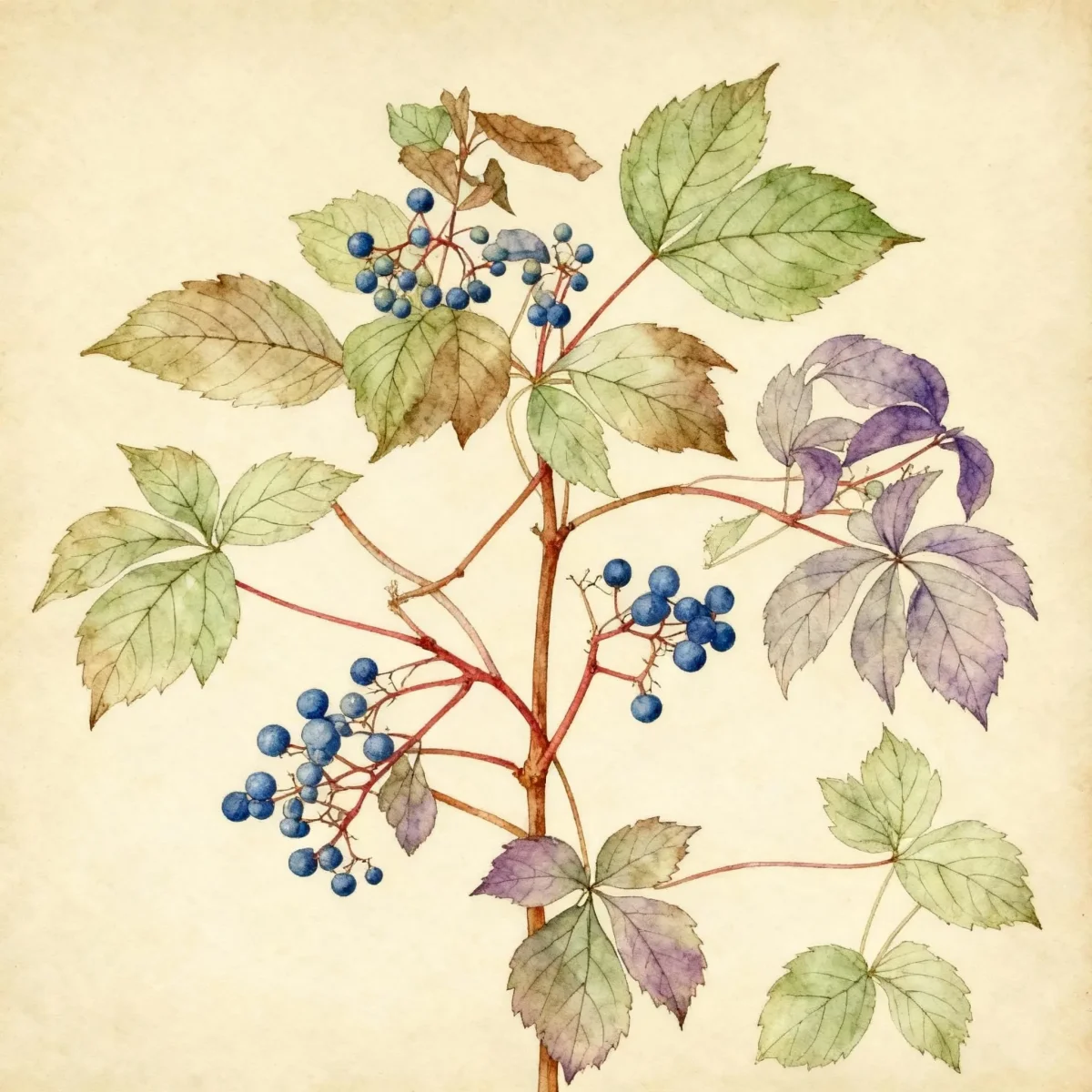
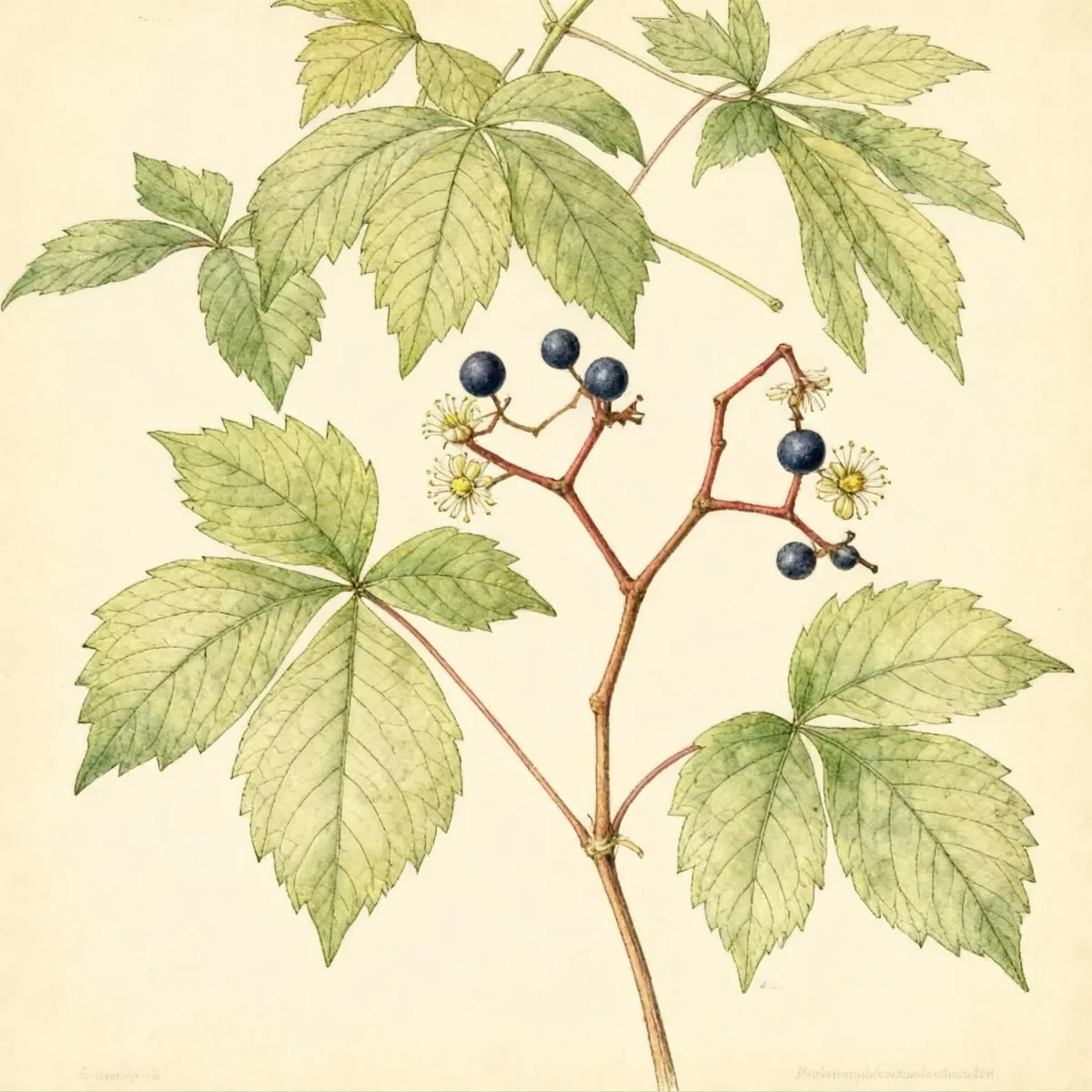
Amur peppervine (Ampelopsis brevipedunculata)
Vigorous Amur peppervine (Ampelopsis brevipedunculata) offers spectacular fruit and adapts well to full sun or part shade in zones 4-8.
Scroll down to discover growing tips, care requirements, companion plants, and more
Complete Plant Information
Overview
The Amur peppervine, scientifically known as Ampelopsis brevipedunculata, is a highly vigorous, woody, and deciduous vine that offers spectacular visual rewards late in the growing season. Often called porcelain vine due to the ethereal beauty of its maturing fruit, this plant provides reliable coverage for structures needing an extensive screen. Its habit is somewhat similar to that of wild grape vines, quickly climbing supports using tendrils.
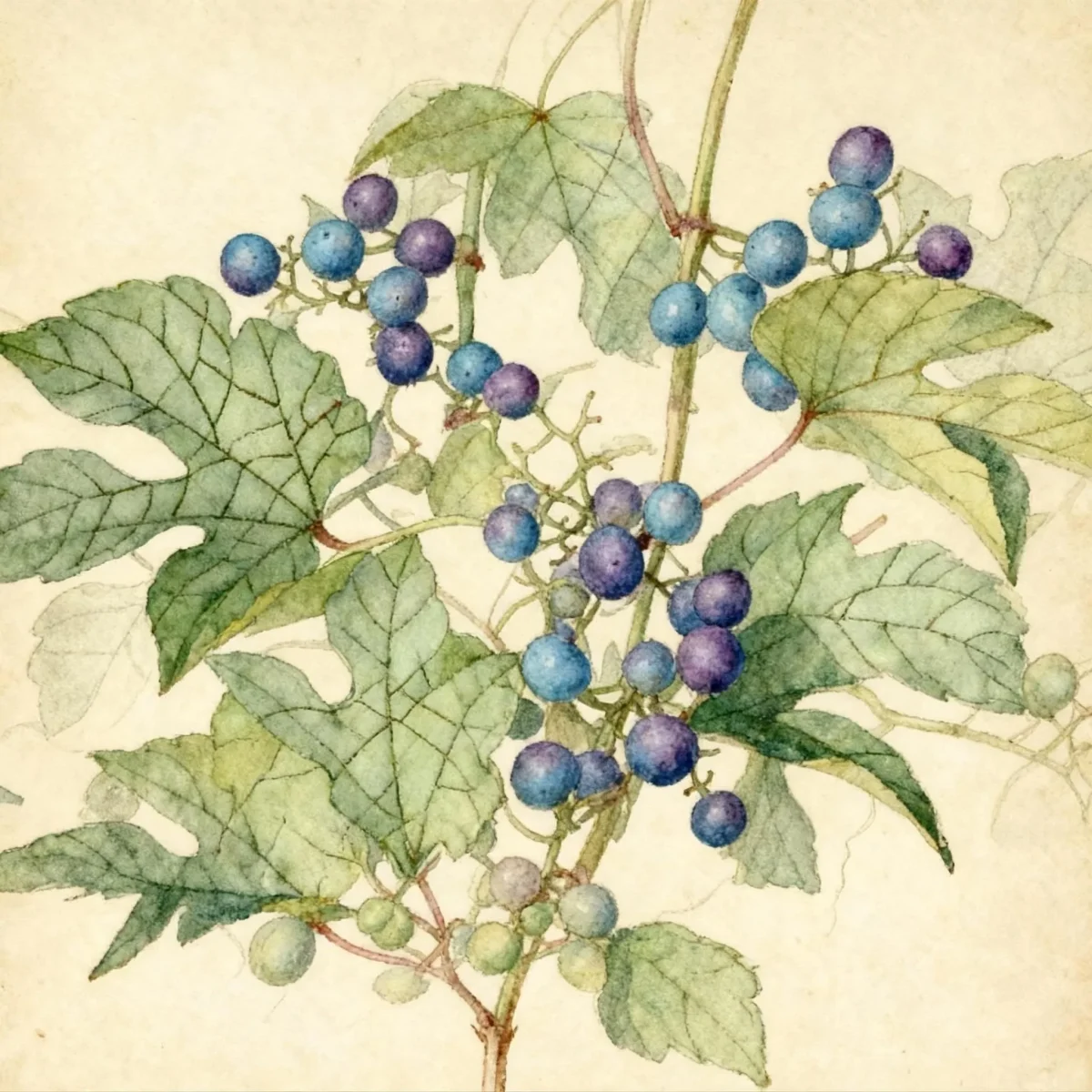
This fast-growing species thrives when given ample space and a sturdy structure to climb, making it excellent for screening unsightly areas or adding vertical interest to arbors and fences. While the summer flowers are unremarkable, the real display begins in the fall as the small fruits transition through shades of pale lilac-blue to deep amethyst blue, offering multi-hued interest simultaneously. Gardeners appreciate the low maintenance requirements associated with Ampelopsis brevipedunculata.
Though remarkably adaptable concerning soil type, achieving the best fruit set relies on positioning the Amur peppervine where it receives full sun exposure. It is a robust climber perfectly suited for USDA zones 4 through 8, providing consistent seasonal performance with minimal intervention once established.
Fast Facts
- Plant Family: Vitaceae
- Plant Type: Vine
- Native Range: Northeastern Asia
- Hardiness Zones: USDA Zones 4-8
- Size at Maturity:
- Height: 15-20 ft
- Spread: 15-20 ft
- Bloom Time: July to August
- Bloom Description: Greenish
- Sun Exposure: Full sun to part shade
- Water Needs: Medium
- Maintenance Level: Low
How to Grow
Planting the Amur peppervine should ideally occur in the spring, allowing it time to establish roots before facing the stresses of summer heat or winter cold. Locate it near sturdy structures such as arbors, walls, or trellises, as this vine requires significant support to achieve its mature height of up to 20 feet. This species is easily grown in average, medium, well-drained soil, and it shows remarkable adaptability to sandy or rocky conditions. Ensure drainage is good; avoid areas where the soil remains persistently wet or poorly drained, as this can cause issues.
Care for established Ampelopsis brevipedunculata is straightforward, generally requiring medium water levels, especially during dry spells in its first few years. Fertilization is rarely necessary unless planting in extremely poor soil. Pruning is essential for controlling its inherently vigorous nature. Since the flowers and subsequent fruit develop on new growth, judicious pruning in late winter—even cutting the entire vine to the ground—is an optional but effective growth control method. Otherwise, trim stems throughout the season as needed to keep it within bounds.
For optimal aesthetic performance, aim for full sun exposure, as this promotes the best flower production and, consequently, the most abundant and colorful fruit display. In late winter, before new growth begins, examine the vine for any damaged or crossing wood and prune it out to encourage strong, productive new stems for the coming season.
Landscape Uses
The primary use for Amur peppervine is leveraging its powerful climbing ability across robust vertical surfaces. It excels when used to soften the look of fences, cover unsightly utility boxes, or adorn arbors and pergolas, creating dense summer shade. Because it is a vigorous grower, it also functions well when allowed to cascade downward over retaining walls or large rock piles, providing a lush, cascading effect without needing vertical support.
When planning companion plantings, select materials that can handle the partial shade this vine might eventually cast or those that have similar sun and water needs. Due to its aggressive nature, avoid letting it compete directly with delicate perennial borders. Instead, focus on using it as a backdrop or as a strong architectural element in the garden design.
This vine truly shines when its unique fall color is considered. Plan surrounding elements to complement the striking transition of blue, purple, and lilac fruits that develop in autumn, often lasting well into early winter. It is not recommended for containers due to its eventual size and invasiveness.
Standout Features
Flower Qualities
- Showy
Fruit Qualities
- Showy
Noteworthy Characteristics
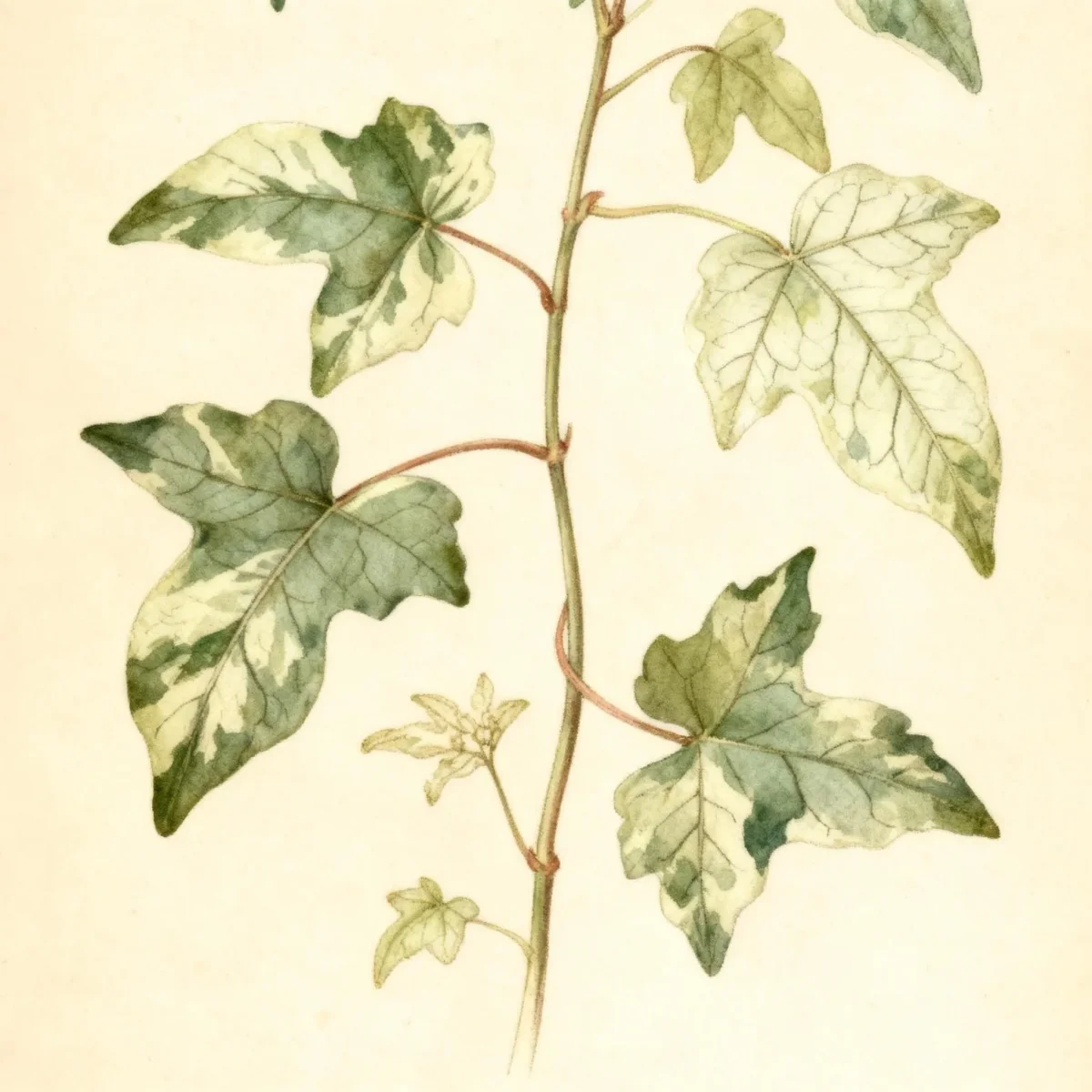
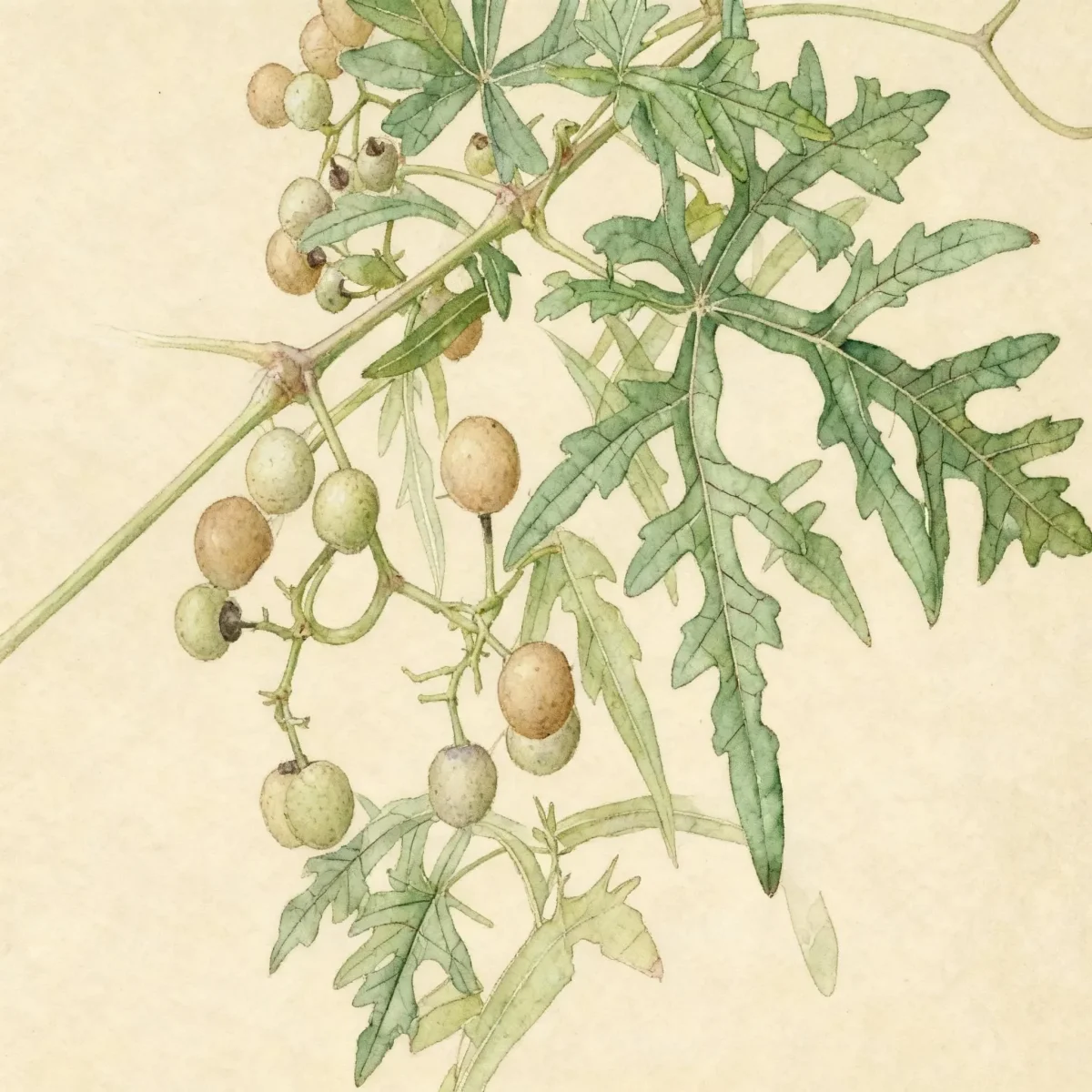
Ampelopsis brevipedunculata, commonly called porcelain vine, is a vigorous, woody, deciduous, tendril-climbing vine which is somewhat similar in habit to wild grape vines and will typically grow 15-25’. Features mostly 3-lobed, deep green leaves (to 5” long). Clusters (cymes) of non-showy, greenish flowers appear in the leaf axils in July. Flowers give way in fall to showy clusters of rounded-to-oval, pale lilac-blue fruits (1/4” diameter) which mature to brighter and deeper shades of amethyst to porcelain blue.
Tolerances
- Heat Tolerance
Potential Problems
Generally, the Amur peppervine is extremely robust, boasting no serious insect or disease problems that threaten its overall survival. Therefore, gardeners can often relax regarding systemic issues common to other ornamental vines. However, one significant exception must be noted in garden management.
Japanese beetles are known to target the foliage of Ampelopsis brevipedunculata, sometimes causing substantial, unsightly damage by skeletonizing the leaves heavily during mid to late summer. Monitoring the vine regularly during peak beetle season is crucial for early intervention.
Management against Japanese beetles typically involves diligent hand-picking early in the day when the insects are sluggish, or the careful spot application of appropriate insecticides if infestations become severe enough to compromise plant health or aesthetic appeal. Otherwise, this vine proves to be an extremely durable and reliable performer.
Frequently Asked Questions
What hardiness zones is Amur peppervine suitable for?
The Amur peppervine is reliably hardy in USDA Zones 4 through 8, making it adaptable to a wide range of continental climates.
How large does Ampelopsis brevipedunculata grow?
This vigorous vine typically reaches a mature height between 15 and 20 feet, with an equal spread, so ensure adequate space and structure are provided.
What sun exposure does Amur peppervine need?
While it tolerates a range from full sun to part shade, best flower and subsequent fruit production occur when the plant receives full sun exposure throughout the day.
When does Porcelain vine bloom?
The bloom time for this vine is typically from July to August, presenting clusters of inconspicuous, greenish flowers.
Conclusion
The Amur peppervine (Ampelopsis brevipedunculata) stands out as a dependable, low-maintenance climber whose primary value lies in its spectacular multi-hued fruits that signal the arrival of autumn. Its tolerance for various soils and wide hardiness range make it a practical choice for many situations requiring rapid, dense vertical coverage. Before planting this magnificent vine, confirm that your site allows for its vigorous growth habit and that you can provide a sturdy support structure appropriate for its 15 to 20-foot mature dimensions.
Companion Planting
Selecting appropriate companion plants is key to integrating a rambunctious vine like Amur peppervine into a cohesive landscape scheme. Since maintenance is low and water needs are medium, pair it with other robust, sun-loving shrubs or small trees that share similar cultural requirements. For example, hardy ornamental grasses or tough flowering perennials that emerge later in the season can coexist well beneath the vine’s canopy without constant coddling.
Focusing on bloom time contrast is also useful. By planting companions that flower heavily in spring, you ensure visual interest before the vine’s fruit show begins in the fall. Conversely, plants known for strong winter structure can help mask bare canes during the dormant season, extending the visual appeal of the area where Ampelopsis brevipedunculata resides.
Design Ideas for Vertical Screening
When the main goal is screening or softening a large, unattractive boundary, the porcelain vine excels due to its rapid establishment and dense leaf coverage. Consider installing a strong wire trellis against a block wall or a tall privacy fence where faster-growing vines might otherwise struggle to find purchase against smooth surfaces. The tendency of Ampelopsis brevipedunculata to flower and fruit best in full sun dictates placing it on the south or west-facing aspect of a structure.
For entryways, training the vine over a dedicated arbor provides both architectural framing and welcome shade during the hot summer months. Because it flowers on new wood, aggressive pruning is possible, allowing gardeners to train the vine into specific shapes—such as a flat panel against a wall—though allowing it to grow naturally results in a denser, more voluminous covering.