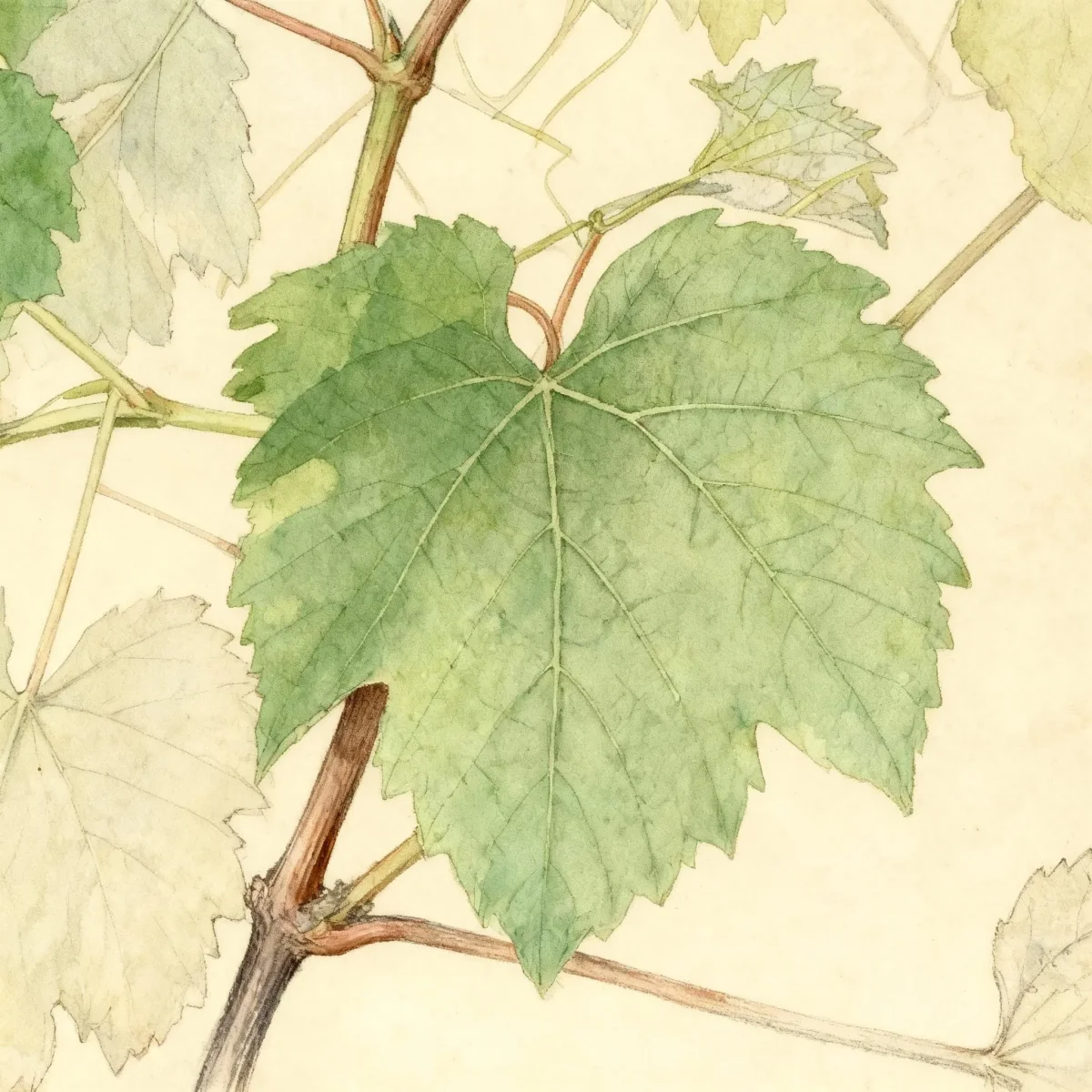
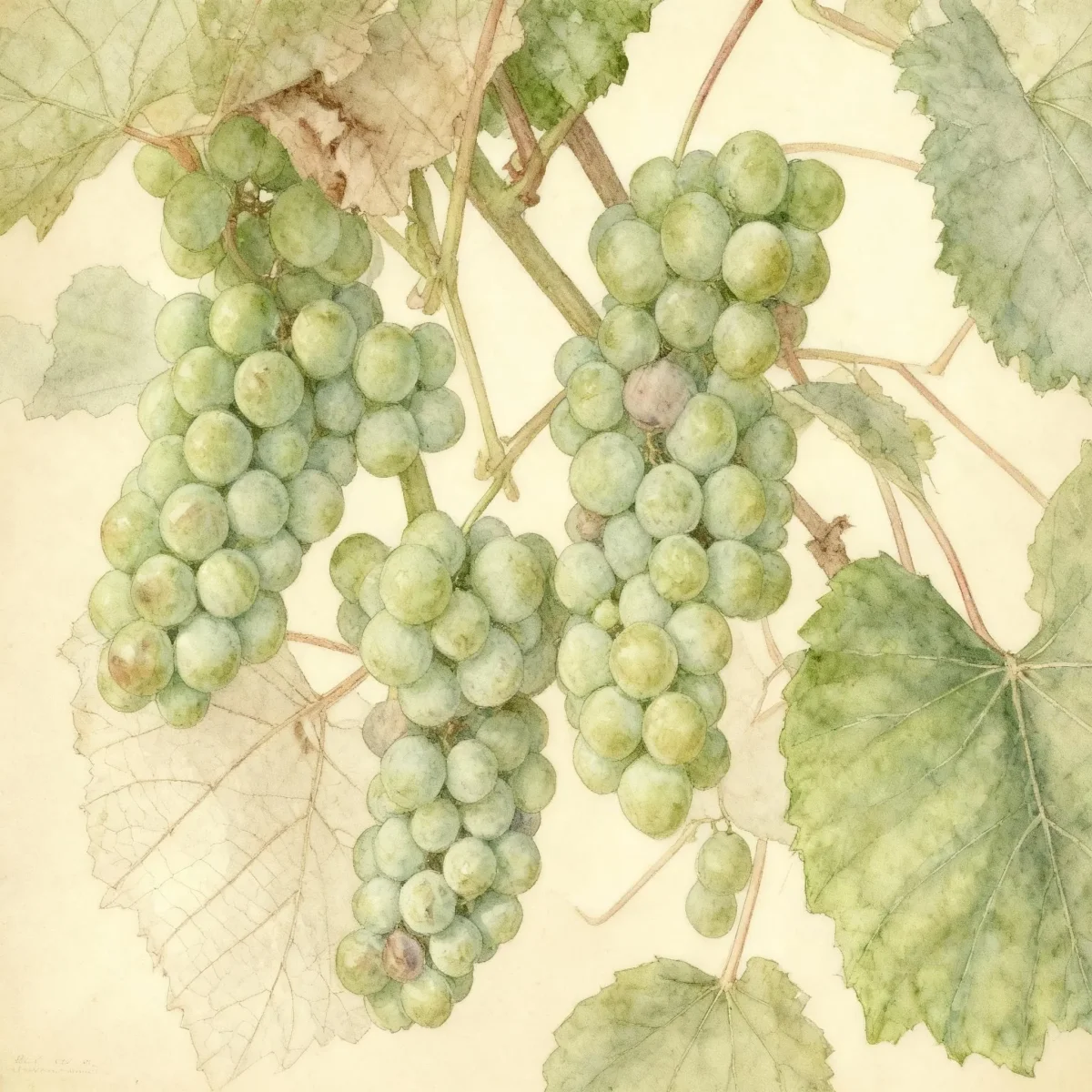
Common grape (Vitis vinifera)
Vitis vinifera, the Common grape vine, is a high-maintenance deciduous vine prized for edible fruit and ornamental structure.
Scroll down to discover growing tips, care requirements, companion plants, and more
Complete Plant Information
Overview
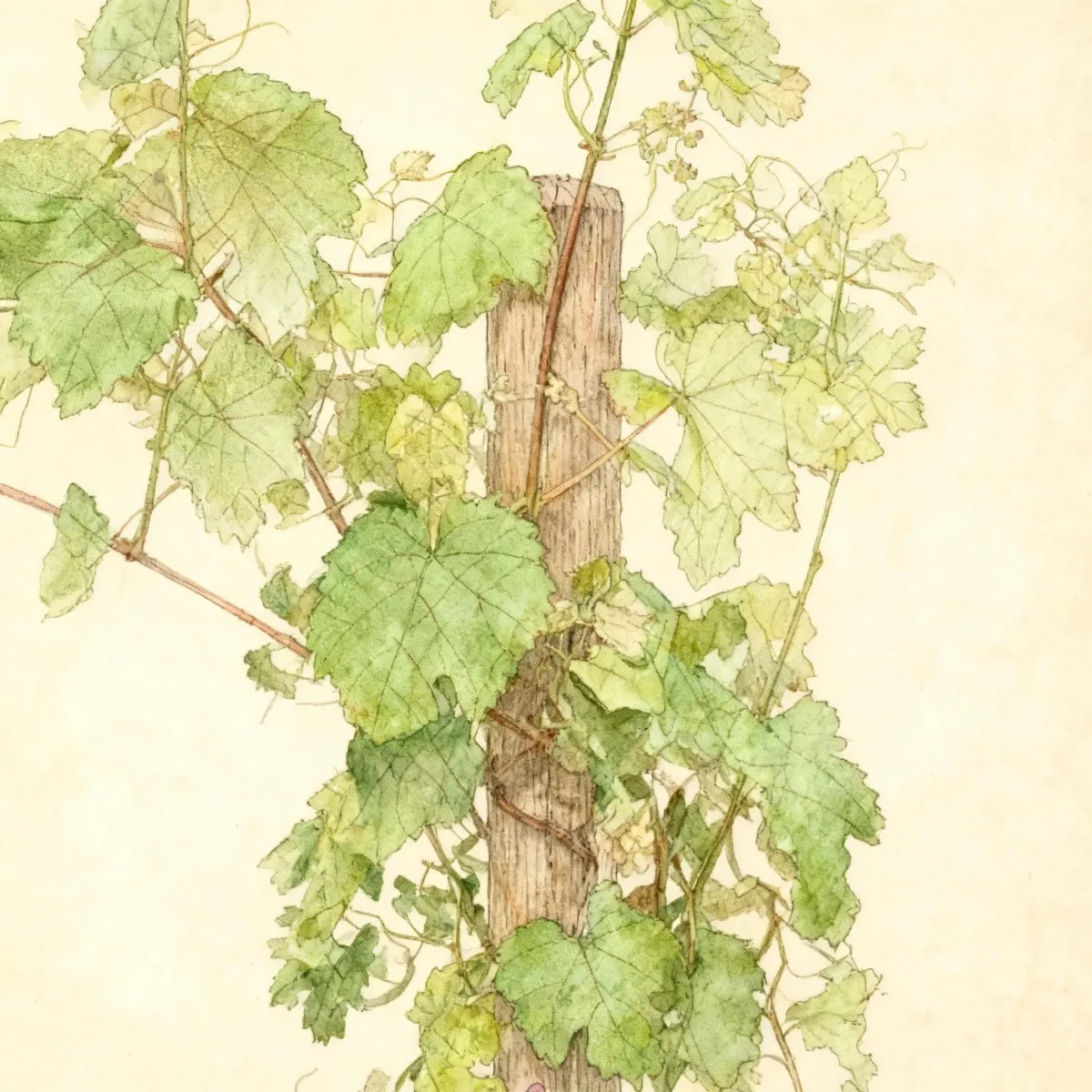
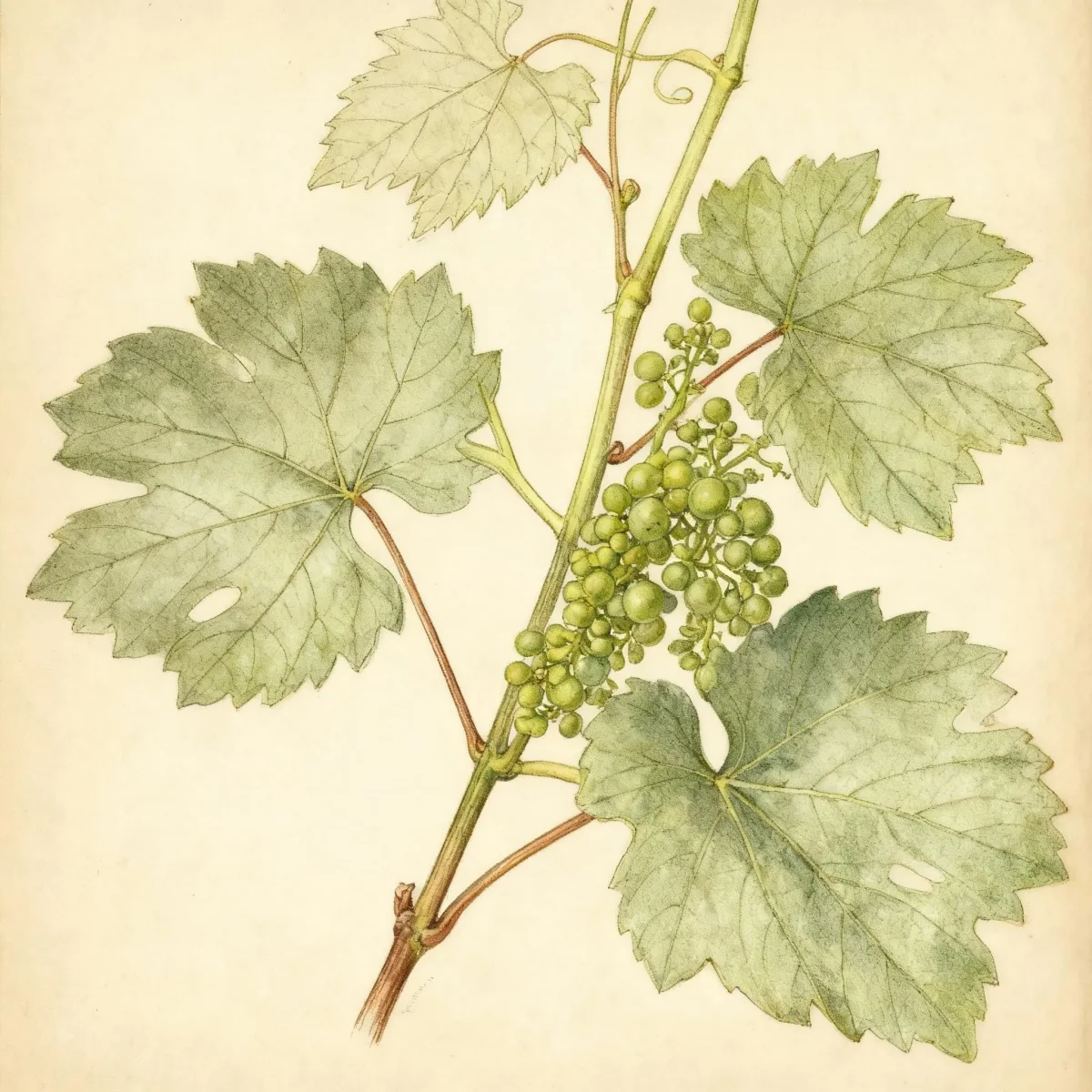
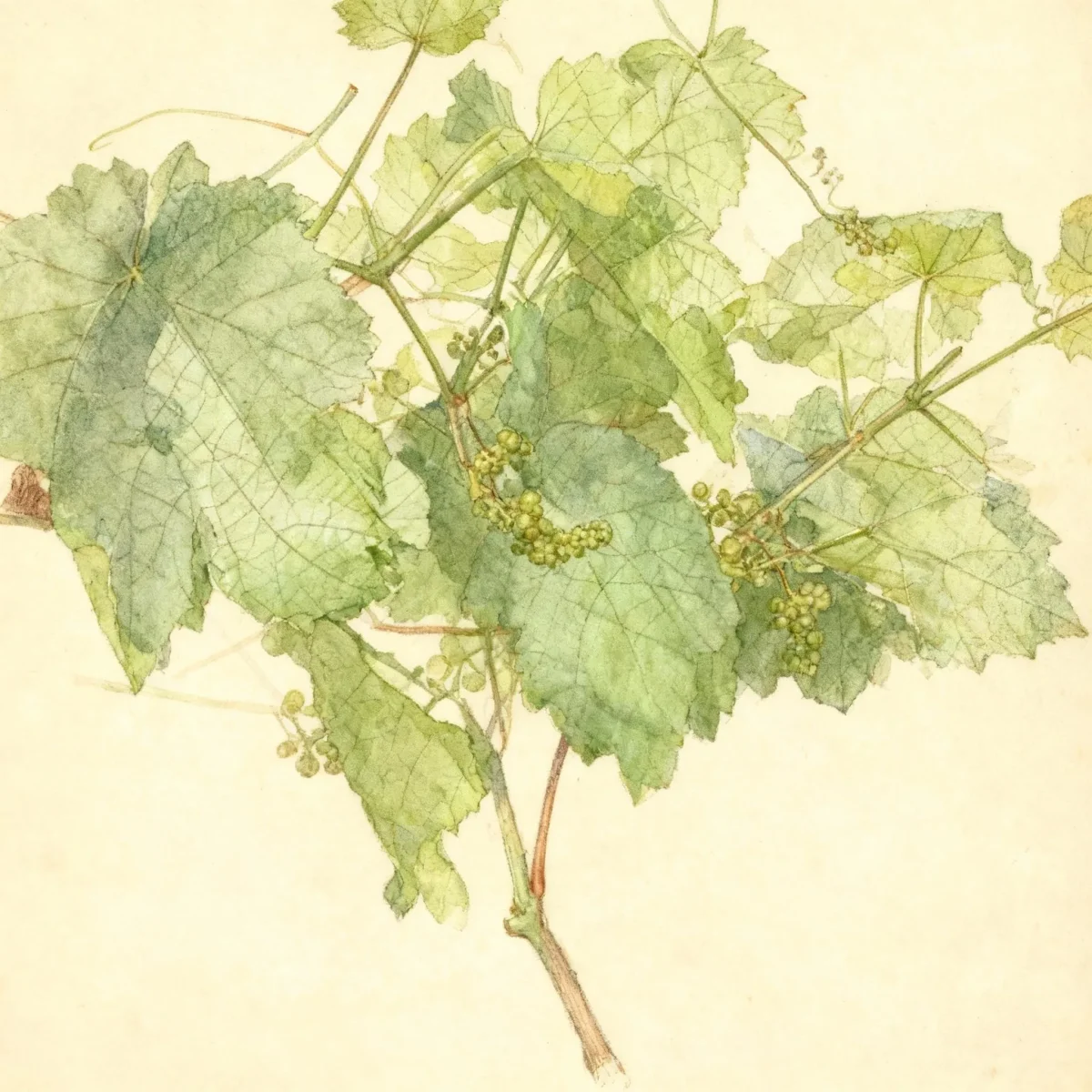
The Common grape, scientifically known as Vitis vinifera, is a vigorous, woody, deciduous vine whose primary value lies in its historical and continuous use for wine and table fruit production worldwide. While the straight species is often superseded by superior cultivars, understanding its growth habit is crucial for any grower attempting to establish this classic plant in the landscape. This climbing vine rapidly develops thick, often twisted trunks and heavy foliage, offering excellent seasonal screening.
Though cultivated for millennia, Vitis vinifera still requires significant dedication in the home garden setting, demanding structural support, meticulous training, and routine protective treatments. When cared for properly, it provides aesthetic interest through its bold summer canopy and showy clusters of edible fruit that ripen in the summer months.
Gardeners must ensure optimal conditions for this European native, focusing heavily on maximizing sun exposure and ensuring flawless soil drainage to support decades of growth from this esteemed species.
Fast Facts
- Plant Family: Vitaceae
- Plant Type: Fruit
- Native Range: Europe
- Hardiness Zones: USDA Zones 6-9
- Size at Maturity:
- Height: 3-9 ft
- Spread: 3-9 ft
- Bloom Time: May to June
- Bloom Description: Greenish
- Sun Exposure: Full sun
- Water Needs: Medium
- Maintenance Level: High
How to Grow
Planting Vitis vinifera should occur when the threat of hard spring frost has entirely passed, allowing the young vine to establish itself before dormancy. Success hinges on location; select a site fully exposed to direct sunlight, preferably a south-facing slope, and ensure the location is shielded from harsh winter winds. The soil must be deep, well-drained, and rich in humus, though the Common grape tolerates a range of soil types as long as drainage is impeccable, performing especially well in gravelly loams.
Watering should be consistent, meeting the plant’s medium needs, especially during fruit development, but never resulting in saturated soil, as poor drainage invites root issues. Because this is a high-maintenance variety intended for quality fruit production, regular pruning is non-negotiable; vines must be trained onto sturdy support systems like trellises, walls, or arbors immediately after planting. Growers must also commit to regular spraying schedules to mitigate susceptibility to numerous fungal diseases common in humid environments.
As the vine matures, managing its vigorous climb is key. While unpruned plants can reach 60 feet, cultivated vines should be kept much smaller—usually between 3 and 9 feet—through severe dormant pruning. Protect new spring growth from potential late frosts by siting the plant away from low-lying frost pockets, as tender young shoots are easily damaged.
Landscape Uses
The structure provided by Vitis vinifera makes it an excellent choice for functional and architectural landscaping. When grown along fences, sturdy pergolas, or substantial arbors, the vine provides dense summer shade and attractive visual screening. The bold foliage offers deep texture during the growing season, complemented by the showy fruit clusters later in the summer.
Beyond sheer utility, this species offers seasonal appeal that warrants inclusion in mixed borders or against large structures. The bark of older stems flakes attractively, providing winter interest, and the foliage may offer subtle fall color before leaf drop. Training the vine horizontally over a low wall or structure effectively displays the tangled, shaggy trunks characteristic of mature grapevines.
For a classic Mediterranean feel, plant the Common grape near paved patios or stone retaining walls, which radiate heat and promote ripening. Its need for strong support means it pairs well with durable elements like metal arbors or heavy wooden structures rather than delicate supports.
Flower Qualities
- Insignificant
Fruit Qualities
- Showy
- Edible
Noteworthy Characteristics
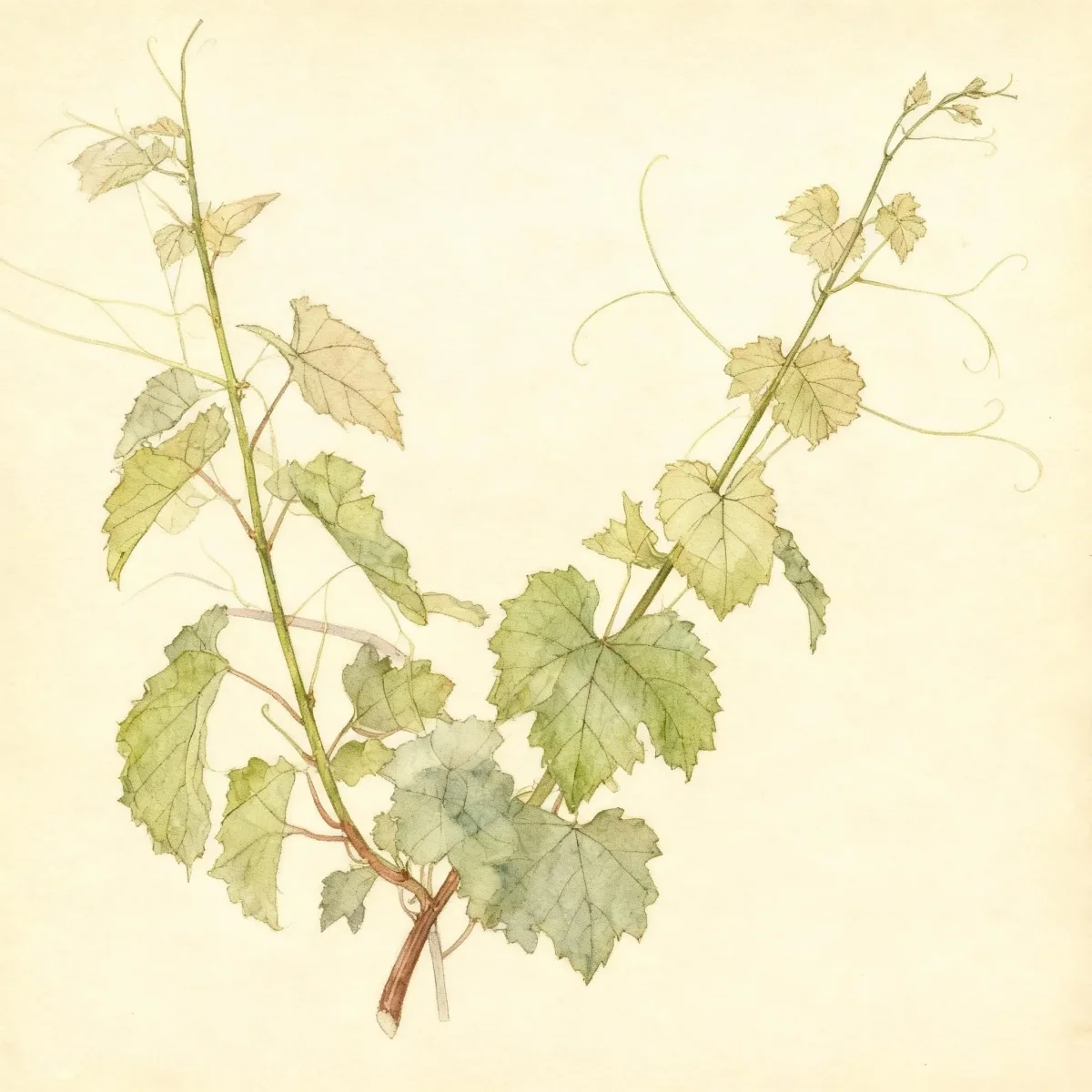
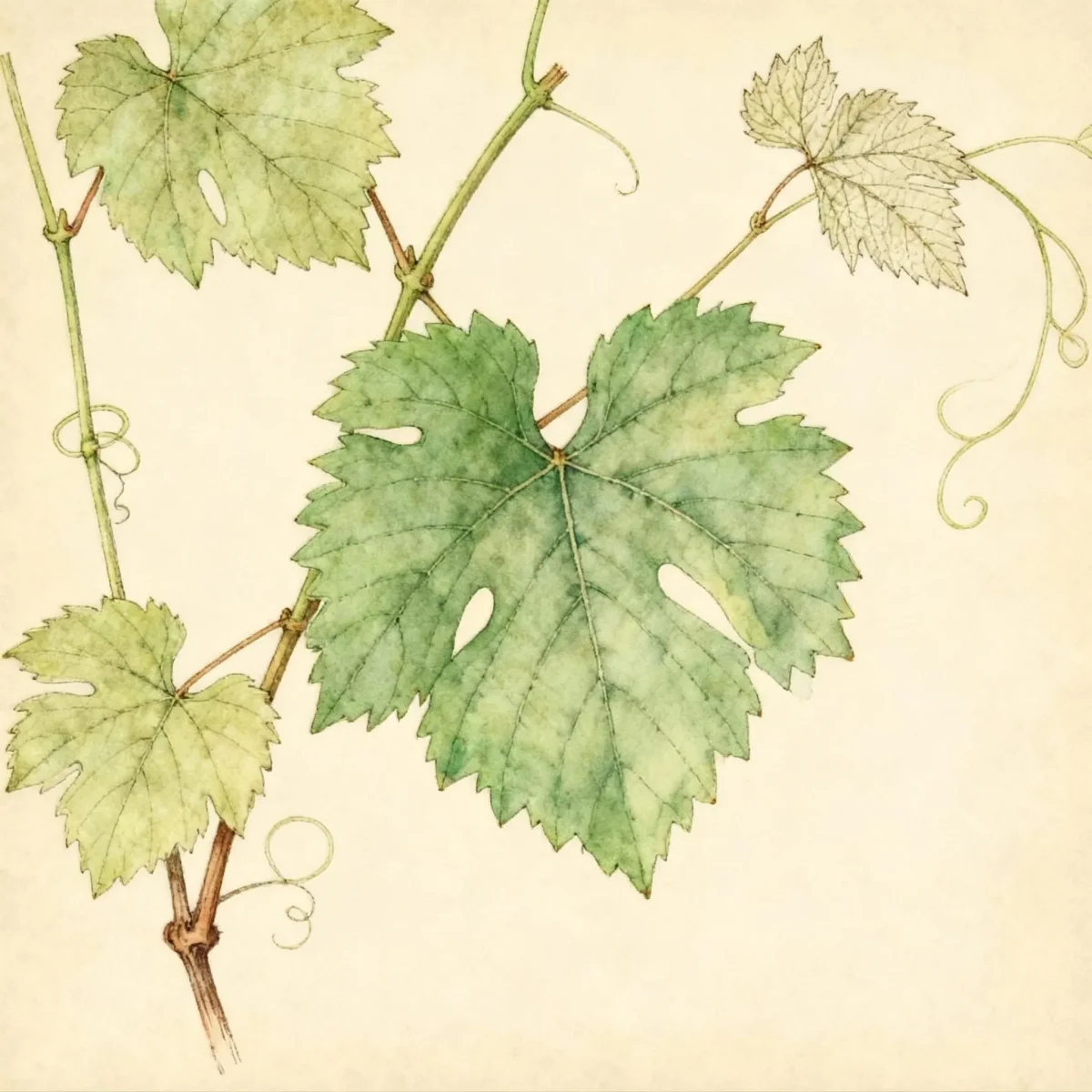
Vitis vinifera, commonly known as European wine grape or common grape, is a woody, deciduous vine that climbs by branched tendrils to 40-60’ long over time if left unpruned. Plants grown for grape production are typically pruned much smaller (3-9’ long). This species is probably native to southwestern Asia (Caspian and Caucasus regions) and adjacent Europe. The specific epithet vinifera aptly means “wine-bearing,” detailing its primary historical purpose, including winemaking, fresh eating, or drying into raisins.
Tolerances
(None listed)
Potential Problems
Grapes are categorized as high maintenance because they are vulnerable to a vast array of pathogens and pests, requiring vigilant management to secure any yield. Fungal diseases are a major concern, particularly in humid summers, necessitating proactive fungicide application; common issues include black rot, anthracnose, powdery and downy mildews.
Insect pests must also be managed promptly, with threats ranging from phylloxera and leaf rollers to damaging chewing insects like the Japanese beetle. Furthermore, successful cultivation hinges on pest exclusion, as birds are often the most destructive vertebrate pests, sometimes decimating fruit clusters just before harvest.
To combat these issues, growers must adhere strictly to recommended spray schedules throughout the growing season. Pairing diligent pest and disease management with rigorous annual pruning is essential for maintaining plant health and maximizing fruit quality for your Vitis vinifera.
Frequently Asked Questions
What hardiness zones is Common grape suitable for?
Vitis vinifera is suitable for cultivation in USDA Hardiness Zones 6 through 9.
How large does Common grape grow?
When properly managed for fruit production, the Common grape typically maintains a height between 3 to 9 feet and a spread of 3 to 9 feet.
What sun exposure does Common grape need?
This vigorous vine requires a location receiving full sun exposure to thrive and produce quality fruit.
When does Common grape bloom?
The greenish flowers of Vitis vinifera bloom reliably between May and June.
Companion Planting
Choosing compatible neighbors for Vitis vinifera is important, focusing on plants that appreciate similar drainage and sun profiles but don’t compete aggressively for root space. Consider planting low-growing, drought-tolerant herbs like lavender or rosemary around the base, provided they do not impede air circulation near the trunk, which is vital for disease prevention.
Avoid planting sensitive species too closely, as mature grapevines cast significant shade and can hog nutrients and water. Because the Common grape requires high maintenance, including regular spraying, ensure companion plants are not harmed by the treatments used to protect the valuable fruit.
Seasonal Care Calendar
Spring preparation involves removing winter protective wraps (if used) and applying dormant oil or early-season fungicides just as buds begin to swell to prevent overwintering spores from infecting new growth. Late spring demands careful monitoring for frost damage to new shoots.
Summer is dedicated to canopy management and fruit protection; this includes routine watering, applying fungicides/insecticides as needed, and thinining leaves around developing fruit clusters to enhance air flow and ripening. Summer pruning, or “suckering,” keeps the structure tidy.
Dormant season, typically late fall after leaf drop, is critical for pruning. Prune Vitis vinifera severely in the winter, removing most of the previous year’s growth to encourage vigorous, fruitful wood for the following season. Clean up all fallen debris to remove sources of fungal inoculum.
Conclusion
The Vitis vinifera, or Common grape, offers home gardeners the unparalleled satisfaction of harvesting traditional, edible fruit backed by centuries of cultivation history. While its high maintenance needs demand structural support, regular pruning, and diligence against pests and disease, the reward is tangible—both aesthetically and gastronomically. Ensure your site provides full sun and excellent drainage before planting this classic vine to guarantee success in your landscape.