Lignum vitae (Guaiacum sanctum)
Lignum vitae (Guaiacum sanctum) is a slow-growing, dense evergreen tree prized for its hard wood, blue flowers, and drought tolerance.
Scroll down to discover growing tips, care requirements, companion plants, and more
Complete Plant Information
Overview
Guaiacum sanctum, universally known as Lignum vitae, is an extraordinary specimen celebrated for having the hardest wood of any tree, earning it the moniker ‘wood of life.’ This slow-growing, broadleaf evergreen features dense, rounded canopies, making it an attractive architectural addition to appropriate landscapes, particularly near coasts. Gardeners value the dense, shiny foliage which provides year-round visual interest, complemented by sporadic, striking blue flowers.
Native to dry coastal regions of Florida, Central America, and the Caribbean, this tree thrives where many finer ornamentals struggle. While it can eventually reach taller heights, it typically remains a manageable 9 to 12 feet tall and wide in cultivation, offering low maintenance once established. The combination of salt tolerance, drought resistance, and evergreen structure ensures Guaiacum sanctum remains a vital, though endangered, tropical ornamental.
Fast Facts
- Plant Family: Zygophyllaceae
- Plant Type: Broadleaf evergreen
- Native Range: Florida, Mexico, Caribbean, Central America
- Hardiness Zones: USDA Zones 10-11
- Size at Maturity:
- Height: 9-12 ft
- Spread: 9-12 ft
- Bloom Time: Seasonal bloomer
- Bloom Description: Blue
- Sun Exposure: Full sun to part shade
- Water Needs: Medium
- Maintenance Level: Low
How to Grow
Planting Lignum vitae is best done during warmer months when the risk of frost is entirely eliminated, ensuring it is situated in full sun to light part shade. Paramount to success is soil quality; this species absolutely requires sharply well-drained soils, as wet feet are fatal. Once established, this plant exhibits superb drought tolerance, although moderate and consistent water during establishment will encourage better growth.
Maintenance for Guaiacum sanctum is delightfully low. Little to no pruning is usually necessary, allowing the tree to assume its natural, dense, multi-stemmed habit. Fertilizing is rarely required if the soil quality is adequate for drainage. Monitor watering during dry spells, remembering it prefers medium water levels but should never sit in standing moisture.
A significant benefit of growing Guaiacum sanctum is its environmental resilience. It naturally tolerates both wind and salt spray, making it an excellent choice for challenging sub-tropical and tropical coastal plantings where other ornamental trees fail. Ensure adequate space is provided, as its slow growth rate means placement decisions are long-term.
Landscape Uses
The unique profile of Lignum vitae makes it a versatile choice in tropical and subtropical landscaping. Its manageable mature size of around 9 to 12 feet allows it to function beautifully as an eye-catching specimen or an attractive ornamental lawn tree where its dense canopy casts dappled shade. In warmer zones, it also performs well when grown in large containers, provided excellent drainage is maintained.
For coastal environments, this plant excels as a windbreak element or planted near seawalls due to its noted tolerance for salt spray. Consider pairing Guaiacum sanctum with other sun-loving, low-maintenance tropicals such as various palms or resilient flowering shrubs that share its requirement for excellent drainage. Its evergreen structure ensures that seasonal interest continues even when other deciduous plants are bare.
Standout Features
Flower Qualities
- Showy
Noteworthy Characteristics
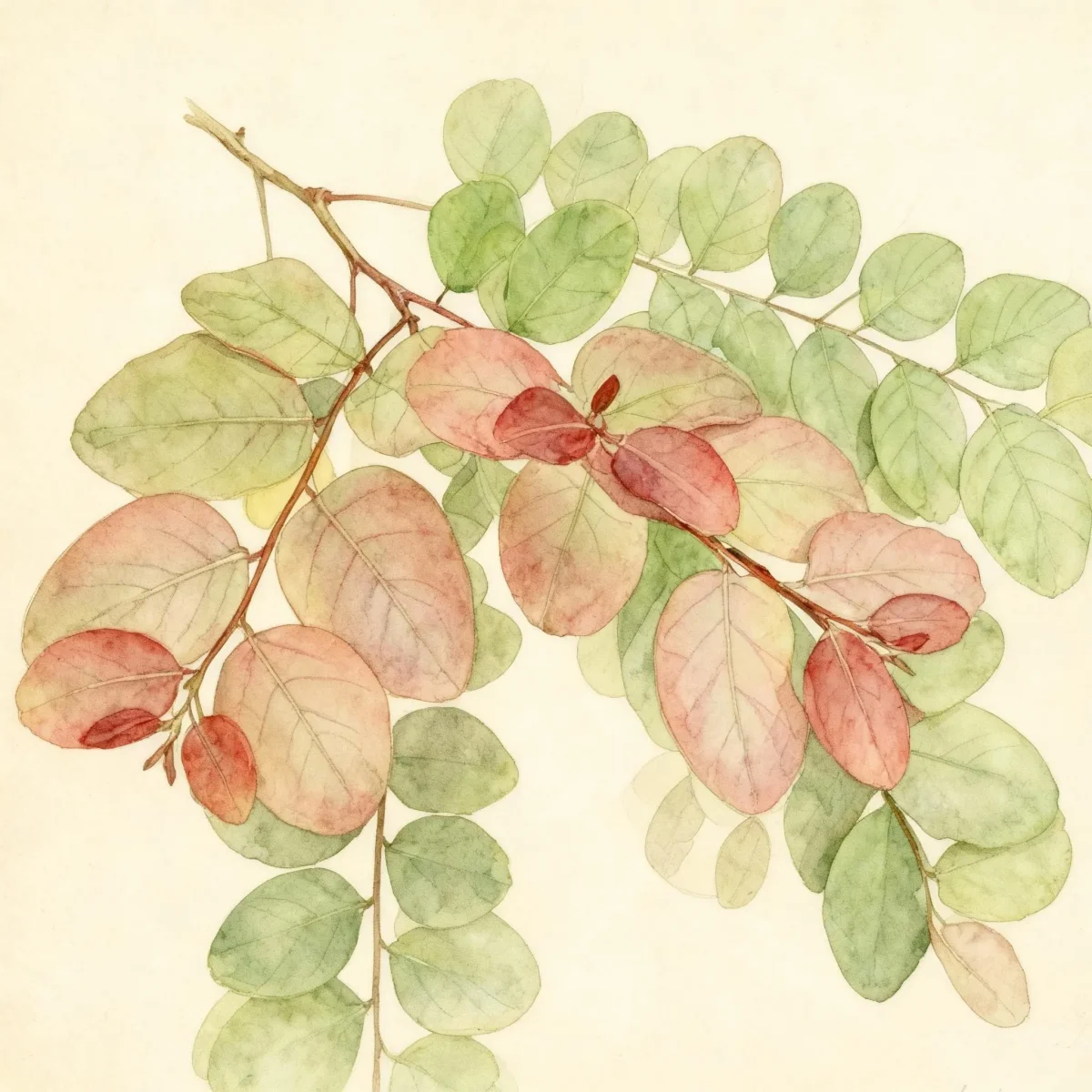
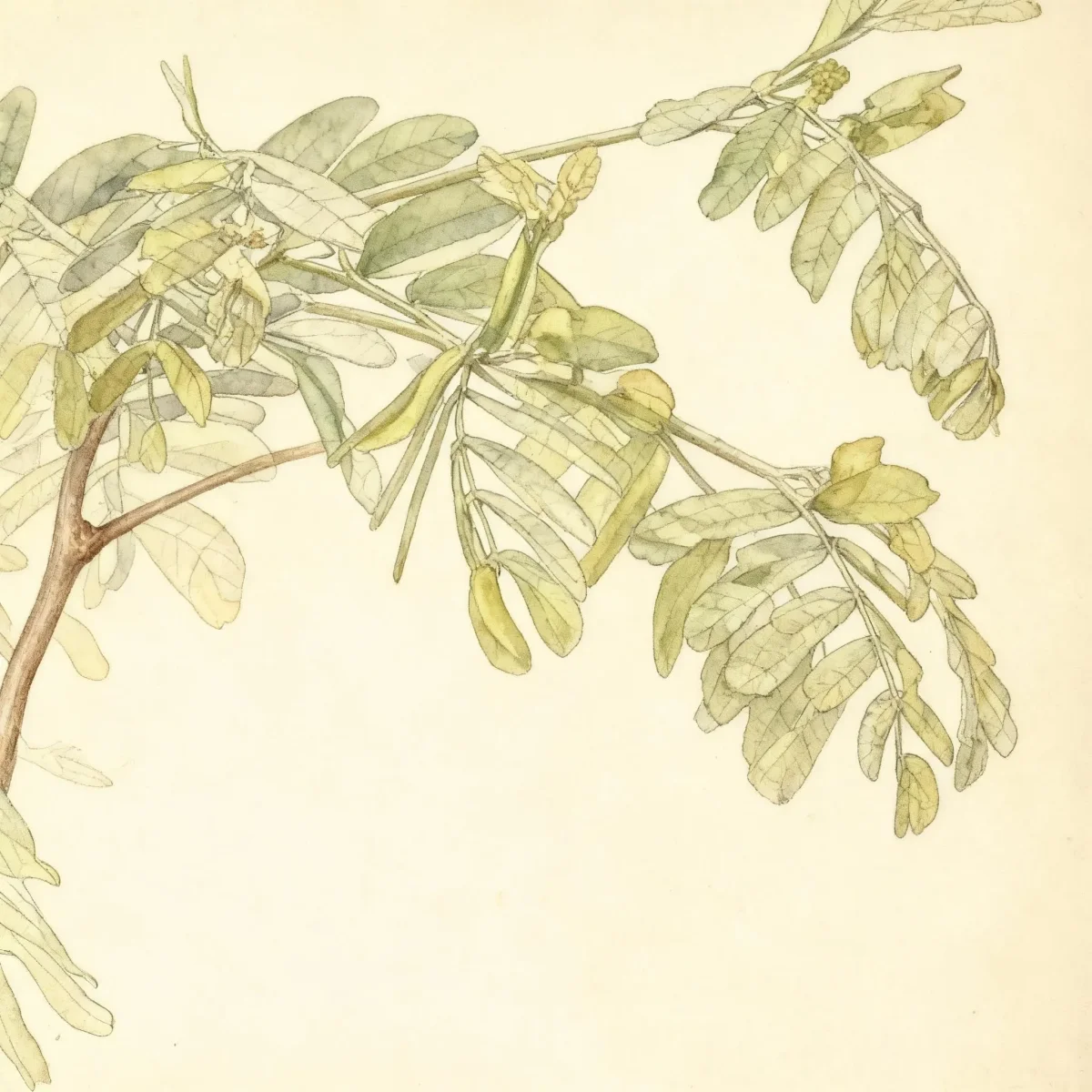
Guaiacum sanctum, commonly called lignum vitae (wood of life) or palo santo (holy wood), is a slow-growing, multi-stemmed, broadleaf evergreen tree or shrub native primarily to dry coastal areas in the Florida Keys, Bahamas, West Indies, Central American and northern South America. Ornamental features include shiny compound evergreen leaves, brown bark with gray patches, blue flowers, and ornamentally attractive seed pods; the wood itself is resinous, dense, heavy, and incredibly hard. Star-shaped, 5-petaled, blue flowers bloom on and off throughout the year, most frequently in early spring, and the fruit is a dehiscent orange capsule revealing seeds covered in bright red arils.
Tolerances
- Drought
Potential Problems
This species generally exhibits no serious insect or disease problems, which adds considerably to its low maintenance appeal in the landscape. Its primary vulnerabilities relate to cultural conditions rather than pests or pathogens, specifically poor drainage. Avoid planting Lignum vitae in heavy clay soils or areas where water pools, as excess moisture will quickly invite root issues that can compromise the tree’s health.
Frequently Asked Questions
What hardiness zones is Lignum vitae suitable for?
Guaiacum sanctum is reliably winter hardy in USDA Zones 10 and 11. Gardeners outside these zones should treat it as a container specimen that requires protection during cold snaps.
How large does Lignum vitae grow?
This evergreen typically matures to a compact size, ranging between 9 and 12 feet in both height and spread, though it can potentially grow taller over many decades.
What sun exposure does Lignum vitae need?
Lignum vitae thrives best with full sun but maintains good health when situated in areas receiving partial shade.
When does Lignum vitae bloom?
It is considered a seasonal bloomer, offering its striking, star-shaped blue flowers intermittently throughout the year, often peaking in early spring months.
Conclusion
The Lignum vitae, or Guaiacum sanctum, stands out as a superior choice for resilient, low-maintenance tropical aesthetics, boasting unique wood, attractive blue flowers, and excellent coastal tolerance. Recognizing the historical significance and endangered status of this wood of life is important while integrating it into modern landscapes. Before planting, confirm your soil provides the sharp drainage this rugged tree demands to ensure its long-term success.
Companion Planting
When situating Guaiacum sanctum in the landscape, focus on companions that share its love for heat, sun, and, most importantly, well-drained conditions. Plants that thrive in sandy or lean soils pair well, such as various species of native sea oats or low-growing succulents if the goal is a xeriscape look surrounding the tree’s base. Avoid moisture-loving groundcovers directly abutting the trunk, as this increases humidity and drainage risk near the root zone.
In a mixed border designed for coastal tolerance, consider pairing the evergreen foliage of Lignum vitae with salt-tolerant flowering shrubs like certain Hibiscus varieties or Sea Grape (Coccoloba uvifera). These robust partners complement the structural form of the Guaiacum sanctum while thriving under similar full-sun exposure, creating a unified, resilient planting scheme.
Seasonal Care Calendar
Spring preparation for Guaiacum sanctum is minimal; focus on cleaning up debris around the base after any minor winter stress fades, which might be negligible if you are in Zone 11. If growth seems sluggish after the bloom period in late spring, a light application of a balanced fertilizer formulated for slow-release use can support the plant through the summer heat.
Summer care centers entirely on water management. While drought tolerant, consistent medium watering prevents stress, especially during establishment periods. Ensure any irrigation delivers water deeply but infrequently, encouraging deep root growth rather than surface watering, which benefits the drainage needs of Lignum vitae.
Fall and Winter maintenance involves primarily observation. Since this plant is evergreen, it requires persistent inspection for browning leaves, which may signal underlying water issues rather than cold damage if temperatures remain mild. Protect any young or containerized specimens from potential frost events common to the low end of its hardiness range (Zone 10).