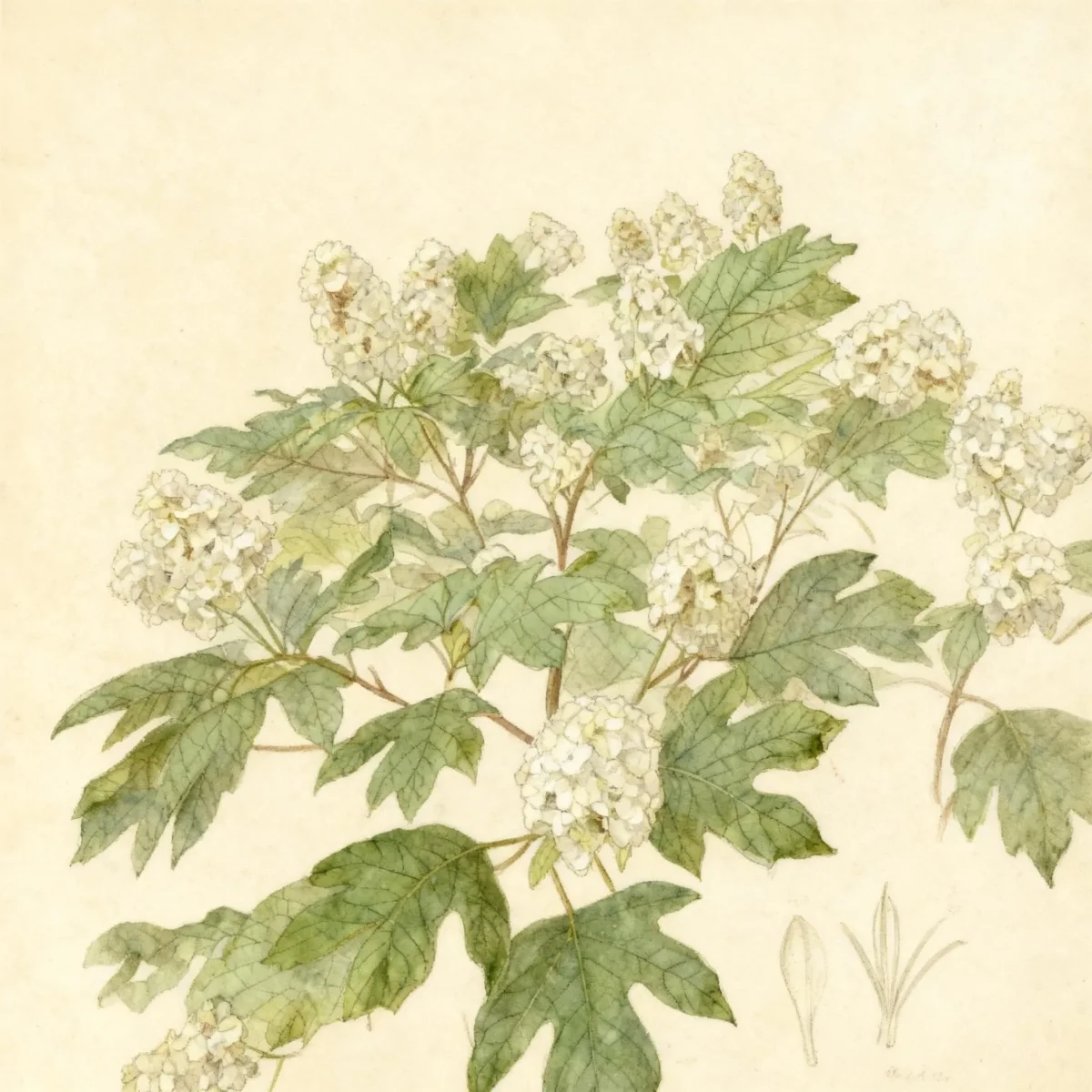
Hydrangea (Hydrangea heteromalla)
Discover Hydrangea heteromalla, a robust deciduous shrub from the Himalayas, featuring white summer blooms and low maintenance needs.
Scroll down to discover growing tips, care requirements, companion plants, and more
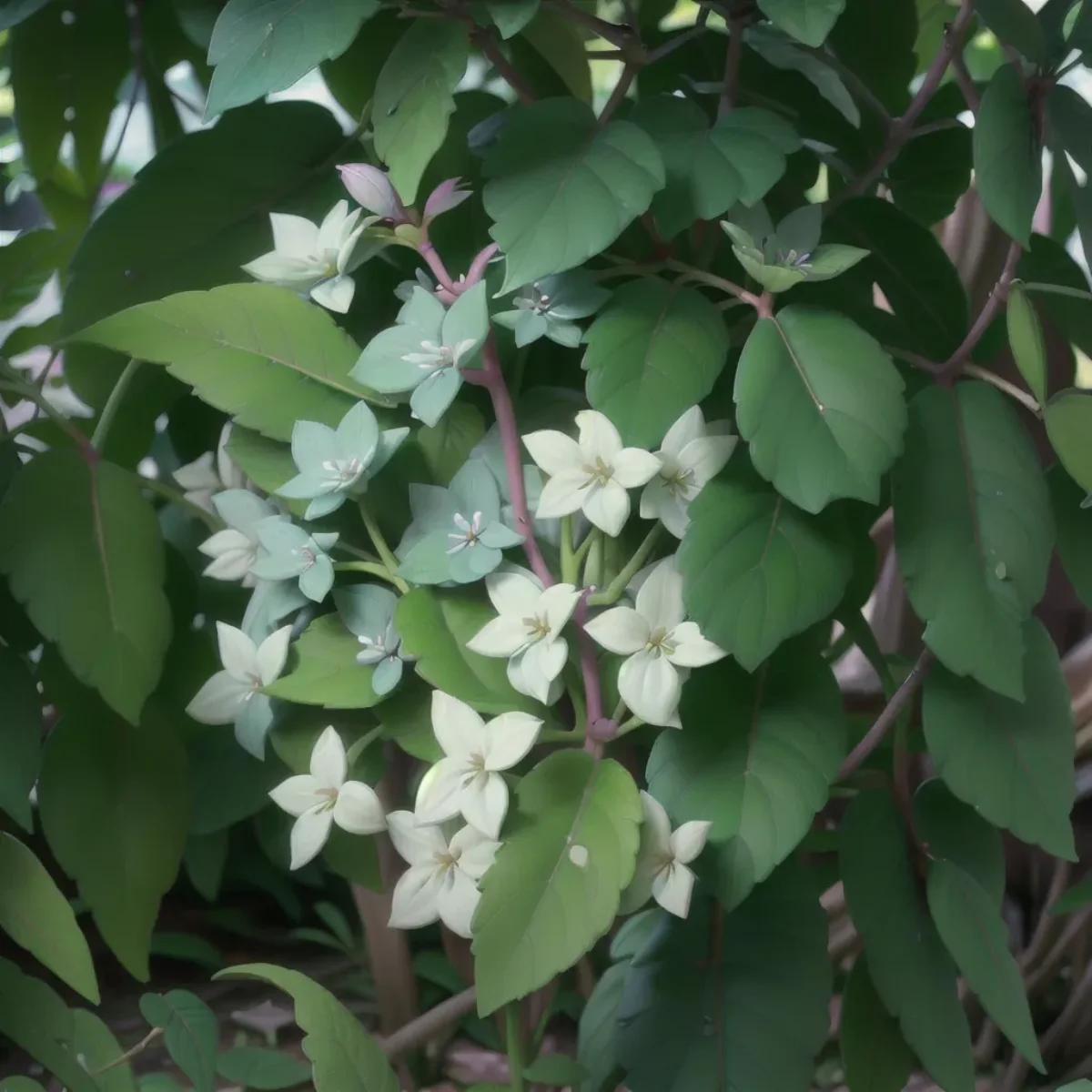
Complete Plant Information
Overview
The Hydrangea heteromalla, often recognized as the Woolly-leaved hydrangea, offers a beautiful yet resilient display for the garden. This upright deciduous shrub or small tree is native to the alpine forests and thickets of the Himalayas and China, bringing exotic structure to temperate landscapes. Gardeners value this particular Hydrangea species for its tolerance across a range of light conditions and its relatively unassuming maintenance requirements once established.
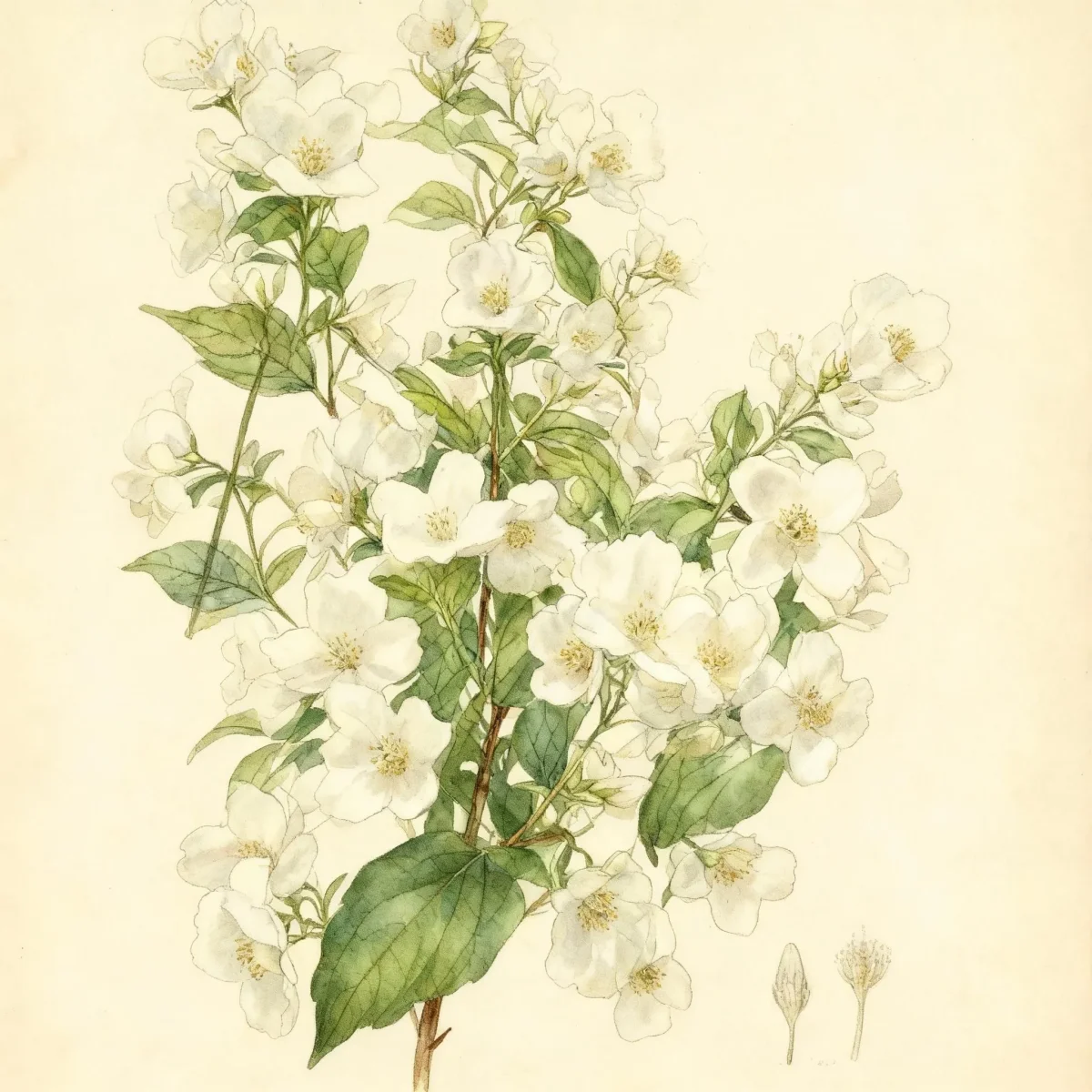
Distinguished by its vigorous growth habit, the Hydrangea typically reaches 8 to 15 feet tall in cultivation, offering substantial visual impact. It produces flat-topped corymbs of delicate white sterile flowers in late spring to early summer, providing a bright contrast against its deep green foliage. For those seeking reliable structure and late-season blooms, Hydrangea heteromalla is an excellent choice.
It proves surprisingly adaptable, thriving best when provided consistent moisture, though it establishes well in average garden soils. Its robust nature means fewer pest issues compared to some of its cousins, making the Hydrangea heteromalla a practical and rewarding specimen for the home landscape.
Fast Facts
- Plant Family: Hydrangeaceae
- Plant Type: Deciduous shrub
- Native Range: Himalayas, western and northern China
- Hardiness Zones: USDA Zones 5-7
- Size at Maturity:
- Height: 8-15 ft
- Spread: 8-15 ft
- Bloom Time: May to June
- Bloom Description: White sterile flowers
- Sun Exposure: Full sun to part shade
- Water Needs: Medium
- Maintenance Level: Low
How to Grow
Planting your Hydrangea heteromalla is best accomplished in the spring or fall, allowing the roots time to establish before extreme summer heat or winter freezes arrive. Ensure the chosen location offers average, medium-moisture, well-drained soil. While this Hydrangea tolerates partial shade, remember that full sun exposure is acceptable and even preferred, provided irrigation keeps the soil consistently moist.
During the growing season, maintain medium water needs by watering deeply whenever the top inch or two of soil begins to dry. Hydrangea heteromalla is intolerant of drought, and dry spells will cause the foliage to decline considerably, so consistent moisture is key to maintaining its lush appearance throughout the summer. Fertilizing is rarely necessary; standard balanced feeding in early spring should suffice if your soil quality is poor.
Pruning is generally minimal for this Hydrangea. Avoid heavy renovation unless significant shaping is required, as it blooms on old wood. Focus primarily on removing any dead, damaged, or diseased wood during the dormant season. In colder areas of its range, ensuring adequate soil moisture going into winter can help protect the buds.
Landscape Uses
While perhaps infrequently grown in American gardens compared to Mophead varieties, the Hydrangea heteromalla excels when used for creating substantial boundaries. Its mature size, reaching up to 15 feet tall and wide, makes it a superb candidate for developing informal hedges that offer structure through the growing season. It can anchor the back of a mixed border where its height can frame smaller shrubs and perennials.
Consider pairing this large Hydrangea with plants that share similar moisture and sun requirements, such as native ferns, robust hostas in shadier spots, or other large-scale deciduous shrubs like certain Viburnums. In larger estate gardens, planting several Hydrangea heteromalla specimens together can create an impressive screen or windbreak featuring masses of white blooms in early summer.
Standout Features
Flower Qualities
- Showy
Noteworthy Characteristics
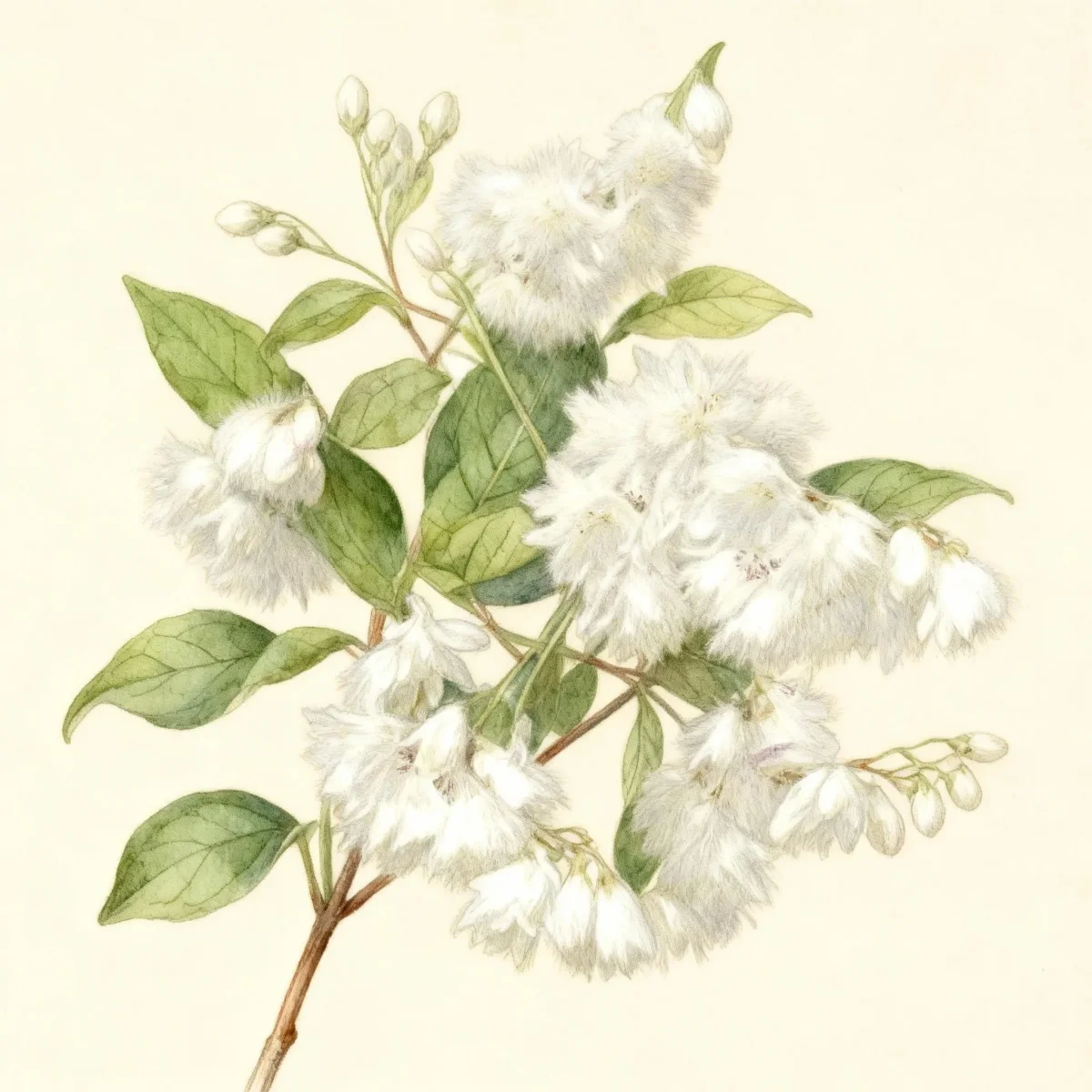
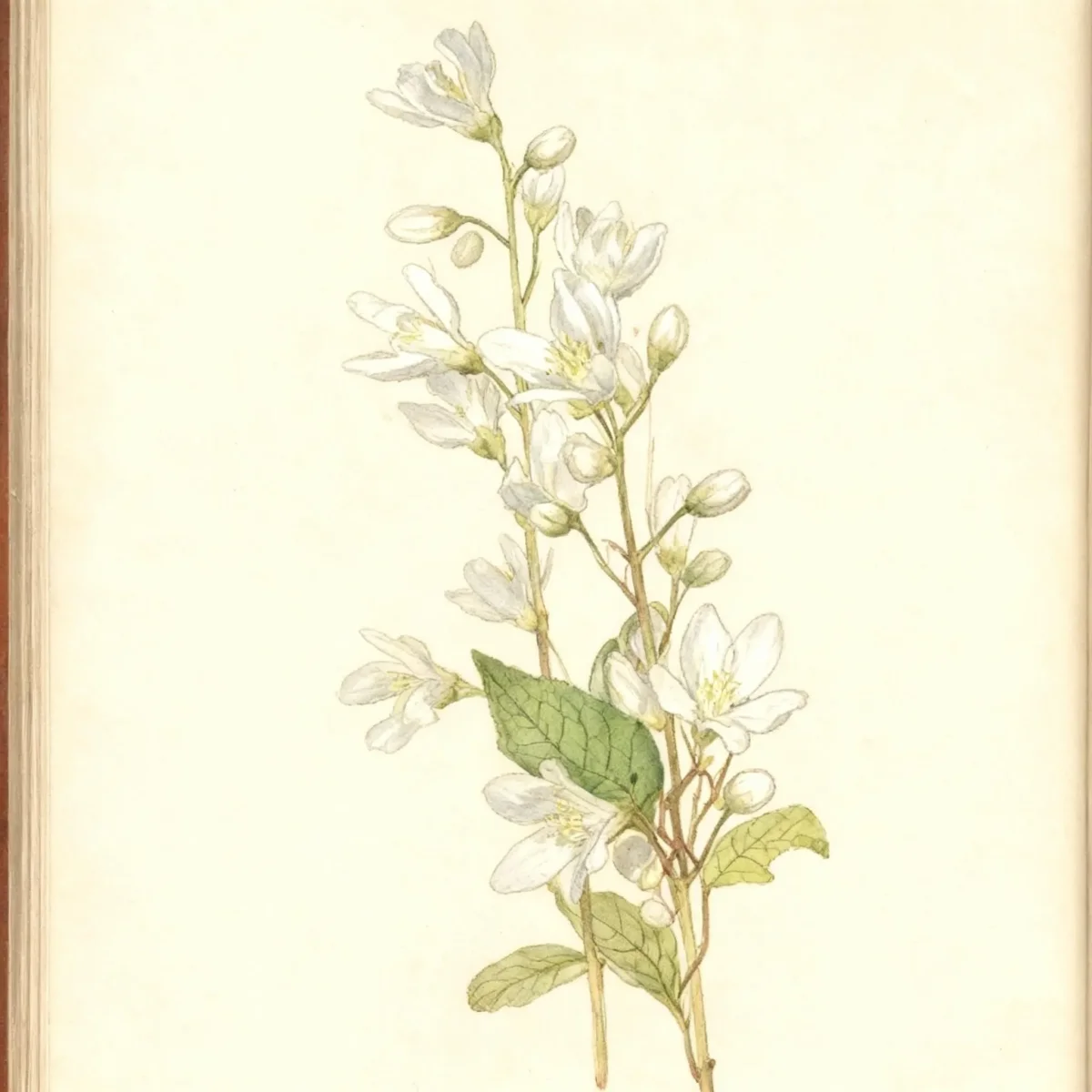
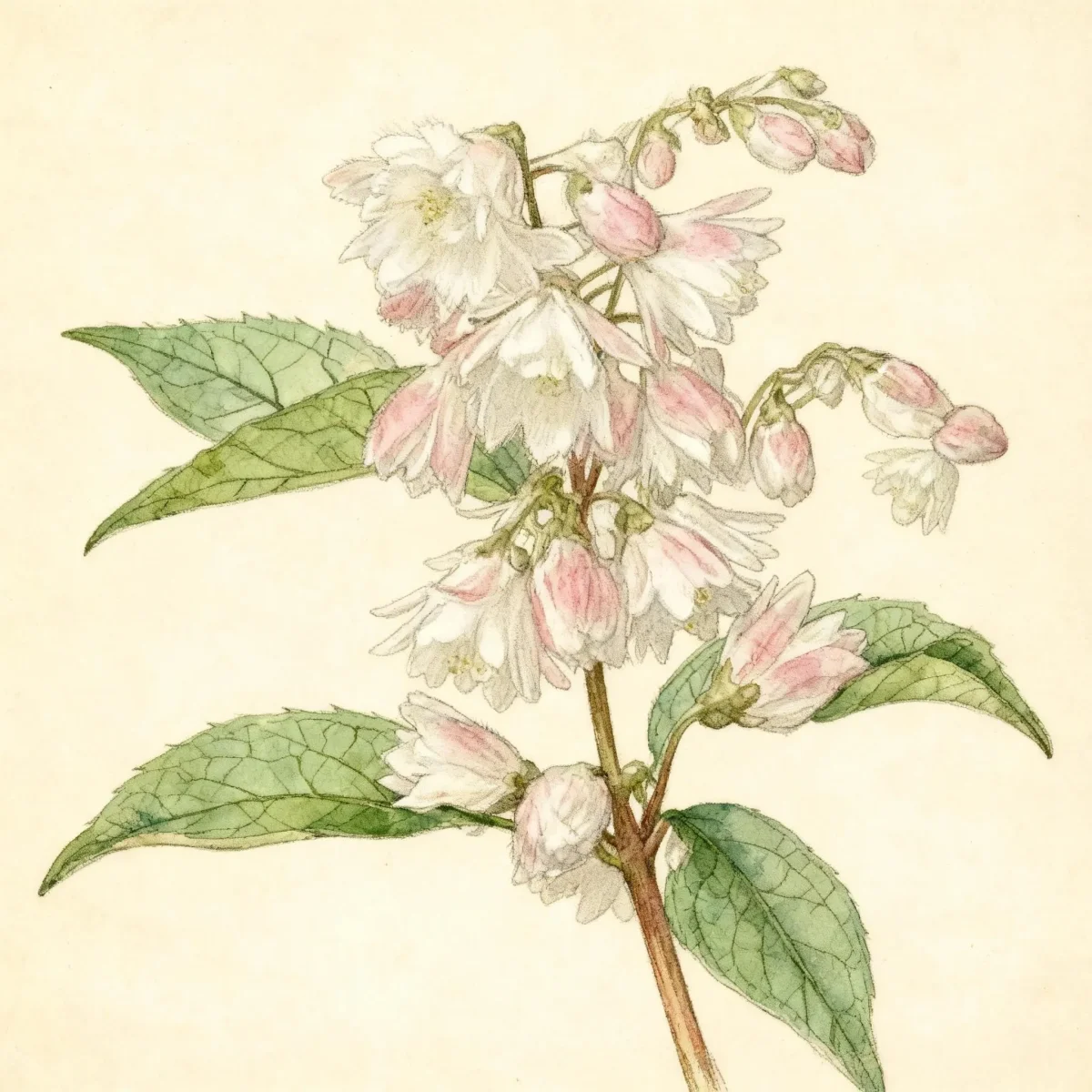
Hydrangea heteromalla, commonly known as woolly hydrangea, Himalayan hydrangea or Chinese hydrangea, is an upright deciduous shrub or small tree. It typically grows to 8-15’ tall in U.S. Gardens, but occasionally to as much as 30’ tall in the wild in its native habitat which consists primarily of alpine forests and thickets in the Himalayas and China. Young branchlets are hairy, and the ovate leaves feature showy red petioles. Flowers blanket the shrub in late spring to early summer in broad, flat-topped corymbs, showcasing a few eye-catching white sterile flowers surrounding numerous fertile florets.
Tolerances
No specific tolerances listed in the primary data fields.
Potential Problems
This Hydrangea generally avoids serious insect or disease issues, offering a notable advantage over more susceptible species. However, like many members of the genus, Hydrangea heteromalla is susceptible to fungal issues such as bud blight, leaf spots, rust, and powdery mildew, especially in overly humid or crowded conditions. Watch carefully for common pests like aphids, mites, and scale insects, especially when the plant is stressed by dryness. Good air circulation and avoiding overhead watering late in the day can mitigate common fungal concerns.
Frequently Asked Questions
What hardiness zones is Hydrangea suitable for?
The Woolly-leaved hydrangea, Hydrangea heteromalla, is reliably hardy in USDA Zones 5 through 7.
How large does Hydrangea heteromalla grow?
This shrub typically matures to a height of 8 to 15 feet and spreads between 8 and 15 feet wide, sometimes reaching larger sizes in its native habitat.
What sun exposure does Hydrangea need?
This Hydrangea performs well in full sun, provided the soil remains consistently moist, but it adapts easily to part shade conditions.
When does Hydrangea heteromalla bloom?
The characteristic blooms of this plant appear from May through June, displaying flat-topped clusters featuring white sterile flowers.
Conclusion
The Hydrangea heteromalla provides gardeners with a large, stately deciduous shrub offering low maintenance and dependable summer interest. Its stature and resilience make it a standout choice where larger specimens are desired. Before planting, confirm your local hardiness zone aligns within USDA 5-7 and ensure you can meet its need for consistently medium moisture.
Companion Planting
When designing a grouping featuring Hydrangea heteromalla, focus on plants compatible with its medium water requirements and preference for well-drained soil. Underplanting with shade-tolerant groundcovers like Pachysandra or Vinca minor works well, especially if the Hydrangea receives afternoon shade. Taller, structurally interesting companions like tall ornamental grasses (e.g., Miscanthus varieties) or larger evergreen shrubs can provide year-round contrast to the deciduous nature of the Hydrangea.
Seasonal Care Calendar
Spring is the ideal time to apply a slow-release fertilizer if needed and check branches for any winter damage, pruning out any dead wood promptly. Summer care revolves entirely around watering; monitor soil moisture closely, especially in full sun, as drought stress rapidly degrades foliage appearance. In autumn, allow foliage to age naturally; avoid heavy pruning until dormancy sets in, preparing the branches for the next growing season.