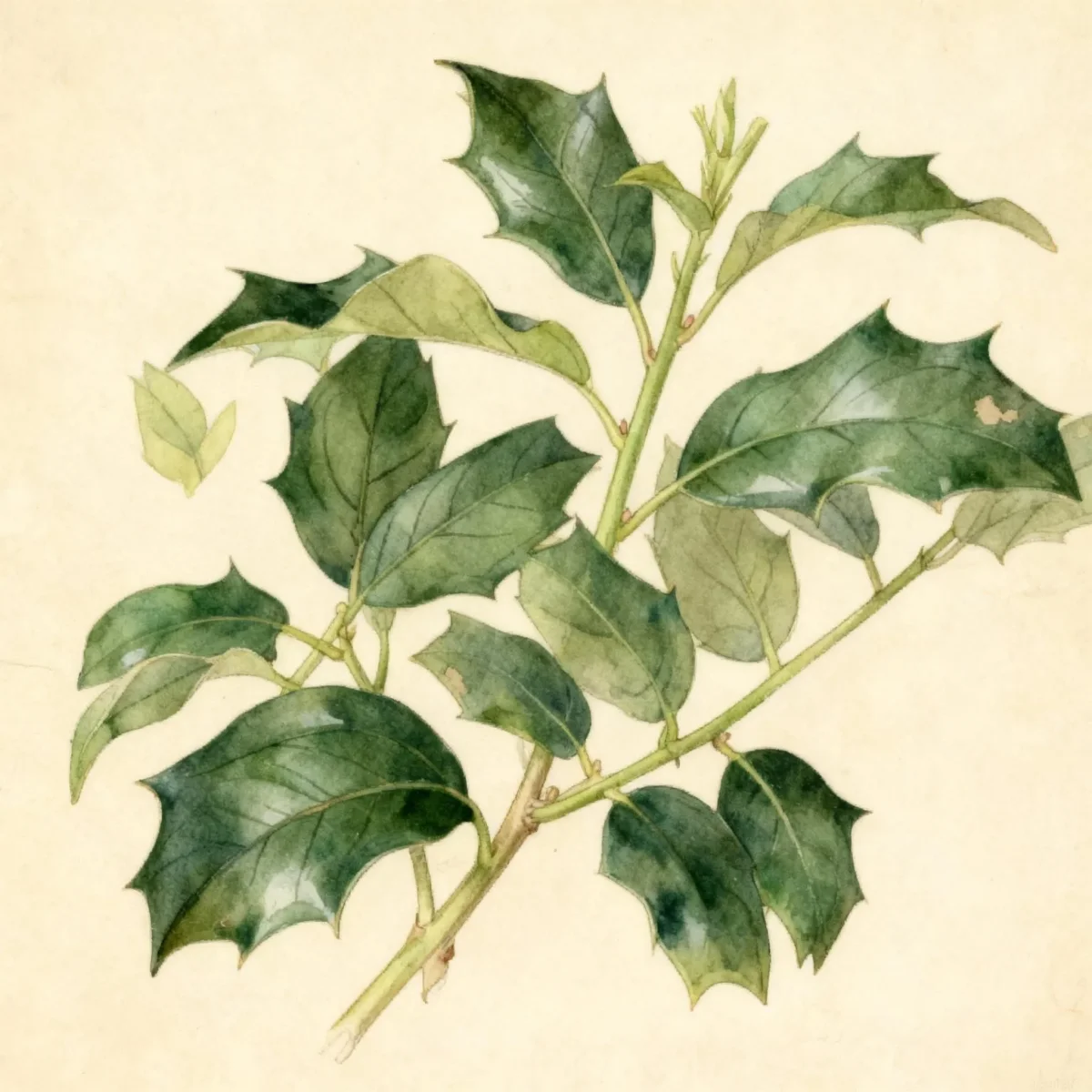
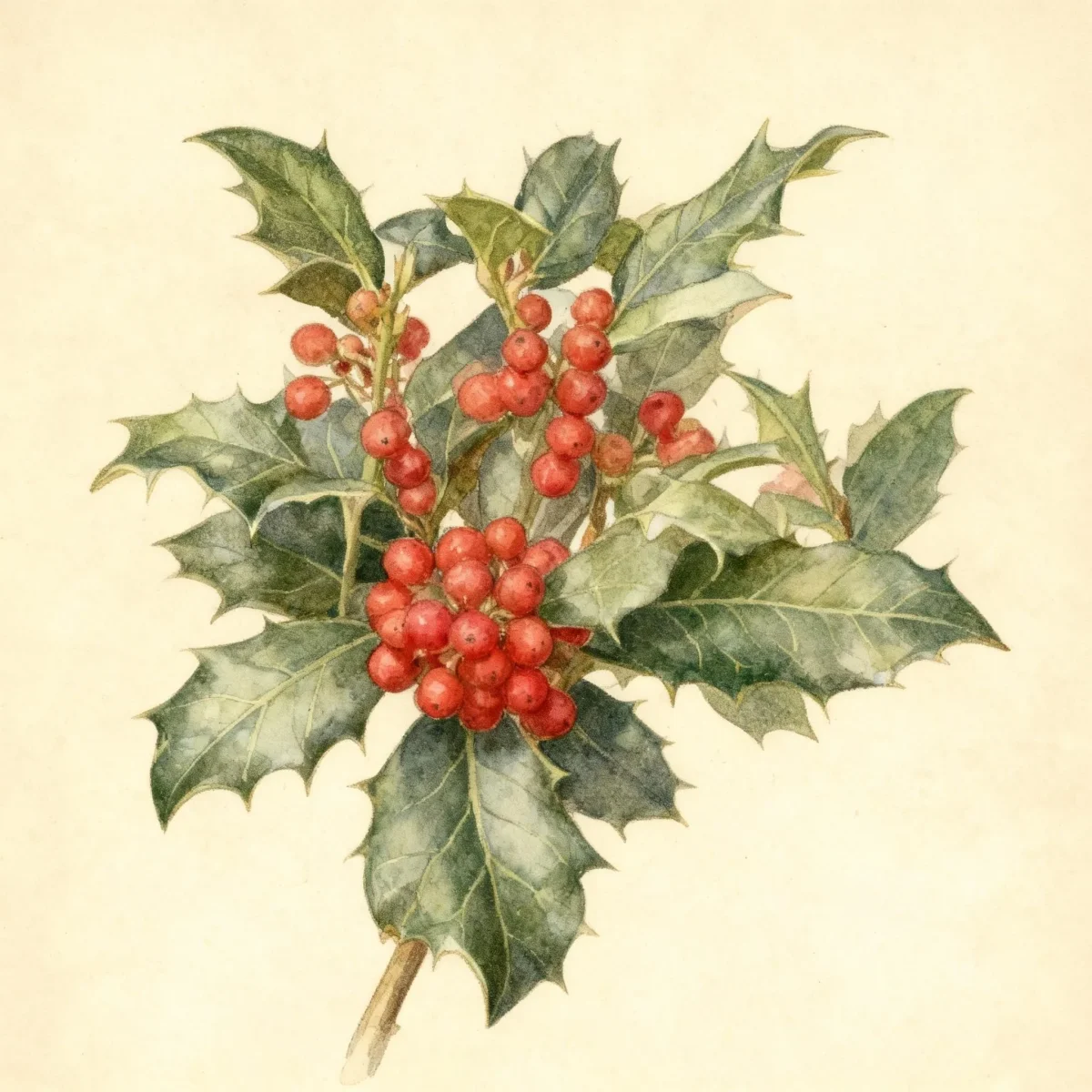
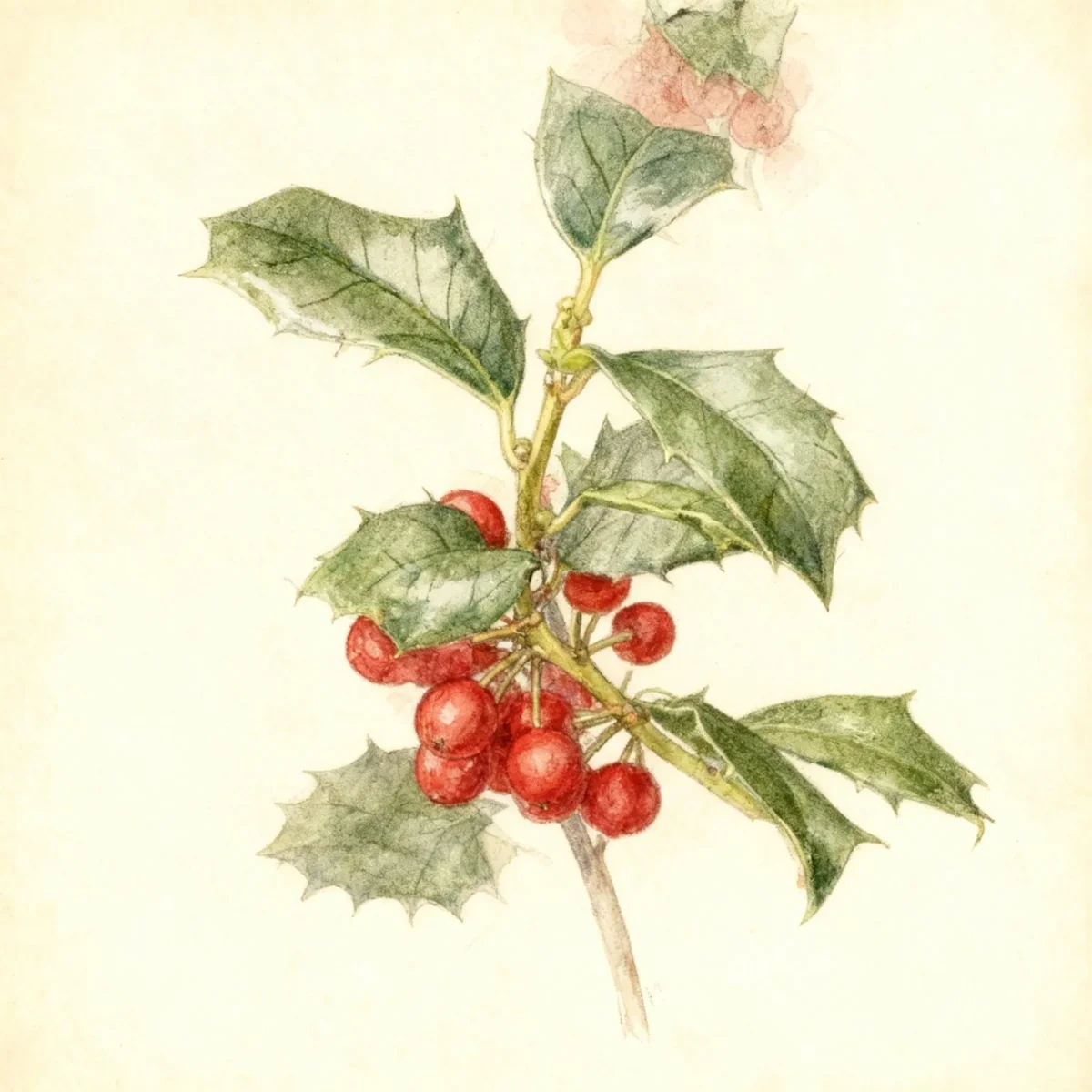
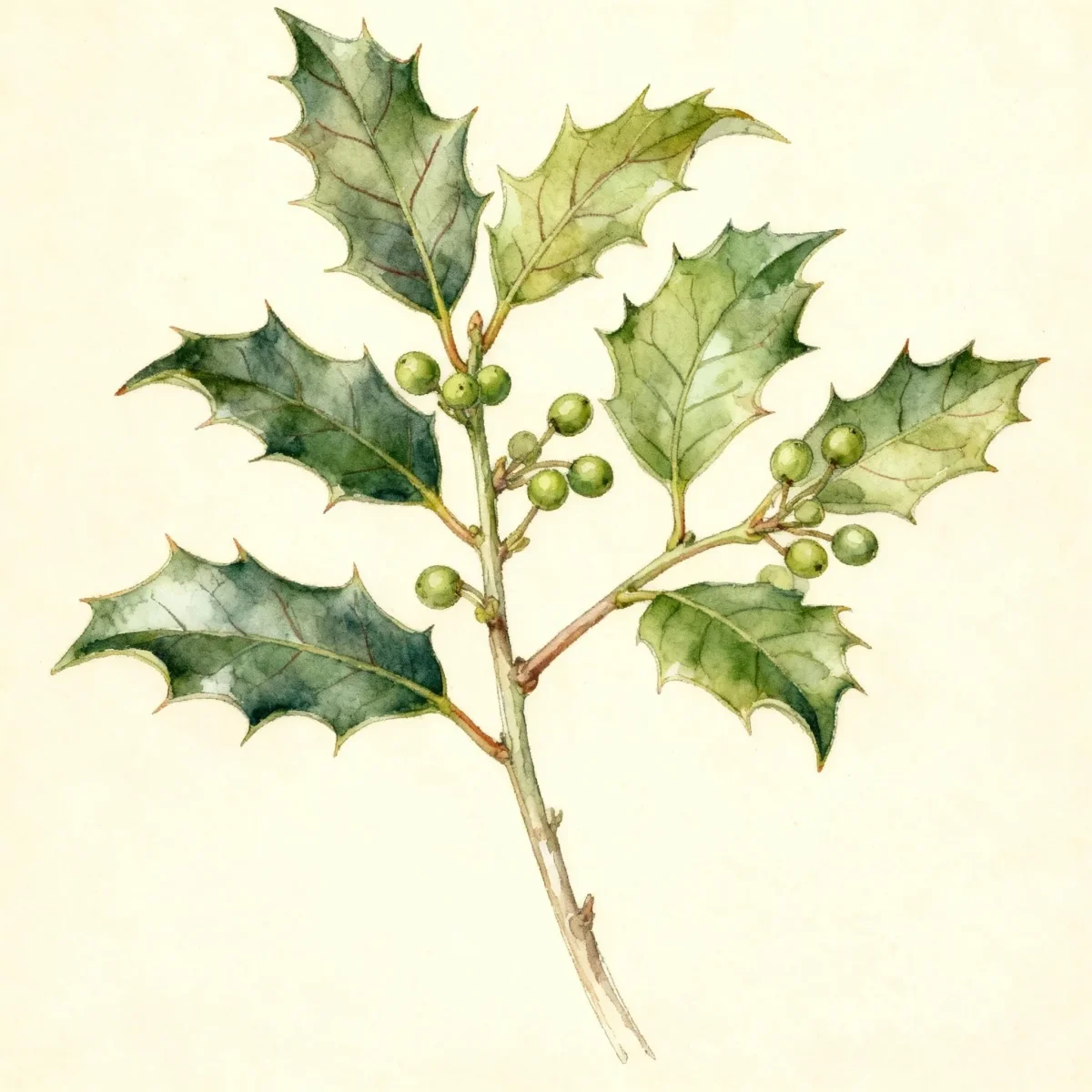
Longstalk holly (Ilex pedunculosa)
Longstalk holly (Ilex pedunculosa) is a low-maintenance evergreen offering unique red berries on long stalks (peduncles).
Scroll down to discover growing tips, care requirements, companion plants, and more
Complete Plant Information
Overview
The Longstalk holly, Ilex pedunculosa, is a highly desirable broadleaf evergreen shrub or small tree noted primarily for its unique autumnal display. Unlike many hollies, the distinguishing feature of this Asian native is the scarlet red berries that dangle attractively on exceptionally long stalks (peduncles), giving rise to its common name. This species provides excellent year-round structure, maintaining glossy green foliage even through colder periods in its suitable zones.
Ilex pedunculosa offers a beautiful, architectural presence in the landscape and is surprisingly easy to care for once established. It thrives in average conditions, requiring only medium water and minimal intervention, making it an excellent choice for gardeners seeking impactful screening or specimen planting without high upkeep demands. Its structure fits well into both formal and informal settings where evergreen interest is paramount.
A crucial consideration for growing this plant is its dioecious nature, meaning male and female flowers appear on separate plants. Gardeners must plant both sexes nearby if they desire the prized, showy red fruit that appears in autumn. The overall appearance of Ilex pedunculosa offers refinement and seasonal interest, particularly when its red fruits contrast against the deep green leaves.
Fast Facts
- Plant Family: Aquifoliaceae
- Plant Type: Broadleaf evergreen
- Native Range: Japan, China, Taiwan
- Hardiness Zones: USDA Zones 5-8
- Size at Maturity:
- Height: 10-20 ft
- Spread: 10-15 ft
- Bloom Time: June
- Bloom Description: Greenish white
- Sun Exposure: Full sun to part shade
- Water Needs: Medium
- Maintenance Level: Low
How to Grow
Plant Ilex pedunculosa during the cooler seasons—spring or fall—to reduce transplant shock, ensuring it is situated in a location that receives full sun to light part shade. This adaptable evergreen performs best in average, well-drained soil; avoid areas where water pools, as poor drainage can compromise root health. Ensure the site is protected from brutally cold or drying winter winds, which can sometimes cause foliage to develop a yellowish tinge.
Watering requirements are medium; keep the soil consistently moist, especially during the first growing season, until the Longstalk holly is fully established. Fertilization is rarely necessary if the native soil is adequate, aligning with its low maintenance profile. Pruning should be avoided unless shaping is required, as Ilex pedunculosa naturally develops a pleasing, though sometimes informal, shape.
The most critical cultural note involves pollination. Since this species is dioecious, female plants require a nearby male pollinator (planted within 200 feet) to set the attractive red berries. Gardeners aiming for fruit production should plan to plant approximately one male for every three female plants to ensure good fruit set and a reliable autumn display.
Landscape Uses
The Longstalk holly is versatile enough to serve as a standalone specimen plant, allowing its multi-trunked structure and eventual height to create vertical interest. It also excels when planted in small groupings, providing a substantial screen or background element due to its dense, evergreen foliage. The low maintenance aspect makes it invaluable for planting beds requiring seasonal visual anchors.
For those needing functional screening, Ilex pedunculosa functions effectively as a large, informal hedge. While it doesn’t tolerate harsh shearing found in formal hedges, its natural upright habit creates a soft, continuous visual barrier. Consider pairing it with contrasting textures, such as fine-textured deciduous grasses or low-growing, brightly colored perennials that complement the dark green foliage during the growing season.
Standout Features
Flower Qualities
- Insignificant
Fruit Qualities
- Showy
Noteworthy Characteristics
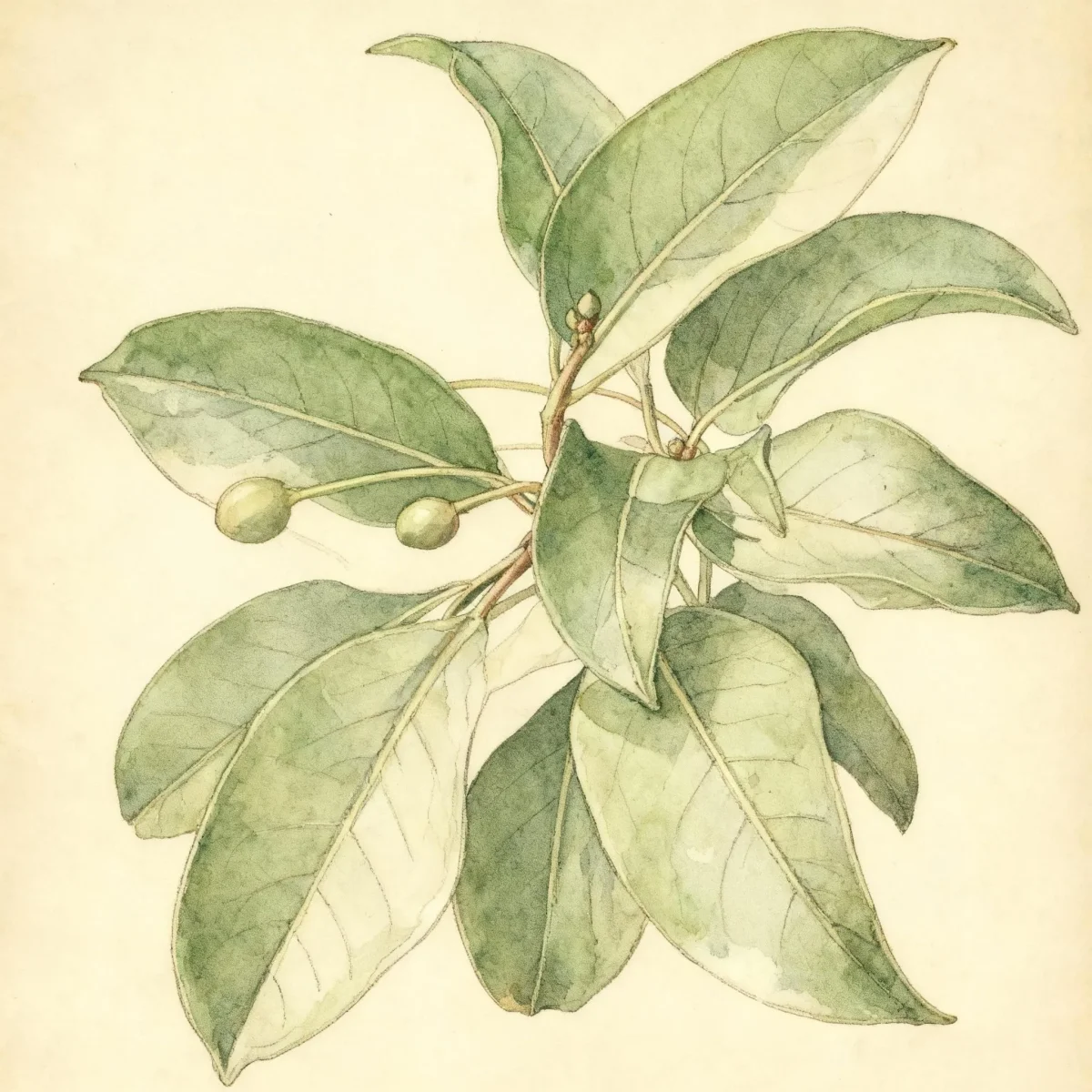
Ilex pedunculosa is a broadleaved, evergreen shrub or small multi-trunked tree which typically grows to 15’ tall (infrequently to 30’). Its leaves are narrow, entire (untoothed), pear-like, and glossy green, measuring 1-3” long; foliage may acquire a yellowish tinge in harsh winters. The primary ornamental feature is the 1/4” diameter red berries, which persist into late autumn or early winter, dangling conspicuously on their long stalks, which lend the species its name. Birds are highly attracted to the fruit display provided by the Longstalk holly.
Tolerances
- Air Pollution
Potential Problems
The Longstalk holly is generally regarded as being quite robust in garden settings. It suffers from no serious insect or disease problems, contributing significantly to its low maintenance rating. Vigilance in ensuring sharp drainage remains the best preventative measure against cultural stresses. Avoid overly tight planting where air circulation is poor, which can occasionally encourage minor fungal issues on any evergreen.
Frequently Asked Questions
What hardiness zones is Longstalk holly (Ilex pedunculosa) suitable for?
Ilex pedunculosa thrives in USDA Hardiness Zones 5 through 8.
How large does Longstalk holly grow?
This species typically reaches a height between 10 to 20 feet, with a comparable spread of 10 to 15 feet at maturity.
What sun exposure does Ilex pedunculosa need?
This plant performs well across a broad range, needing anywhere from full sun down to partial shade conditions.
When does Ilex pedunculosa bloom?
Blooming occurs in June, producing inconspicuous greenish white flowers that precede the notable fruit display.
Conclusion
The Longstalk holly, Ilex pedunculosa, brings dependable evergreen structure and a unique, dangling red berry display to the temperate garden with minimal effort required from the grower. Its low maintenance needs and adaptability to various light levels make it a practical choice for substantial landscape features. Before planting, confirm your local zone compatibility and ensure you have both male and female specimens planned if you wish to capitalize on the showy fruit of this excellent holly.
Wildlife Benefits
The fruit of the Longstalk holly provides a valuable late-season food source for local bird populations. While the flowers themselves are inconspicuous, they still offer minor foraging opportunities early in the season before the main summer bloom period. Planting this species contributes to avian diversity in the garden, particularly benefiting species that rely on persistent berries throughout winter months.
Companion Planting
Because Ilex pedunculosa prefers medium moisture and well-drained soil with protection from extreme winter winds, excellent companions include other Japanese or Chinese woodland natives that share similar cultural needs. Consider pairing it with Hosta cultivars, which appreciate partial shade and offer contrasting foliage textures during the summer months. For early spring color near the base, early blooming Epimedium or Helleborus varieties work well as groundcovers beneath the canopy of the shrub.