Spur leaf (Tetracentron sinense)
Tetracentron sinense (Spur leaf) is a rare, deciduous tree from Asia, valued for its unique foliage and attractive fall color.
Scroll down to discover growing tips, care requirements, companion plants, and more
Complete Plant Information
Overview
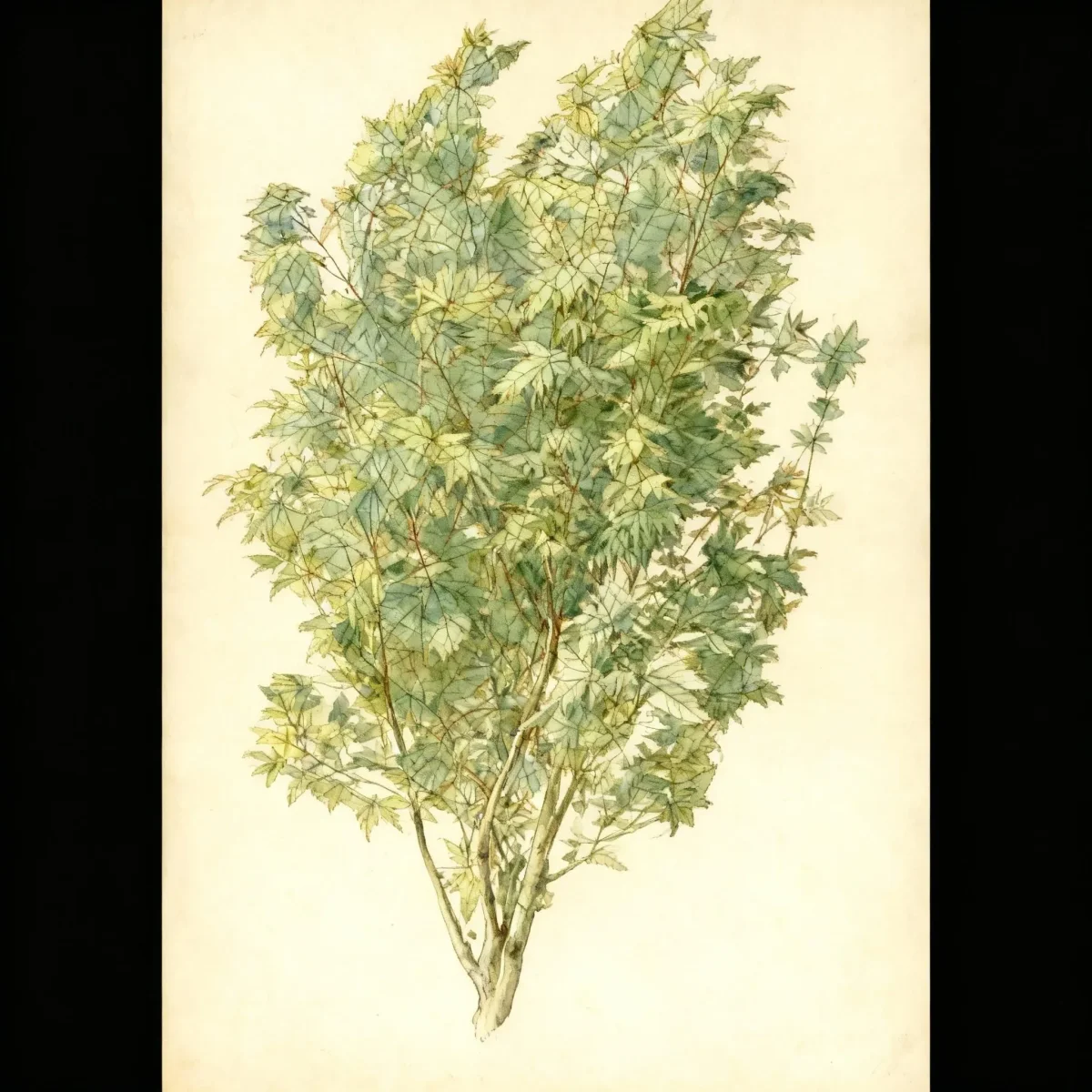
The Spur leaf, scientifically known as Tetracentron sinense, stands out as a fascinating—though rarely seen—specimen for specialized collections. This medium-sized deciduous tree offers a broad-rounded crown supported by gracefully arching branches, providing excellent year-round structure. Gardeners appreciate its unique foliage, which emerges tinted with red in spring, matures to a deep green, and finishes with striking red hues in autumn.
Tetracentron sinense is primarily cultivated for its aesthetic form and distinctive leaf texture, featuring 5-7 palmate veins and serrated margins. While its flowers are inconspicuous, the overall silhouette of this tree makes it a remarkable focal point in the landscape. It requires moderate care and attention to its specific environmental needs to thrive outside its native East Asian habitat.
This species is important ecologically and historically, noted for being native to moist slopes and stream margins in China and surrounding regions. Due to its rarity and difficulty in nursery propagation, successfully establishing a healthy stand of Spur leaf is a rewarding task for the dedicated horticulturist.
Fast Facts
- Plant Family: Trochodendraceae
- Plant Type: Tree
- Native Range: Central and eastern Asia
- Hardiness Zones: USDA Zones 6-7
- Size at Maturity:
- Height: 30-40 ft
- Spread: 20-30 ft
- Bloom Time: June to July
- Bloom Description: Yellowish-green
- Sun Exposure: Full sun to part shade
- Water Needs: Medium
- Maintenance Level: Medium
How to Grow
Planting your Tetracentron sinense should ideally occur in the spring or fall when temperatures are moderate, allowing the tree to establish roots before facing extreme summer heat or winter cold. This tree demands medium moisture and excellent drainage; heavy, sodden soils are detrimental to its root system. Locate your Spur leaf where it receives full sun exposure for the best seasonal color, though it tolerates light shade well.
Ongoing care centers on consistent moisture management. Ensure the soil remains evenly moist, especially during dry spells, but never waterlogged. Fertilization is generally unnecessary if the tree is planted in rich, well-drained loam, as excessive feeding can encourage weak growth. Pruning should be minimal, focusing mainly on removing crossing or damaged limbs to maintain the natural, broad-rounded habit of the Tetracentron sinense.
Take care when siting this species, particularly in warmer climates. While hardy to Zones 6 and 7, Tetracentron sinense shows intolerance to the high heat and humidity prevalent in USDA Zones 8 and 9, making the Pacific Northwest a more optimal growing environment for this unusual tree. Protect young specimens from harsh winter winds until they are fully established.
Landscape Uses
The primary value of this rare species lies in its excellent form and highly textural foliage, making it a specimen tree rather than a screening hedge. Because the Spur leaf is difficult to obtain in commerce, its presence acts as a major talking point in any cultivated garden design. It excels when planted as a stand-alone feature against a contrasting backdrop, allowing its graceful, arching branches and distinct seasonal leaf changes to be fully appreciated.
Consider pairing Tetracentron sinense with plants that enjoy similar dappled light and moist soil conditions, such as large woodland ferns or fine-textured evergreens that will highlight the heart-shaped leaves. Due to its history and unique wood structure (lacking modern water-conducting vessels), site it where it can be observed closely, perhaps near a path or contemplative seating area where gardeners can note its slow, deliberate growth.
Standout Features
Flower Qualities
- Insignificant
Noteworthy Characteristics
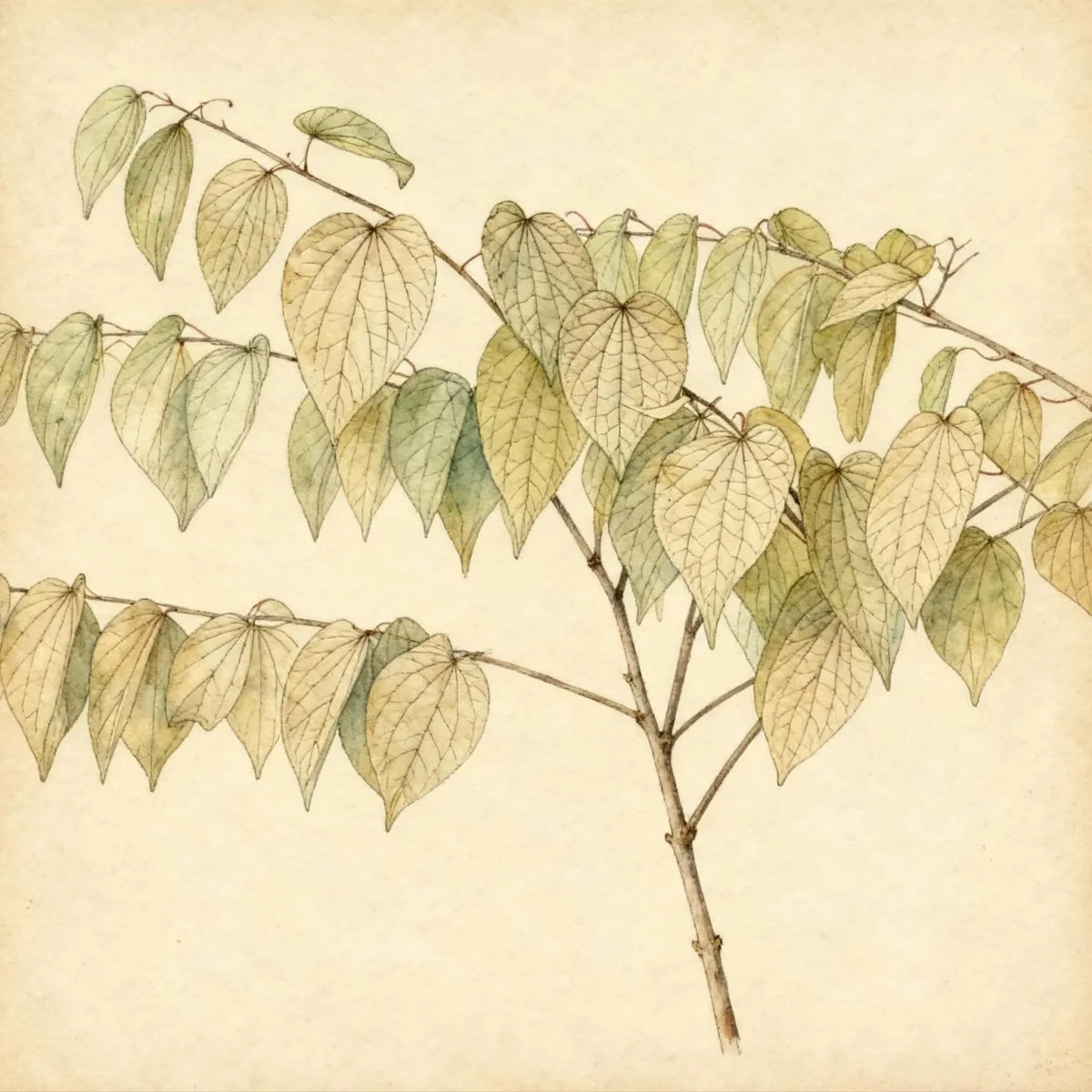
Tetracentron sinense, commonly called tetracentron (no generally accepted common name), is a medium-sized deciduous tree with a broad-rounded crown that features gracefully arching branches clad with alternate, acuminate (pointed), heart-shaped (rarely truncate-rounded) leaves (to 3-5” long) with rugose surfaces, 5-7 palmate veins and serrated margins. Leaves emerge with red tints in spring, mature to dark green in summer and turn attractive red in fall, setting it apart visually. The genus name refers to the four projections on the fruit, a defining feature of the Tetracentron sinense.
Tolerances
Potential Problems
Fortunately, Tetracentron sinense is known for being largely free of serious pest or disease issues, which simplifies the maintenance level required. This longevity and resistance make it an attractive, low-stress choice provided its cultural needs for moist, well-drained soil are met. Gardeners should focus on preventing cultural issues, such as compacted soil or standing water, rather than managing specific insect infestations.
Frequently Asked Questions
What hardiness zones is Spur leaf suitable for?
Tetracentron sinense is winter hardy to USDA Zones 6 through 7, requiring protection or alternative sites outside this range, especially when dealing with hot summers.
How large does Spur leaf grow?
In cultivation, this tree typically reaches a height of 30 to 40 feet, with a moderate spread between 20 and 30 feet, creating a broad-rounded profile.
What sun exposure does Spur leaf need?
It performs best when given a planting site featuring full sun to light shade, though slightly more shade is often beneficial in hotter locations.
When does Spur leaf bloom?
The yellowish-green, apetalous flowers of Tetracentron sinense appear in slender pendulous spikes during the early summer months, specifically from June to July.
Conclusion
The Tetracentron sinense, or Spur leaf, offers exceptional aesthetic value through its unique leaf texture and reliable, attractive fall coloration, making it a treasure for the specialized gardener. Despite its rarity and mild cultural restrictions regarding high heat, its excellent form compensates for its low number of decorative blooms. Before planting, confirm your location falls within USDA Zones 6-7 and ensure you can provide the necessary well-drained, consistently moist medium Spur leaf requires.
Companion Planting
Choosing companions that appreciate similar moist, loamy soils will benefit your Tetracentron sinense. Consider planting groupings of large-leafed hostas or Japanese forest grass (Hakonechloa macra) beneath the canopy to accentuate the texture of the Spur leaf foliage during the summer months. If your site receives partial afternoon shade, woodland perennials like Hellebores or certain species of Trillium can share the space while respecting the tree’s need for good drainage.
Propagation Tips
Acquiring this rare tree can be challenging, often requiring propagation from cuttings or seed if direct purchase is not possible. Successful propagation of Tetracentron sinense often relies on taking semi-hardwood cuttings, which should be treated with rooting hormone and placed under ideal misting conditions to encourage root development. While seed is an option, germination rates can be inconsistent, and the resulting juvenile Spur leaf plants will require several seasons before achieving any significant landscape presence.