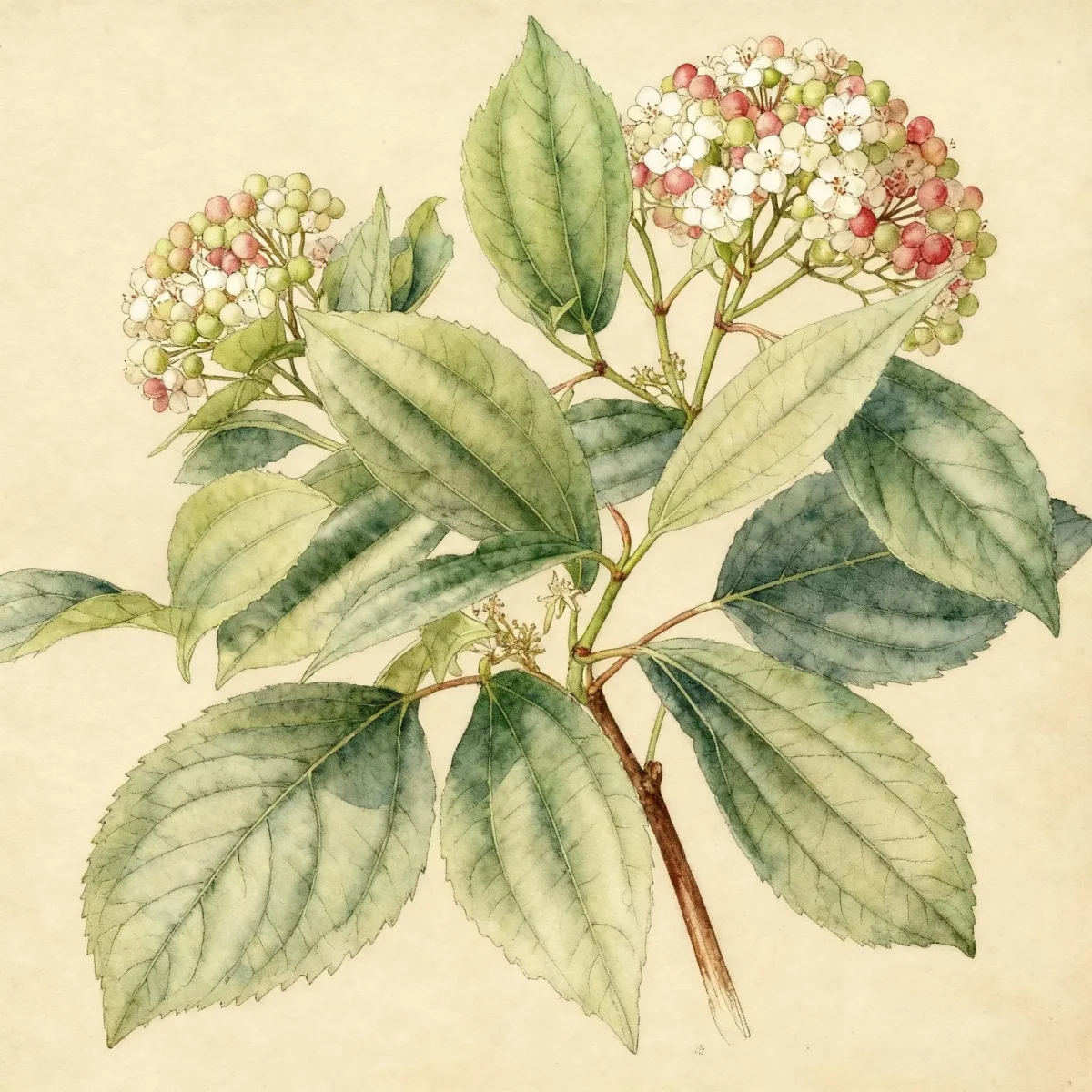
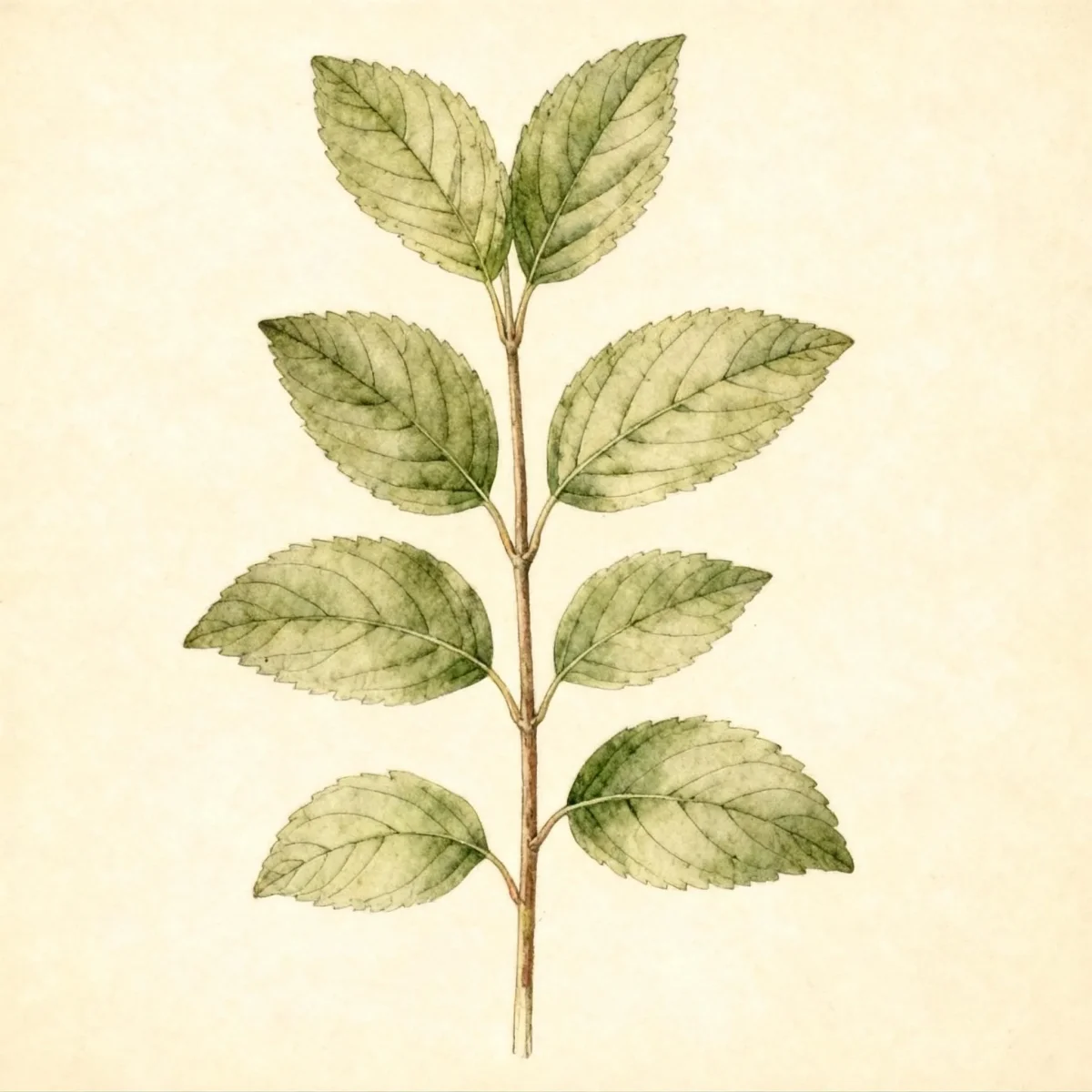
Japanese viburnum (Viburnum japonicum)
Viburnum japonicum, or Japanese viburnum, is a low-maintenance, glossy, evergreen shrub blooming May-June.
Scroll down to discover growing tips, care requirements, companion plants, and more
Complete Plant Information
Overview
The Japanese viburnum (Viburnum japonicum) is a highly valued broadleaf evergreen shrub prized for its dense, rounded habit and attractive foliage. Native to Eastern Asia, this plant offers year-round interest, making it a stable addition to many landscapes. Gardeners appreciate how reliably Viburnum japonicum performs in diverse settings with minimal intervention.
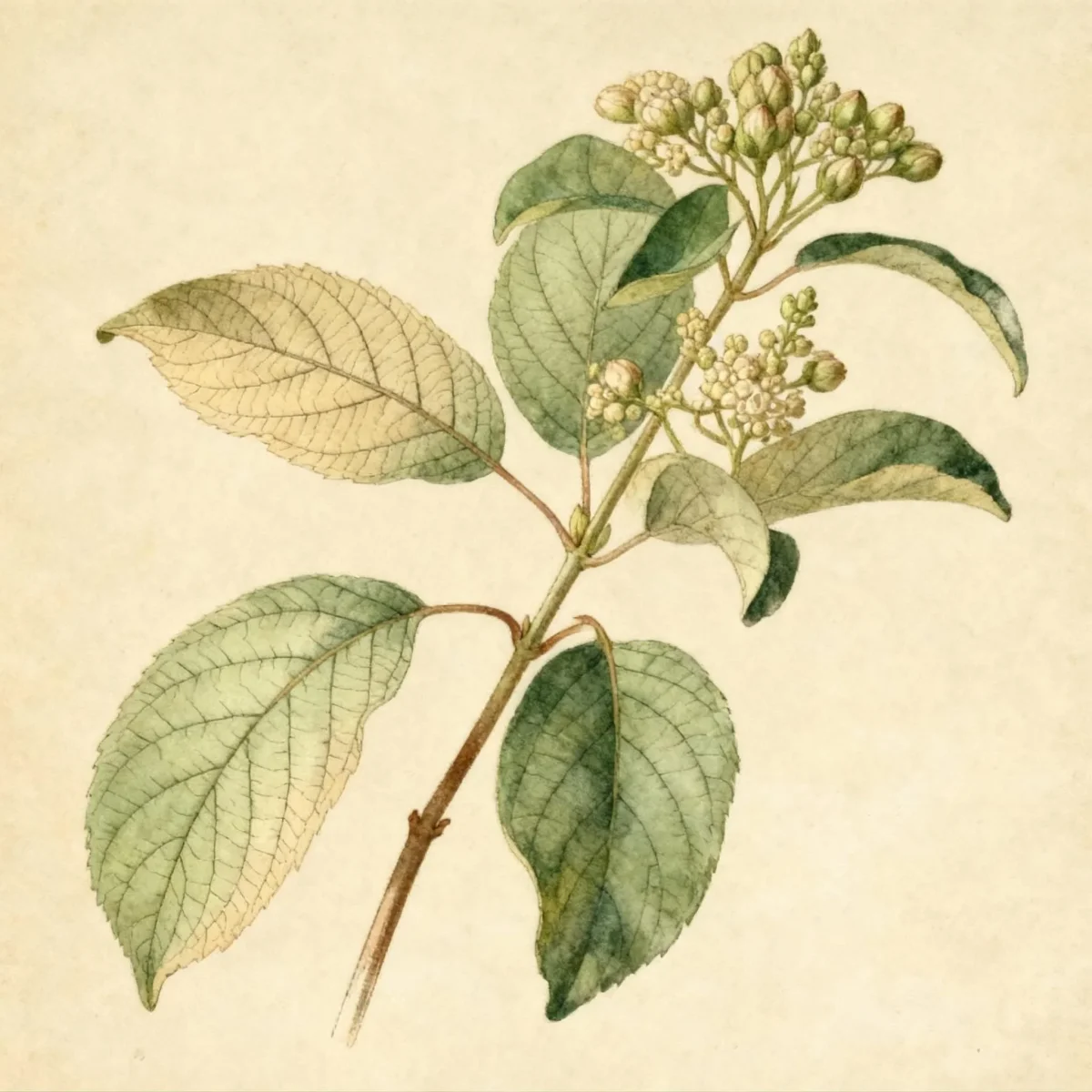
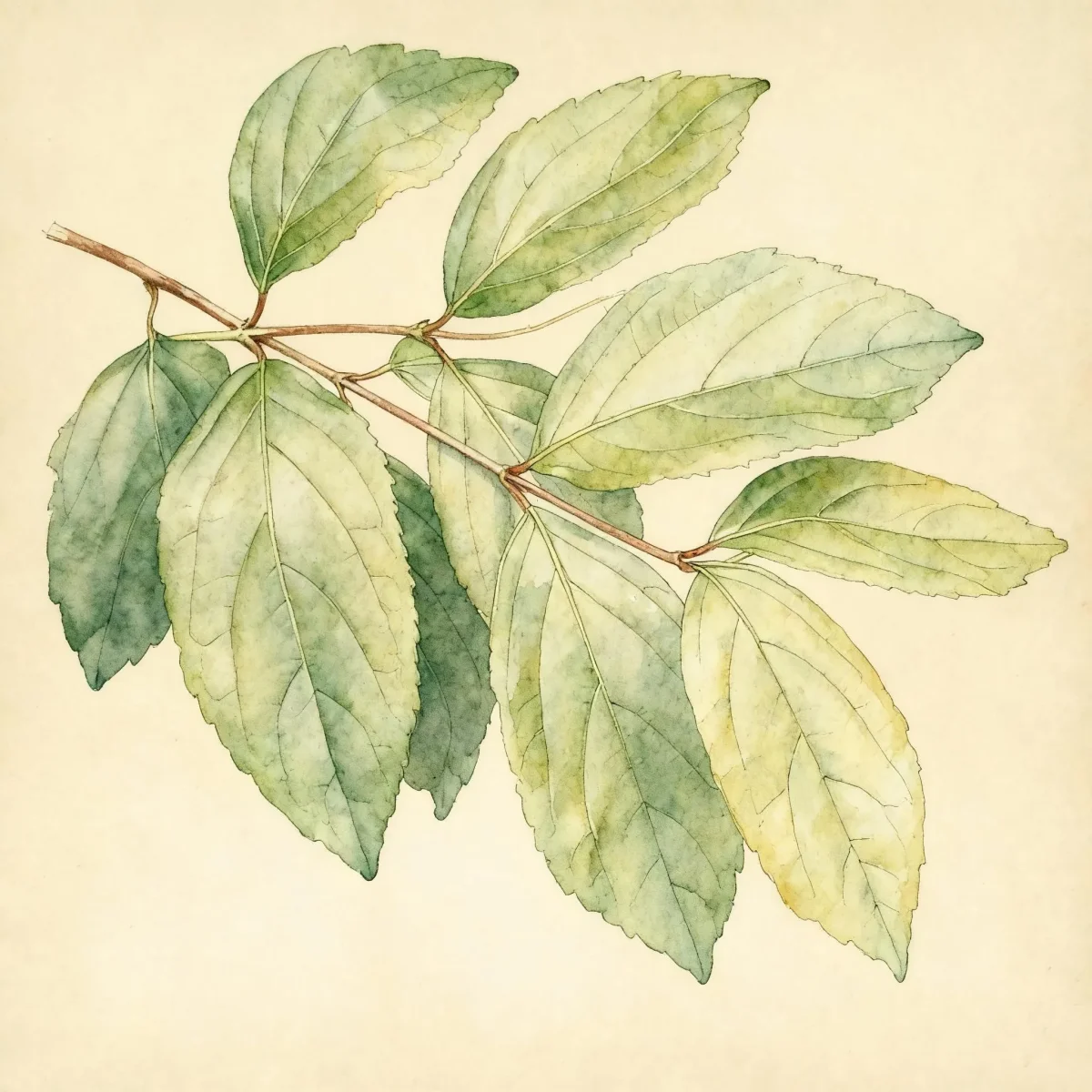
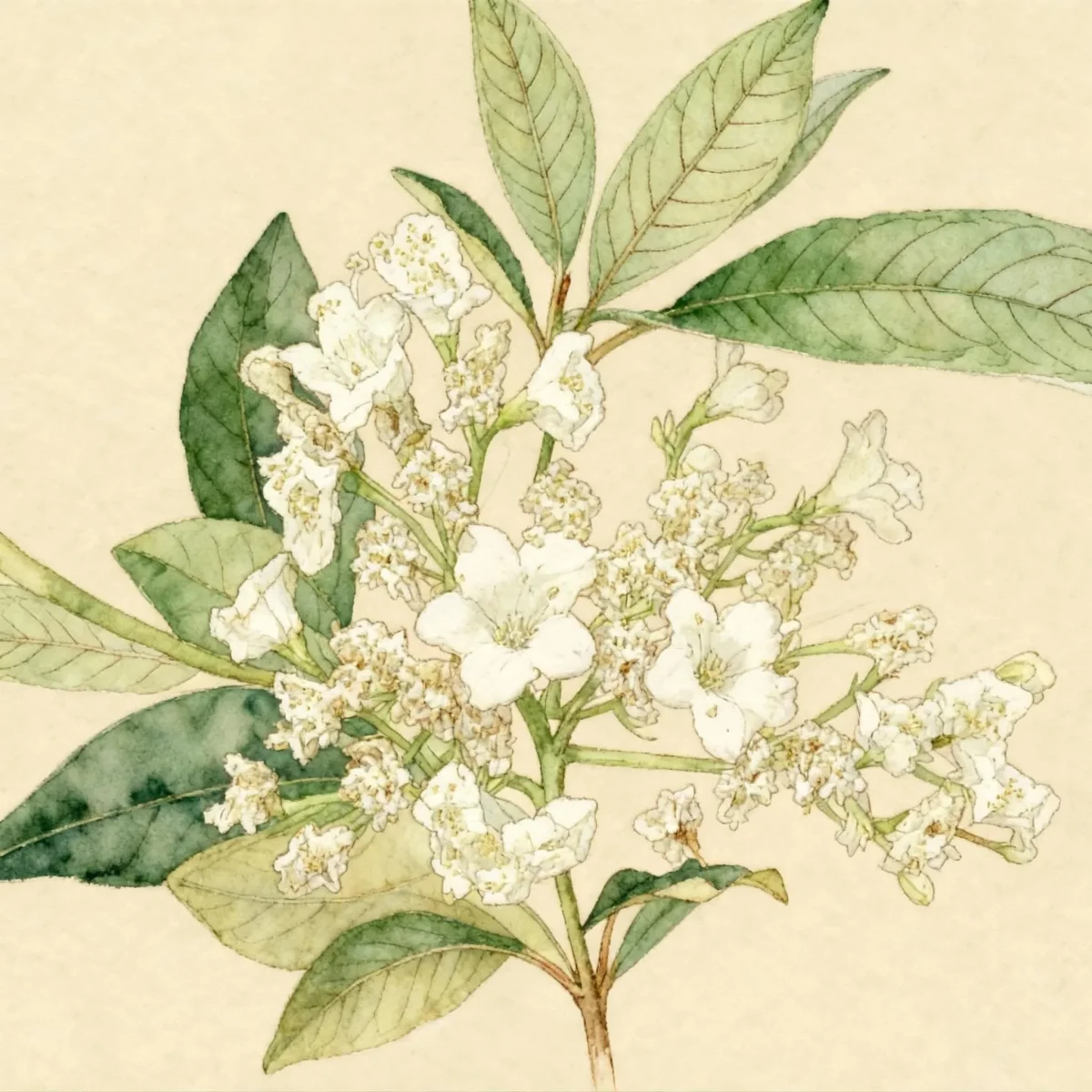
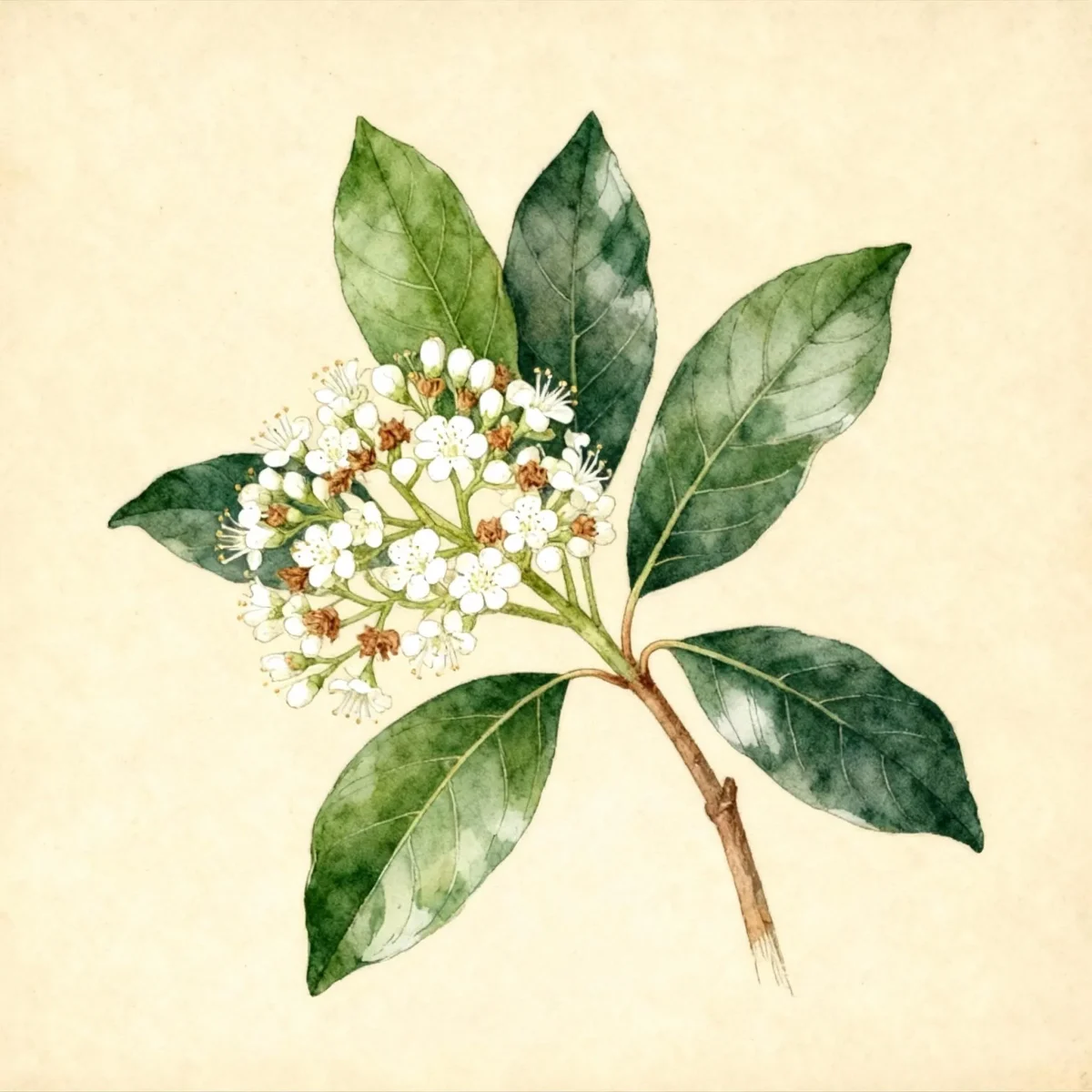
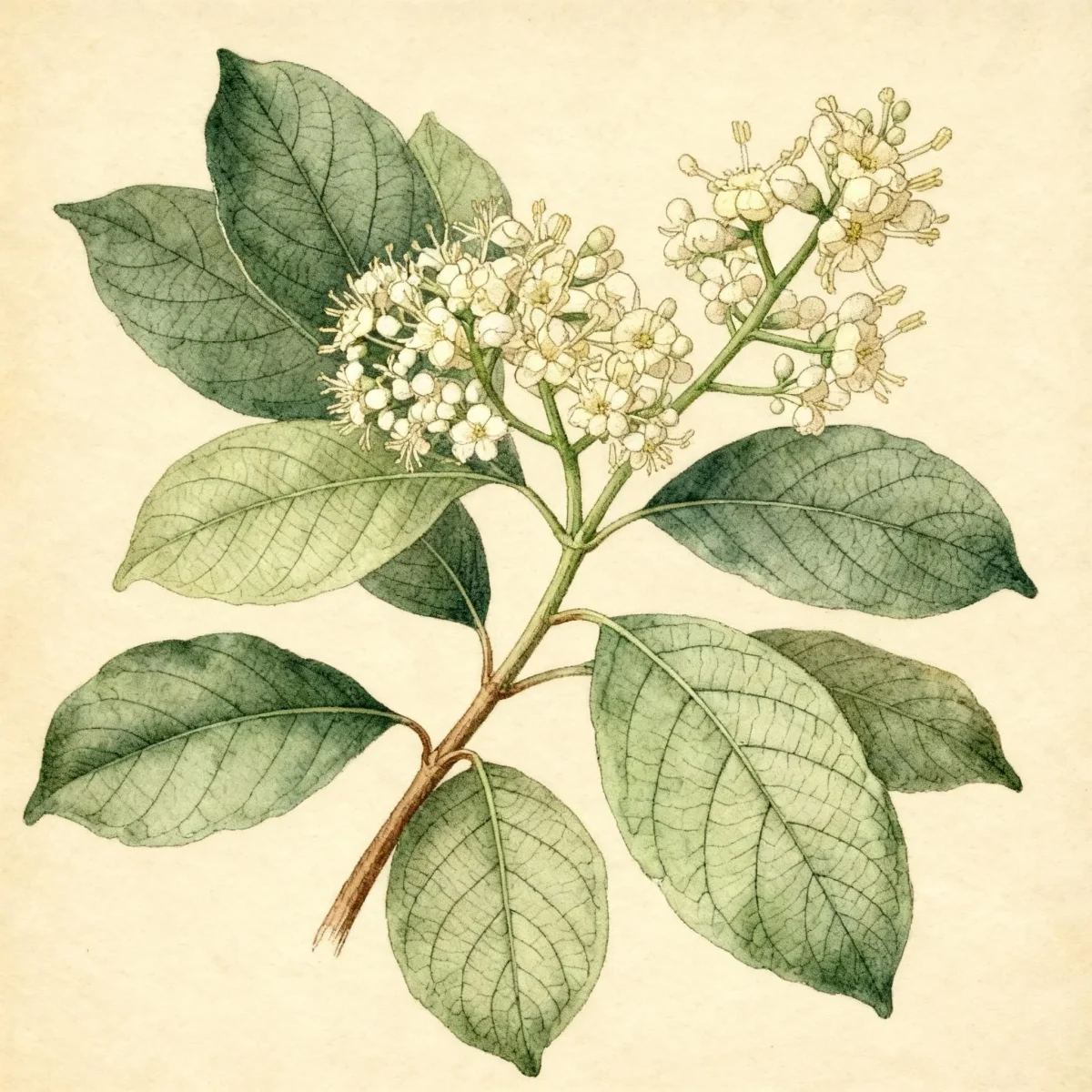
A key feature of Viburnum japonicum is its lustrous, leathery, dark green leaves that remain vibrant throughout the season. In late spring, the shrub is adorned with clusters of tiny, white, highly fragrant blossoms, contributing significantly to the garden’s ambiance. Following the bloom, showy red fruits mature in the fall and frequently persist into the winter, attracting local birds.
Overall, the Japanese viburnum is recognized as a low-maintenance selection suitable for creating informal screens or prominent foundation plantings. Its evergreen nature ensures structure in winter gardens, while its easy culture allows gardeners to enjoy its seasonal displays without extensive care requirements.
Fast Facts
- Plant Family: Adoxaceae
- Plant Type: Broadleaf evergreen
- Native Range: Eastern Asia
- Hardiness Zones: USDA Zones 7-9
- Size at Maturity:
- Height: 6-8 ft
- Spread: 6-8 ft
- Bloom Time: May to June
- Bloom Description: White
- Sun Exposure: Full sun to part shade
- Water Needs: Medium
- Maintenance Level: Low
How to Grow
Planting the Japanese viburnum is best done in spring or fall when active growth is less demanding, ensuring establishment before extreme weather. This shrub thrives in average, medium-moisture, well-drained soils. While it prefers full sun, Viburnum japonicum readily tolerates partial shade, though afternoon shade is beneficial in hotter summer climates.
Care for this evergreen shrub is straightforward due to its low maintenance requirements. Ensure consistent and even moisture, especially during establishment, as best growth occurs with reliable watering. While generally hardy, if attempting to grow Viburnum japonicum near its northern limits (such as Zone 6), site it in protected areas and apply a good winter mulch for insulation.
Pruning should generally be minimal, focusing only on removing crossing branches or shaping for hedge use. Since the foliage is a major asset, avoid heavy shearing which can disrupt the natural glossy texture. If the plant becomes semi-evergreen near the boundaries of its range, expect some leaf drop, but the structure remains robust.
Landscape Uses
The versatility of the Japanese viburnum makes it an excellent choice for various landscape roles. Its naturally dense, rounded habit lends itself perfectly to creating informal hedges or effective screens across property lines. Furthermore, the evergreen foliage provides year-round screening potential near foundations or when used as a structural border element.
Considering its aesthetic appeal—glossy leaves, fragrant spring flowers, and persistent fall fruit—Viburnum japonicum also serves well as a specimen plant where its seasonal attributes can be fully appreciated. It blends seamlessly into open woodland settings or can be utilized in layered borders where its medium height provides a robust mid-layer definition.
For design impact, pair the dark green foliage of Viburnum japonicum with plants offering contrasting leaf textures or colors, such as fine-textured conifers or plants with bright seasonal color. Its tolerance for partial shade also allows it to bridge the gap between sunnier areas and deeper woodland edges.
Standout Features
Flower Qualities
- Showy
- Fragrant
Fruit Qualities
- Showy
Noteworthy Characteristics
Viburnum japonicum, commonly called Japanese viburnum, is an evergreen shrub that typically grows with a dense rounded habit to 6-8’ tall and as wide. It is native to Japan and features long, lustrous, leathery, glossy ovate to broad ovate evergreen leaves. Tiny, white, strongly scented flowers open in dense clusters in late spring, followed by oval-rounded berries that mature to red in fall and often persist into winter.
Tolerances
Potential Problems
Viburnum japonicum is generally resilient, presenting few serious insect or disease challenges under proper growing conditions. Potential disease issues include bacterial leaf spot, mildews, and, less commonly, crown gall. Monitoring foliage for spots or powdery growth allows for early intervention with appropriate cultural adjustments or treatments.
Insect pests that might occasionally bother this species include aphids and scale insects. These sap-sucking pests are usually manageable; minor infestations can often be cleared using horticultural oils or strong streams of water. Maintaining good air circulation around the dense canopy helps reduce the humidity that favors many fungal issues.
Frequently Asked Questions
What hardiness zones is Japanese viburnum suitable for?
Japanese viburnum is hardy and easily grown where winter temperatures remain above USDA Zone 7 but down to Zone 9.
How large does Viburnum japonicum grow?
This shrub typically achieves a mature size of 6 to 8 feet in height and spreads to a corresponding width of 6 to 8 feet, forming a dense, rounded shape.
What sun exposure does Viburnum japonicum need?
Viburnum japonicum performs well in full sun, but growers should ensure it receives part shade, particularly appreciating afternoon shade protection in very hot summer climates.
When does Japanese viburnum bloom?
The Viburnum japonicum produces its showy, fragrant white flowers extending from May through June.
Conclusion
The Japanese viburnum offers lasting landscape value through its attractive evergreen structure, highly fragrant late spring blooms, and persistent red berries. Because Viburnum japonicum is recognized for its low maintenance needs and adaptability, it is an excellent choice for screening or foundational planting. Consult your local USDA hardiness zone information before planting to ensure the best long-term success for your Viburnum japonicum.
Companion Planting
Selecting companions that share similar needs for medium moisture and sun exposure will enhance the health of your Viburnum japonicum. Consider pairing it with shade-tolerant perennials that provide textural contrast, such as Hosta varieties with chartreuse or variegated leaves, which will pop against the dark gloss of the evergreen foliage. For seasonal interest beneath the shrub layer, spring ephemerals like Trout Lily (Erythronium) can offer early color before the viburnum reaches its full bloom potential.
Wildlife Benefits
The late spring flowers of the Japanese viburnum are noted as being fragrant, which strongly suggests they are attractive to pollinators looking for nectar and pollen sources. While not a primary pollinator plant for bees, the density of the small white flowers provides a sustained resource just as many other spring bloomers taper off. Furthermore, the persistent red berries throughout fall and winter provide a critical late-season food source for various local bird species.