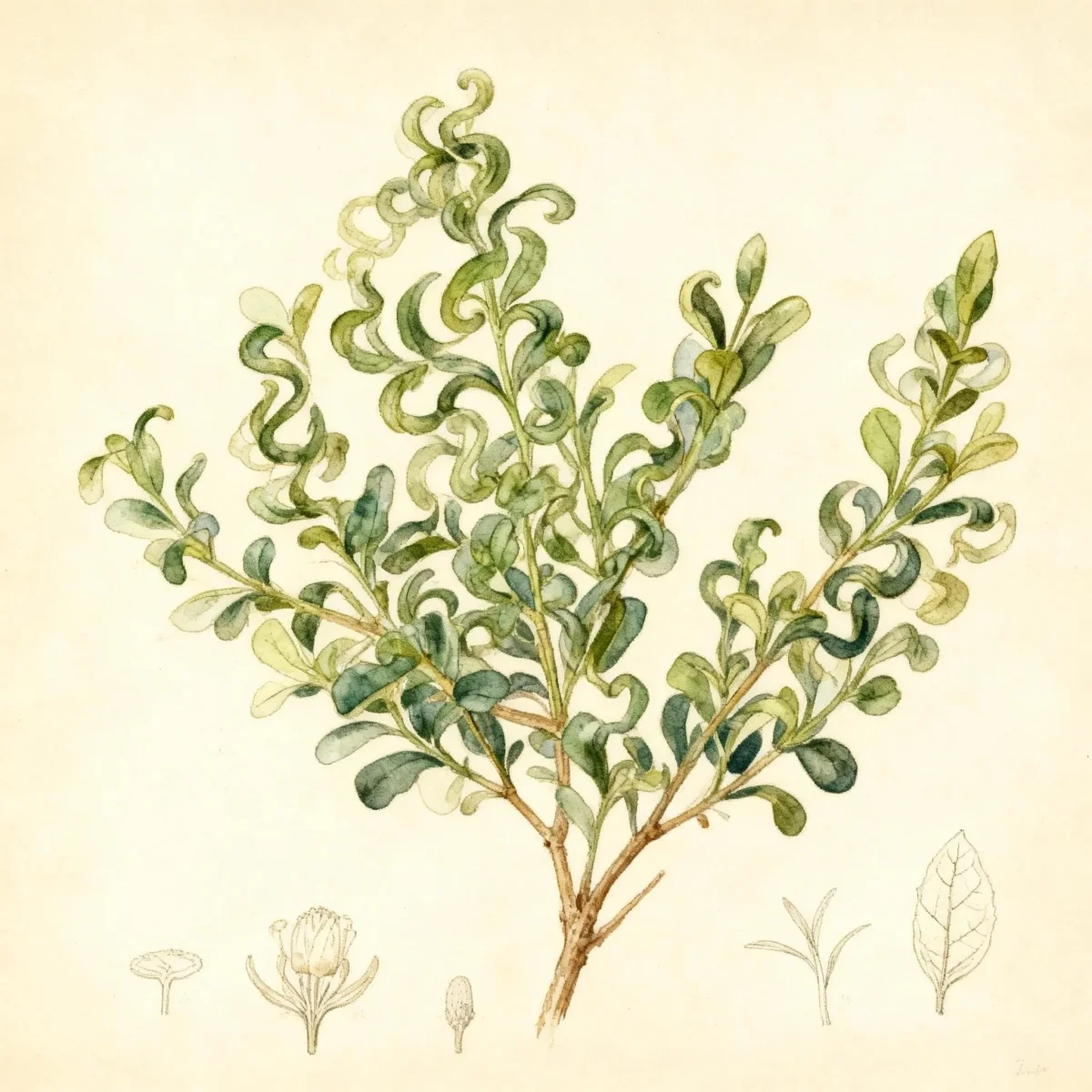
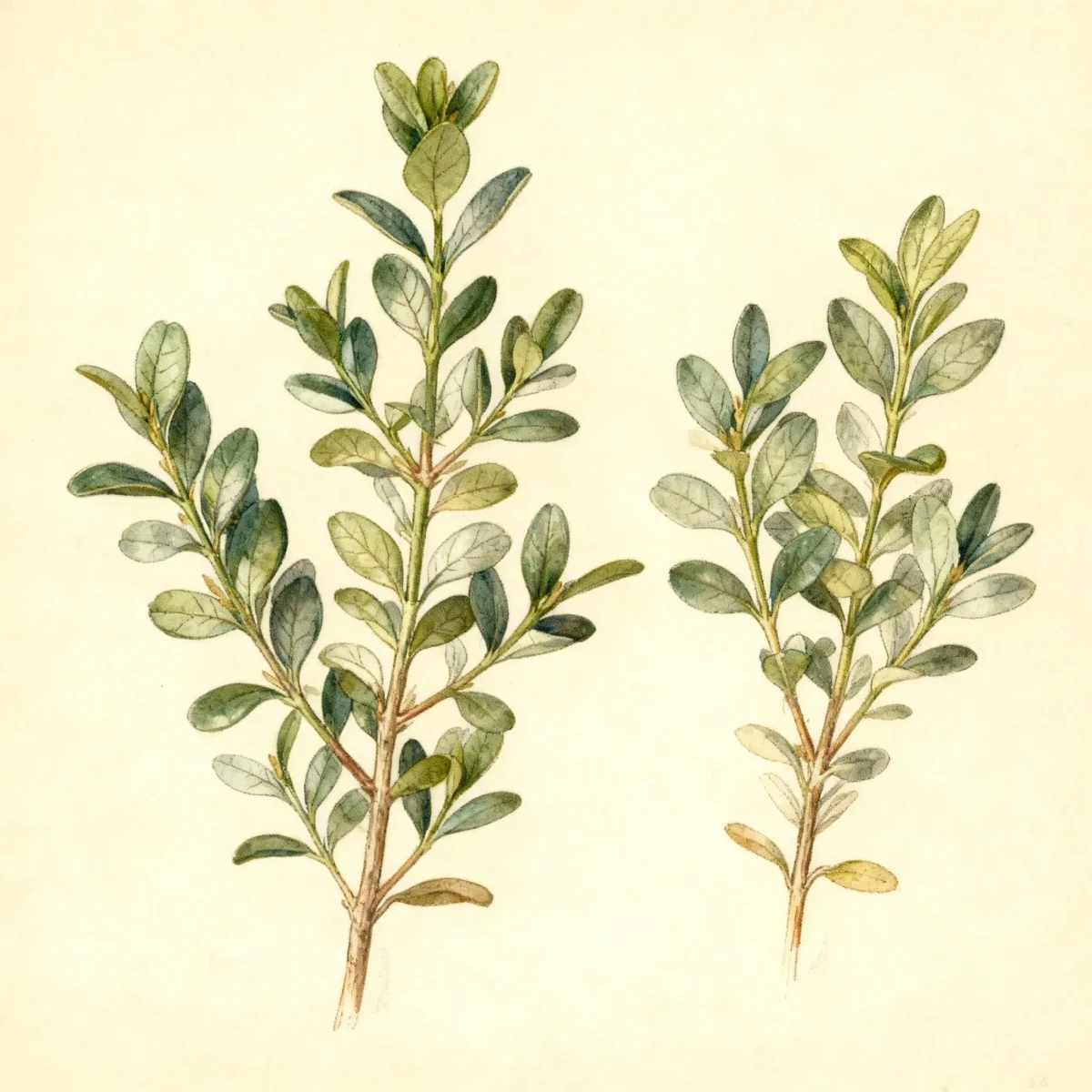
Balearic boxwood (Buxus balearica)
Buxus balearica, the Balearic boxwood, is a dense evergreen ideal for hedges in Zones 8-10, offering classic greenery.
Scroll down to discover growing tips, care requirements, companion plants, and more
Complete Plant Information
Overview
The Buxus balearica, or Balearic boxwood, is a highly valued broadleaf evergreen celebrated for its dense foliage and formal structure, making it a staple in traditional and formal garden designs. Native to rocky slopes across the Mediterranean, this plant offers reliable year-round green color.
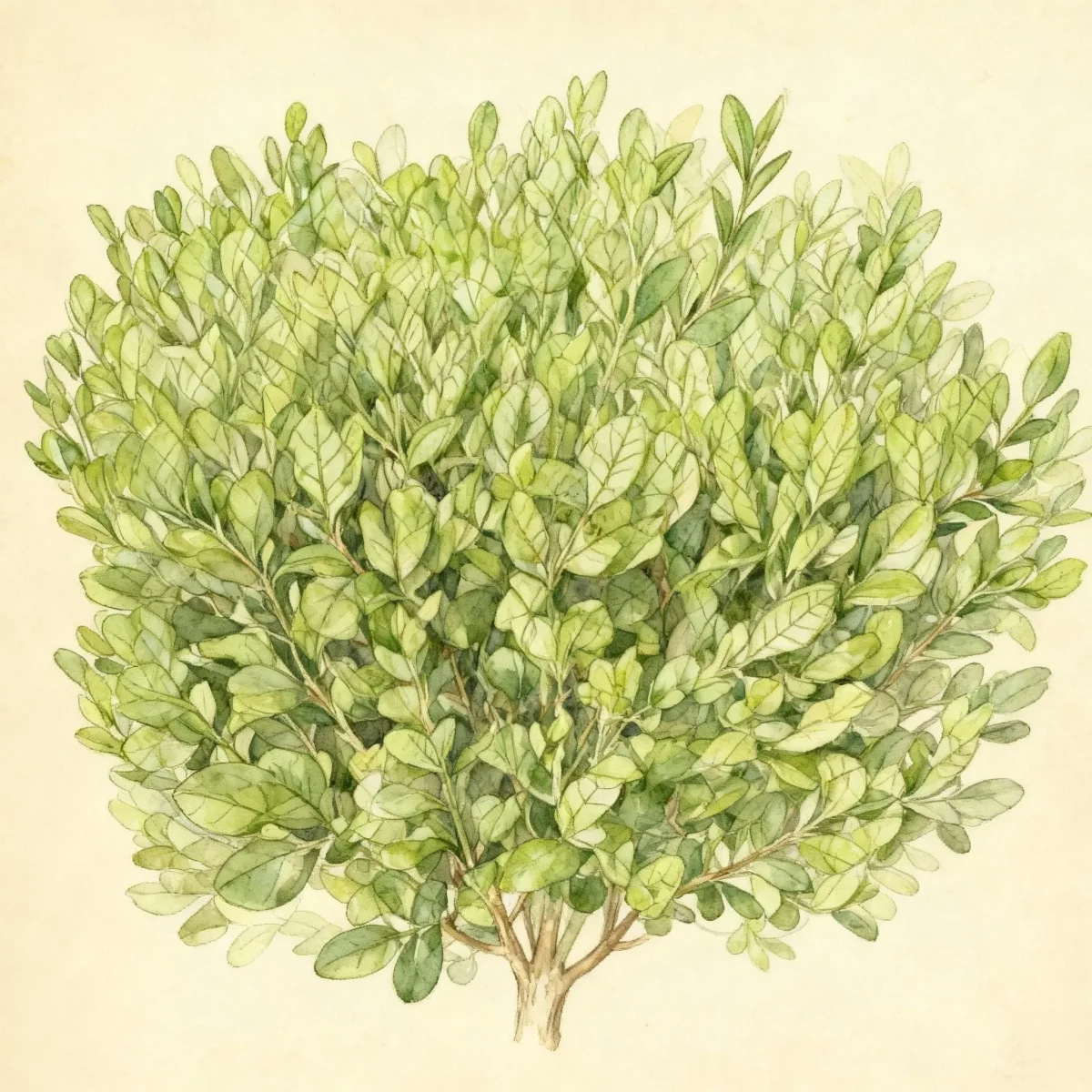
This species typically matures into a rounded shrub ranging from 6 to 12 feet tall in cultivation, though it can reach small tree status in its native habitat. The Balearic boxwood is adaptable, thriving in dappled light or morning sun, but requires protection from harsh winter exposure to maintain peak foliage quality.
As a versatile plant, Buxus balearica serves beautifully as a specimen, foundation planting, or closely sheared hedge. Its robust nature within its ideal temperature range ensures enduring structure in the landscape.
Fast Facts
- Plant Family: Buxaceae
- Plant Type: Broadleaf evergreen
- Native Range: Balearics, southern Spain, northern Africa
- Hardiness Zones: USDA Zones 8-10
- Size at Maturity:
- Height: 6-12 ft
- Spread: 6-12 ft
- Bloom Time: April to May
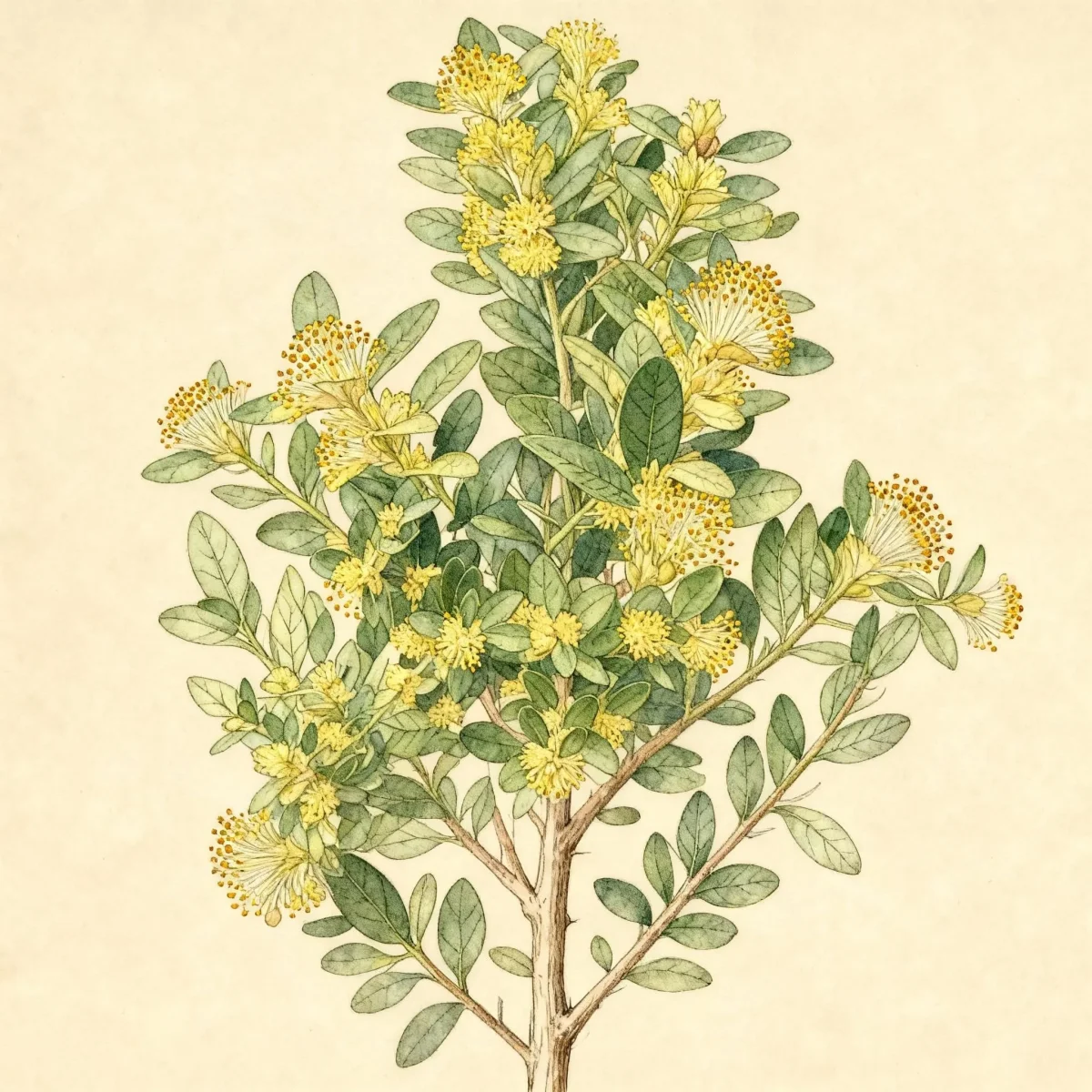
- Bloom Description: Greenish-yellow
- Sun Exposure: Full sun to part shade
- Water Needs: Medium
- Maintenance Level: Medium
How to Grow
For optimal establishment, plant Buxus balearica during the spring or fall when weather conditions are mild. Select a location offering well-drained, sandy loam soil, which is crucial for preventing moisture issues. While this evergreen prefers evenly moist conditions, avoid overly saturated soil, as root rot is a significant concern.
Water needs are medium; ensure consistent moisture, especially while the plant is young. Due to having shallow roots, avoid deep cultivation directly around the base of the plant. Instead, apply a 1-2 inch layer of organic mulch, such as compost or bark, to help retain moisture and moderate soil temperature.
Pruning and shearing are well-tolerated by the Balearic boxwood. Never prune heavily before the last expected spring frost, as new, tender growth following early pruning is highly susceptible to frost damage. Annual thinning to remove dead or damaged branches is recommended to maximize air circulation within the dense canopy.
Site the plant thoughtfully, placing it where it receives protection from strong winter winds and extreme, direct afternoon sun, which can cause foliage bronzing or exacerbate mite infestations. These environmental stresses highlight the need for good winter protection for your Buxus balearica.
Landscape Uses
The classic appearance of Buxus balearica renders it invaluable for formal garden settings, capable of defining spaces and creating structured backdrops. Its upright, dense habit makes it an excellent subject for creating low-to-medium height hedges where precise shaping is desired. It is also frequently employed as an accent shrub or for shaping into topiary forms.
When using the Balearic boxwood in mass plantings, these shrubs create a deep green textural contrast against lighter foliage plants or colorful seasonal annuals planted in front. Consider pairing them with plants that appreciate similar light and soil conditions, perhaps using deciduous shrubs with bright fall color near the evergreen screen provided by the boxwood.
For foundation plantings, select a site that allows for the plant’s mature spread, ensuring adequate airflow around the base to mitigate potential fungal issues. The stately presence of Buxus balearica anchors perennial borders and provides necessary year-round structure to the garden design.
Standout Features
Flower Qualities
- Showy
Noteworthy Characteristics
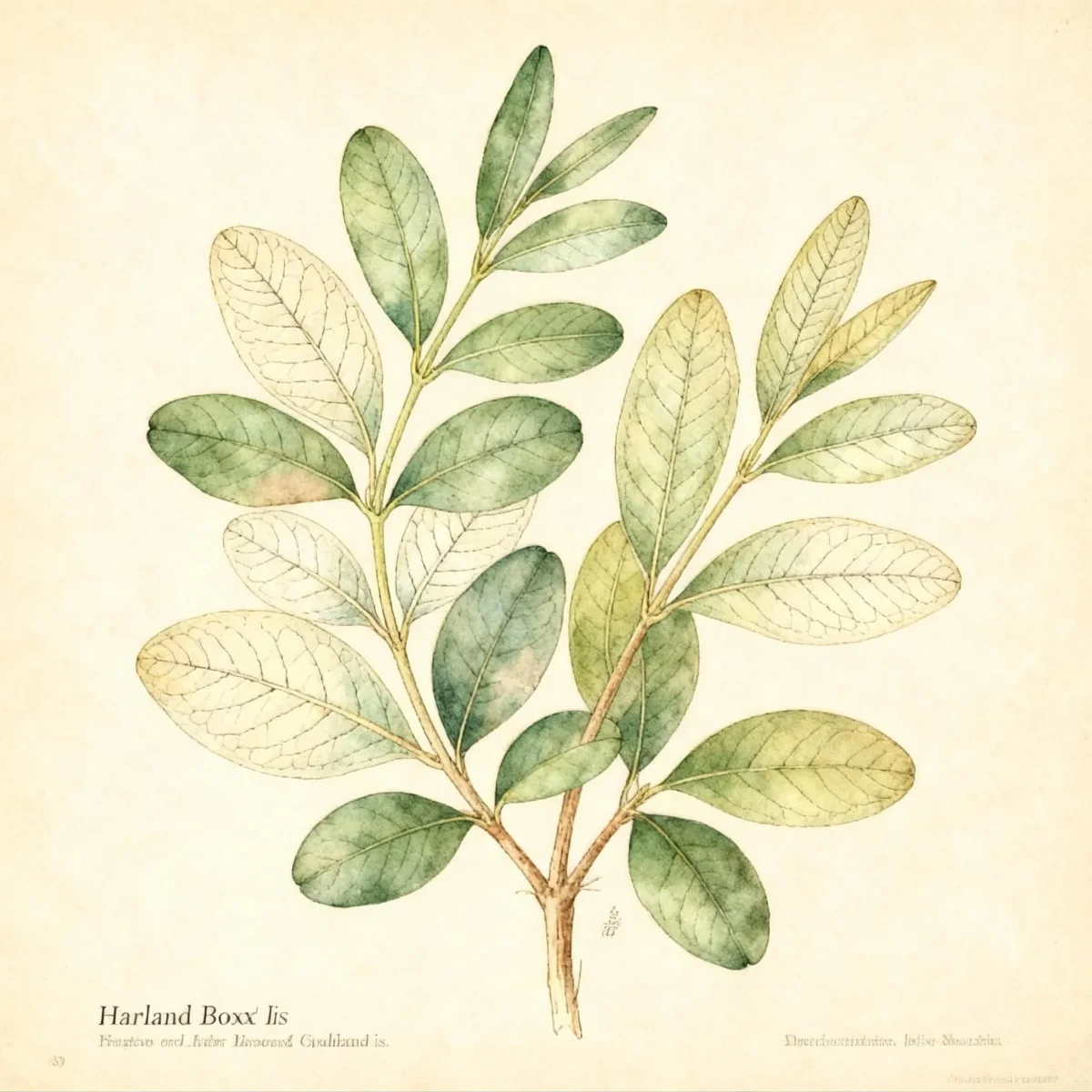
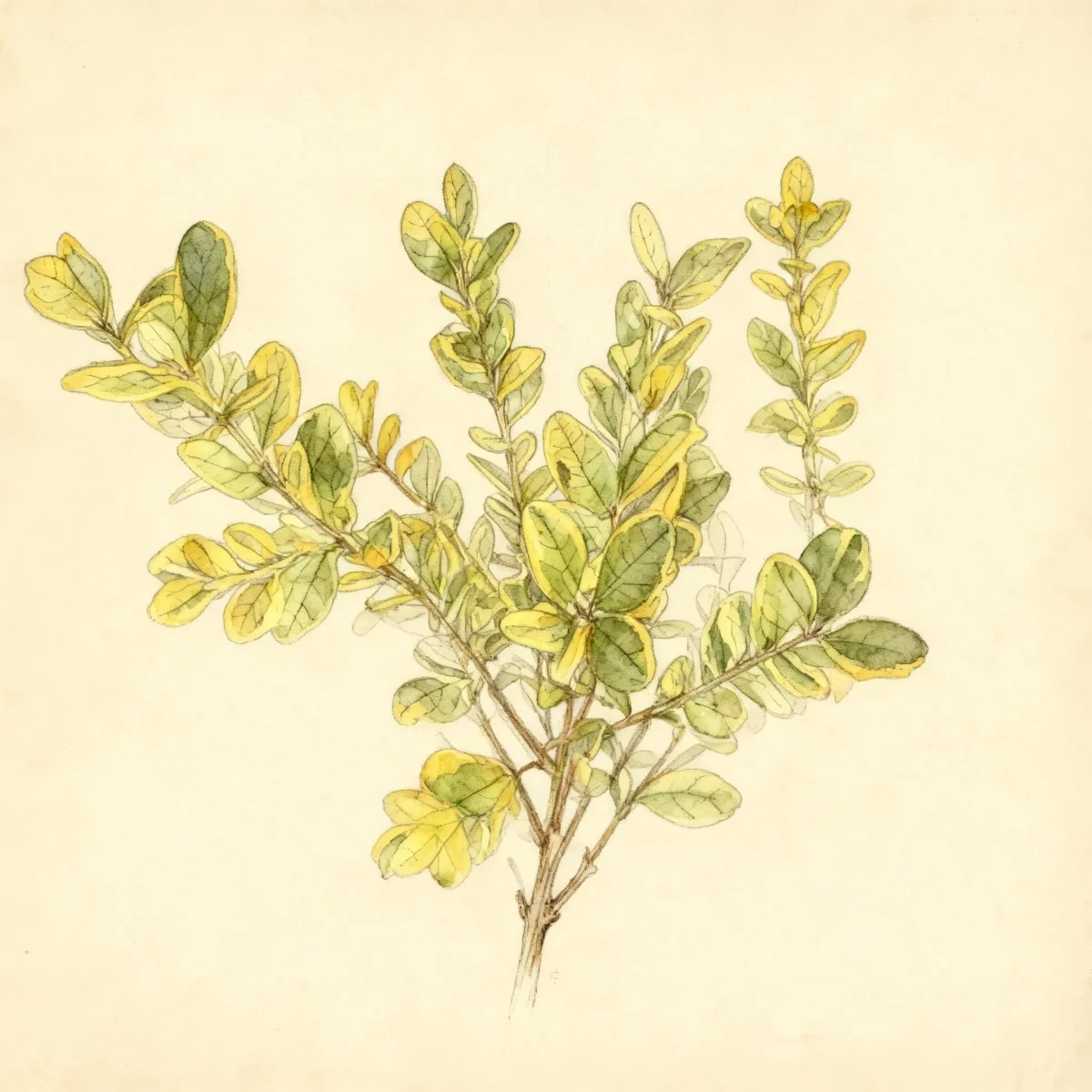
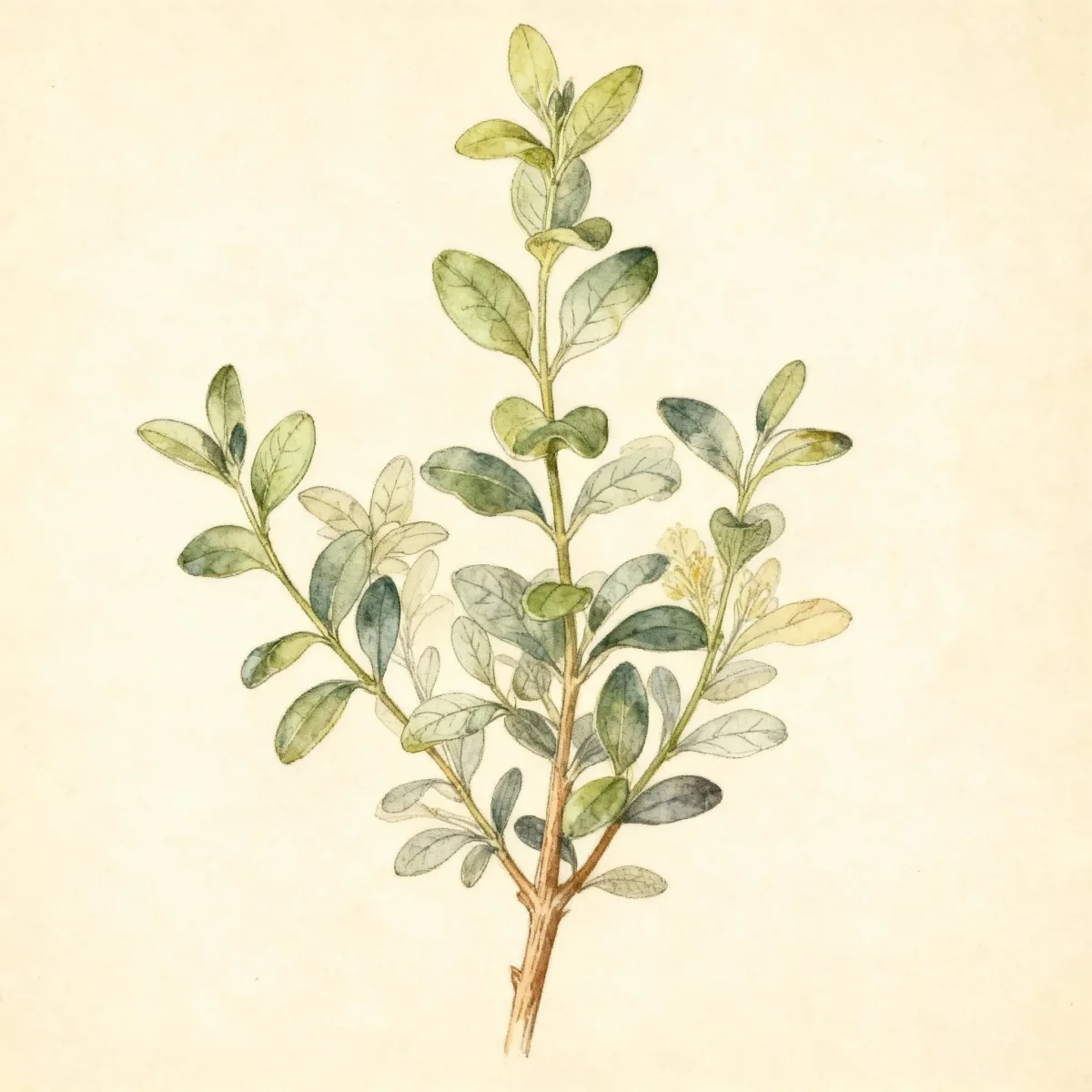
Buxus balearica, commonly known as Balearic boxwood, Spanish boxwood or Giant boxwood, is a rounded to broad-rounded shrub which typically grows in cultivation to 6-12’ tall, but in the wild, may grow as a small tree to as much as 25’ tall. It is native to sandy soils and rocky slopes in the Mediterranean region from Spain and France to Turkey and Algeria, including of course the Balearic Islands (autonomous division of Spain) in the northeast Mediterranean (largest island being Mallorca). Elliptic, simple, opposite, smooth-margined, glossy, evergreen leaves (each to 1 3/4” long) are dark green above and pale pale green beneath. The genus name derives from the Latin name for plants in this group.
Tolerances
- Rabbit
- Deer
Potential Problems
Boxwood foliage tends to bronze (turn unattractive brownish-yellow) in harsh winters, particularly if plants are located in open areas exposed to full sun and winter winds. To mitigate this, site your Buxus balearica where it receives protection from the most severe western winter sun and drying winds.
Fungal issues remain a concern; the plant is susceptible to boxwood blight, volutella blight, and various leaf spot diseases. Ensuring good air circulation through proper spacing and annual thinning helps reduce humidity around the leaves. Furthermore, root rot occurs rapidly in poorly-drained soils, so soil structure is paramount during planting.
Various insect pests target boxwoods, including the boxwood leafminer, boxwood mite, boxwood psyllid, and the invasive box tree moth. Regularly inspect new growth for signs of infestation, and promptly address issues to prevent severe decline in your Balearic boxwood.
Frequently Asked Questions
What hardiness zones is Balearic boxwood suitable for?
The Balearic boxwood is best suited for USDA Hardiness Zones 8 through 10.
How large does Buxus balearica grow?
In managed landscapes, Buxus balearica typically reaches a height and spread between 6 and 12 feet tall, though it can become a small tree up to 25 feet tall in the wild.
What sun exposure does Buxus balearica need?
This evergreen performs best with full sun to part shade exposure, handling light shade well as long as it receives several hours of morning or early afternoon sun.
When does Buxus balearica bloom?
Buxus balearica flowers appear from April to May, noted for being tiny and greenish-yellow.
Conclusion
The Balearic boxwood offers the timeless structure and deep green investment required for classic evergreen hedging and formal structure in milder climates. Proper siting away from harsh winter exposure is key to preserving the quality of this handsome Buxus balearica. Before planting, confirm your site falls within USDA Zones 8-10 and ensure your soil drains exceptionally well to give this beauty a strong start.
Companion Planting
Selecting suitable neighbors is essential for the long-term health of your Balearic boxwood. Companion plants should share the preference for well-drained soil and tolerance for partial shade, especially if the boxwood is sited where it receives only morning sun. Consider pairing the dense evergreen texture of Buxus balearica with plants that offer seasonal color contrast, such as early-flowering bulbs like snowdrops or hellebores, which tolerate similar cool, shaded conditions before summer arrives.
Plants with fine, vertical elements, such as many ornamental grasses or slender evergreens in the juniper family (if adapted to the microclimate), can provide excellent textural contrast against the rounded form of the Balearic boxwood. Avoid overly aggressive groundcovers that might compete heavily with the shallow root system of the boxwood for surface moisture and nutrients.
Seasonal Care Calendar
Spring is the primary time for rejuvenation; wait until the danger of the last spring frost has passed before performing any corrective pruning on your Buxus balearica. This ensures new growth is hardened off before encountering sudden temperature drops. Begin applying a light organic mulch around the root zone at this time.
Summer is the watching period for pests like mites, especially if the shrub is exposed to high heat and full sun. Ensure water availability remains consistent, targeting the root zone rather than frequent overhead watering. Monitor for signs of drought stress, which can exacerbate bronzing issues later in the year.
During autumn, focus on preparing the plant for potential winter stress. Ensure adequate moisture before the ground freezes, as well-hydrated leaves handle winter winds and dehydration better. If the plant is in a highly exposed location, consider erecting a temporary burlap screen to shield it from strong winter winds and intense low-angle sun exposure over the coming months.