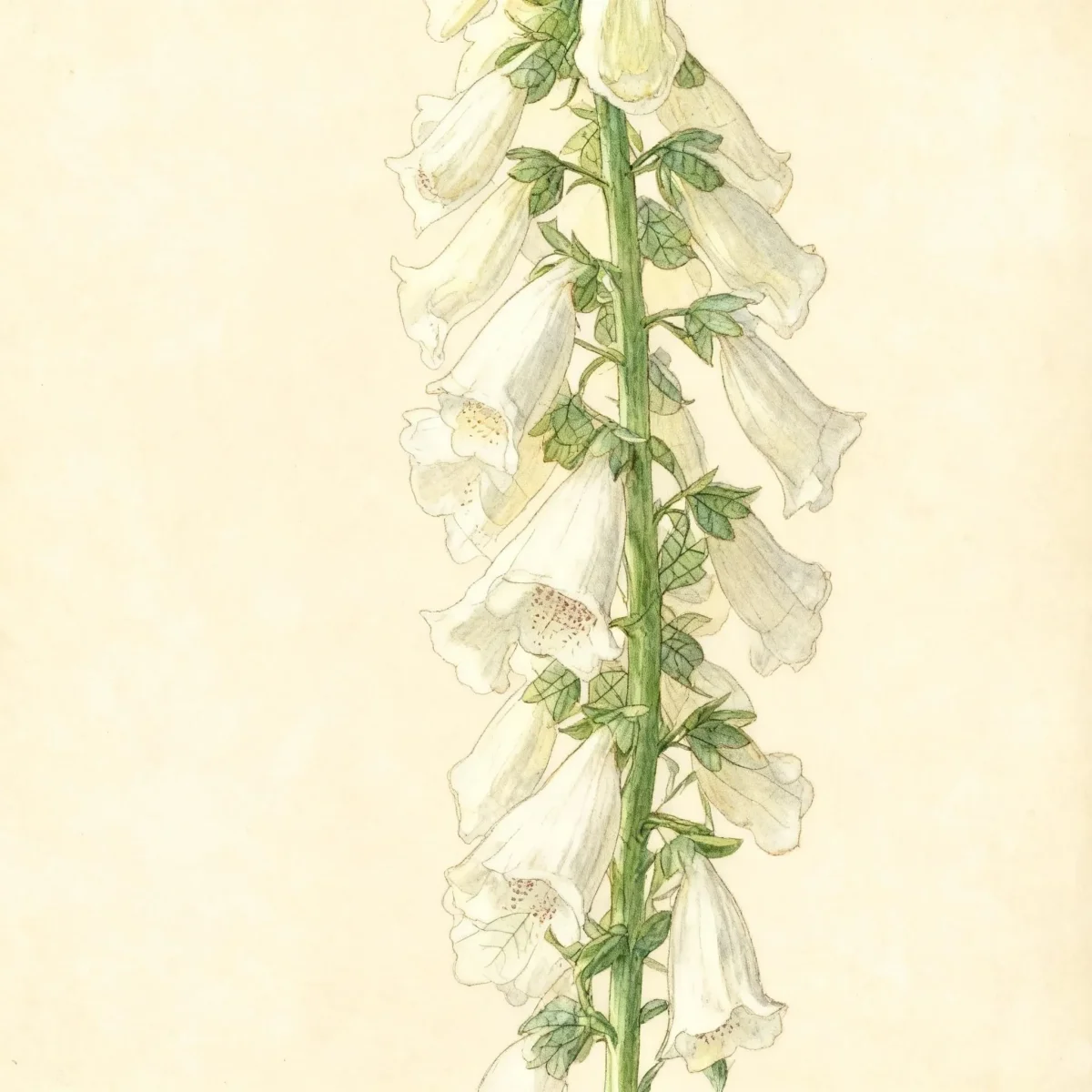
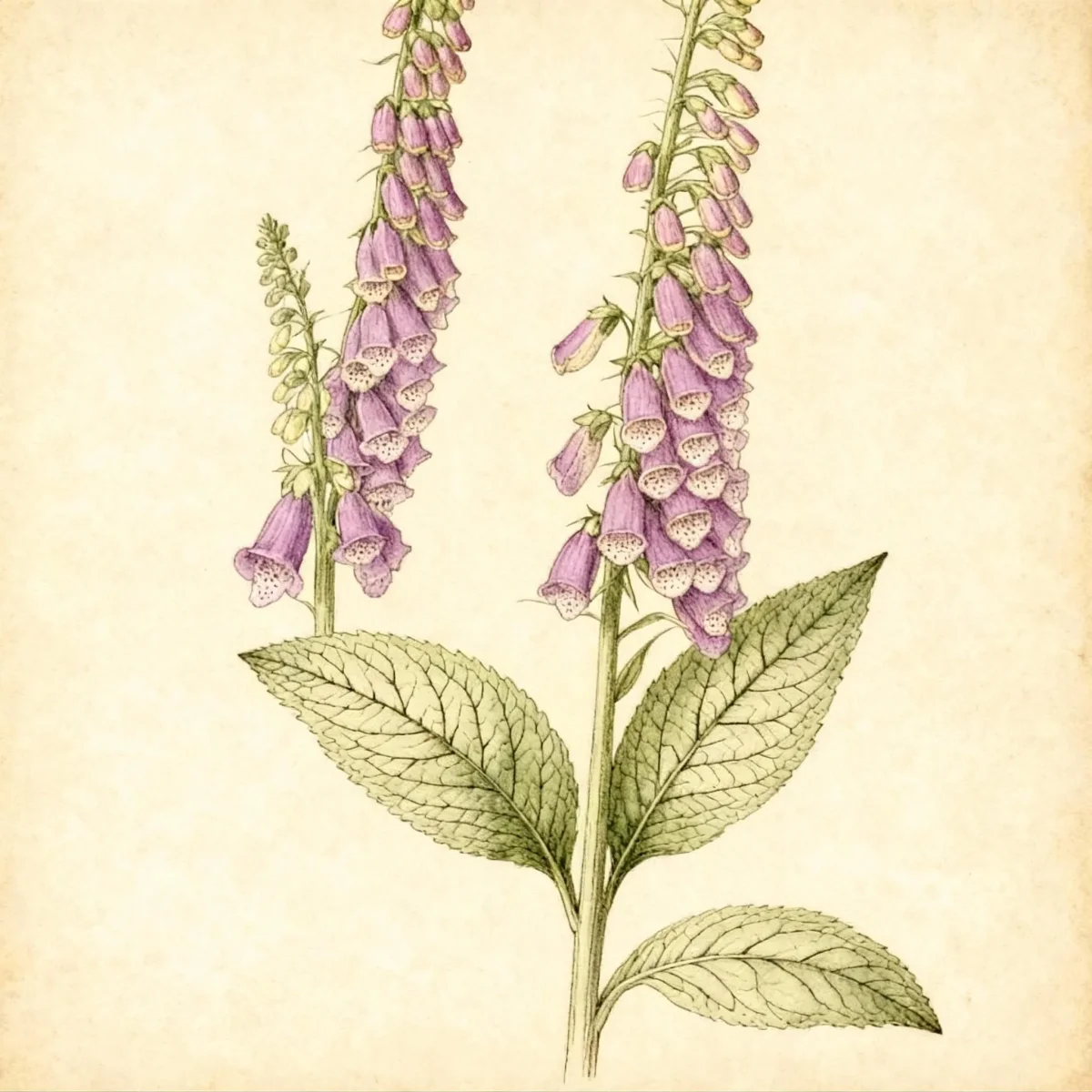
Strawberry foxglove (Digitalis × mertonensis)
Strawberry foxglove, Digitalis × mertonensis, offers striking coppery-rose blooms on tall spires. Low maintenance perennial for moist, well-drained sites.
Scroll down to discover growing tips, care requirements, companion plants, and more
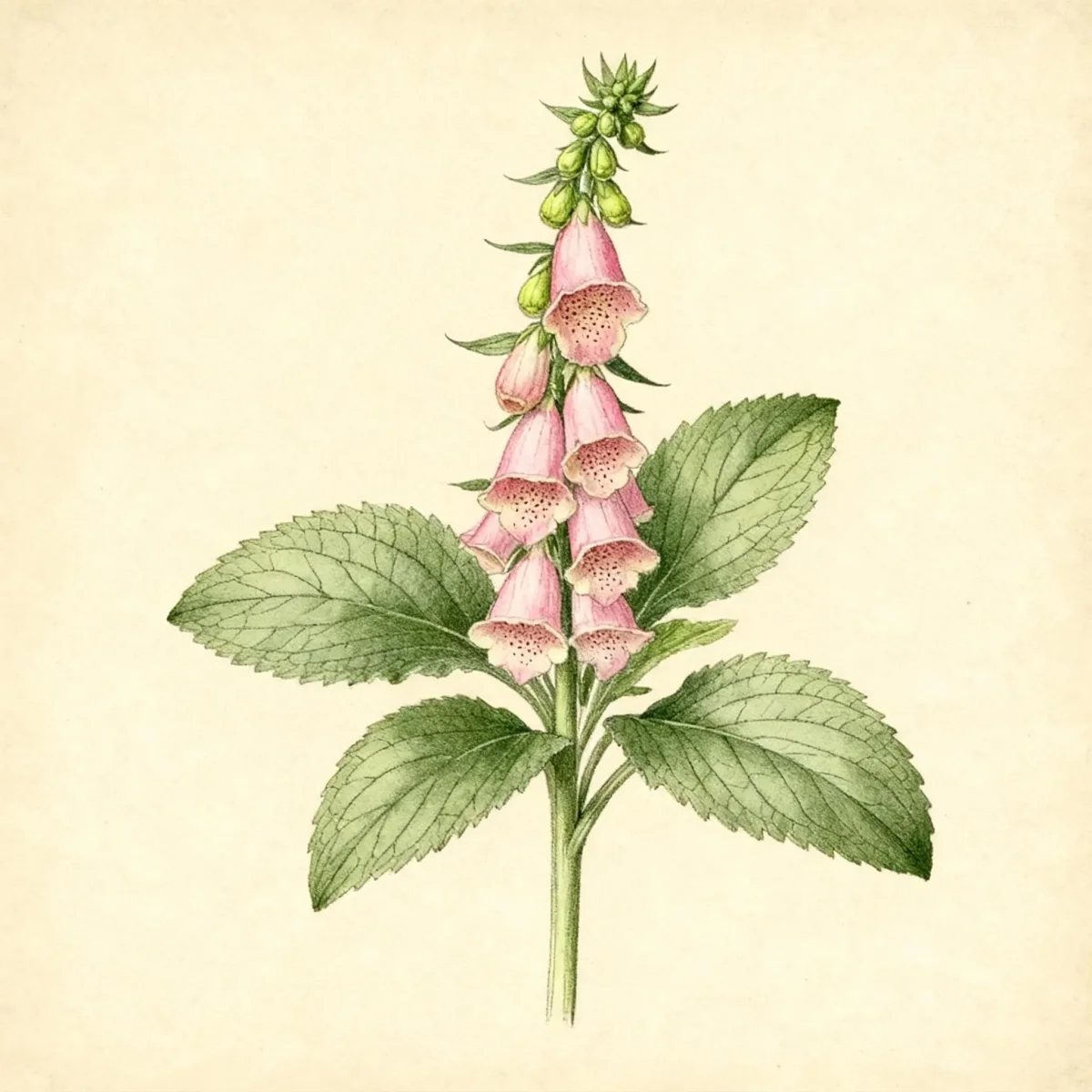
Complete Plant Information
Overview
The Strawberry foxglove, scientifically known as Digitalis × mertonensis, is a highly valued hybrid prized for its unique flower color and commanding vertical accent in the garden. This plant produces large, pendulous, coppery-rose flowers borne on tall spires, distinguishing it significantly from common purple foxgloves. As a low-maintenance choice, Digitalis × mertonensis thrives in average conditions but truly excels when provided with rich, consistently moist soil.
Valuable for its architectural height, the Strawberry foxglove brings strong vertical structure to perennial borders, blooming reliably in early summer. Although technically a short-lived perennial, it frequently self-seeds, ensuring its presence through successive seasons, often making it function effectively as a biennial. Gardeners should appreciate the vigorous growth and attractive foliage that supports the striking bloom display of this hybrid foxglove.
Fast Facts
- Plant Family: Plantaginaceae
- Plant Type: Herbaceous perennial
- Native Range: Garden origin
- Hardiness Zones: USDA Zones 4-8
- Size at Maturity:
- Height: 3-4 ft
- Spread: 1-2 ft
- Bloom Time: May to June
- Bloom Description: Coppery rose
- Sun Exposure: Full sun to part shade
- Water Needs: Medium
- Maintenance Level: Low
How to Grow
Digitalis × mertonensis should be planted where it receives at least partial afternoon shade, especially in hotter climates, though it tolerates full sun if soil moisture is consistently maintained. Easily grown in average, medium, well-drained soil, this plant prefers soil that is organically rich and slightly acidic. Ensure the soil drains well, as soggy conditions, particularly throughout winter, can lead to crown rot.
During the growing season, maintain medium water requirements by ensuring the soil is never allowed to dry out completely. Fertilization is rarely necessary if sufficient organic matter is incorporated into the planting area initially. Since Digitalis × mertonensis is often short-lived, dividing plants every two years is crucial if you intend to grow it as a true perennial to maintain vigor and flower production.
As a short-lived perennial, allow some seed heads to mature if you wish for natural reseeding to occur, effectively treating the plant as a biennial. Deadheading spent blooms is optional; removing them can redirect energy but preventing seed set will halt its natural self-perpetuation cycle. Prepare for winter by avoiding heavy mulching directly over the crown, which can trap too much moisture.
Landscape Uses
The tall spires of the Strawberry foxglove provide outstanding vertical accent and striking color contrast within mixed borders, reaching heights of 3 to 4 feet. Digitalis × mertonensis is particularly effective when placed in front of dark backgrounds, such as evergreen shrubs or dark-colored walls, which make the coppery-rose flowers truly pop. This plant is also highly suited for naturalizing in woodland gardens or partially shaded areas where it can spread gently.
When designing, consider pairing Digitalis × mertonensis with plants that share similar moisture and light needs, such as Hostas, Astilbes, or ferns, to create lush, layered compositions. Its architectural presence works well in cottage garden settings or along pathways where its height creates a sense of drama and scale. Enjoy the unique structure offered by the Digitalis × mertonensis in your established perennial beds.
Standout Features
Flower Qualities
- Showy
Noteworthy Characteristics
Digitalis × mertonensis is a fascinating tetraploid hybrid, generally living only 2–3 years, resulting from a cross between D. Purpurea and D. Grandiflora. Its pendulous, 2-3” long, funnel-shaped flowers display a beautiful coppery-rose hue, borne densely on terminal racemes atop 3-4’ spires. The velvety, medium-green leaves remain attractive throughout the season, but gardeners must remember that all parts of the foxglove plants are highly poisonous due to the presence of the drug digitalis.
Tolerances
- Deer
Potential Problems
Foliage can suffer considerably by late summer if powdery mildew or common leaf spot diseases are left untreated, affecting the overall aesthetic. To prevent these fungal issues, ensure good air circulation around the plants and avoid overhead watering late in the day. Dense crowns of Digitalis × mertonensis must have well-drained soil, as soggy winter conditions are a prime cause of crown rot. Common insect pests range from small nuisances like aphids and mealy bugs to more destructive visitors like slugs and the Japanese beetle. Regular scouting and appropriate treatments for these pests will help maintain healthy foliage.
Frequently Asked Questions
What hardiness zones is Strawberry foxglove suitable for?
The Strawberry foxglove (Digitalis × mertonensis) is reliably hardy in USDA Zones 4 through 8.
How large does Digitalis × mertonensis grow?
This species typically matures to a height between 3 and 4 feet, with a spread ranging from 1 to 2 feet wide, creating an imposing vertical element.
What sun exposure does Digitalis × mertonensis need?
Digitalis × mertonensis prefers conditions ranging from full sun to partial shade, though consistency in mid-day shade is beneficial in hot summer climates.
When does Strawberry foxglove bloom?
The coppery rose blooms on the Strawberry foxglove appear relatively early in the season, usually throughout May and June.
Conclusion
The Digitalis × mertonensis offers unparalleled color interest with its unique coppery-rose blooms, providing excellent vertical definition in the mixed border. As a low-maintenance, self-seeding beauty, the Strawberry foxglove easily earns its place in perennial gardens, woodlands, and naturalized settings. Confirm that your site offers organically rich, moist, and well-drained soil before planting this stunning hybrid.
Companion Planting
When designing a border utilizing Digitalis × mertonensis, focus on companions that appreciate similar moisture levels and thrive in similar lighting conditions. Plants like Japanese Forest Grass (Hakonechloa macra) offer fine texture contrast beneath the taller stems. For summer color continuance after the foxgloves fade, integrate plants like Trollius (Globe Flower) or perennial Geraniums which offer lower-growing mounds of foliage and complementary bloom times in medium-moisture zones. The stately nature of the foxglove demands neighbors that either recede gracefully or offer substantial visual weight at the base.
Wildlife Benefits
Due to their distinct tubular shape and upward-facing growth habit, the flowers of Digitalis × mertonensis are highly attractive to hummingbirds seeking nectar. While the flowers draw beneficial pollinators, gardeners should exercise extreme caution, as all parts of the plant are toxic if ingested by pets or children. The density of the flower spike itself, coupled with the rich green basal foliage throughout the season, provides excellent shelter and cover for beneficial garden insects.