Tall kangaroo paw (Anigozanthos flavidus)
Discover Tall kangaroo paw (Anigozanthos flavidus), a striking Australian native perennial with velvety, greenish-yellow flowers. Ideal for full sun to light shade.
Scroll down to discover growing tips, care requirements, companion plants, and more
Complete Plant Information
Overview
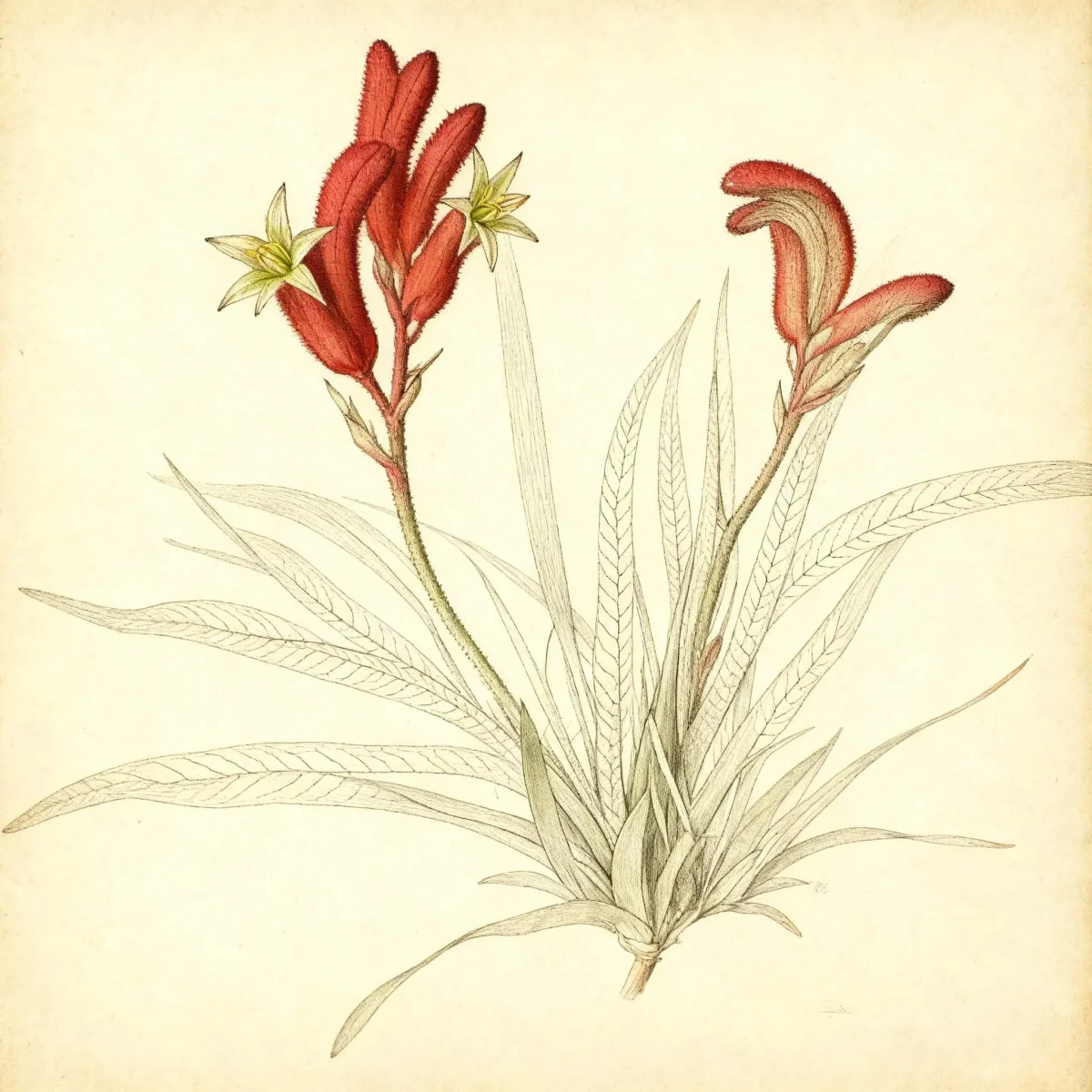
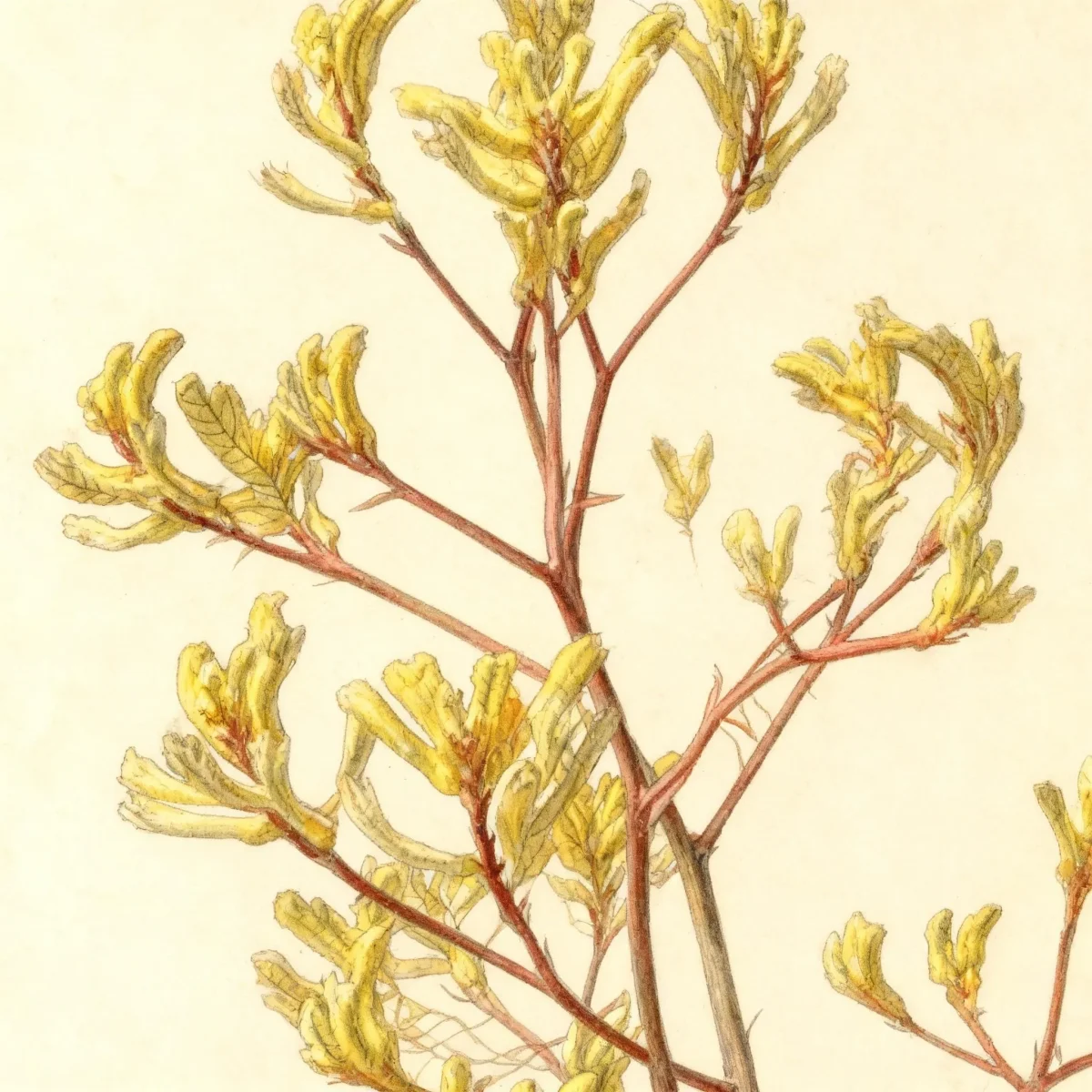
The Tall kangaroo paw, scientifically known as Anigozanthos flavidus, is a captivating herbaceous perennial prized for its architectural foliage and unique, velvety flowers. Native to the southwestern regions of Western Australia, this plant brings an unmistakable exotic flair to gardens accustomed to traditional plantings. Its distinctive blooms, which resemble the paws of a kangaroo, are typically greenish-yellow, though variations can introduce pink or red tones.
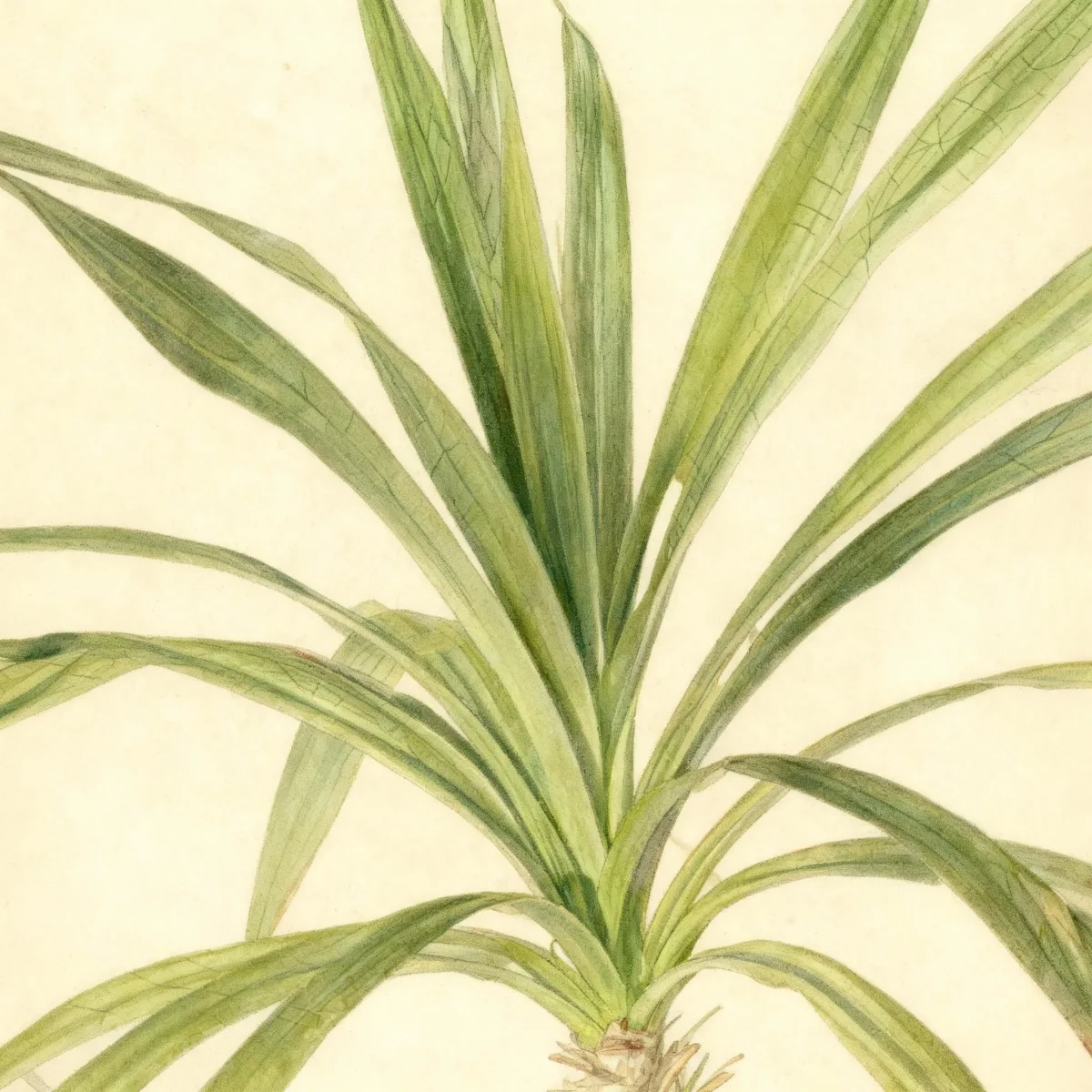
This rhizomatous evergreen perennial forms dense clumps of slender, strap-like medium green leaves, creating an attractive basal rosette throughout the year. Rising above this foliage are tall, leafless flower stalks bearing terminal panicles of its famous tubular flowers. Gardeners value Anigozanthos flavidus for its dramatic vertical interest and its excellent performance as a long-lasting cut flower specimen.
Successful cultivation of the Tall kangaroo paw hinges on providing specific conditions that mimic its arid origins, primarily excellent drainage and protection from frost. While categorized as medium maintenance, understanding its moisture requirements—consistent watering during bloom tempered by reduced moisture in winter—ensures the handsome displays continue year after year.
Fast Facts
- Plant Family: Haemodoraceae
- Plant Type: Herbaceous perennial
- Native Range: Western Australia
- Hardiness Zones: USDA Zones 10-11
- Size at Maturity:
- Height: 3-6 ft
- Spread: 2-4 ft
- Bloom Time: Seasonal bloomer
- Bloom Description: Greenish-yellow but sometimes red/pink
- Sun Exposure: Full sun to part shade
- Water Needs: Medium
- Maintenance Level: Medium
How to Grow
Planting Anigozanthos flavidus should occur when the risk of frost has completely passed, ideally in spring or early summer, allowing the plant time to establish its root system before winter dormancy. The most crucial element for success is excellent soil structure; these plants prefer rich, well-drained substrates, with sandy soils being particularly favorable. Site your Tall kangaroo paw in locations that receive full sun to light afternoon shade, while actively protecting them from strong, damaging winds.
Routine care revolves around adequate moisture management, especially during intense heat or peak flowering periods spanning spring through fall. Plants need consistent moisture during the flowering season; however, it is vital to reduce watering somewhat during the winter months when growth naturally slows. While established Anigozanthos flavidus is somewhat tolerant, they are intolerant of frost, meaning they require protection or overwintering indoors in cooler climates.
Fertilization should be light, as heavy feeding can encourage excessive soft growth susceptible to disease. Pruning generally involves removing spent flower stalks cleanly at their base once blooming ceases for the season, which helps tidy the appearance and encourages the plant to direct energy toward developing new foliage and rhizomes. If growing in colder regions, such as areas outside Zones 10-11, treat the plant as a greenhouse specimen or container plant that must be brought inside before temperatures dip toward freezing.
Landscape Uses
The dramatic structure and unique texture of Anigozanthos flavidus make it an outstanding feature plant in contemporary and drought-tolerant landscape designs. Its height, reaching up to six feet on its flower stalks, positions it perfectly toward the rear of perennial borders or as a striking specimen planted singly in high-visibility areas. The structural, sword-like foliage provides architectural interest even when the plant is not in bloom.
Beyond its ornamental appeal, the velvety blooms of the Tall kangaroo paw are highly sought after by florists. They provide excellent sculptural elements in fresh arrangements or dried displays, extending the value of the plant beyond the garden bed. For a truly striking presentation, group several plants together, allowing their distinct habits to create a mid-sized shrub-like focal point.
Consider pairing Anigozanthos flavidus with rugged, sun-loving companions that share similar drainage requirements but offer contrasting textures or colors. Think of blue or silver foliage plants that will highlight the strong green tones of the leaves and the muted tones of the flowers, creating a balanced composition in full sun exposures.
Standout Features
Flower Qualities
- Showy
Noteworthy Characteristics
Anigozanthos flavidus, commonly called kangaroo paws, is native to the southwestern corner of Western Australia. It is a rhizomatous evergreen perennial that grows from a short horizontal rhizome. It typically forms a basal rosette (to 3’ tall and as wide) of slender, arching, strap-shaped, medium green leaves (each leaf to 3’ long and to 3/4” wide) from which rise leafless flowering stalks to 4-6’ tall bearing panicles of tubular, greenish-yellow (but sometimes pink or red) flowers that resemble kangaroo paws. Flowers are covered with velvety hairs. Outdoors, flowers primarily bloom from spring to fall. In greenhouses, flowers may bloom throughout the year.Genus name comes from the Greek words anoigo meaning “to open” and anthos meaning “flower” as the flower flares open almost to its base.
Tolerances
Potential Problems
Fortunately, Anigozanthos flavidus typically faces few serious insect or disease issues when grown in its preferred conditions. However, gardeners should remain vigilant for signs of ink spot disease, which can cause dark lesions on the foliage and stalks, especially in humid conditions or when air circulation is poor. Watch also for common soft-bodied pests like aphids, which may congregate on new growth, and powdery mildew, which often appears in shaded or overly damp environments. Ensuring fast drainage and appropriate spacing is the best preventative cultural treatment against most fungal issues.
Frequently Asked Questions
What hardiness zones is Tall kangaroo paw suitable for?
Anigozanthos flavidus is winter hardy only in USDA Zones 10 through 11, where it can thrive outdoors year-round. Gardeners in cooler regions must utilize greenhouses or grow the plant as a seasonal container accent.
How large does Tall kangaroo paw grow?
This variety typically matures to a height between 3 and 6 feet tall, with a spread ranging from 2 to 4 feet wide, forming a substantial basal clump of foliage.
What sun exposure does Tall kangaroo paw need?
The ideal placement for Anigozanthos flavidus is in full sun, though it can tolerate a period of light shade, especially during the hottest part of the afternoon.
When does Tall kangaroo paw bloom?
This plant is described as a seasonal bloomer, typically displaying its flowers outdoors from spring into the fall, with blooms noted as greenish-yellow but offering occasional red or pink hues.
Conclusion
The Tall kangaroo paw (Anigozanthos flavidus) is essential for gardeners seeking strong vertical lines and unique, velvety floral texture in mild climates. Its architectural presence and distinct Australian heritage make it a valuable specimen plant and an excellent choice for cut flower enthusiasts. Before planting, confirm your site falls within USDA Zones 10-11 to ensure this spectacular perennial thrives long-term.
Companion Planting
When designing beds for Anigozanthos flavidus, select companions that appreciate similar moisture levels and require full to partial sun exposure. Pairing the Tall kangaroo paw with plants that offer contrasting foliage textures, such as finer-leaved ornamental grasses or low-growing succulents, enhances its visual impact. Consider drought-tolerant natives from Western Australia, such as certain species of Grevillea or Banksia, providing a cohesive, water-wise aesthetic that respects the plant’s drainage preferences.
Seasonal Care Calendar
For success with Anigozanthos flavidus, proactive seasonal care is key, especially concerning moisture and sanitation. During the active growing season, extending from spring through fall, maintain medium water consistency, ensuring the soil never remains waterlogged but dries slightly between irrigations. As temperatures drop moving into winter, significantly reduce the watering schedule to mitigate the risk of fungal infections, such as ink spot disease, to which the plant is susceptible. In early spring, a light feeding can boost growth, but focus primarily on removing any dead or damaged foliage to promote good air circulation around the basal clumps.