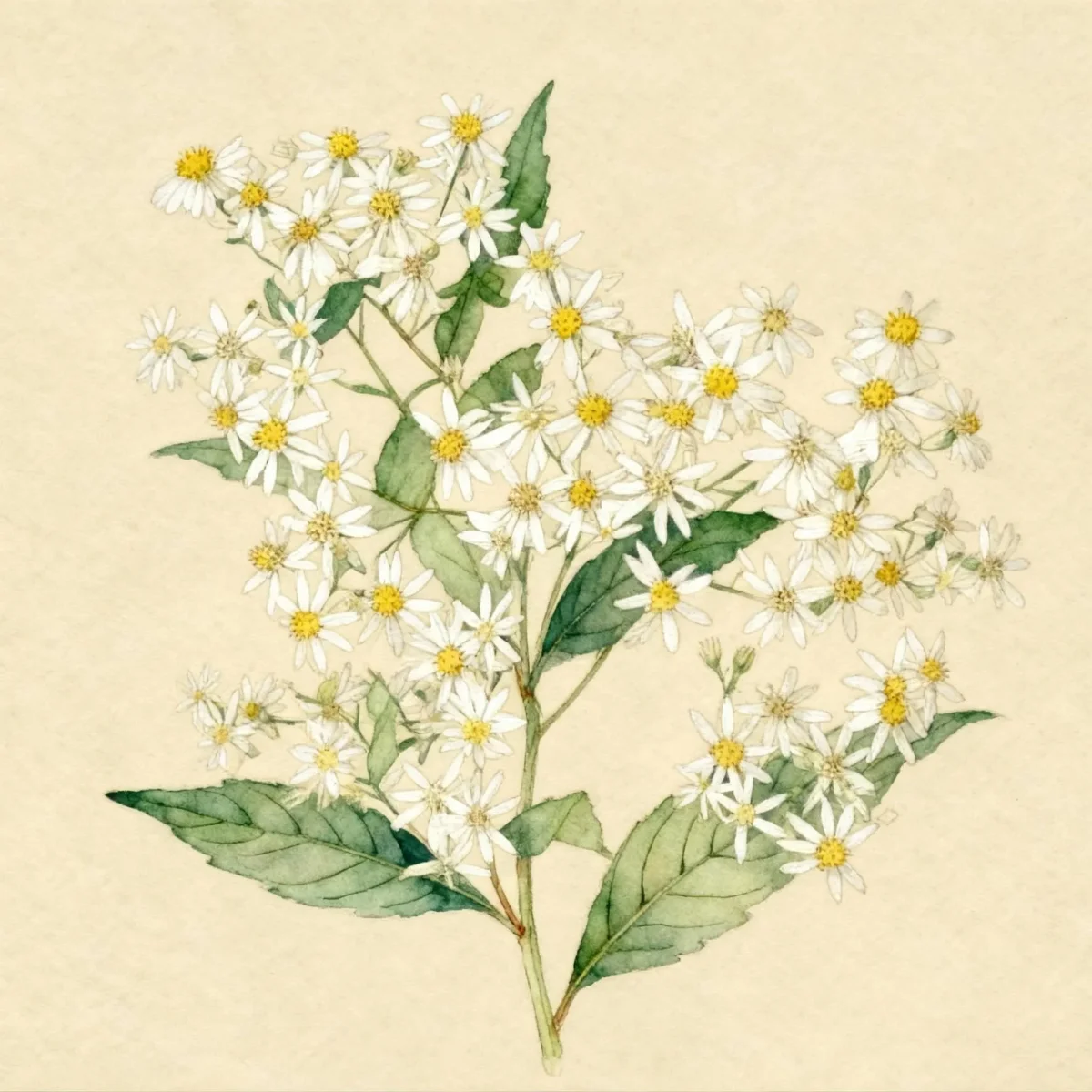
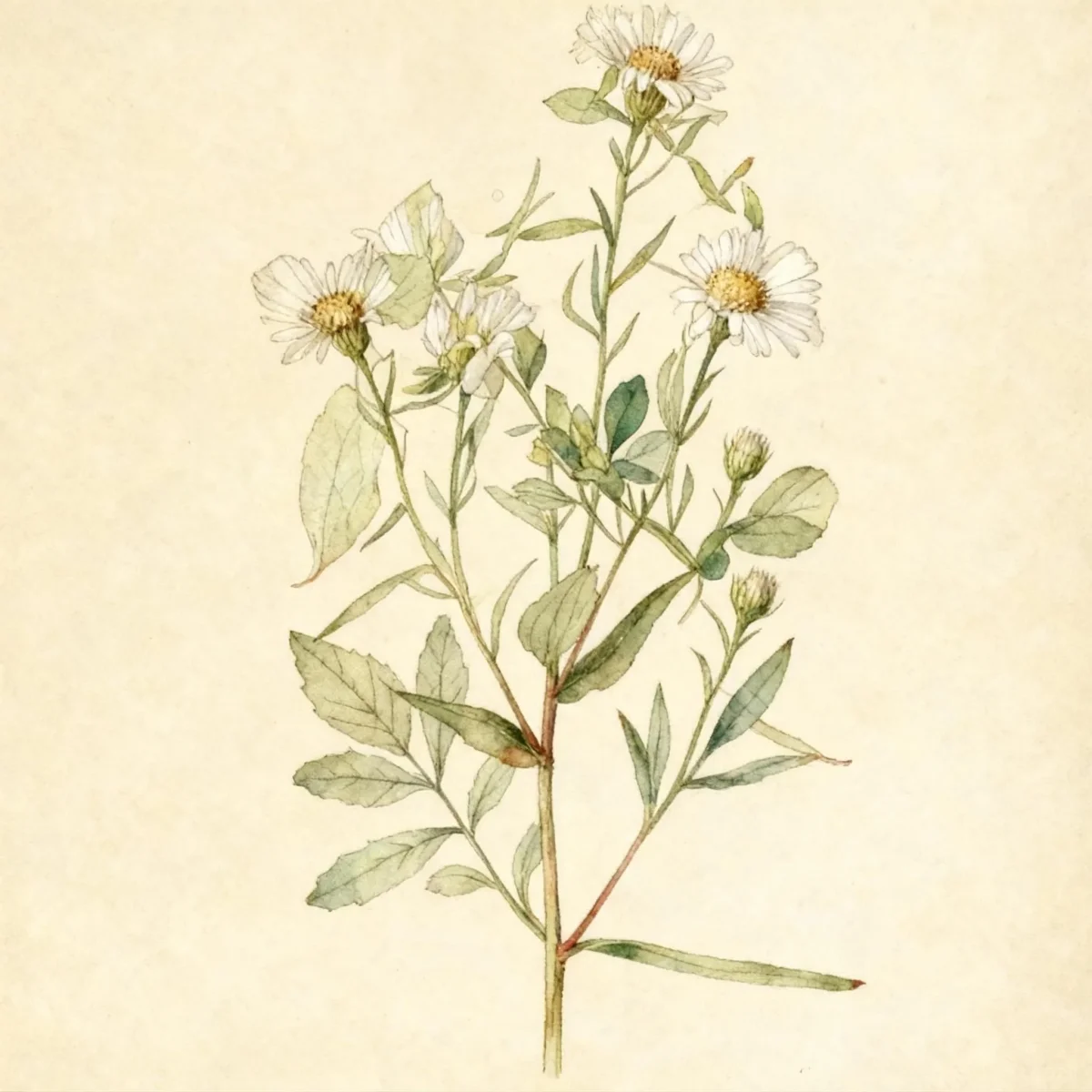
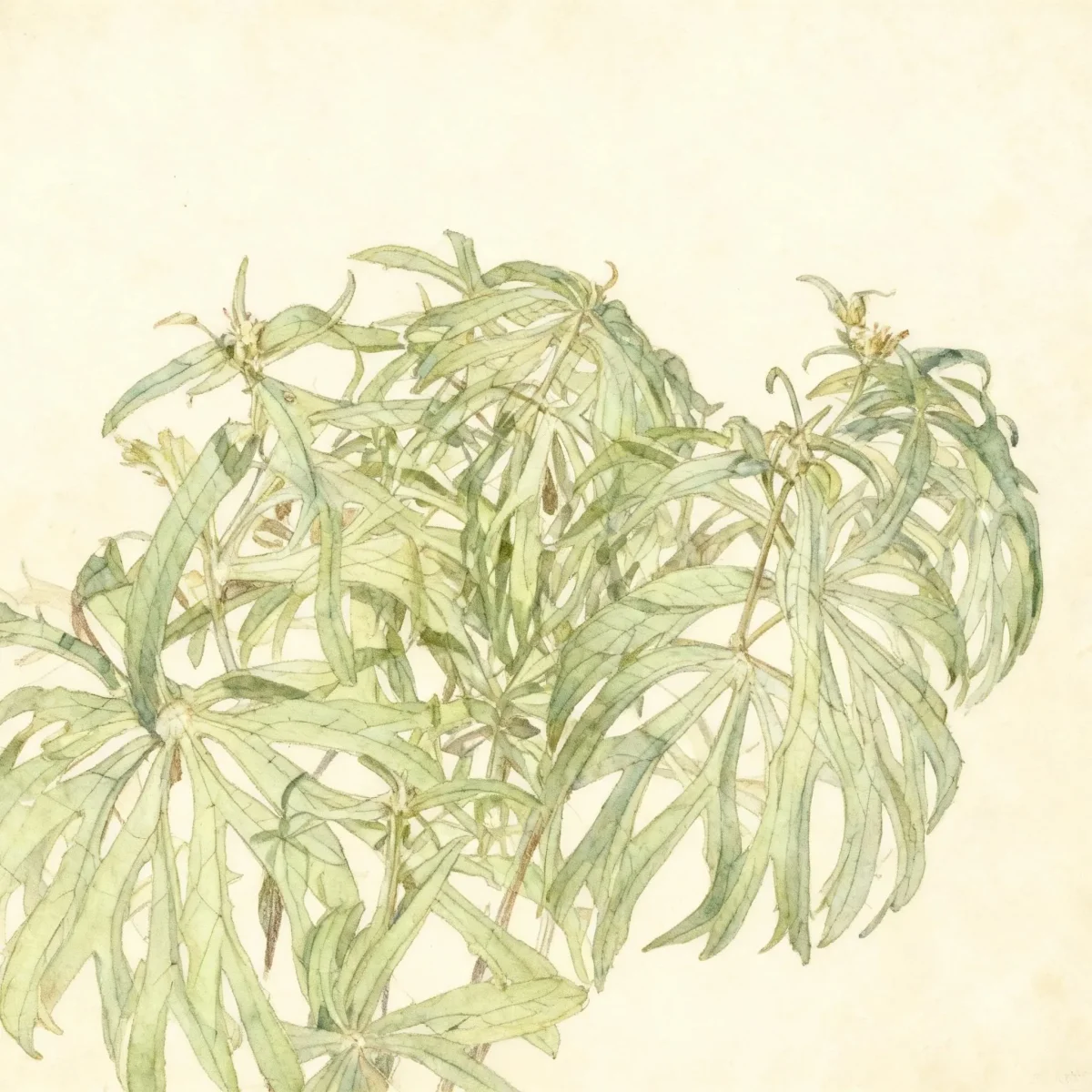
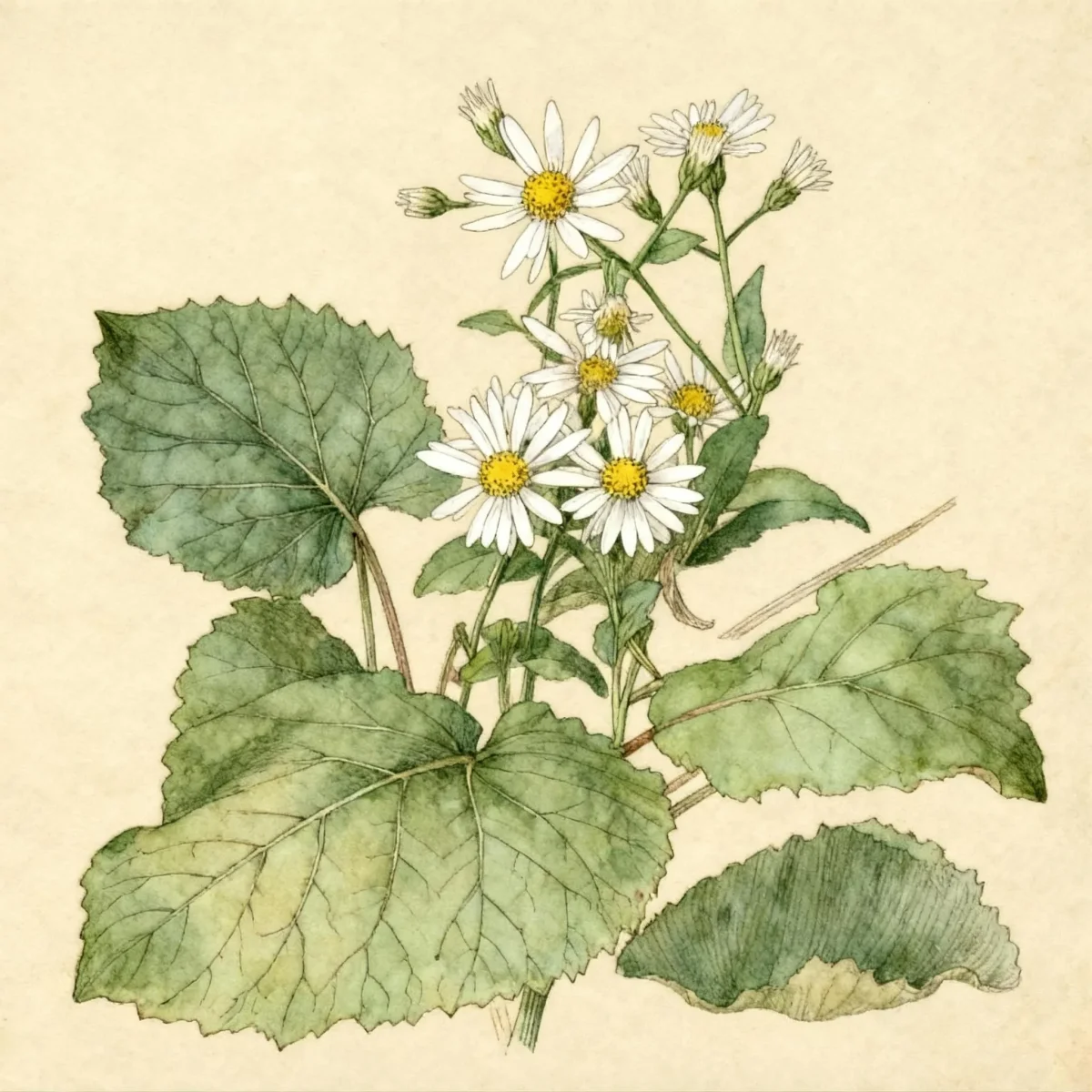
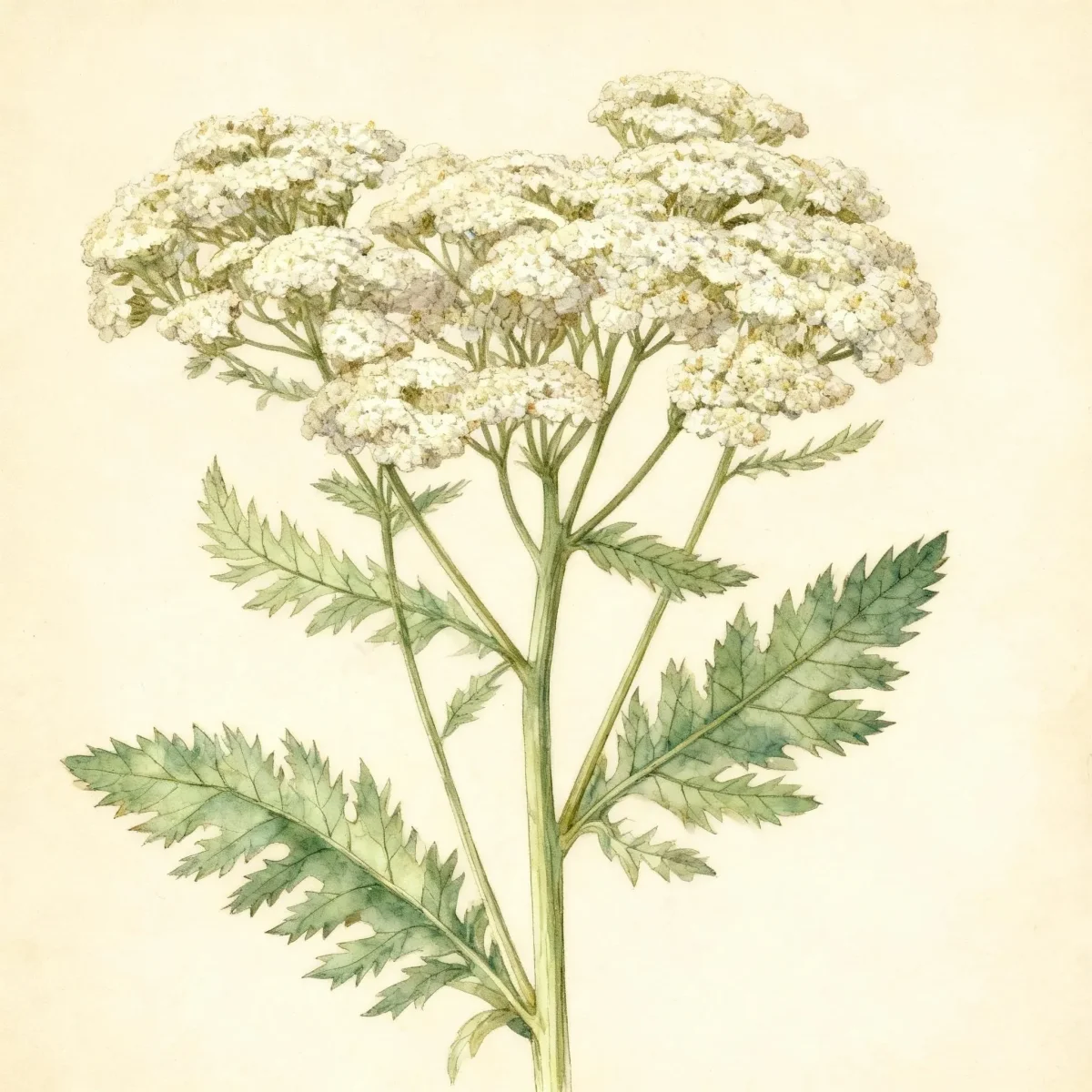
White wood aster (Eurybia divaricata)
Eurybia divaricata, the White wood aster, offers late-season white blooms ideal for dry shade gardens. Low maintenance.
Scroll down to discover growing tips, care requirements, companion plants, and more
Complete Plant Information
Overview
The White wood aster, scientifically known as Eurybia divaricata, is a highly valued native perennial for transforming challenging, shaded woodland spaces. This plant provides crucial late-season nectar for pollinators when many other summer flowers are fading. Its airy structure and abundant white flowers bring brightness to deep shade locations.
Eurybia divaricata thrives where other plants struggle, specifically flourishing in average, well-drained soils, even when they trend toward dry. Its low maintenance requirements make it an excellent choice for naturalizing or filling out native plant gardens with minimal effort. The dark, often zigzag stems offer architectural interest even before the blooms appear.
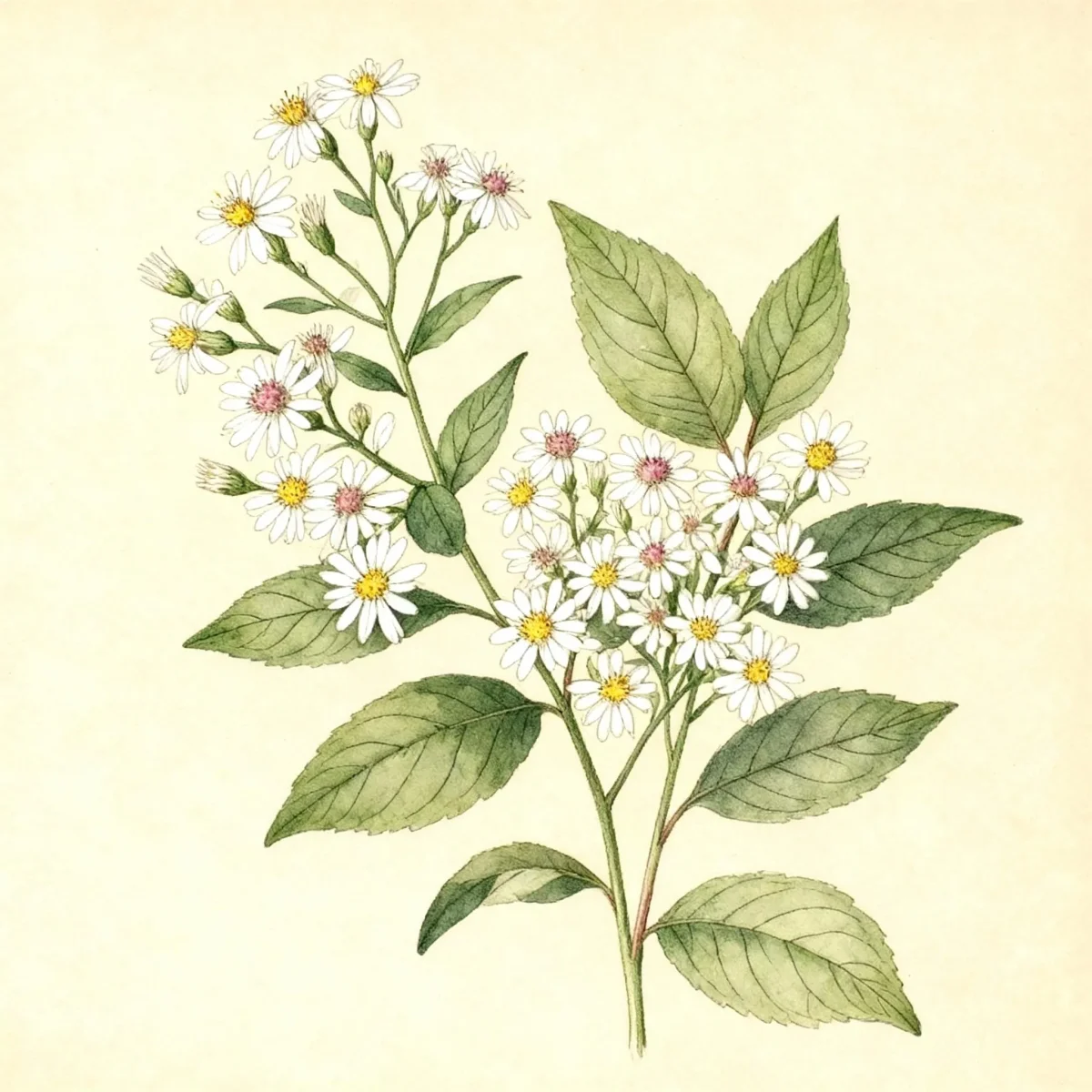
Attracting butterflies late in the season, the White wood aster is a dependable performer, offering small but prolific white ray flowers with contrasting yellow to red centers. For gardeners seeking reliable structure and ecological value in dry, shady areas, Eurybia divaricata is a must-integrate choice for late summer and early fall color.
Fast Facts
- Plant Family: Asteraceae
- Plant Type: Herbaceous perennial
- Native Range: Eastern North America
- Hardiness Zones: USDA Zones 3-8
- Size at Maturity:
- Height: 1-2.5 ft
- Spread: 1.5-2.5 ft
- Bloom Time: August to September
- Bloom Description: White with yellow to red centers
- Sun Exposure: Part shade to full shade
- Water Needs: Dry to medium
- Maintenance Level: Low
How to Grow
Planting Eurybia divaricata is easiest in the spring, allowing the roots time to establish before the heat of summer. Select a site that offers part shade to full shade, replicating its native dry open woods environment. The soil must be well-drained; this plant absolutely dislikes sitting in overly wet clay, which can invite disease.
Care for this aster is minimal once established. Water only during prolonged dry spells, as Eurybia divaricata tolerates drought well once mature. Fertilizing is generally unnecessary; enriching the soil too much often leads to floppy growth rather than sturdy clumps. Adequate air circulation is important to mitigate occasional powdery mildew.
Spring is the ideal time for propagation via division if you wish to expand your patches of White wood aster. If foliar diseases appear, prune back affected foliage or ensure better air flow immediately. The species’ overall low maintenance makes it an excellent screening plant or mass planting for shaded borders.
Landscape Uses
The reliability of Eurybia divaricata makes it perfect for open shade gardens and integrating seamlessly into woodland areas. Its modest stature (up to 2.5 feet) suits border edges where it can cascade slightly over paths or blend into cottage garden aesthetics. It is an essential component of any native plant garden focused on supporting local ecosystems.
When designing, consider pairing the white flowers of the White wood aster with foliage plants that thrive in similar dry shade conditions for textural contrast. Hostas, ferns, and other shade-loving woodland natives create an effective, low-maintenance tapestry that highlights the aster’s late-season bloom. Use it to soften the transition between a lawn and deeper woods.
Because of its tolerance for dry soil, Eurybia divaricata is exceptional for difficult slopes or under mature trees where competition for water is intense. It naturally forms loose clumps, making it ideal for drifts rather than formal, rigid groupings.
Standout Features
Flower Qualities
- Showy
Noteworthy Characteristics
Eurybia divaricata is native to Eastern U.S. And typically grows in the wild in dry open woods. It grows in loose clumps with dark, sprawling, sometimes zigzag stems up to 2.5’ tall. Distinctive leaves are heart-shaped, stalked and coarsely toothed. Small but abundant flowers (to 1 inch across) have white rays and yellow to red center disks and appear in flat-topped, terminal clusters in late summer to early fall. Attractive to butterflies.Specific epithet means spreading.
Tolerances
- Drought
- Heavy Shade
- Dry Soil
- Shallow-Rocky Soil
Potential Problems
There are generally no serious insect or disease problems associated with healthy Eurybia divaricata. The primary concern is some susceptibility to powdery mildew, particularly if air circulation is poor or humidity is high. To manage this, site the plants where air moves freely and avoid overhead watering late in the day. Aster wilt can occasionally become an issue, especially when White wood aster is planted in heavy, poorly-drained clay soils, emphasizing the need for well-drained planting locations.
Frequently Asked Questions
What hardiness zones is White wood aster suitable for?
Eurybia divaricata is quite cold-hardy, suitable for USDA Zones 3 through 8.
How large does White wood aster grow?
This perennial typically reaches a height between 1 and 2.5 feet, with a spread ranging from 1.5 to 2.5 feet.
When does White wood aster bloom?
The bloom time for Eurybia divaricata is late in the season, generally spanning from August into September, featuring abundant white flowers.
What sun exposure does White wood aster need?
This plant prefers part shade conditions but adapts well to full shade, though some morning sun can improve vigor and reduce the chance of foliar diseases.
Conclusion
The Eurybia divaricata provides essential, low-effort beauty for shaded corners, delivering a burst of white bloom when the garden needs it most. Integrating the White wood aster into your landscape brings native ecological benefits alongside easy culture in dry conditions. Before planting, confirm your soil drains well and select a position with appropriate light conditions for thriving success.
Companion Planting
For a cohesive shady border, pair Eurybia divaricata with plants that share its low-maintenance and dry-tolerant preferences. Lungwort (Pulmonaria) offers early color and attractive foliage beneath the aster canopy. Solomon’s Seal (Polygonatum species) provides vertical accent and structure that complements the sprawling habit of the White wood aster. Consider woodland ferns like Christmas Fern (Polystichum acrostichoides) to enhance the natural woodland feel.
Wildlife Benefits
The late flowering season of the White wood aster is critically important for migratory pollinators preparing for their long journeys. The small, accessible flowers are highly attractive to various species of butterflies, providing them with necessary late-season nectar reserves. Planting colonies of Eurybia divaricata supports local biodiversity and ensures your garden remains active throughout the transition from summer to autumn.