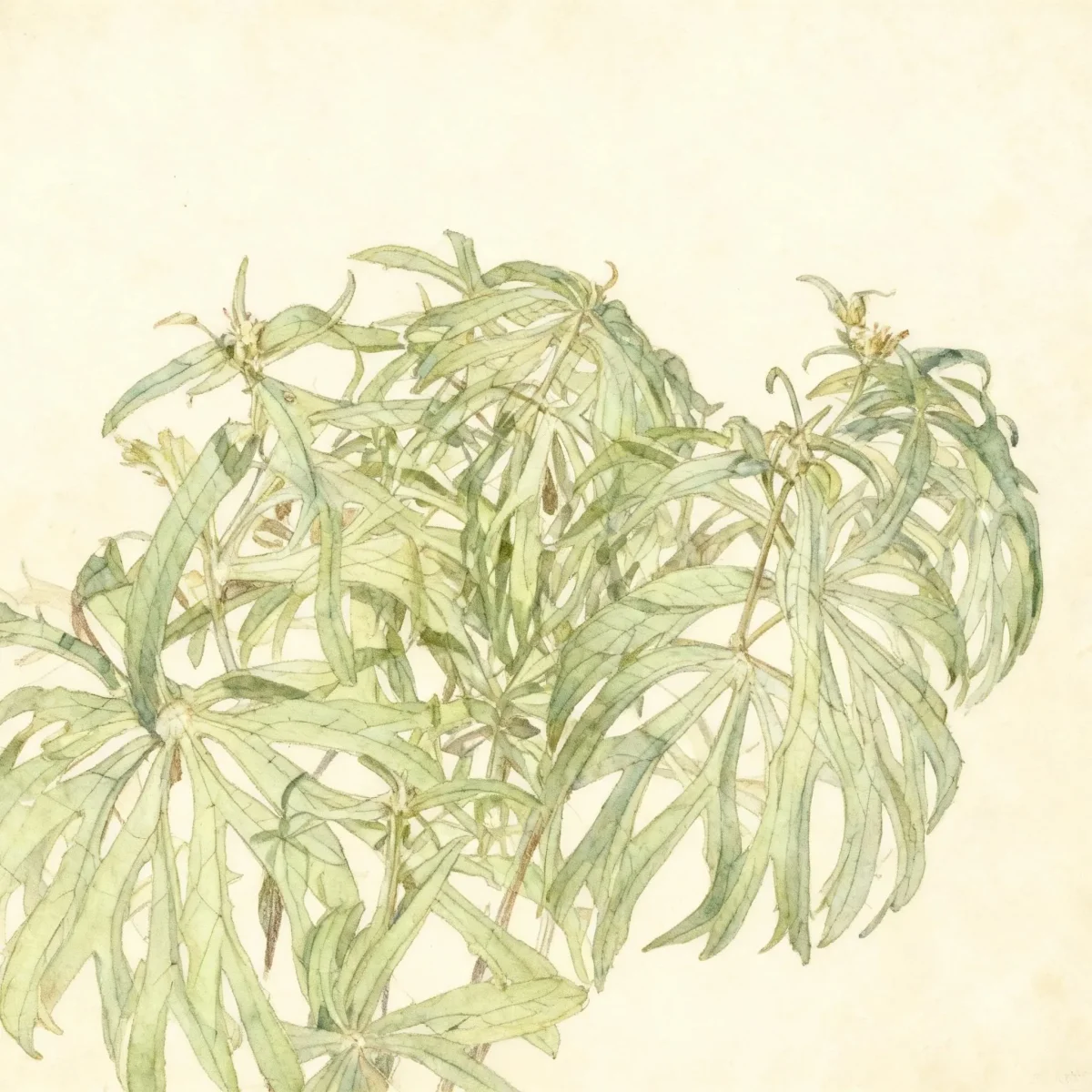
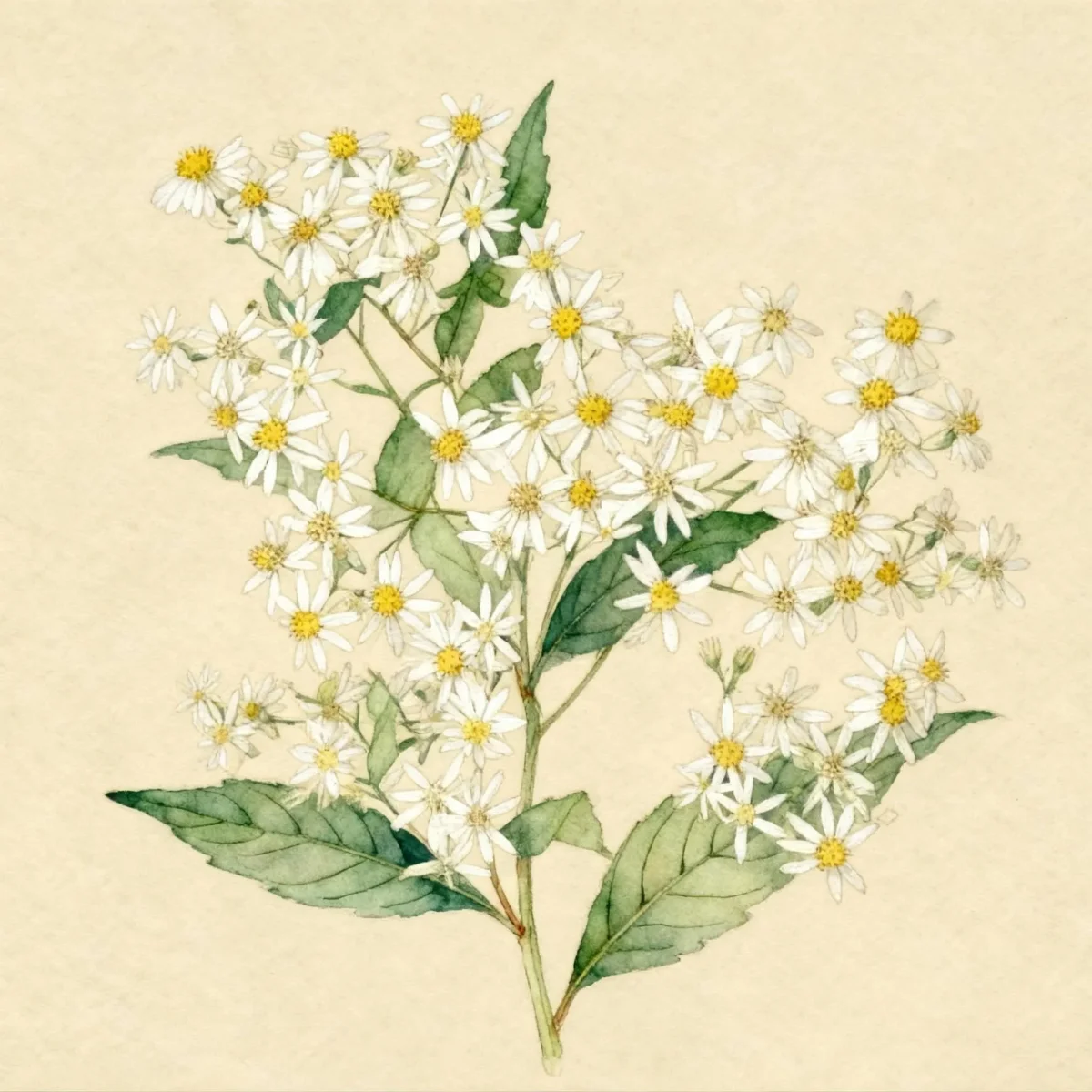
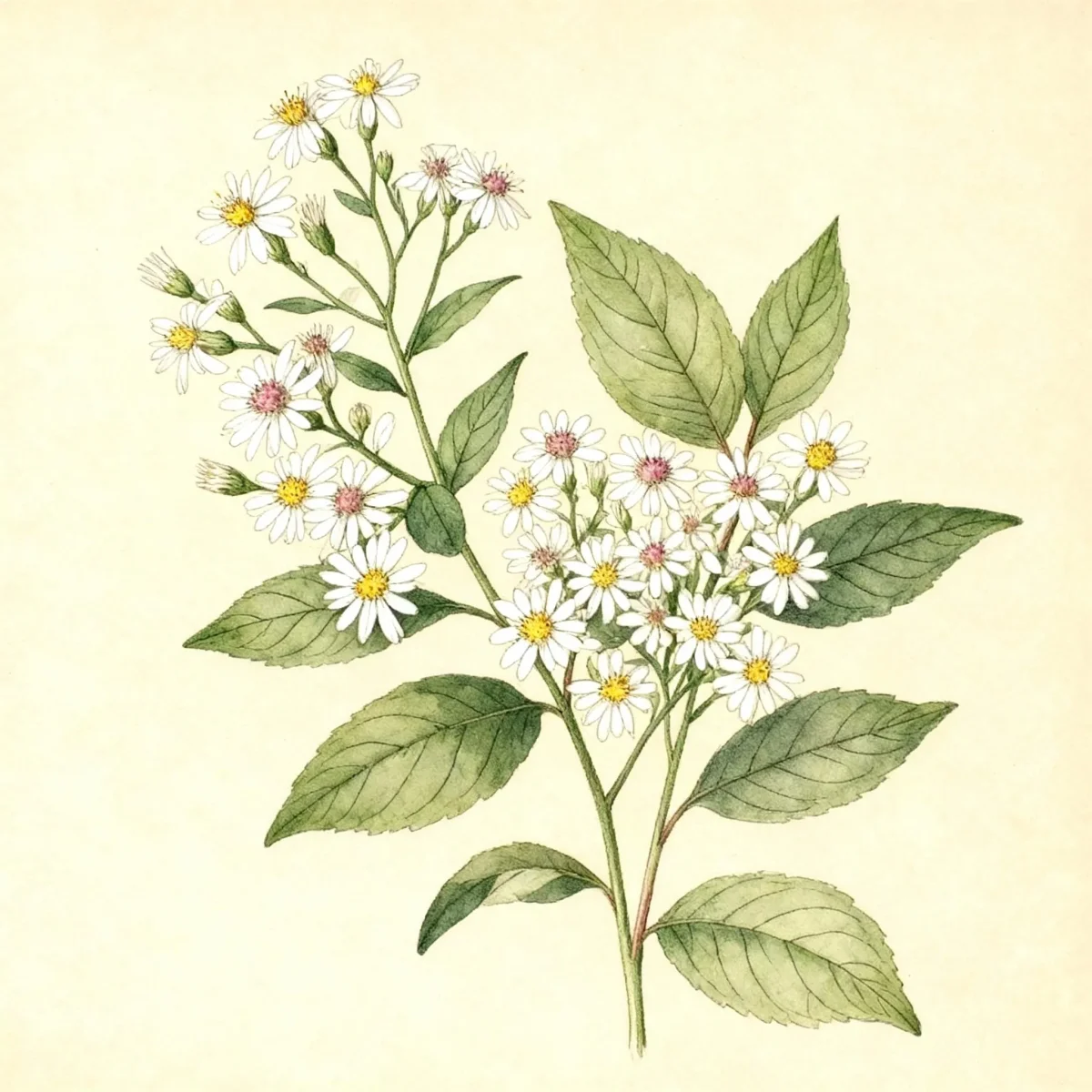
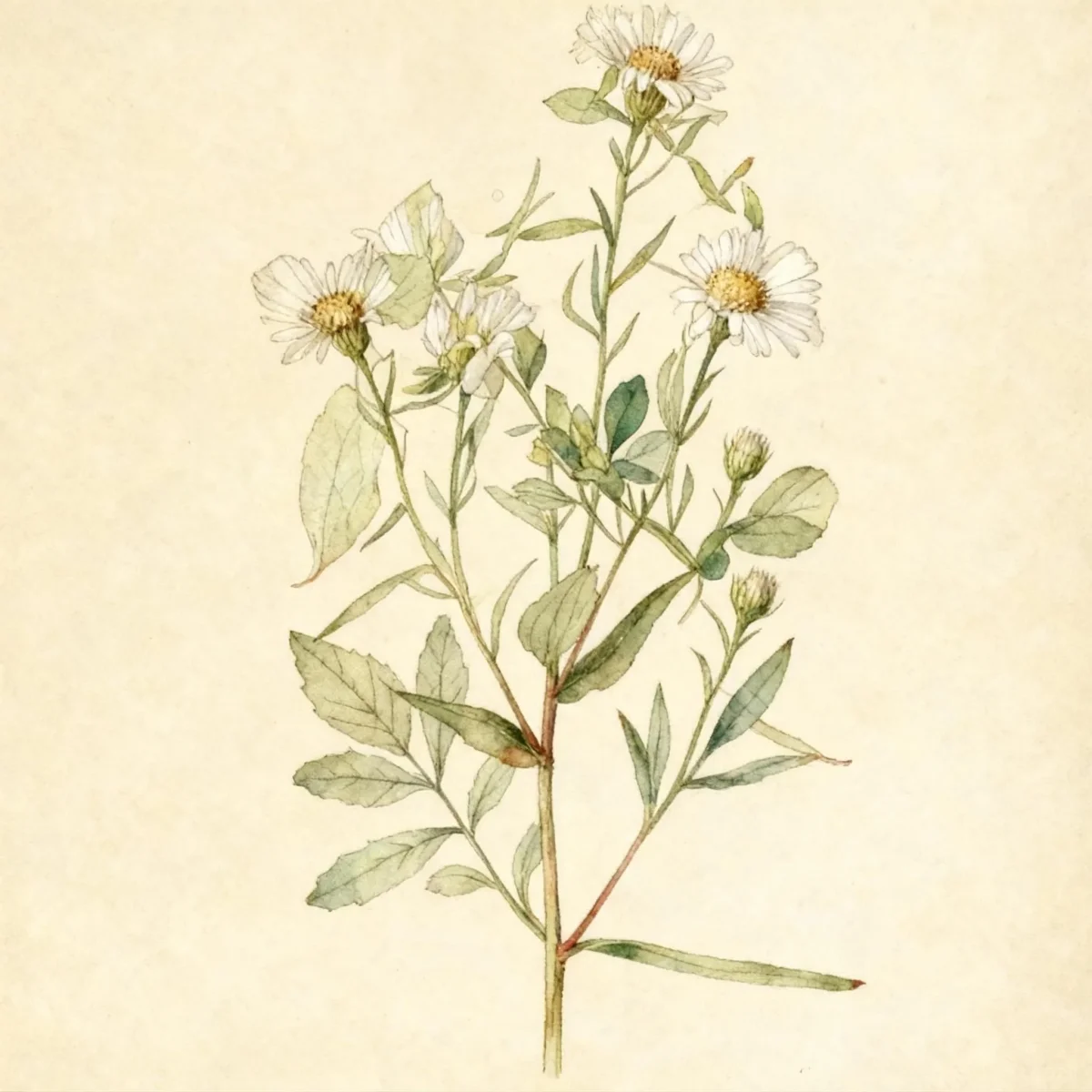
Large-leaved aster (Eurybia macrophylla)
Discover Eurybia macrophylla, the Large-leaved aster, perfect for shade gardens. This low-maintenance perennial boasts large basal foliage and late-season blue flowers.
Scroll down to discover growing tips, care requirements, companion plants, and more
Complete Plant Information
Overview
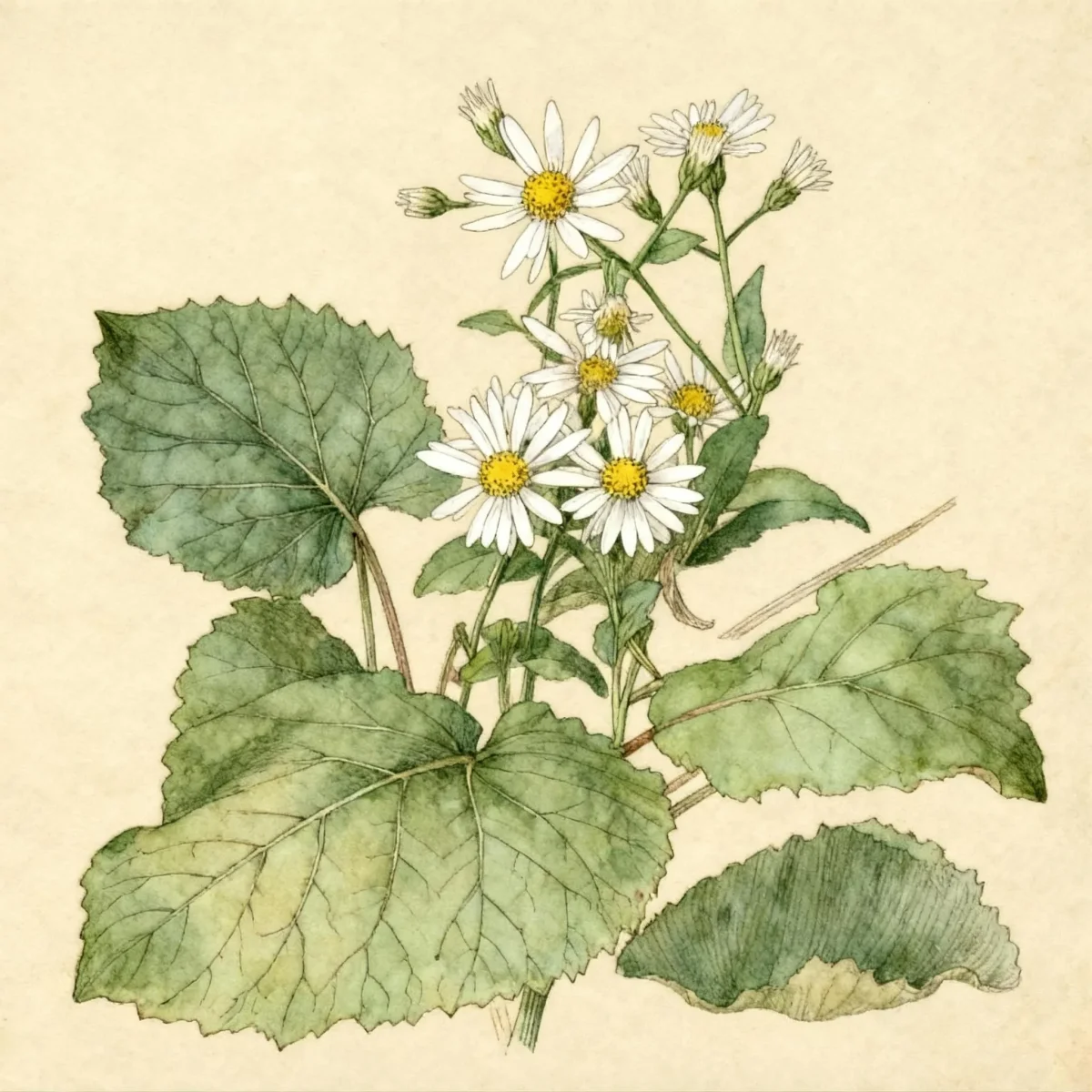
The Large-leaved aster (Eurybia macrophylla) is a highly valued woodland native, cherished for its substantial basal foliage that emerges early and provides texture throughout the season. While it produces charming late-season blooms, many gardeners plant this species specifically for its impressive, large, heart-shaped leaves, which offer significant structure in shaded landscapes. As a rhizomatous perennial native to eastern North America, Eurybia macrophylla reliably forms colonies under the canopy.
This herbaceous perennial is an excellent low-maintenance choice for areas receiving part shade to deep shade. It offers crucial late-season nectar for wildlife, making it a beneficial addition to native plant gardens. The plant’s easygoing nature and naturalizing tendency make it perfect for filling in woodland borders or creating drifts under mature trees where few other flowering perennials thrive.
The characteristic flat-topped clusters of pale blue to violet flowers signal the approach of autumn, drawing in late-season butterflies. For gardeners seeking robust ground cover in shadier spots, the Large-leaved aster is an indispensable, undemanding component of the native ecosystem.
Fast Facts
- Plant Family: Asteraceae
- Plant Type: Herbaceous perennial
- Native Range: Eastern and central North America
- Hardiness Zones: USDA Zones 3-8
- Size at Maturity:
- Height: 2-4 ft
- Spread: 2-4 ft
- Bloom Time: September to October
- Bloom Description: Violet to pale blue rays with yellow centers
- Sun Exposure: Part shade to full shade
- Water Needs: Medium
- Maintenance Level: Low
How to Grow
Eurybia macrophylla establishes best when planted in the spring or early fall. Seek out a site that mimics its native woodland habitat, favoring moist, well-drained, sandy loams. While this Large-leaved aster can tolerate deep shade, optimal flowering and sturdier growth occur when situated in part shade conditions.
Once established, this plant requires medium water consistency, mimicking the dappled moisture found on a forest floor. Avoid letting the soil dry out completely, particularly during hot summer spells. It generally requires little to no supplemental fertilization if planted in reasonable woodland soil, aligning with its low maintenance profile.
This rhizomatous perennial spreads naturally and may self-seed, resulting in pleasing colonies over time—ideal for naturalizing. Minimal aesthetic pruning is usually necessary; cleanup involves cutting back dead foliage in early spring before new growth emerges. Be mindful of its spreading habits when placing it near manicured borders.
Landscape Uses
The primary strength of Large-leaved aster lies in its suitability for naturalizing within woodland settings. Plant it beneath deciduous trees or on wooded slopes where the filtered sunlight encourages robust performance. It blends seamlessly into native plant gardens or open shade borders, providing excellent textural contrast against finer-leaved ferns or hostas.
Use Eurybia macrophylla to soften the edges of paths or to serve as a dense, weed-suppressing middle layer in a layered shade garden design. Because it performs best when allowed to spread naturally, group these plants in drifts rather than single specimens to maximize the visual impact of the large basal leaves. Companion planting with other shade lovers like foamflower (Tiarella) or wild ginger (Asarum) enhances the layered woodland aesthetic.
Standout Features
Flower Qualities
- Showy
Noteworthy Characteristics
Eurybia macrophylla, commonly called large-leaved aster or big-leaved aster, is noted for its large basal leaves (4-8” wide). It is sometimes planted in wooded areas more for its foliage effect than for its fall flowering which is sometimes sparse. This is a rhizomatous perennial that grows 2-4’ tall. Flowers are attractive to butterflies, and the tender, young basal leaves may even be cooked and eaten as greens.
Tolerances
Potential Problems
The Large-leaved aster is generally known for having no known serious insect or fungal disease problems, which contributes to its low maintenance rating. However, like many asters grown in less-than-ideal conditions—especially those with poor air circulation or overly damp soil—powdery mildew may occasionally occur. To mitigate this risk, ensure adequate air movement around the clumps and plant them in well-drained areas, even within shaded environments.
Frequently Asked Questions
What hardiness zones is Large-leaved aster suitable for?
Eurybia macrophylla is a highly adaptable perennial suitable for USDA Zones 3 through 8.
How large does Eurybia macrophylla grow?
This species typically reaches a mature height between 2 and 4 feet tall with a spread of 2 to 4 feet wide as it forms colonies.
What sun exposure does Large-leaved aster need?
This plant thrives in part shade but is notably tolerant, performing well even in full shade environments common in woodland settings.
When does Eurybia macrophylla bloom?
The flat-topped flower clusters appear late in the season, typically blooming from September into October, featuring violet to pale blue rays with yellow centers.
Conclusion
The Large-leaved aster (Eurybia macrophylla) offers gardeners a winning combination of substantial, attractive foliage and reliable late-season color, establishing itself as a cornerstone for native shade plantings. Its low maintenance needs and ability to naturalize make it easy to incorporate throughout broad landscapes. Before planting, confirm that your chosen location offers consistent moisture and appropriate part shade to ensure the best results for this wonderful North American native.
Companion Planting
When utilizing Eurybia macrophylla in woodland designs, choosing companions that appreciate similar moisture and light conditions is key. Pair the broad leaves of the aster with ferns that have finer textures, such as Ostrich Fern (Matteuccia struthiopteris) or Christmas Fern (Polystichum acrostichoides), to create visual interest. For complementary late-season color, consider native woodland geraniums or Actaea species, ensuring that all chosen partners share the medium water requirements of the Large-leaved aster.
Propagation Tips
As a rhizomatous perennial, the easiest and most effective way to propagate Eurybia macrophylla is through division. Depending on the vigor of the patch, division can be done in early spring just as new growth begins to emerge, or in the fall after the foliage has died back. Carefully dig up sections of the clump, ensuring each division has several healthy roots and a good crown of basal leaves. Replant these divisions immediately into a prepared area with moist, well-drained soil to encourage rapid establishment.